The Charter of San Michele all'Adige
    historysignatoriestargetape selvatica

    The Charter of San Michele all'Adige

    The San Michele all'Adige Charter is a document that promotes the protection of the subspecies of Apis mellifera, a pronous and undomesticated insect that plays a fundamental role in the conservation of biodiversity. Discover the challenges and objectives of the San Michele Charter in this article.

    Read the article
    26/07/2023Of 3Bee, Elena Fraccaro
    365 Views
    26/07/2023Of 3Bee, Elena Fraccaro
    365 Views

    St Michael's Charter: the history

    The Charter of San Michele all'Adige is a document written by leading scientists and scholars from the world of beekeeping and environmentalism. The aim of the document is to launch a appeal for the protection of the biodiversity of the native subspecies of "Apis mellifera Linnaeus, 1758" in Italy. Promoting this project was Paolo Fontana, naturalist, entomology expert and researcher at the Edmund Mach Foundation. It was precisely here, in 2018, that the San Michele all'Adige Charter was officially drafted and signed, to inform public administrations on the behaviours to be implemented to address the decline in honeybee colonies and the consequent negative effects on agricultural production, in light of the fact that over 75% of the main agricultural crops depend on their pollination. Subsequently, on the websites of the Edmund Mach Foundation and the World Biodiversity Association, the signing of the San Michele Charter was promoted.
    apis mellifera carta di san michele

    The drafters and signatories of the San Michele Charter

    Inside the Carta di San Michele are all the scientific arguments explaining the vision of the working group composed of 28 scholars, including 10 representatives of the main Italian universities - Universities of Bologna, Molise, Naples Federico II, Padua, Palermo, Perugia, Pisa, Sassari, Turin, Udine and Vicenza -, the CREA and Fondazione Edmund Mach, who drafted and signed the document. The San Michele all'Adige Charter is a purely scientific text that takes stock of the genetic identity of bees.
    carta di san michele ape
    XNatura

    The objective of the San Michele Charter

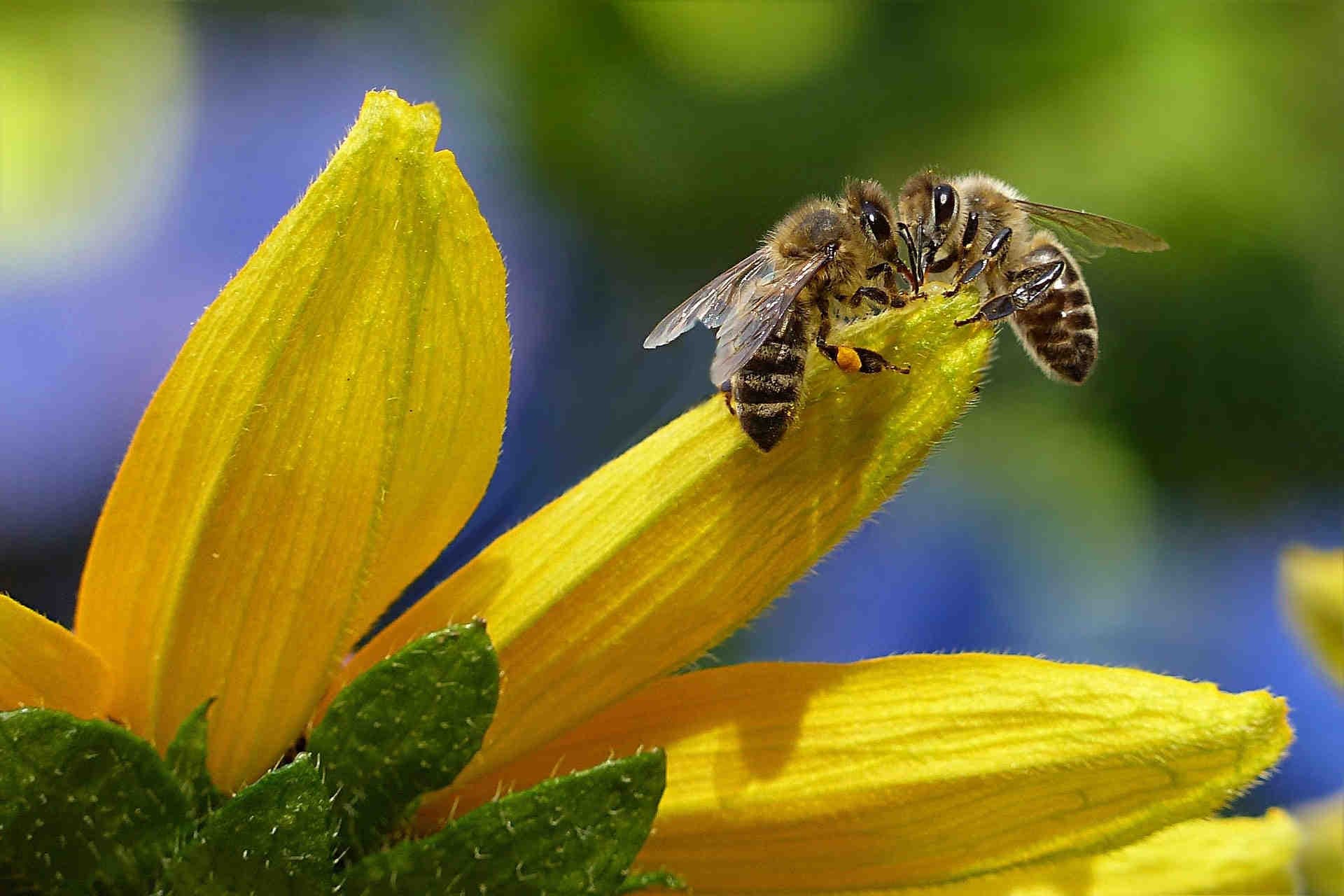
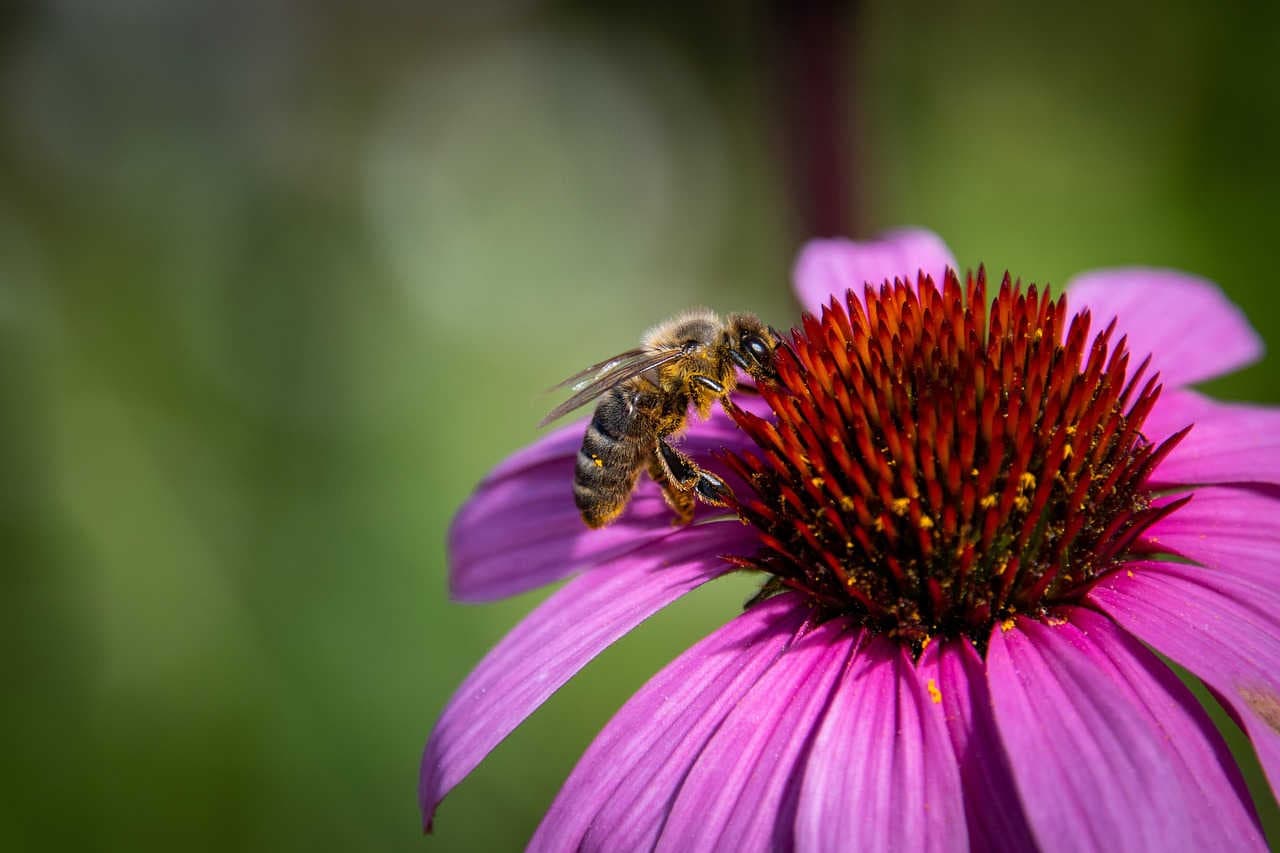
    Bees, and in general the pollinating insects, play a essential role in the reproduction of many plant species, thanks to their pollination work. However, they are increasingly endangered due to the consequences of climate change, habitat loss and other multiple threats. The St. Michael's Map aims to communicate "the urgency of granting adequate wildlife protection to the honey bee (Apis mellifera Linnaeus, 1758) and, in particular, its native subspecies. Although this species has been managed by beekeepers for many millennia, it cannot be considered a domestic animal and, as a pollinating insect, it plays an unreplaceable role in the conservation of biodiversity and thus in the maintenance of natural balances themselves, not to mention the impact on agricultural production."
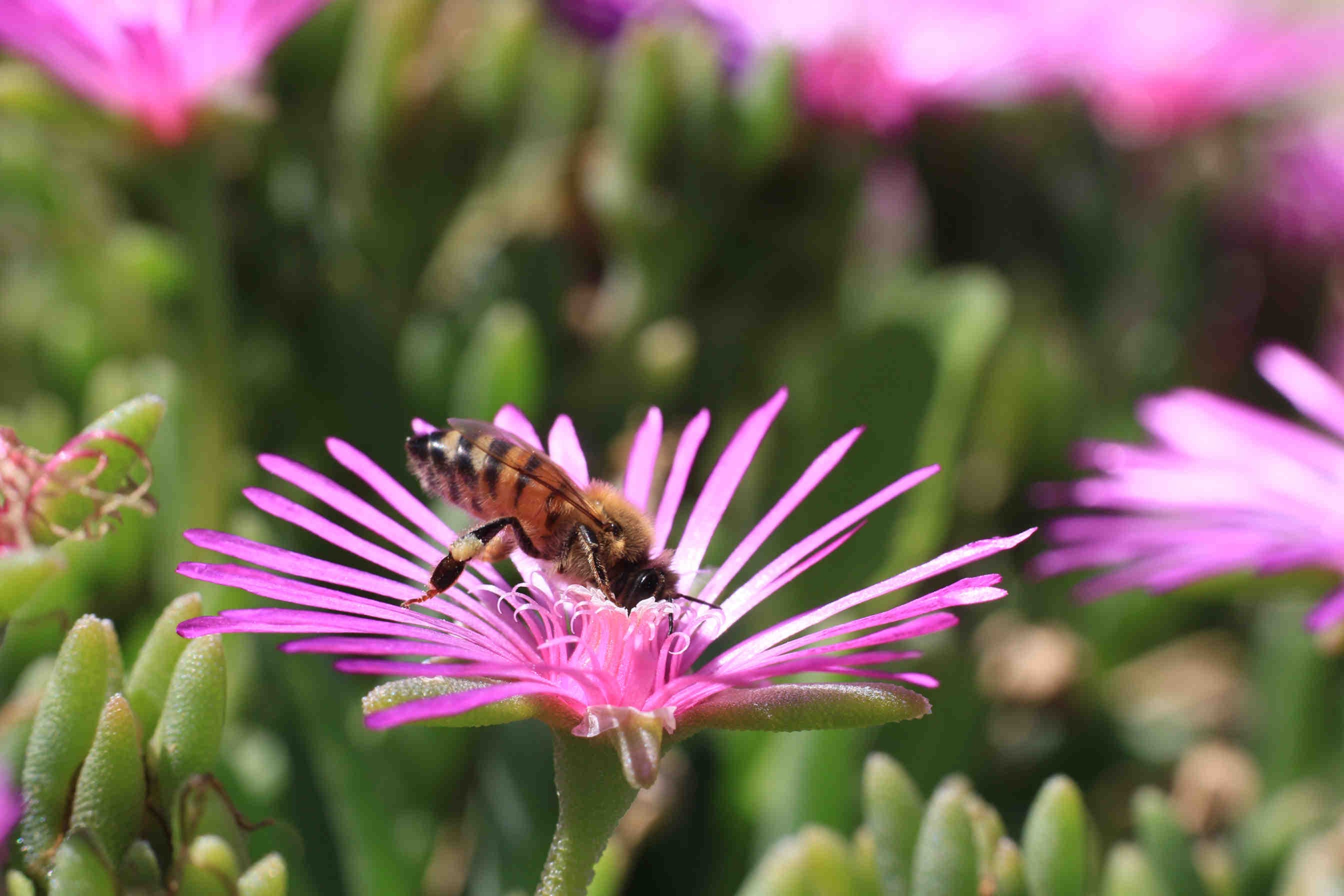
    apis mellifera

    Honey bee is not the opposite of wild bee

    The St. Michael's Map states that the honey bee has never been domesticated. By domestication is meant, the process by which an animal or plant species is made domesticated, i.e. 'dependent on cohabitation with man and on the latter's control of its feeding and breeding conditions'. Already Pliny the Elder had commented on the fact that the honey bee managed by beekeepers had not become a domesticated animal. And "it is precisely the selvicity of the honey bee, its not being a domestic animal, that is the starting point of this paper." Today, when we talk about a wild species and its protection, it is important to establish whether it is a autoctono or alloctono organism. Over time, the honey bee has conquered a vast range, diversifying into populations identified as subspecies, first on morphological and ethological grounds, and more recently through molecular biology studies.

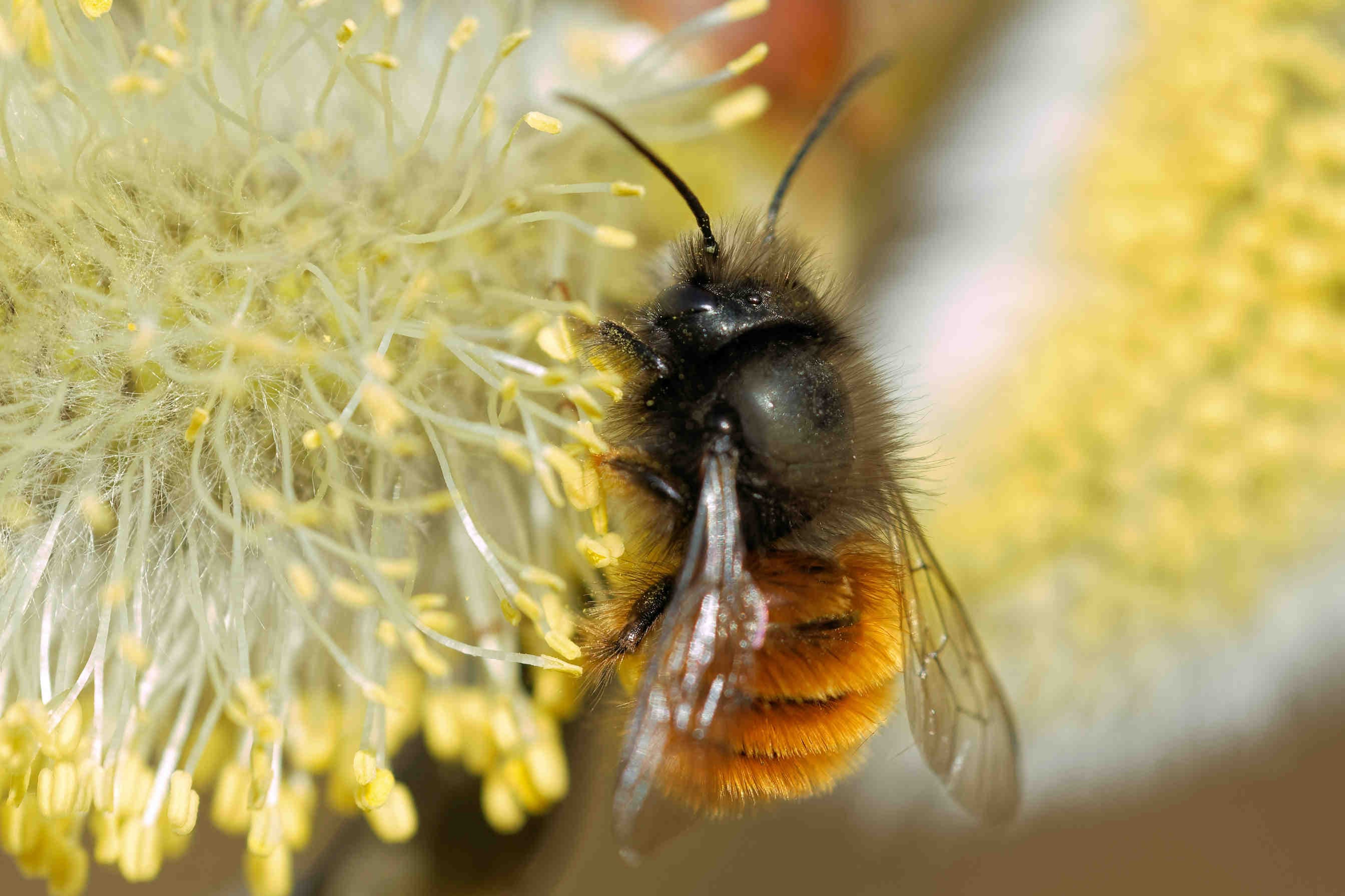
    ape selvatica osmia cornuta
    XNatura

    Honey bees and pollinating insects as bio-indicators

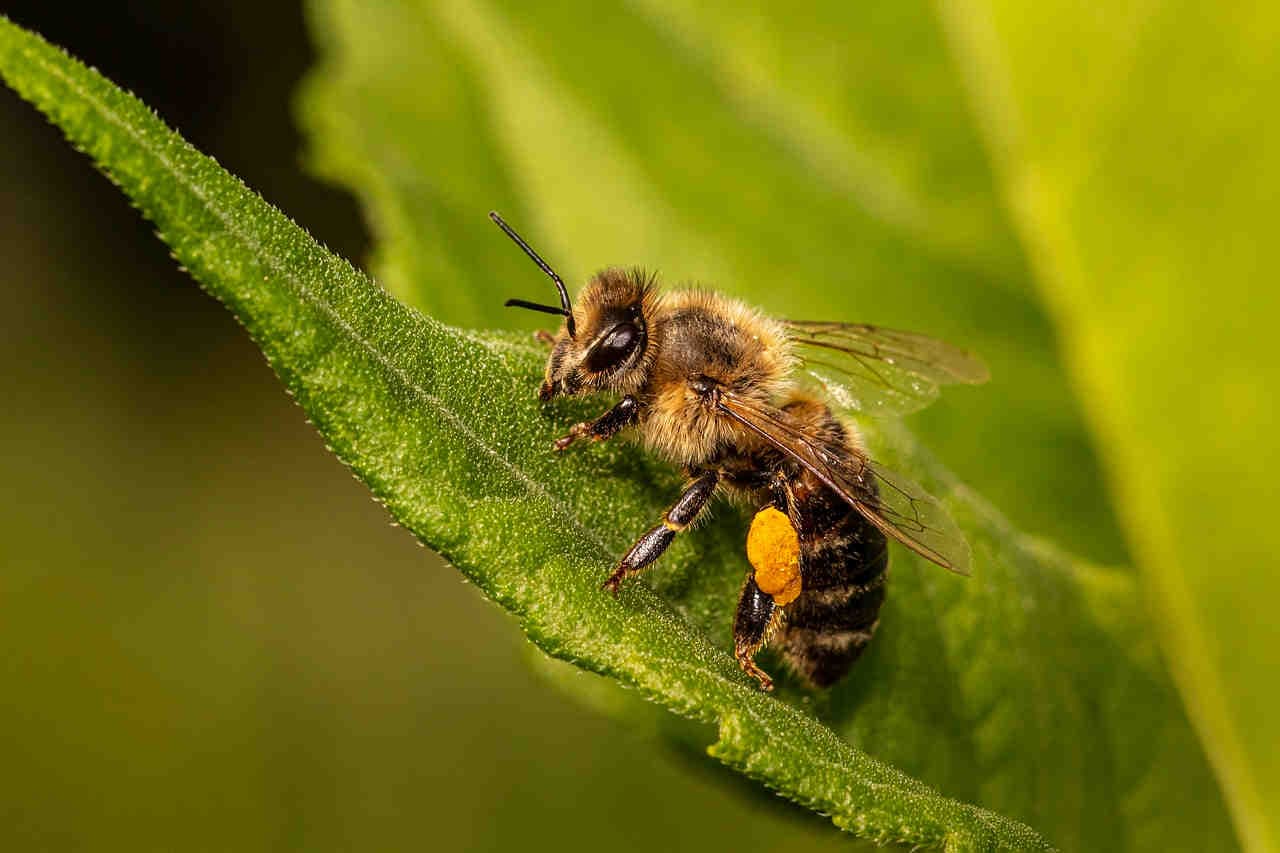
    The Carta di San Michele all'Adige therefore promotes the safeguard of the subspecies of Apis mellifera, a pronous and non-domesticated insect that plays a fundamental role for the conservation of biodiversity and the maintenance of local natural balances; the limitation of the genetic depletion of bees; the protection of plant biodiversity and agricultural production. At 3Bee, we are working on a series of experiments with our technology Spectrum, which allows us to count the pollinator insects and assess their diversity and abundance. In this way, we do field research and monitor the honey bee and other pollinators with the aim of obtaining a real-time census of the biodiversity around us. The honey bee is in fact an important environmental bio-indicator and it is precisely its role as a sentinel that allows us to assess the healthiness of habitats.
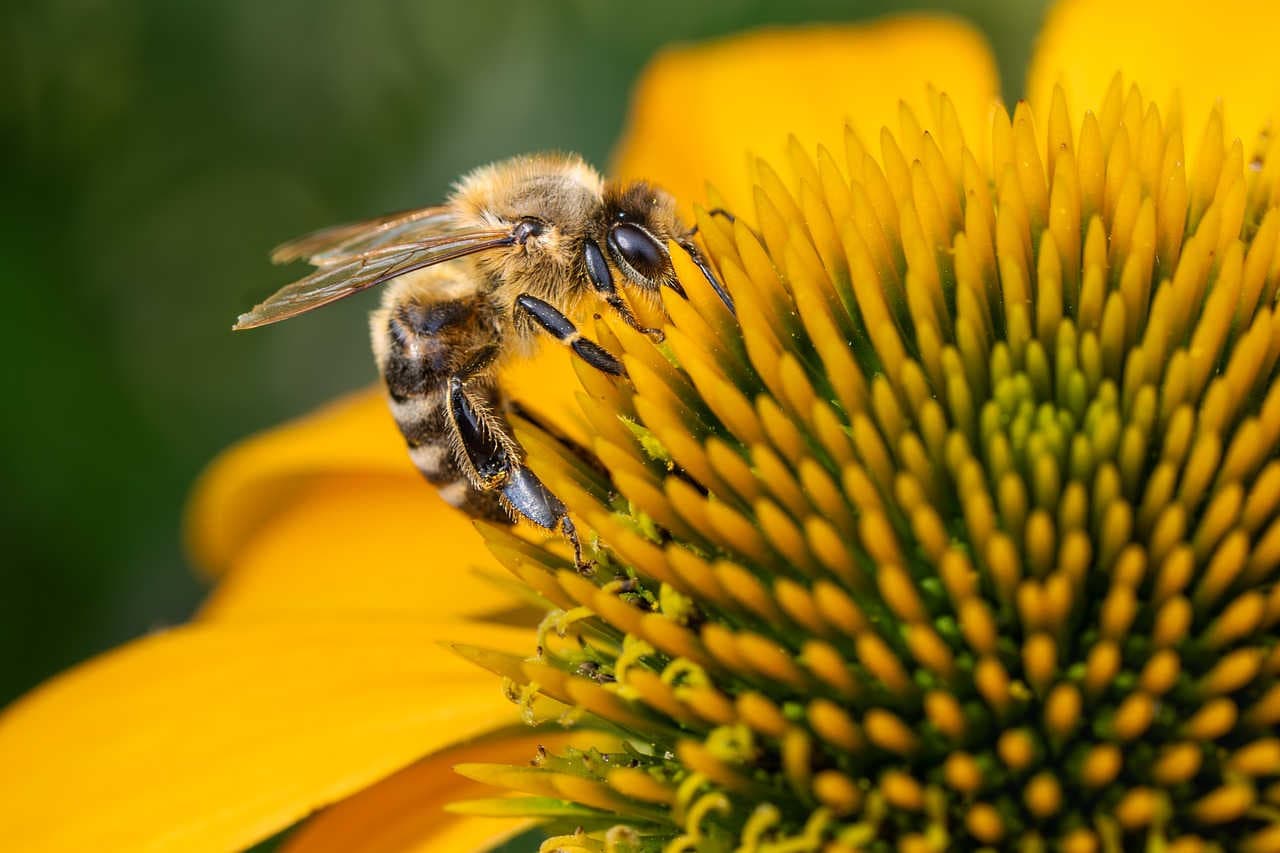
    ape mellifera biondicatore
    3Bee
    26/07/2023Of 3Bee, Elena Fraccaro
    365 Views
    Newsletter
    newsletter
    Subscribe to the Blog about bees and biodiversity

    Frequently Asked Questions

    Do you have any doubts or other curiosities about this article? Here you will find some insights