10 things to know about cockroaches
    What they areWhere they liveWhat they loveWhat they eat

    10 things to know about cockroaches

    Cockroaches are among the most misunderstood and misconceived insects. Discover in this article ten fundamental aspects about cockroaches, from their evolution and taxonomy to their habitats, diet, reproduction, curiosities, and ecological importance.

    Read the article
    06/05/2025Of 3Bee, Niccolò Patelli
    1085 Views
    06/05/2025Of 3Bee, Niccolò Patelli
    1085 Views

    1. What are cockroaches

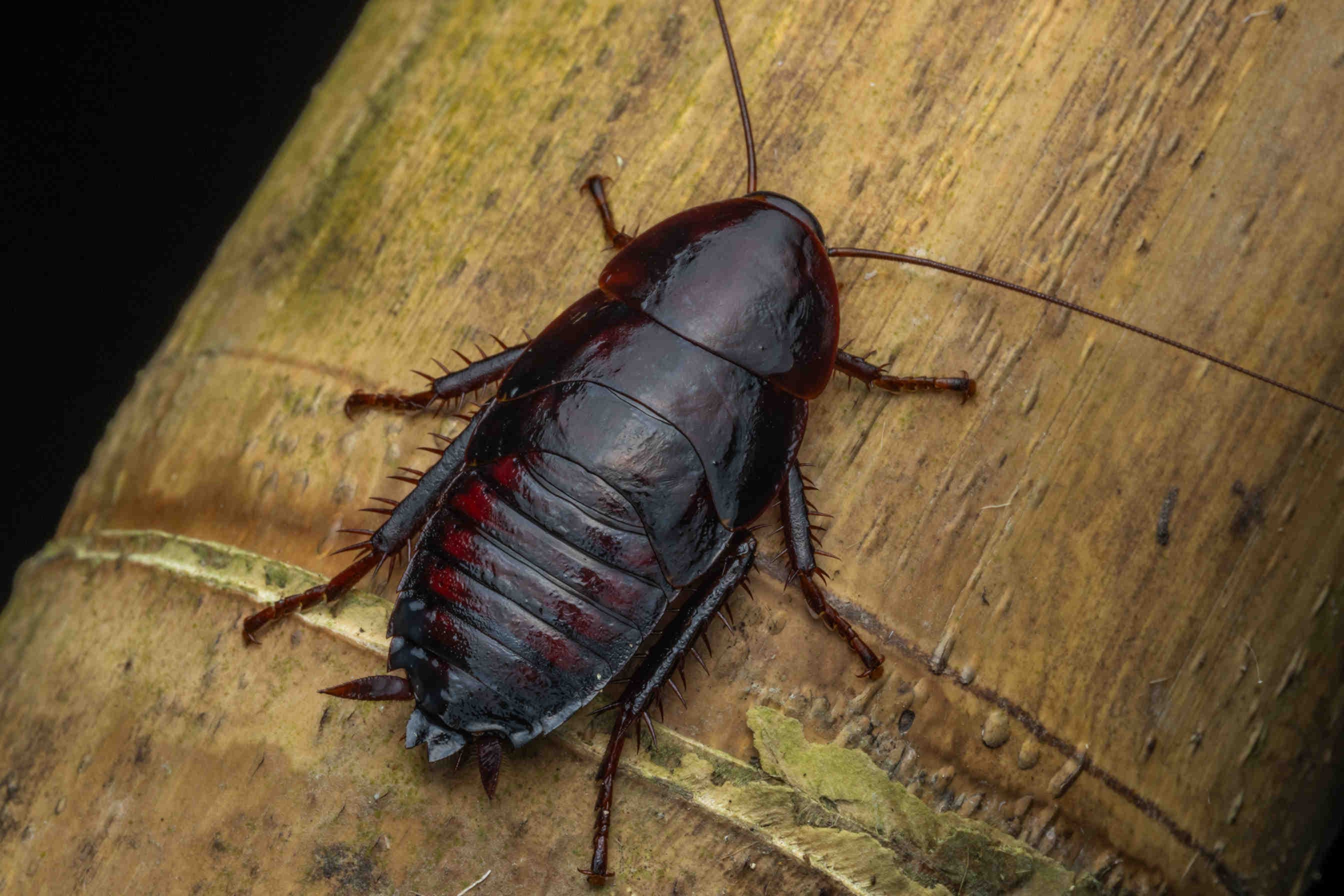
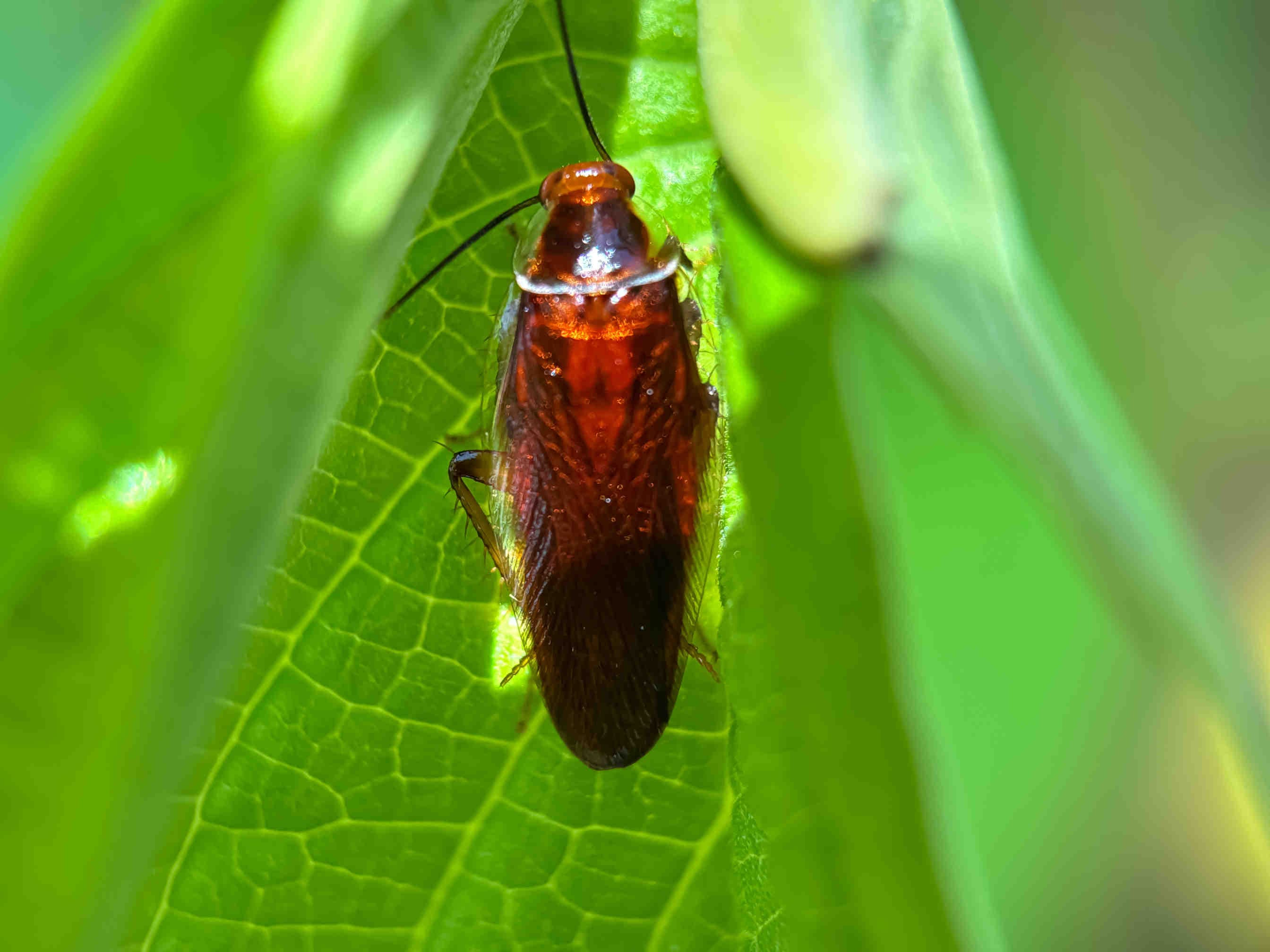
    Cockroaches, scientifically called 'blattids', belong to the order Blattodea, included in the superorder Polyneoptera along with termites and mantids. This group of insects is characterized by a body that is often flattened dorsoventrally, long antennae, and legs adapted for running. There are over 4,600 described species of cockroaches, spread all over the world, from tropical forests to arid areas (except for polar regions and glaciers). They are predominantly nocturnal insects, equipped with high resistance to extreme environmental conditions, although they are not able to tolerate the cold. However, their adaptability is one of the main reasons for their evolutionary success: the order Blattodea dates back more than 300 million years.
    scarafaggio

    2. Where cockroaches live

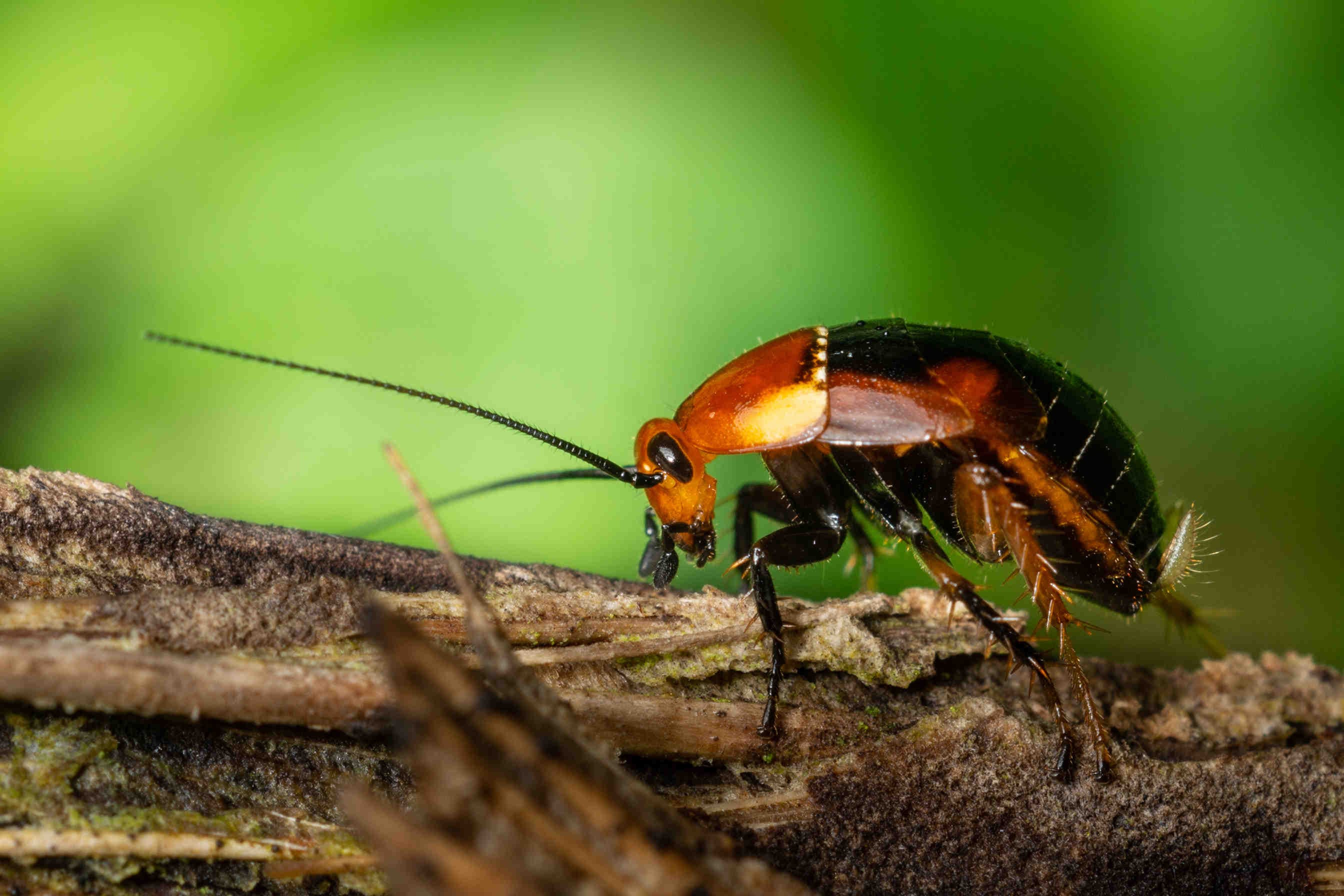
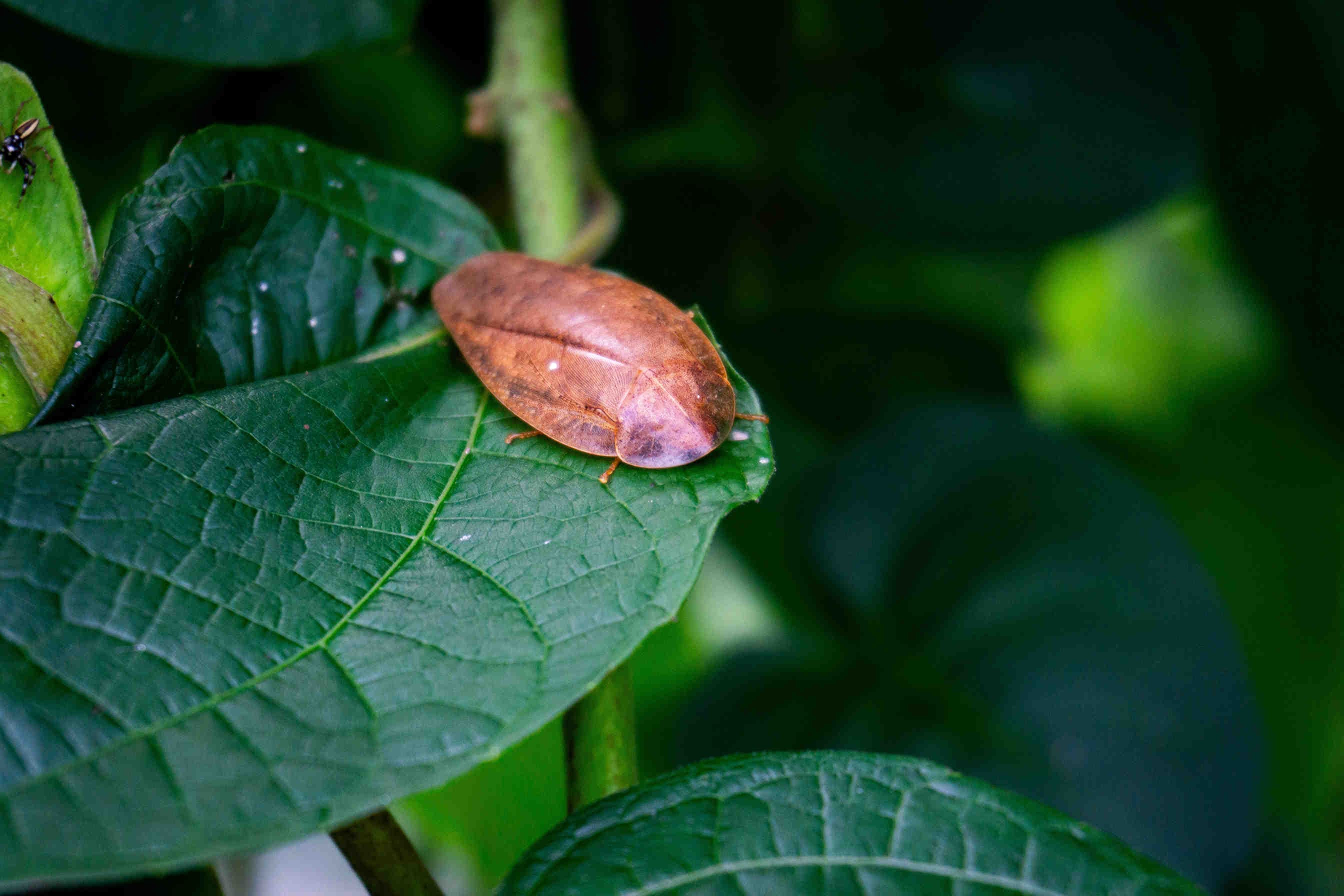
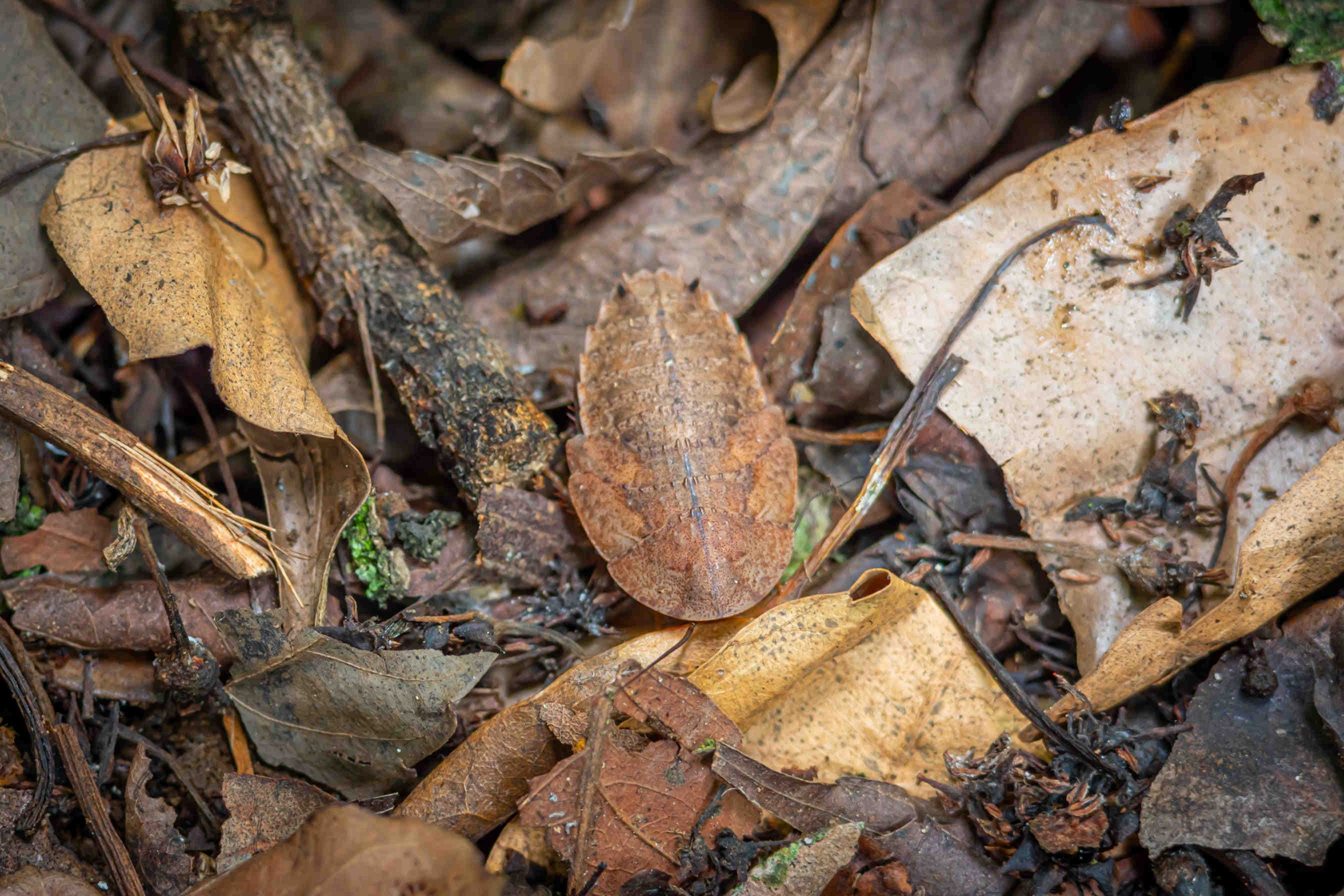
    Most cockroach species live in soil or leaf litter in well-preserved natural environments such as forests, savannas, and deserts, where they mainly feed on plant matter and contribute to the decomposition of organic material. Although we know them well as pests in our homes, only a few species are synanthropic, meaning they are closely associated with human environments. Cockroaches play a crucial ecological role: they participate in nutrient cycles by breaking down plant and animal residues, improving soil fertility and promoting the recycling of matter. Additionally, they are an essential part of food webs as they represent a food source for numerous predators and contribute to the maintenance of biodiversity.

    scarafaggio foresta
    XNatura

    3. Why cockroaches love warm and humid places

    Cockroaches prefer warm and humid environments, conditions that favor their metabolism and reproduction. For this reason, they find their ideal habitat among the dead leaves in forests, where temperature and humidity remain constant. Another warm and humid place where they feel at ease is our homes: in kitchens and bathrooms, in basements and garages, synanthropic species find their ideal habitat. We humans ensure, in our cities, the constant availability of water, stable temperatures, and food: all of which attract cockroaches into buildings, especially in winter. Pipes, appliances, and cracks in walls and baseboards provide perfect shelters where they can hide during the day and come out at night to feed. Some species started cohabiting first with dinosaurs and later continued to do so with humans.

    scarafaggio

    4. What cockroaches eat

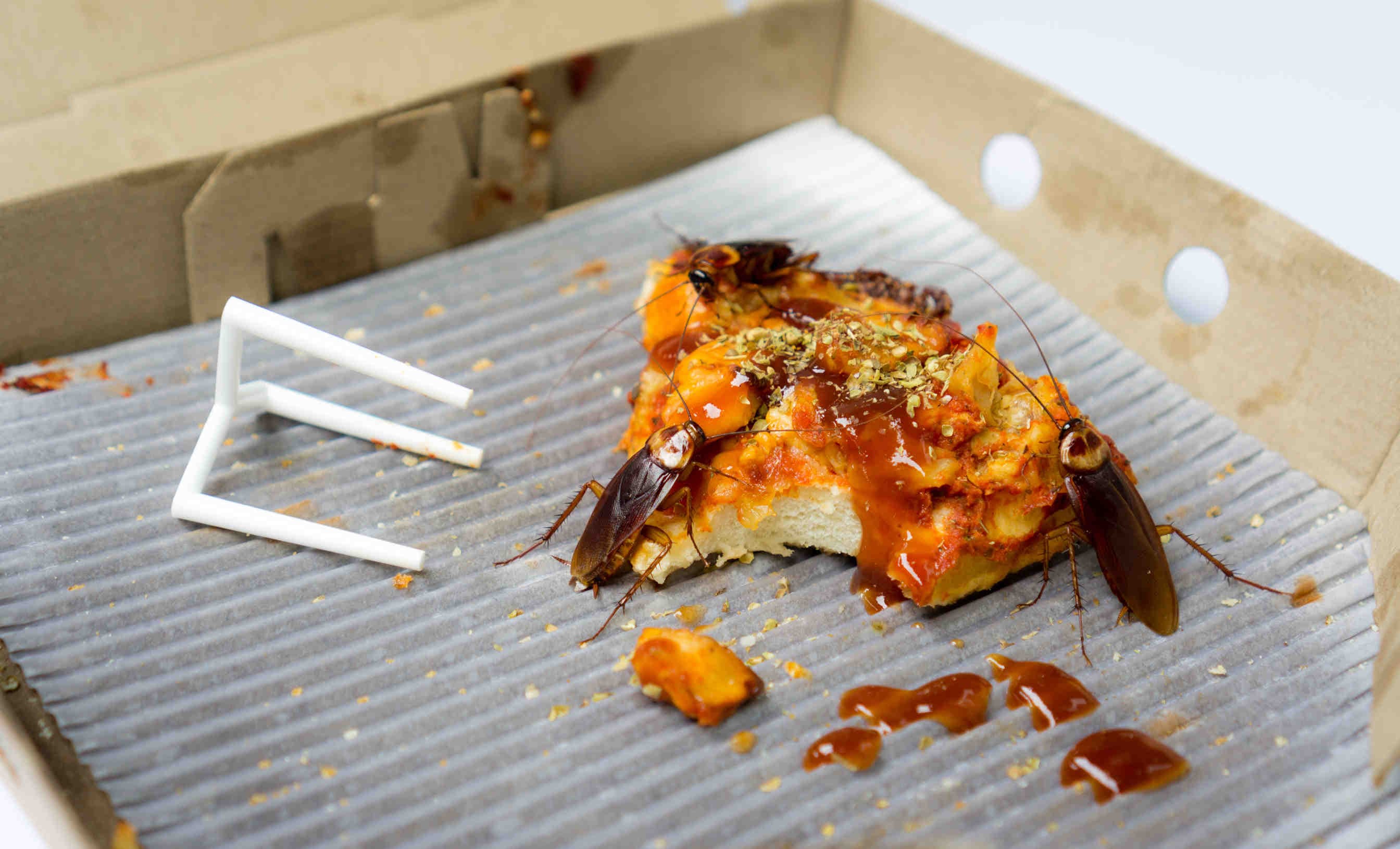
    Each species of cockroach has a different diet, but in general, they can be considered opportunistic omnivores. This is especially true for synanthropic species that feed on any available organic substance: food residues, paper, fabrics, glue, soap, and even excrement. This extremely flexible diet is one of the main reasons why some species easily adapt to domestic environments and is also reflected in the composition of the intestinal microbiota, or the bacterial flora that populates their digestive system. The presence of these microbes helps them digest food waste and edible materials found in our living spaces. They represent an inexhaustible source of nourishment, encouraging their proliferation and making it difficult to get rid of them from our homes.

    scarafaggi mangiano pizza
    XNatura

    5. Reproductive speed and health issues

    Cockroaches are known for their astonishing reproductive speed. A single female can produce dozens of oothecae (similar to the egg containers of mantises) throughout her life, which can last about a year, each capable of generating 20 to 50 individuals. This high reproduction rate is another reason for their success and is the cause of why infestations grow rapidly if not controlled. From a health perspective, it has been known for over a century that cockroaches can carry pathogens and can contaminate our food, the surfaces of our homes, and the places where our food is produced. Their droppings, decomposing body parts, and saliva are also associated with the development of allergies and asthma, especially in children and sensitive individuals.

    Blattella ooteca
    3Bee

    6. Cockroaches: common species in homes

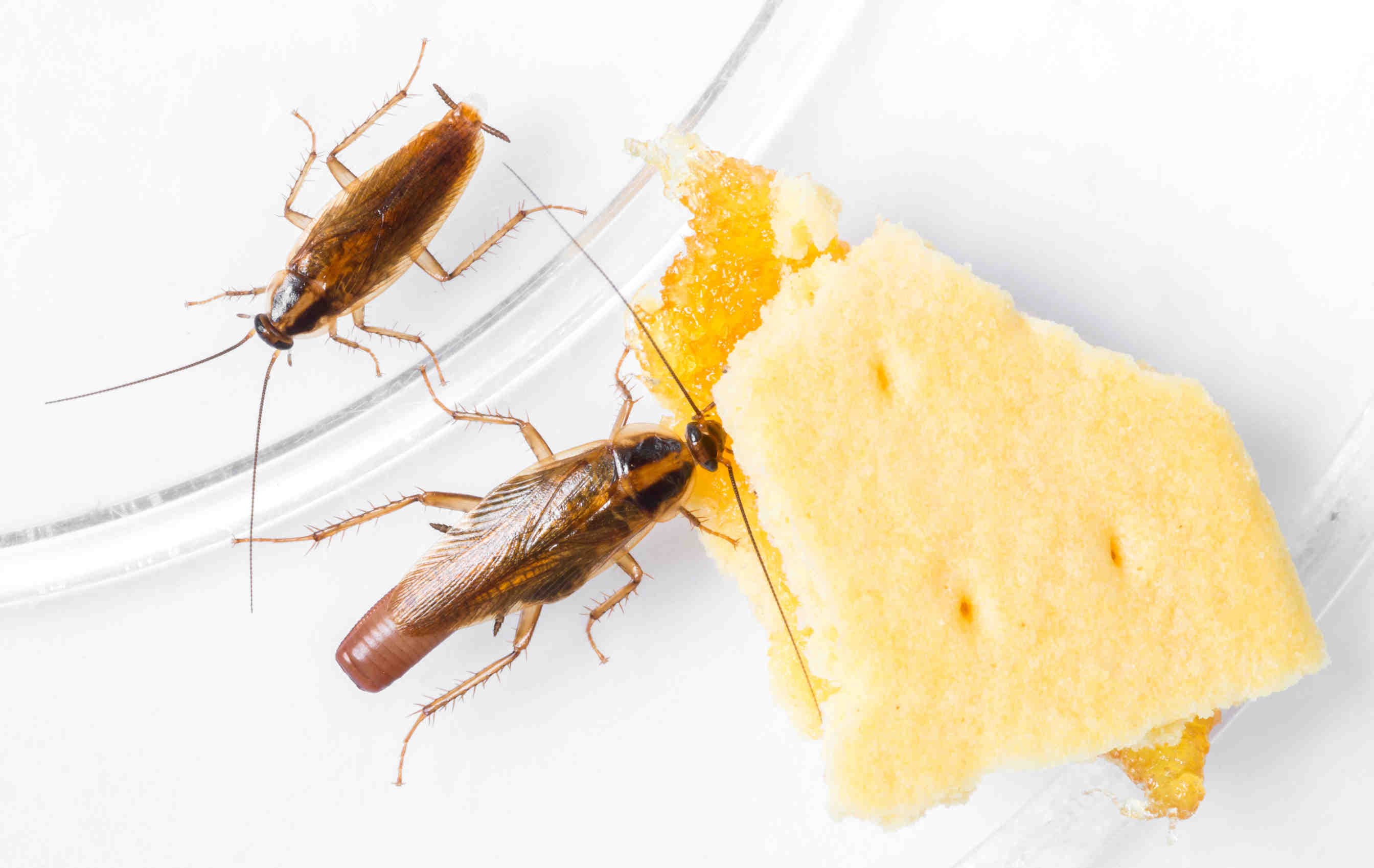
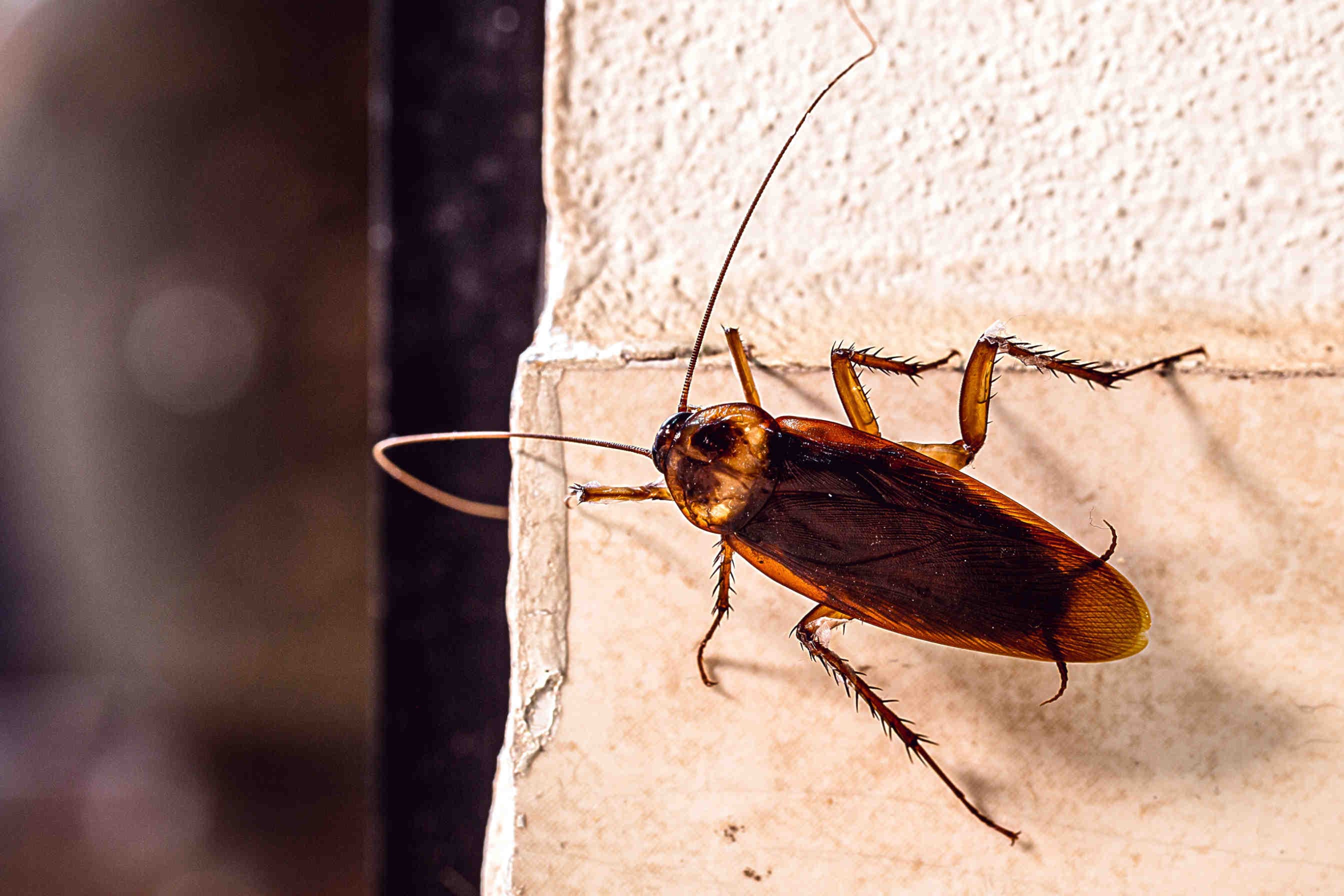
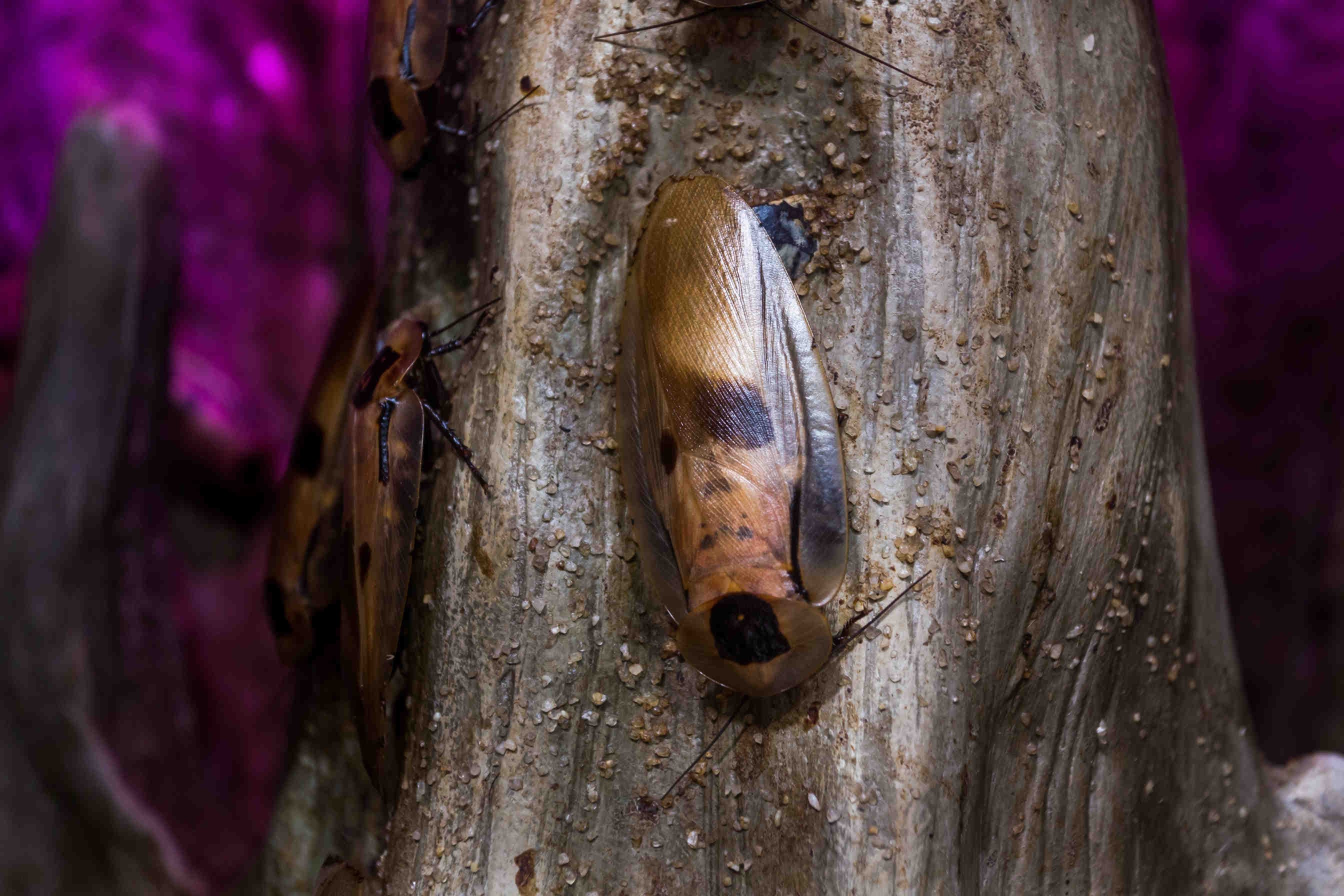
    Among the most common synanthropic species, we find Blattella germanica, small and very prolific, capable of quickly infesting domestic environments: it prefers to hide high up, ideally behind kitchen cabinets where it feeds. Periplaneta americana, also known as the "American cockroach," is one of the largest species and prefers very humid and warm environments, which is why it is common in southern Europe. Blatta orientalis, dark in color and quite large, prefers very dark and humid places, hence it tends to infest basements, drains, and sewers. Each of these species has different behavioral strategies and environmental preferences, making specific control measures necessary. Shelfordella lateralis is an alien species of new introduction in Europe, already present and well adapted in many parts of the world.

    Periplaneta americana

    7. Some species are bred by enthusiasts

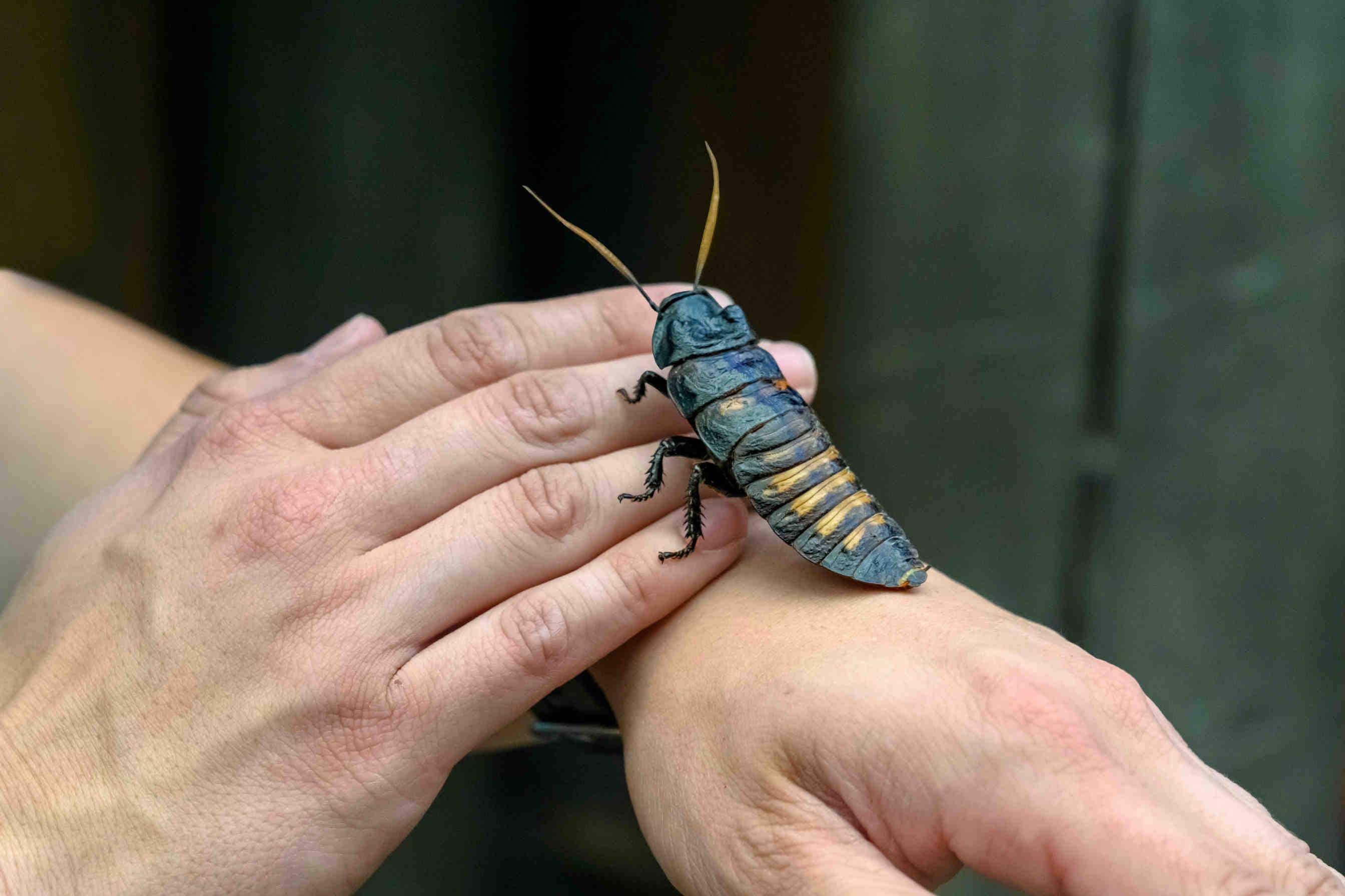
    For many, it will be hard to believe, but in addition to pest species, there are cockroaches that are bred by insect enthusiasts. Gromphadorhina portentosa is also called the “Madagascar hissing cockroach” and is known for the characteristic sound it makes during courtship or in defense. Blaberus giganteus, one of the largest existing cockroaches, is appreciated for its docile behavior and distinctive coloration. Finally, Panchlora nivea, or "green cockroach", stands out for its bright color and is often used as a display insect in terrariums. These species offer the opportunity to observe fascinating natural behaviors in a controlled environment.

    blatta soffiante

    8. Some curiosities that make cockroaches unique

    Cockroaches are equipped with extraordinary and surprising characteristics. They can survive for days without a head due to their highly decentralized nervous system, just like mantises continue to mate. Some species resist high levels of ionizing radiation and are therefore thought to be able to survive an atomic explosion. They can also survive for weeks without food and up to a week without water. Some species are capable of flying or gliding to escape predators, including Periplaneta americana. Their ability to adapt and biological resilience continues to amaze scientists, who study them as models to build robots.

    Periplaneta americana

    9. Cockroaches should not be demonized

    Cockroaches are often associated with unsanitary conditions, and as we have seen, this is true for synanthropic species. However, not all cockroaches pose a danger to humans. The vast majority of species live far from urban environments and contribute to the health of natural ecosystems. The genus Melyroidea, for example, is beautifully iridescent green and even eusocial: just like bees, ants, wasps, and termites. Cockroaches play a fundamental role in food webs and in the recycling of organic matter. While it's true that a cockroach infestation can cause serious problems, understanding this diversity helps to put unjustified fears into perspective and promote a more balanced view of nature.

    scarafaggio

    10. What are cockroaches for?

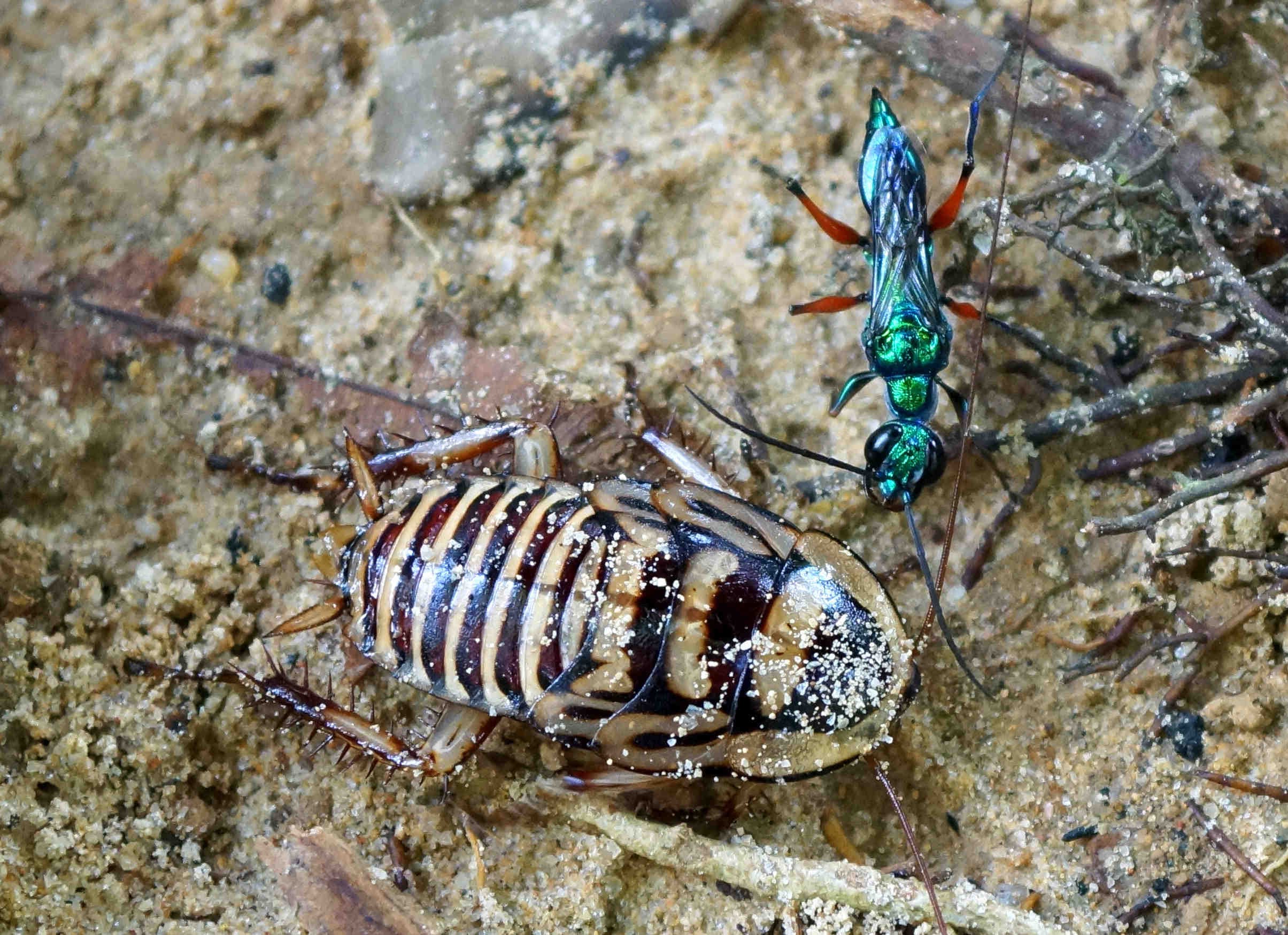
    It is often wondered "what is the purpose of an insect", especially for those we perceive as harmful. Cockroaches play a vital role in terrestrial ecosystems. These insects are highly efficient decomposers: they break down organic residues and allow microbes to transform them into valuable soil nutrients, promoting plant growth and maintaining ecological balance. Through their feeding cycle, they contribute to recycling substances that would otherwise take years to break down. Furthermore, they serve as a food source for numerous animals, including Ampulex parasitoids. Without their presence, biodiversity would be impoverished, many food chains would suffer, and ecosystems would not function the same way. Although often perceived as pests, cockroaches are essential in natural environments for their proper functioning and therefore deserve more informed consideration.

    Ampulex
    06/05/2025Of 3Bee, Niccolò Patelli
    1085 Views
    Newsletter
    newsletter
    Subscribe to the Blog about bees and biodiversity

    Frequently Asked Questions

    Do you have any doubts or other curiosities about this article? Here you will find some insights