Urban beekeeping: for 3Bee it's not just placing hives, it's an on-site project
    Beyond the beehiveAll beesOasis and beehivesMonitoring

    Urban beekeeping: for 3Bee it's not just placing hives, it's an on-site project

    Placing hives on the roof does not bring biodiversity. For 3Bee, urban beekeeping is an on-site project: biodiversity oases, refuges for all bees, hives only where nectar potential and pollinator abundance allow it, and monitoring with Hive-Tech, Spectrum, Birdy and Kiro.

    Read the article
    02/11/2026Of 3Bee, Niccolò Calandri
    1 Views
    02/11/2026Of 3Bee, Niccolò Calandri
    1 Views

    A beehive on the roof is not biodiversity

    In recent years, beehives have moved onto the rooftops of offices, hotels, and facilities. Urban beekeeping brings people closer to bees, but on its own it does not increase biodiversity: the honey bee is a farmed animal and in the city it seeks the same flowers as wild bees. In Paris, a study published in PLOS ONE measured that where there are more colonies within a 500-meter and one-kilometer radius, wild pollinators visit flowers less, with the strongest effect on large solitary bees, beetles, and bumblebees. In 14 Swiss cities, beehives doubled between 2012 and 2018, from 3,139 to 6,370, and the available flowers are no longer enough to sustain them (npj Urban Sustainability). One more beehive without more flowers takes space away from nature instead of giving it: we also talked about it in Bees in the city, let's be clear.
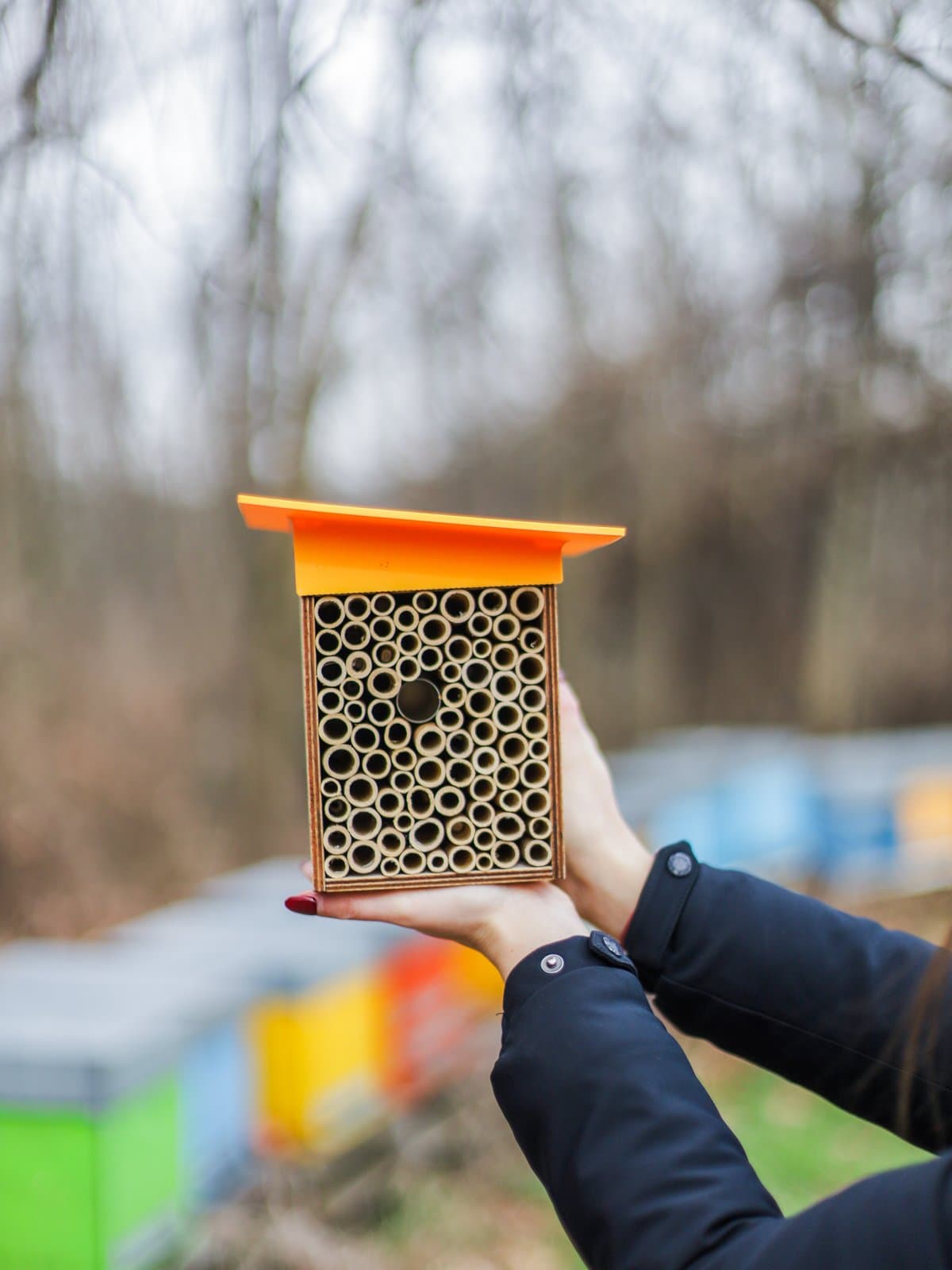
    Una casetta Polly X per api solitarie davanti a un apiario

    Refuges for all bees, not just one

    When we say bees, we think of a single species, but almost 2,000 (Apoidea) live in Europe and most are solitary bees: they don't make honey, don't live in colonies, and rarely sting. Each female digs her nest in the ground or builds it in hollow stems, wood, and cracks in walls, and many visit few plants. They are the first to disappear when flowers and places to nest are lacking. That's why in a 3Bee project the beehive is not the starting point: we start from pollinator refuges, such as the Polly House wooden houses with reeds of different diameters for mason bees and other solitary bees, alongside butterfly and ladybug houses and patches of bare ground for those that nest in the soil. Beehives come later, in the number the land can support.

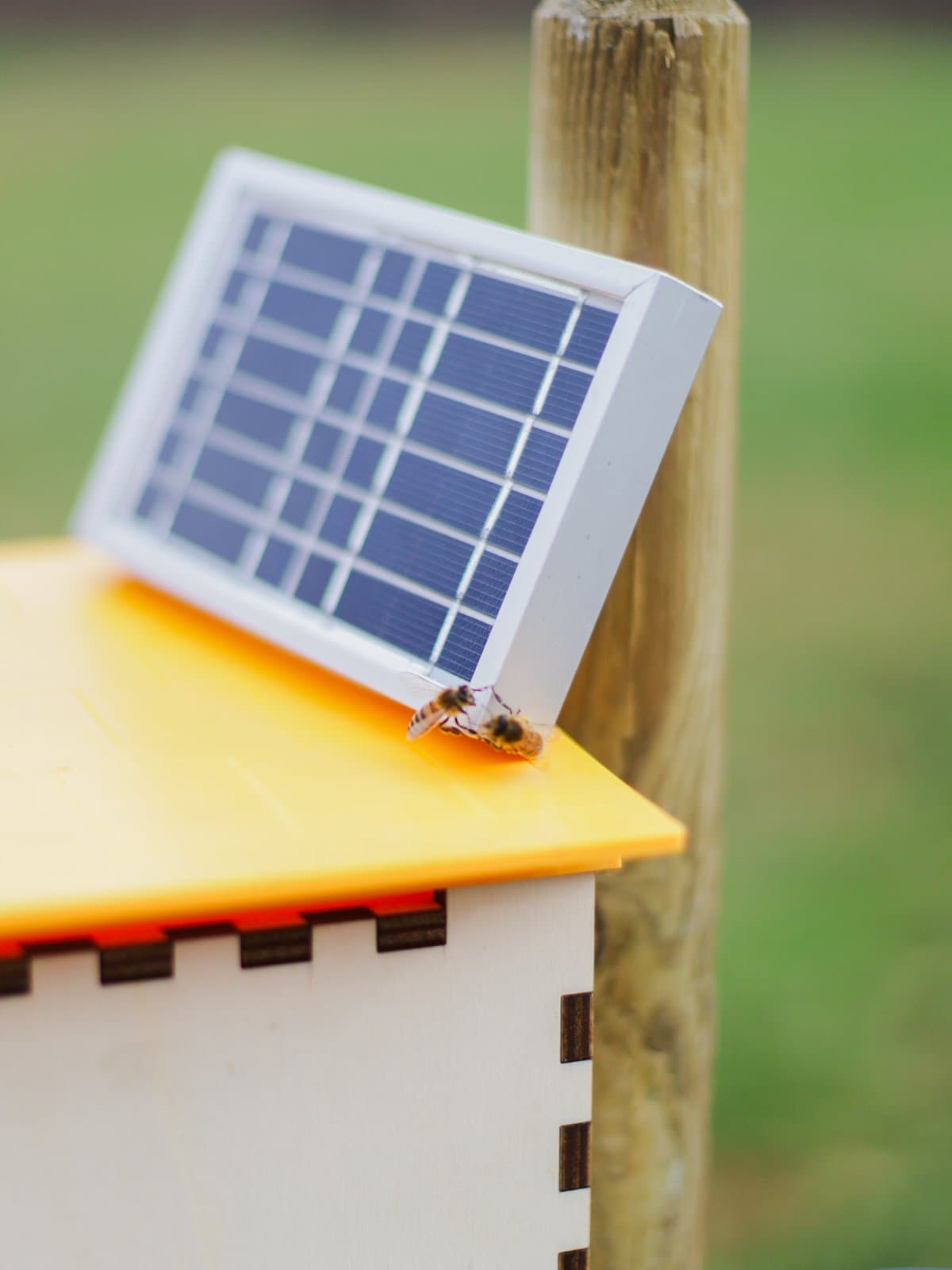
    Un'ape sul tetto di una casetta Polly X di 3Bee
    XNatura

    Oasis and beehives: flowers first, then bees

    The heart of the project is the biodiversity oasis: an area of your premises, whether a garden, a flowerbed or a roof, transformed into a habitat with native nectar-rich plants that bloom in different seasons, less mowing, and shelters. There are also beehives, but only if the numbers allow it. With XNatura® we calculate by satellite the nectar potential of the site and surrounding area, that is, how many kilos of nectar the plants present produce each year, and the abundance of pollinators that habitat can host, combining flowers and nesting sites with the InVEST model. We reserve at most 10% of the available nectar for honeybees, and from that we derive the number of hives, which can also be zero. Then Spectrum verifies in the field that wild pollinators remain abundant.

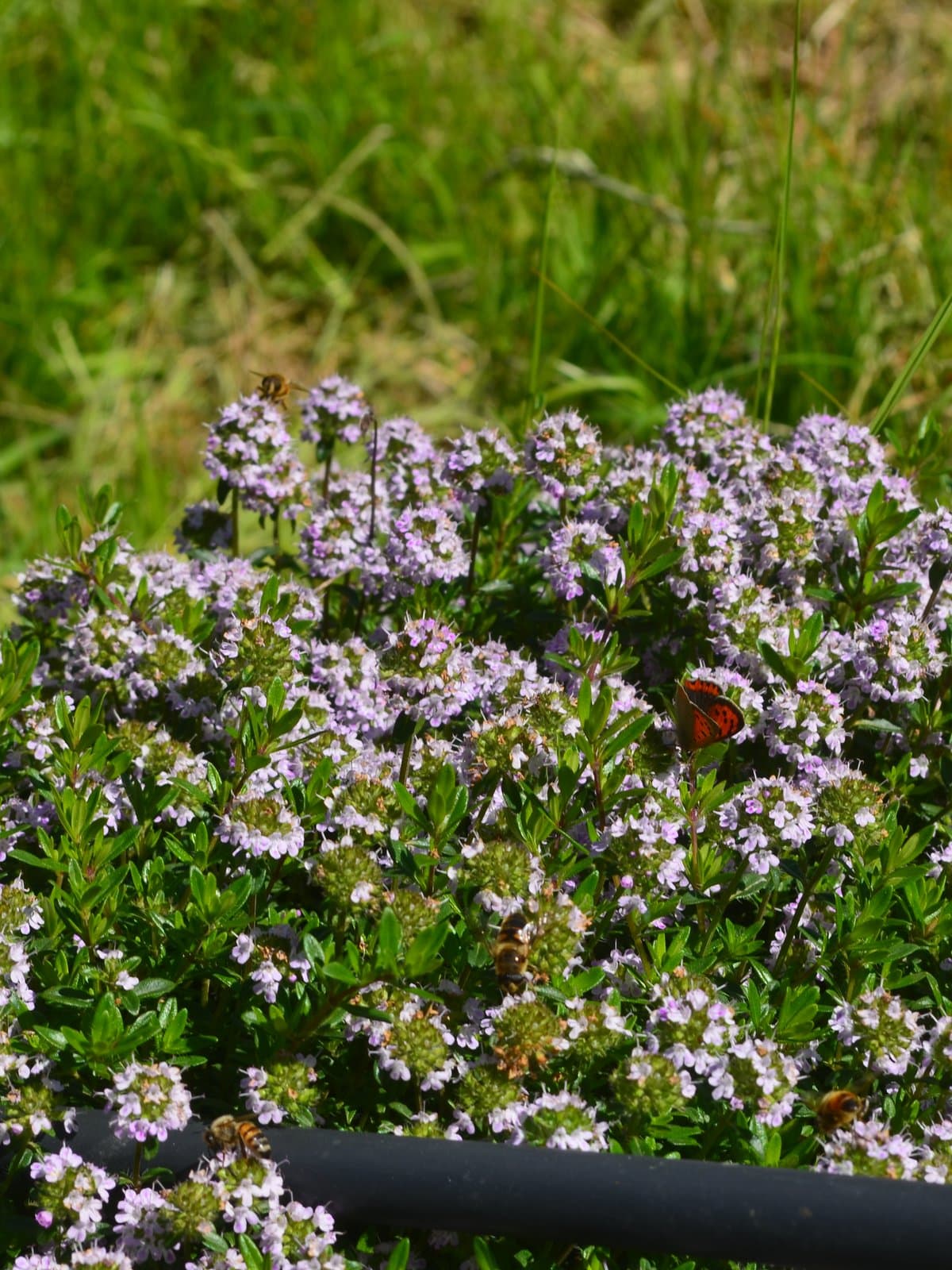
    Timo fiorito visitato dagli impollinatori in un'oasi della biodiversità di 3Bee

    Hive-Tech, Spectrum, Birdy and Kiro: monitoring

    An on-site project must prove that it works, which is why monitoring is part of it from day one. It is the only smart monitoring system that tracks the same site, with sensors designed by 3Bee, managed bees, wild pollinators, birds and bats:
    • Hive-Tech weighs the hive with 10-gram precision and measures its temperature and humidity: more than 5,300 are installed;
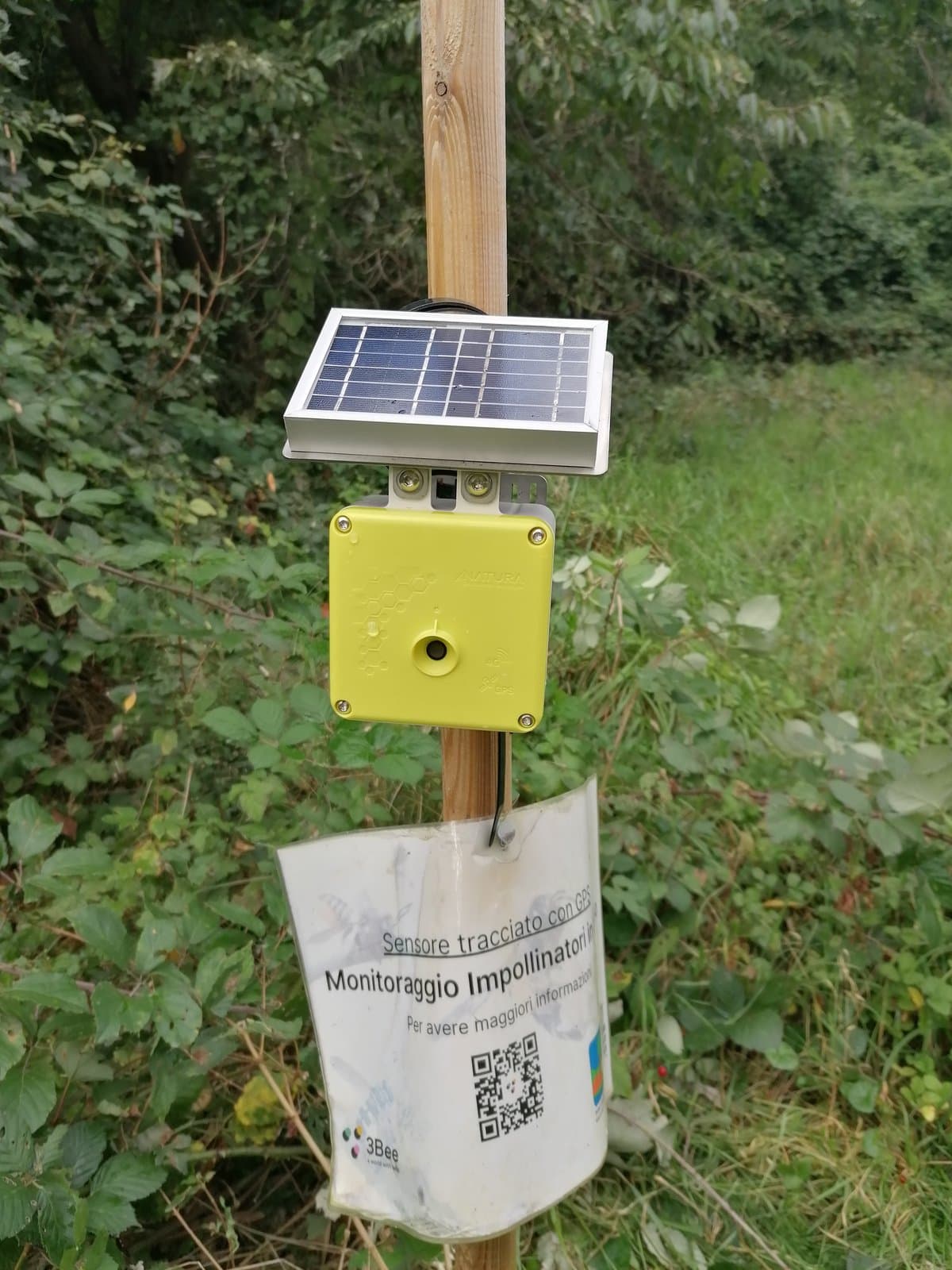
    • Spectrum listens to the wingbeats of pollinators within a 3-meter radius and classifies them into 19 groups: around 1,000 sensors have counted over 7 million of them;
    • Birdy recognizes more than 200 European bird species by their song, day and night;
    • Kiro listens to the ultrasound of bats and is being field-tested.
    Data arrives every day on the XNatura® platform, alongside satellite maps, and shows whether the site becomes richer than the territory surrounding it.
    Il sensore Spectrum che ascolta gli impollinatori, su un palo nel Parco della Valle del Lambro
    XNatura

    An on-site project: the roof of Prometeon

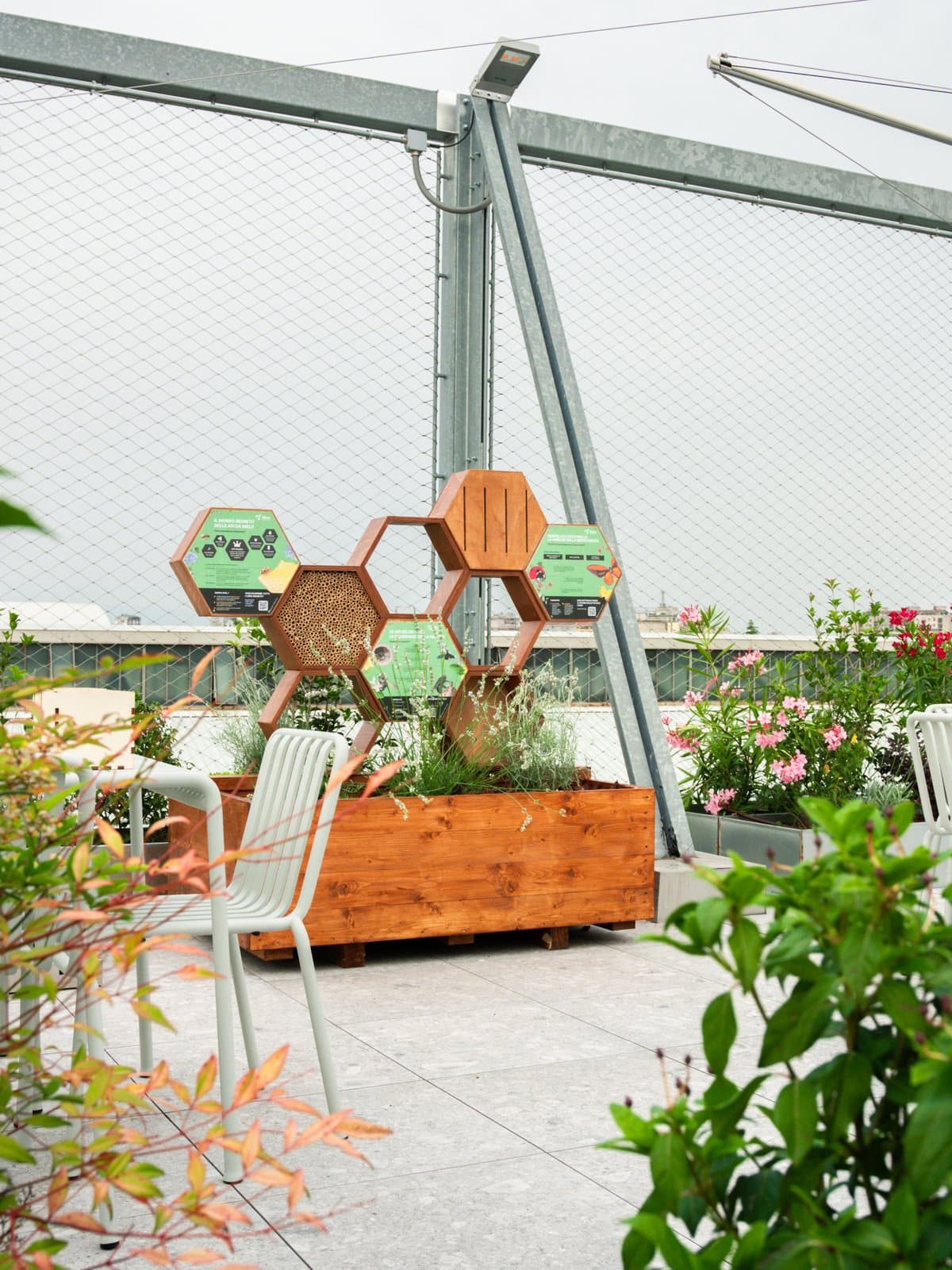
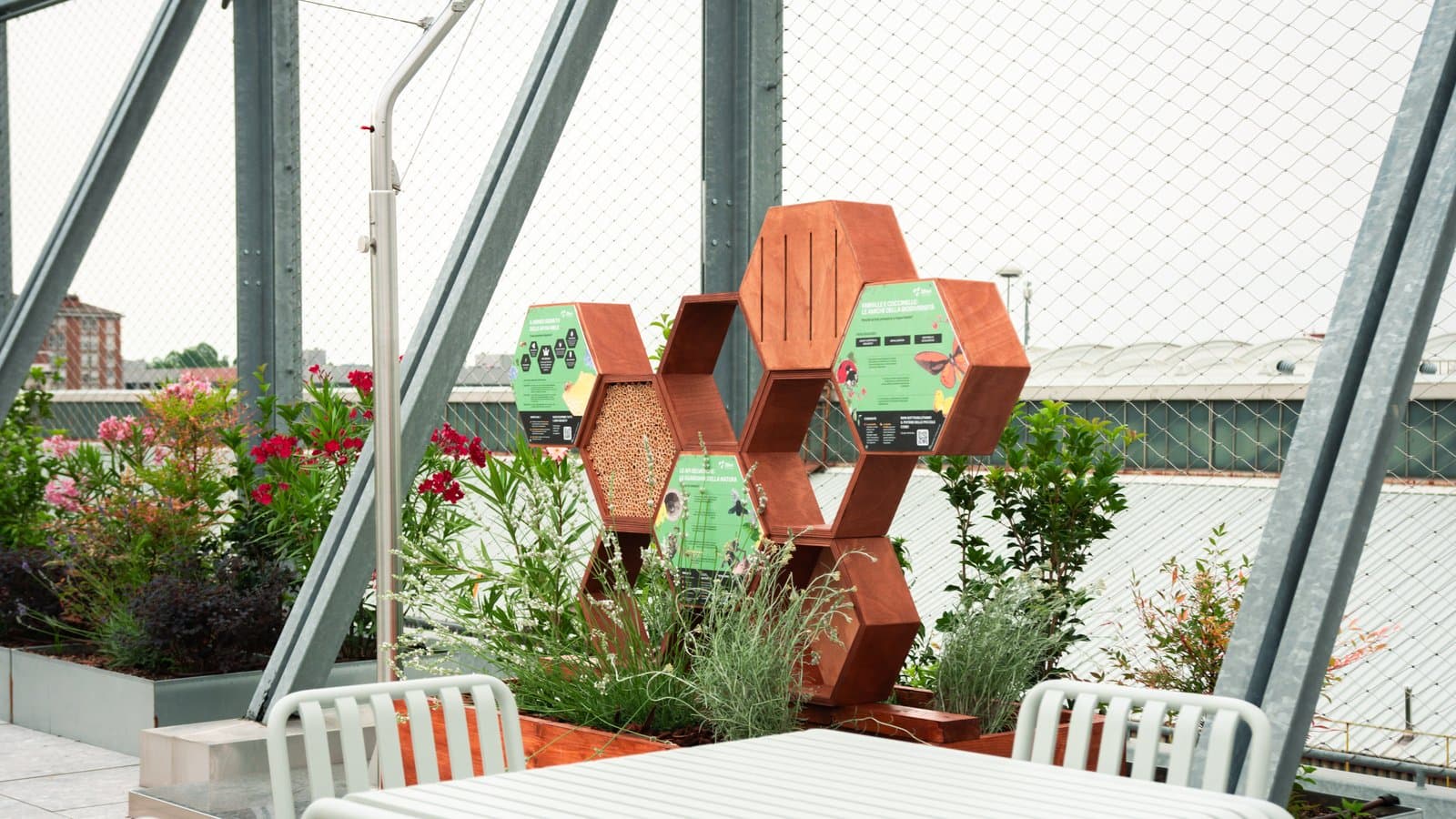
    The model also works in the heart of the city. On the roof of the Prometeon SuperLab in the Bicocca district of Milan, 4,200 m² of industrial roof have become a refuge for pollinators: 16 Polly Houses for solitary bees, 7 butterfly houses, 7 for ladybugs, and native nectar-bearing plants. In the first year, the Polly Houses hosted approximately 6,800 solitary bees (estimate), and the roof became a stopover and foraging point in the neighborhood's ecological network. A 3Bee on-site project is built like this: site analysis, oasis and shelters, hives in the number calculated based on data, sensors, and a platform with data to share with colleagues, clients, and sustainability reports. If you want to turn your site into an oasis, tell us about the project.

    Il rifugio a esagoni per impollinatori sul tetto del SuperLab di Prometeon
    3Bee
    02/11/2026Of 3Bee, Niccolò Calandri
    1 Views
    Newsletter
    newsletter
    Subscribe to the Blog about bees and biodiversity