Meliponins: the great diversity of stingless bees
    Le meliponineHow much and whenThe ColonyNests

    Meliponins: the great diversity of stingless bees

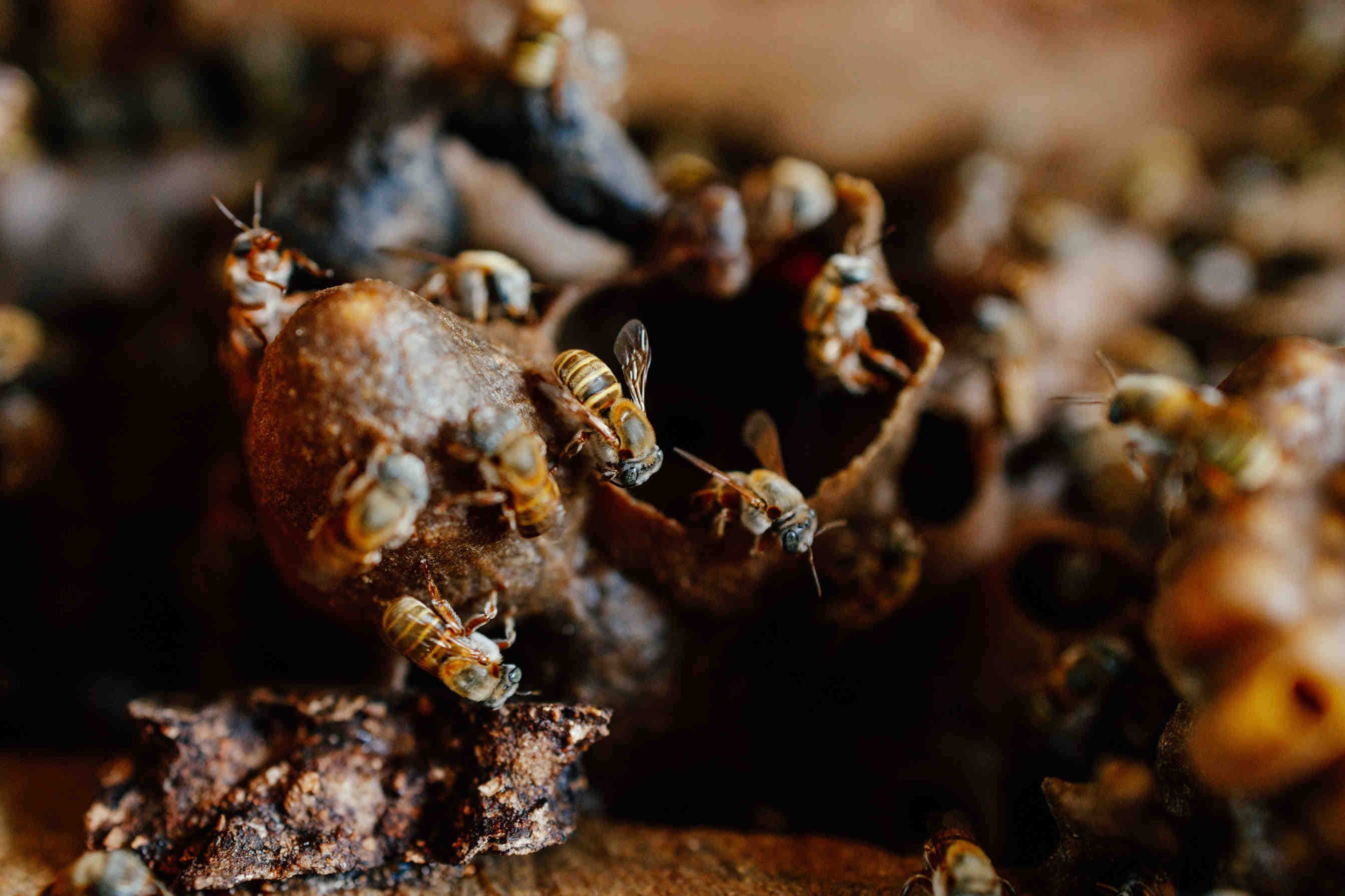
    In addition to the bees of the Apis genus, there is another extraordinary group of honey-producing social bees. They inhabit 5 of the 7 continents, were bred by the Maya, drink our tears and their honey seems to be miraculous. They are the meliponines, bees without sting, but full of charm.

    Read the article
    30/10/2024Of 3Bee, Anna Beretta
    817 Views
    30/10/2024Of 3Bee, Anna Beretta
    817 Views

    Who are the meliponins

    Disclaimer: this is an automated translation from Italian. Go to the original article.

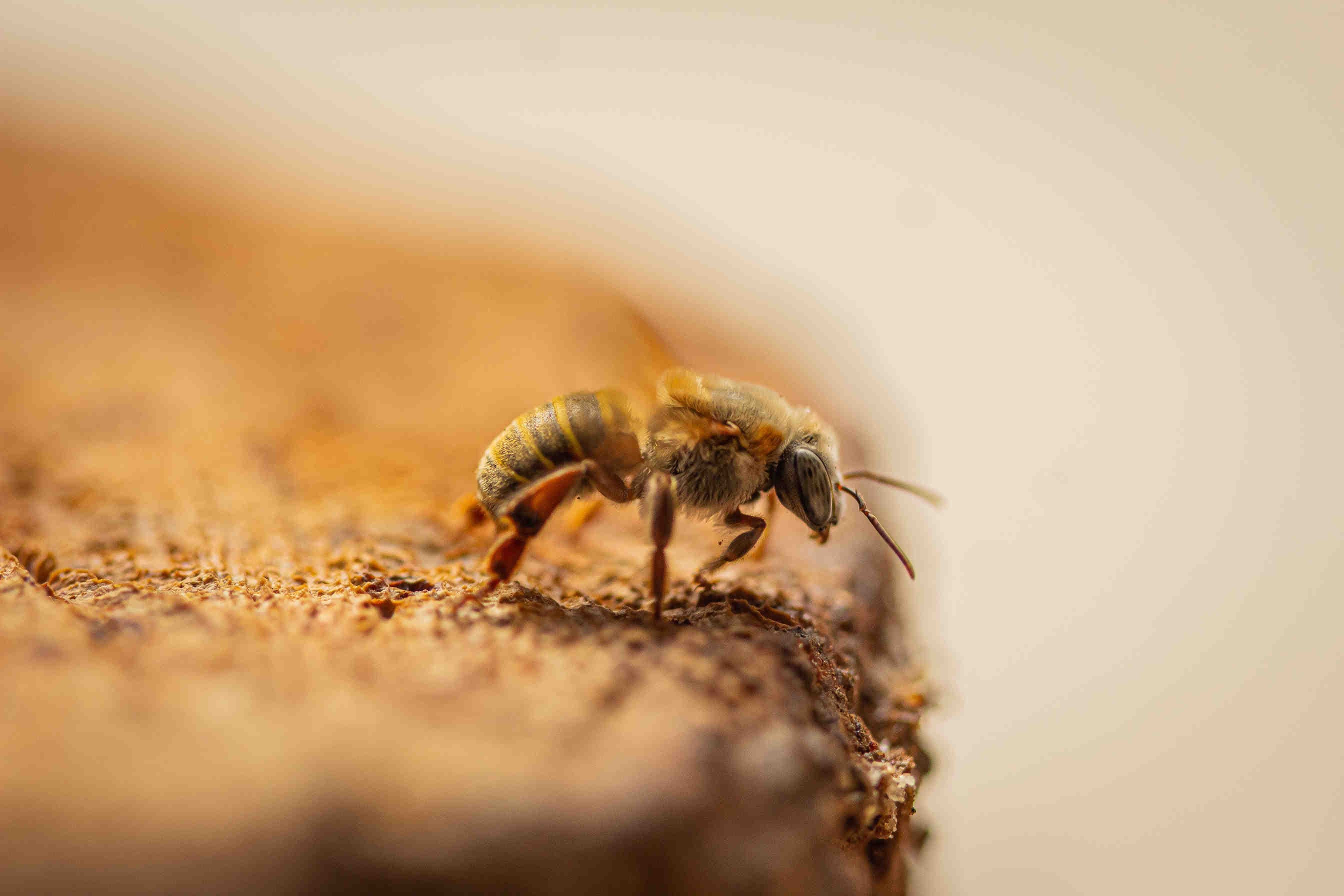
    The meliponines are a group of tropical bees that inhabit all continents except Europe and Antarctica. Like bees, bumblebees and euglossini (the glittering orchid bees) they are equipped with a cestella, also called a corbicula, located on the hind pair of legs (the third) and used for collecting pollen. Unlike bees and bumblebees, meliponines have such a reduced sting that they are not functional, which is why they are called 'stingless bees'. Although they cannot sting, they have developed other forms of defence: powerful mandibles, unpleasant odours, the use of sticky materials to immobilise enemies and the production of caustic secretions, as in the case of bees of the genus Oxytrigona called, for this reason, fire bees.

    melipona_sul_predellino

    The largest, most diverse and oldest group of social bees

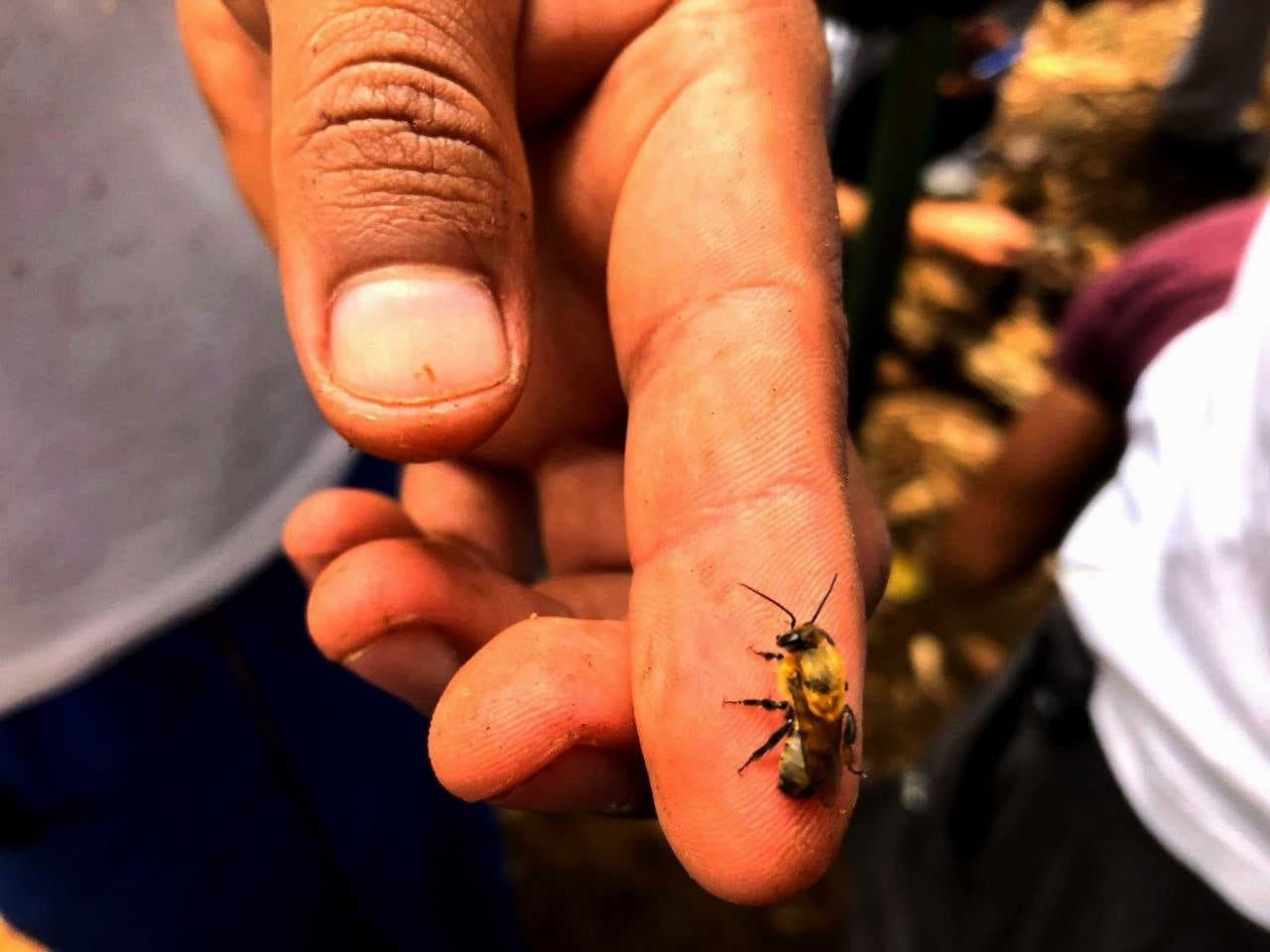
    Meliponins, with 605 different species, account for 70% of social bees. Despite this, only6% of the scientific literature on the subject deals with them. The species differ in size, colour, hairiness and shape, as well as in colony size and behavioural aspects. The smallest meliponine is Liotrigona bitika, native to Madagascar, and is smaller than a fruit fly while the biggest, Melipona fulginosa, is native to Latin America and is the size of a bumblebee. Appearing in the late Cretaceous, around 70 million years ago, they are the first social bees on earth and coexisted with dinosaurs for millions of years, far predating the appearance on the scene of Apis mellifera, which only came about 7 million years ago.

    meliponine nel cretaceo
    XNatura

    The structure of meliponin colonies

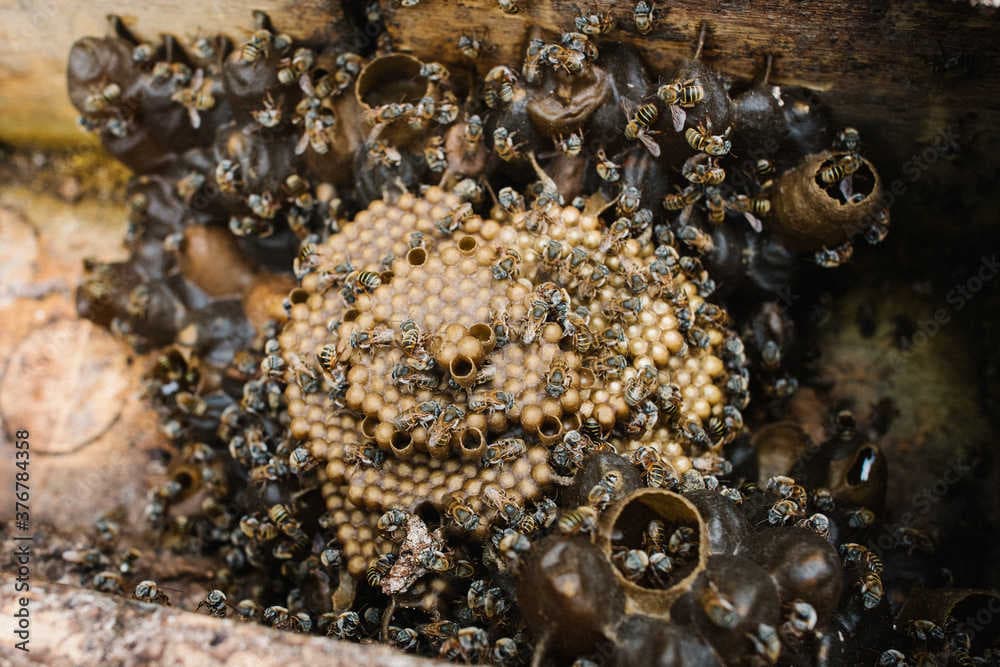
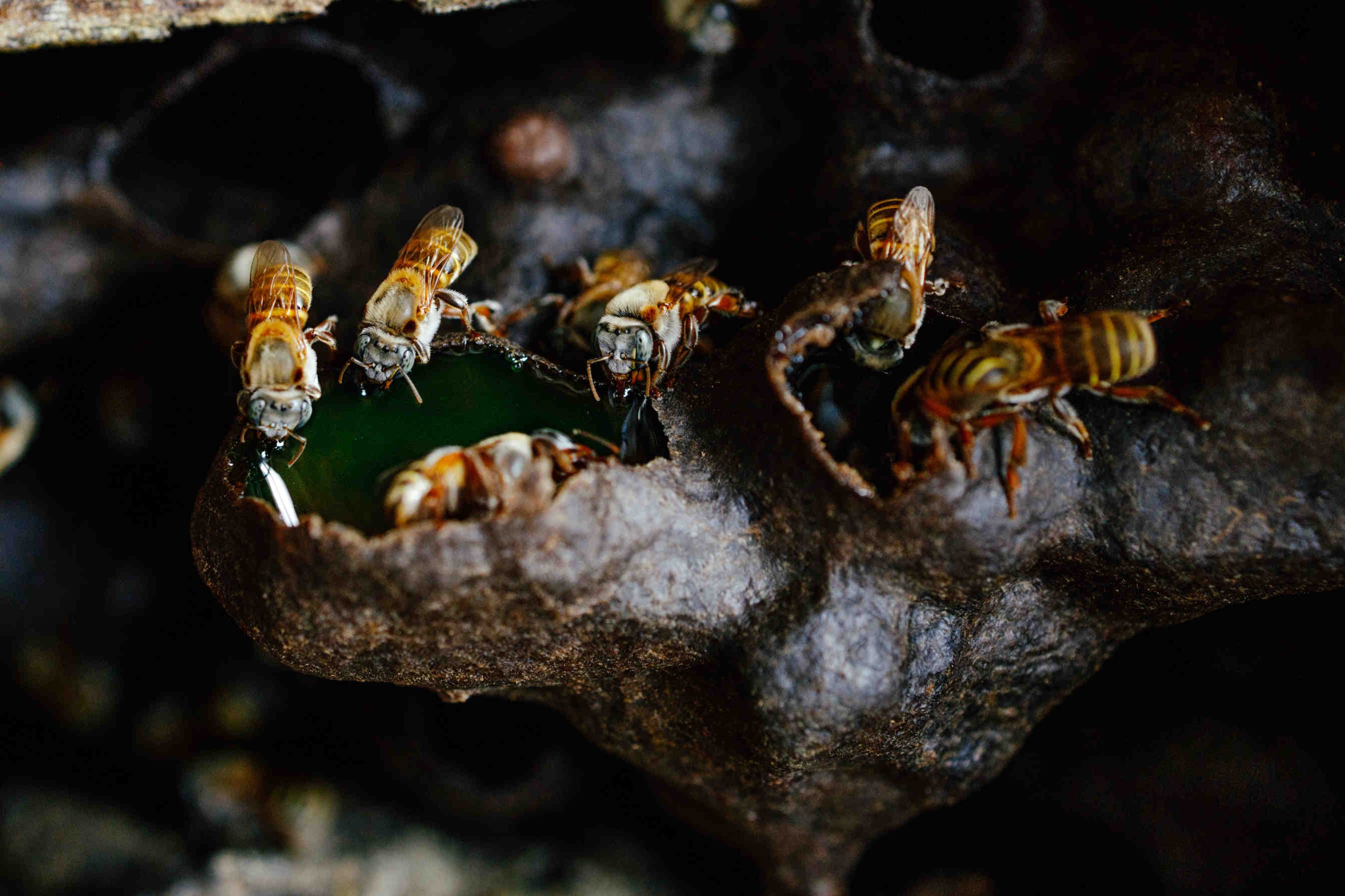
    Like A. mellifera the stingless bees live in multi-year colonies differentiated into castes (operae, regina and drones) and build elaborate nests, which they use as a place of refuge, for the development of prole and for the storage of food resources: pollen and honey. Unlike the colonies of the honey bee, which are made up of thousands of individuals, on average 30,000, in the case of the meliponine the numbers vary greatly: in fact, depending on the species, a nest can host from a few hundred up to hundreds of thousands of individuals, as in the astonishing case of Trigona amazonensis and its giant nests where up to 200,000 bees live.

    nido_interno_meliponine

    A different nest for each melipon species

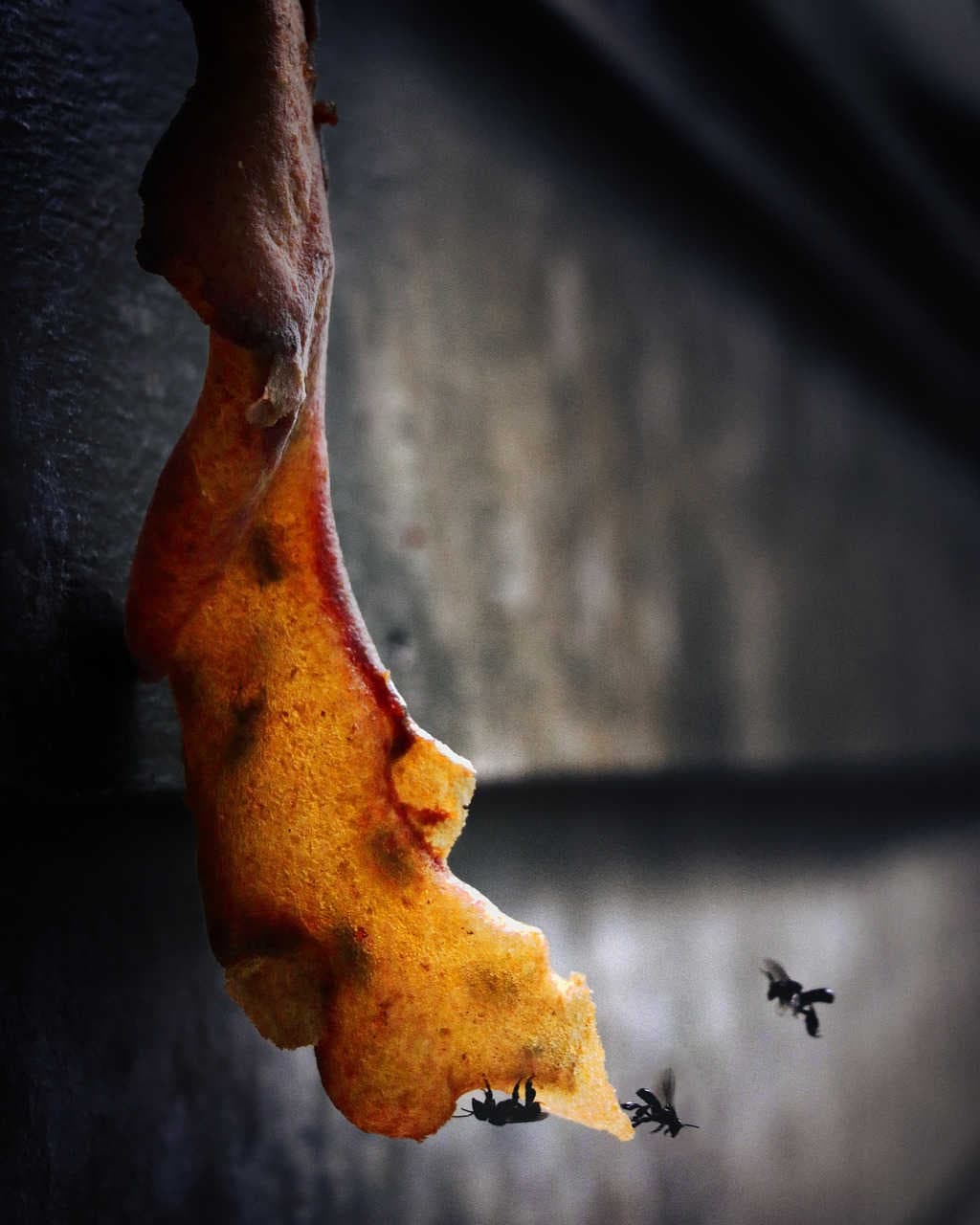
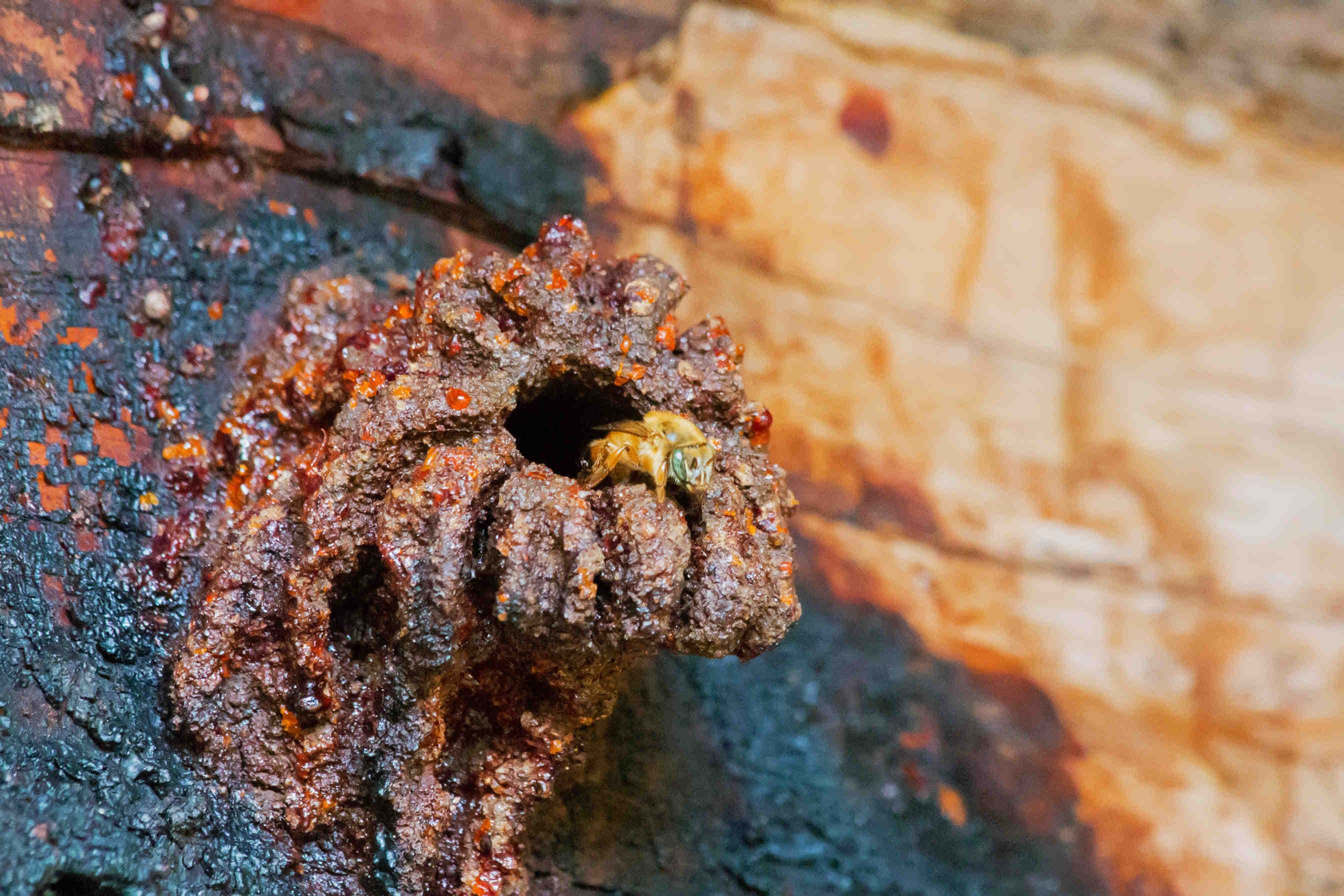
    Meliponines are not able to dig, so most of them nest in pre-existing cavities that they find in tree trunks, in the soil, inside gutters or electrical boxes, even inside the nests of other animals, up to cohousing with ants and termites. The main nest-building material is the cerumen, formed from wax and resins of plant origin that make it resistant and rich in antimicrobial properties. With cerumen, brood cells and girdles containing honey and pollen are moulded. The nest entrance, patrolled by one or more guardians, is the most obvious and creative feature of the nest: each species builds a different one, varying in shape and materials. For example, Melipona fulginosa carpets the entrance with resin and small seeds, Pariotrigona klossi constructs coral-like tubes adorned with crystalline resin, while Lestrimelitta chooses decorated tubes up to 50 cm long.

    entrata nido meliponine
    XNatura

    Meliponine, eclectic harvesters

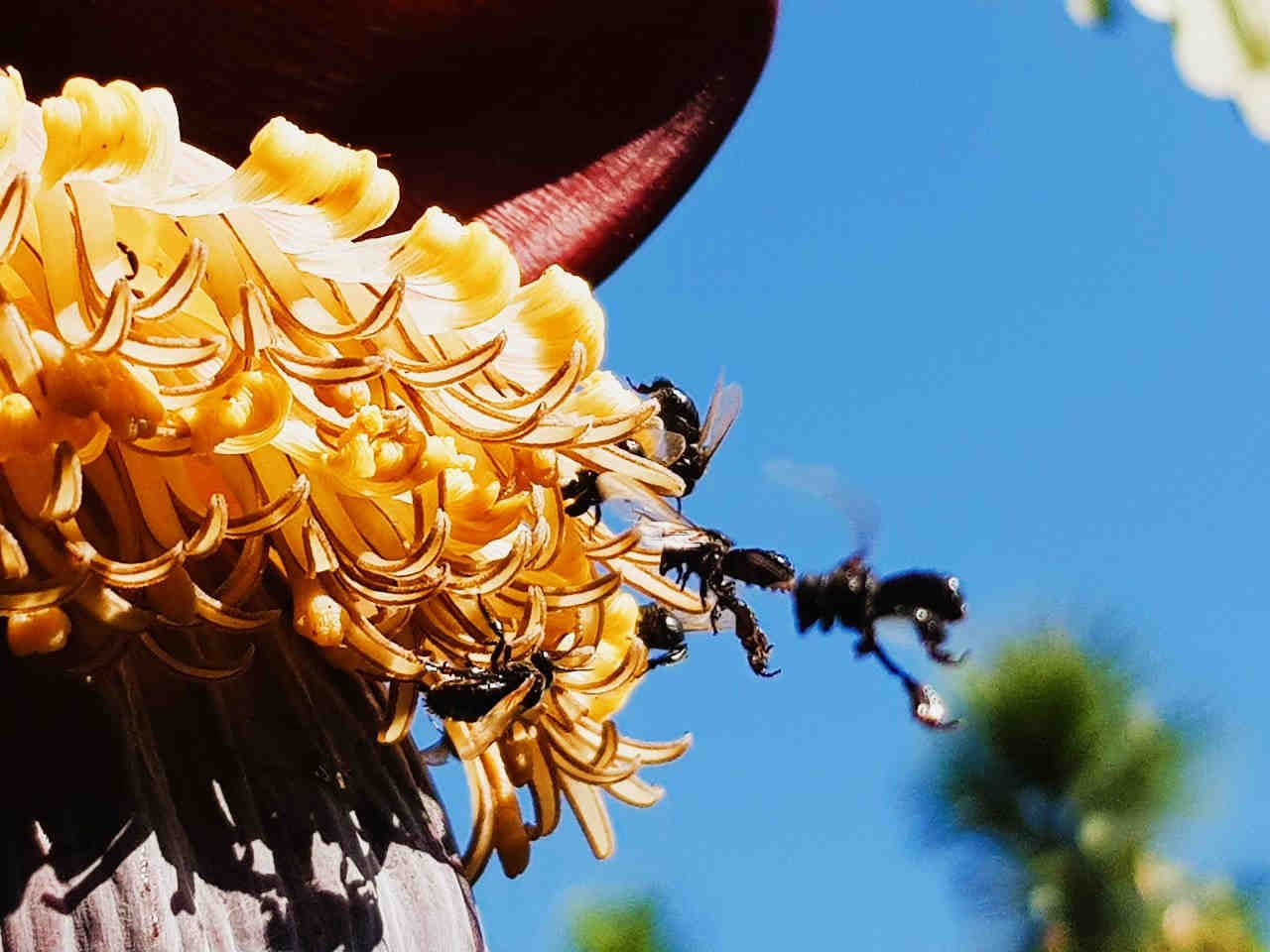
    Like all bees, stingless bees visit flowers to collect pollen and nectar, using the former as the main source of protein for offspring development. But not always. In fact, there are three species of the genus Trigona that have chosen only carrion meat as their source of protein, earning themselves the name of vulture bees or scavenger bees. But the weirdness doesn't end there because the resources harvested by meliponines are among the most diverse: mud, sawdust, leaves, bark, stones, seeds and even faeces are used along with cerumen as building materials. And what about the choice of collecting urine, sweat and even eye secretions to supplement salts? Some bees of the genus Lisotrigona specialise in lacrifagia, the unusual behaviour of collecting tears from the eyes of birds, reptiles and mammals as a source of salts and proteins.

    meliponine_su_fiori
    3Bee

    Lestrimelitta, the lemon-scented thieving meliponin

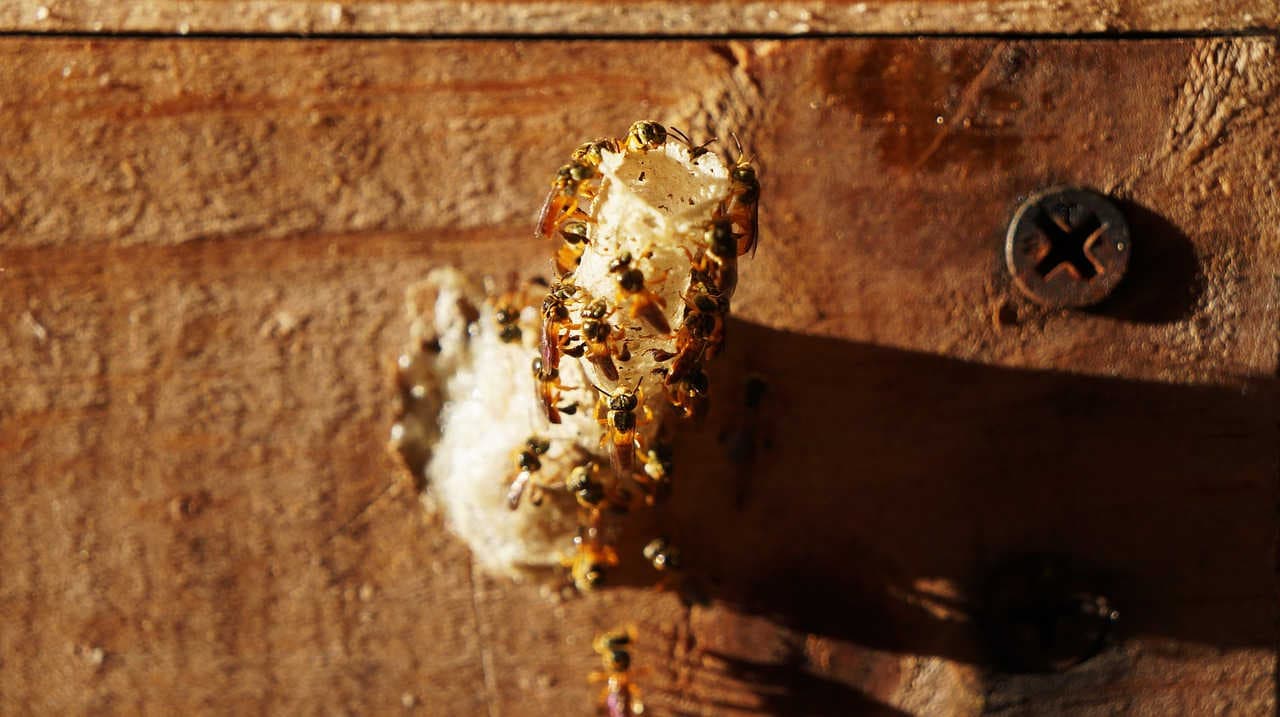
    But there are also those who, instead of collecting them, steal resources from other bee colonies. This is the case of the cleptoparasites of the genus Lestrimelitta that do not visit flowers to collect food, but are obligatory thieves with no other choice but to raid."Abeja limón", lemon bee, is the common name given to it in the Spanish-speaking countries of Latin America because during its raids Lestrimelitta attracts nest mates using the citral, a pheromone with a strong lemon-like aroma. At first, one or a few scout bees usurp the entrance to the unfortunate hive and then call for reinforcements and begin the pillage. During these raids, the attacked bees appear not to react to defend themselves and, although the mechanism is not yet clear, it appears from a 2016 study that certain substances released by the Lestrimelitta labial gland may cause the host to surrender.

    meliponina_guardiana

    Meliponiculture and its products

    Native stingless bees have been bred by humans and their products consumed for millennia. On the American continent, before the arrival of the Spaniards, the Maya already practised meliponiculture on a large scale and we know that in the Yucatan Peninsula they bred Melipona beecheii, Xunan kab 'bee woman' in the Yucateco Maya language. The honey and cerumen they produced were used for trade with the Aztecs and to pay taxes to the Spanish conquistadors in the 16th century. Nowadays, traditional melipon breeding continues to be practised, by indigenous and non-indigenous peoples alike, all over the world. Meliponine breeding is particularly widespread in Latin America, especially in Mexico and Brazil where they are also the subject of research and innovation. In fact, in the American continent, meliponines were the only source of honey and wax until the introduction of the honey bee in the XVII century.

    piramide_maya

    A 'miracoloso' miele

    The honey is certainly one of the main reasons why meliponins are bred. It is more liquid than the honeys we are used to and, being partially fermented, is more acidic to the taste. Available in small quantities, this honey, more than for food purposes, was historically used in religious ceremonial meals and at medicinal ceremonies. So many beneficial effects are associated with the consumption of this amber-coloured liquid that even today, various indigenous communities, from Peru to India to Uganda, use it to treat disparate health problems ranging from intestinal problems to blindness. Although the efficacy of traditional treatments has not yet been sufficiently documented, it has been ascertained how useful honey is in wound healing due to its antioxidant, antimicrobial, anti-inflammatory and moisturising properties.

    meliponine mangiano il miele

    The importance of meliponins for pollination

    Stingless bees are a key resource for tropical ecosystems due to the pollination work they perform on both wild and cultivated plants. Their value lies in diversity; as we have seen, meliponins are as diverse in morphology as they are in behaviour, and having generalist feeding habits, they are able to visit a wide variety of flowering plant species. Their strength also lies in their numbers because each colony has many foragers, potential pollinators. An example is given in a study from 2013 and deals with the case of Tetragonisca angustula, very common in Latin America where it has many names: angelita, jataì, señorita... Researchers Roubik and Patiño, analysing pollen collected by the angelita bee, reconstructed its pollination network, identifying as many as 175 different plant species visited between Bolivia, Panama and Peru.

    meliponina_angelita

    Challenges and dangers for meliponins

    The global decline of pollinators is now an established fact, and even stingless bees are threatened on multiple fronts. First among them is the loss of habitat and resources due to deforestation, just think of the hectares of Amazonian forest lost in recent years. This is followed by the indiscriminate use of agrochemicals and the impact of newly introduced pathogens. Furthermore, competition with introduced species such as A. mellifera, also has a negative effect. For their protection, it becomes increasingly important to develop conservation programmes that include sustainable bee husbandry projects, so as to protect the amazing treasure trove of biodiversity represented by stingless bees.

    Conservazione_delle_meliponine
    30/10/2024Of 3Bee, Anna Beretta
    817 Views
    Newsletter
    newsletter
    Subscribe to the Blog about bees and biodiversity

    Frequently Asked Questions

    Do you have any doubts or other curiosities about this article? Here you will find some insights