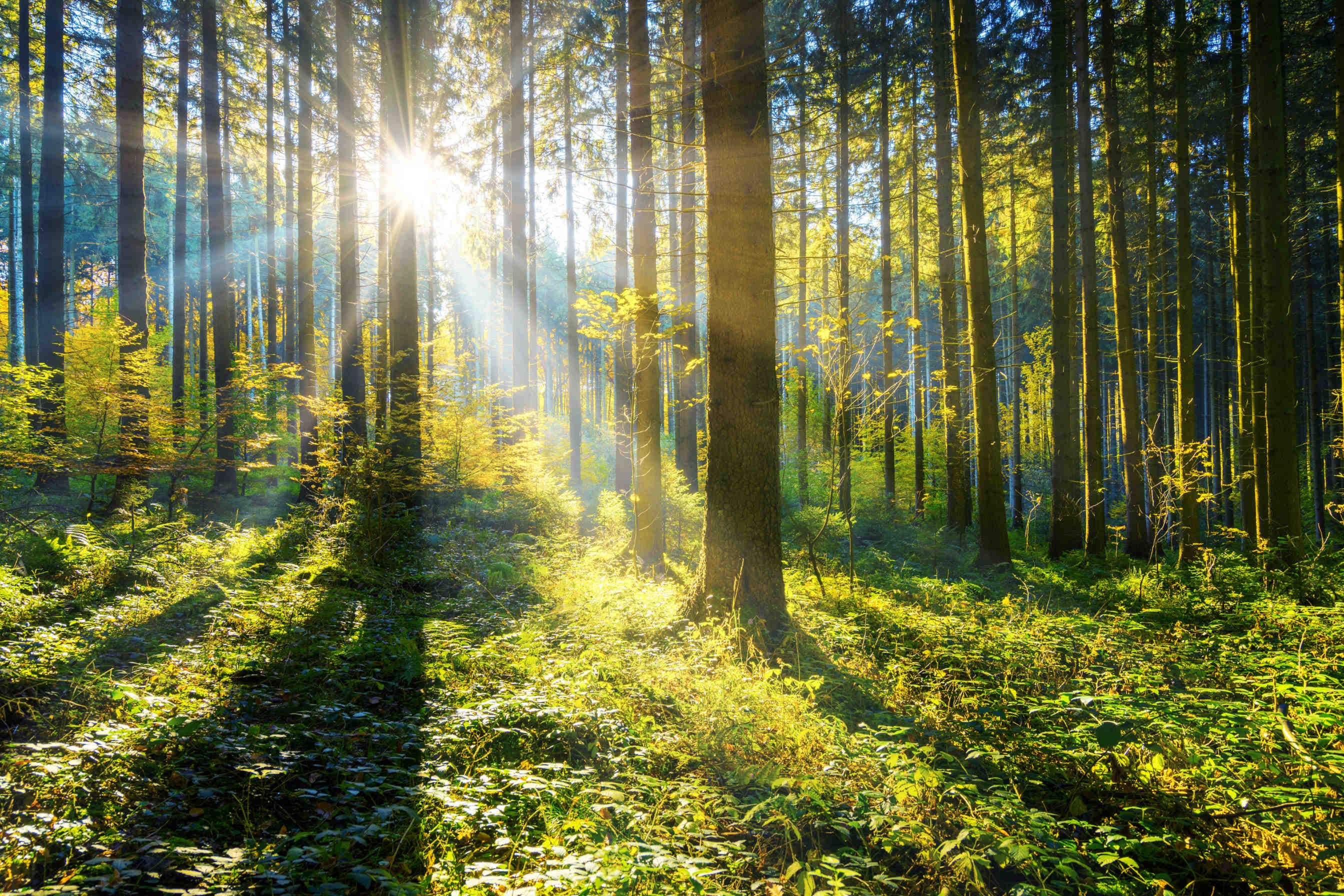
3Bee's approach to biodiversity protection
At 3Bee, honey is a symbol of the hard work of pollination done by bees and the realisation of their contribution to the ecosystem. Our projects support biodiversity and through our growers ensure a healthy environment for pollinators.
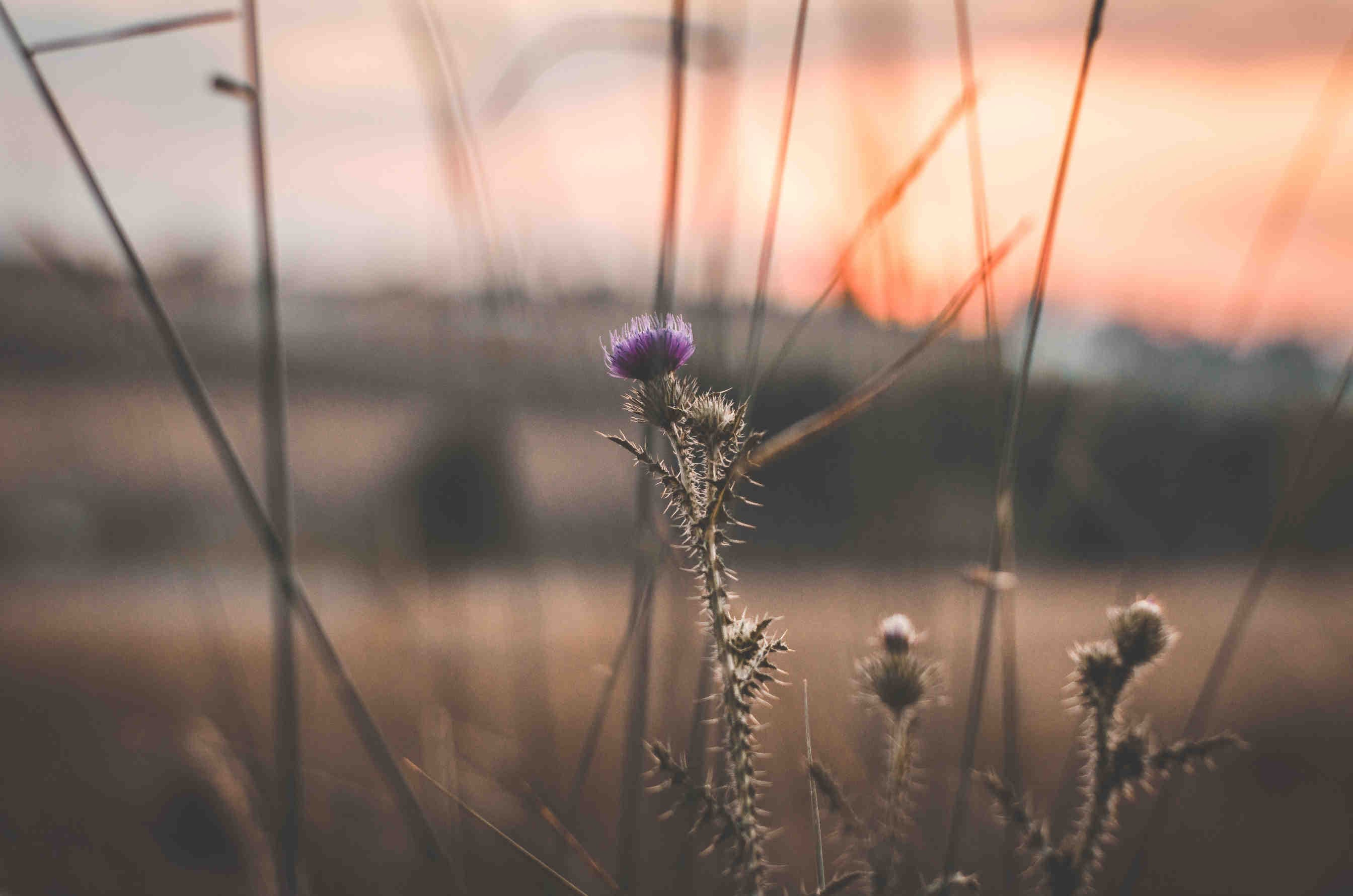
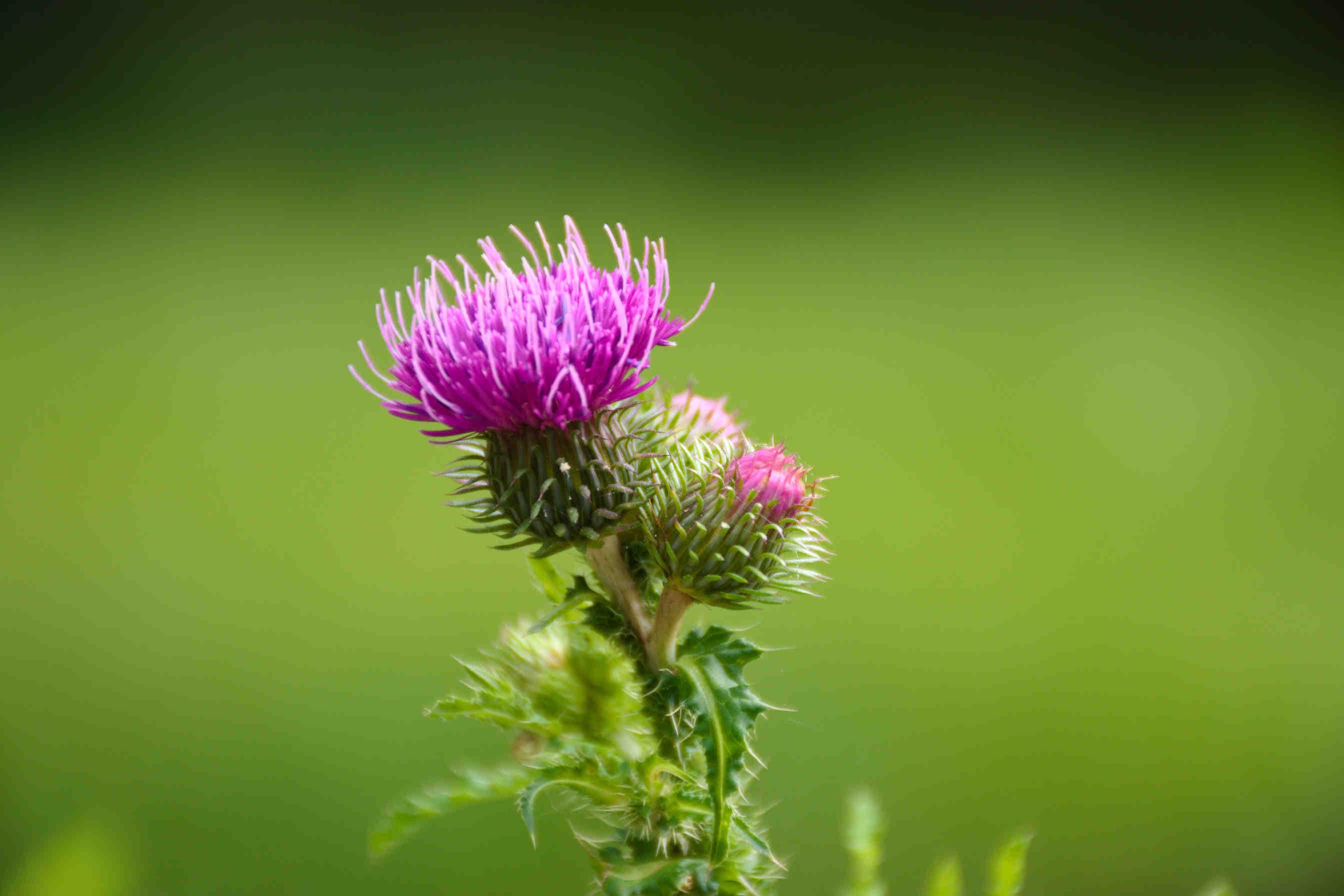
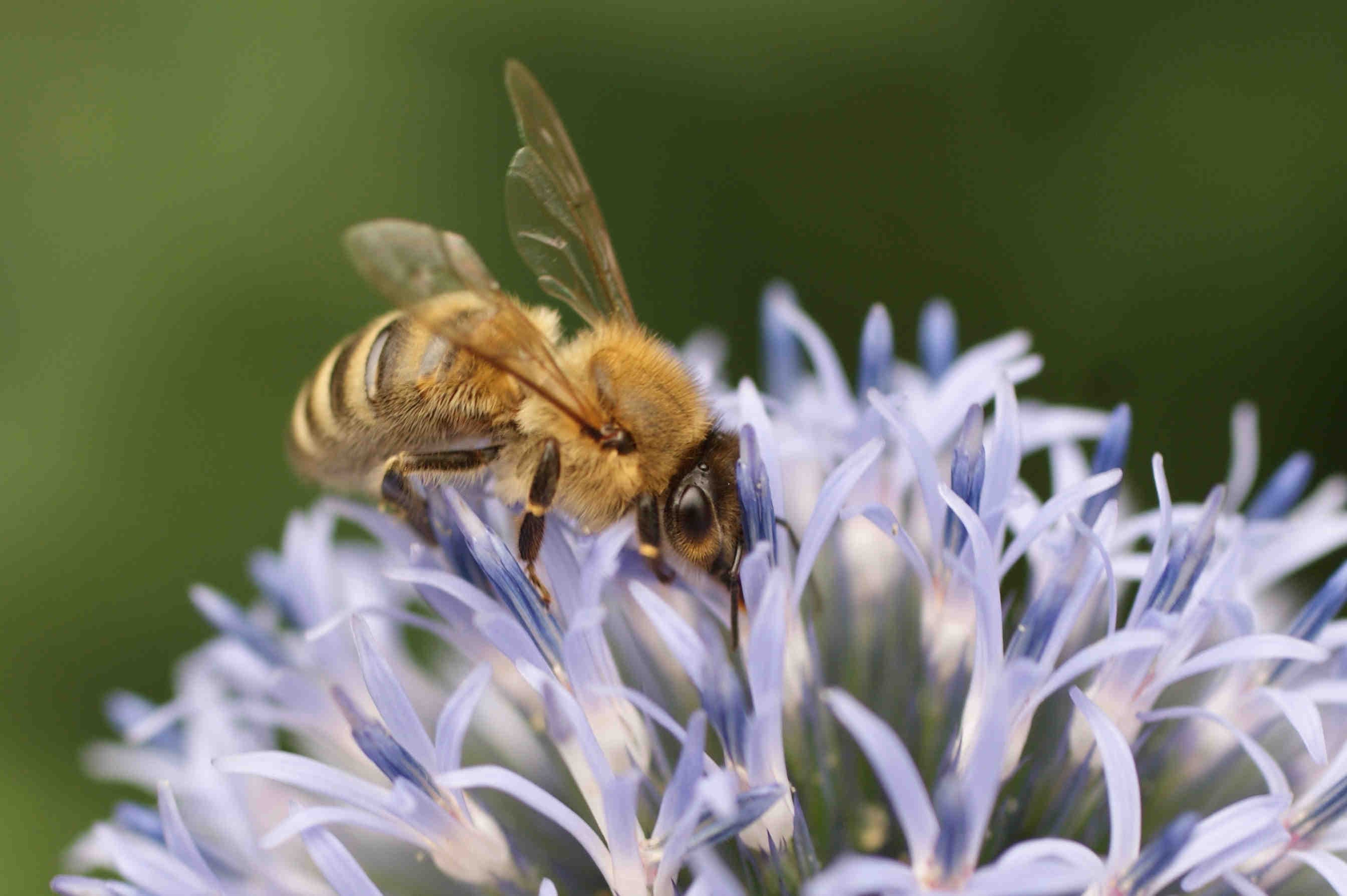
Read the articleGenerally, thistles are characteristic species of stable, pasture-resistant meadows and are spiny herbaceous plants. The thistle plant is quite bulky with purple flowers and grows up to one and a half metres in height. There are only different varieties such as the white thistle or the giant thistle. From this plant, bees gather nectar in abundance, from which thistle honey is then produced, mainly in Calabria and the Islands. Like the honey of Asphodel or of Ailanthus, Thistle honey is also a rare and valuable honey.

The
Thistle honey, or also Sardinian honey, like many other honeys, is an excellent sweetener and rich in vitamins and minerals. It is very suitable for those who suffer from problems such as stomach or indigestion, but also liver problems, thanks to its digestive properties. Its benefits do not end there: in fact, it is an excellent ally for the heart, thanks to its beneficial properties for the circulatory system.


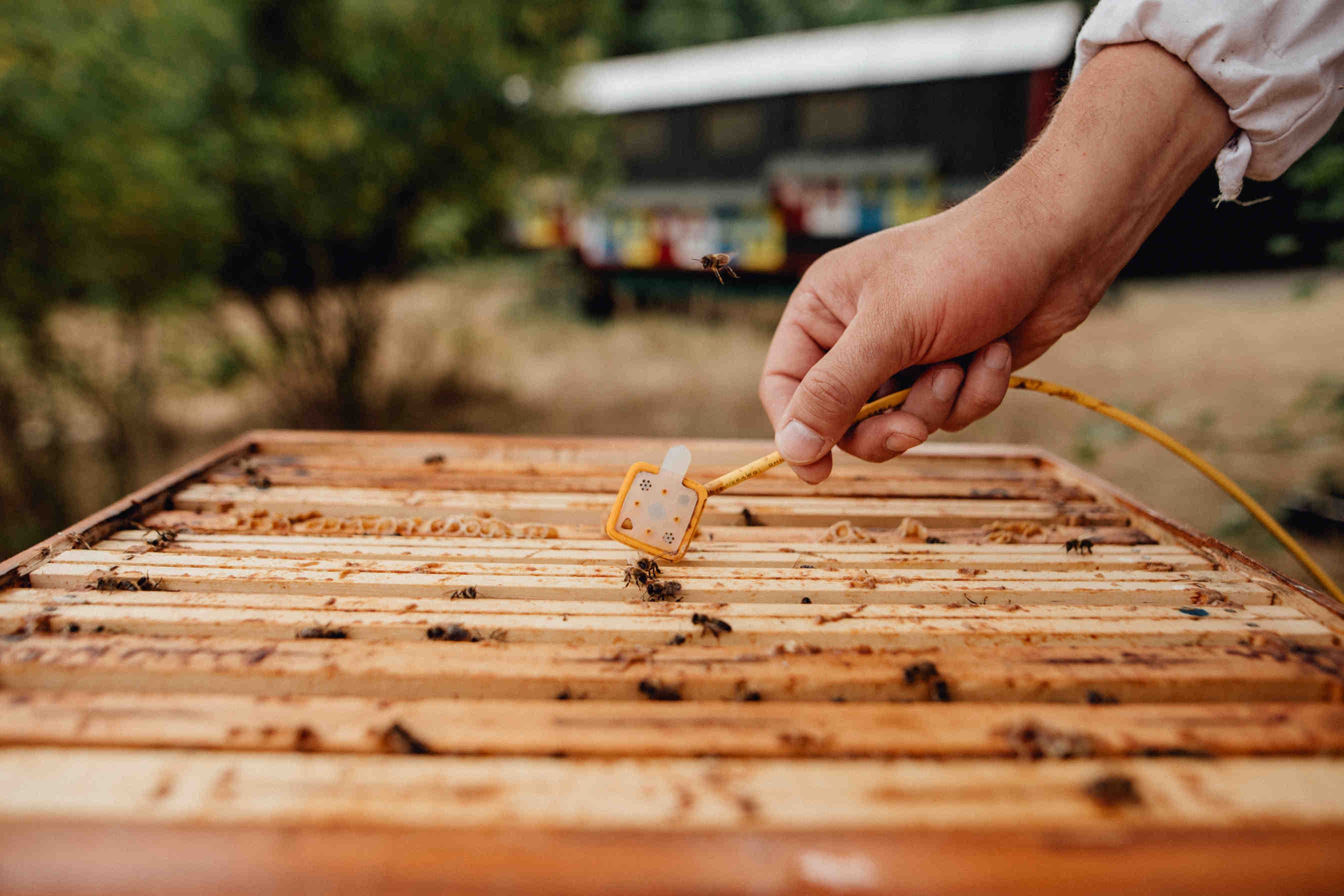
Now that you know the main characteristics of Thistle honey, would you also like to know where to find it? Like many honeys, thistle honey can generally be found in small local shops, in Sardinia in particular, or directly from beekeepers. Our beekeepers 4.0, in addition to producing genuine, artisanal honey, primarily take care of their bees. They constantly monitor them with technology, i.e. with Iot monitoring systems installed on the hives, so as to control the wellbeing of the bee family at 360°.

The
The information contained in this blog is about
The aim of this blog is to promote and disseminate a deeper understanding of the