The most incredible reproductions
    ReproductionCloniPartenogenesisApi

    The most incredible reproductions

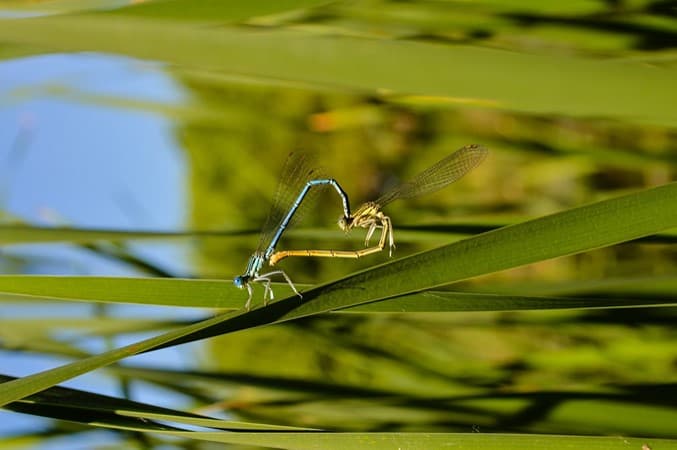
    Biodiversity is nothing other than the diversity of living species in natural ecosystems, which differ in form, behaviour, but also in the way they reproduce. In nature, there are some rather strange and unusual but equally astonishing modes of reproduction.

    Read the article
    25/05/2024Of 3Bee, Lara Vivarelli
    910 Views
    25/05/2024Of 3Bee, Lara Vivarelli
    910 Views

    Reproduction

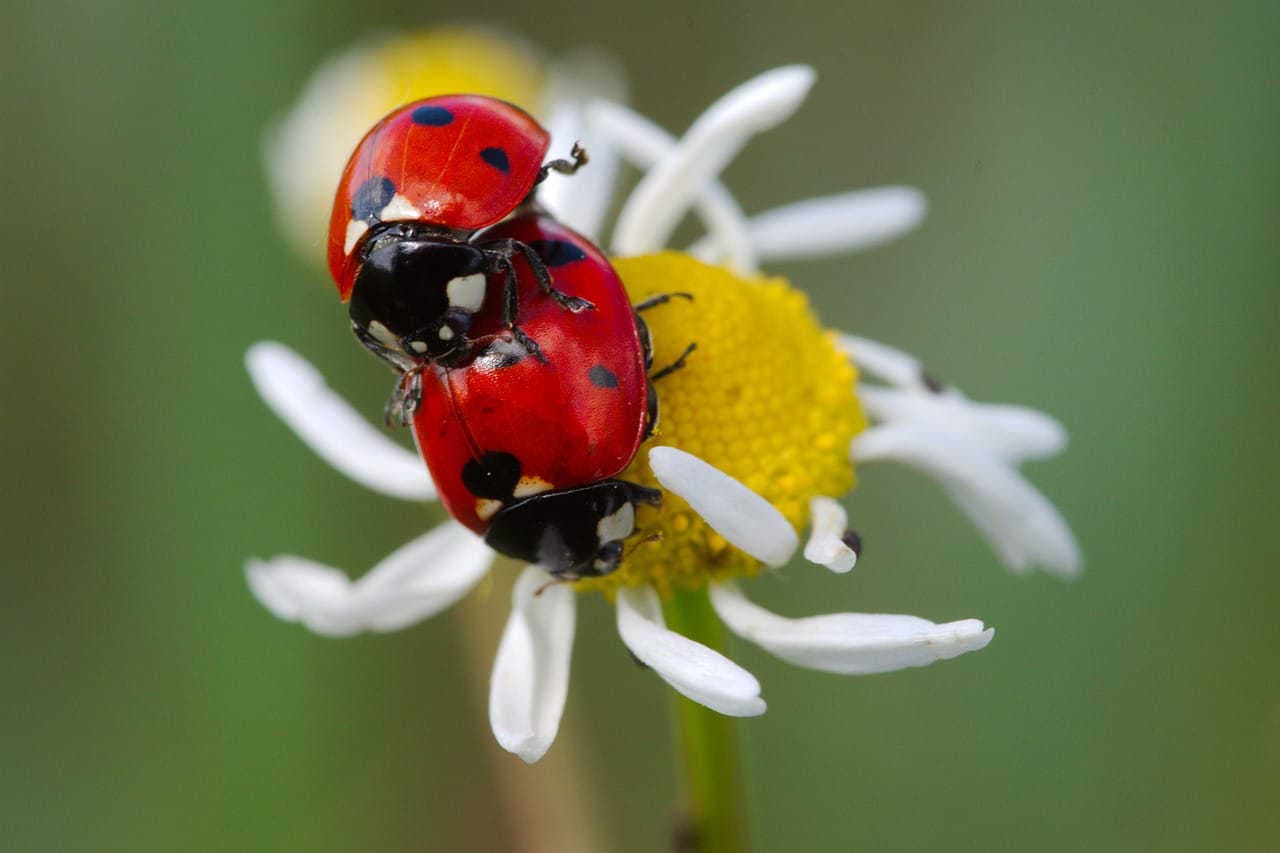
    Thanks to reproduction, any living species can transmit its genetic heritage by generating new fertile offspring. Evolution has led to the development of different modes of reproduction, each effective under certain conditions. When it comes to sexual reproduction is considered to be the fusion of two nuclei of two cells, each from different individuals belonging, however, to the same species. More specifically, there is the development of gametes, i.e. the sexual cells involved in reproduction. These cells are 'haploid', i.e. they contain only one set of chromosomes. The development of such cells occurs by a process called 'meiosis'. Unlike sex cells, the organism's somatic cells are diploid, with a double set of chromosomes.
    riproduzione

    Asexual reproduction: generation of clones!

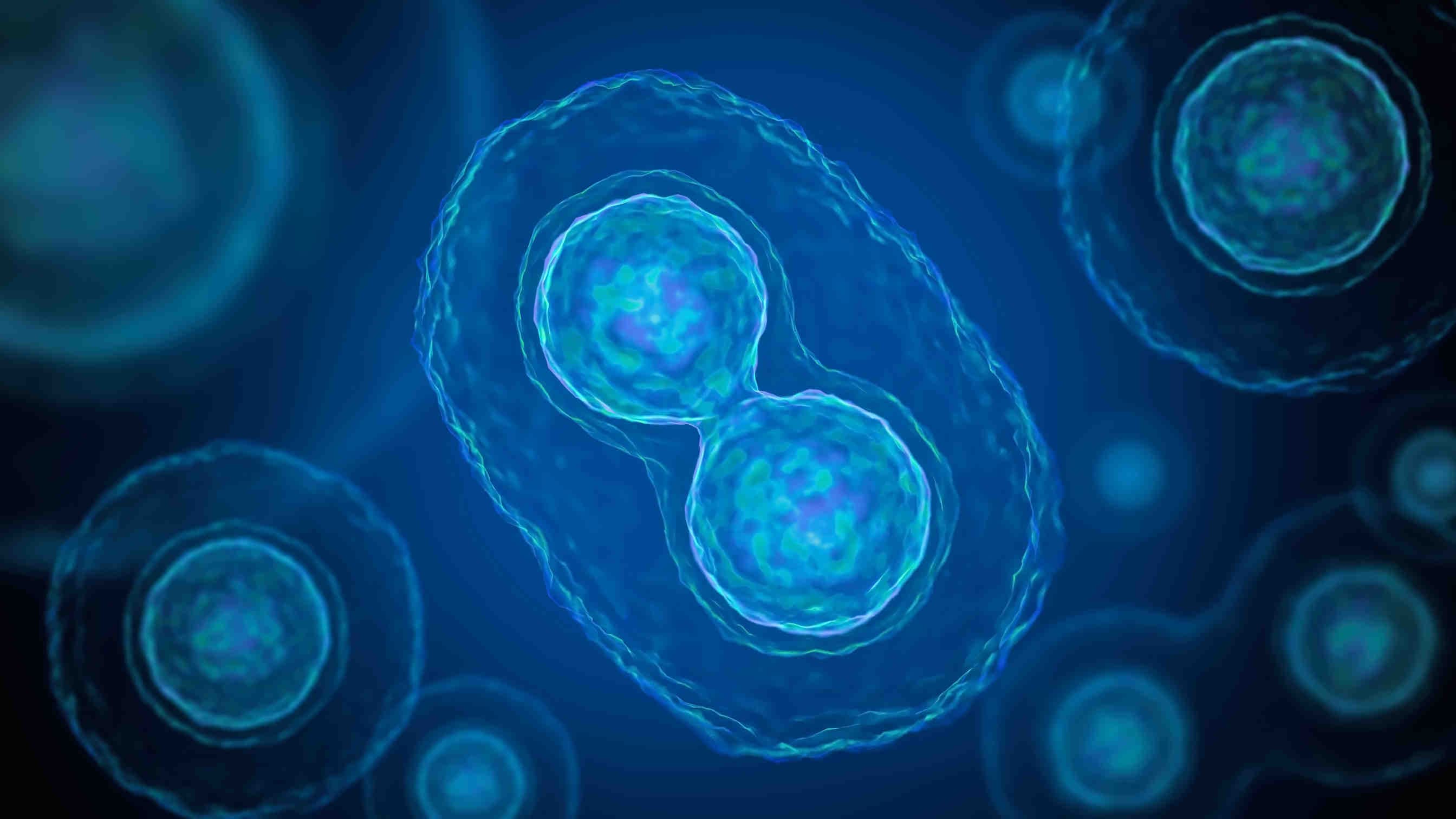
    Some organisms are able to reproduce copies of themselves, clones, without the production of sex cells and thus without the process of meiosis. This mode of reproduction is typical of bacteria, plants and lower animals. With asexual reproduction genetic variability is lacking, as the two organisms co-participate and thus there is no exchange of genes. The possible genetic variability, which enables evolution, is generated by random mutations in DNA.

    Riproduzione asessuata
    XNatura

    Parthenogenesis: sexual or asexual reproduction?

    Some plants and animals have adopted a mode of reproduction in which there is the development of the egg cell in the absence of fertilisation. Parthenogenesis is a mode of reproduction that can be considered incomplete sexuality, as there is still gamete production, or sexualised, as there is no fertilisation. A parthenogenic offspring may be composed of only females, only males, or both sexes. Organisms may practise it in a accidental or facultative manner, or it may be obligatory for their biology. Compulsory parthenogenesis is adopted by certain organisms that reproduce exclusively clonally, in which a population of only females is developed and therefore the presence of the male sex is not necessary. Although these species can also be described as unisexual, this is not hermaphroditism.
    Partenogenesi nelle api

    Facultative parthenogenesis: the case of bees

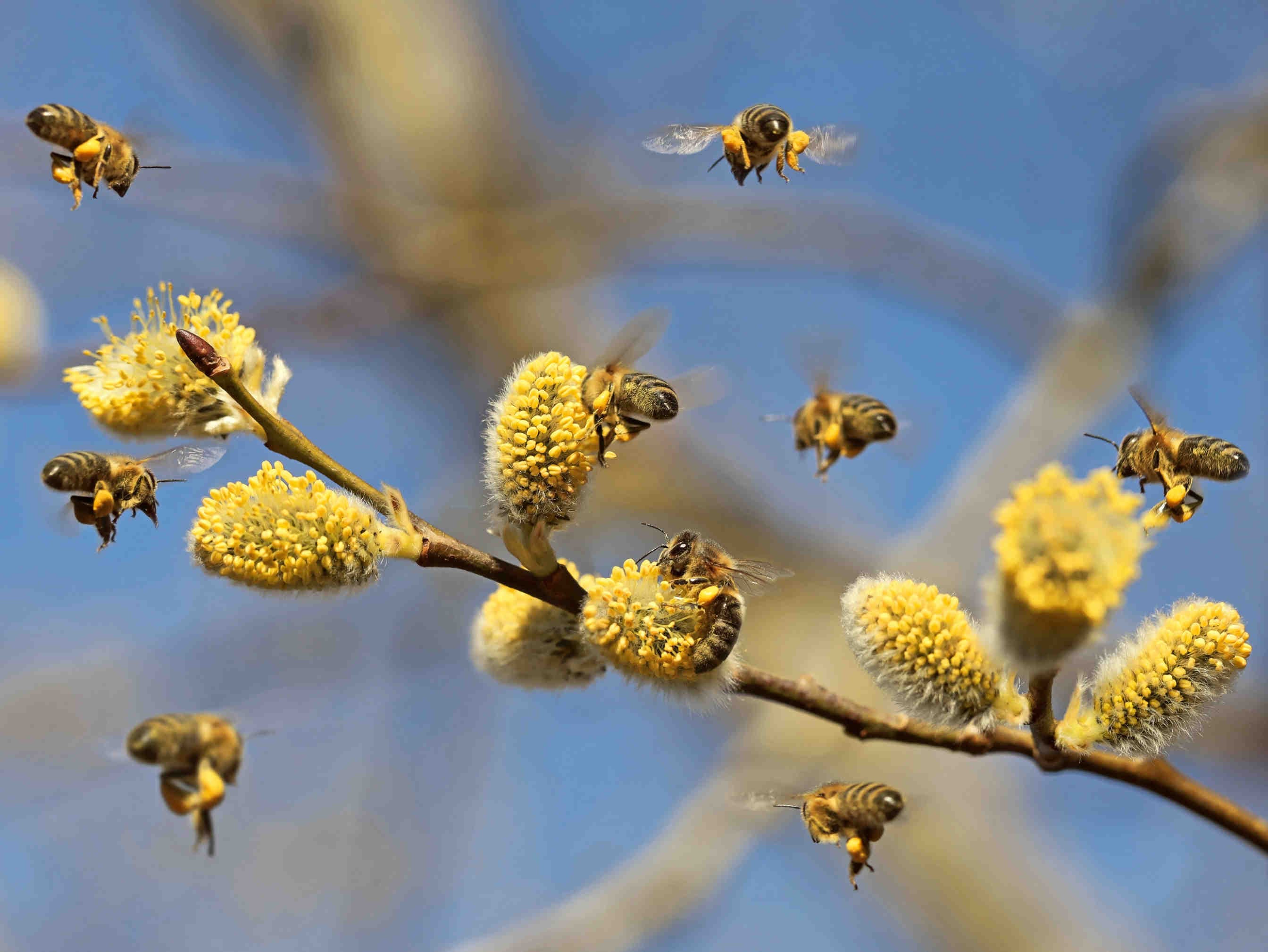
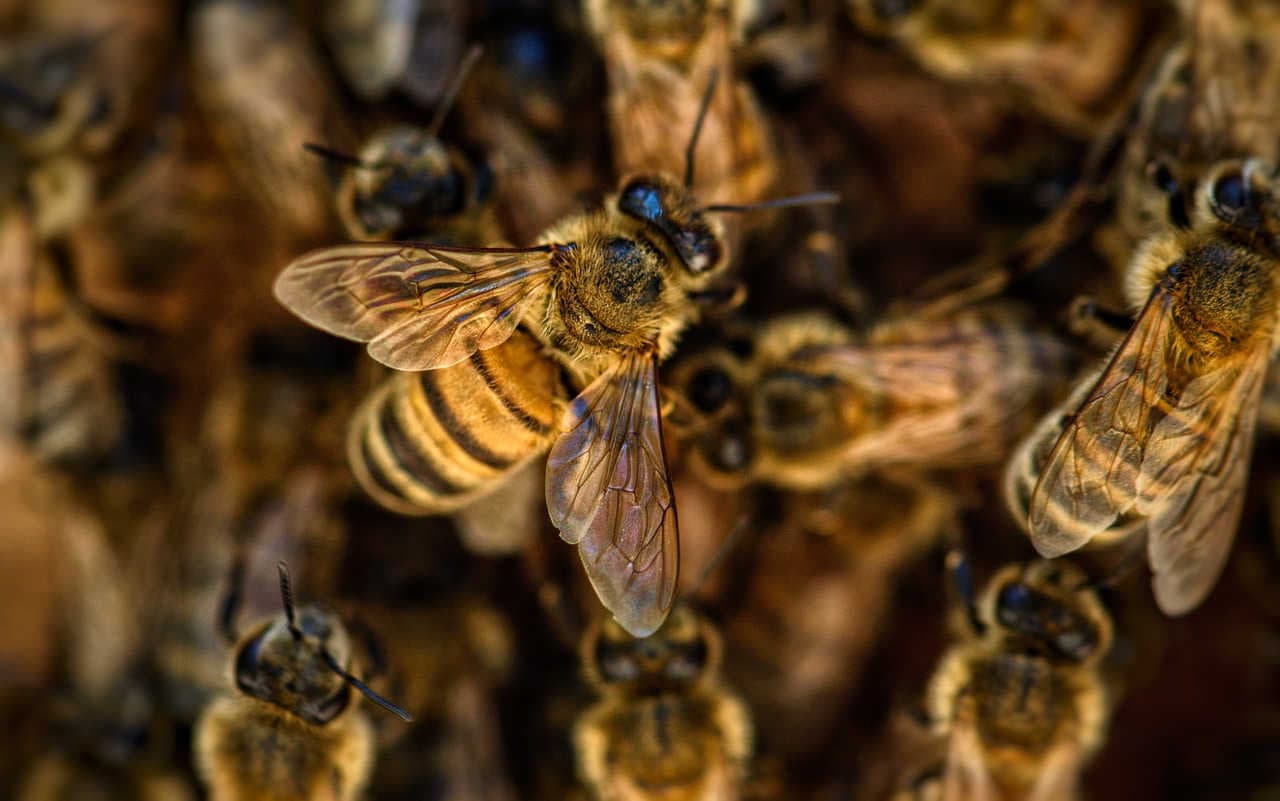
    Hymenoptera, including bees and wasps, can adopt different modes of reproduction, on which the sex determination of the future individual depends. The queen bees are the only bees in the hive that can reproduce thanks to their well-developed reproductive apparatus. During the only flight conducted by the queen during her lifetime, the nuptial flight, there is a release of pheromones to attract the males in the circumstances, the drones. During this time, the queens collect male semen that can fertilise eggs for five years. However, not all queen bee eggs are fertilised; in fact, this is referred to as optional parthenogenesis. If the eggs are fertilised, the offspring will consist of diploid females. If, on the contrary, the eggs are not fertilised, the offspring will be of haploid males. What is most surprising and still unclear is that as they grow, many of the drones' cells become diploid and still manage to produce sex cells in haploid form.
    Partenogenesi facoltativa nelle api
    XNatura

    Eremaphroditism

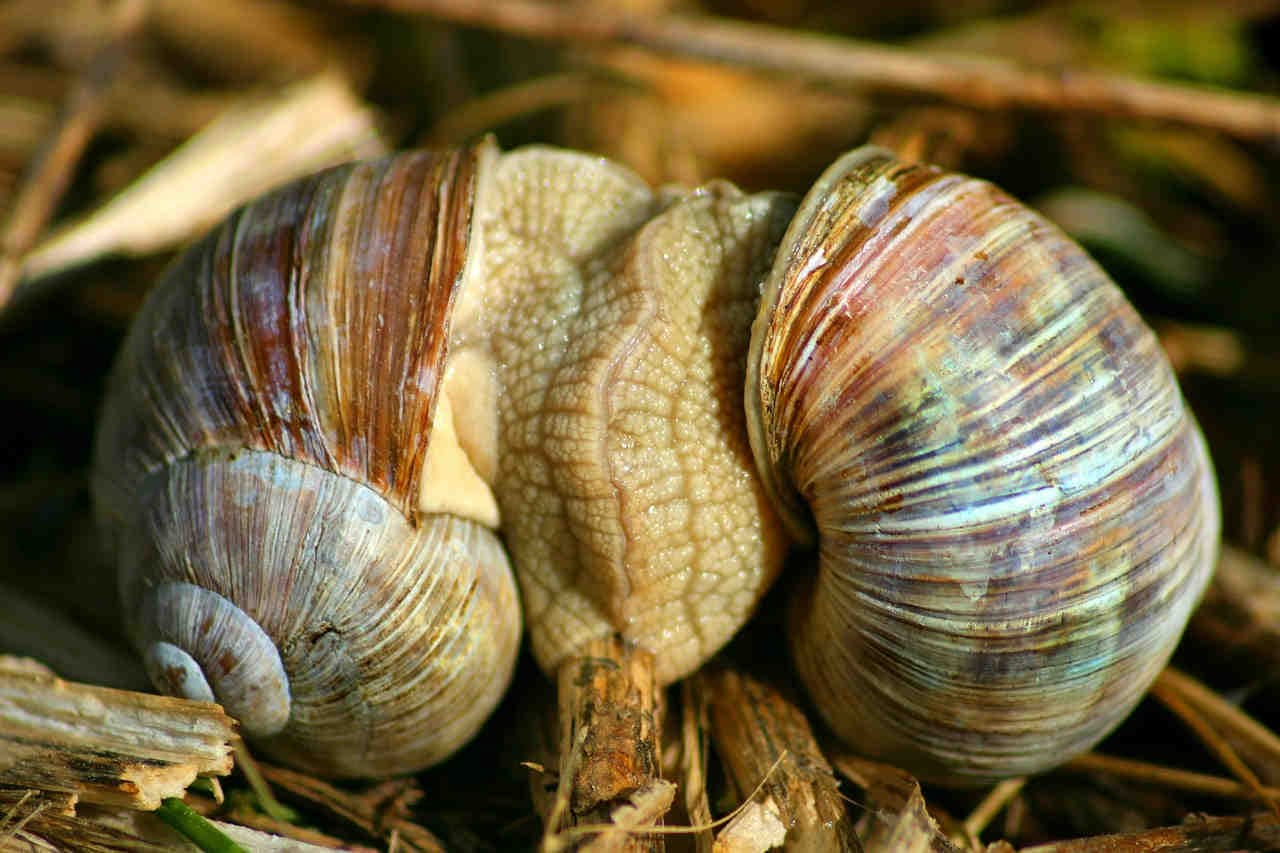
    Some organisms, both plant and animal, can produce both male and female gametes. The production of sex cells can occur contemporaneously or sequentially. In this case we speak of a hermaphrodite species, in which there is the absence of the two separate sexes. One distinguishes, more specifically, sufficient hermaphroditism from insufficient hermaphroditism. In the former case, we speak of organisms capable of self-reproduction through self-fertilisation. In this case, however, genetic variability in the offspring will be reduced due to the impossibility of exchanging genetic material between two different individuals. In fact, evolution has affirmed more of the insufficient hermaphroditism, in which there is an interaction between two individuals possessing both male and female gametes, and thus there is the possibility of cross-fertilisation.
    ermafroditismo
    3Bee

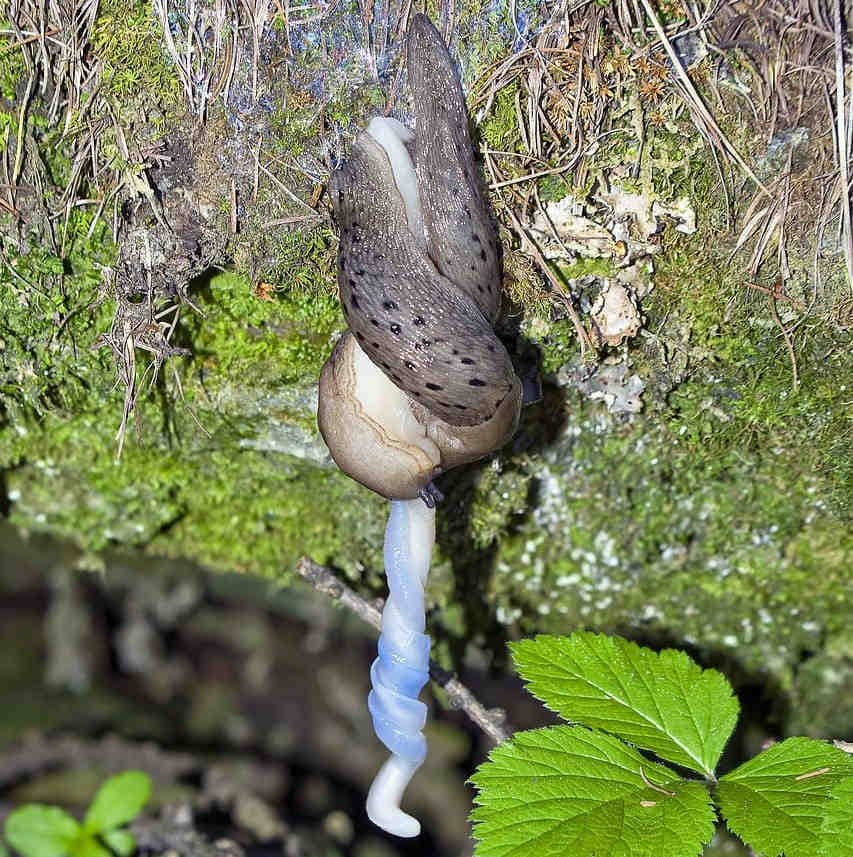
    Insufficient hermaphroditism in terrestrial gastropods

    Most terrestrial gastropods, such as snails and land snails, are hermaphrodites. A rather unusual feature of them is the creation and use of "love darts", which are nothing more than fairly rigid stiletto structures. The love dart is produced and stored in a sac-like structure, it is covered by a mucous glandular secretion, which in a species known as Euhadra quaesita has been shown to suppress the individual's subsequent mating. This dart is everted and shot with great force, so that it enters the body of the partner and allows the exchange of the gametes of the two individuals and encourages cross-fertilisation.
    ermafroditismo gasteropodi

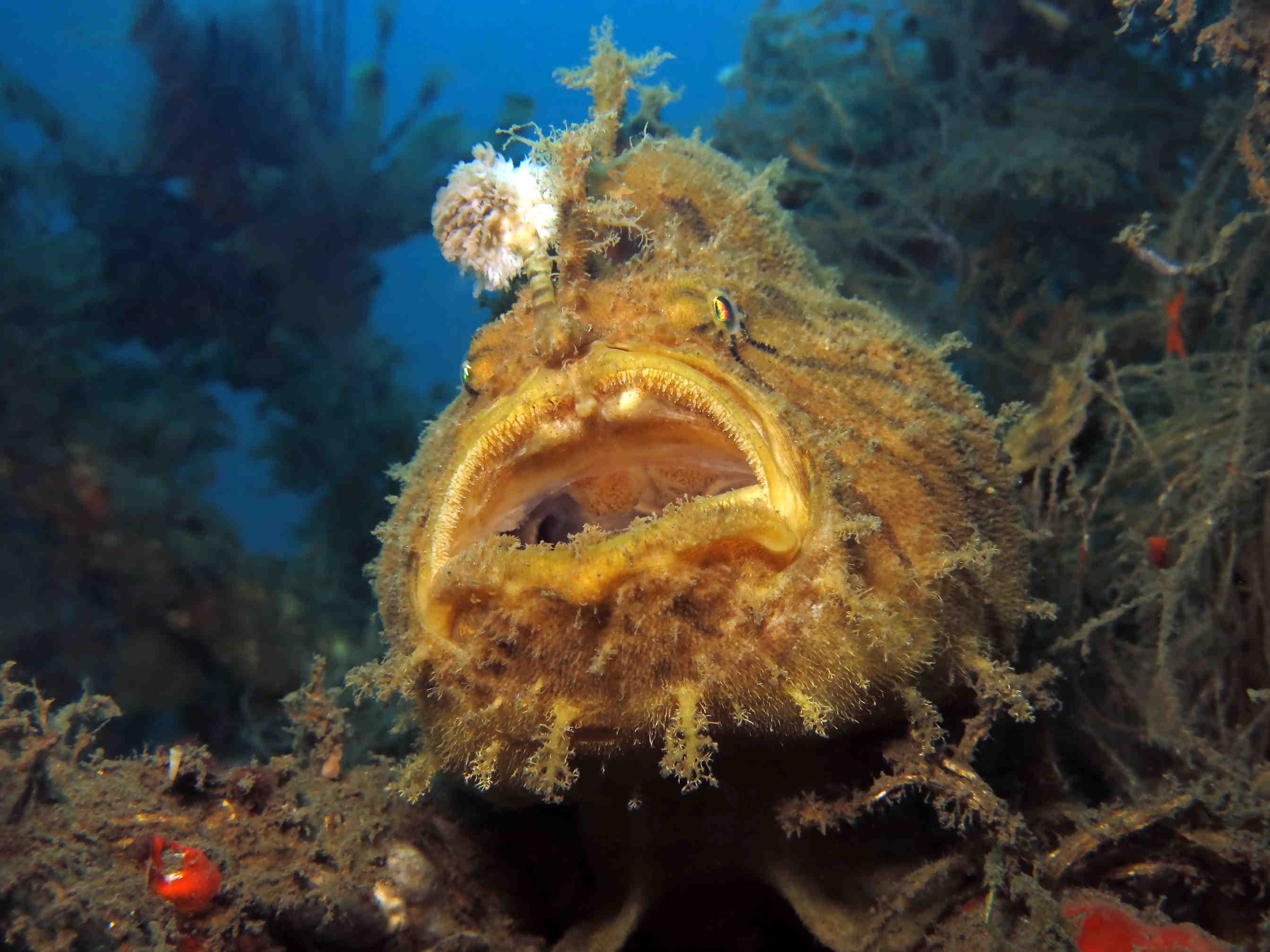
    Sexual parasitism: the case of the anglerfish

    For a long time, researchers only found female anglerfish specimens with peculiar shapes on the belly, assumed to be external parasites. To everyone's surprise, it turned out that what was thought to be a parasite was none other than the male individual, or more precisely, certain anatomical parts of it. For the reproduction of the anglerfish, one speaks of "sexual parasitism" as the male, generally smaller than the female, attaches itself to the female's body and digests part of her body by secreting enzymes. A fusion of the bodies of the two individuals takes place and all that remains of the male is an appendix endowed with testicles rich in sexual gametes for the fertilisation of the female. The male, remaining in this way attached to the female, exploits her circulatory system and all other vital functions, like a parasite.
    Sexual parasitism: the case of the anglerfish

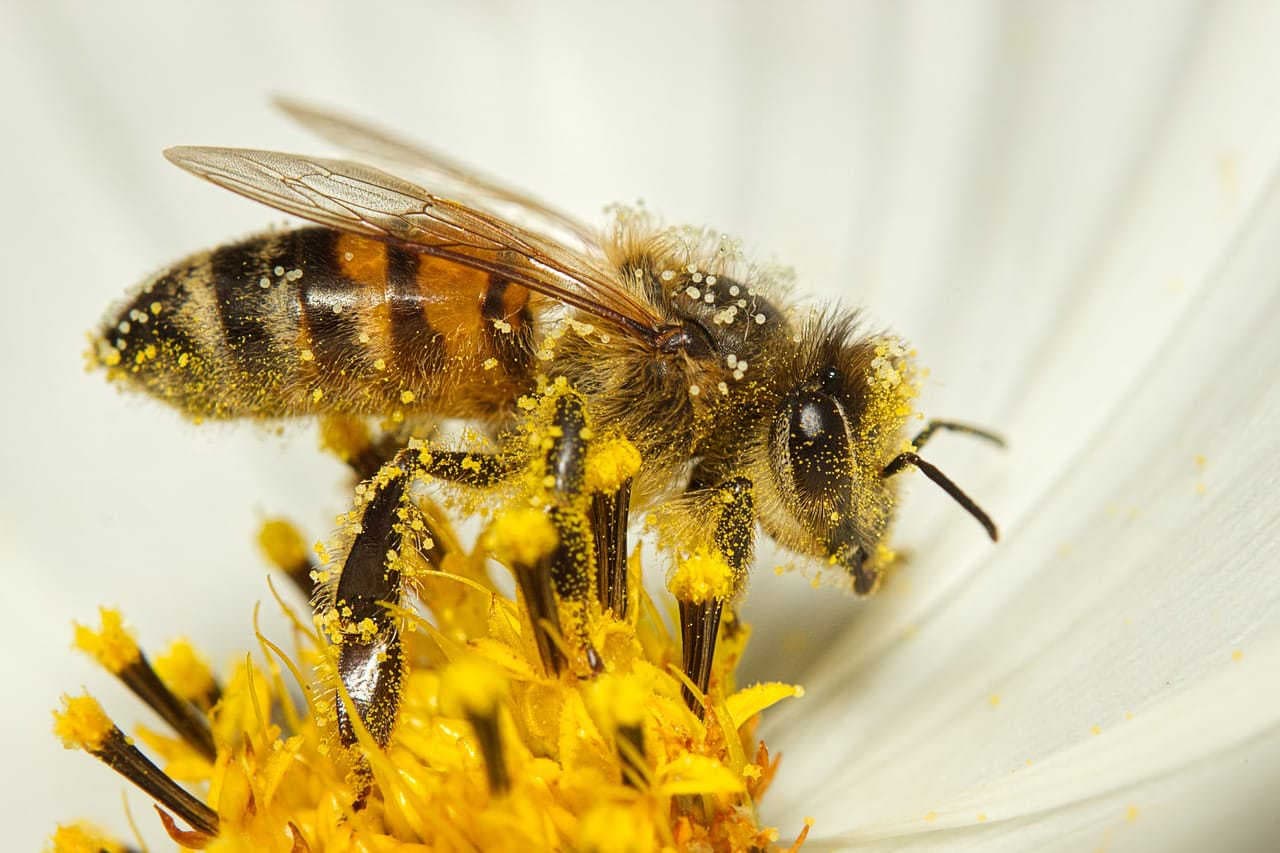
    Plant reproduction: from pollination to anemophily

    Plants have their own mode of reproduction: they can take advantage of pollinators, use the wind or water to transport pollen, or self-fertilise. Plants, in fact, are divided into monoecious and dioecious. In the former case, reference is made to the presence of both reproductive organs, female and male, on the same plant, but in separate flowers. In the case, on the other hand, of dioecious plants, they are characterised by the separation of the sexes; thus, one plant of the same species will be able to produce the male gametes, i.e. the pollen, and another plant will produce the female gametes, i.e. the ovum inside the ovary. Pollen is the gamete that is often carried, by the wind or pollinators in general, from one plant to another to allow cross-fertilisation. In addition to this distinction, some plants are able to produce both gametes on the ste
    impollinazione

    Biodiversity: richness and evolution

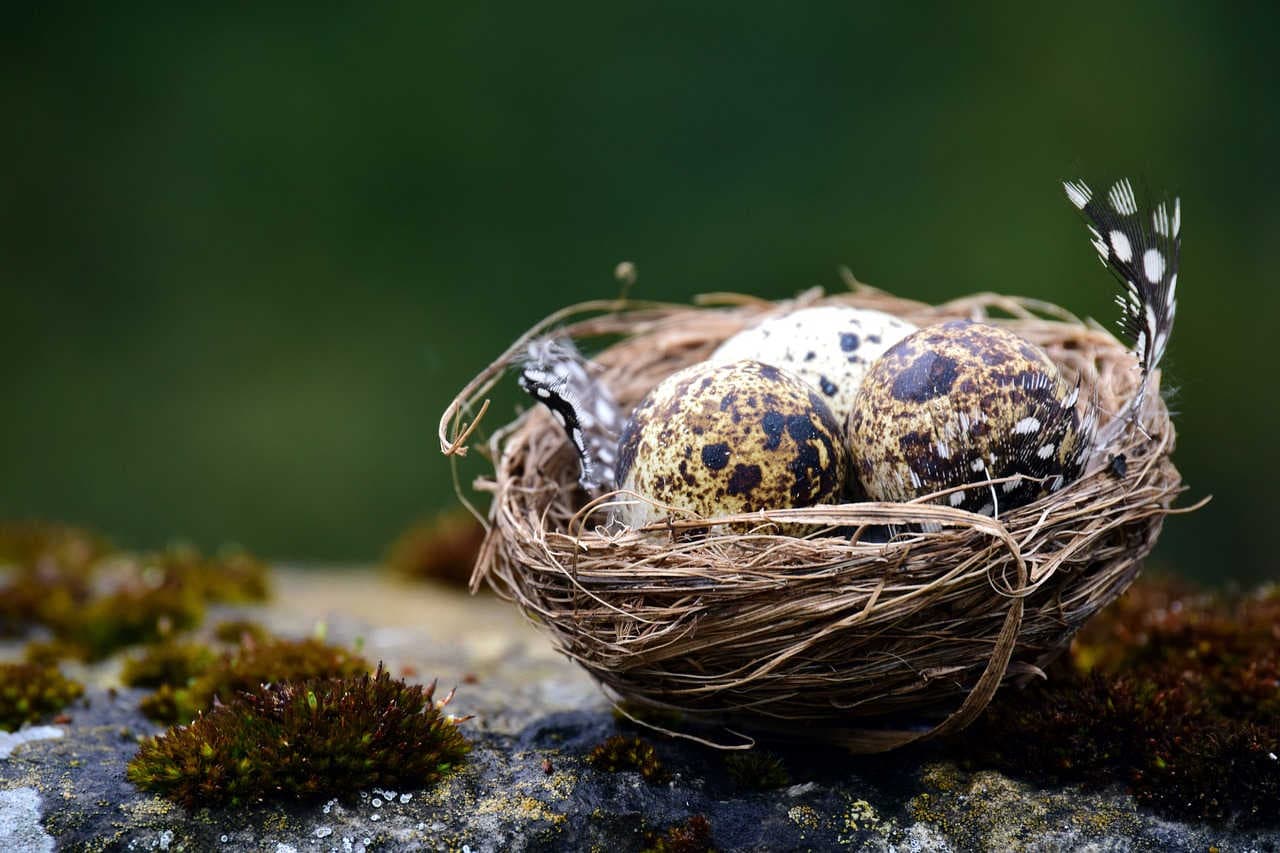
    We are used to observing and are more aware of the biodiversity that is 'closer' to us, particularly the slice composed of mammals. However, we often forget that the greatest wealth in terms of biodiversity is composed of invertebrates and plants; characterised by forms, structures, behaviours and habitats that are very distant from us. Nature has provided for each species and habitat strategies for survival and adaptation that may be extraordinary to us, but are perfect for each one. Adaptations, which are also in the form of a typical modality of reproduction, are the result of the natural selection that operates undeterred and is the engine of evolution.
    evoluzione della riproduzione
    25/05/2024Of 3Bee, Lara Vivarelli
    910 Views
    Newsletter
    newsletter
    Subscribe to the Blog about bees and biodiversity

    Frequently Asked Questions

    Do you have any doubts or other curiosities about this article? Here you will find some insights