Reproduction
Thanks to reproduction, any living species can
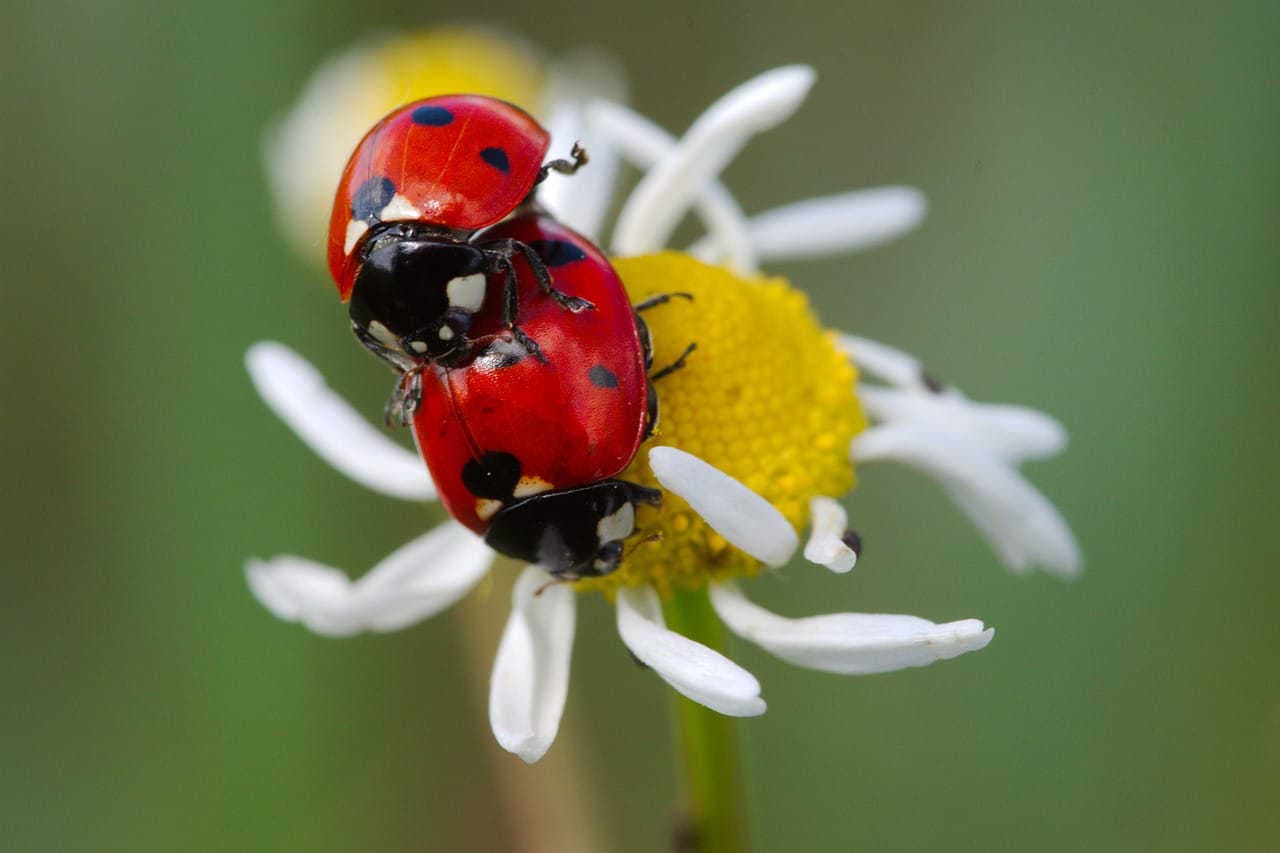
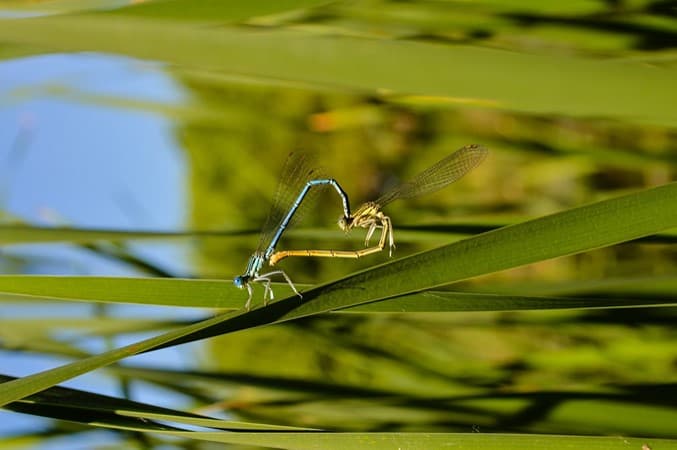
Biodiversity is nothing other than the diversity of living species in natural ecosystems, which differ in form, behaviour, but also in the way they reproduce. In nature, there are some rather strange and unusual but equally astonishing modes of reproduction.
Read the articleThanks to reproduction, any living species can
Some organisms are able to reproduce
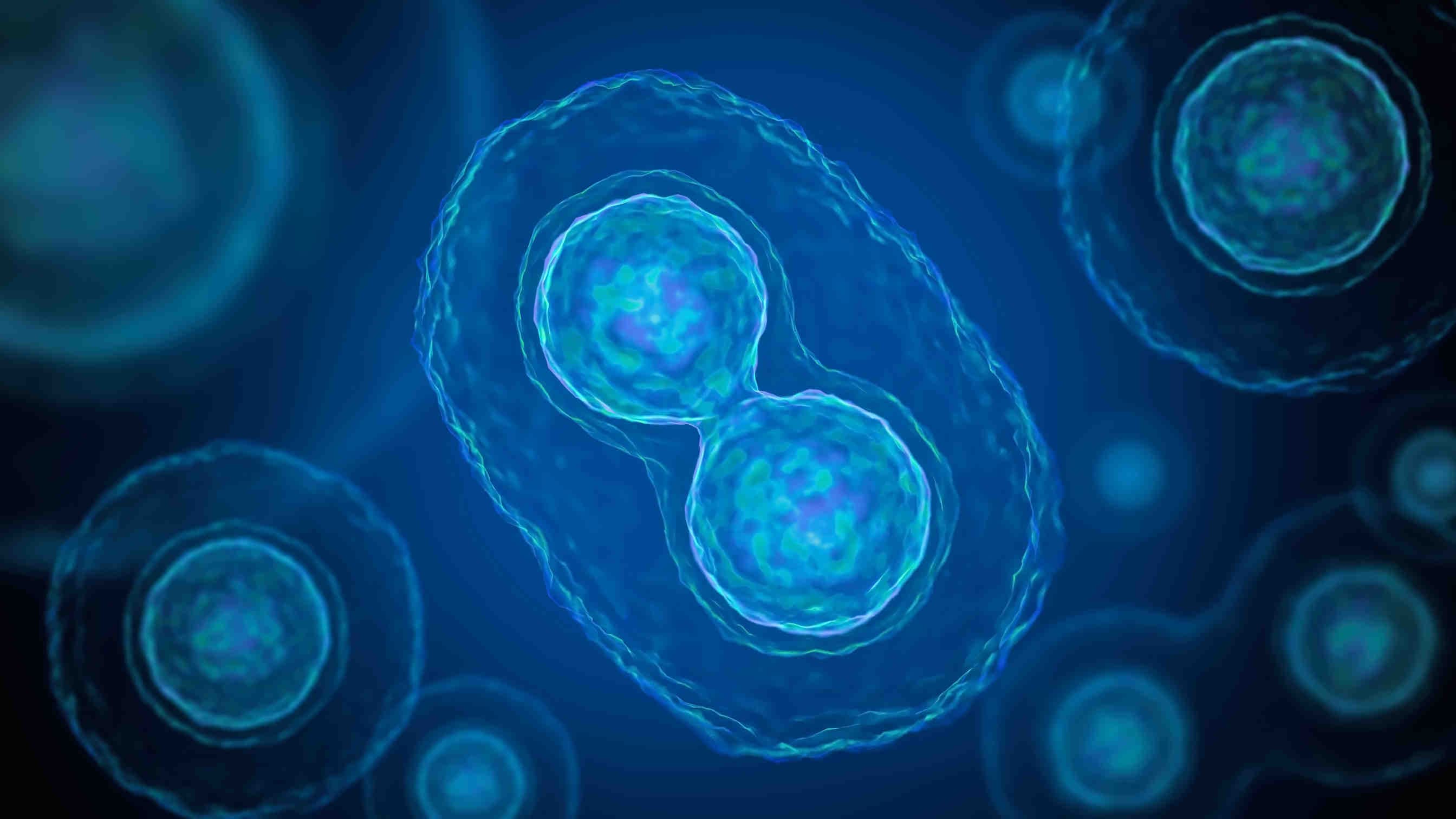
Some plants and animals have adopted a mode of reproduction in which there is the development of the egg cell in the absence of fertilisation. Parthenogenesis is a mode of reproduction that can be considered
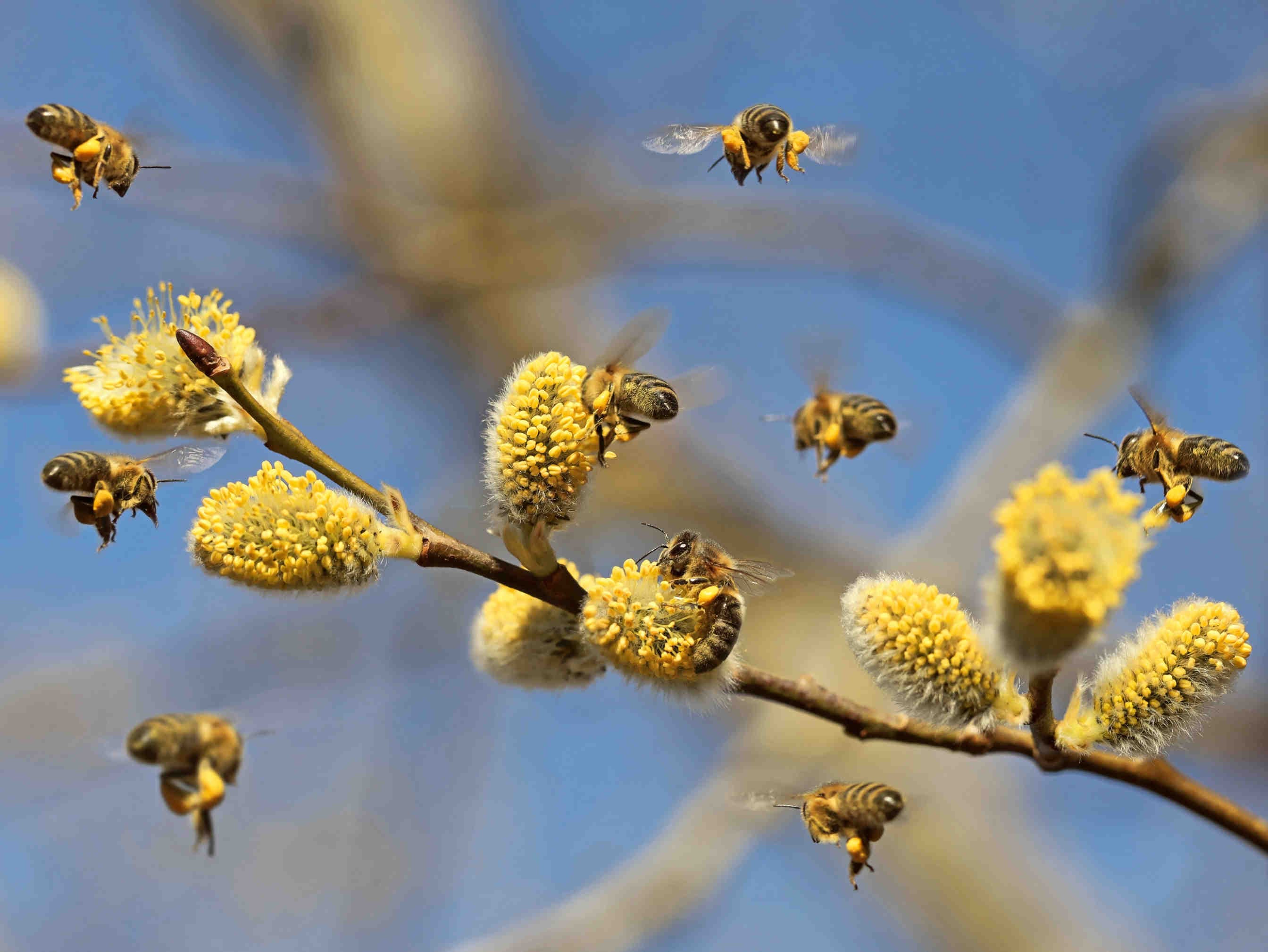
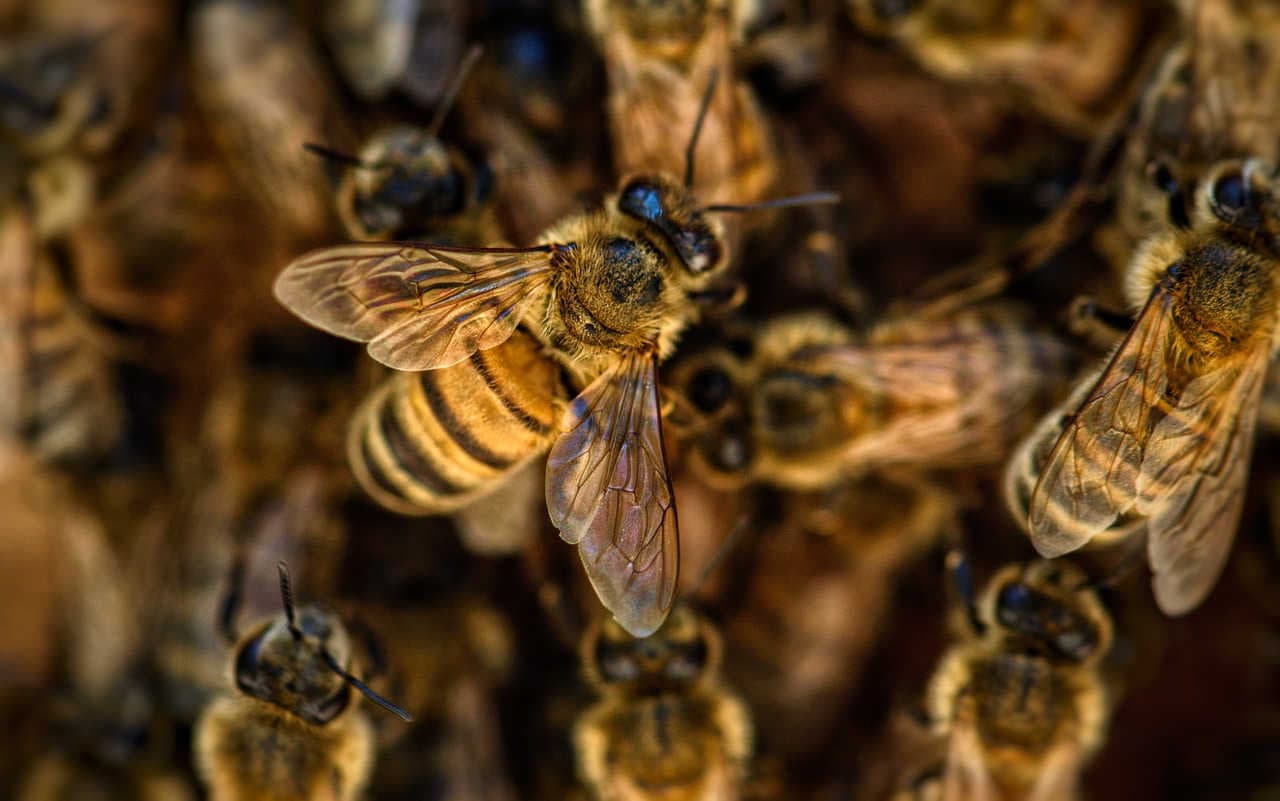
Hymenoptera, including bees and wasps, can adopt different modes of reproduction, on which the sex determination of the future individual depends. The
Some organisms, both plant and animal, can
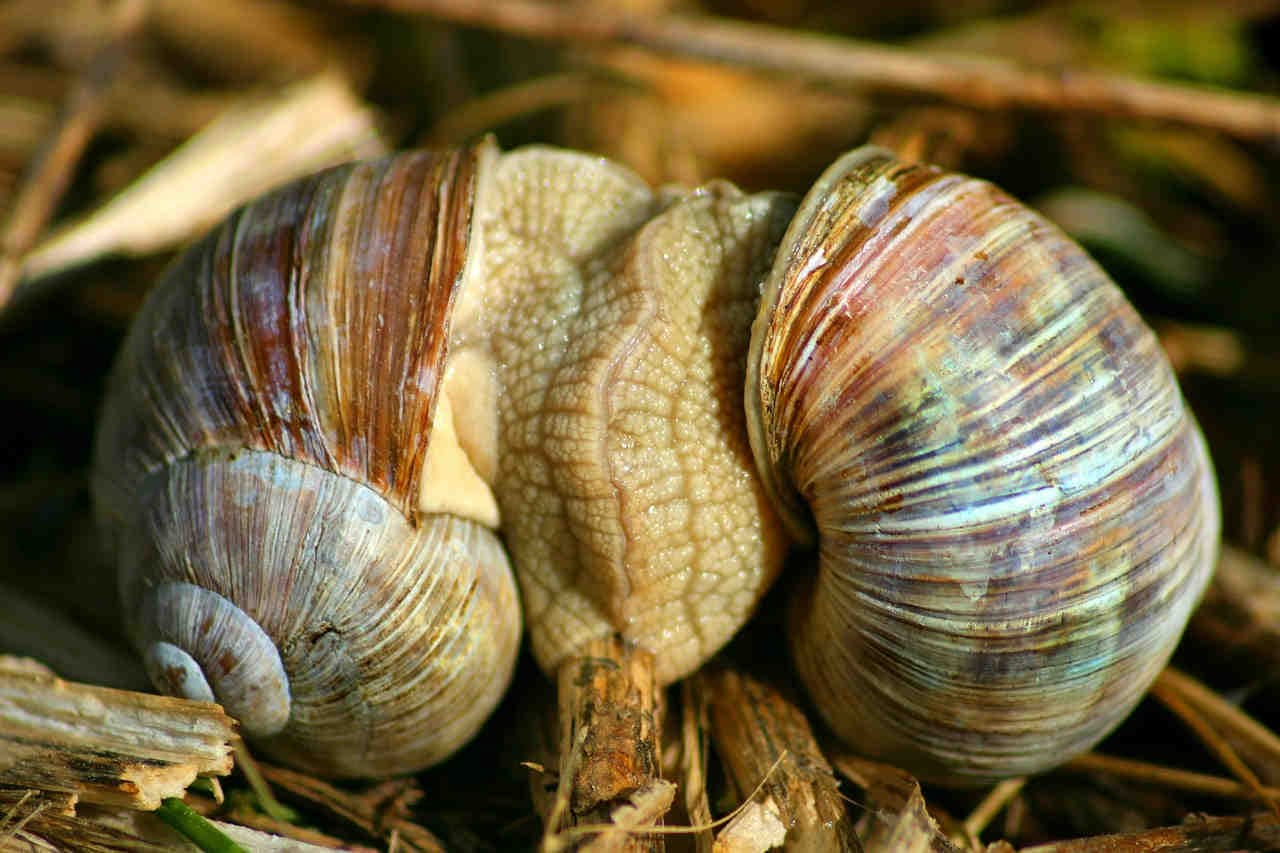

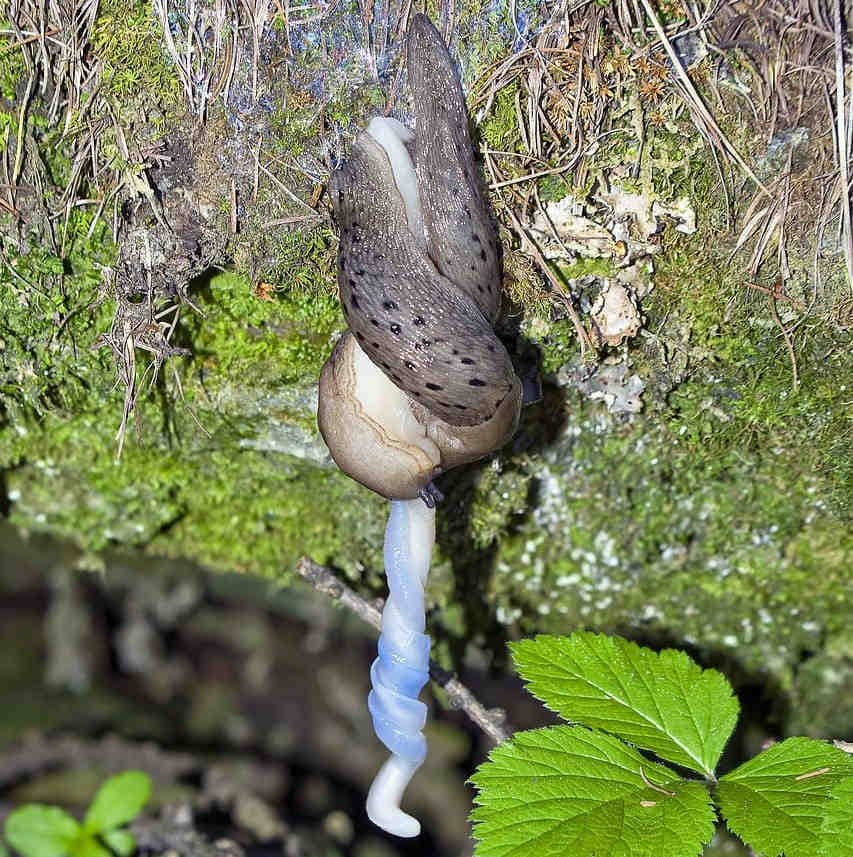
Most terrestrial gastropods, such as snails and land snails, are hermaphrodites. A rather unusual feature of them is the creation and use of "love darts", which are nothing more than fairly rigid stiletto structures. The love dart is produced and stored in a sac-like structure, it is covered by a
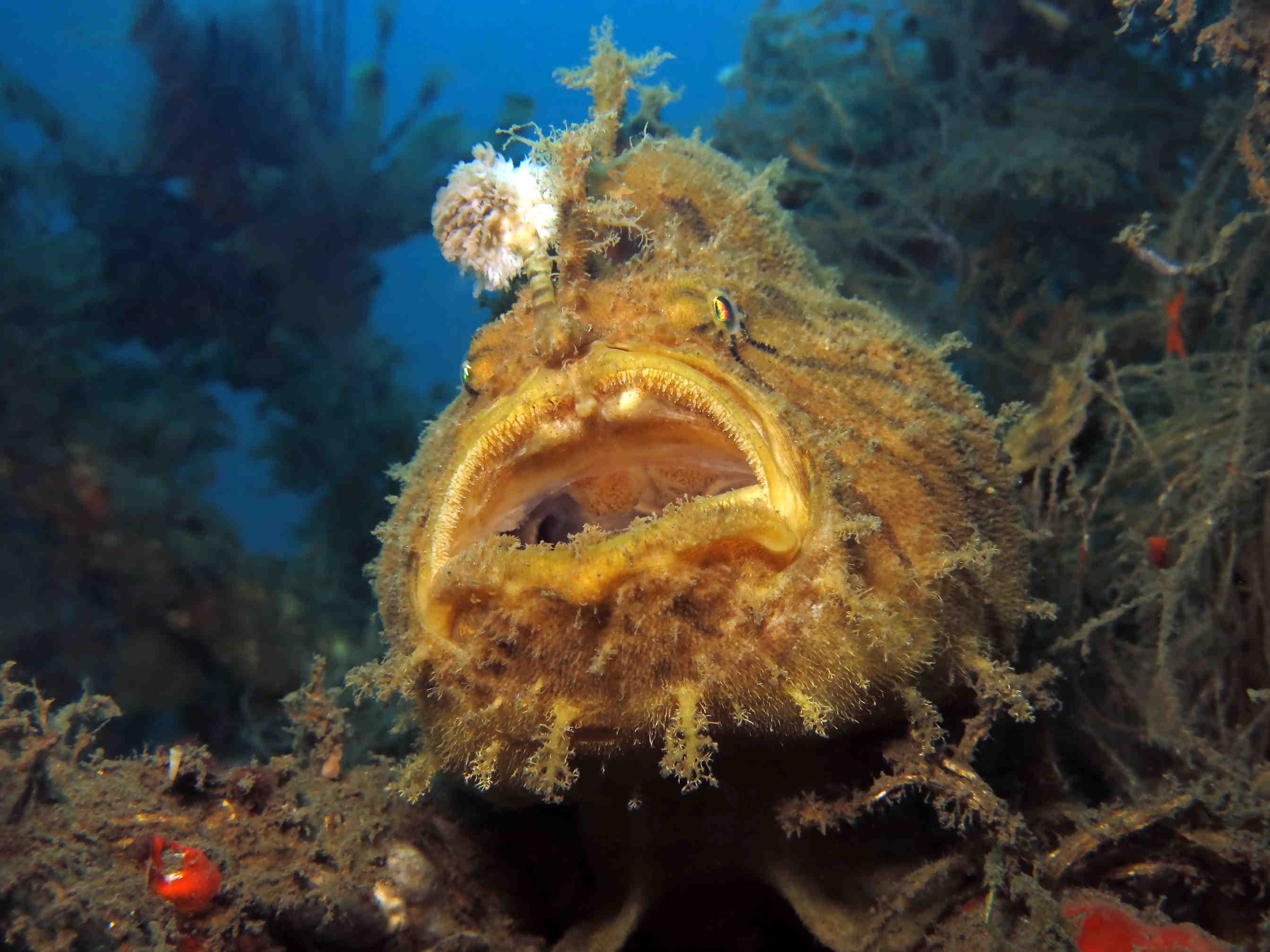
For a long time, researchers only found female anglerfish specimens with peculiar shapes on the belly, assumed to be external parasites. To everyone's surprise, it turned out that what was thought to be a parasite was none other than the
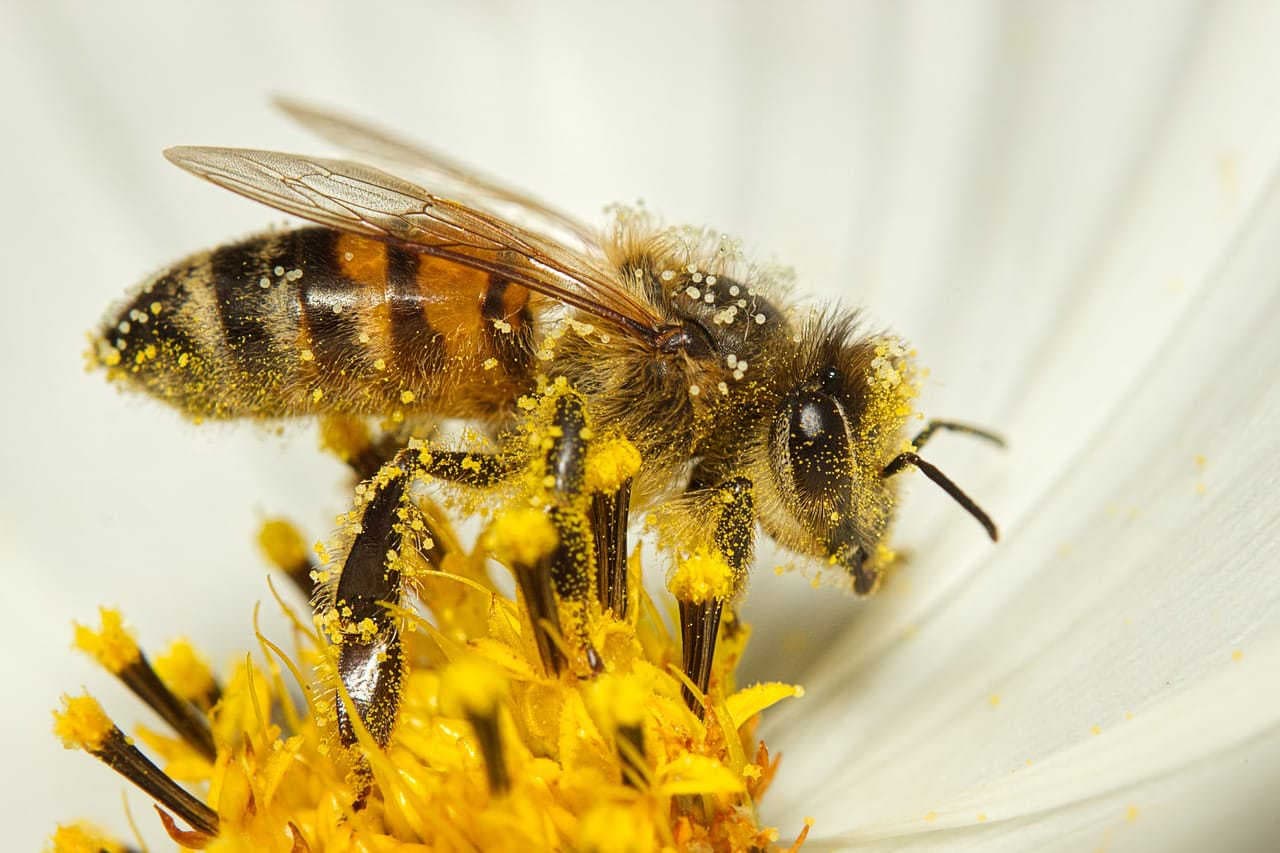
Plants have their own mode of reproduction: they can take advantage of pollinators, use the
We are used to observing and are more aware of the biodiversity that is 'closer' to us, particularly the slice composed of mammals. However, we often forget that the greatest wealth in terms of biodiversity is composed of
Do you have any doubts or other curiosities about this article? Here you will find some insights