The Great Meltdown 2 - Blue Crab and Alien Species
    TGM 2Blue crabTestimonyPopilia

    The Great Meltdown 2 - Blue Crab and Alien Species

    The Great Meltdown 2 is the sequel to 3Bee's film with which we aimed to document climate change from the perspective of human actions-altering ecosystems and biodiversity. Discover the third episode dedicated to the blue crab invasion and alien species.

    Read the article
    13/11/2023Of 3Bee, Elena Fraccaro
    390 Views
    13/11/2023Of 3Bee, Elena Fraccaro
    390 Views

    The Great Meltdown: the climate change film

    The Great Meltdown is the "film" that is before our eyes every day: the real and dangerous effects of climate change, which are affecting everyone. Unlike the first docu-film, which explored environmental disasters caused directly by human actions, this new season focuses on the devastating effects of extreme weather events. The episodes will be 5 and will be released weekly during November 2023.
    - Episode 1: Milan of fire, the islands of heat
    - Episode 2: Vaia, a storm to remember
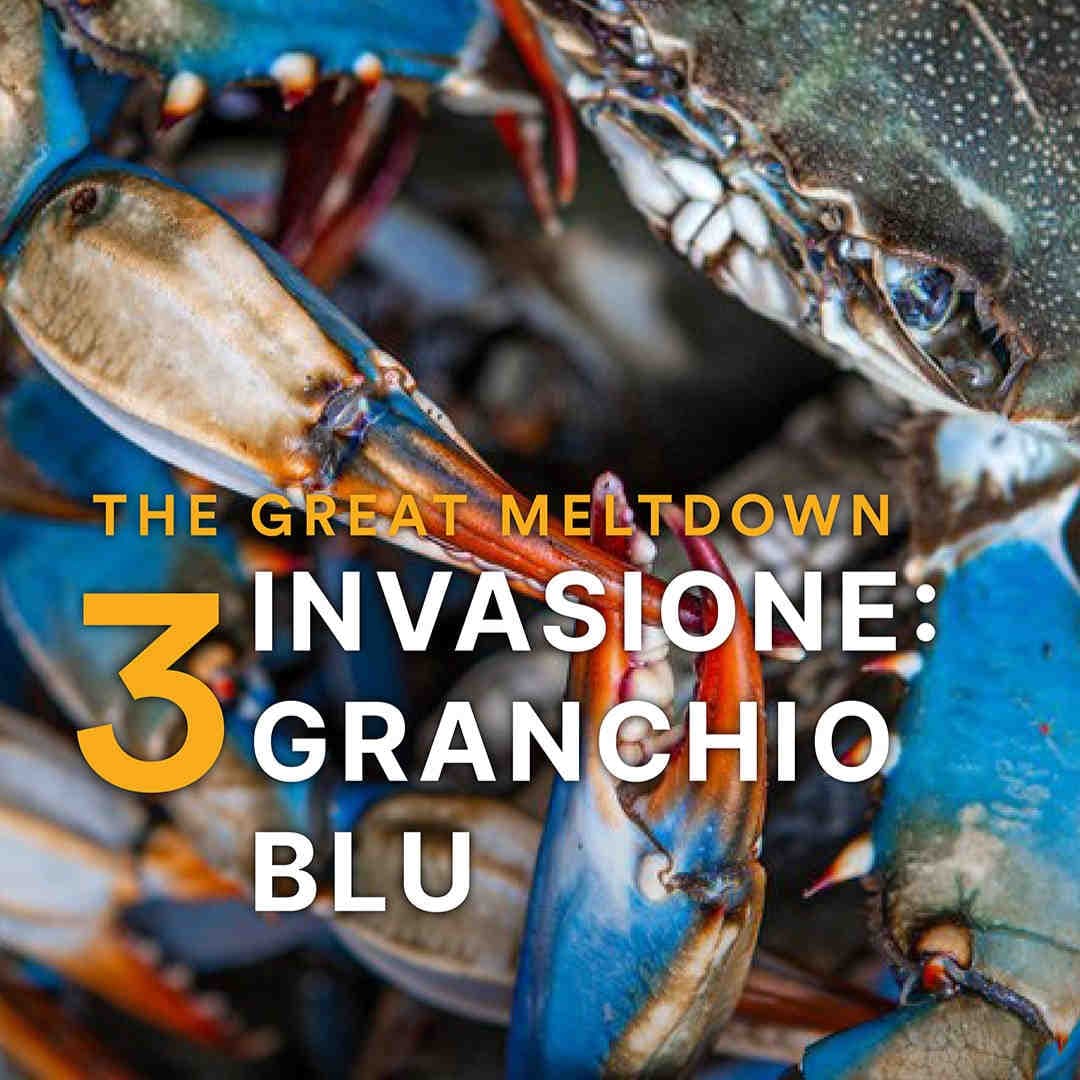
    - Episode 3: Silent Invasion, Blue Crab and Alien Species
    - Episode 4: Extreme Hail, the New Normal - Coming Soon
    - Episode 5: Emilia Underwater - Coming Soon 27/11/2023
    invasione granchio blu

    Alien species: the invasion of the blue crab in Veneto

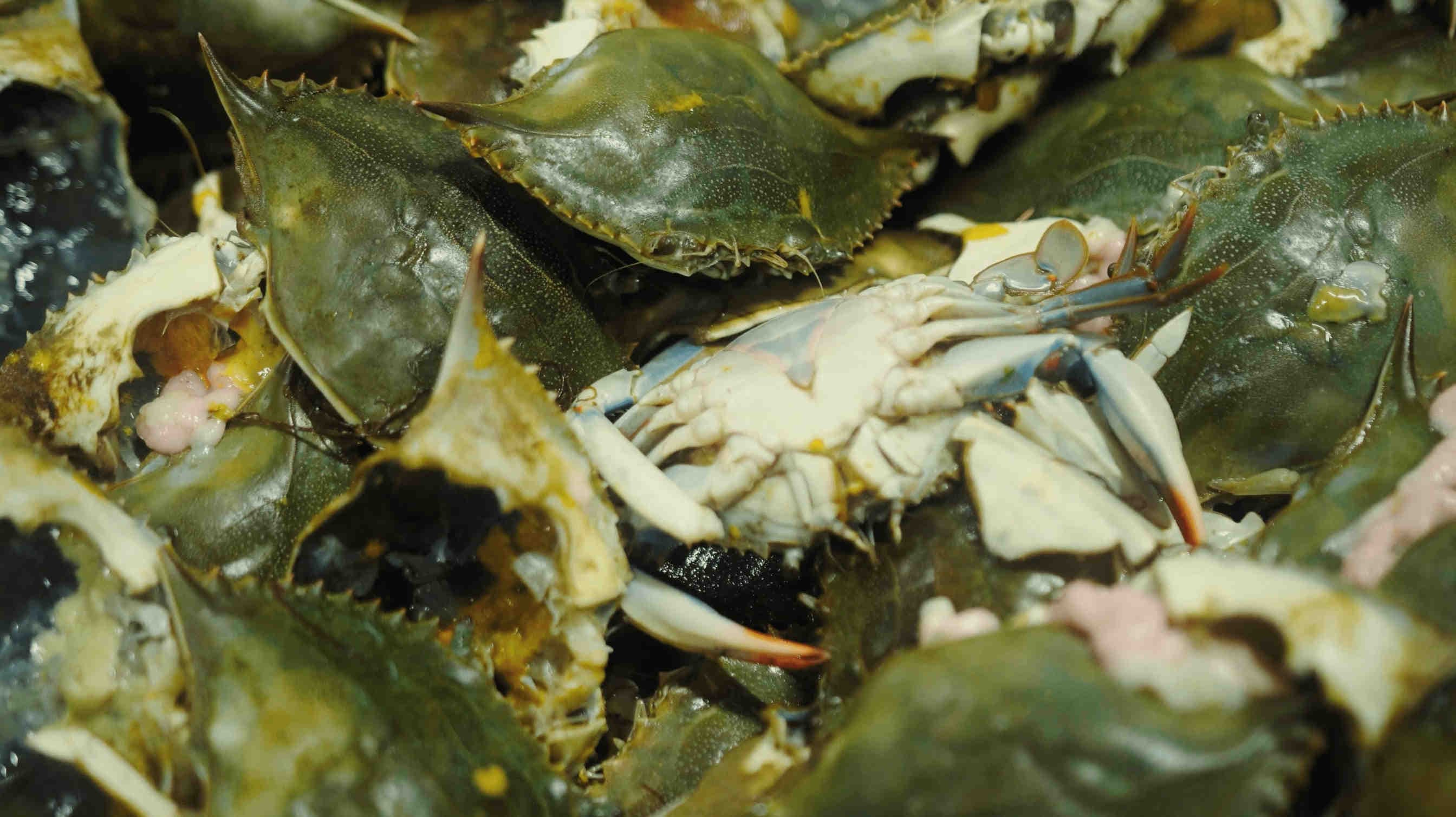
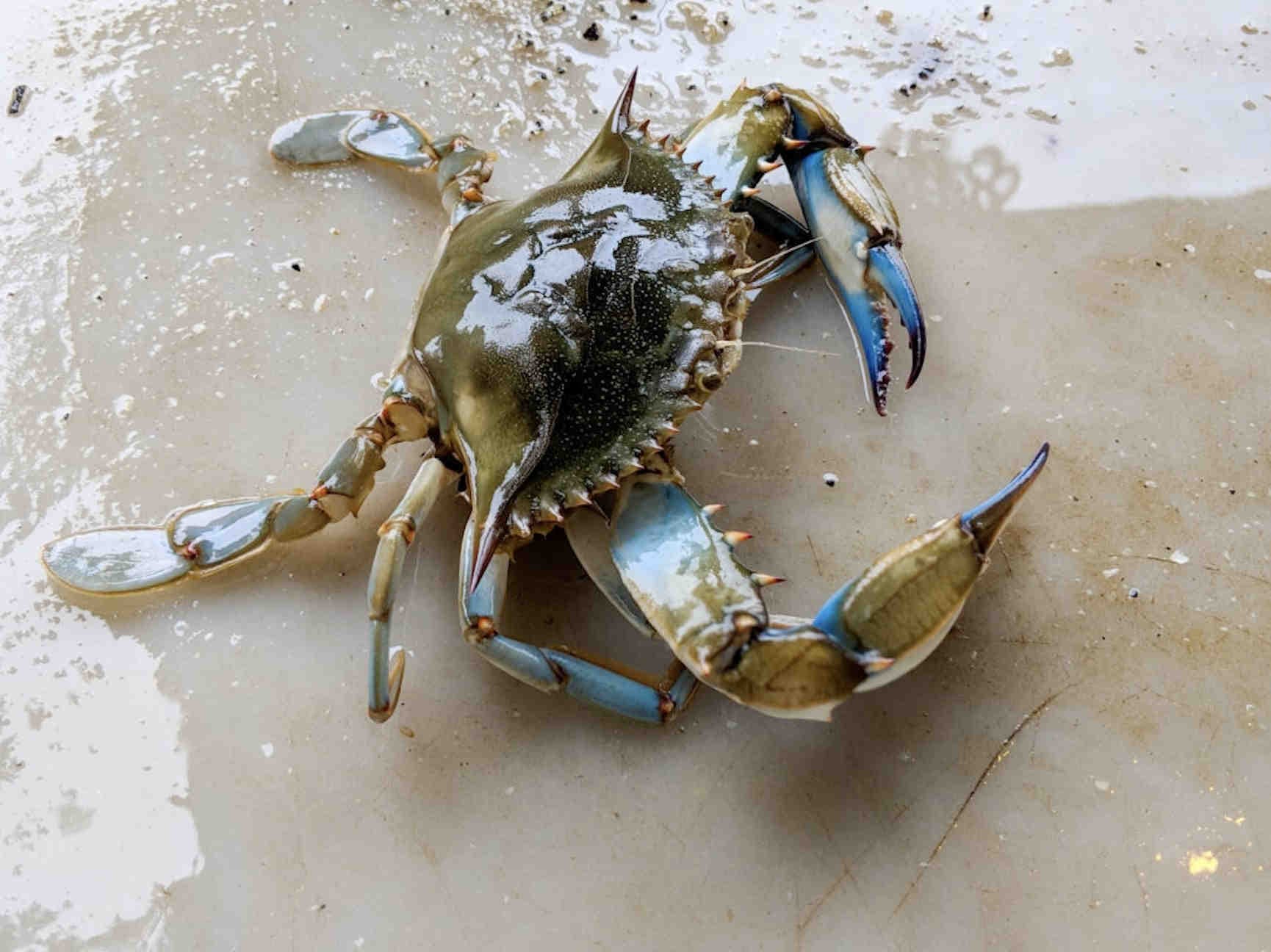
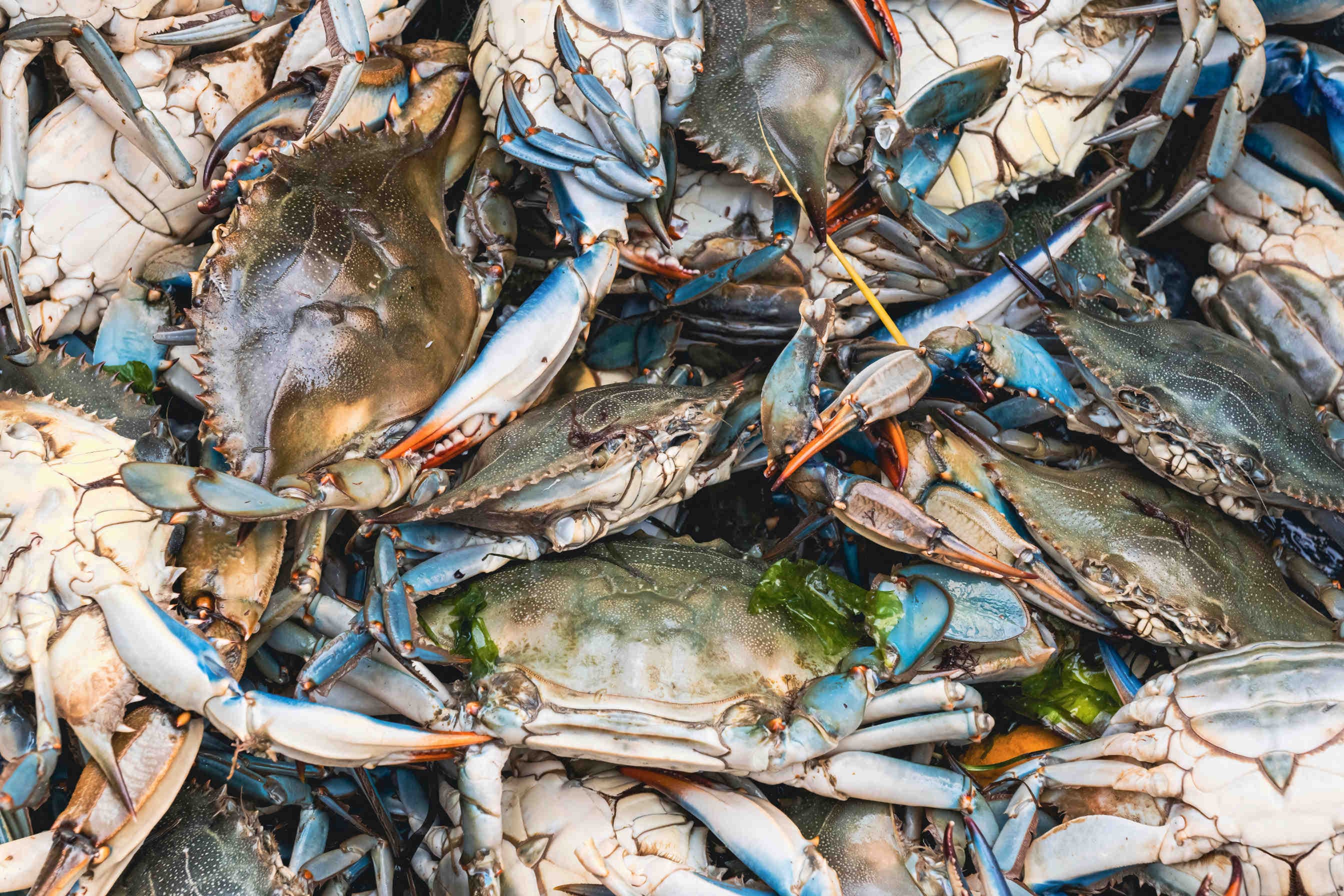
    In Veneto two alien species have invaded land and sea: on the one hand the Japanese beetle Popillia japonica, on the other hand the blue crab from North America. Both pose a threat to biodiversity. Let us start with the blue crab: this species arrived in Italy 70 years ago in the ballast waters that keep ships stable during navigation. For all that time, its presence has never been a problem for the area or even for fishermen. This year, however, there has been a veritable invasion of blue crabs in the Lagoon of Goro, where some 700 fishermen fish. Before this event, they used to fish for eels, red crabs and much more, but in recent months, the blue crabs have reproduced disproportionately, destroying the biodiversity of the area. Now only blue crabs are fished: this phenomenon is a real plague for this lagoon, which has become sterile. The blue crab is so voracious that it even devours the fishermen's nets.

    granchio blu
    XNatura

    The testimony of a fisherman from the Goro Lagoon

    In this episode, we interviewed a fisher from the Goro lagoon who told us what is happening and how this phenomenon could be tackled: 'We never thought that the blue crab would come to eat all the clams. Each female contains between 1 million and 1.2 million eggs, the damage is significant. We are running for cover: each cooperative is building containment nets to make sure the blue crab stays out, but it is too smart." We then visited the establishment Tagliapietra (VE), where we observed this crustacean - the blue crab, Callinectes sapidus - up close. The manager confirmed to us the extreme prolificacy of this crab, which can reproduce up to three times a year. He goes on to say that "compared to the common crab, the blue one is also able to turn around and 'sting' backwards, its claws are longer and larger than those of the common crab, which is also rounder."

    granchio blu

    Alien species: the invasion of Popillia japonica

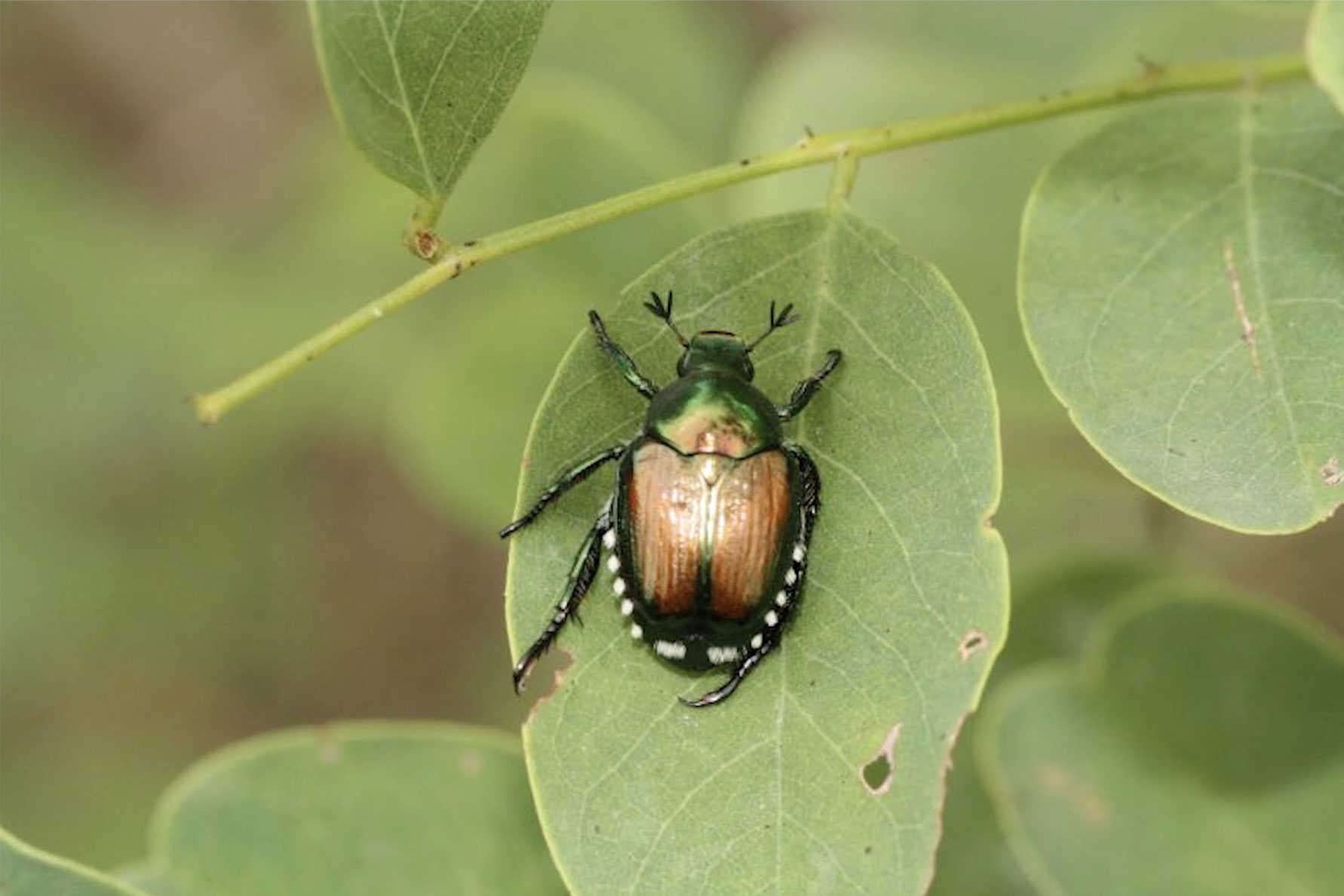
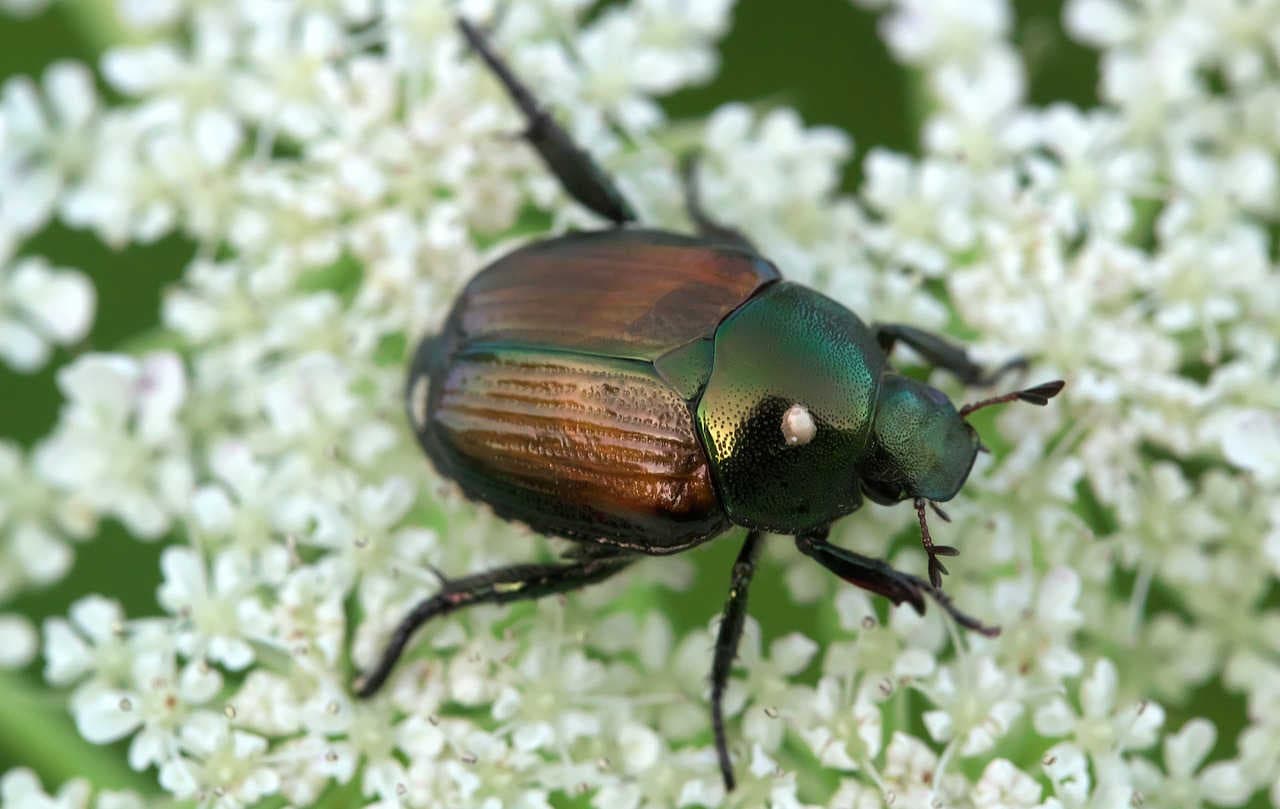
    We then moved on to the Plana Padana to talk about what is happening with the Japanese beetle Popillia japonica: a flag that has been devastating our crops for over ten years, putting them at serious risk. Unfortunately, to defend ourselves against it, we are using large quantities of neonicotinoids and other pesticides. But is this really the only solution? The problem with this beetle is that it has very few predators. It spreads easily and is polyphagous, eating everything: leaves, fruit, flowers... It feeds on around 300 species of plants, including maize, plum and cherry. But how can we control the Popillia japonica without using pesticides, which are lethal for many other beneficial insects as well as leaving potentially dangerous residues in the soil and groundwater? We at 3Bee seek alternatives to these substances, or at least to minimise their use, creating a chemical-free cultivation system.

    Popilia japonica
    XNatura

    The antagonist of the Popillia japonica

    One of our growers, Angelo Mazzacani, is directly dealing with the scourge of the Japanese beetle that also affected his soil about three years ago. After a series of researches, which lasted about three years, Angelo identified the antagonist of this species: the Indian Runner duck, a breed of domestic duck that, contrary to its name, is native to the island of Java (Indonesia). This duck is a great hunter of insects, which constitute the main protein source of its diet. Angelo thought: 'But what if I use them against Japanese beetles? They spend the winter underground, lay their eggs and go on to colonise vines and plants such as plum and cherry trees. At the pupa level they start to feed on the roots of the grass, which turns yellow, and I placed the ducks in those very spots. The grass is one of the most delicious dishes for the Popillia japonica and, unfortunately, there is no defence other than chemical treatments.

    Popilia japonica
    3Bee

    Biodiversity: how to combat alien species

    All along the Veneto coast and the Po Valley we have taken to the field to document the devastating effects that the blue crab and the Japanese beetle cause to the natural marine ecosystem and agro-ecosystems respectively. Consequently, the identification and implementation of policies aimed at preventing, monitoring and coping with critical events such as the invasion of alien species are of paramount importance. With this in mind, the preservation and creation of natural ecosystems plays a key role: thanks to their high biodiversity, they act not only as a direct embankment, but also as a valuable biological reservoir that can be drawn on to increase the chances of success against the spread of these pests. 3Bee with the project Oasis of Biodiversity aims precisely at this by recreating native habitats for the prosperity of all native organisms with a special focus on pollinating insects. You want to help us protect biodiversity?

    13/11/2023Of 3Bee, Elena Fraccaro
    390 Views
    Newsletter
    newsletter
    Subscribe to the Blog about bees and biodiversity