The Blue Planet Turns Green: Climate and Oceans
    oceanidatistudiphytoplankton

    The Blue Planet Turns Green: Climate and Oceans

    Space satellites have shown that the waters of the oceans and seas are changing colour, and the cause appears to be climate change and its impact on plant ecosystems in the waters. Find out about the phenomenon in this article.

    Read the article
    02/08/2023Of 3Bee, Elena Fraccaro
    726 Views
    02/08/2023Of 3Bee, Elena Fraccaro
    726 Views

    The news: oceans go green

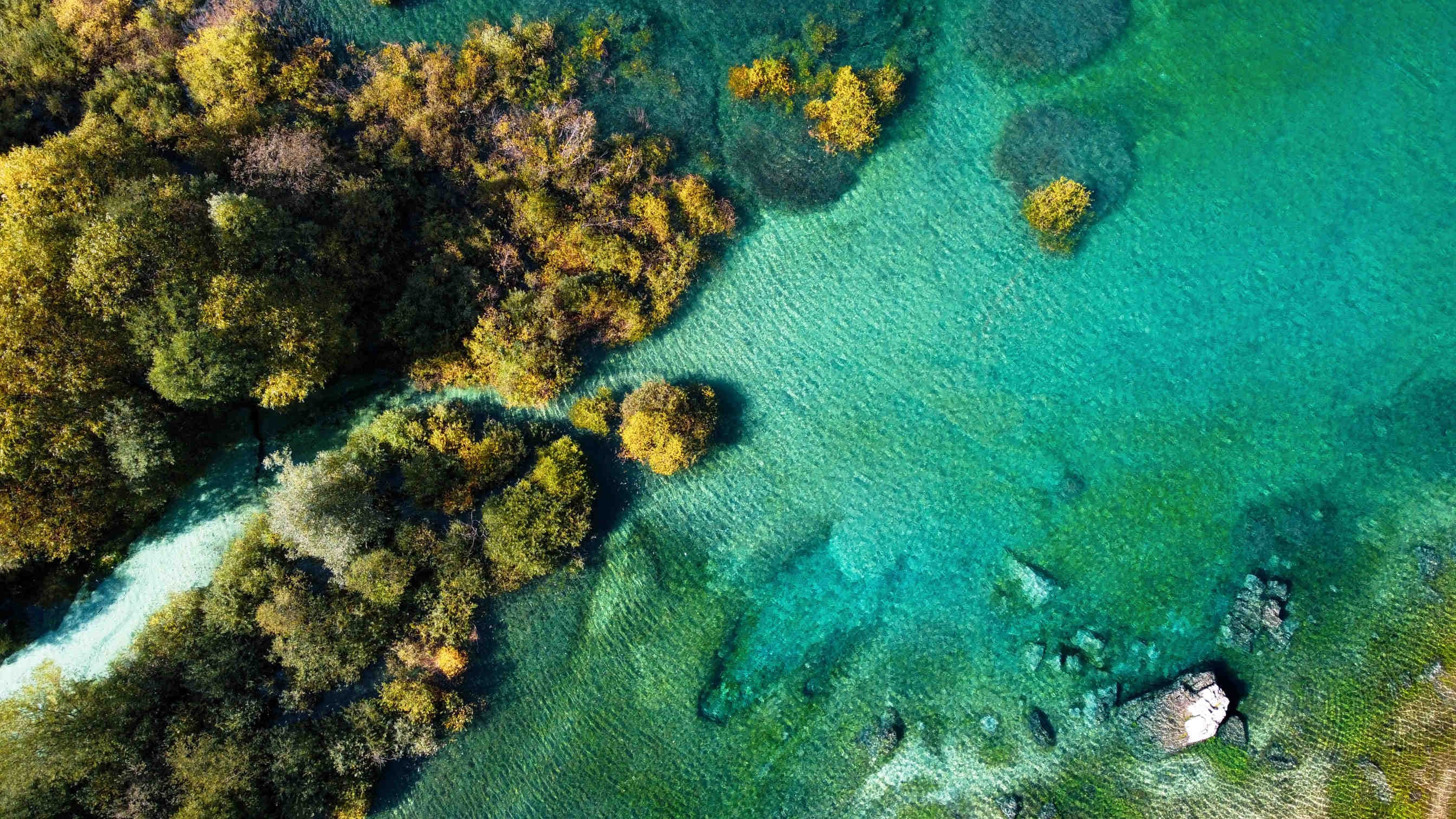
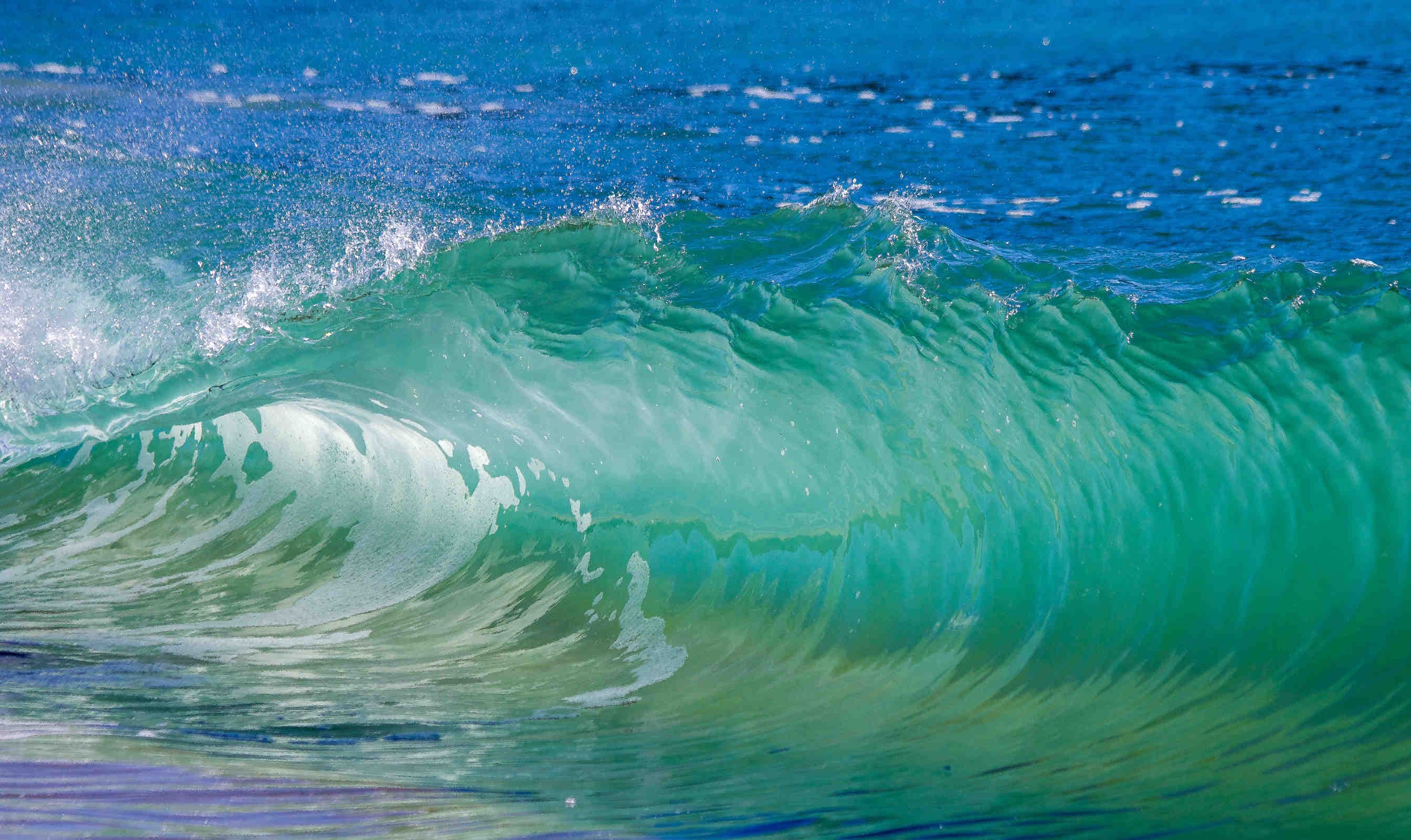
    The oceans are becoming more green. This is what emerges from an article published recently in Nature by researchers at the National Oceanography Centre in Southampton, led by B.B. Cael. The study explains the changes detected by NASA's AQUA satellite during its 20 years of operation. The publication of the article came just as a similar phenomenon was occurring in Italy: the sea of the Gulf of Naples has in recent weeks taken on a dark green colour. The news should worry us: scientists believe these events are due to climate change.
    oceano verde

    Data collected by satellites

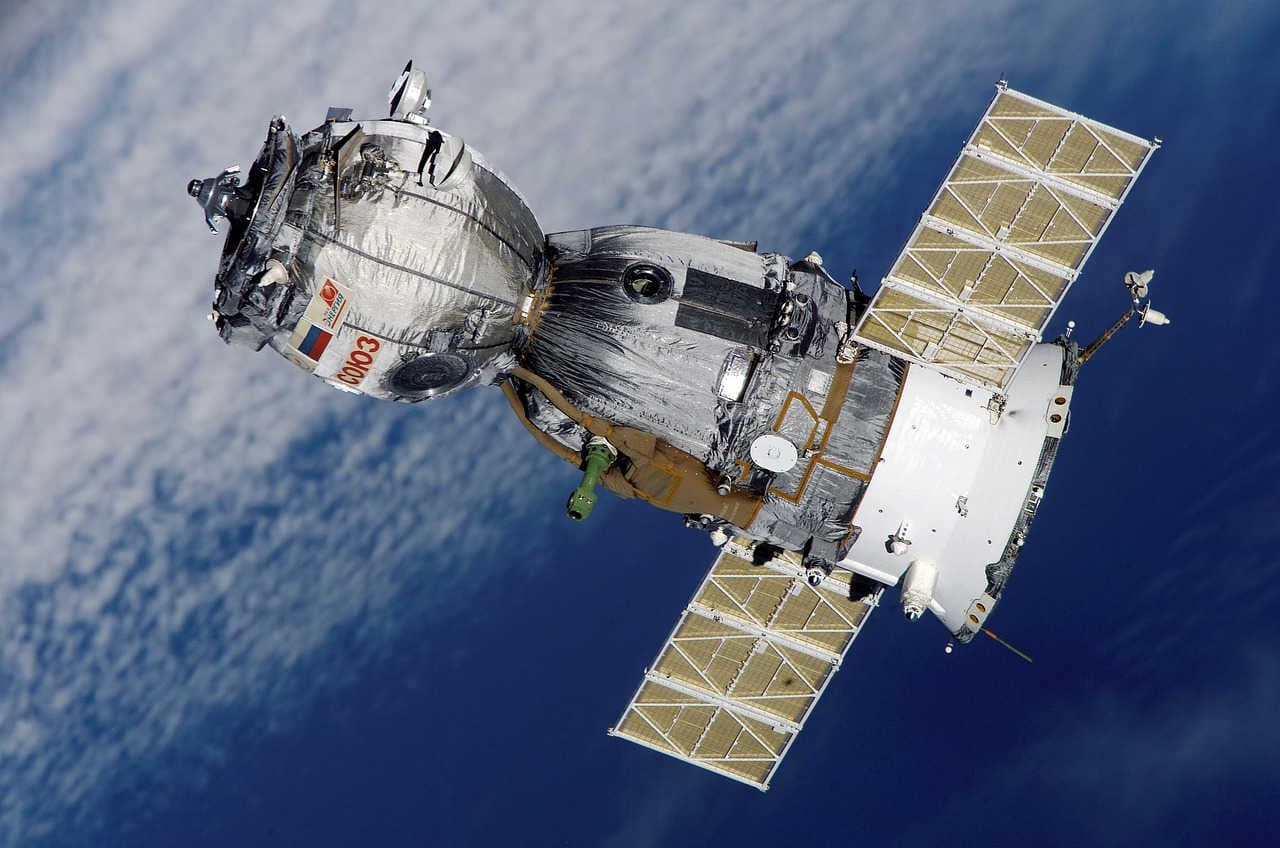
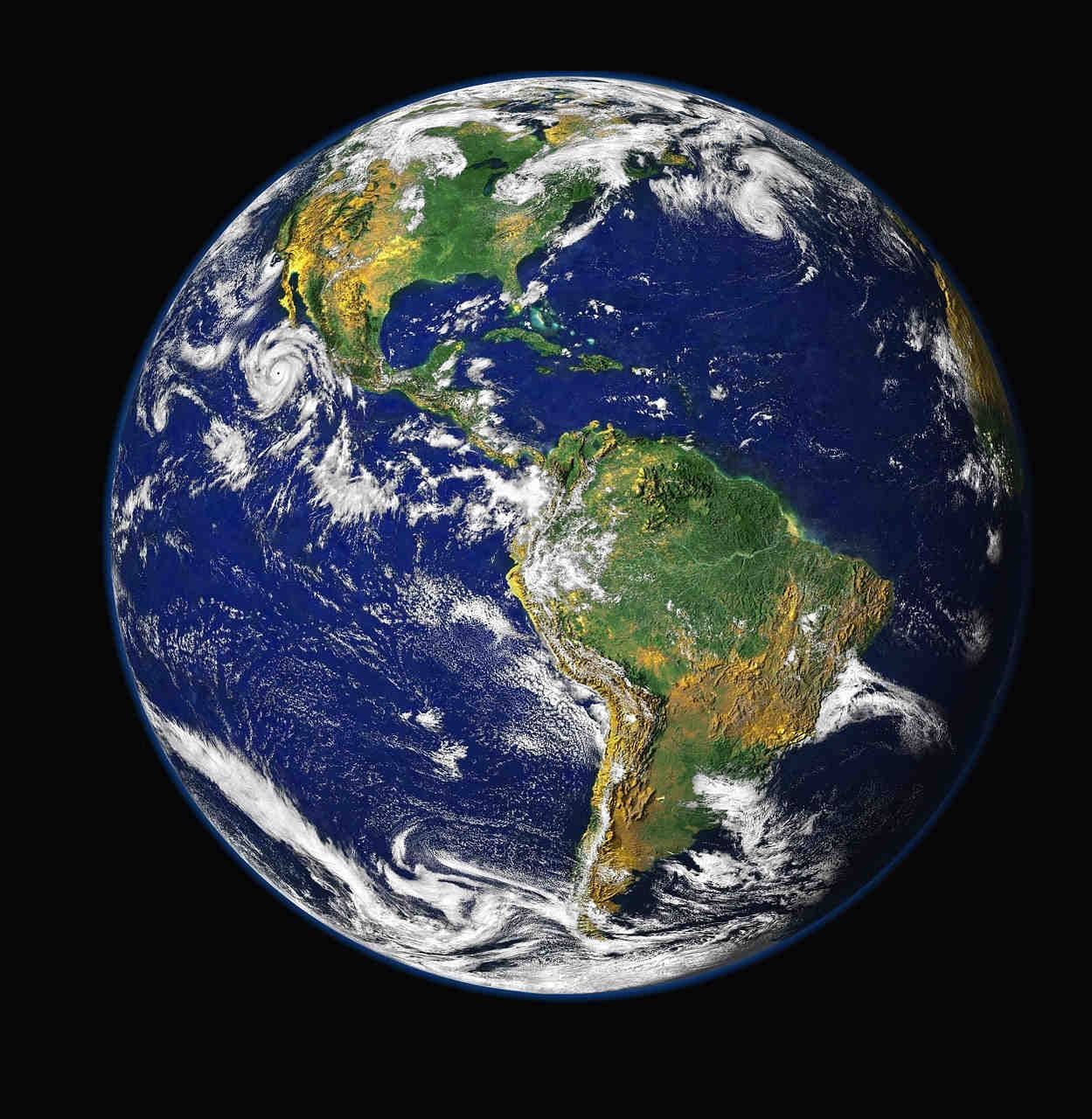
    The study was based on analysis of data collected by MODIS technology on board NASA's AQUA satellite. The instrument measures the light emissions (and thus the colour) of the Earth's water and atmosphere. The researchers found a colour shift from blue to green in a significant portion of the seas and oceans, especially in the equatorial zone. Specifically, it affected 56% of the earth's waters, i.e. an area larger than that corresponding to the entirety of the landmass. Since light emissions are closely related to the composition of the surface layers of the oceans, the recorded trend reflects a modification of the aquatic ecosystem. This phenomenon is thought to be mainly due to the impact of climate change on the phytoplankton ecosystem.

    satellite
    XNatura

    Satellite studies on a global scale

    The study by the National Oceanography Centre is particularly important because it examines ocean changes on a global and not local scale. Also significant is the time period taken into account: the scientific literature believed that it would take at least 30 years before changes in ocean light emissions could be detected. Highlighting this trend over a 20-year period will therefore reduce the time needed to gather information on the effects of climate change, also considering that the satellites may not be active for 30 years.
    studi satellitari

    The importance of phytoplankton

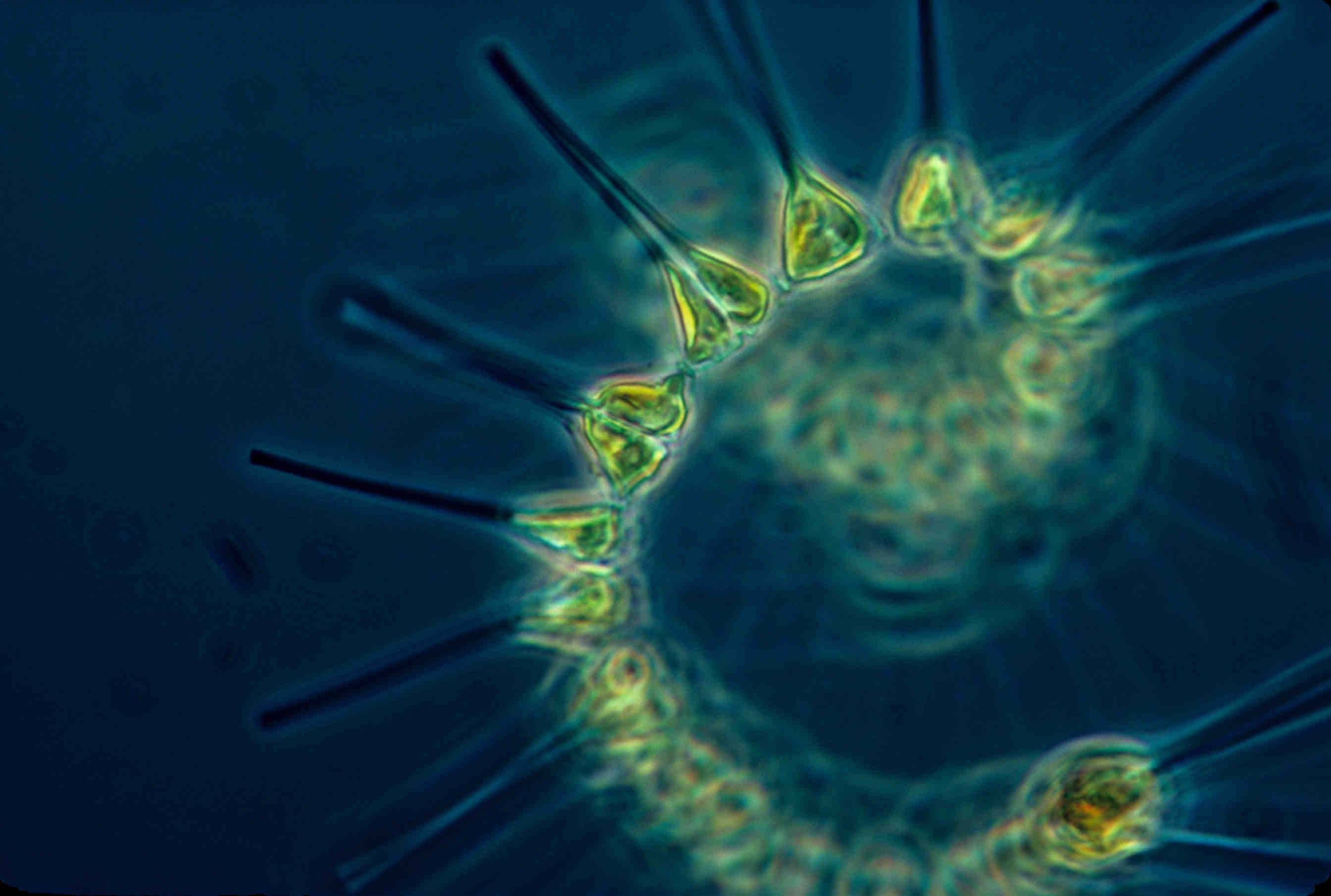
    The phytoplankton is the collection of plant organisms that are transported by currents and plays a fundamental role within aquatic ecosystems: it is the basis of the food chain and the carbon cycle. Through photosynthesis, phytoplankton are able to transform CO2 into organic material and oxygen that are then utilised by other life forms. It is therefore responsible for more than half of the atmospheric oxygen and is essential in the absorption of carbon dioxide, thus performing a essential ecosystem service. According to the latest IPCC report, phytoplankton will absorb 5 to 17% of atmospheric CO2 until 2100. It is the presence of chlorophyll, the pigment at the basis of the photosynthetic process, that gives the green colour that influences the colouring of the oceans, detected by orbiting satellites.

    fitoplancton
    XNatura

    The role of climate change

    The key question is whether the detected phenomenon can actually be attributed to climate change. To prove this, the researchers built two computer models of the global ocean ecosystem and its geochemical cycles: in one, greenhouse gas emissions were high (thus simulating our planet's environmentally polluted condition), while the other was a control model in which emissions were low. The comparison of the data that emerged suggested that climate change did in fact have an impact on the recorded trends. However, these hypotheses need further study and research that can complement the satellite data with biochemical and ecological analyses, not least because of the normal year-to-year variability in chlorophyll concentration in the oceans.
    oceani cambiamento climatico
    3Bee

    Climate change and the impact on ecosystems

    The climate change has affected the composition and distribution of animal and plant species within ecosystems. The rise in the Earth's temperature and the emissions of CO2 have had a strong impact on the availability of oxygen and the movements of water masses between the lower and upper layers of the oceans, leading to their increased stratification. This phenomenon implies a change in the nutrient flows towards the surface, where phytoplankton are found, thus leading to a loss of biodiversity to the advantage of smaller plankton species, which are, however, less effective at absorbing carbon dioxide from the atmosphere.
    impatto ecosistemi

    Plant ecosystems and the colour of the oceans

    It is thought, therefore, that the colour change of the oceans towards more green shades is due to the increase of certain types of coloured phytoplankton in the surface layers, simultaneously associated with a loss of biodiversity. Marine biodiversity is essential in maintaining the balance of the aquatic ecosystem, an important regulator of global climate and a major player in climate change mitigation through the absorption of CO2. Marine species are already highly endangered: in the Eastern Mediterranean, for example, mollusc species have declined by 90%.

    ecosistemi vegetali oceani

    Biodiversity loss in marine ecosystems

    The marine ecosystems are threatened by multiple factors: acidification of the oceans, unsustainable fishing practices, the presence of exotic species harmful to native species, pollution and the climate-change are the main ones. The report of the EEA (European Environment Agency) on the state of Europe's seas notes that Europe's marine ecosystems maintain a certain degree of resilience and that the recovery of healthy marine life is still possible with the right interventions. This, however, can only happen if the pressures currently threatening the animal and plant species of the sea are considerably reduced.

    perdita di biodiversità marina

    La Nature Restoration Law

    The crisis situation of our ecosystems has also been recognised by the European Parliament, which recently approved the Nature Restoration Law, which mandates the restoration of 20% of the European Union's terrestrial and marine areas by 2030, including through the establishment and restoration of protected areas. The targets are in line with the Kunming-Montreal Global Biodiversity Framework, which outlines the pathways to achieve the 2030 and 2050 targets. 3Bee has always supported the passage of the law, one of the greatest opportunities for the regeneration of ecosystems and biodiversity.

    nature restoration law

    Preserving biodiversity and combating climate change

    The article from Nature is thus a further example of how climate change has and is slowly altering ecosystems. To counter them, a key role is played by the restoration of biodiversity and natural habitats. A virtuous example in this respect are the projects of 3Bee, which promotes the safeguarding of biodiversity and the fight against climate change with the Oases of Biodiversity project: urban and agroforestry habitats, with refuges for pollinators and native flora. The project contributes to the regeneration of ecosystems, creating a network of organisations, companies and research institutes engaged in the creation of the largest ecological corridor in Europe. The Oasis 3Bee also includes the planting of nectariferous trees, which contribute to CO2 absorption and soil regeneration, to counteract the effects of climate change.


    Article edited by Sabina Sacchetti

    Oasi 3Bee
    02/08/2023Of 3Bee, Elena Fraccaro
    726 Views
    Newsletter
    newsletter
    Subscribe to the Blog about bees and biodiversity

    Frequently Asked Questions

    Do you have any doubts or other curiosities about this article? Here you will find some insights