Syriac Hibiscus: an ornamental plant with a thousand virtues
    Syriac hibiscusDisseminationLife cycleLeaves

    Syriac Hibiscus: an ornamental plant with a thousand virtues

    Hibiscus syriacus, known scientifically as Hibiscus syriacus, is a deciduous shrub loved for its vibrant flowers and hardiness. Discover the characteristics, history and interesting facts about this fascinating plant in this article.

    Read the article
    29/08/2024Of 3Bee, Lisa Santillo
    1091 Views
    29/08/2024Of 3Bee, Lisa Santillo
    1091 Views

    Syriac hibiscus: characteristics, flowers and fruits

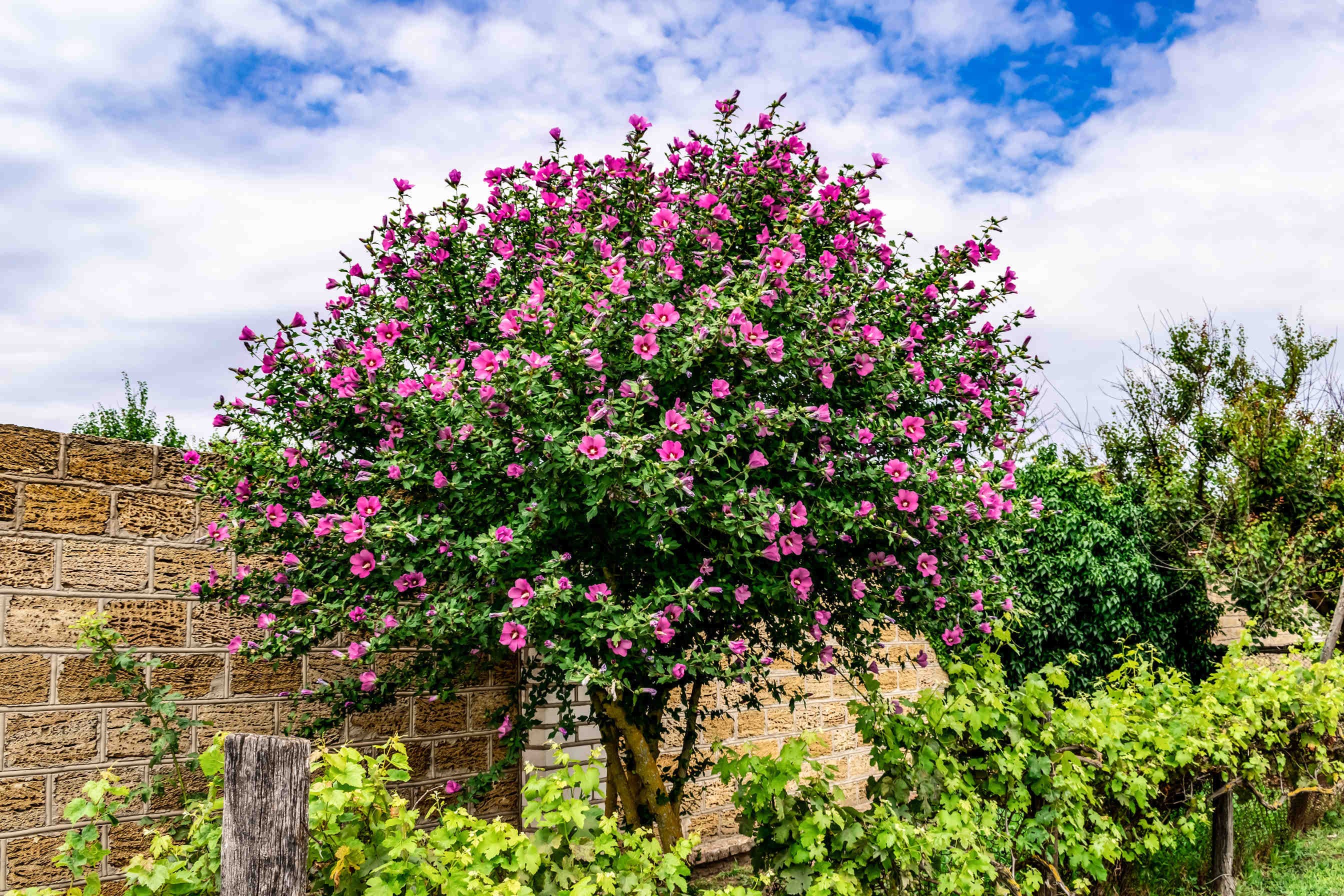
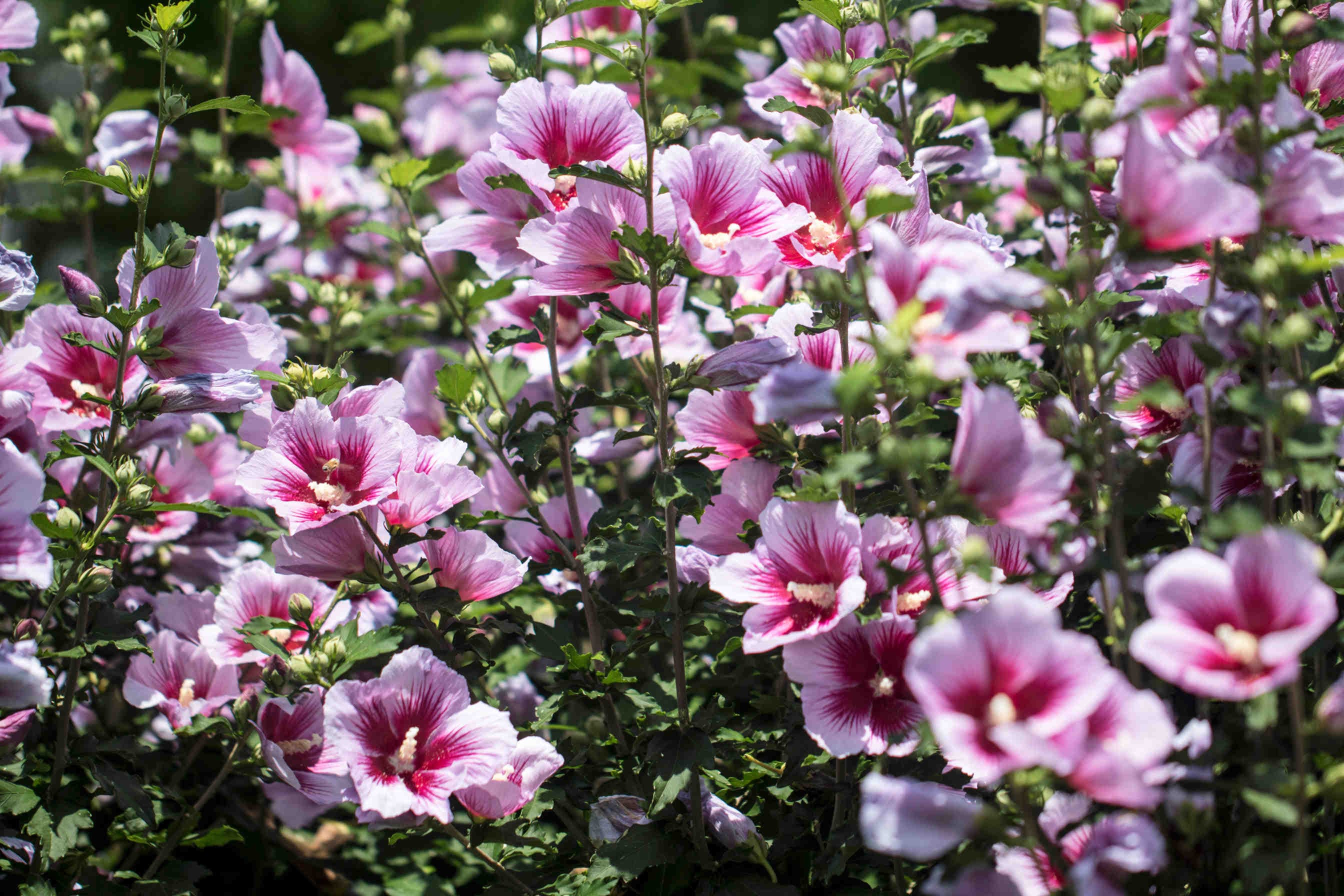
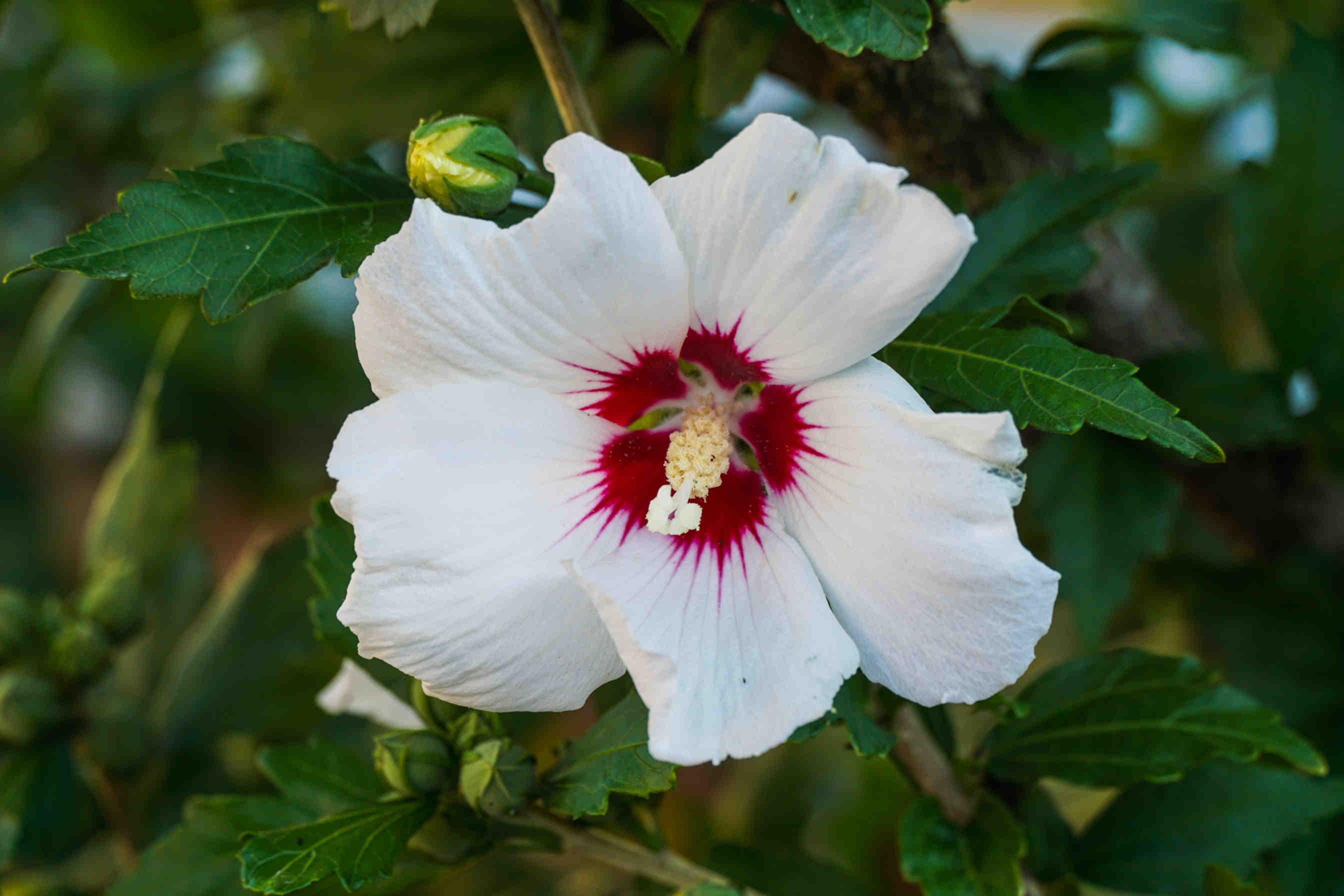
    The Hibiscus syriacus (Hibiscus syriacus) is a shrub that can reach a height of 2-4 metres, with a dense, branching crown. The young branches are slender and green, while the older ones take on a brownish-grey colour. Its ovate leaves, with toothed margins, appear in spring and remain until autumn, when they take on a golden yellow colour before dropping. The real spectacle of the Syriac hibiscus occurs during the summer, when the plant is covered in large brightly coloured flowers, ranging from white to pink, purple to blue. These can be up to 10 cm in diameter and have a characteristic dark spot at the base of the petals. The flowers of the Syriac hibiscus blossom from June to September and are very popular with pollinating insects, especially bees and flies. After the flowering, the hibiscus produces capsules of fruits that contain numerous seeds, which are necessary for the propagation of the plant.
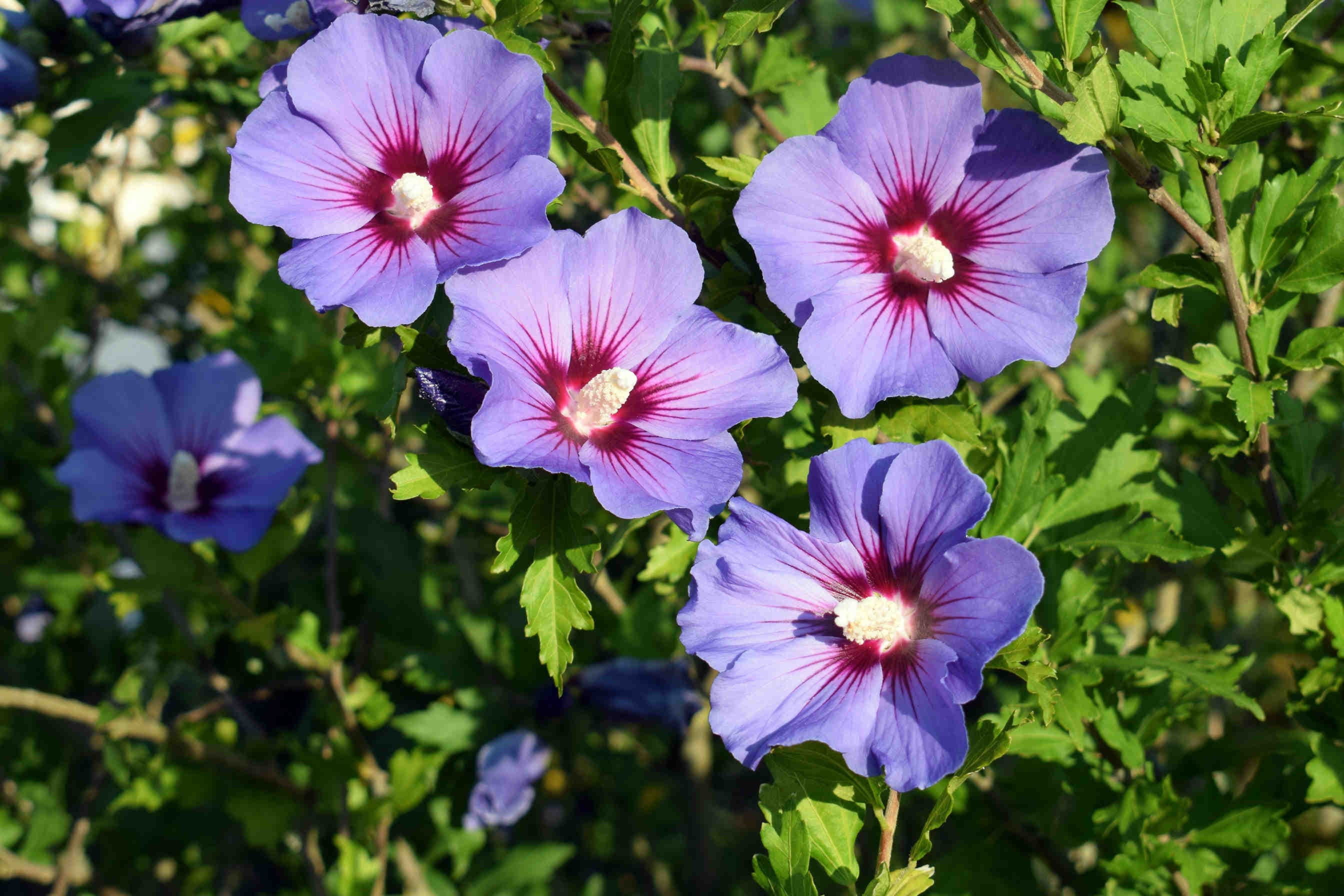
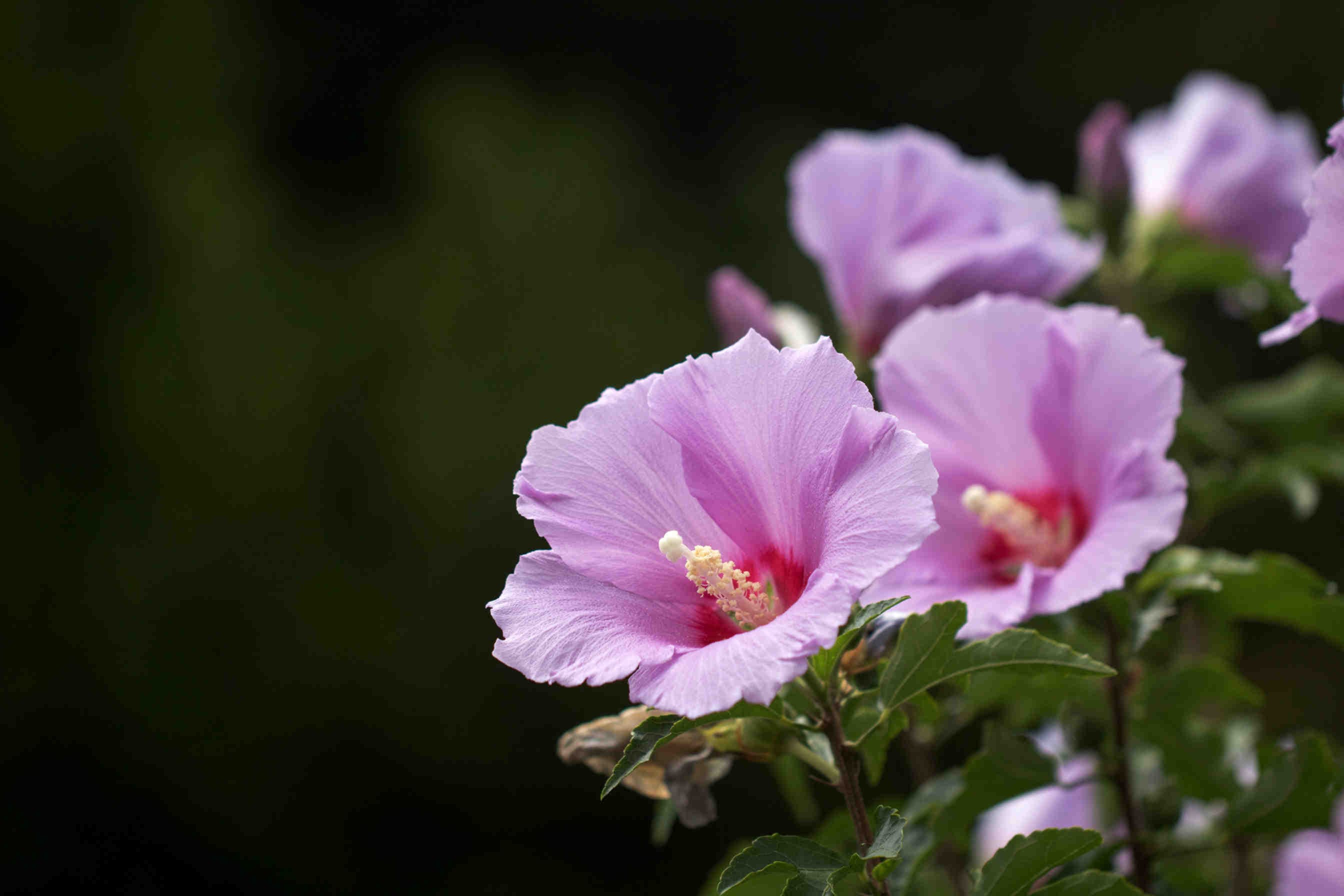
    hibiscus siriacus

    Spread of the Syriac hibiscus

    The Syriac hibiscus is widespread in temperate regions throughout the world, thanks to its ability to adapt to different climatic and soil conditions. Originally from China and India, it spread rapidly in Europe and America thanks to its hardiness and ornamental beauty. In Italy, the Syriac Hibiscus is mainly cultivated in private gardens and public parks, where it is often used as a hedge or as a single plant to create interesting focal points. Syriac hibiscus grows well in well-drained soils and can tolerate both direct sun and half-shade. Its resistance to high summer temperatures and dryness makes it ideal for cultivation in areas with warm climates, while its ability to withstand short periods of cold weather also favours its spread in areas with harsh winters. These characteristics make it a versatile plant, suitable for different environmental contexts.

    pianta ibisco siriaco
    XNatura

    Life cycle of the Syriac hibiscus

    The life cycle of the Syriac hibiscus follows a seasonal cycle typical of deciduous or deciduous plants. During the winter, the plant enters a state of dormancy, losing all its leaves and preparing itself for the vegetative resurgence that occurs in the spring. With the arrival of fine weather, the hibiscus starts to develop new leaves and flowers, which bloom in summer. The flowering of the Syriac hibiscus is continuous and abundant, with new flowers blooming every day for the duration of the summer. After flowering, the fruits ripen in autumn, releasing the seeds that allow the plant to propagate.

    ibisco siriaco fiori

    Syriac Hibiscus: How to recognise the leaves

    The leaves of the Syriac hibiscus are easy to recognise due to their ovate or three-lobed shape, with toothed margins and a bright green surface. The leaves are arranged alternately along the branches and have a slightly leathery texture. Their structure allows the plant to withstand dry summer conditions well, reducing water loss through transpiration. In addition to their aesthetic value, the leaves of the Syriac hibiscus play an important role in the plant's physiology, contributing to photosynthesis and thus to the production of energy required for growth and flowering. The leaves of this shrub are surprisingly hardy and able to withstand the summer heat without wilting.

    hibiscus syriacus foglie fiori
    XNatura

    Syriac Hibiscus: origin and meaning of the Latin name

    The Latin name Hibiscus syriacus is derived from the Greek 'ἱβίσκος' (hibískos), a term used by Dioscorides to refer to a plant of the same family. The epithet 'syriacus' mistakenly alludes to Syria as the country of origin of the plant, probably due to historical confusion in earlier times. In reality, as mentioned, the Syrian hibiscus originates from Eastern Asia, but has also found wide distribution in other regions of the world. In the language of flowers, the hibiscus represents delicate beauty and fleeting love, a symbol that is linked to the short duration of its flowers. Nevertheless, the plant is also an emblem of endurance and adaptability, able to thrive in difficult conditions and offer lasting beauty.

    app Biodiversa
    3Bee

    Biodiversa: the 3Bee game app to monitor biodiversity

    Biodiversa is the free game app for biodiversity monitoring and ecosystem protection that allows users to easily 'collect' and identify plants and flowers encountered during an outdoor walk. An ambitious citizen science project that aims to create a cooperative archive dedicated to flora (and in a second phase fauna) in Europe, involving player users with challenges to catalogue species, some of which are rare or endangered. Available for iOS and Android, Biodiversa has a dynamic similar to that of some well-known free-to-play video games that encourage moving and travelling in the real world to 'collect' characters. In fact, the app made by 3Bee offers a gaming experience in which plants are all to be 'collected' and identified in order to collect experience points, level up and climb the leaderboard.

    29/08/2024Of 3Bee, Lisa Santillo
    1091 Views
    Newsletter
    newsletter
    Subscribe to the Blog about bees and biodiversity

    Frequently Asked Questions

    Do you have any doubts or other curiosities about this article? Here you will find some insights