Sustainomy: the new economic model for a sustainable future
    SustainomyBalanceAIResilience

    Sustainomy: the new economic model for a sustainable future

    In his article published in Time, Piyachart Isarabhakdee presents "Sustainomy", a new economic paradigm that promotes responsible growth. This model addresses global challenges, creating a balance between prosperity, social justice, and environmental sustainability.

    Read the article
    23/04/2025Of 3Bee, Angelina Tortora
    232 Views
    23/04/2025Of 3Bee, Angelina Tortora
    232 Views

    "Sustainomy": a new economic model for the 21st century

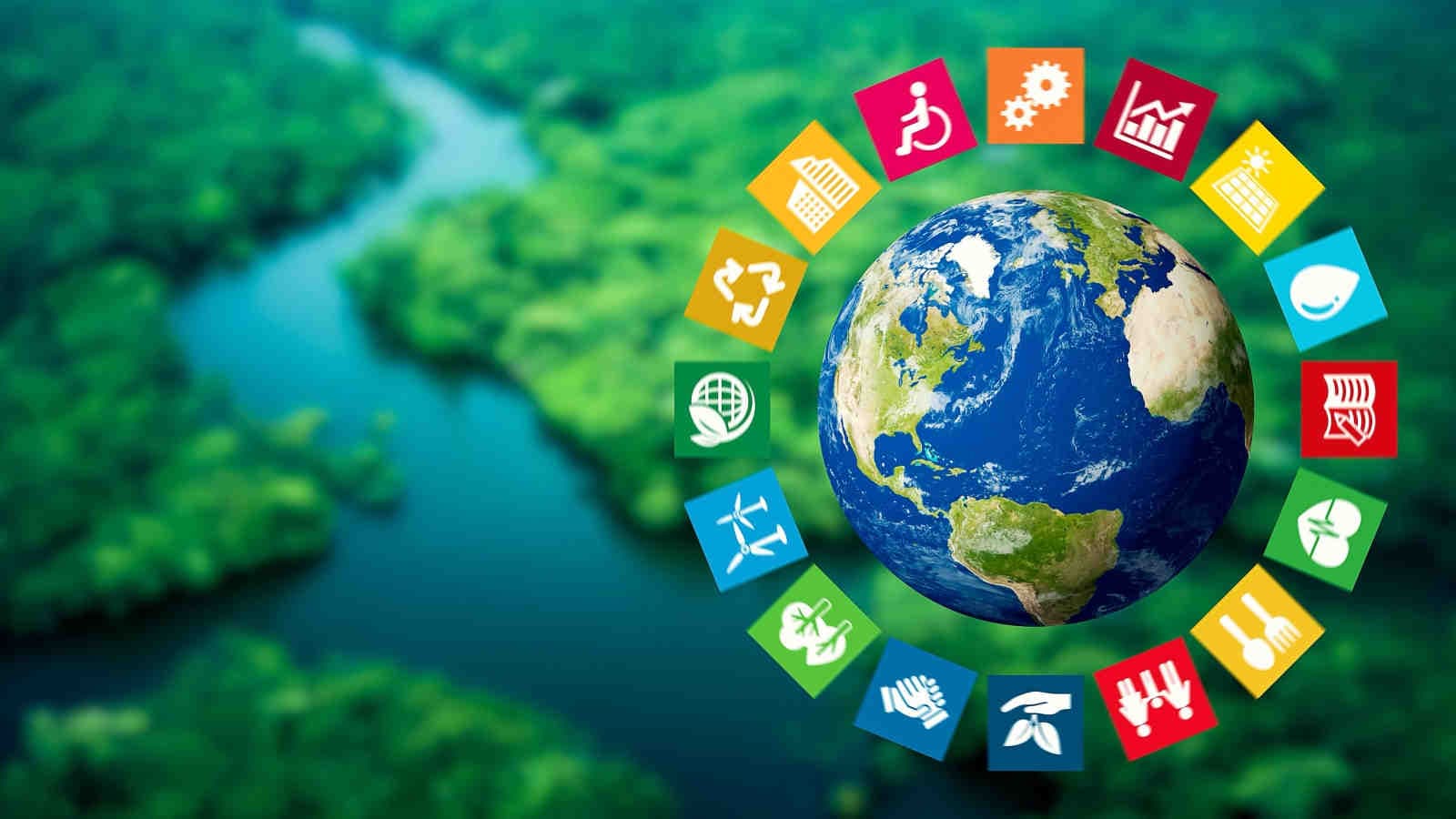
    The introduction of the Sustainable Development Goals (SDGs) by the United Nations has led to significant investments in global sustainability. However, despite the massive economic and political commitment, the results are not proportional to the severity of the ecological and social challenges. According to Oxfam, 62% of the population lives on less than $10 a day: the economic system has generated wealth but has not distributed it equitably, depleting natural resources and threatening ecosystems. Can the 20th-century economic system therefore work in the 21st century? As stated by Piyachart Isarabhakdee, CEO of BRANDi and Companies, in the article published on Time, the current economic model rewards wealth accumulation, ignoring sustainability. To address these challenges, a new economic paradigm is necessary: "Sustainomy", which promotes sustainable growth without compromising our planet or increasing inequalities.
    Un nuovo modello economico per il XXI secolo

    Sustainomy: balance between growth and sustainability

    "Sustainomy" is based on the idea that to ensure healthy and lasting growth, we must change the way we generate wealth. Sustainability cannot be considered a luxury but a necessity for the future of the global economy. In this new model, economic growth cannot be separated from social and environmental responsibility. "Sustainomy" aims to create a balance between prosperity, people, and the planet. The objective is to integrate these three aspects so that economic well-being does not come at the expense of natural resources and people. It is possible to imagine a society where the economy grows without increasing inequalities. To achieve this, it is necessary to rethink development practices and economic policies, integrating solutions that promote an equitable distribution of resources.

    Sustainomy: equilibrio tra crescita e sostenibilità
    XNatura

    Artificial intelligence at the service of social equity

    Nowadays, human capital is one of the most valuable aspects for the economy. However, the current system often tends to consider artificial intelligence (AI) as a substitute for human labor rather than an enhancement. In this context, "Sustainomy" proposes a symbiosis between artificial intelligence and human intelligence. AI is a powerful tool, but it cannot understand ethics, context, or the ambiguities that drive real decisions. These aspects can only be grasped by humans. For this reason, the "Sustainomy" model suggests that artificial intelligence should not replace human labor but rather integrate it, improving productivity and decision-making capabilities. Investing in human capital is crucial, especially in terms of education and skills development. When people are more confident and educated, they are better able to contribute to innovation and use AI more effectively.

    L'intelligenza artificiale al servizio dell’equità sociale

    Creating a resilient industrial system

    The global economy is constantly evolving, with sectors emerging and disappearing rapidly. The challenge of "Sustainomy" is to ensure long-term economic resilience by supporting the development of sectors capable of ensuring sustained growth. The proposed model distinguishes industries into 4 categories: essential sectors, such as natural gas with carbon capture technologies, crucial for energy security; volatile sectors, like renewable energies, which, although growing rapidly, require continuous investment for responsible growth; declining sectors, such as oil and coal, which need to be gradually reduced to avoid sudden economic shocks; and next-generation solutions, like clean hydrogen and nuclear energy, to be enhanced to ensure stable future growth. A gradual transition is essential to build industrial portfolios capable of facing future challenges and promoting innovation.

    Creare un sistema industriale resiliente
    XNatura

    Unlocking the potential of the global middle class

    Emerging economies and the middle class are fundamental to the global economy, as they represent a significant portion of the world's population and are the main drivers of demand. However, they often face financial and regulatory barriers. Small and medium enterprises (SMEs) are the engine of developing economies, but they often struggle to access the necessary financing to grow. Unlocking the potential of the global middle class means creating more inclusive markets, with economic opportunities accessible to more people. It is not just about redistributing wealth, but about strengthening the middle class's ability to generate value, stimulating the demand for goods and services and promoting economic inclusion. In this context, it is essential to develop policies that support the growth of SMEs, promoting access to global markets and facilitating access to the financing of sustainable entrepreneurial initiatives.

    Sbloccare il potenziale della classe media globale
    3Bee

    Towards an inclusive and sustainable economy

    Transitioning to "Sustainomy" requires a deep and collaborative change involving all economic sectors. It is essential to transform traditional markets from purely commercial places to ecosystems that value all stakeholders. Organizations must invest in their transformation, not only in operations but also in corporate culture and communication, to become resilient and inclusive brands. According to Piyachart Isarabhakdee, change will not happen overnight, but the steps to be taken are clear. We must integrate human capital, sustainable industries, and economic inclusivity to create a system that values people as much as profits. The economy of the future will feature growth that not only generates wealth but also helps promote a balance between social development, economic prosperity, and respect for the environment.

    Verso un’economia inclusiva e sostenibile

    3Bee's expansion into international markets

    This article was created as part of the "Biodiversity services EU expansion" project (CUP: E43D22000480009) under the Regione Lombardia call "PR FESR 2021-2027 – INTERNATIONALIZATION LINE 21-27", aimed to support the internationalization of Italian companies. 3Bee is the naturetech company that develops innovative technologies for monitoring, protecting, and regenerating biodiversity, assisting companies in defining personalized climate strategies based on the analysis of their impacts and dependencies on nature. With a consolidated portfolio in Italy, Germany, and France and significant partnerships, 3Bee continues its expansion into international markets to create a tangible impact through technology.

    23/04/2025Of 3Bee, Angelina Tortora
    232 Views
    Newsletter
    newsletter
    Subscribe to the Blog about bees and biodiversity

    Frequently Asked Questions

    Do you have any doubts or other curiosities about this article? Here you will find some insights