Sustainable finance: trends to follow in 2025
    Natural risksAIDe-riskingCommunities

    Sustainable finance: trends to follow in 2025

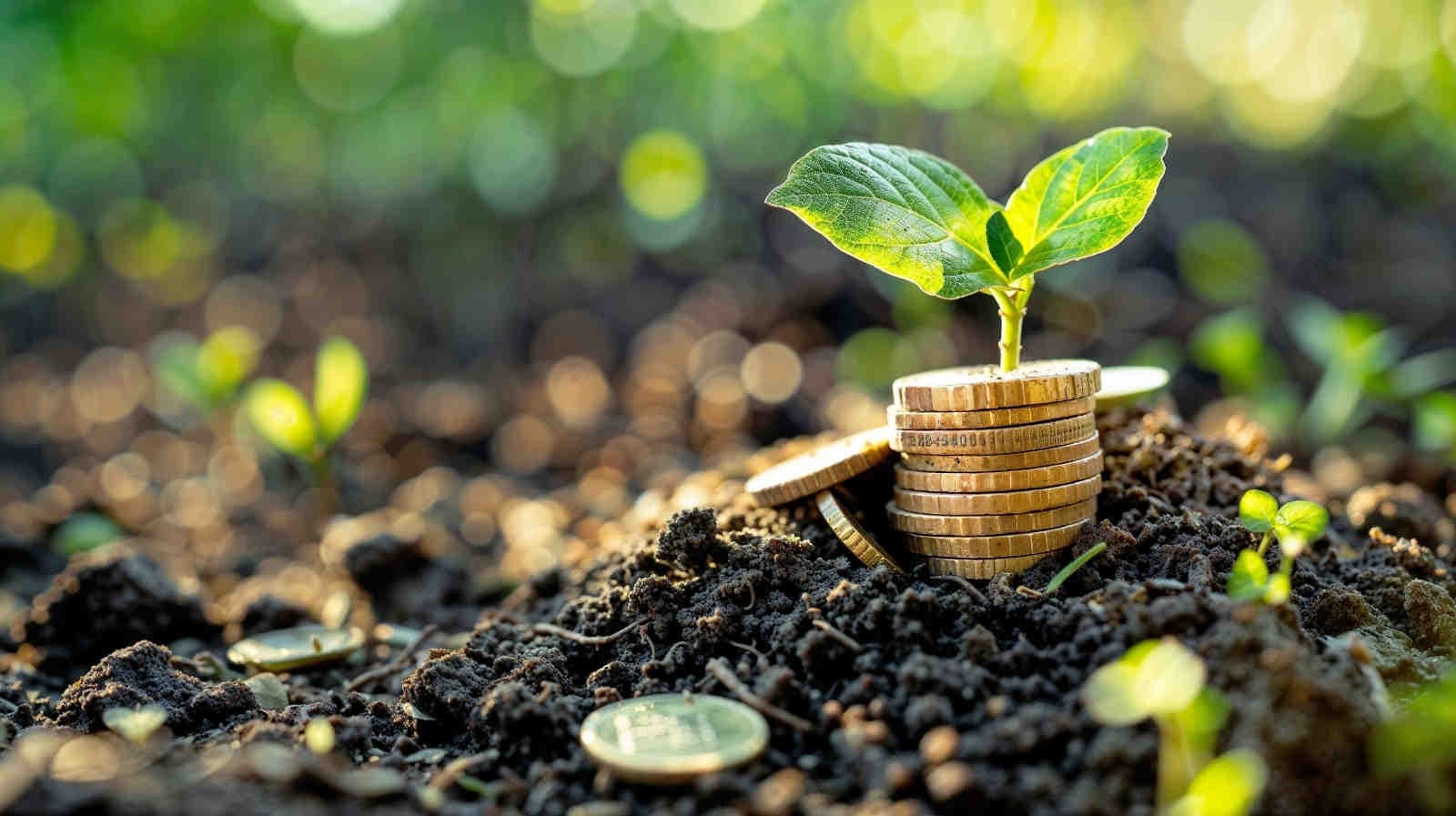
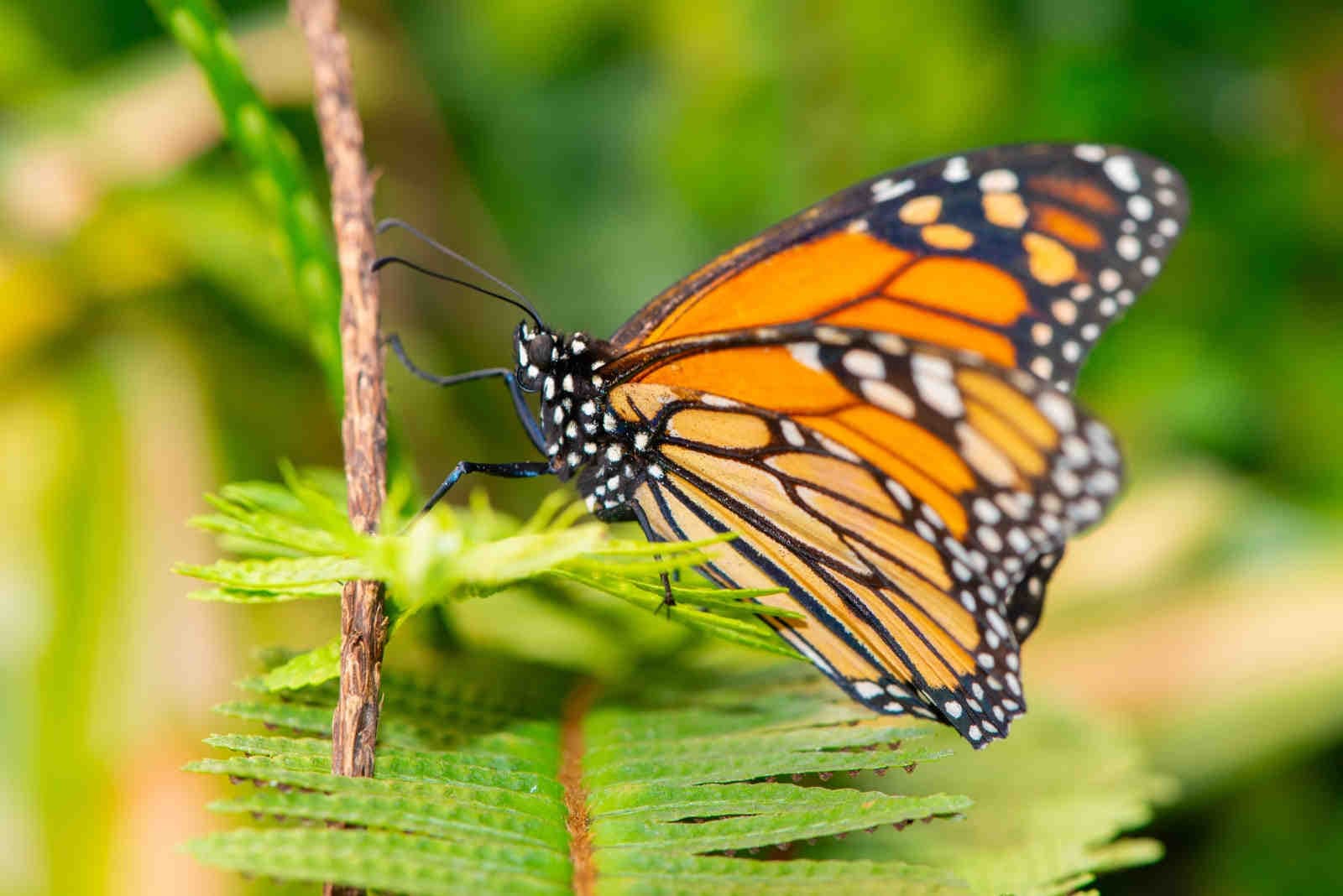
    In 2025, sustainable finance will increasingly focus on biodiversity protection and natural risk management. In this article, we will explore the main trends, from technological innovations to initiatives that promote responsible investments for a sustainable future.

    Read the article
    24/03/2025Of 3Bee, Angelina Tortora
    176 Views
    24/03/2025Of 3Bee, Angelina Tortora
    176 Views

    Natural risks: the role of insurance

    Disclaimer: this is an automated translation from Italian. Go to the original article.

    In 2024, insurance losses caused by natural disasters reached 140 billion dollars, highlighting the increasingly crucial role of the insurance sector in sustainable finance. Insurance companies, through initiatives such as the UNEP FI PSI Working Group, are collaborating to support the transition towards a “nature-positive” future. The challenge today lies in integrating natural risks into insurance policies to address environmental emergencies, promote regenerative agricultural practices, and sustainable management of natural resources. Technology also plays a fundamental role, enabling more precise and effective management of natural risks, thanks to the use of machine learning and artificial intelligence.

    Rischi naturali: il ruolo delle assicurazioni

    AI at the service of sustainable finance

    Artificial intelligence is transforming sustainable finance, identifying new investment opportunities for biodiversity protection. Projects like LEON (Leveraging Earth Observation for Nature Finance) use satellite observation data combined with AI to more accurately assess natural value and associated risks. This allows targeted investments towards solutions that support biodiversity conservation. AI also helps to simplify data access, improving transparency and measurability of impacts, which are essential for investors and financial institutions.


    L’AI al servizio della finanza sostenibile
    XNatura

    De-risking: how to reduce risks with public support

    "De-risking" – that is, reducing risks to encourage private investments in sustainable projects – is gaining more importance. In particular, institutions such as the Development Finance Corporation (DFC) and the International Finance Corporation (IFC) are playing a crucial role in promoting the flow of capital toward sustainable finance. Guarantees and de-risking instruments, such as those related to biodiversity bonds launched in South America, help reduce risks for private investors, making projects more attractive. In 2025, public support is expected to continue to grow, especially for conservation projects in developing countries. De-risking mechanisms are essential to meet the challenge of attracting long-term investments in biodiversity protection.

    De-risking: come ridurre i rischi con il supporto pubblico

    The role of indigenous communities in sustainable finance

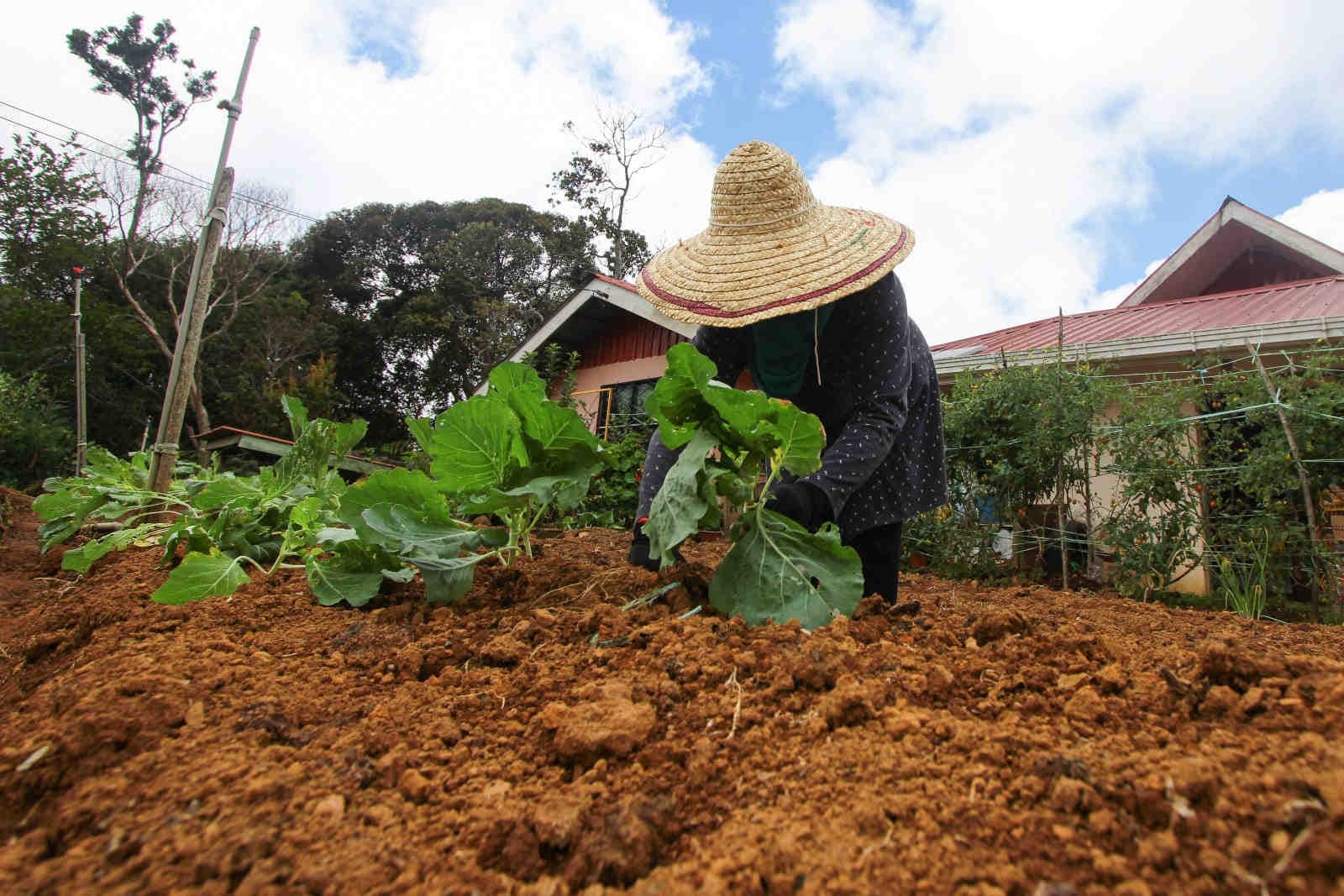
    Indigenous communities are increasingly recognized as key players in nature protection. Projects like the Savimbo program in the Putumayo region of Colombia demonstrate how local communities can lead financial initiatives for conservation through sustainable land management practices. These projects not only contribute to environmental protection, but also promote the well-being of local populations, keeping cultural traditions alive. Indigenous organizations are striving for greater direct access to funding in order to integrate indigenous rights and knowledge into financial strategies. Although this vision is gaining momentum, there is still a long way to go to ensure an equitable distribution of resources.

    Il ruolo delle comunità indigene nella finanza sostenibile
    XNatura

    Sustainable finance: the role of the REDD+ system

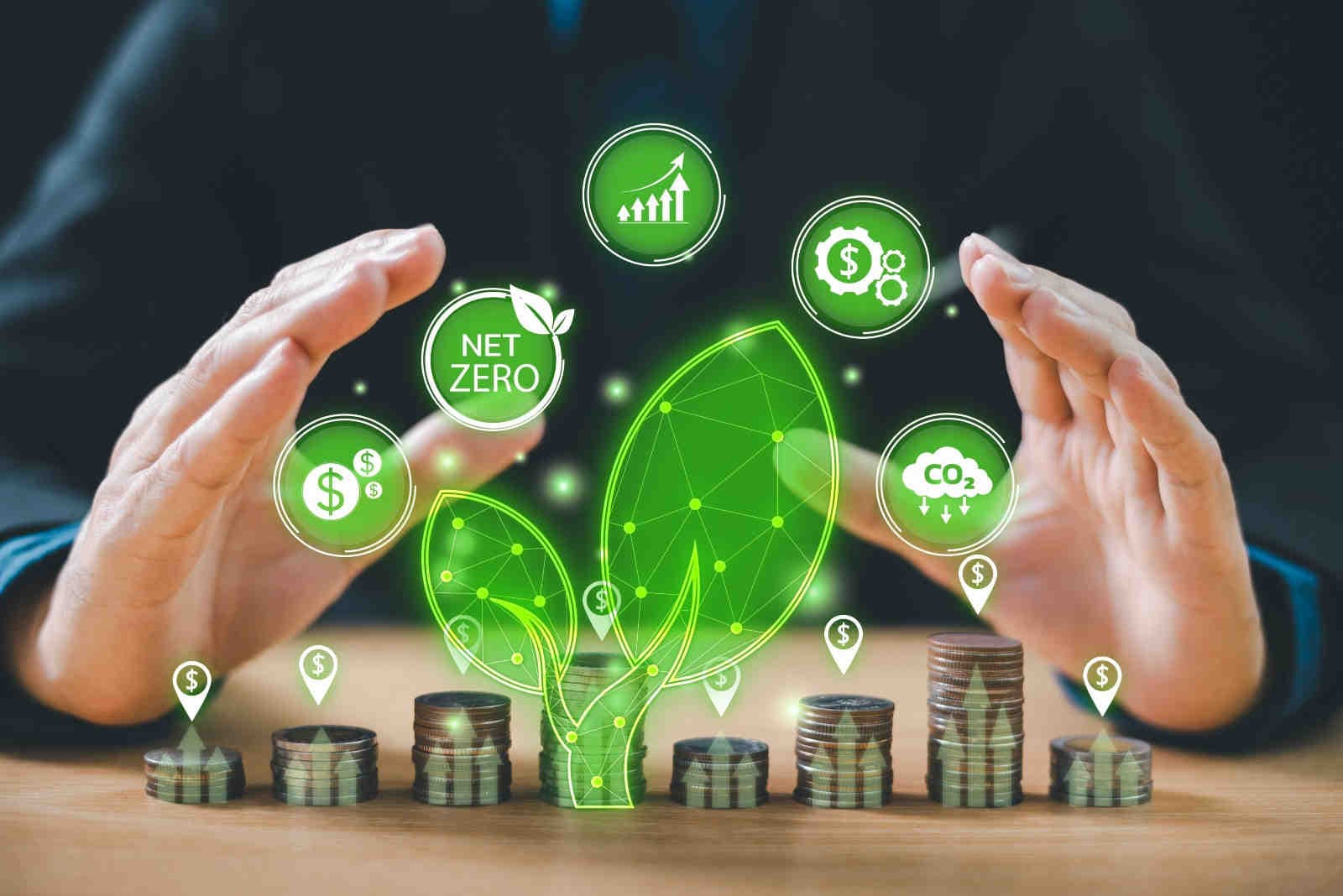
    The conservation of tropical forests and natural habitats is a growing priority for sustainable finance. Initiatives like the Tropical Forest Forever Facility (TFFF) are bringing together public, private, and philanthropic resources to ensure long-term funding for forest protection. The key approach in this area is to focus on the conservation of existing areas, rather than regeneration, as pristine forests host significantly higher biodiversity compared to regenerated areas. At the same time, REDD+ initiatives (Reducing Emissions from Deforestation and Forest Degradation) are gaining increasing importance globally. Projects like the Race to Belém aim to raise billions of dollars for the protection of the Amazon forests, implementing financial solutions that simultaneously address climate change and biodiversity loss.
    Finanza sostenibile: il ruolo del sistema REDD+
    3Bee

    3Bee's expansion in international markets

    This article was created as part of the "Biodiversity services EU expansion" project (CUP: E43D22000480009) under the Regione Lombardia's "PR FESR 2021-2027 – LINEA INTERNAZIONALIZZAZIONE 21-27" call, aimed at supporting the internationalization of Italian companies. 3Bee is the naturetech company that develops innovative technologies for monitoring, protecting, and regenerating biodiversity, supporting businesses in defining personalized climate strategies based on the analysis of their impacts and dependencies on nature. With a consolidated portfolio in Italy, Germany, and France and significant partnerships, 3Bee continues its expansion in international markets to create a tangible impact through technology.

    24/03/2025Of 3Bee, Angelina Tortora
    176 Views
    Newsletter
    newsletter
    Subscribe to the Blog about bees and biodiversity

    Frequently Asked Questions

    Do you have any doubts or other curiosities about this article? Here you will find some insights