Scale insects: biological characteristics and biocontrol
    Scale InsectsCharacteristicsAnomaliesSecretions

    Scale insects: biological characteristics and biocontrol

    Scale insects are one of the most damaging groups to agricultural crops due to their phytophagous lifestyle. These insects display particular anatomical and physiological characteristics, which vary according to the species.

    Read the article
    18/01/2025Of 3Bee, Lara Vivarelli
    179 Views
    18/01/2025Of 3Bee, Lara Vivarelli
    179 Views

    What are scale insects?

    Disclaimer: this is an automated translation from Italian. Go to the original article.

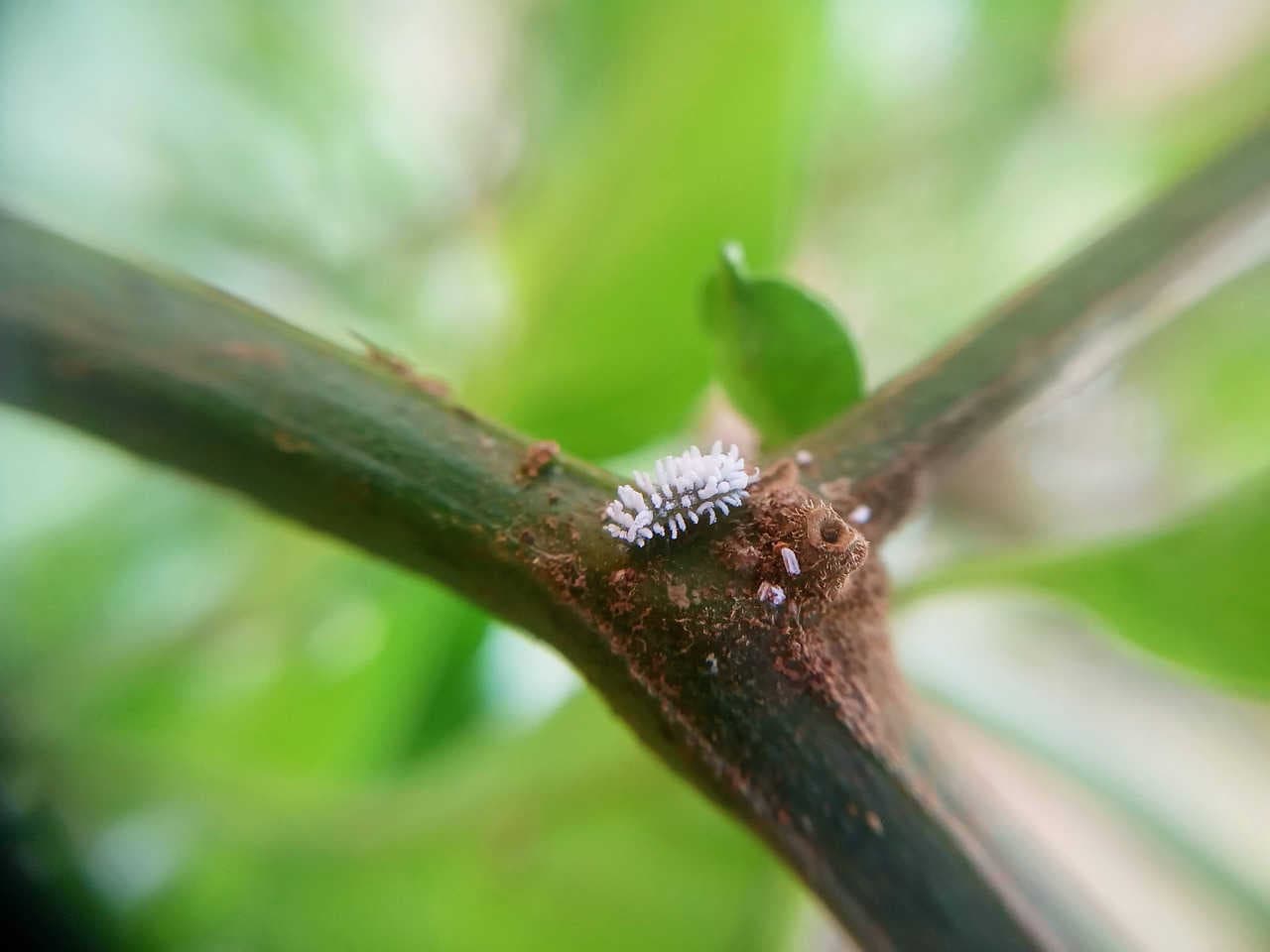
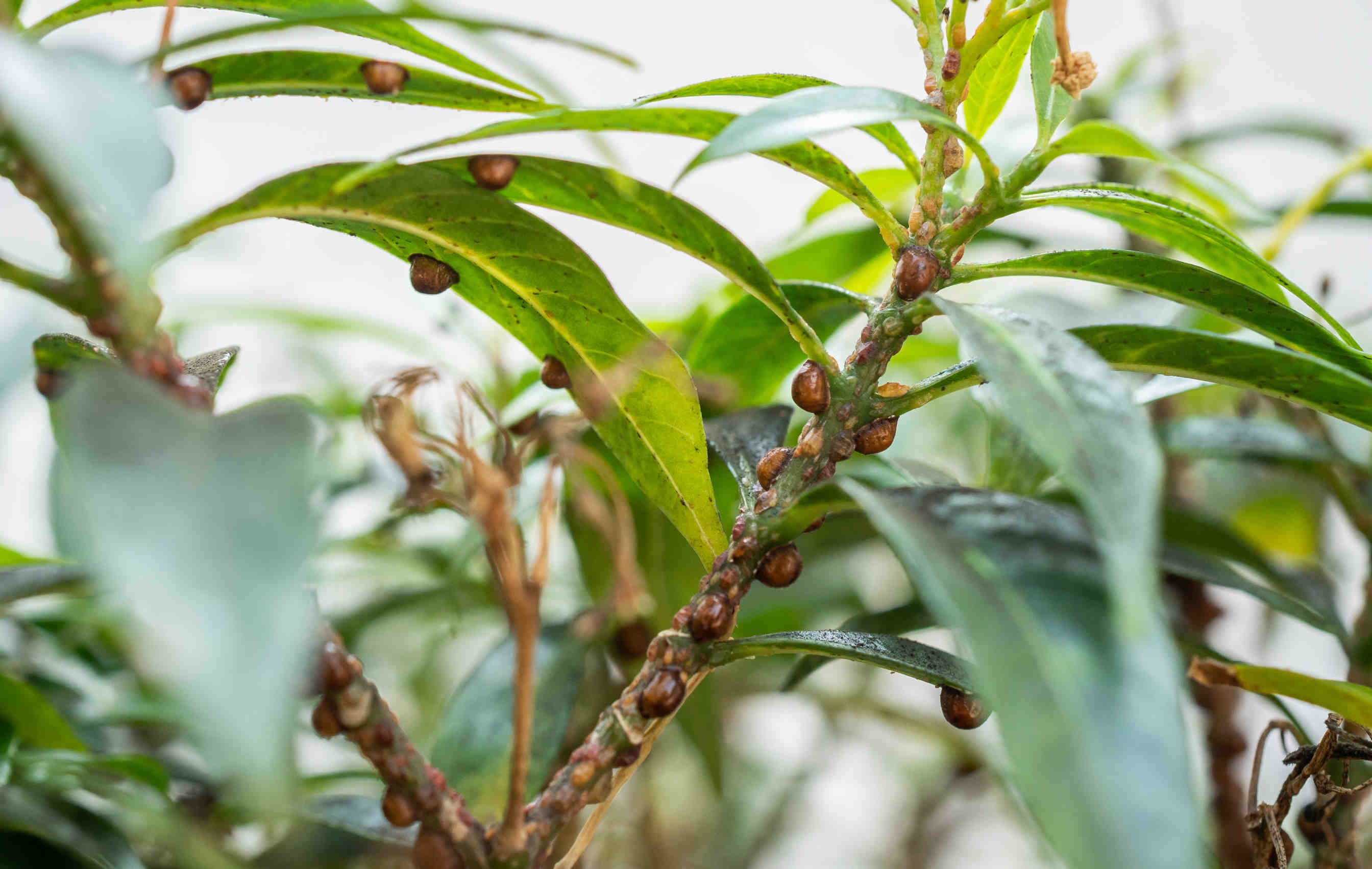
    Scale insects, or coccids, are a superfamily of phytophagous insects belonging to the order Rhynchota. The term "phytophagous" refers to those organisms that feed on plants, causing them damage of varying degrees. It is important to note that while scale insects can damage plants, they are not true parasites, as they are autonomous organisms and do not depend on the life of other species for their survival. The name "scale insect" derives from the Spanish cochinilla, meaning "little pig of the earth." During the larval stage, scale insects attack and damage the leaves of some plants, particularly those of agricultural interest. For this characteristic, they are classified as phytomiza insects. Scale insects represent one of the most significant groups of insects
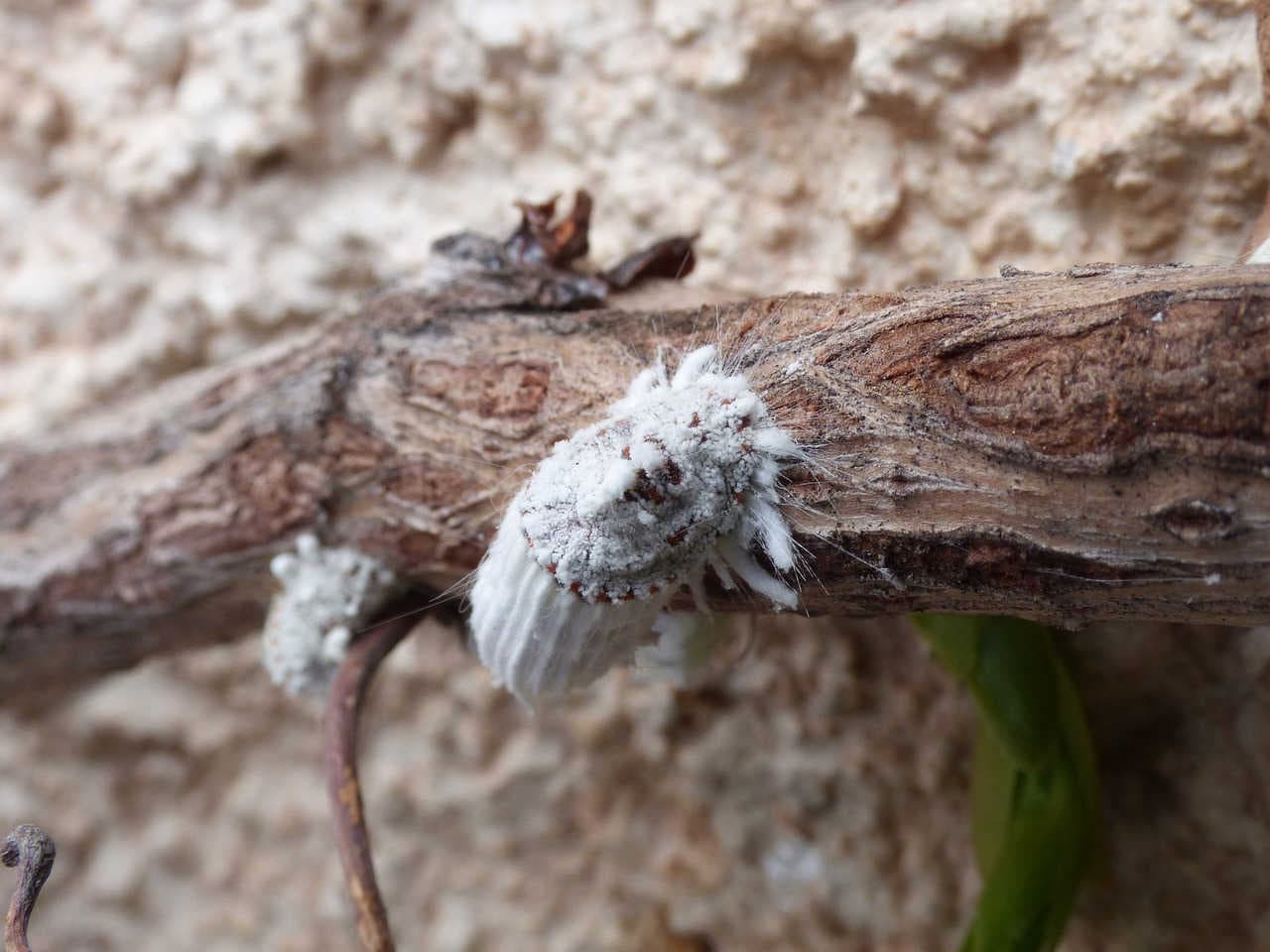
    cocciniglie insetti fitofagi e fitomizi

    What is the distinctive feature of scale insects?

    One of the most distinctive features of scale insects is the marked sexual dimorphism. Females, in particular, exhibit a morphological, anatomical, and functional regression that makes them easily recognizable. They retain a juvenile appearance, called nymphal, throughout their lives, lack wings and legs, or have rudimentary ones, and possess numerous glands specialized in the production of wax, lacquer, and silk. This regression is such that, until centuries ago, it was thought that females were plant galls. Although they have characteristics that might seem a sign of primitive evolution, they actually represent an extreme adaptation to a phytophagous diet, a case of neoteny. In contrast, males have a well-differentiated morphology, with distinct head, thorax, and abdomen, and are equipped with wings (which may be absent in some species) and well-developed legs.
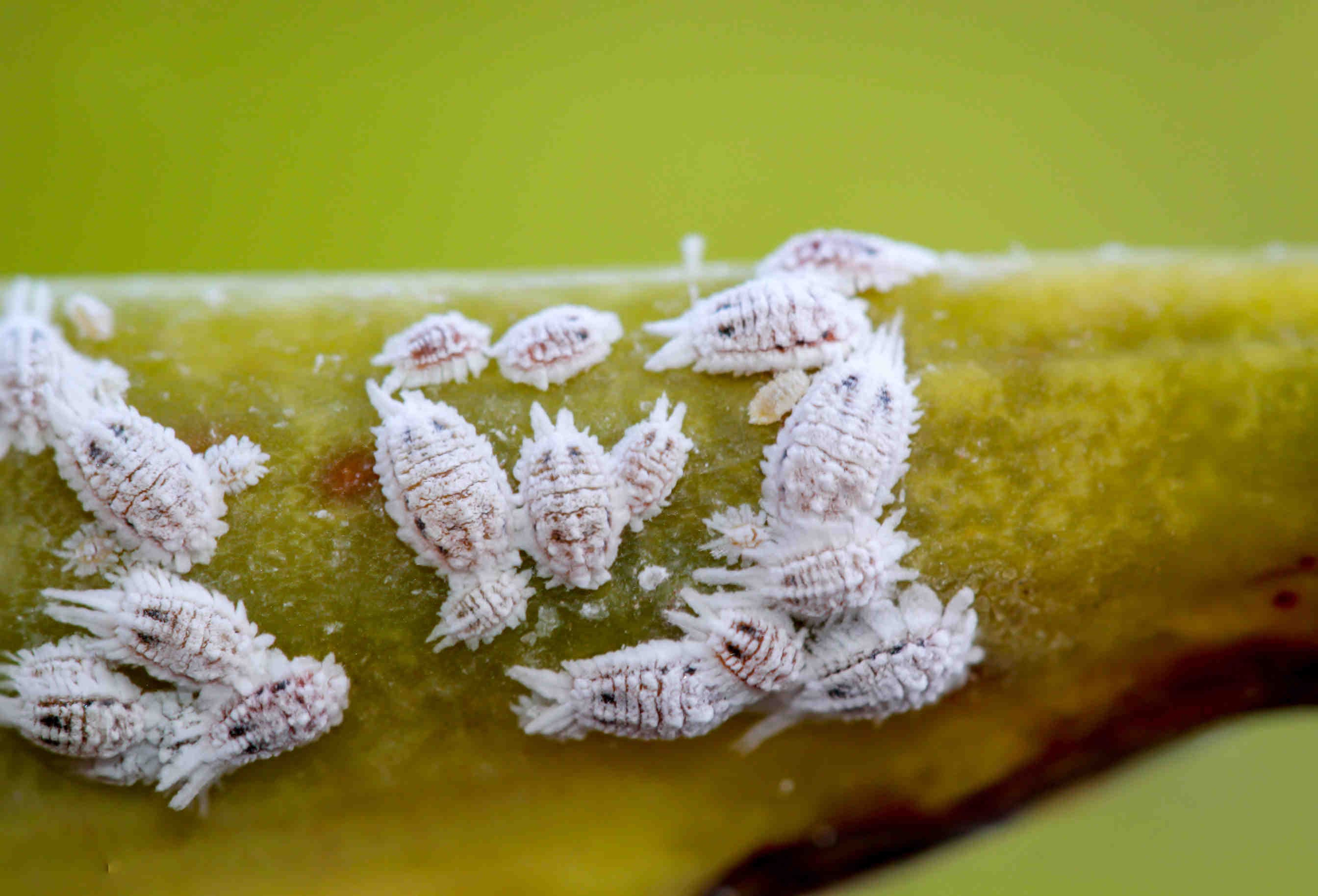
    caratteristiche morfologiche e anatomiche delle cocciniglie
    XNatura

    What anatomical anomalies do scale insects exhibit?

    Scale insects are insects that exhibit remarkable anomalies in their structure. In some species, males have atrophied or even absent mouthparts, unlike females. Additionally, while males have twice the number of wings as females, the latter are wingless and are therefore referred to as apterous (without wings). Normally, insects have bodies divided into distinct parts, but in the case of female scale insects, this division is less evident: the head is often fused with the thorax, the typical insect body segmentation tends to disappear, and wings, legs, and eyes are missing. The antennae are also reduced to fixed structures without movement. The mouthparts, on the other hand, are highly specialized and structured for the function of sucking and piercing, demonstrating the evolutionary adaptation of these insects to their phytophagous lifestyle.

    anomalie morfologiche anatomiche cocciniglie

    What secretions do scale insects produce?

    Most species of scale insects are capable of secreting special substances, produced by glands distributed in various parts of the body. Each systematic group of scale insects produces a specific type of secretion, which accumulates in a characteristic manner and is often crucial for identifying the scale insects at the family, subfamily, or species level. These external secretions are also the result of the insects' carbohydrate metabolism. In females, the body is often covered by a coating that can consist of abundant emissions of wax, silk and lac, or by a follicle, known as a shield, which assumes characteristic shapes according to the species. In other species, the coating is due to the stiffening of the dermoskeleton. These coatings give adult females a peculiar appearance that, to the uninitiated, can mask their insect nature.
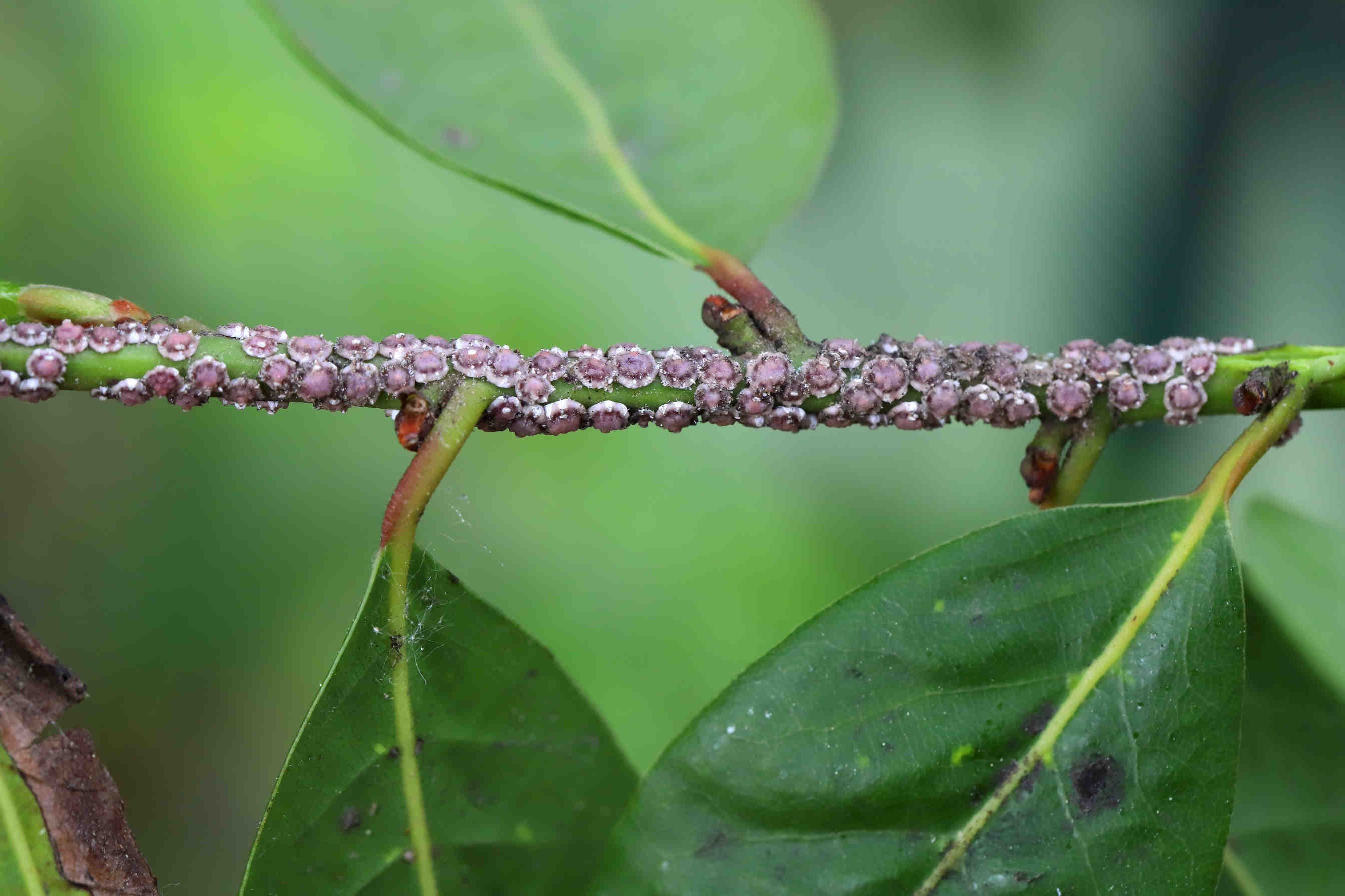
    secrezioni cocciniglie
    XNatura

    What is extracted from scale insects?

    Scale insects, due to their glands, produce various commercially valuable substances such as lacquer, wax, coloring agents, and manna. The traditional use of some scale insects for extracting dyes is still used today and is reflected in the naming of some products. For example, the females of the cochineal insect were used by the indigenous people of Mexico to extract a dye used to color wool and silk. To obtain the best dye, the insects were collected before egg-laying when the dye content was higher. Currently, various cochineal preparations such as cochineal carmine, cochineal lacquer, cochineal extract, or ammoniacal cochineal are available, primarily used in the production of watercolor paints, microscopic preparations, and for coloring sweets and liquors.

    acquarelli cocciniglia
    3Bee

    How do scale insects reproduce?

    Scale insects primarily reproduce sexually, with females emitting sex pheromones to attract males. However, cases of parthenogenesis, a type of reproduction where the egg cell develops without the need for fertilization by the male, are not uncommon. Most species are oviparous, laying a varying number of eggs, ranging from a few dozen to several thousand. However, there are also viviparous and ovoviviparous species. Scale insect eggs have very short incubation times, ranging from a few hours, while in oviparous species, incubation can take a few days.
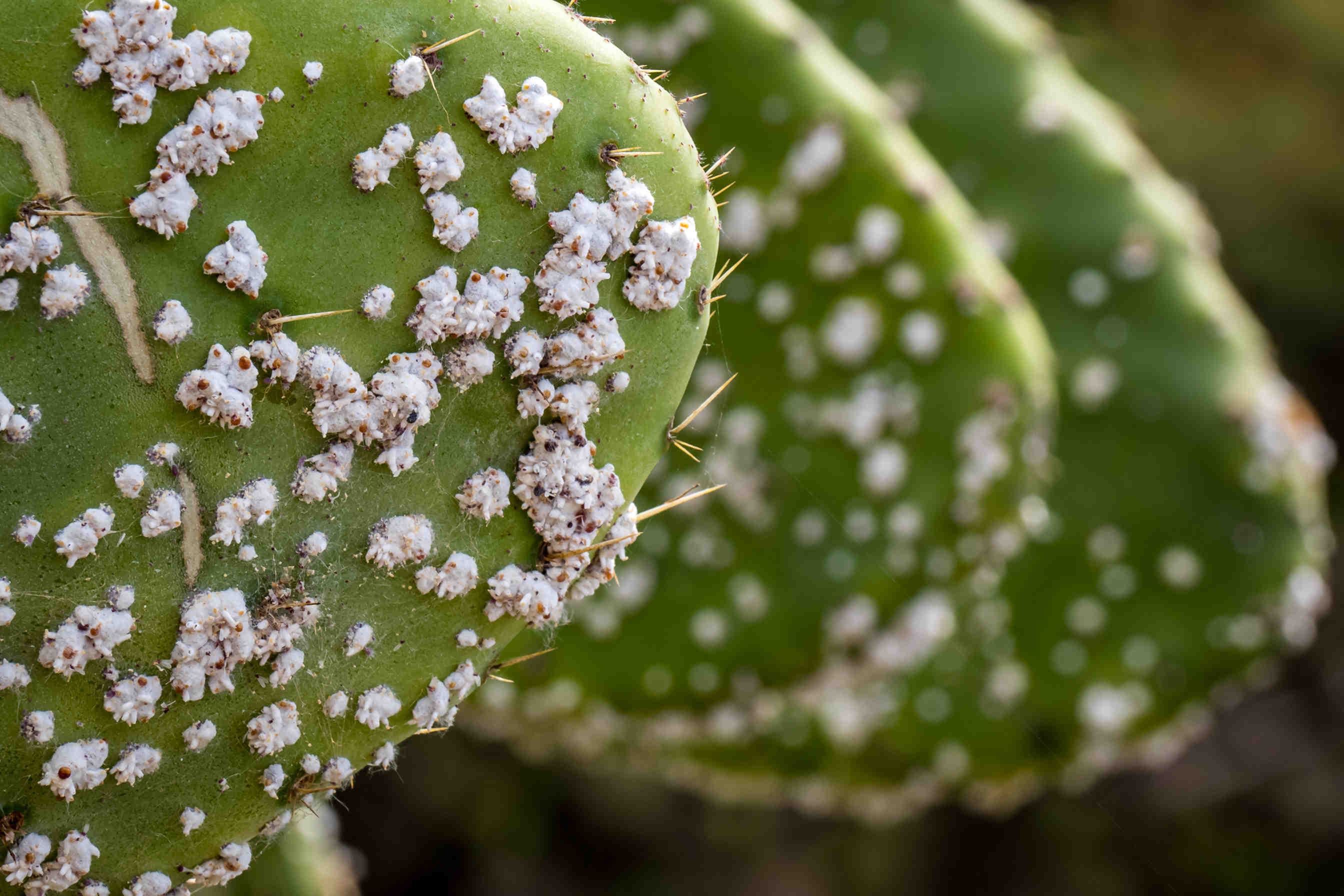
    riproduzione cocciniglie

    What kind of damage do scale insects cause?

    Scale insects are among the most harmful systematic groups for agriculture. Despite being relatively small insects and having a lower reproductive potential compared to other phytophages such as aphids, flies, or mites, some species of scale insects can cause infestations so severe that they lead to significant crop losses. These insects are spread globally and affect a wide range of plants, attacking all their parts, including leaves, branches, stems, flowers, and fruits. To meet their protein needs, scale insects must ingest large quantities of sap and eliminate excess water and sugars, producing honeydew. This process occurs thanks to an organ called the "filter chamber," which is equipped with specialized membranes to separate the glucidic component of the sap.

    danni all'agricoltura da parte delle cocciniglie

    What are the natural enemies of scale insects?

    Scale insects, transported with host plants, have spread globally, causing significant damage. Their natural enemies include predators such as ladybugs, lacewings, and butterflies, and endoparasitic and ectoparasitic parasites, including some hymenoptera and diptera. For biological control, predatory and parasitoid insects are used to reduce the population of scale insects. Additionally, chemical insecticides are employed, such as soap emulsions, calcium polysulfides, and pyrethrum, and fumigations with hydrocyanic acid. However, biocontrol is gaining increasing attention for its sustainability compared to chemical methods.
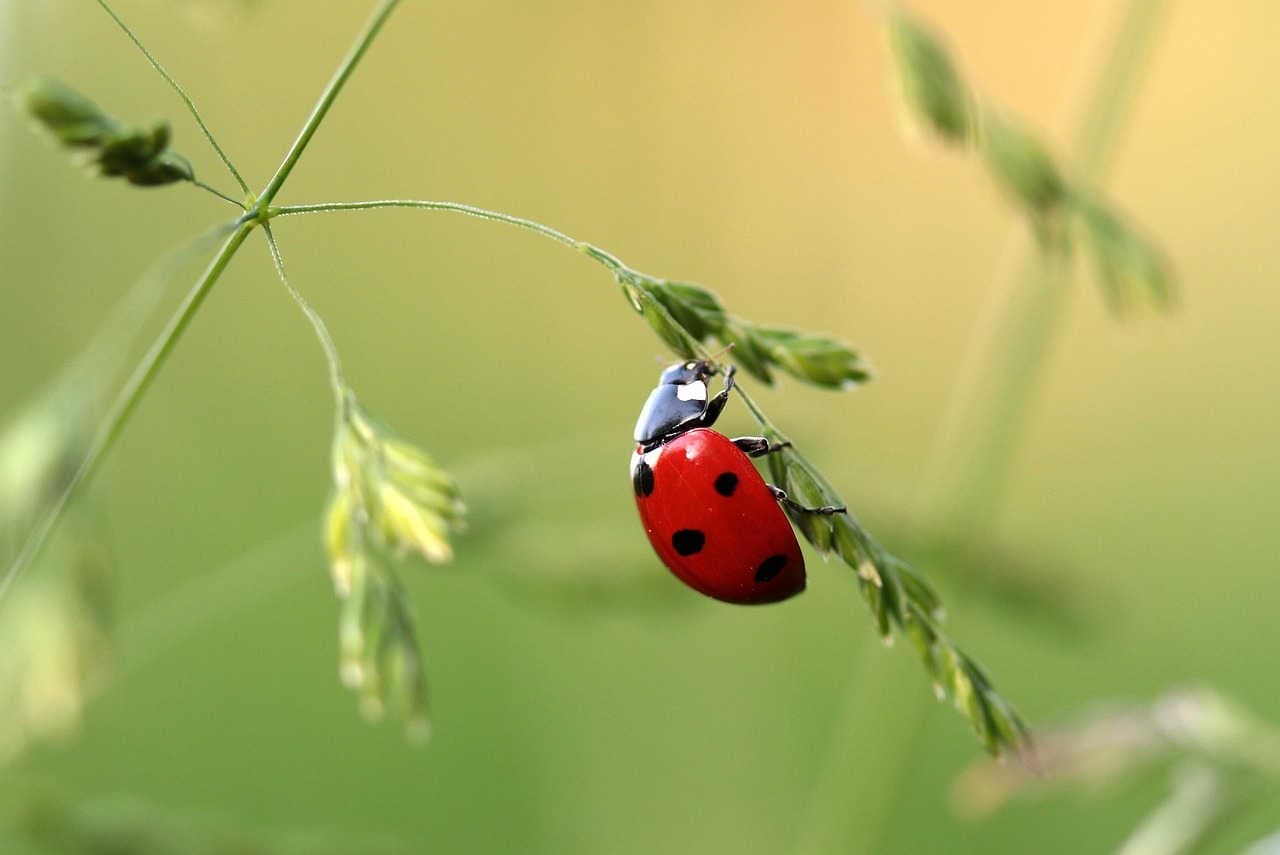
    coccinelle nemici naturali cocciniglie biocontrollo
    18/01/2025Of 3Bee, Lara Vivarelli
    179 Views
    Newsletter
    newsletter
    Subscribe to the Blog about bees and biodiversity

    Frequently Asked Questions

    Do you have any doubts or other curiosities about this article? Here you will find some insights