Ready for 55%: Obligations for EU States
    EU PlanPackage 55%EnergyCommitment

    Ready for 55%: Obligations for EU States

    The 'Ready for 55%' legislative package is legally binding on EU Member States, which will have to integrate the directive into their national energy and climate plans and demonstrate how climate and energy targets will be met by 2030.

    Read the article
    09/01/2024Of 3Bee, Elena Fraccaro
    337 Views
    09/01/2024Of 3Bee, Elena Fraccaro
    337 Views

    The EU 'Ready for 55%' Plan

    "Ready for 55%" is a set of proposals to implement initiatives to reduce net greenhouse gas emissions by at least 55% compared to 1990 levels by 2030. The package foresees the updating of EU regulations and the adoption of policies in line with the climate targets set by the European Parliament and the Council. These objectives are binding on Member States, which are called upon to take concrete measures to reduce emissions and decarbonise the economy. The package will help actors engaged in the green transition to put in place the right actions to enable Europe to achieve climate neutrality by 2050.

    Ambiente

    What the package includes

    The package of proposals must ensure a fair and socially just transition, strengthen the innovation and competitiveness of EU industry by ensuring a level playing field vis-à-vis economic operators in third countries, and support Europe's efforts to combat climate change effectively. Proposals include the realisation of climate targets in the areas of land use and forestry, the promotion of renewable energies, and the transition from fossil-based to renewable and low-carbon gases. The package also focuses on how to treat emissions outside the EU and on reducing emissions from waste, agriculture, buildings and transport.

    Bandiera Unione Europea
    XNatura

    The Renewable Energy Promotion Directive

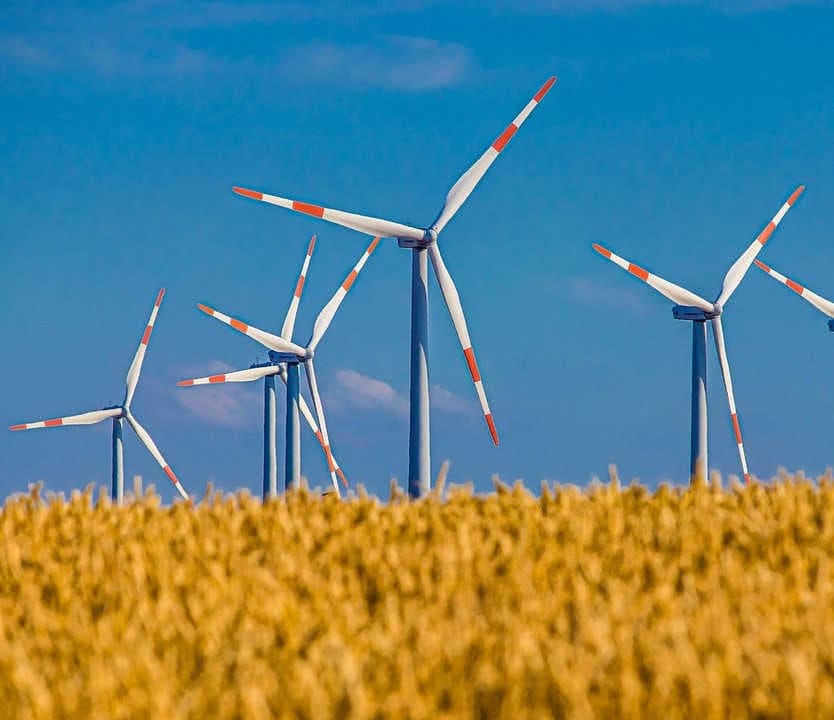
    In the 'Ready for 55%' package there is a particularly important proposal to revise the directive on the promotion of renewable energies. The intention is to increase the target of 32% renewable energy sources in the total energy mix to 40% by 2030. At the same time, sub-targets and sectoral measures are to be introduced or increased, focusing primarily on those sectors where progress has been slowest with regard to the integration of renewables. The Council adopted the new directive on 9 October 2023, raising the share of renewable energy in overall energy consumption to 42.5 per cent by 2030. An additional indicative supplement of 2.5 was chosen to enable the 45% target to be reached.
    Pale eoliche

    Commitment to the Member States

    Each Member State will have to commit to the common 45% target within the larger framework of reducing EU emissions by at least 55% by 2030. Step by step, the EU climate targets can be achieved in a more efficient, competitive and fairer way by speeding up the authorisation procedures for renewable energy projects. This will allow for a faster deployment of renewable energies in the REPowerEU plan as a response to the difficulties and disruptions in the global energy market pushing towards independence from Russian fossil fuels. Each Member State will have to designate acceleration zones for renewable energy and submit projects that will be subject to fast and simplified authorisation procedures. In addition, the deployment of renewable energies will be considered of overriding public interest.

    Rinnovabili
    XNatura

    Homogeneous progress across sectors

    The spread of renewables in the various economic sectors has been uneven. A problem that the 'Ready for 55%' package will attempt to solve by introducing new measures and sector-specific targets. It will be necessary, for example, to increase the energy efficiency of buildings as these are responsible for 40 per cent of energy consumption and 36 per cent of direct and indirect energy-related greenhouse gas emissions. The goal of 'Ready for 55%' is to have all new buildings zero-emission by 2030 and all existing buildings zero-emission by 2050. During COP28 the Italian Pavilion held an event entitled 'Ready for 55%? Innovative solutions for energy-efficient buildings' to propose pilot projects and energy efficiency strategies in Italy and the Mediterranean financed by the European Union.

    Foreste
    3Bee

    The new renewable energy regulations

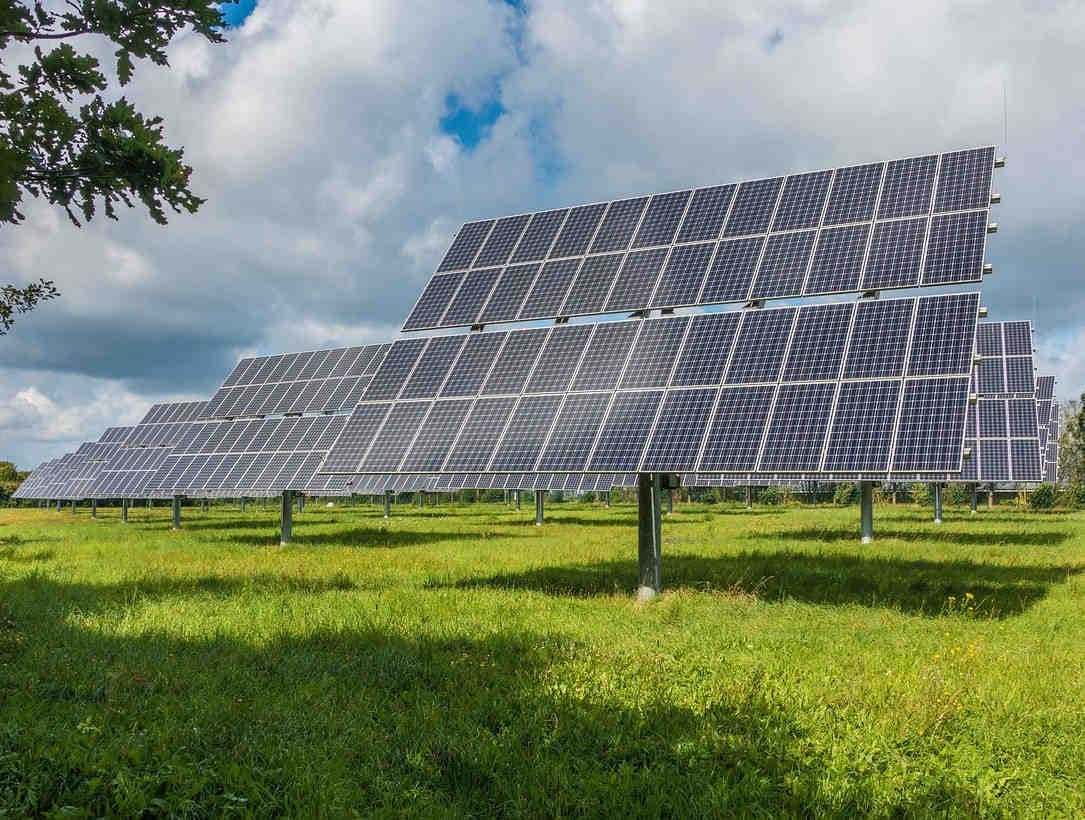
    Considering the importance of the 'Ready for 55%' package with the pursuit of the EU climate target to reduce emissions by at least 55% by 2030, it is good to dwell on the new renewable energy rules that are mandatory for Member States. The directive strengthens the sustainability criteria on the use of biomass for energy with the aim of reducing the risk of unsustainable bioenergy production. It will be necessary for states to apply the principle of cascading use while paying attention to support schemes and national specificities. 49% renewable energy will have to be used for buildings in 2030 with a gradual increase in heating and cooling and a binding increase of 0.8% per year at national level until 2026.
    Fotovoltaico

    Renewables and industry

    Industry will have to increase its use of renewable energy by 1.6 per cent each year, and 42 per cent of the hydrogen used in industry should come from renewable fuels of non-biological origin by 2030. The percentage rises to 60% by 2035. In addition, EU Member States will only be allowed to reduce the use of renewable fuels of non-biological origin in industry by 20% if the expected share of the national contribution to the binding EU target is reached and if the share of hydrogen from fossil fuels consumed in the Member State does not exceed 23% in 2030 and 20% in 2035.
    Energia rinnovabile

    PNEC for clean energy and climate targets

    All member states must prepare National Energy and Climate Plans - PNECs - in order for the EU to meet its clean energy and climate goals. There are four EU-wide targets for 2030, namely the reduction of greenhouse gas emissions, minimum share of renewables, more electricity interconnections and minimum energy efficiency improvements. PNECs must take into account all EU directives in terms of sustainability, biodiversity protection, decarbonisation, research, innovation and competitiveness. These plans are to be drafted and updated according to new EU energy policies and geopolitical circumstances. The final plans are expected by June 2024 and will have to take into account the evolution of climate action that has become more ambitious over the years as well as the realisation of a faster green transition.

    Ambiente sostenibile

    Alignment with Green Deal policies

    The 'Ready for 55%' package is part of an overall EU framework that brings together various measures aimed at reducing greenhouse gas emissions. The proposals are aligned with fiscal policies to achieve the objectives of the European Green Deal. This is the plan adopted by the European Commission in 2019 to steer the EU towards climate neutrality. The European Green Deal was created as a ambitious programme of reforms, investments and research that aims to transform the EU into a modern economy. A maximum timeframe has been given to realise the goal, 2050. Since the intention is to make Europe the first zero climate impact continent, it clearly follows that each member state is called upon to reduce its net greenhouse gas emissions in the coming years while directing its attention to the protection of biodiversity.

    Impollinatori

    3Bee and the first certified biodiversity credits

    Environmental climate strategies complement the well-known carbon credits with new instruments for the protection of biodiversity, through which companies can also play their part: biodiversity credits. This is a certification that a given company is investing in improving biodiversity in a specific area. The EU has recognised 3Bee as the company capable of developing biodiversity credits thanks to XNatura, the innovative terrestrial biodiversity monitoring protocol based on bioacoustics and remote sensing. An innovative methodology, in line with the CSRD Directive and the Nature Restoration Law, which will enable companies to improve their impact on biodiversity and offset it. Aiming to release biodiversity credits on the market within two years, 3Bee works in line with the objectives of the EU Biodiversity Strategy, ensuring transparency, reliability and scalability.

    Article by Valentina Trogu

    Colibrì impollinatori
    09/01/2024Of 3Bee, Elena Fraccaro
    337 Views
    Newsletter
    newsletter
    Subscribe to the Blog about bees and biodiversity

    Frequently Asked Questions

    Do you have any doubts or other curiosities about this article? Here you will find some insights