The Prunus genus and its ecological importance
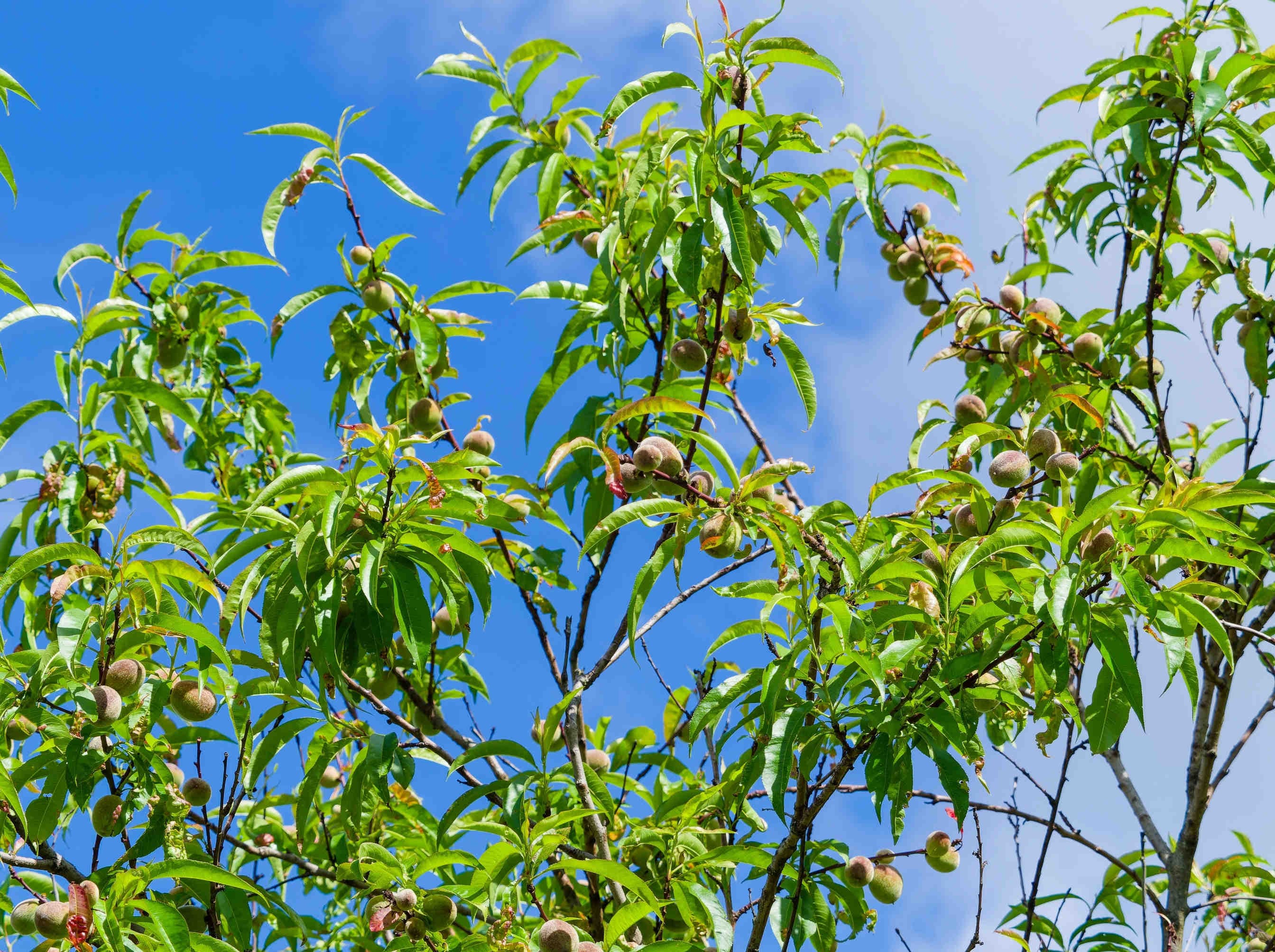
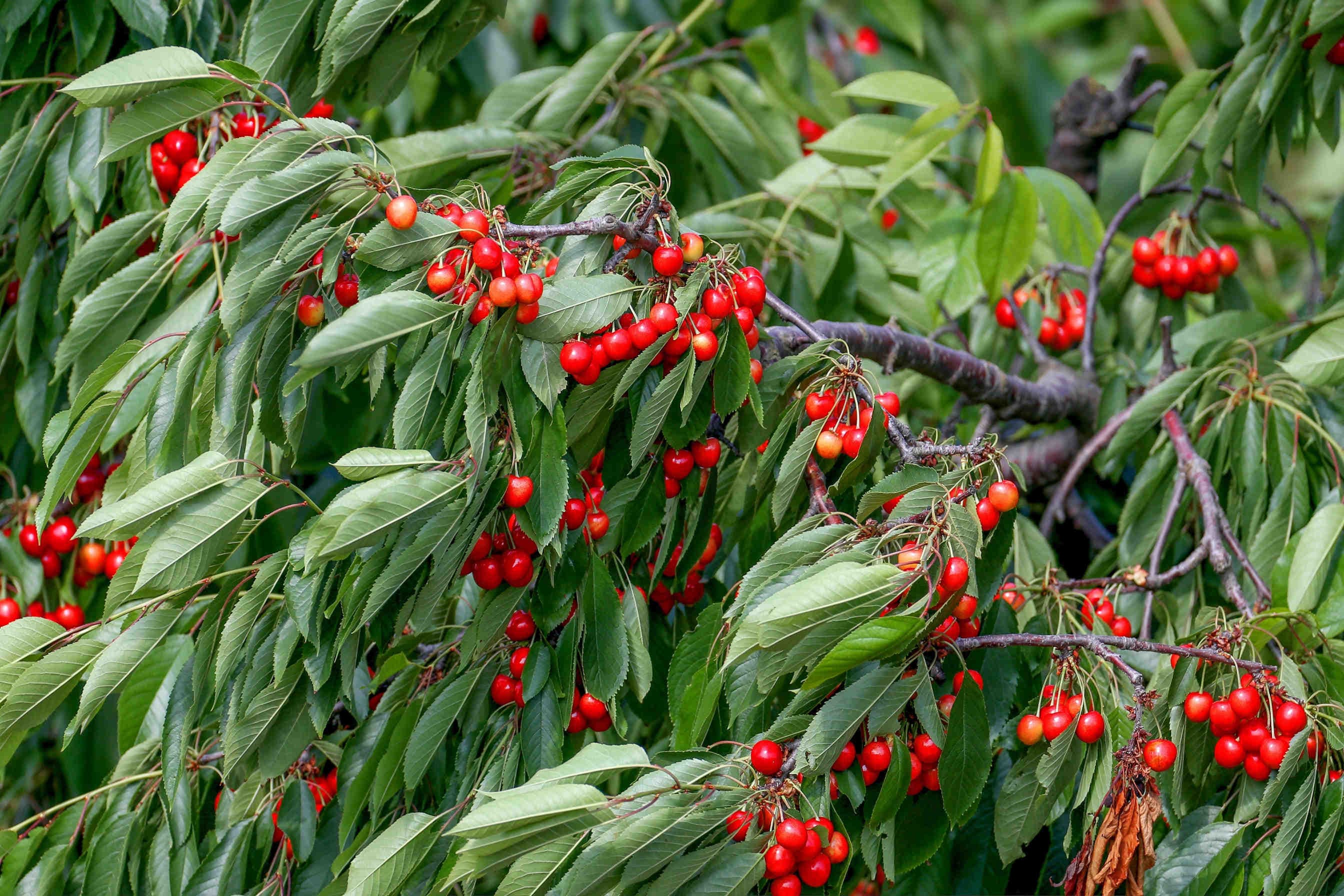
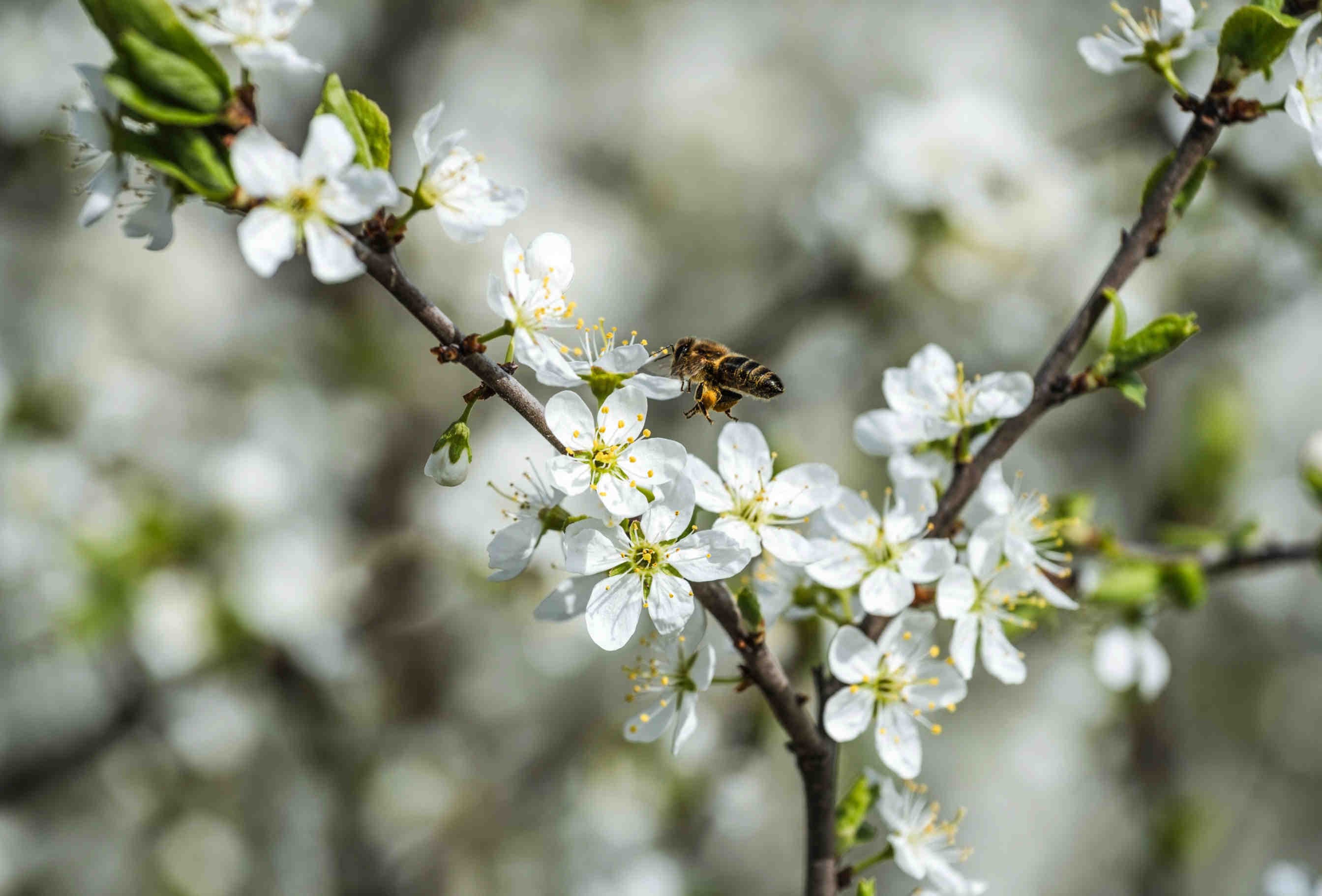
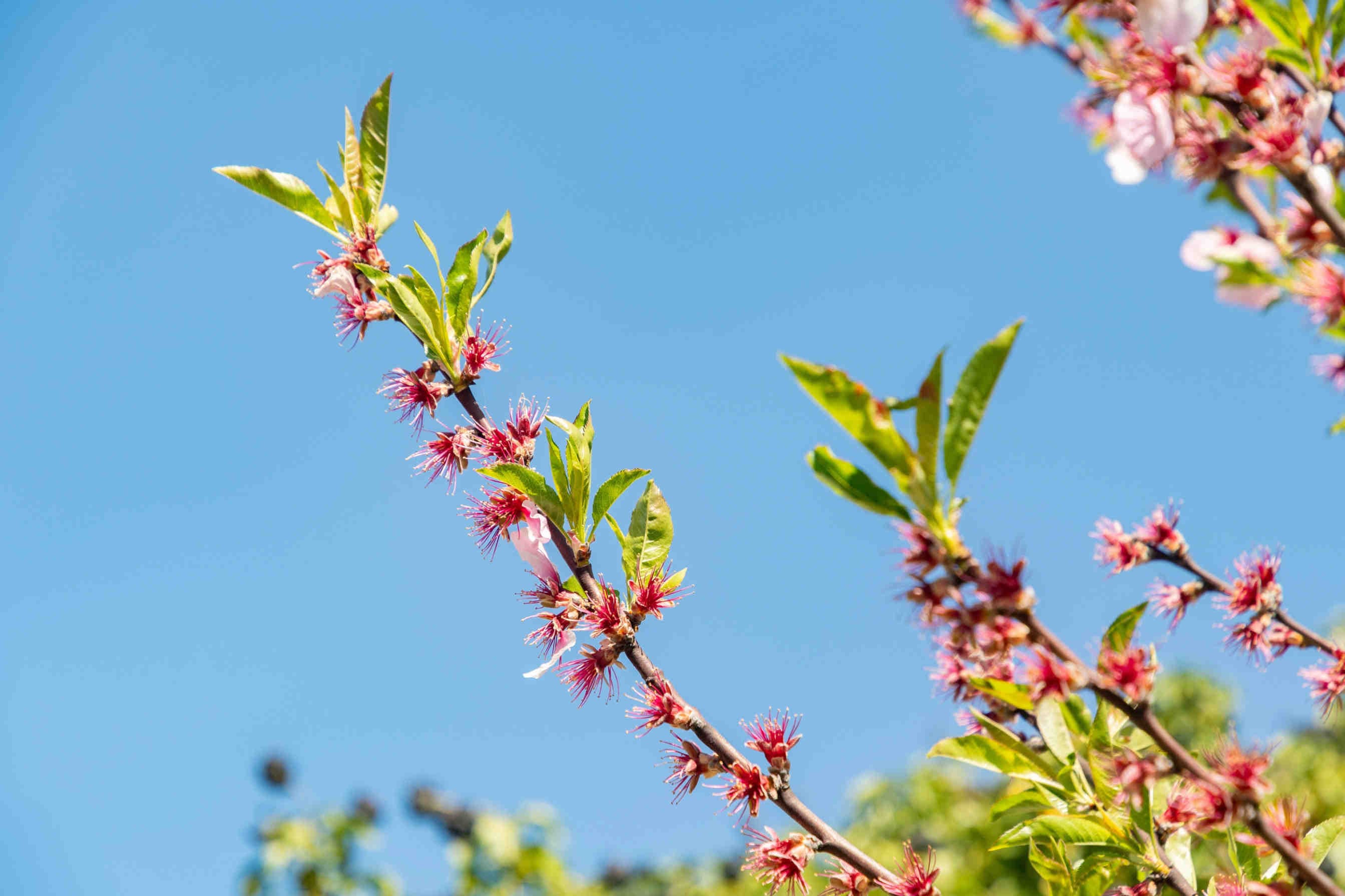
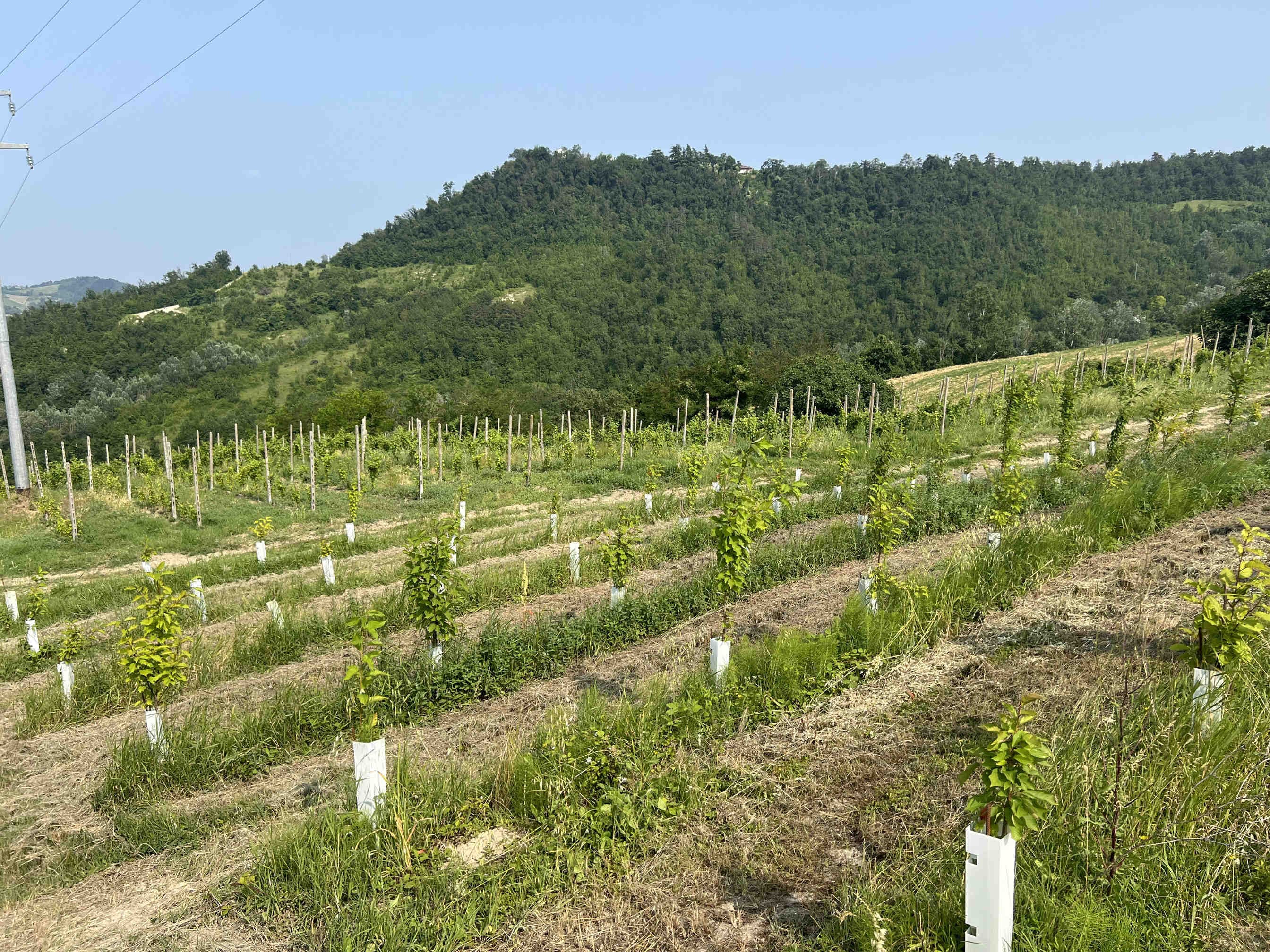
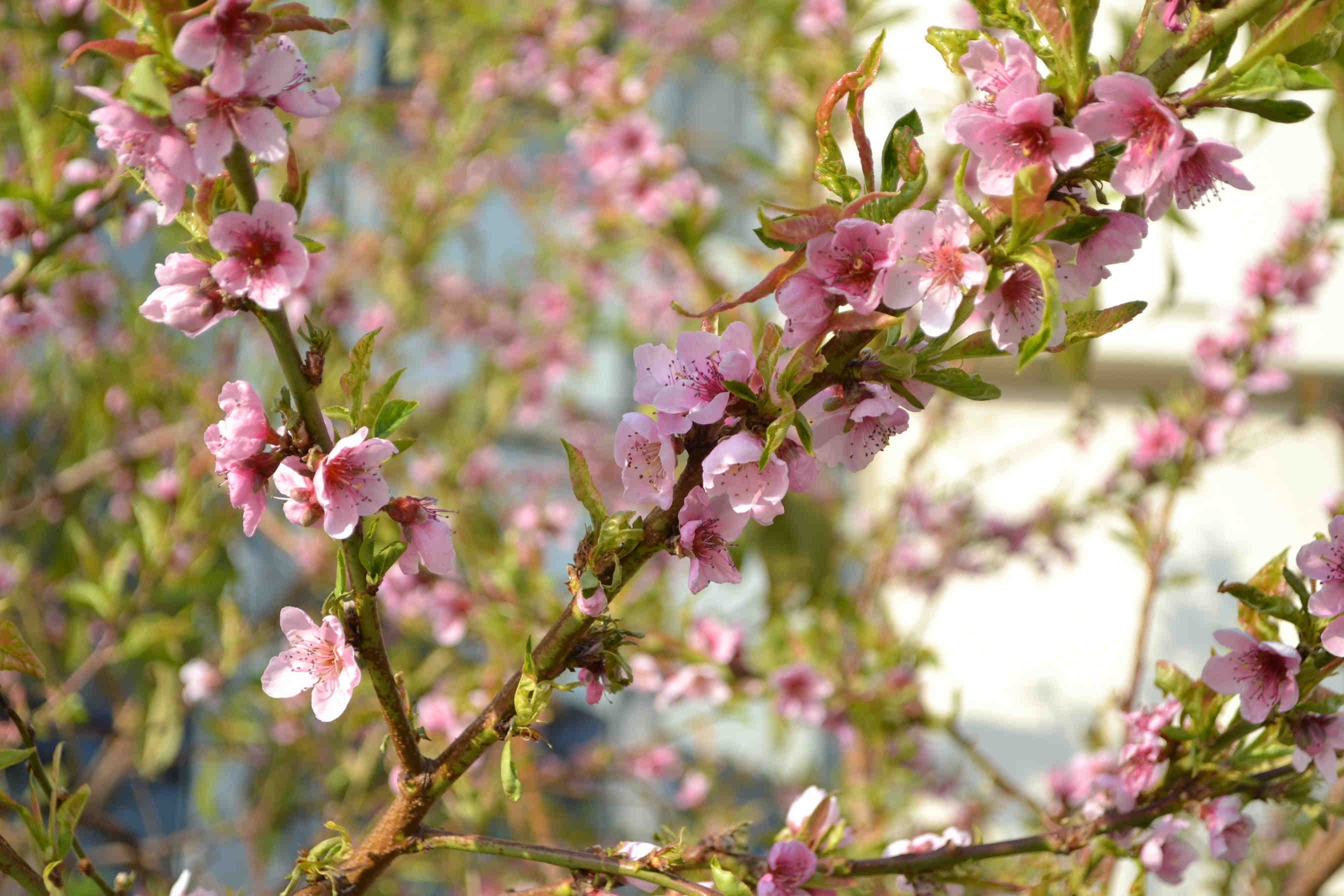
The genus Prunus includes over 400 species of trees and shrubs known for their ecological, agronomic, and landscape value. These plants are essential for biodiversity as they provide shelter, food, and habitat for numerous pollinating insects, birds, and small mammals. Prunus adapts to different climates and soils, contributing to sustainable reforestation and ecosystem regeneration. Thanks to their early and abundant blooms, they are among the first sources of spring nectar, playing a key role in the life cycle of pollinators. Including them in environmental projects improves air quality, reduces soil erosion, and boosts the resilience of local ecosystems.