Prunus and biodiversity: three key species for ecosystems
    Prunus GenusPrunus aviumPrunus spinosaAmygdalus

    Prunus and biodiversity: three key species for ecosystems

    The Prunus genus encompasses essential species for biodiversity and ecosystems. From wild cherry trees to almond trees, let's discover three key species cultivated and protected in the Biodiversity Oases of 3Bee.

    Read the article
    27/08/2025Of 3Bee, 3Bee
    218 Views
    27/08/2025Of 3Bee, 3Bee
    218 Views

    The Prunus genus and its ecological importance

    The genus Prunus includes over 400 species of trees and shrubs known for their ecological, agronomic, and landscape value. These plants are essential for biodiversity as they provide shelter, food, and habitat for numerous pollinating insects, birds, and small mammals. Prunus adapts to different climates and soils, contributing to sustainable reforestation and ecosystem regeneration. Thanks to their early and abundant blooms, they are among the first sources of spring nectar, playing a key role in the life cycle of pollinators. Including them in environmental projects improves air quality, reduces soil erosion, and boosts the resilience of local ecosystems.
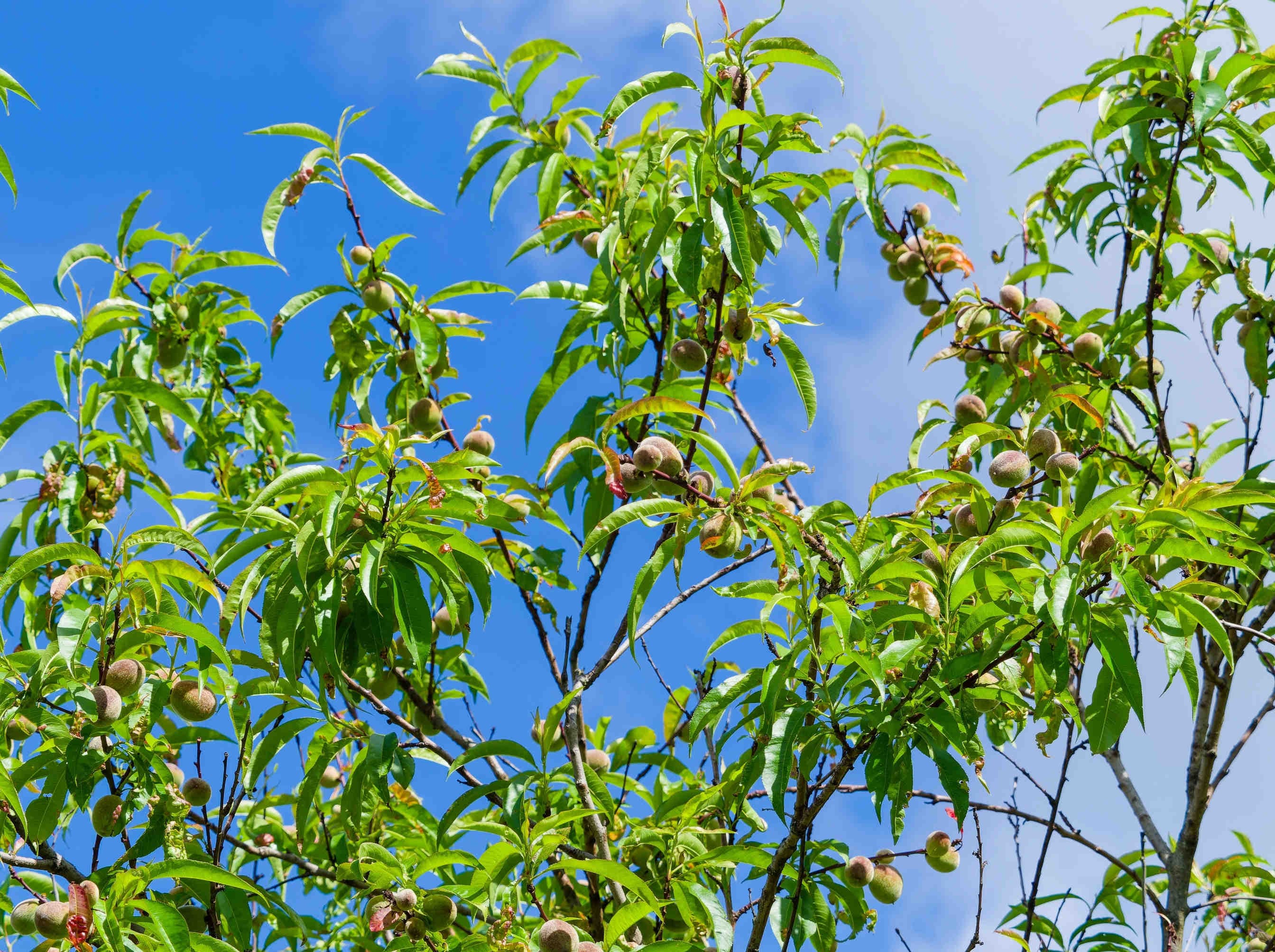
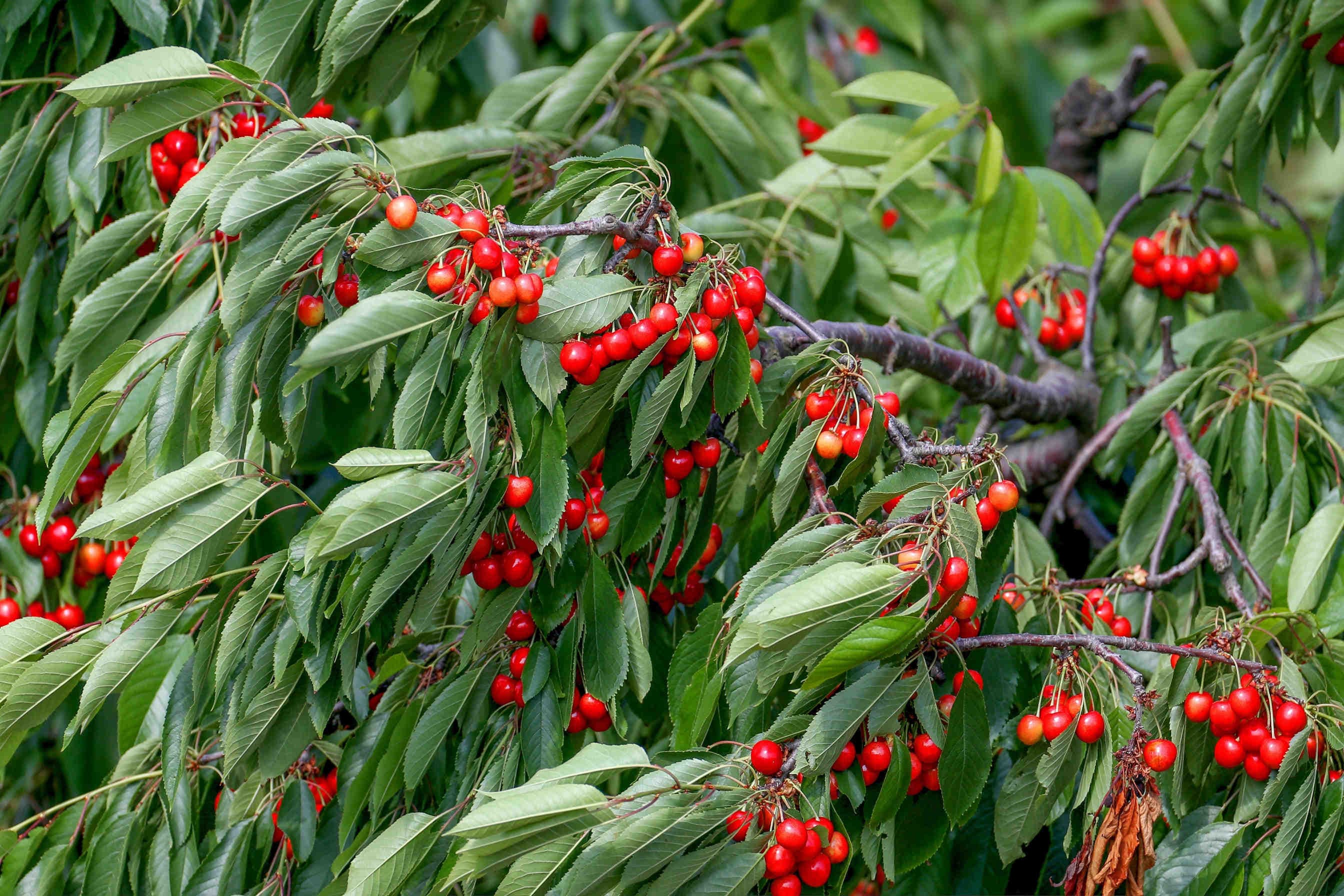
    3bee-blog-il-genere-prunus-e-la-sua-importanza-ecologica

    Prunus avium: the wild cherry for pollinators

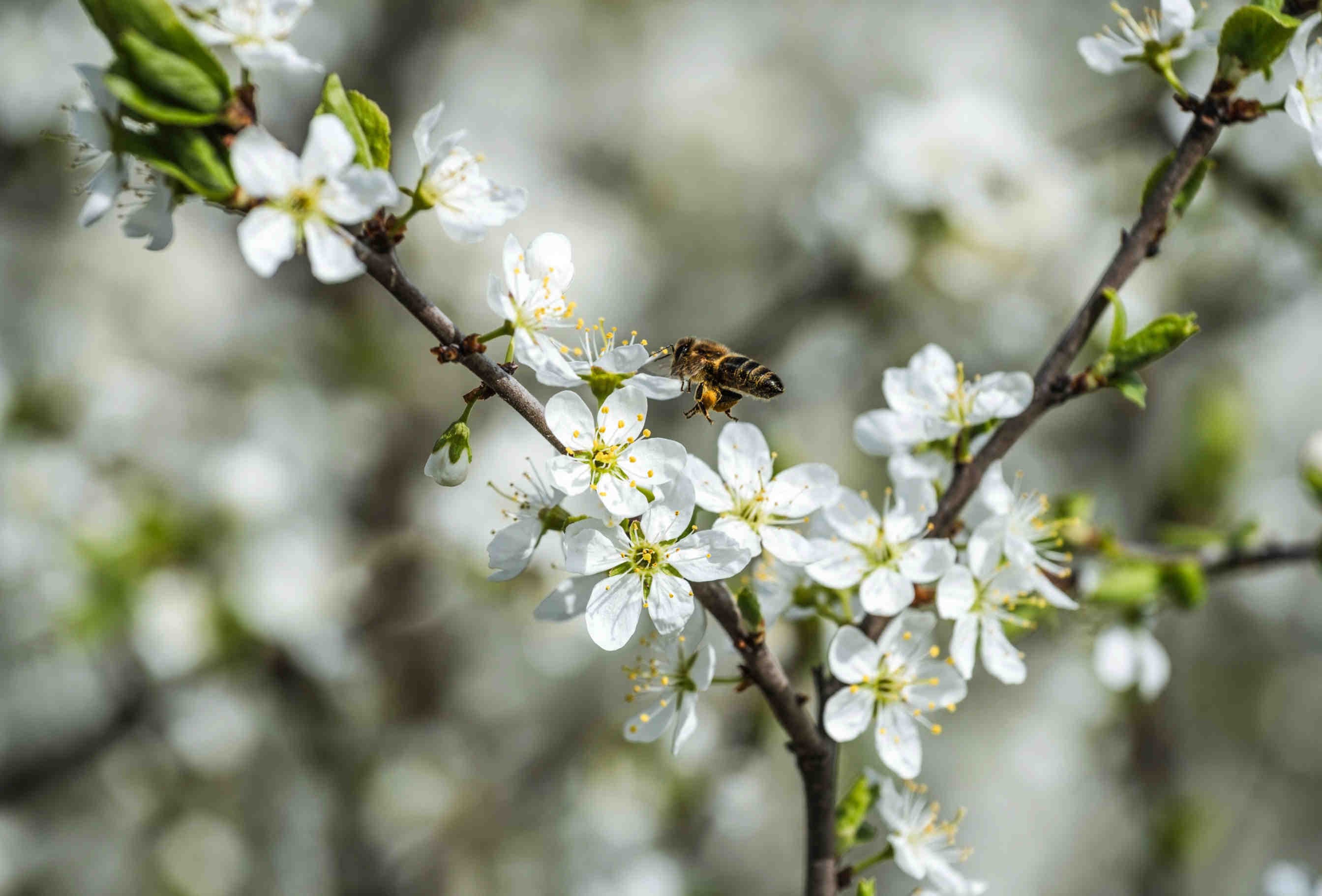
    Prunus avium, known as wild cherry, is one of the most beloved forest species for its ecological and ornamental value. It grows spontaneously in European temperate woods and represents a valuable resource for biodiversity. Its flowers, which bloom between March and April, are an essential source of pollen and nectar for bees and other pollinating insects. The fruits, besides being edible for humans, feed many species of wild birds. Thanks to its root system, the cherry tree contributes to soil stability and erosion reduction. In sustainable reforestation projects, this species is ideal for renaturalizing degraded environments and creating ecological corridors. Its presence in the 3Bee Oases is a sign of attention to the natural balance.

    3bee-blog-prunus-avium-il-ciliegio-selvatico-per-gli-impollinatori
    XNatura

    Prunus spinosa: the blackthorn defender of biodiversity

    The Prunus spinosa, commonly known as blackthorn, is a hardy shrub typical of hedges and forest edges. Its ability to grow in poor environments makes it an ideal plant for restoring natural habitats. Its white flowers, which bloom already at the end of winter, provide nectar when few other sources are available, supporting the survival of pollinators at a critical time. Its black berries, called sloes, are an important food source for wildlife in autumn and winter. The blackthorn creates dense natural barriers, useful for bird nesting and the protection of small animals. Its presence in the Biodiversity Oases favors the creation of complex microhabitats, increasing the positive environmental impact of each project.

    3bee-blog-prunus-spinosa-il-prugnolo-difensore-della-biodiversita

    Prunus amygdalus: the almond tree between agriculture and biodiversity

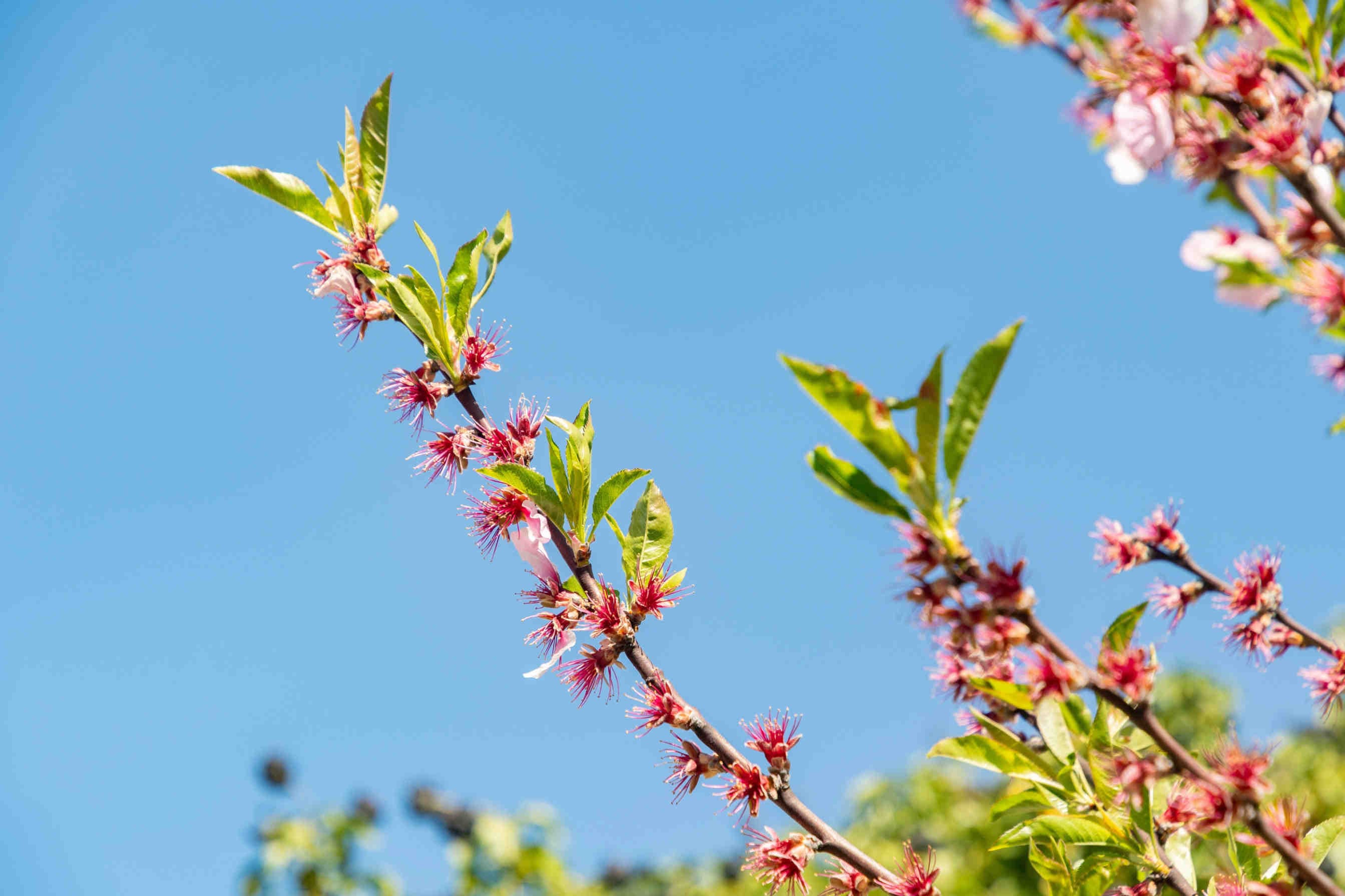
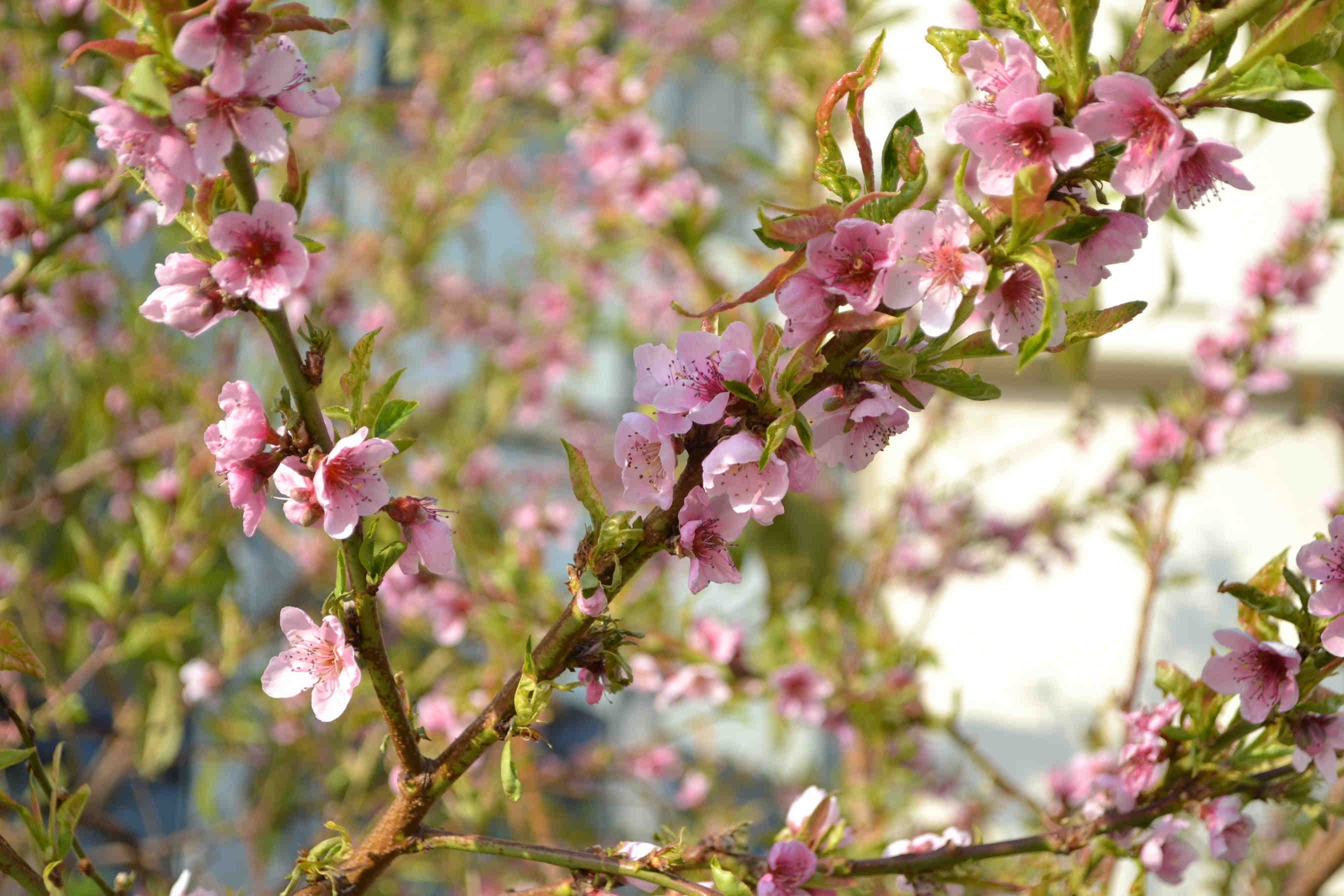
    The Prunus amygdalus, known as the almond tree, is one of the first plants to bloom between the end of winter and the beginning of spring. This early blooming is crucial for pollinators that emerge from winter shelters. Although the almond tree is known for its agricultural importance, its cultivation in agroforestry contexts also contributes to the conservation of biodiversity. The pink and fragrant flowers attract honey bees, solitary bees, and other pollinating insects. In arid environments, the almond tree adapts well, becoming a valuable resource in regenerative agriculture projects and environmental sustainability. In the 3Bee Oases, the almond tree is planted in synergy with other native species, supporting climate resilience and ecological diversity.

    3bee-blog-prunus-amygdalus-il-mandorlo-tra-agricoltura-e-biodiversita
    XNatura

    3Bee Biodiversity Oases

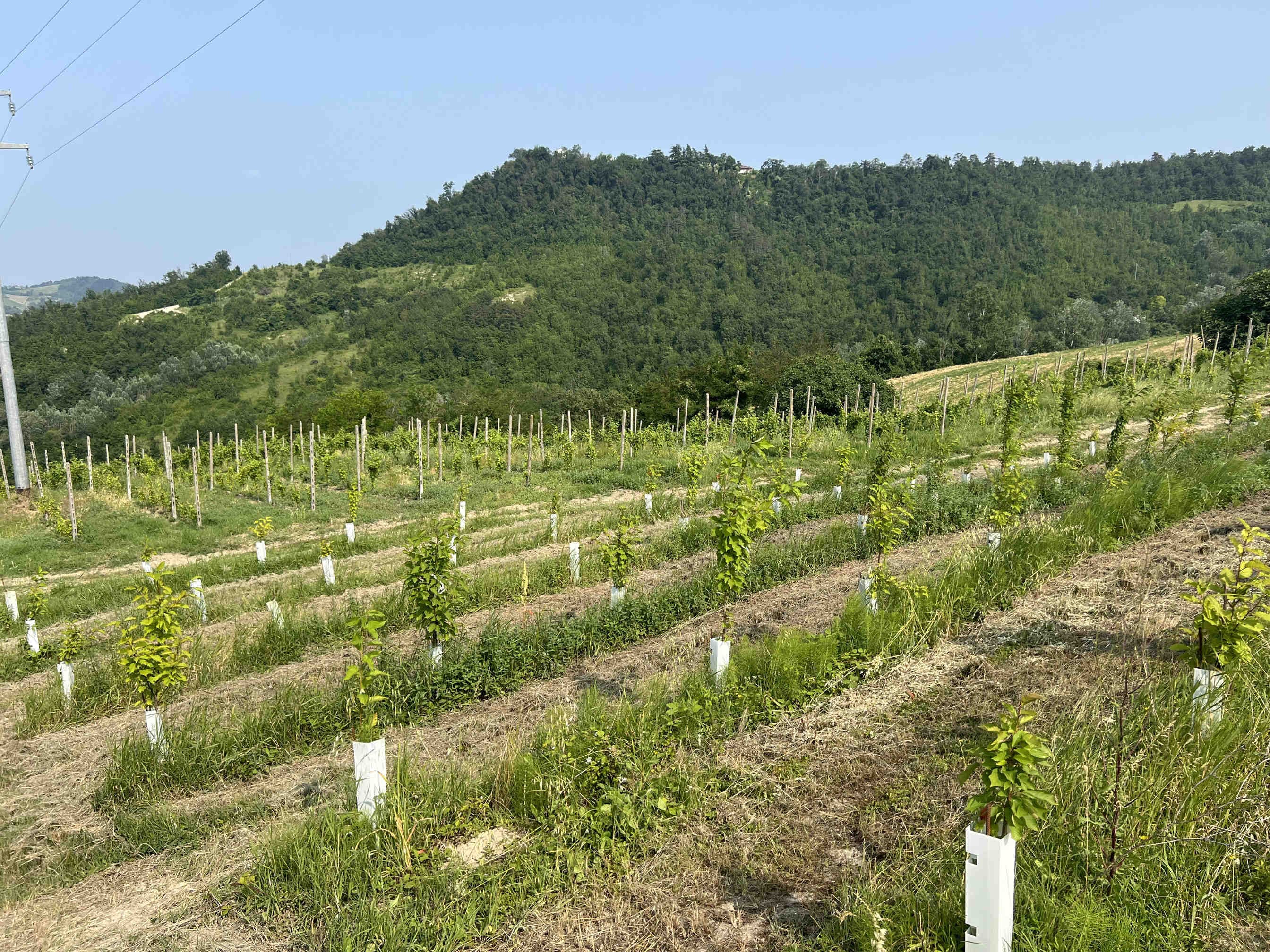
    The 3Bee Biodiversity Oases are regenerative spaces designed to enhance native plants and create favorable environments for pollinating fauna. Among others, the three species of Prunus – avium, spinosa, and amygdalus – are carefully selected and integrated to support local biodiversity. Each Oasis is designed to maximize positive environmental impact, with targeted monitoring and conservation actions. The floral variety promotes continuous ecological cycles and offers resources in all seasons. In this way, 3Bee combines technology and nature for a more sustainable future, promoting regeneration and ecosystem balance through the planting of species carefully selected based on soil characteristics.

    3bee-blog-le-oasi-della-biodiversita
    3Bee
    27/08/2025Of 3Bee, 3Bee
    218 Views
    Newsletter
    newsletter
    Subscribe to the Blog about bees and biodiversity