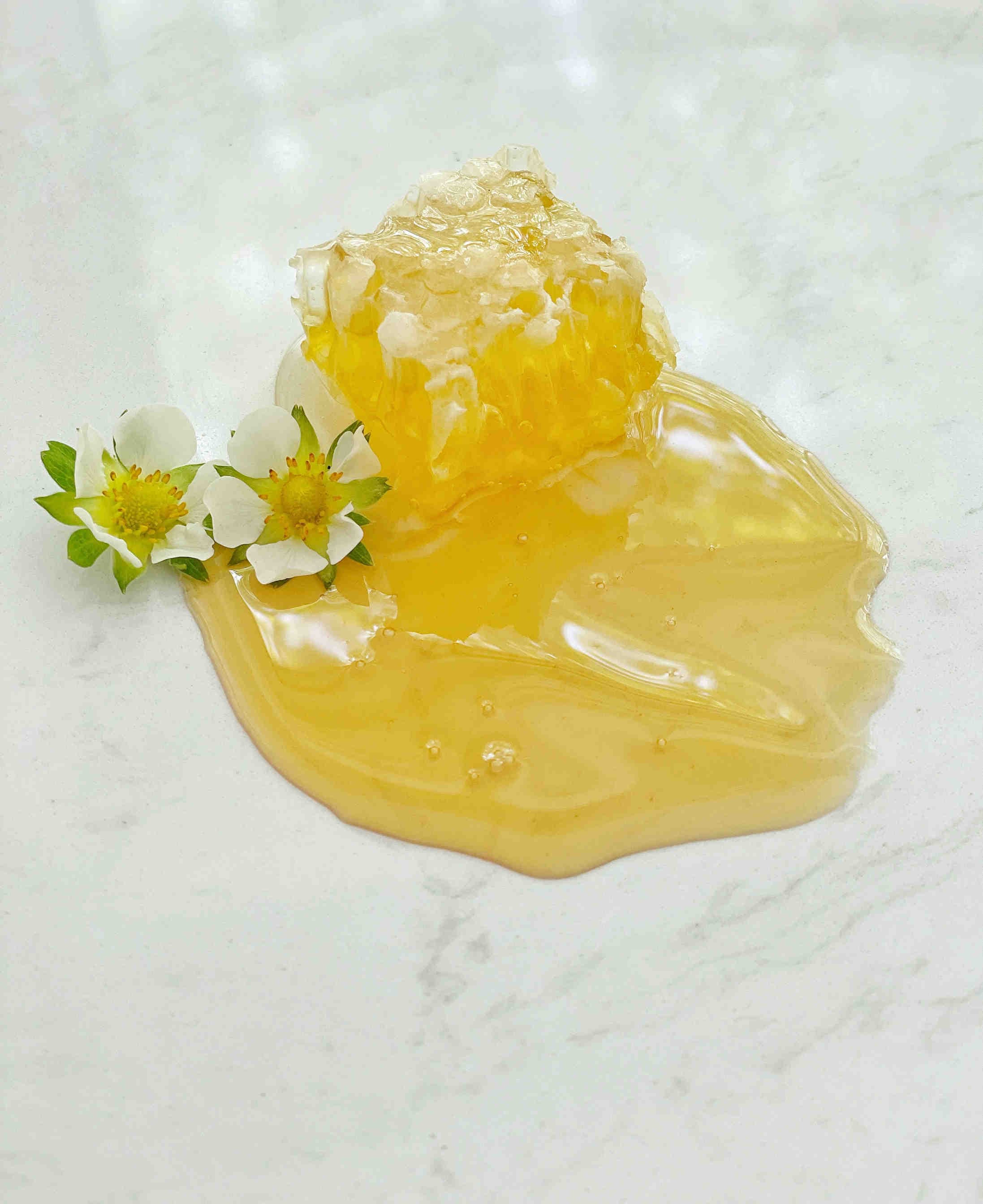
Hive Products: Propolis
    Cos'èUsesCollectionCollection

    Hive Products: Propolis

    The products of the beehive are all valuable and much sought after for their uses and various beneficial properties. One of the most famous is certainly propolis, often used to soothe sore throats and coughs.

    Read the article
    03/06/2022Of 3Bee, Elena Fraccaro
    1309 Views
    03/06/2022Of 3Bee, Elena Fraccaro
    1309 Views

    What is propolis

    propolis is a substance processed by bees from resinous material collected on the buds and bark of plants such as poplars, birches, alders, spruces, pines, willows, elms, oaks, etc. Bees mix the resin with pollen and enzymes and then introduce it into the hive, where they are assisted by other bees for storage. The colour of propolis can take on different shades, ranging from yellow to red to brown and even black. These different colours can all be traced back to the different plants of origin, on which the smell may also depend, which is always rather aromatic. Generally, bees collect the resin on warmer days, when it can be easily processed and transported.

    What is propolis

    Uses in the hive?

    Of course bees do not only produce propolis for our well-being, but this substance has a very important use within the hive. To understand its functions, we can be helped by the etymology of the name itself. The term propolis is often used both in the masculine and feminine form. In the first case, it derives from the Greek πρόπολις, which literally means 'in front of the city', or 'in defence of the city'. In the second case, it derives from the Latin 'pro polis', meaning 'to clean'. In both meanings, the main functions of propolis within the hive emerge. It is used, in fact, to restrict the entrance to the hive and as a means of protecting it from external agents, diseases, but also from possible predators that, once killed inside the hive, being too bulky or heavy to be taken out of it, are completely coated with propolis.

    Uses in the hive?
    XNatura

    Collection methods

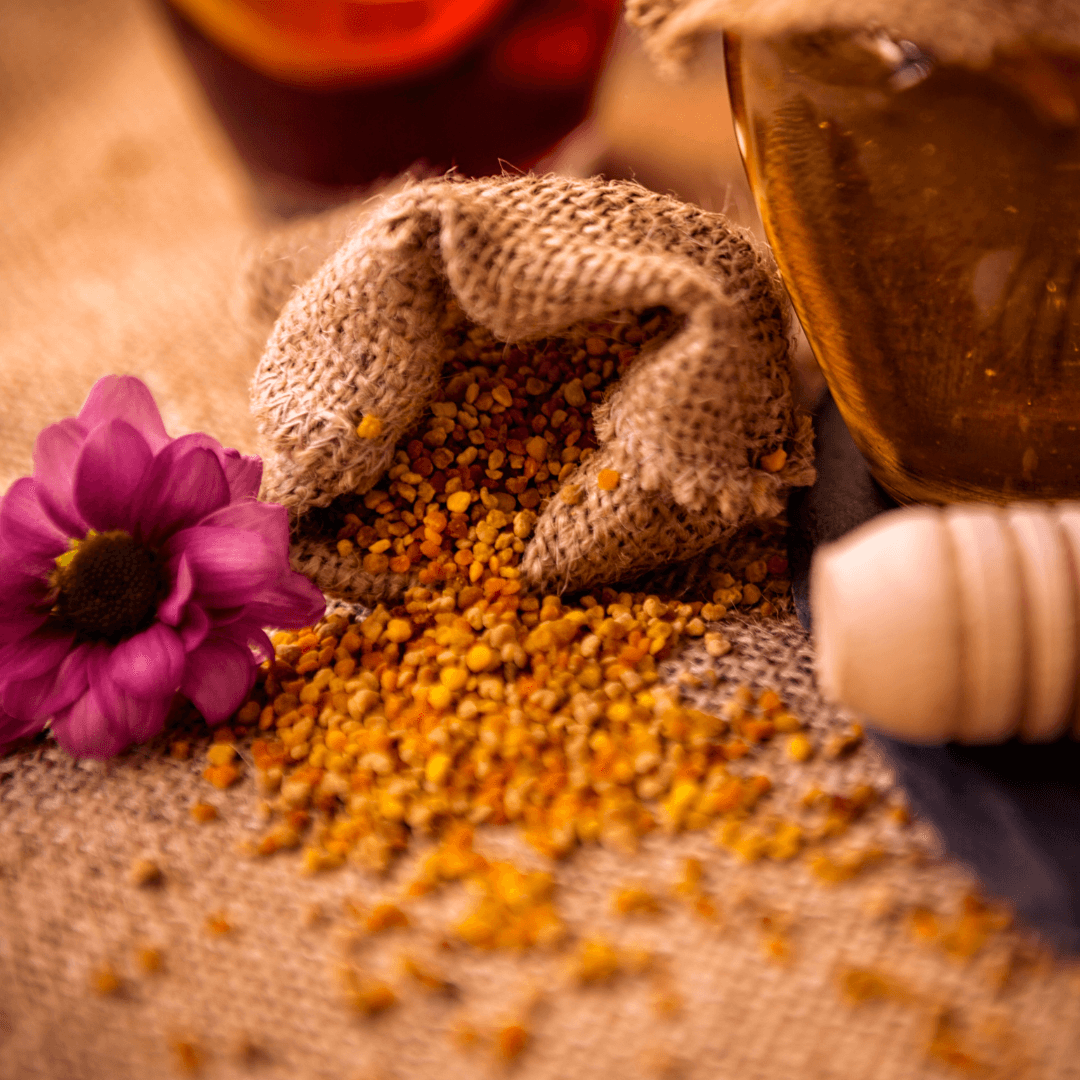
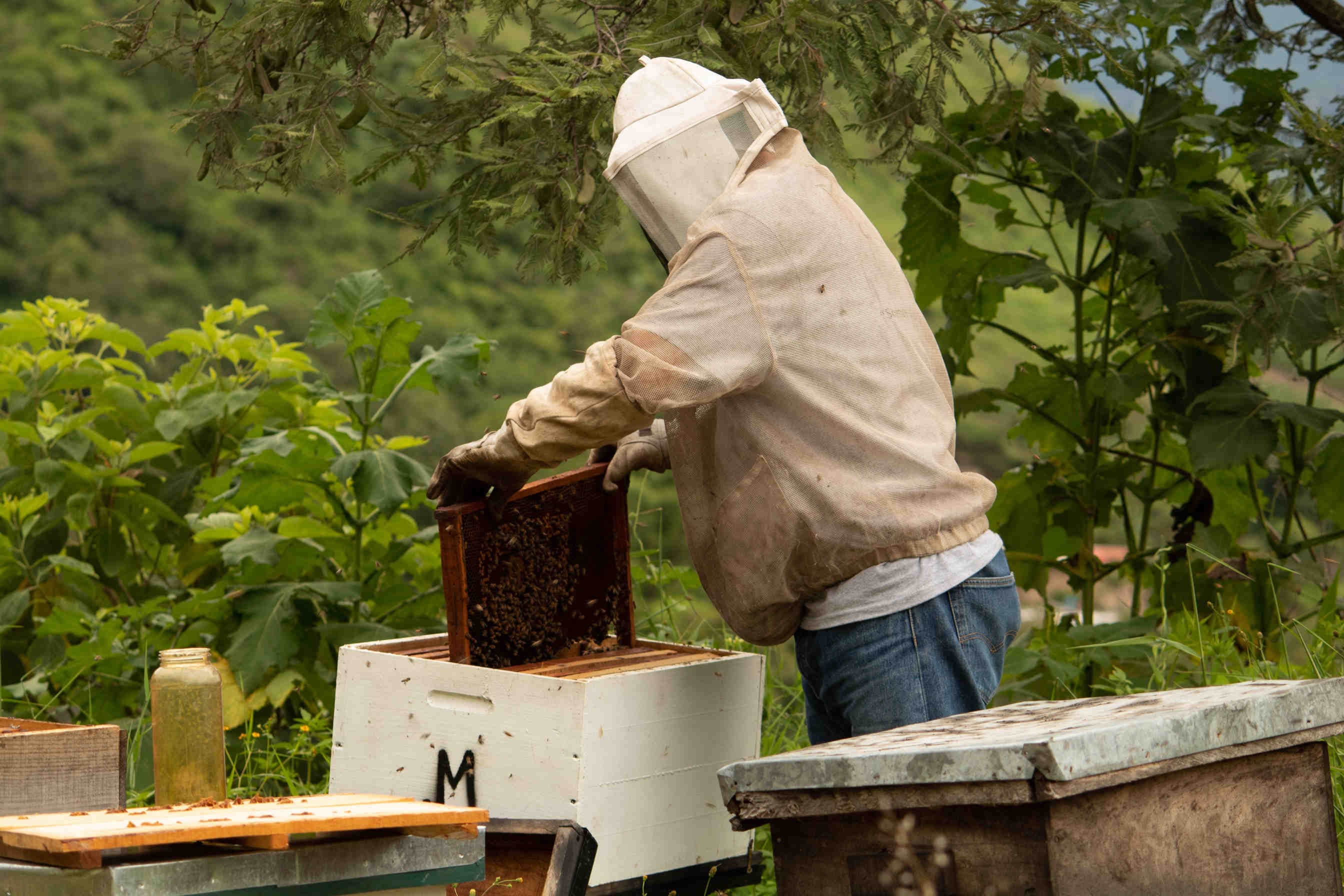
    Today, propolis is the subject of studies because of its beneficial properties and is widely used for a variety of reasons. The apiculturist, therefore, can not only devote himself to the production of honey and the collection of pollen, but also to this portentous substance. There are mainly two methods by which he operates, scraping and harvesting using specific tools. Scraping, or natural harvesting, involves removing the propolis deposited inside the hive. Very often it is found in places that are difficult to access, and it has to be scraped out of the hive itself. For this reason, this type of propolis is richer in impurities such as wax, wood fragments and residues from bees or other insects. Artificial collection, on the other hand, makes use of a small expedient that exploits the natural propensity of bees to plug every crevice within the hive.

    Collection methods

    How propolis is harvested

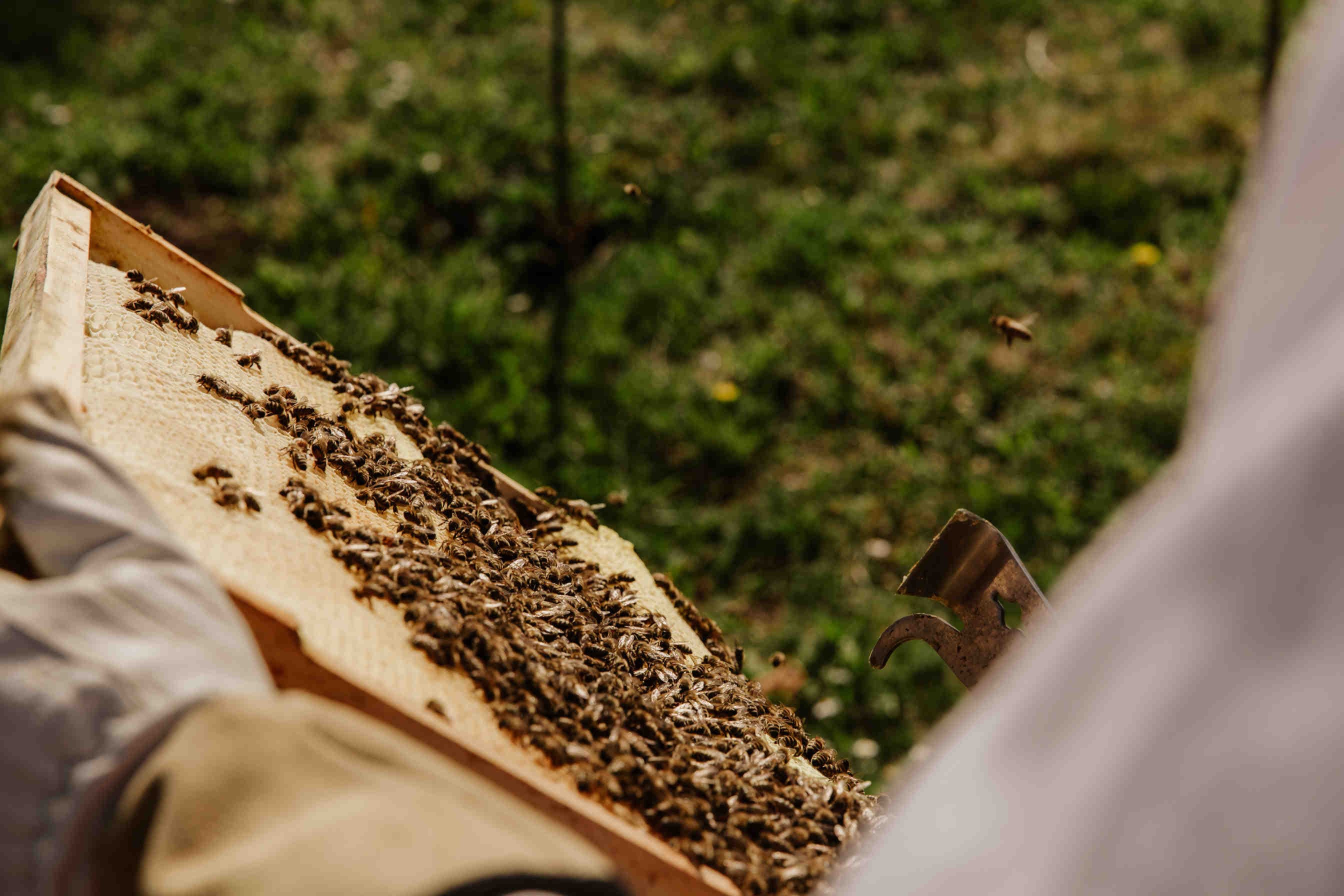
    The beekeeper inserts into the hive either a metal or nylon grid to be placed over the frames, or a specially designed diaphragm to collect propolis. The bees will then be brought to propolis these inserts, obstructing them. At this point, all that is left for the beekeeper to do is to take them out, leave them for a few days in the fridge or freezer, and then proceed to remove the propolis from the collecting frames. This procedure is certainly easier to perform and saves the beekeeper the whole part of cleaning the propolis to remove impurities. However, care must be taken to choose those families that have shown a greater propensity for propolisation and to place the mounts at the right time of year. The propolis must be removed from the propolis.
    How propolis is harvested
    XNatura

    Composition

    What makes propolis so special? It has been shown that its chemical composition, already very complex in itself, varies depending on several factors, including the plants of origin, the type of bees that harvest it, the climate and the time of collection. Basically, however, it consists of polyphenols and aromatic components (flavonoids, phenolacids, phenolic compounds and coumarins), terpenes (essential oils) and various elements, including amino acids, mineral salts (iron, copper, calcium and manganese) and vitamins.

    Composition
    3Bee

    Beneficial and healing properties

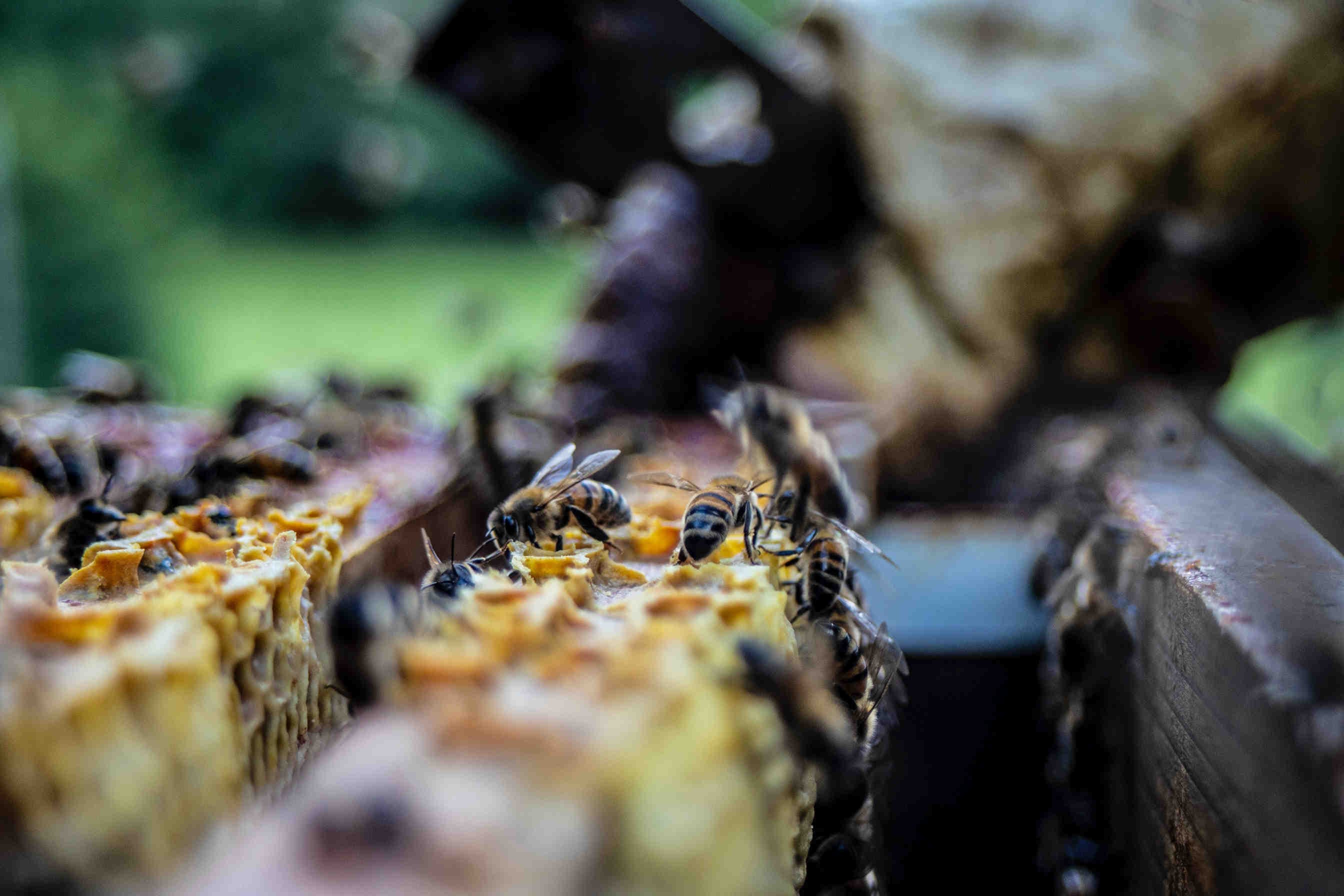
    Such a rich and complex composition corresponds to many beneficial and curative properties. Propolis has a strong antibiotic, antiviral and antifungal action and is very useful against certain forms of Herpes and Candida. It is also a very effective antibacterial: it inhibits the proliferation of germs and also contributes to their elimination by stimulating the immune system's reaction. Propolis is often used in cases of colds, sore throats, pharyngitis, tracheitis, tonsillitis and diseases of the oral cavity (mouth ulcers, abscesses and blisters). As evidenced by its uses since time immemorial, propolis has always been valued for its healing and disinfectant powers and therefore used to treat wounds, sores, burns and skin irritations. Finally, propolis has anaesthetising effects, stimulates bone and cartilage regeneration and has a vasoprotective function.
    Beneficial and healing properties

    Mode of administration

    Generally, when we think of propolis, the dropper bottles come to mind, where we find it in its liquid state in a hydroalcoholic solution. Certainly this is one of the most popular methods of taking it, but there are also others. To enable even the youngest children to benefit from the numerous properties of propolis, alcohol-free solutions are also produced. Generally, a certain amount of drops are taken daily mixed with water or honey to make the taste more pleasant, or sprayed directly into the mouth. It can also be consumed in tablets, as a syrup or in addition to other beneficial substances that amplify its effects. For topical use, ointments and salves are commercially available, but propolis is also an ingredient in products such as mouthwashes, soaps and toothpastes. Some people also use it for inhalation, by means of aerosols or special diffusers that allow the release of the various substances into the air.
    Mode of administration

    Where to buy propolis

    Nowadays, propolis is very well known and can be found almost everywhere: pharmacies, herbal shops, specialised shops, the Internet... Perhaps, however, the best product is still to be found at the beekeeper's, who has the propolis produced by his own bees or processes it himself. Knowing directly where the products we buy come from is often a guarantee of their quality. Choose 3Bee bees here clr>.
    Where to buy propolis
    03/06/2022Of 3Bee, Elena Fraccaro
    1309 Views
    Newsletter
    newsletter
    Subscribe to the Blog about bees and biodiversity