Mucilage: the 'sea snow' invading the Adriatic Sea
    MucilageHow it is formedFasiHistory

    Mucilage: the 'sea snow' invading the Adriatic Sea

    What is mucilage? How does it impact marine biodiversity and ecosystems? How can the environmental impacts of this phenomenon be mitigated? Find out more in this article dedicated to the 'marine snow' that has long been invading the Adriatic Sea.

    Read the article
    23/07/2024Of 3Bee, Lisa Santillo
    999 Views
    23/07/2024Of 3Bee, Lisa Santillo
    999 Views

    What is mucilage?

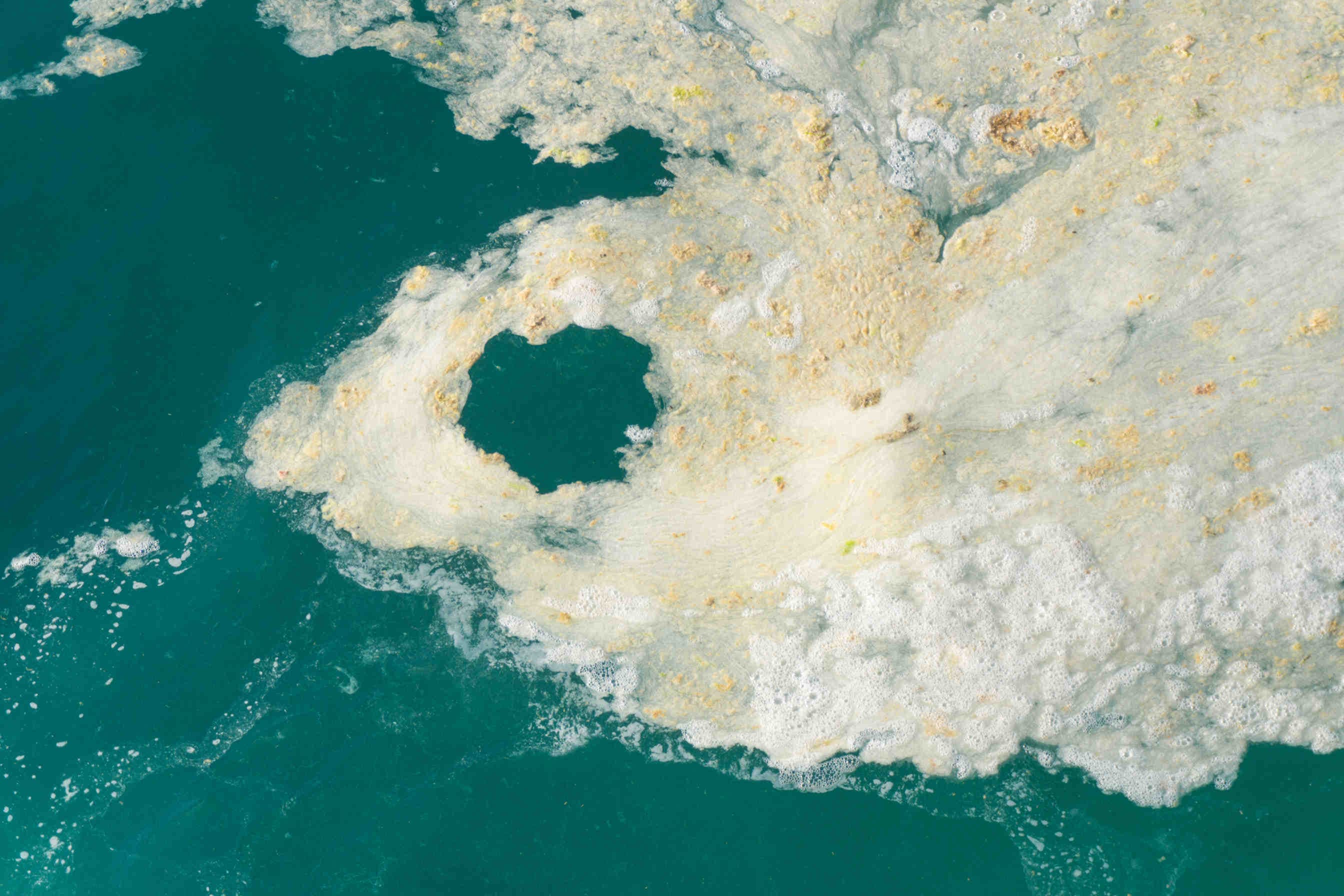
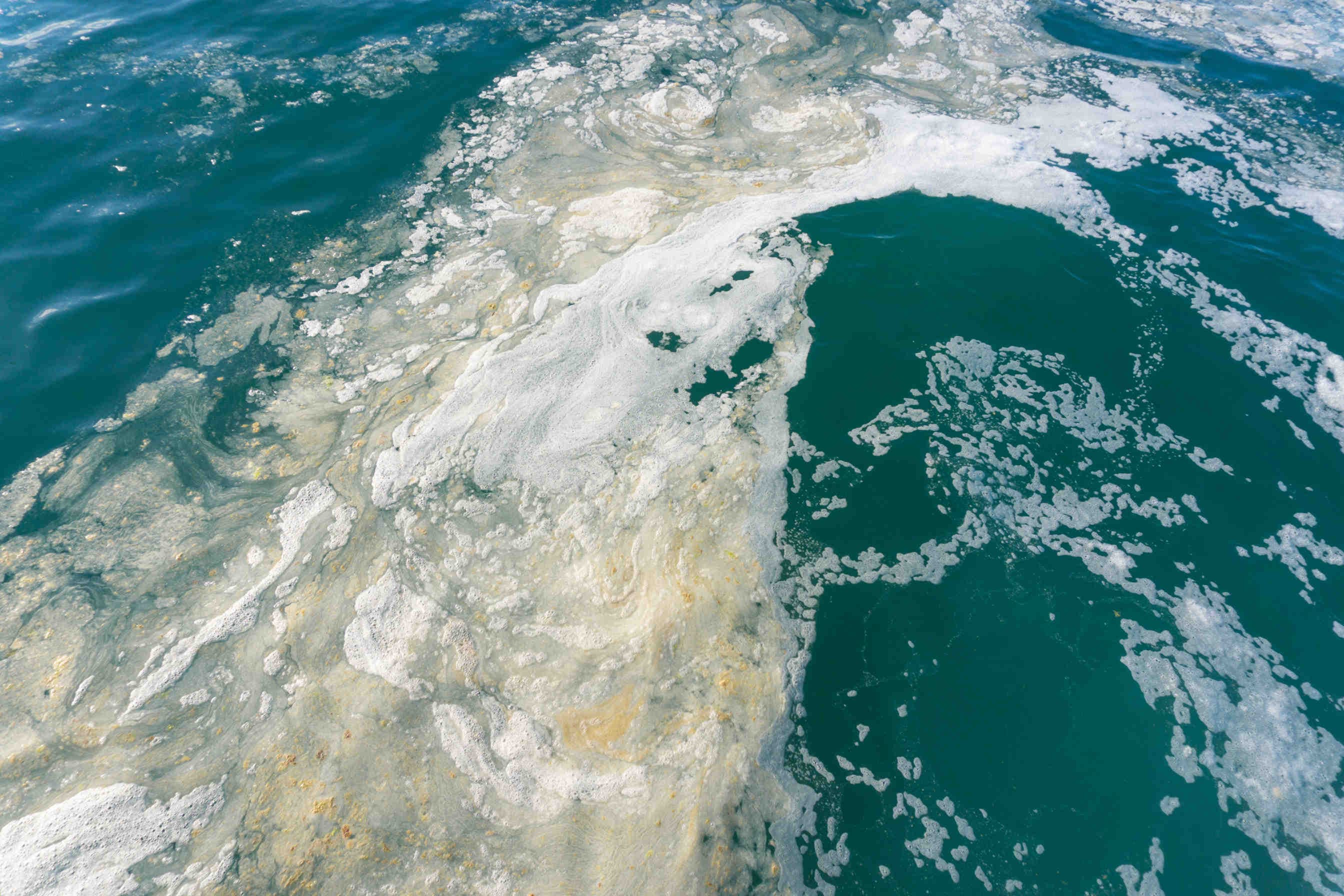
    As defined by ARPA Veneto, mucilagini are aggregates of organic matter consisting of a mixture of water molecules, inorganic salts and sugars, the latter produced by 'exudation' by microalgae (such as diatoms and dinoflagellates) and bacteria. It is a natural phenomenon, often observed in sea and lake waters, that takes the form of a gelatinous substance. Mucilage mainly forms in nutrient-rich waters with high temperatures, conditions often due to pollution and the consequences of climate change. The presence of this substance in water is an indicator of ecological imbalances and can have negative effects on aquatic biodiversity.
    mucillagini

    How and why does mucilage form?

    The main causes of mucilage formation are mainly attributable to anthropogenic factors aggravated by natural phenomena such as high rainfall. The eutrophication of water, caused by excessive inputs of nutrients such as nitrogen and phosphorous (from agricultural fertilisers, industrial effluents and urban waste water), is one of the main culprits. These nutrients strongly stimulate the growth of algae which, as they die, release mucilage. Rising water temperatures, attributable to global warming, also play a crucial role, accelerating the algae's metabolic processes. The phenomenon of mucilage is not a recent one: the formation of gelatinous aggregates in the Adriatic Sea has been reported and described since the 19th century.

    mare mucillagini
    XNatura

    Stages of mucilage formation

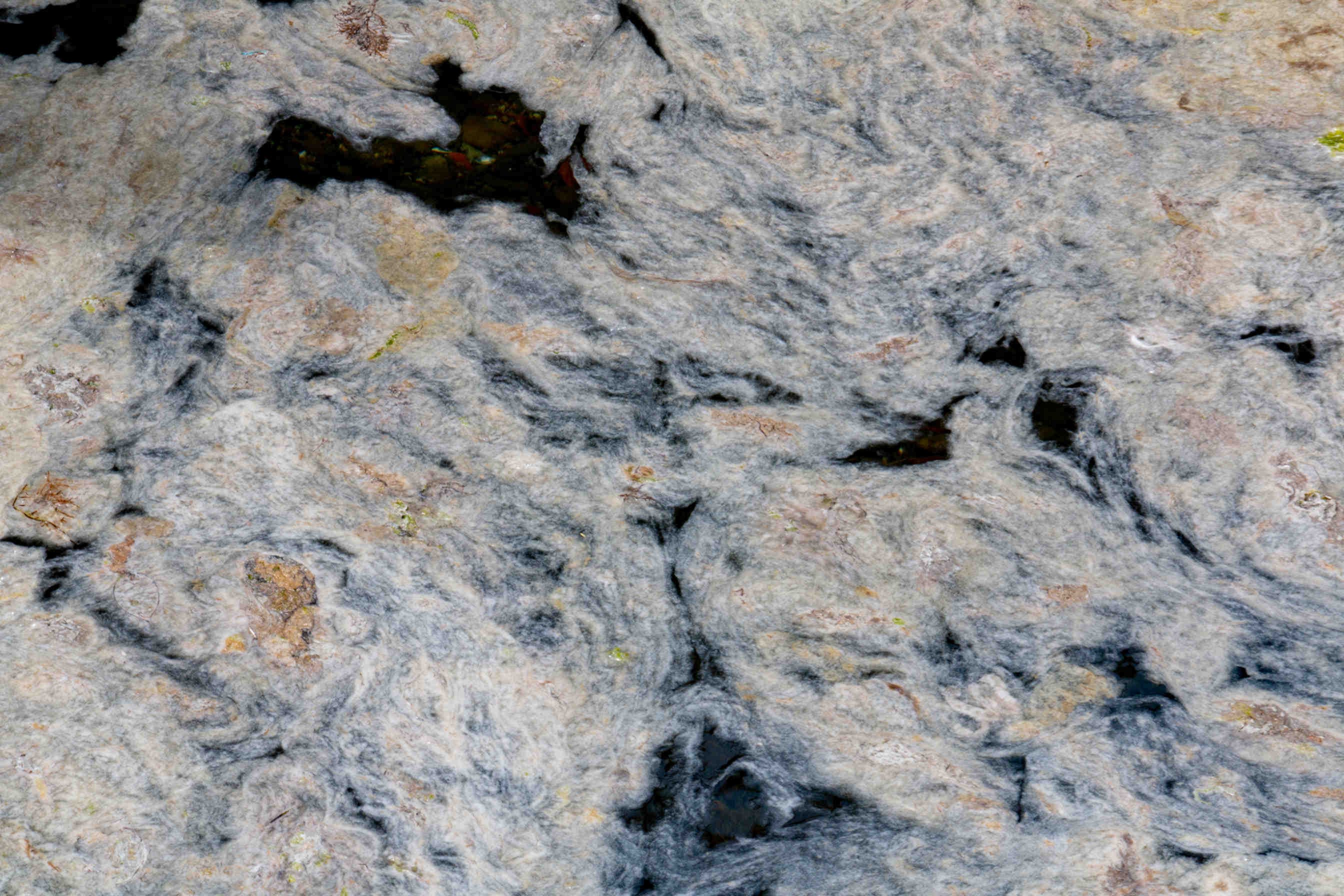
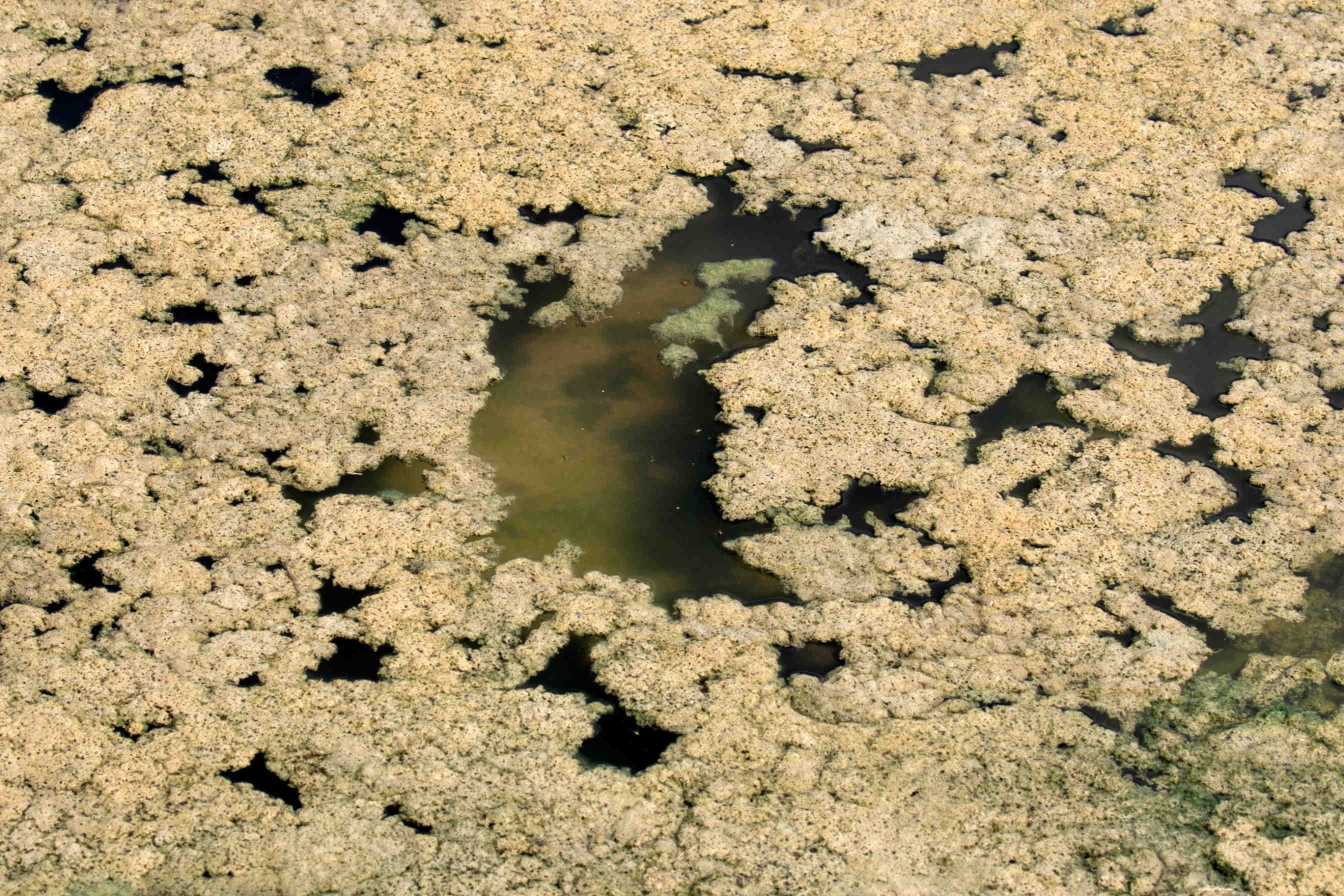
    As reported by ARPA Veneto, we can identify several phases in the mucilage formation process. Initially, small diaphanous strata called - in technical jargon - 'marine snow' are formed along the water column. Subsequent aggregations can lead to more voluminous clusters, filaments, ribbons, 'webs' and macroaggregates. These resemble '<clouds' in their appearance. Gases originating from the microorganisms within them cause the material to rise to the surface, forming floating patches visible to our eyes. Subsequently, the degradation of these aggregates pushes them back down to the bottom of the water column, incorporating, during their slow fall, microorganisms present in the water.
    mucillagini mare

    Mucilage formation in the Adriatic: history

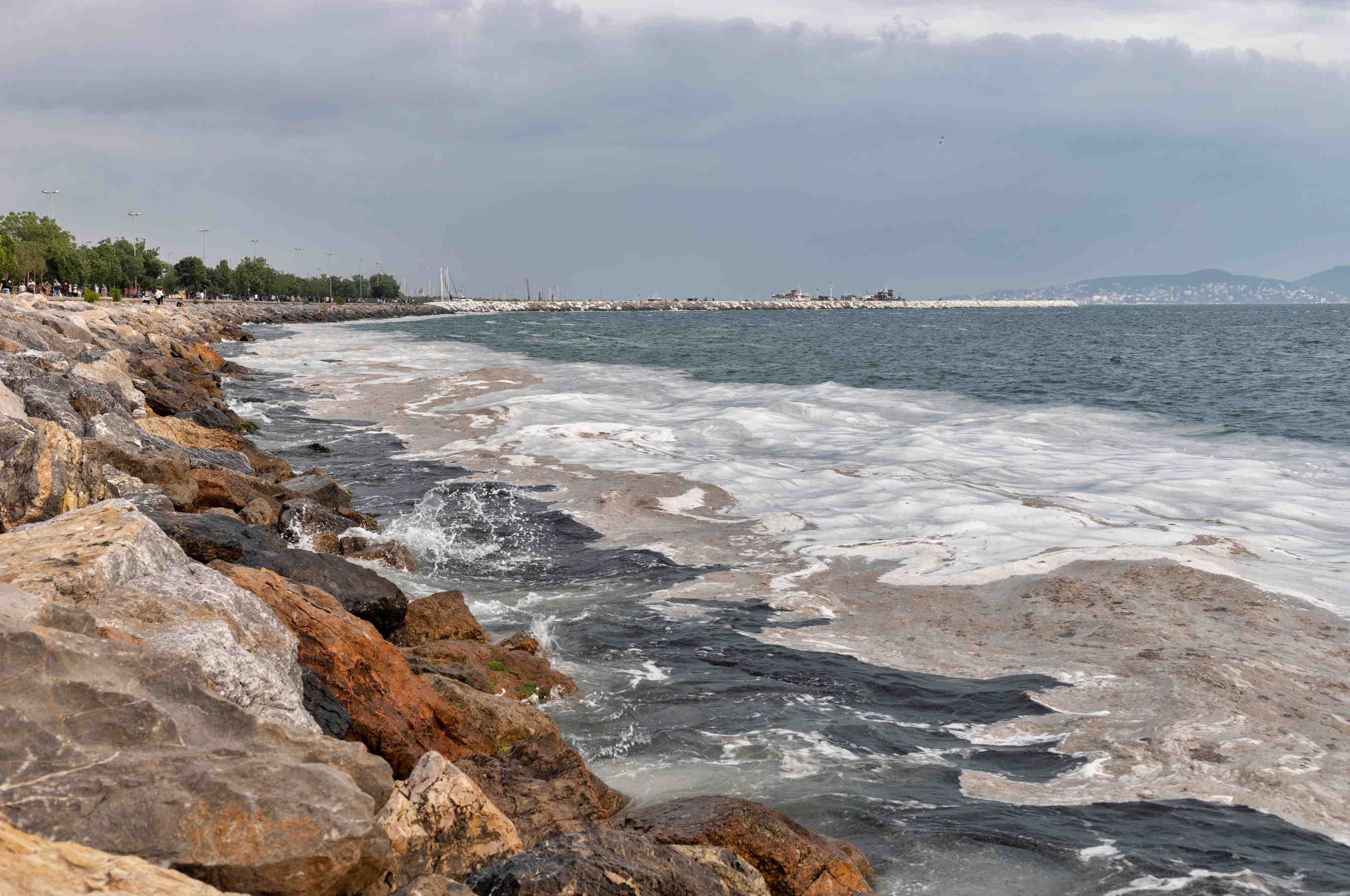
    The phenomenon of mucilage in the Adriatic Sea is therefore not a recent one and was initially known as sea mucilage. However, it was not until the early 1990s, following particularly intense episodes of mucilage, that scientific studies of this phenomenon began. Research focused on its composition, causes and ecological effects, especially after record years in the 1980s and early 2000s, confirming the Adriatic as the Mediterranean region most affected by this phenomenon. After a few years of absence, mucilage has recently returned to these areas, particularly in the province of Ancona, along the Passetto beach.

    mucillagini dettaglio
    XNatura

    What environmental damage does mucilage cause?

    The accumulation of mucilage leads to significant negative impacts on aquatic ecosystems. The viscous covering on the water surface prevents the normal penetration of sunlight and proper aeration, causing a reduction of oxygen levels in the water (anoxia). This is detrimental to aquatic flora and fauna, causing fish and invertebrates to die and altering the ecological balance. Mucilage therefore directly affects biodiversity and can have knock-on effects on fishing, tourism and maritime transport, with serious economic repercussions for local communities.

    3Bee
    23/07/2024Of 3Bee, Lisa Santillo
    999 Views
    Newsletter
    newsletter
    Subscribe to the Blog about bees and biodiversity

    Frequently Asked Questions

    Do you have any doubts or other curiosities about this article? Here you will find some insights