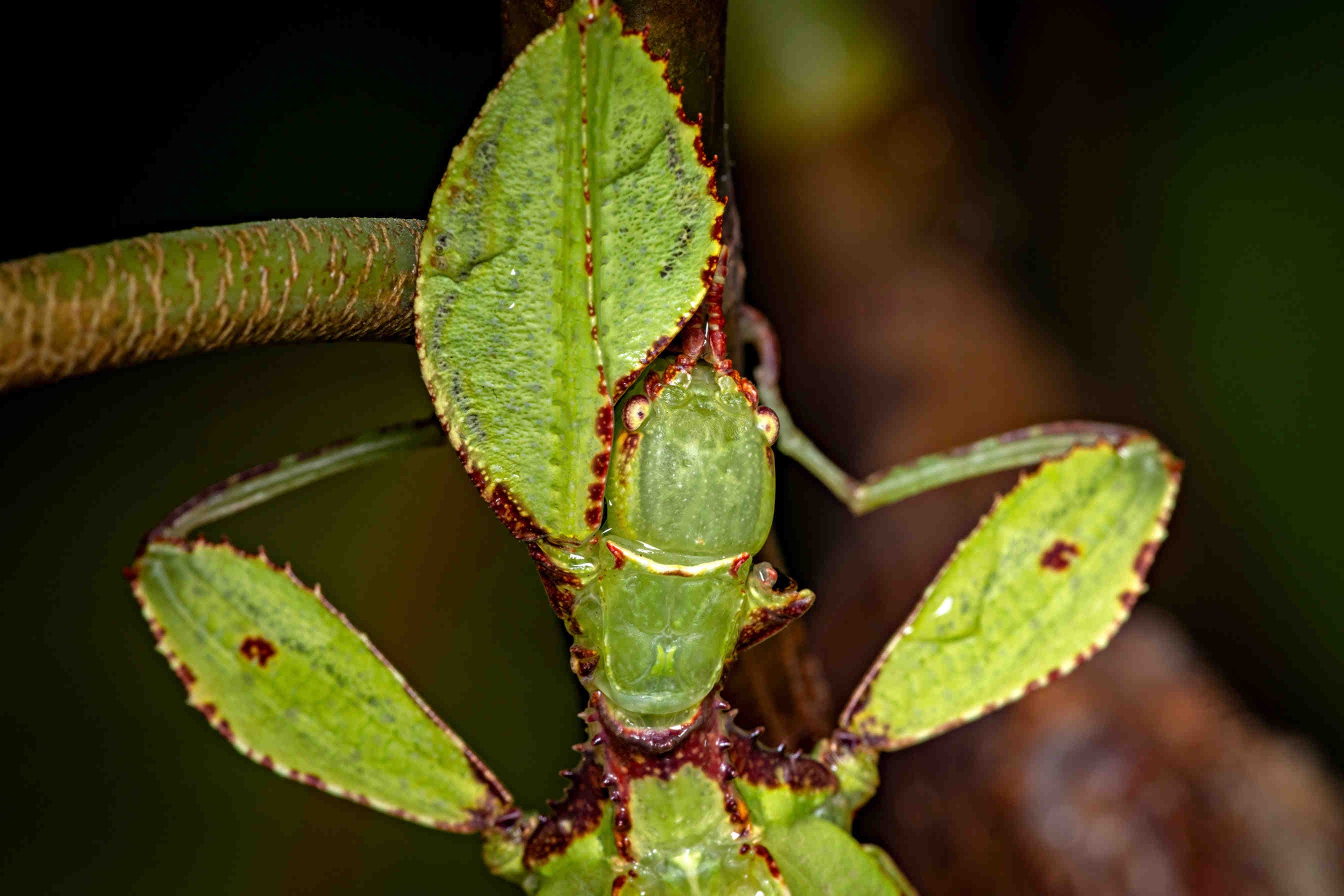
Leaf insects, masters of mimicry
    Leaf insectsHabitatMimicryBest-known species

    Leaf insects, masters of mimicry

    Leaf insects perfectly mimic leaves to escape predators and are among the most fascinating examples of mimicry in the animal kingdom. Discover what they are and where they live, their breeding and curiosities about these extraordinary insects.

    Read the article
    19/01/2025Of 3Bee, Niccolò Patelli
    3359 Views
    19/01/2025Of 3Bee, Niccolò Patelli
    3359 Views

    What are leaf insects

    Disclaimer: this is an automated translation from Italian. Go to the original article.
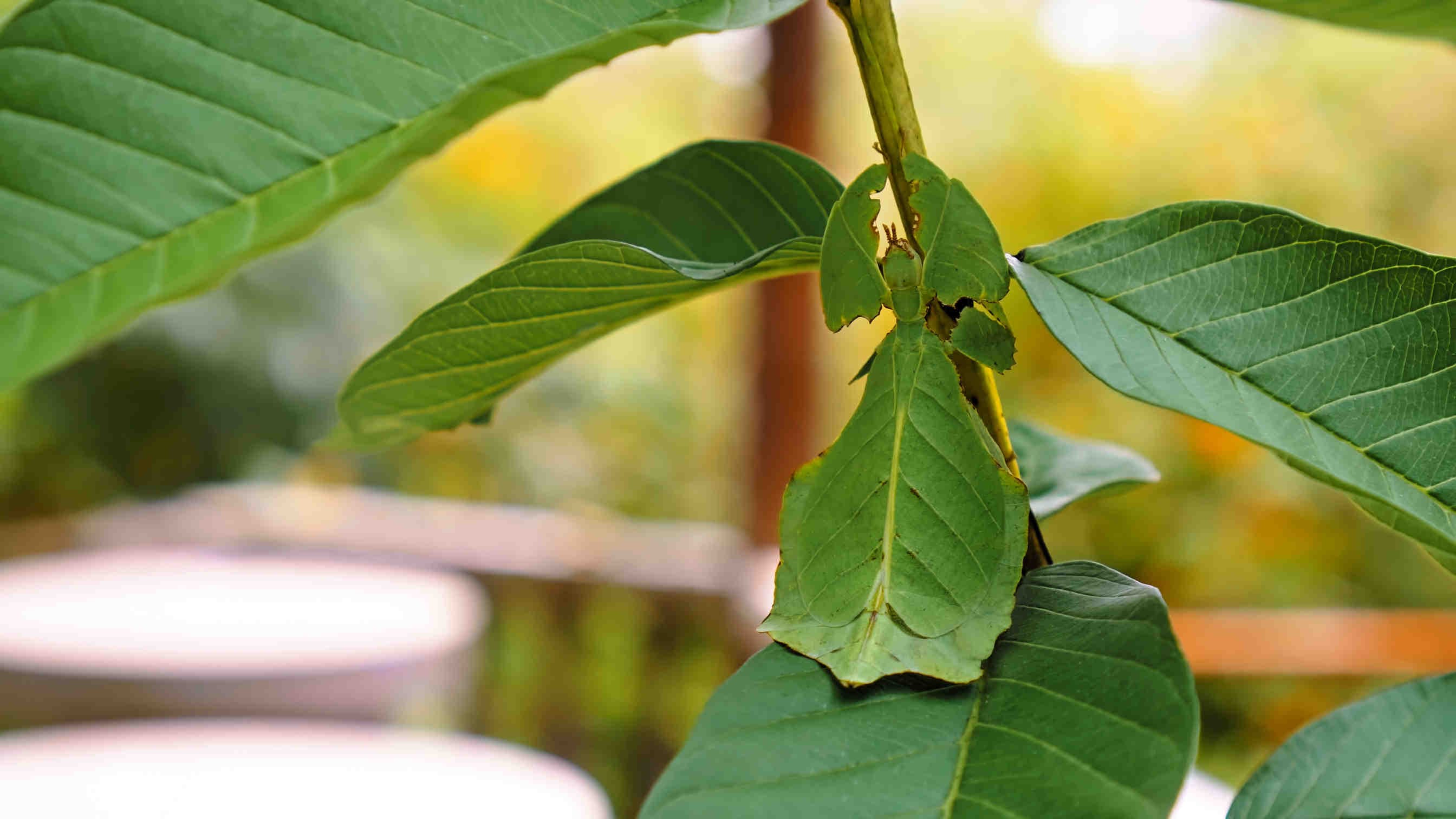
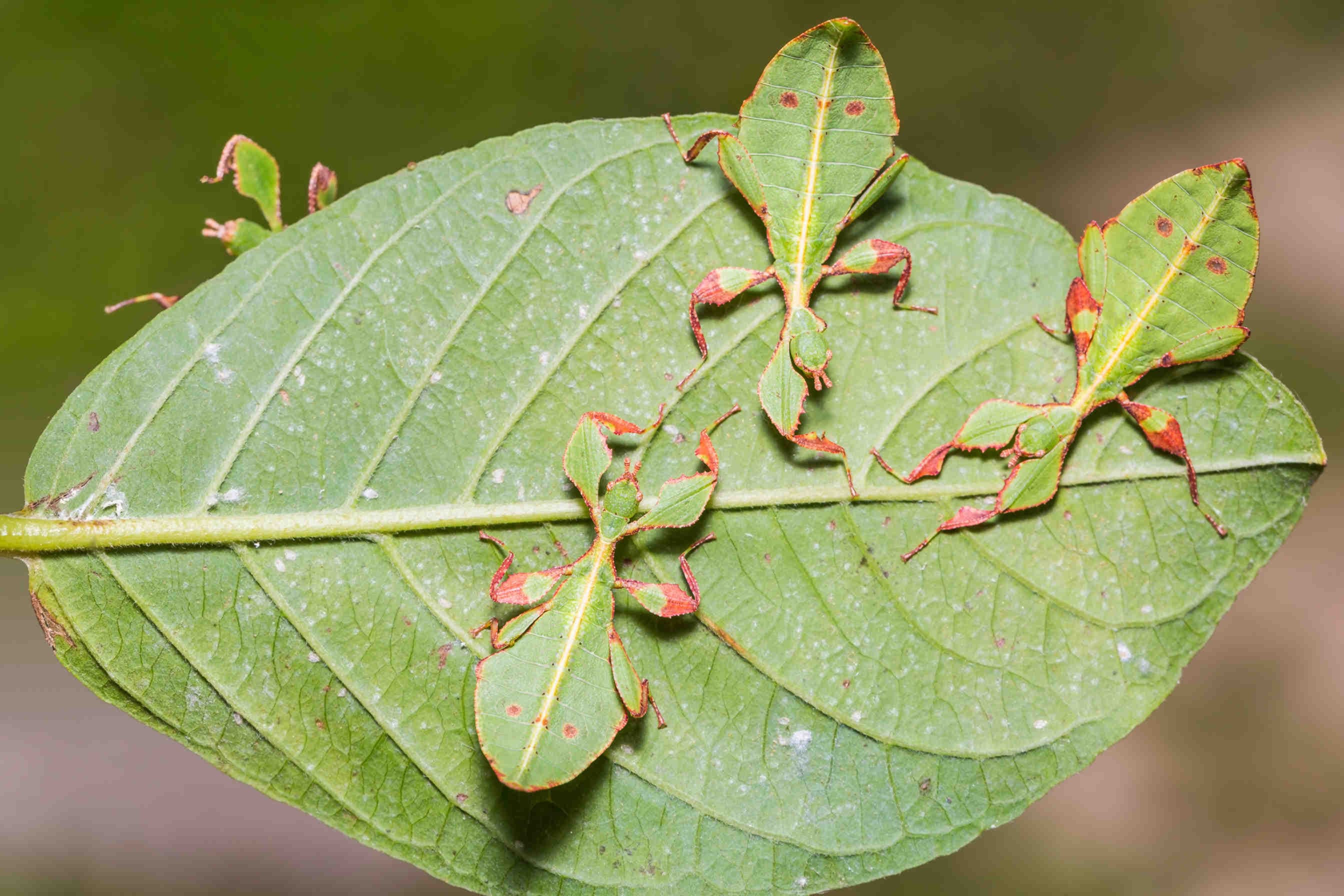
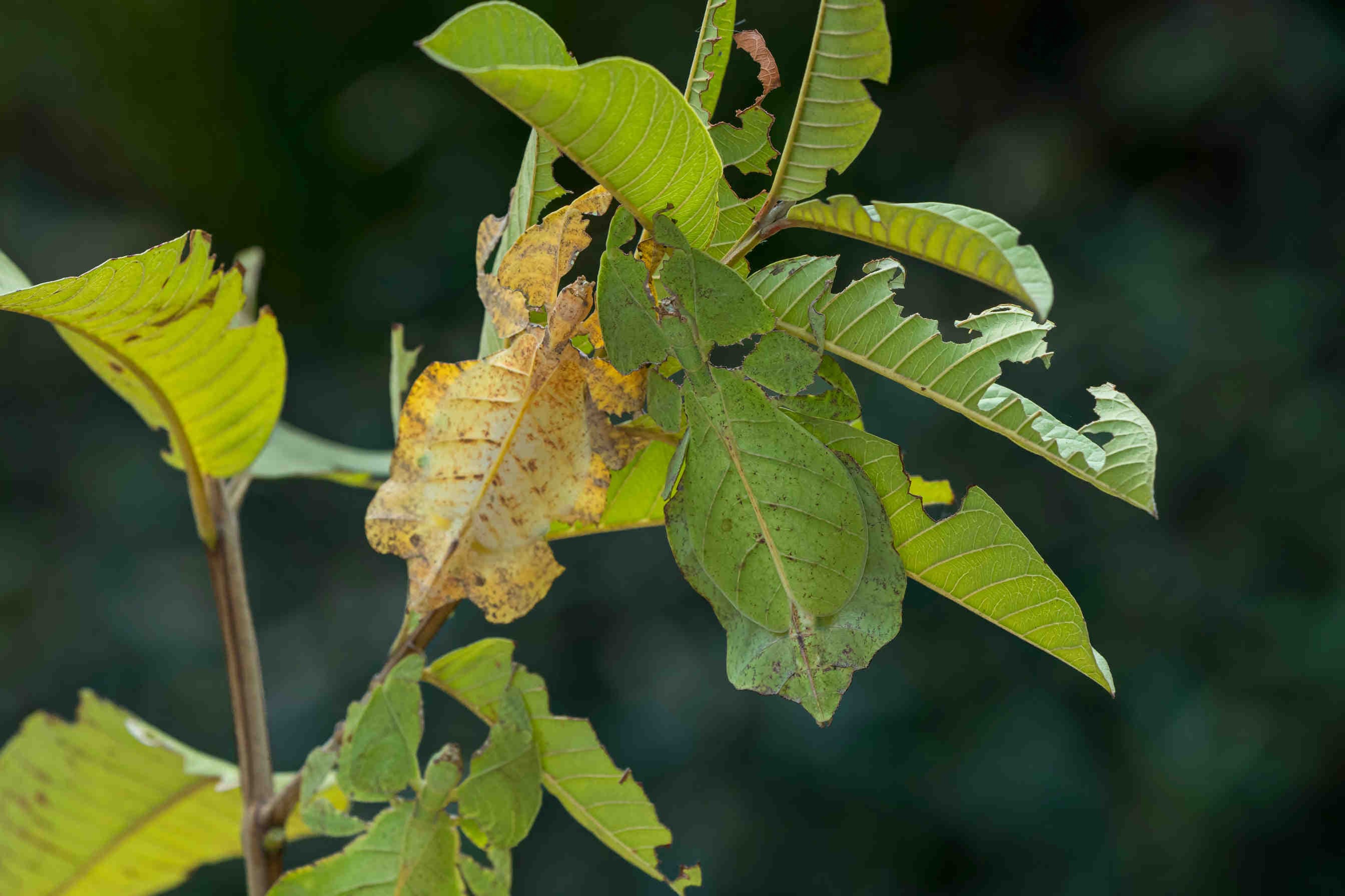
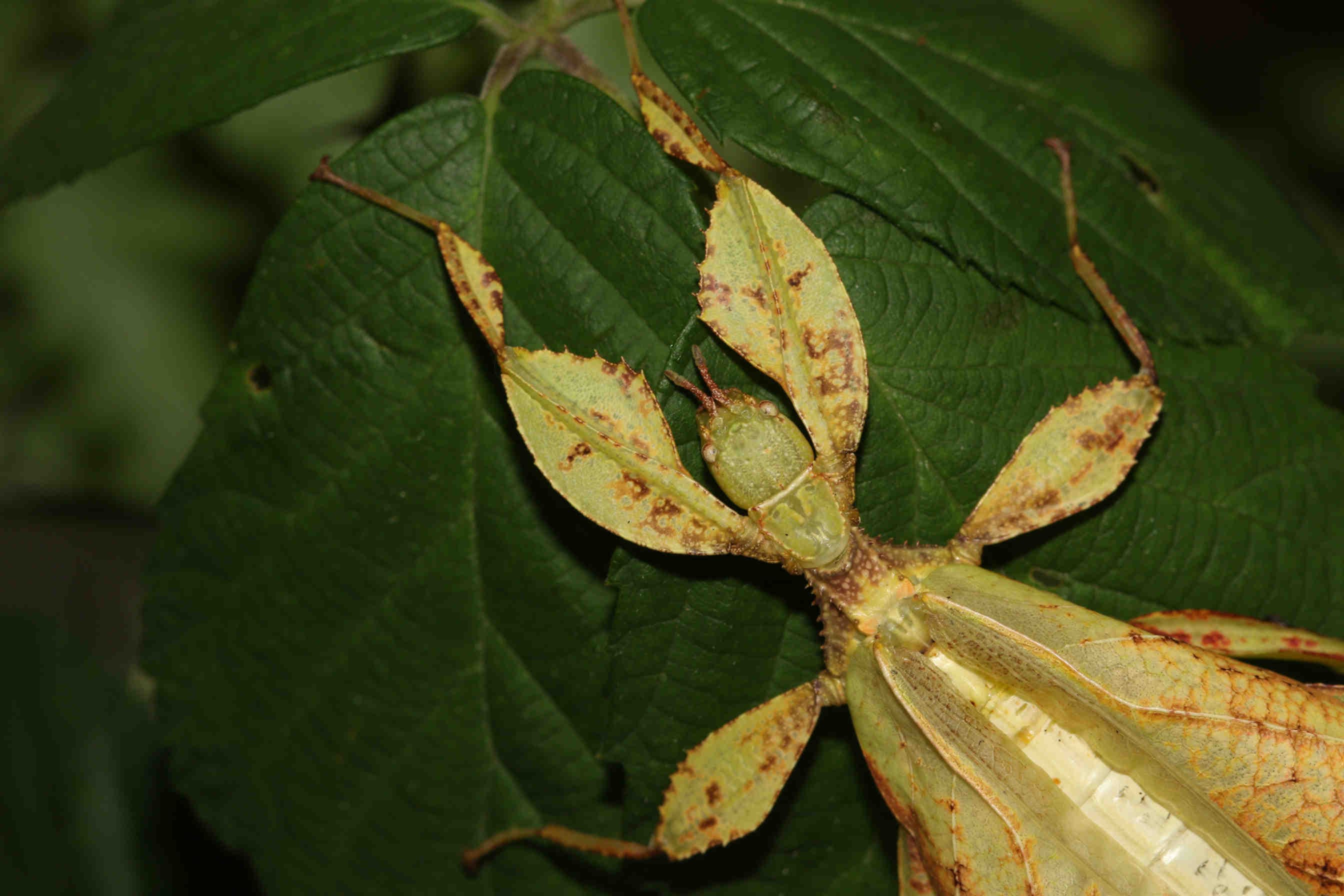
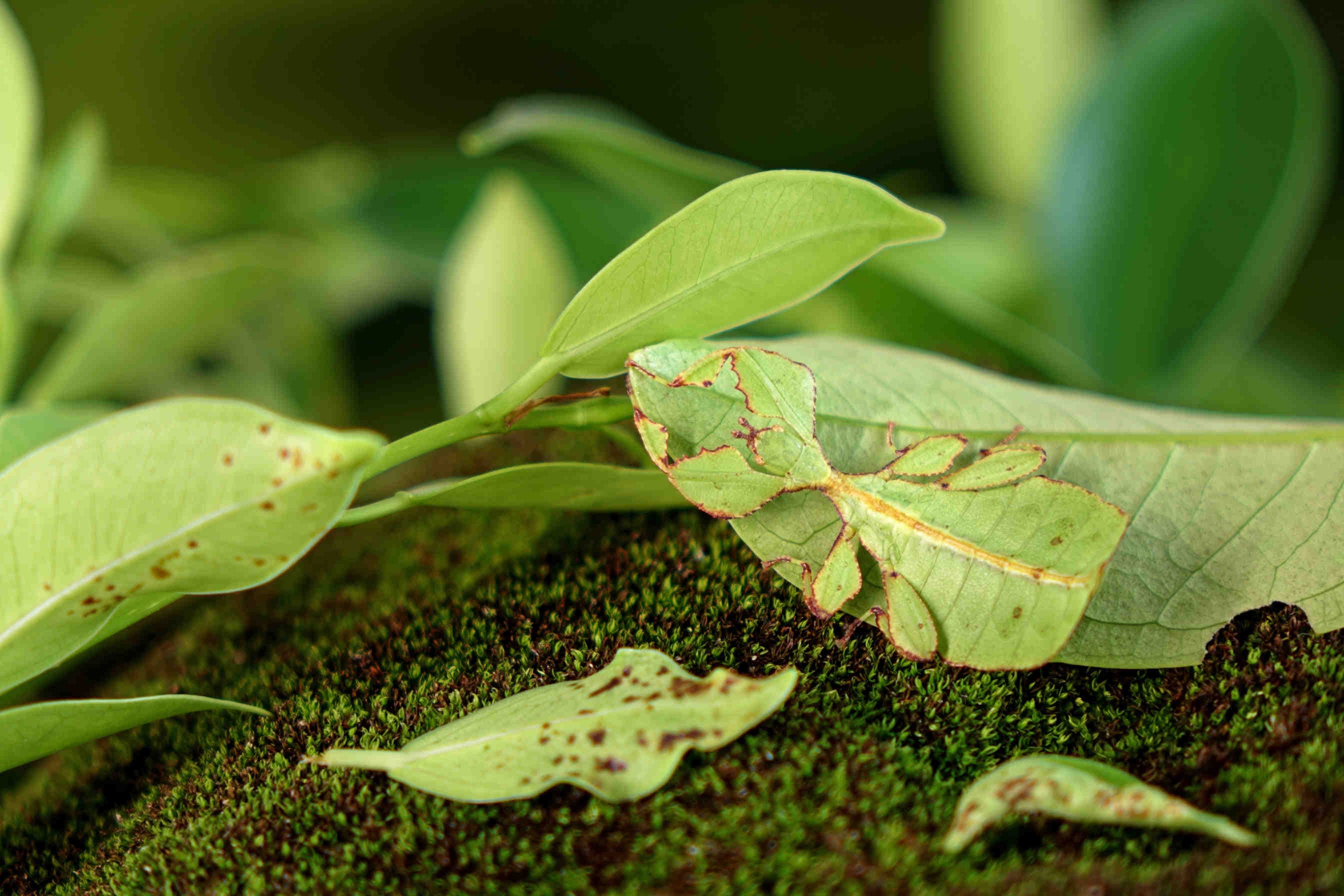
    Leaf insects belong to the order Phasmatodea, the same order to which stick insects belong, and to the family Phylliidae. These insects have developed a unique morphology, with a flattened body and limbs that perfectly mimic the shape and colors of a leaf. The Phylliidae are known for their mimicry: they resemble in every respect the leaves of the tropical trees on which they live, and this allows them to blend in with their surroundings so well as to become almost invisible. These insects represent an exceptional example of evolutionary adaptation, so effective that it has remained virtually unchanged for millions of years to the present day.

    Phyllium

    Habitat and habits of leaf insects

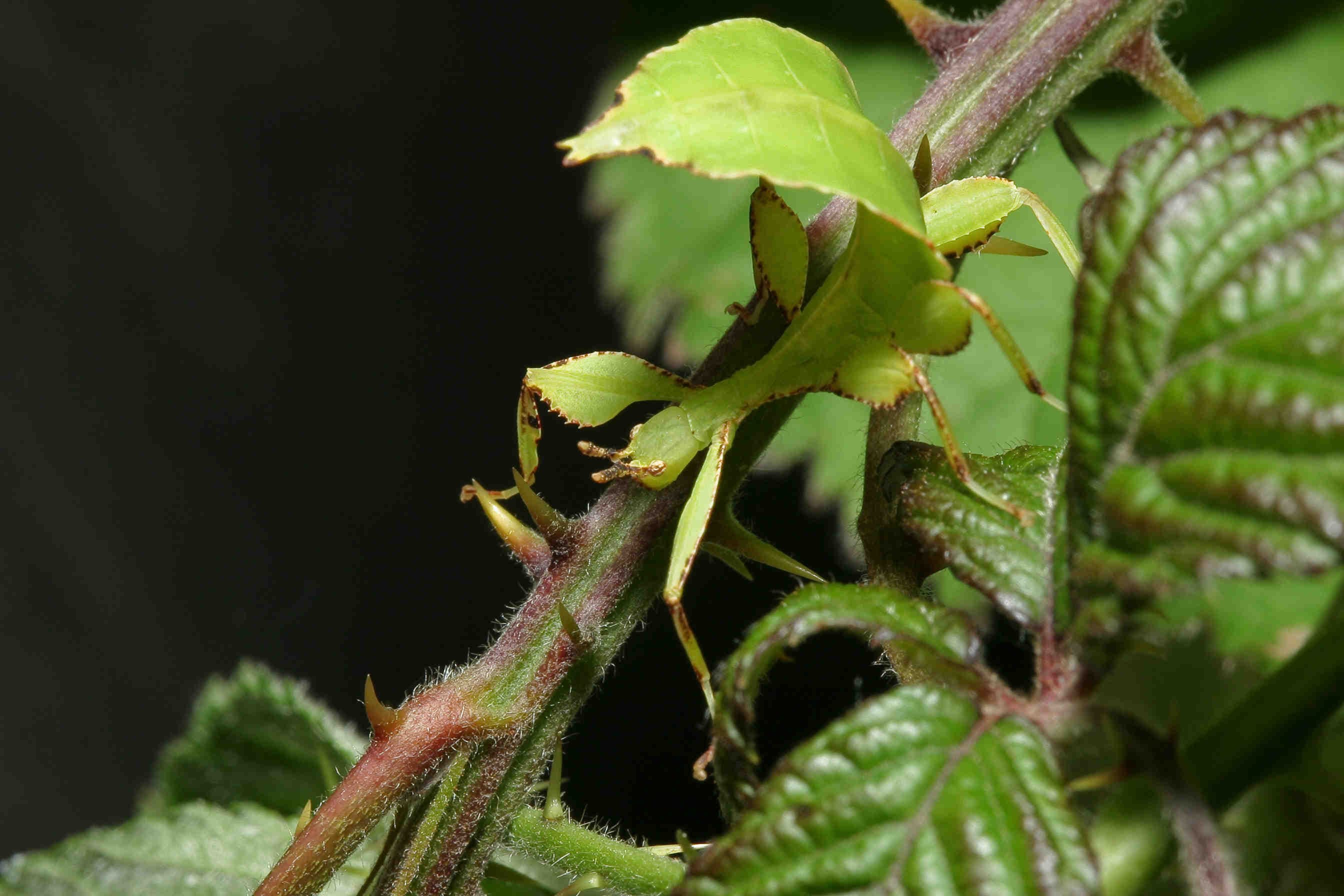
    The vast majority of leaf insects primarily live in the tropical and subtropical rainforests of Asia and Oceania, where they find refuge among dense vegetation. As nocturnal animals, they spend most of the day motionless, relying on their ability to camouflage to avoid predators. They are active at night, moving slowly among branches and leaves in search of food, and their movement resembles a leaf blown by the wind. They feed on leaves and generally prefer plants whose structure and movement they can mimic. Their silent and discreet habits make them particularly difficult to observe in the wild even to an experienced eye, and they rely on their striking resemblance to the environment to survive unnoticed.

    Phyllium
    XNatura

    Mimicry and crypsis: the differences

    Mimicry is an evolutionary strategy in which an organism imitates another element of its environment to deceive predators or prey. An example is hoverflies, flies with yellow and black banded coloration that imitate that of other bee-like hymenopterans. Leaf insects are another classic example of mimicry, as their appearance perfectly imitates a leaf: some species have differently colored edges on their legs and abdomen to imitate dry parts on leaves. Their strategy is not just to hide, but to actively imitate an element of the surrounding environment, that is, they move like a leaf or a twig moved by the wind. Crypsis, on the other hand, is a form of camouflage in which an organism adopts colors and shapes that make it less visible in the environment. The arctic fox and the ptarmigan are animals that exhibit cryptic coloration to blend better with the landscape, changing color between summer and winter.

    Phyllium

    The best-known species of leaf insects

    Among the best-known species of leaf insects we find Phyllium giganteum, the species that reaches the largest size within the group: it can grow up to 10 centimeters long. Another interesting species is Phyllium bioculatum, famous for its markings that mimic brown spots caused by mechanical damage to a leaf. Phyllium siccifolium is also noteworthy, with a bright green color that in nature, during dry months, can turn brown to resemble a dry leaf. Each species has developed specific adaptations to better integrate into the environment in which it lives.

    Phyllium
    XNatura

    Breeding of leaf insects

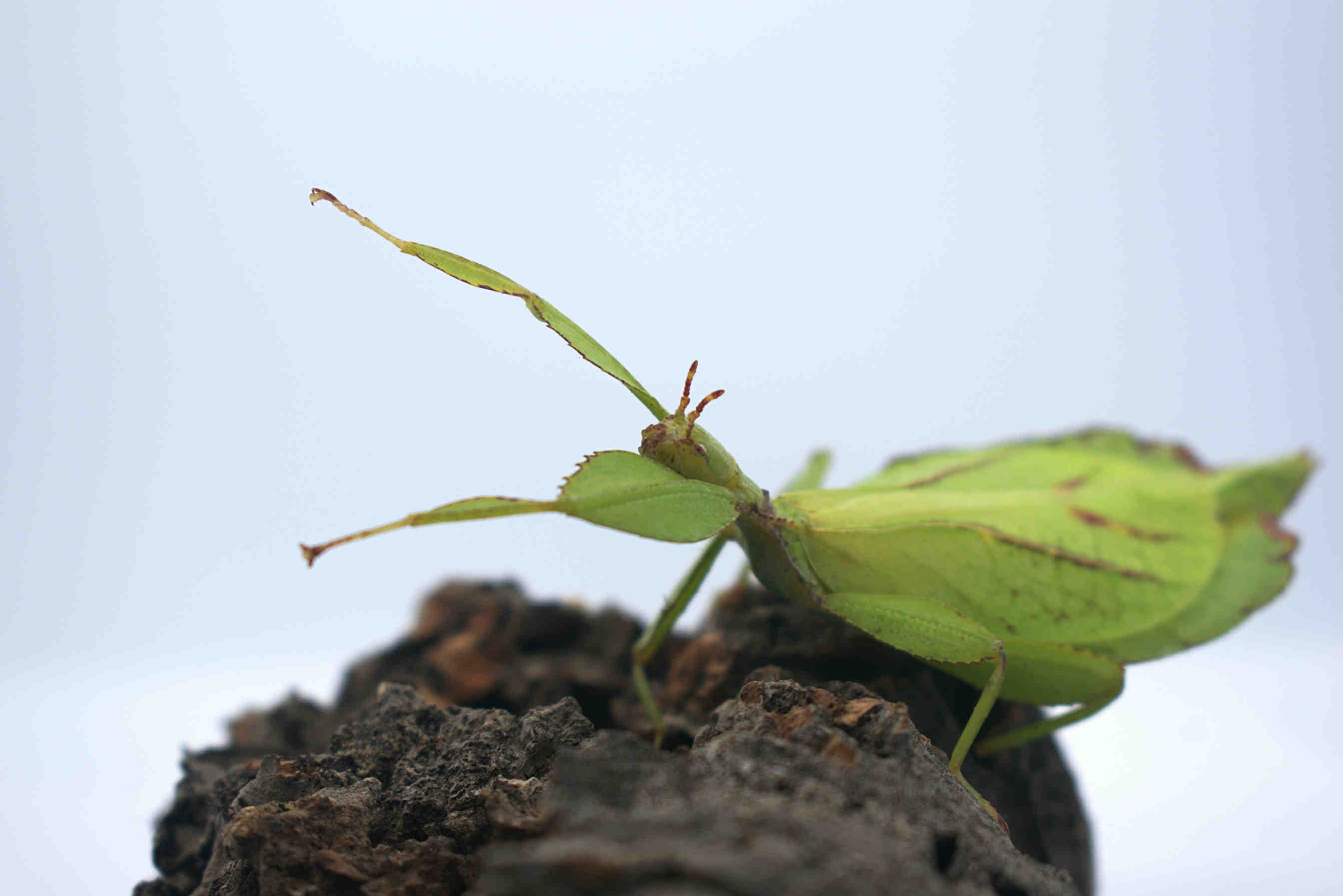
    Leaf insects are easy to breed thanks to their limited needs and easily replicable environmental conditions: the conditions of their natural environment are similar to those found in our apartments. Species such as Phyllium philippinicum feed on common leaves, such as bramble leaves, but require regular humidity. With proper care, they live up to a year. Breeding, in some cases, can be a valuable resource: an example is the Lord Howe stick insect, naturally very rare, whose original population was destroyed by the arrival of rats, but has always survived in populations bred worldwide. Fortunately, a second population has recently been found on a very small island near the original range.
    Phyllium
    3Bee

    Stick insects: close relatives of leaf insects

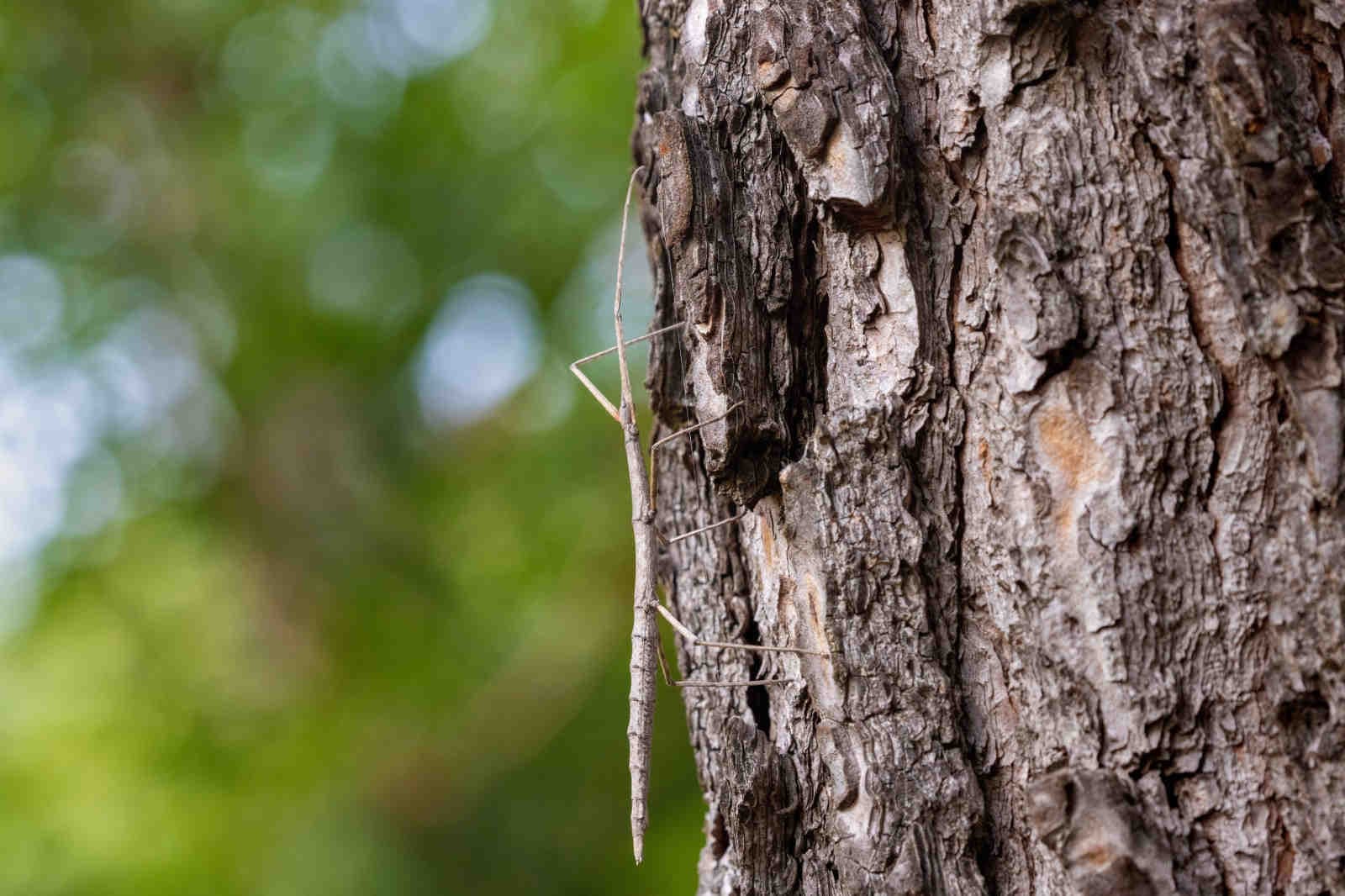
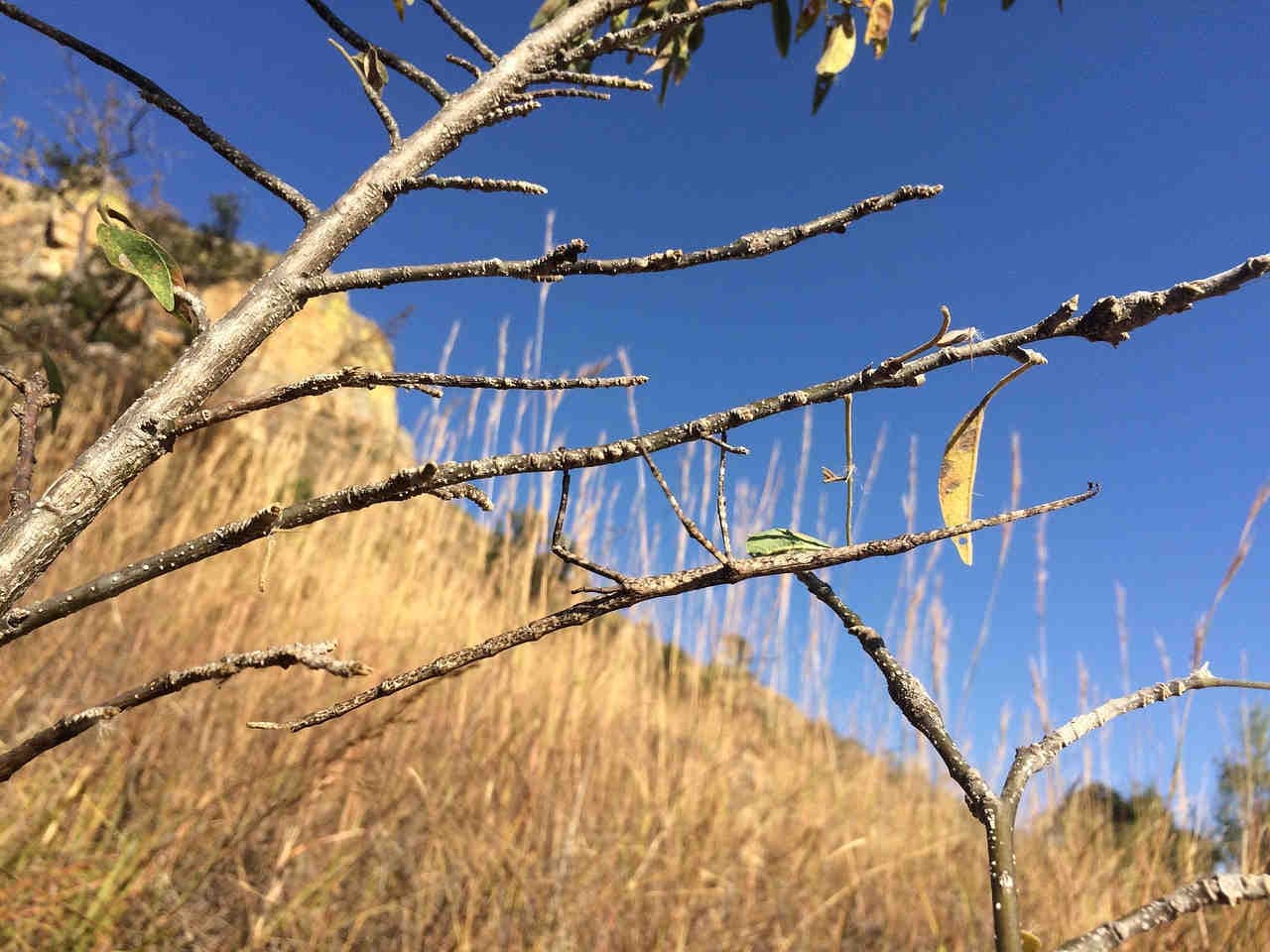
    Stick insects, like leaf insects, belong to the order Phasmatodea, but are differentiated not only by their taxonomic distance but also by their resemblance to twigs or sticks rather than leaves, from which their common name derives. Known for their elongated and slender bodies, they are found worldwide, from tropical forests to temperate areas. Their behavior and habits are similar to those of leaf insects, as they also use mimicry to hide from predators. Stick insects are also known for their ability to regenerate lost limbs and for their surprising resilience.
    insetto_stecco

    Stick Insects in Europe

    Although most species of leaf insects are found in tropical regions, stick insects are more common in Europe, with species like Bacillus rossius and Clonopsis gallica widespread and locally abundant in the Mediterranean basin. These species are smaller and less conspicuous than their tropical relatives but use the same camouflage strategies to evade predators. European habitats for these insects range from wooded areas to arid and bushy zones, where they hide among vegetation, blending in with the surrounding environment. Unfortunately, they are also threatened by the same factors affecting the decline of insects, such as climate change, habitat loss, and pollution.

    Bacillus_rossius

    Curiosities about stick insects

    In addition to their extraordinary ability to regenerate limbs, stick insects possess some unique characteristics that make them particularly interesting. For instance, many species reproduce via parthenogenesis, an asexual reproduction method where females can produce offspring without the need to mate with a male; in some species, males do not exist at all, and only females exist. Another curiosity is their extreme slowness in movement, which contributes to their ability to remain unnoticed, and when they move, they sway mimicking vegetation moved by the wind. Stick insects are among the longest insects ever, reaching truly remarkable sizes: the longest specimen ever measured exceeded 55cm!

    Phyllium

    The charm of insects: extraordinary creatures

    Leaf insects and stick insects are extraordinary examples of how evolution has shaped organisms capable of perfectly blending into the natural environment. Their visual mimicry (there are other types of mimicry), their adaptability, and their survival strategies make them fascinating creatures that continue to amaze scientists and enthusiasts alike. Observing these insects prompts reflections on how complex and varied the natural world is, and how crucial it is to observe and understand the different life forms that inhabit our planet.

    Phyllium
    19/01/2025Of 3Bee, Niccolò Patelli
    3359 Views
    Newsletter
    newsletter
    Subscribe to the Blog about bees and biodiversity

    Frequently Asked Questions

    Do you have any doubts or other curiosities about this article? Here you will find some insights