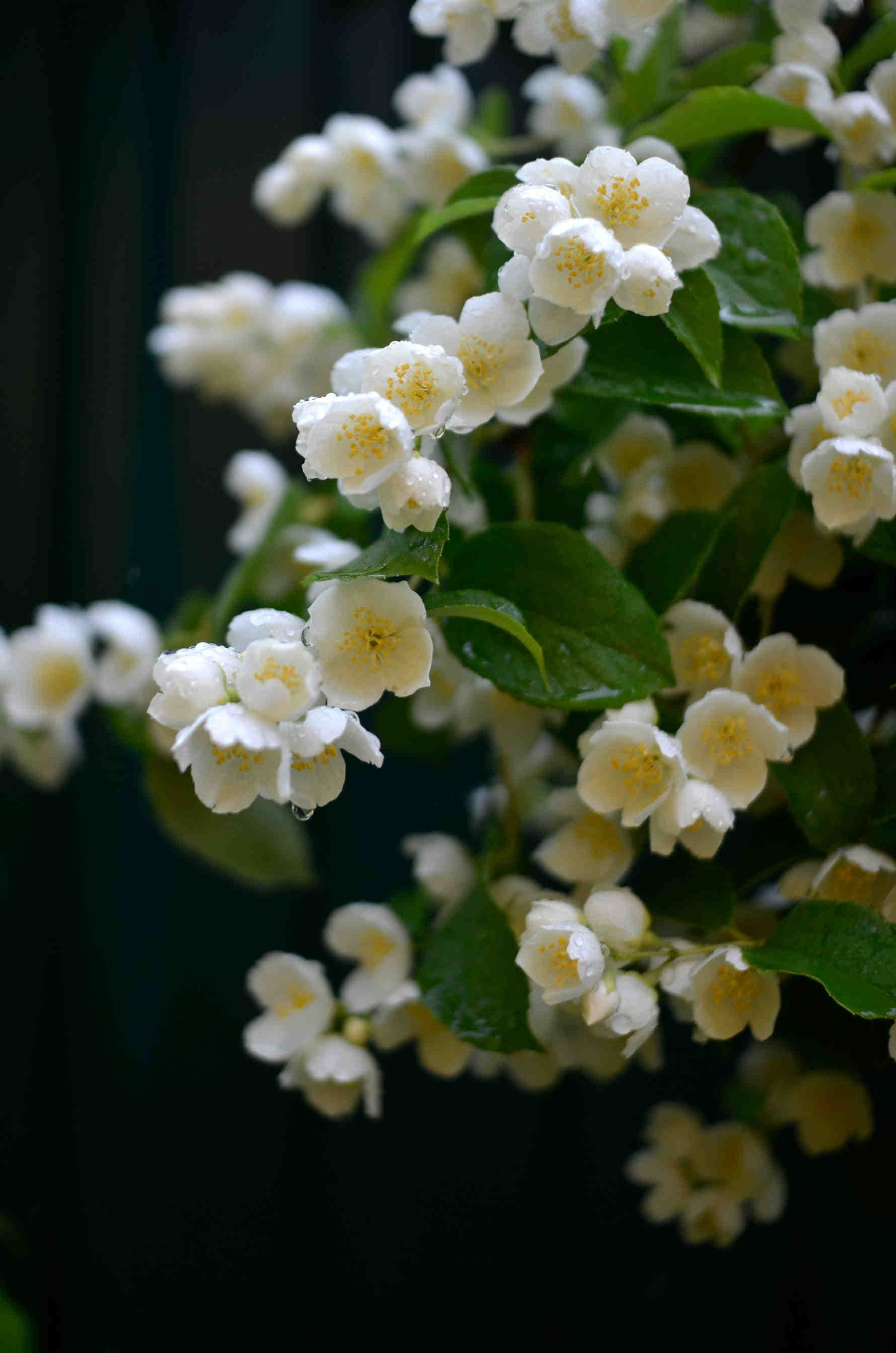
What is jasmine? A fragrant and versatile flower
    JasmineFalse jasmineDifferencesOasis 3Bee

    What is jasmine? A fragrant and versatile flower

    The jasmine, scientifically known as Jasminum, is a genus of climbing plants highly valued for its fragrant flowers. Originally from Western Asia and the Himalayas, it is now naturalised in Italy, particularly in the Mediterranean regions. Find out more in this article.

    Read the article
    18/07/2025Of 3Bee, 3Bee
    477 Views
    18/07/2025Of 3Bee, 3Bee
    477 Views

    What is jasmine?

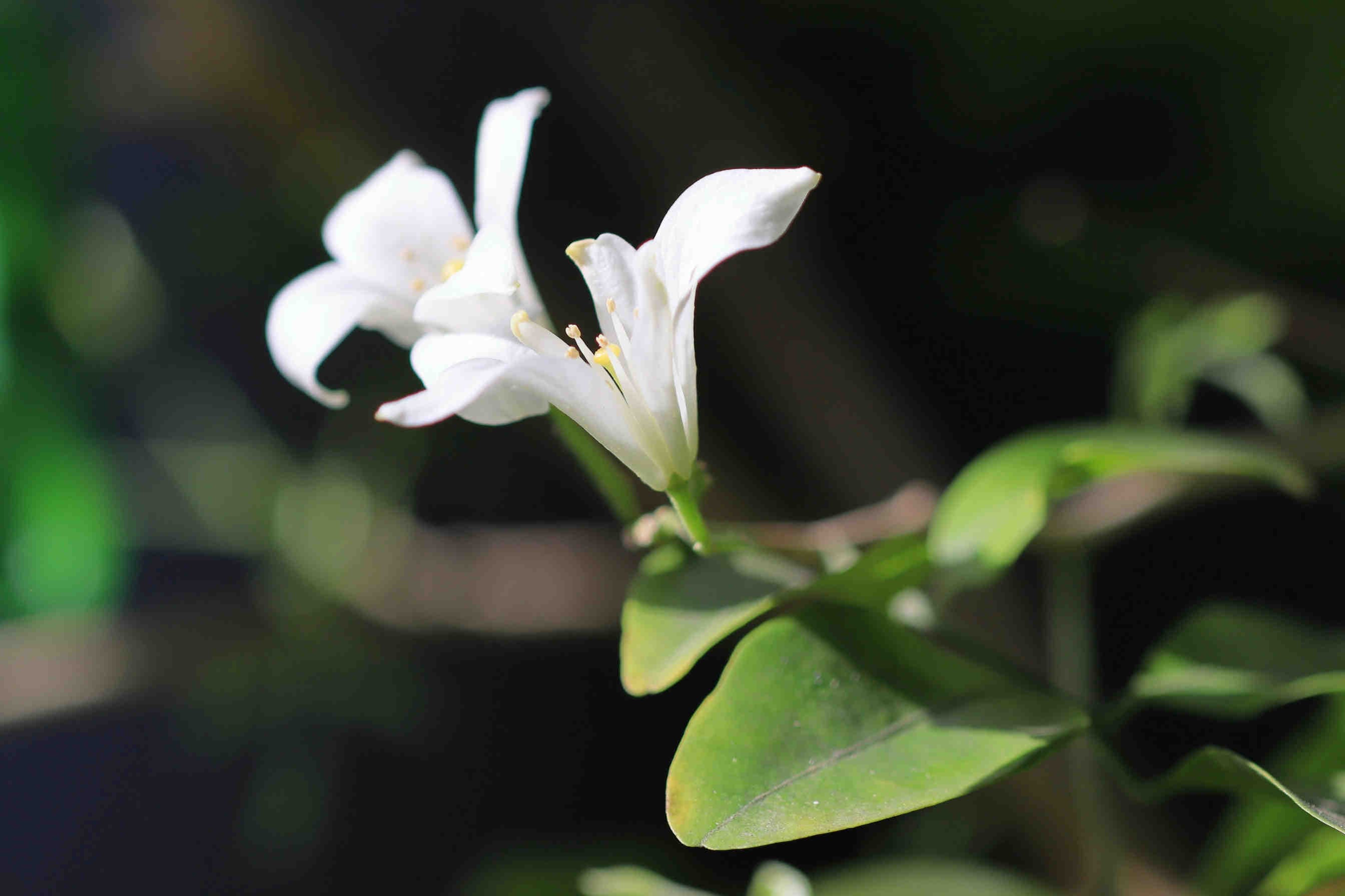
    The jasmine, scientifically known as Jasminum, is a genus of climbing plants highly valued for its fragrant flowers. Originally from Western Asia and the Himalayas, it is now naturalised in Italy, particularly in Mediterranean regions. Jasmine blooms in spring, producing flowers that range from white to yellow and are widely used in perfumery and aromatherapy. The plant is drought-resistant, a quality that makes it ideal for low-maintenance gardens.
    3bee-blog-cos'è-il-gelsomino

    The false jasmine: a deceptive plant

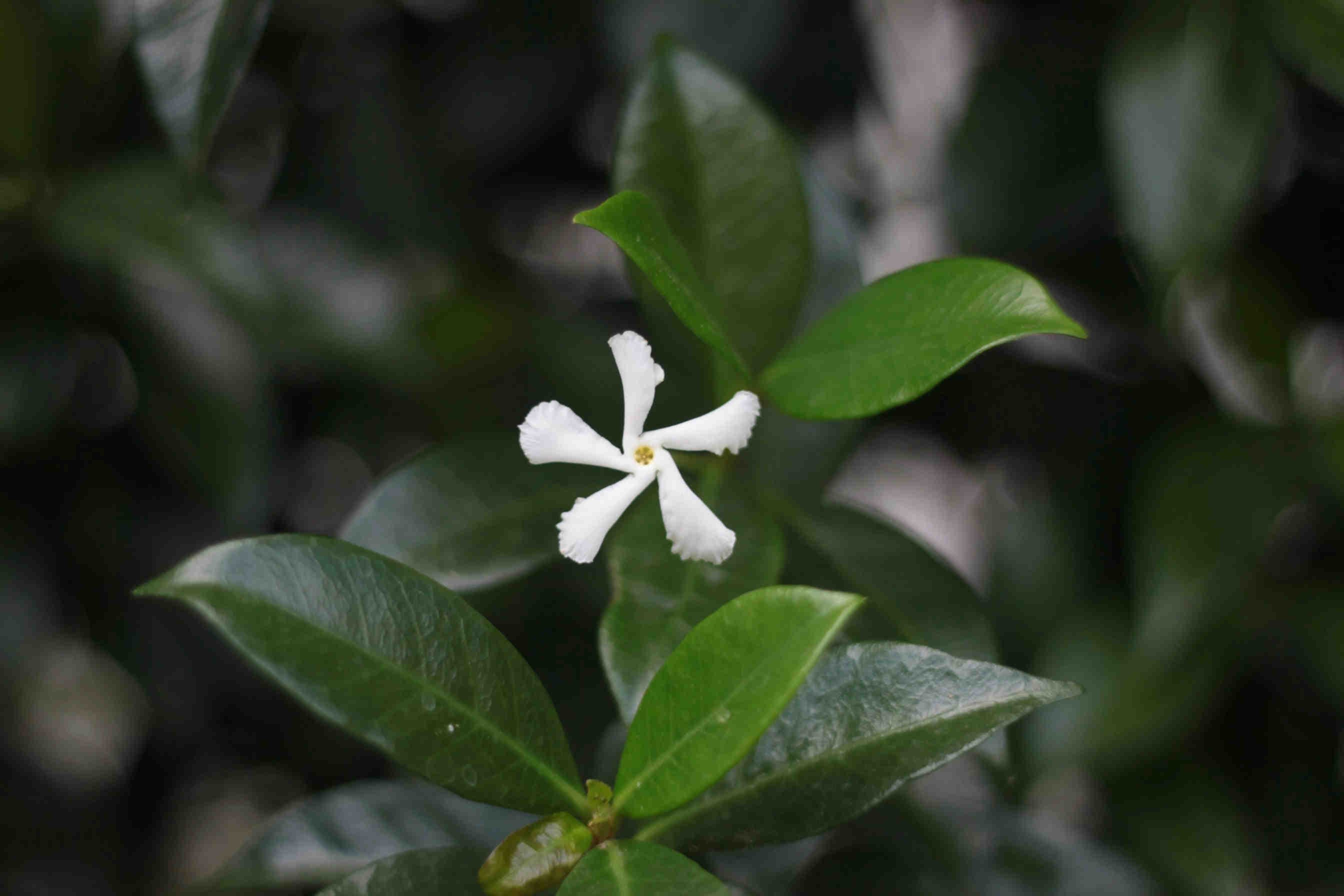
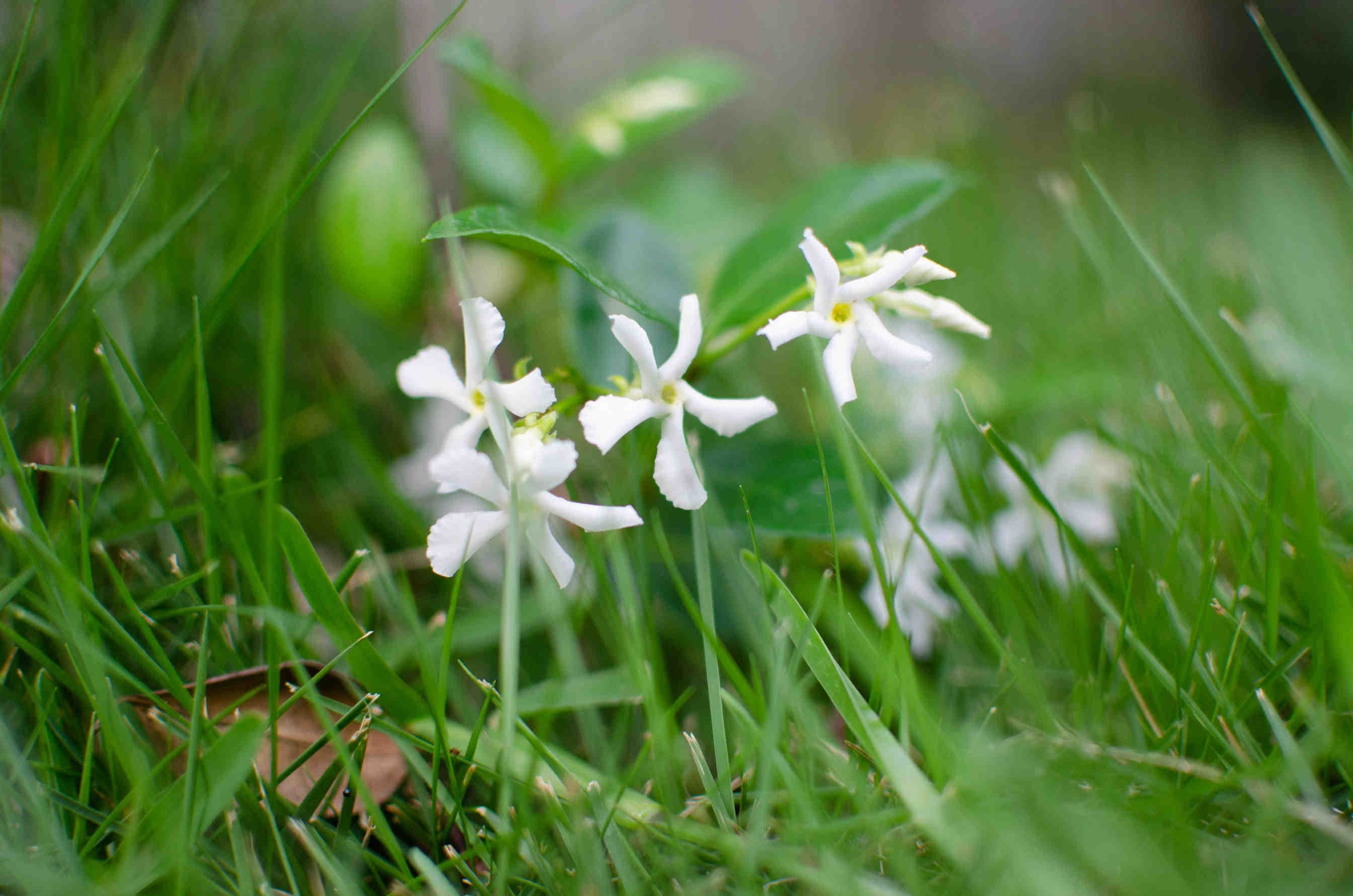
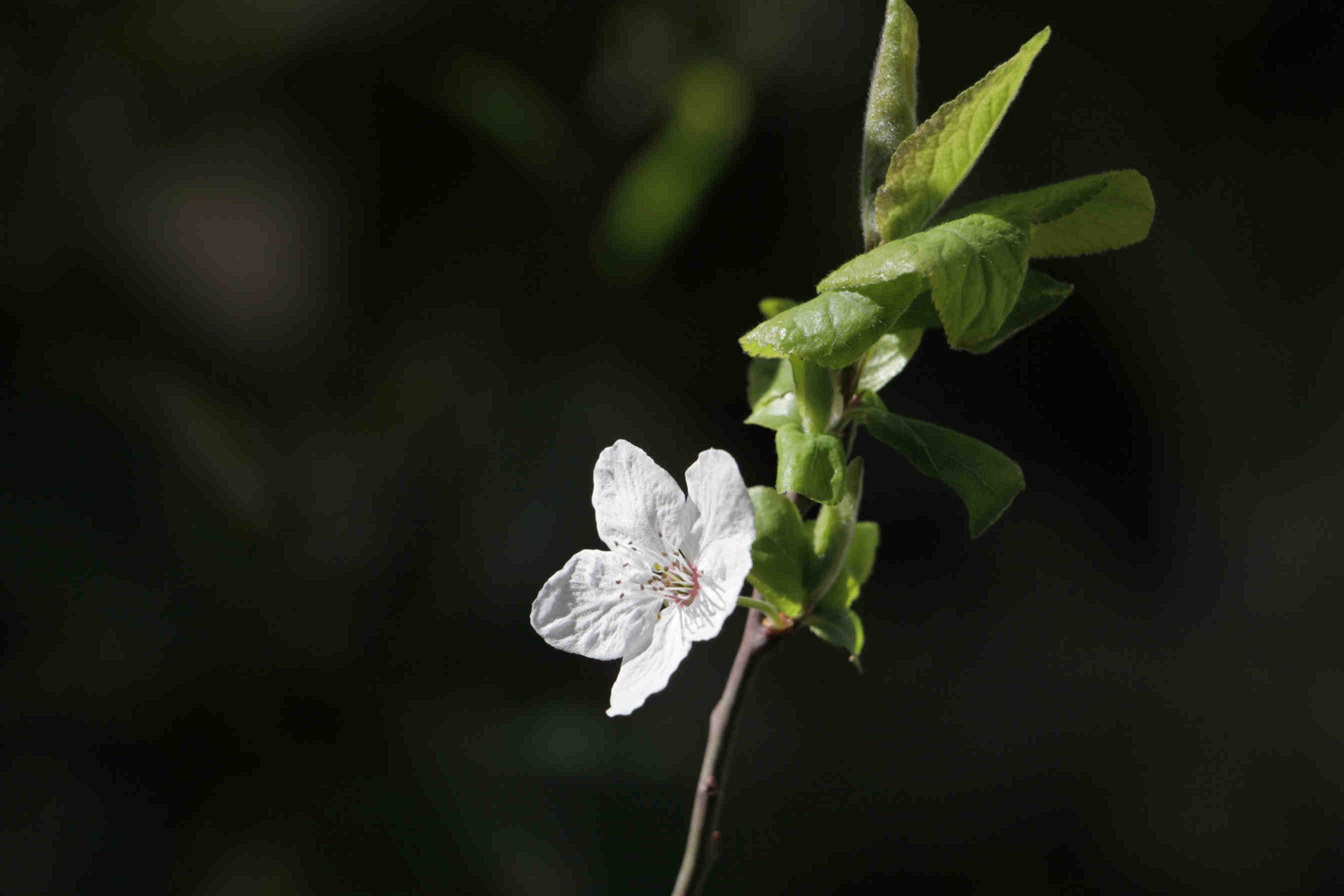
    The false jasmine, or Trachelospermum jasminoides, does not belong to the Jasminum genus, but is often mistaken for true jasmine due to the similarity of the flowers and fragrance. Native to East Asia, it is more cold-resistant than jasmine and grows easily in temperate climates. Although it is a popular ornamental plant, false jasmine is not native to Italy and can disrupt local ecological balances. It is important to prioritise the use of native plants, such as true jasmine, which are naturally integrated into local habitats and support biodiversity.

    3bee-blog-il-falso-gelsomino-una-pianta-ingannevole
    XNatura

    Botanical Differences Between Jasmine and False Jasmine

    The main botanical differences between jasmine and false jasmine can be observed in the leaves and flowers. Jasmine has thin and delicate leaves, whereas false jasmine has leathery and glossy leaves. Additionally, jasmine blooms mainly in spring, while false jasmine also flowers in summer. Jasmine flowers are single and smaller in size, whereas those of false jasmine are gathered in larger clusters. Although both plants have fragrant flowers, it is essential to consider their ecological impact, favouring jasmine to preserve local biodiversity.

    3bee-blog-differenze-botaniche-tra-gelsomino-e-falso-gelsomino

    The Biodiversity Oases and the Choice of Plants

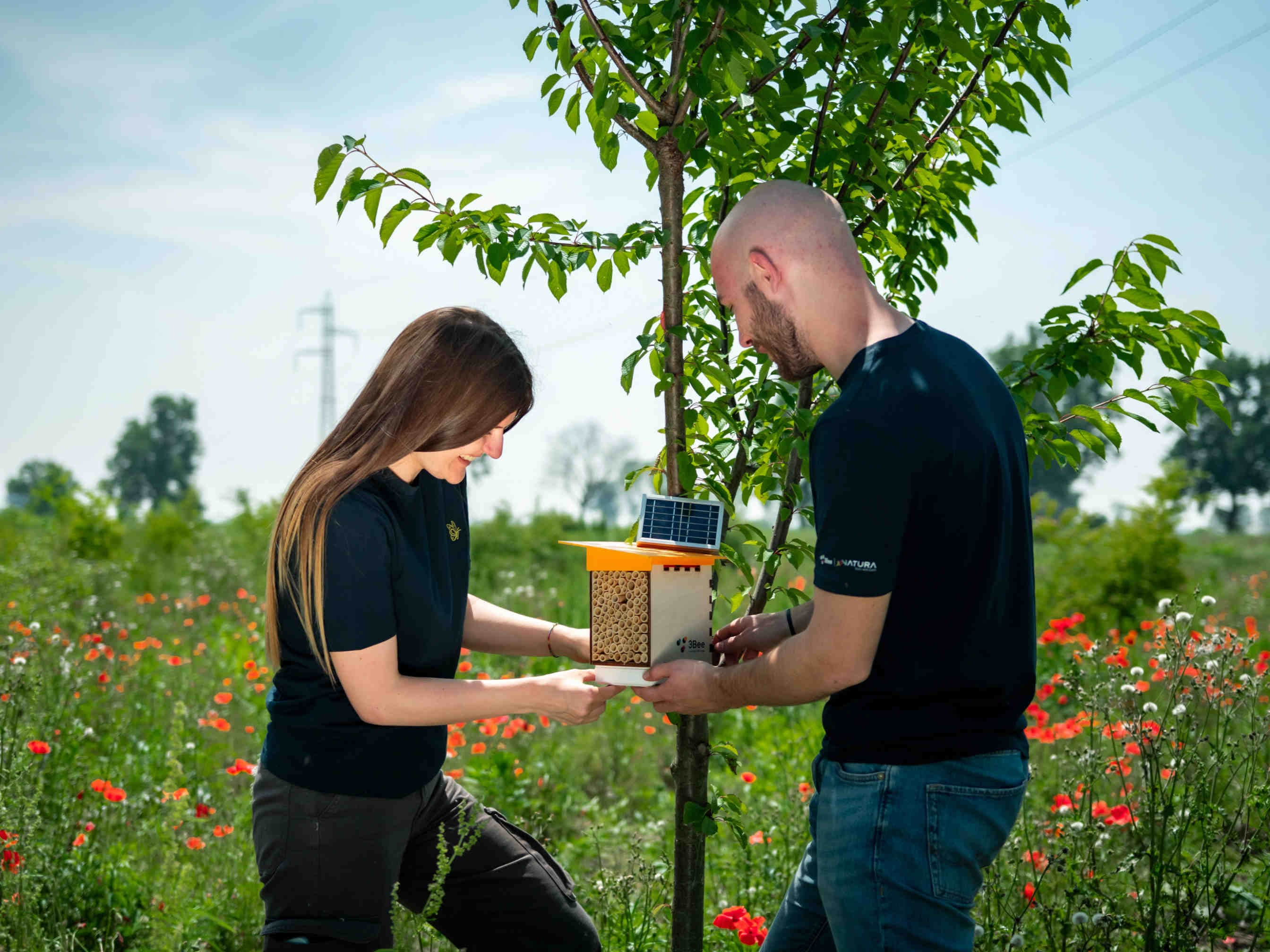
    The 3Bee Biodiversity Oases are designed with the aim of promoting local biodiversity, using native plants that support natural ecosystems. Although jasmine is a plant much appreciated for its beauty and fragrance, it is not usually used in our projects. This is because, being a climbing plant, it does not perfectly suit the purposes of our Oases, which prefer trees, shrubs, and sowing that can truly regenerate the environment. Furthermore, plants like jasmine could be problematic, as they cause allergies in some people, and for this reason, we avoid using species that might cause discomfort or compromise people's health and well-being. For the climbing plant section, for example, we prefer ivy as seen in the Comoli Ferrari tech Oasis in Piedmont.
    3bee-blog-le-oasi-della-biodiversità-e-la-scelta-delle-piante
    XNatura

    Jasmine as an "ecological corridor" between homes

    The jasmine, often used to separate gardens and homes, can act as an "ecological corridor" in urban areas. Just like rural hedges, which separate fields with native species such as hawthorn, buckthorn, and others, urban hedges can also play an important role. In cities and gardens, plants like jasmine, cherry laurel, and viburnum are used to create green barriers, contributing not only to the demarcation of spaces but also to the creation of habitats for pollinating insects and other local species. These "green corridors" help connect different ecosystems, even in urbanised environments, supporting biodiversity and improving air quality in residential areas.

    3bee-blog-il-gelsomino-come-corridoio-ecologico-tra-abitazioni
    3Bee

    Biodiversa: monitoring biodiversity with technology

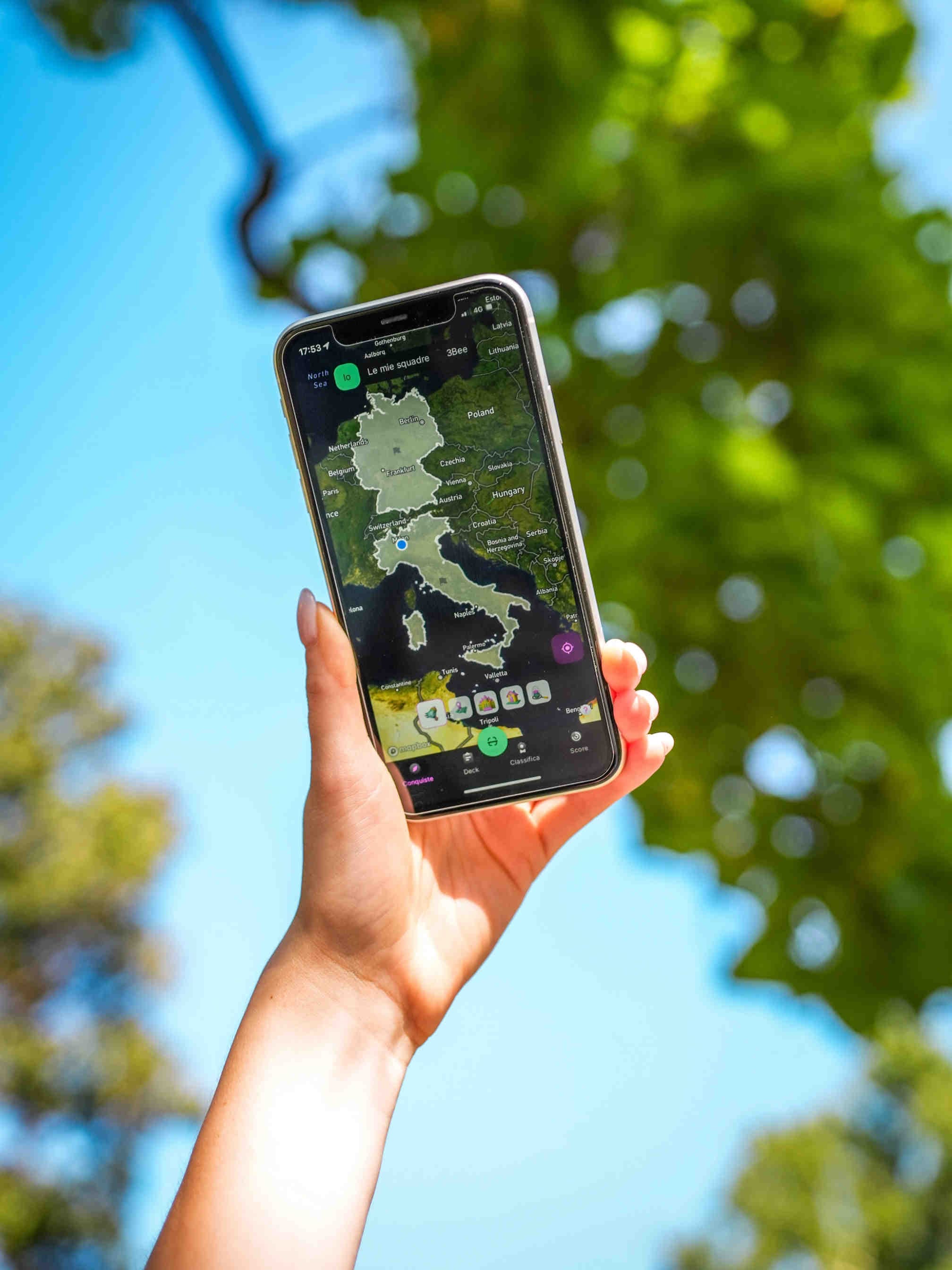
    Biodiversa, the citizen science app developed by 3Bee, is an innovative tool that allows anyone to contribute to the monitoring of biodiversity by recording and cataloguing species observed in their gardens or during outdoor excursions. Just as jasmine and other native plants can create ecological corridors in cities and between gardens, Biodiversa helps to map and monitor natural and semi-natural environments, enabling users to track the presence of pollinators, flowers, trees, and other species. By using the platform, anyone can contribute to collecting data on biodiversity, enhancing environmental awareness and encouraging more responsible behaviour towards nature.
    3bee-blog-biodiversa-monitorare-la-biodiversità-con-la-tecnologia

    The Jasmine Walk of Rome

    In Rome, jasmine is a plant that helps to make its streets and gardens more enchanting. One area in particular, the Passeggiata del Gelsomino, is famous for its extraordinary bloom. Located in the Gianicolense district, this walk is a green corner where jasmine flowers are the true stars. In spring, the area transforms into an explosion of fragrant flowers, offering visitors a unique sensory experience. It is not only a place of visual beauty but also a refuge for those seeking a corner of tranquillity amidst the hustle and bustle of the city. The Passeggiata del Gelsomino is, therefore, a perfect example of how jasmine, a decorative and fragrant plant, can enrich the urban landscape, creating spaces of relaxation and natural beauty.

    3bee-blog-passeggiata-del-gelsomino-roma

    What is the philadelphus?

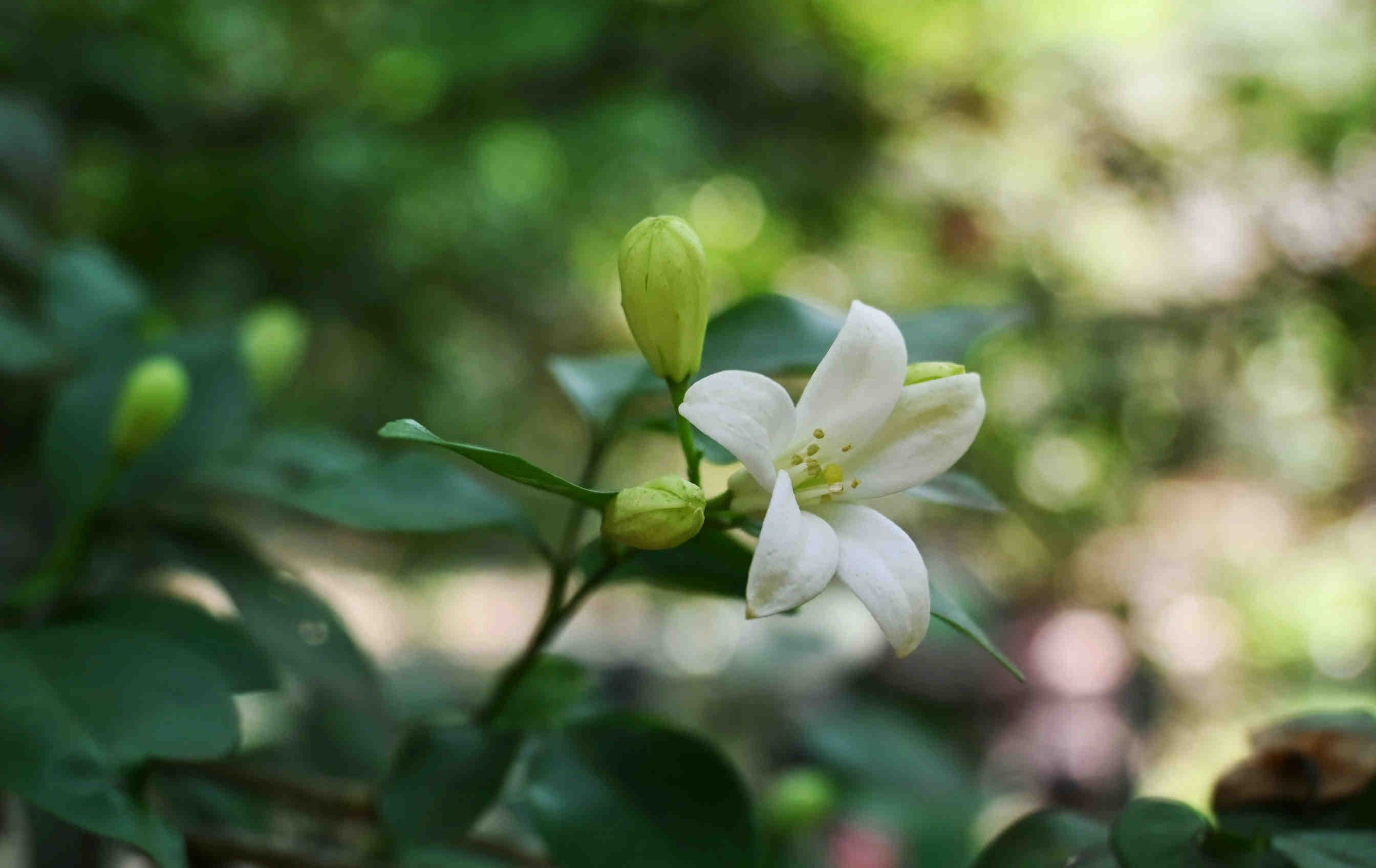
    The mock orange, scientifically known as Philadelphus, is another shrub often mistaken for jasmine due to the similarity of its white, fragrant flowers. However, the mock orange does not belong to the same family as jasmine and has distinct differences, particularly in the leaves and the structure of the plant. Native to North America and Asia, the mock orange is renowned for its abundant flowering and jasmine-like flowers, which bloom in spring and emit an intense citrus fragrance. The mock orange is a hardy and versatile shrub that thrives in well-drained soil and full sun, but unlike jasmine, it is not a climbing plant, but an upright shrub that can reach considerable heights. Its use in gardens is primarily ornamental, to create borders or fragrant hedges, but it does not have the same applications in aromatherapy or perfumery as jasmine.

    3bee-blog-cos'è-il-filadelfo

    Jasmine Honey: An Aromatic Treasure

    Jasmine honey is a prized and aromatic product derived from the flowers of Jasminum officinale, the true jasmine. This type of honey is highly valued for its delicate and floral aroma, reminiscent of freshly bloomed flowers. Jasmine honey is harvested in spring, when the plant is in full bloom. The bees that visit the jasmine flowers produce a honey with a soft consistency and a slightly sweet flavour with floral notes that make it unique. Although it is not produced in large quantities like other honeys, jasmine honey is sought after for its organoleptic characteristics; however, it is important to consume it in moderation. As with any type of honey, it is always advisable to turn to local beekeepers who practise sustainable and environmentally friendly beekeeping, to ensure that the honey is produced responsibly.

    18/07/2025Of 3Bee, 3Bee
    477 Views
    Newsletter
    newsletter
    Subscribe to the Blog about bees and biodiversity

    Frequently Asked Questions

    Do you have any doubts or other curiosities about this article? Here you will find some insights