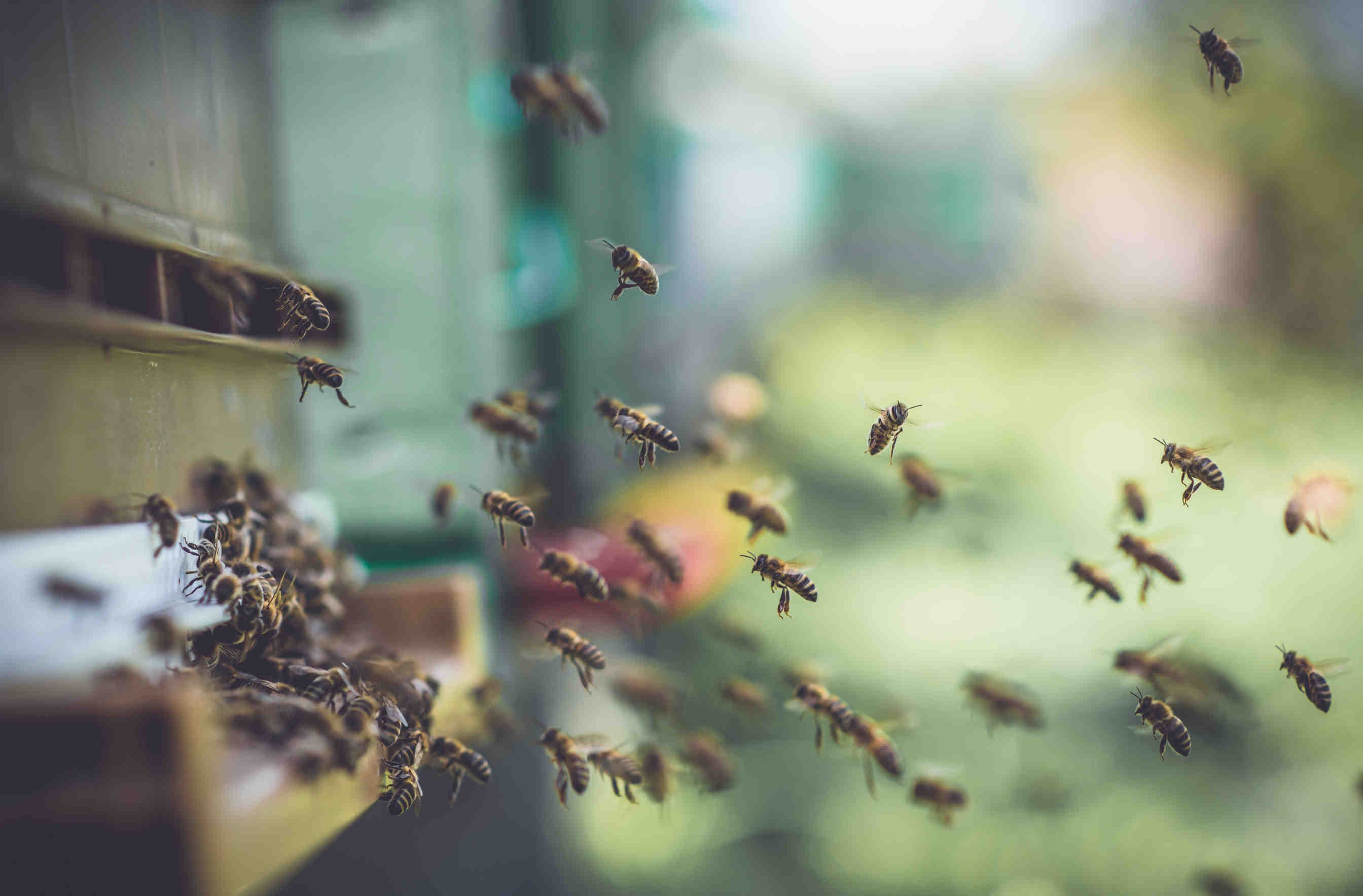
3Bee's approach to biodiversity protection
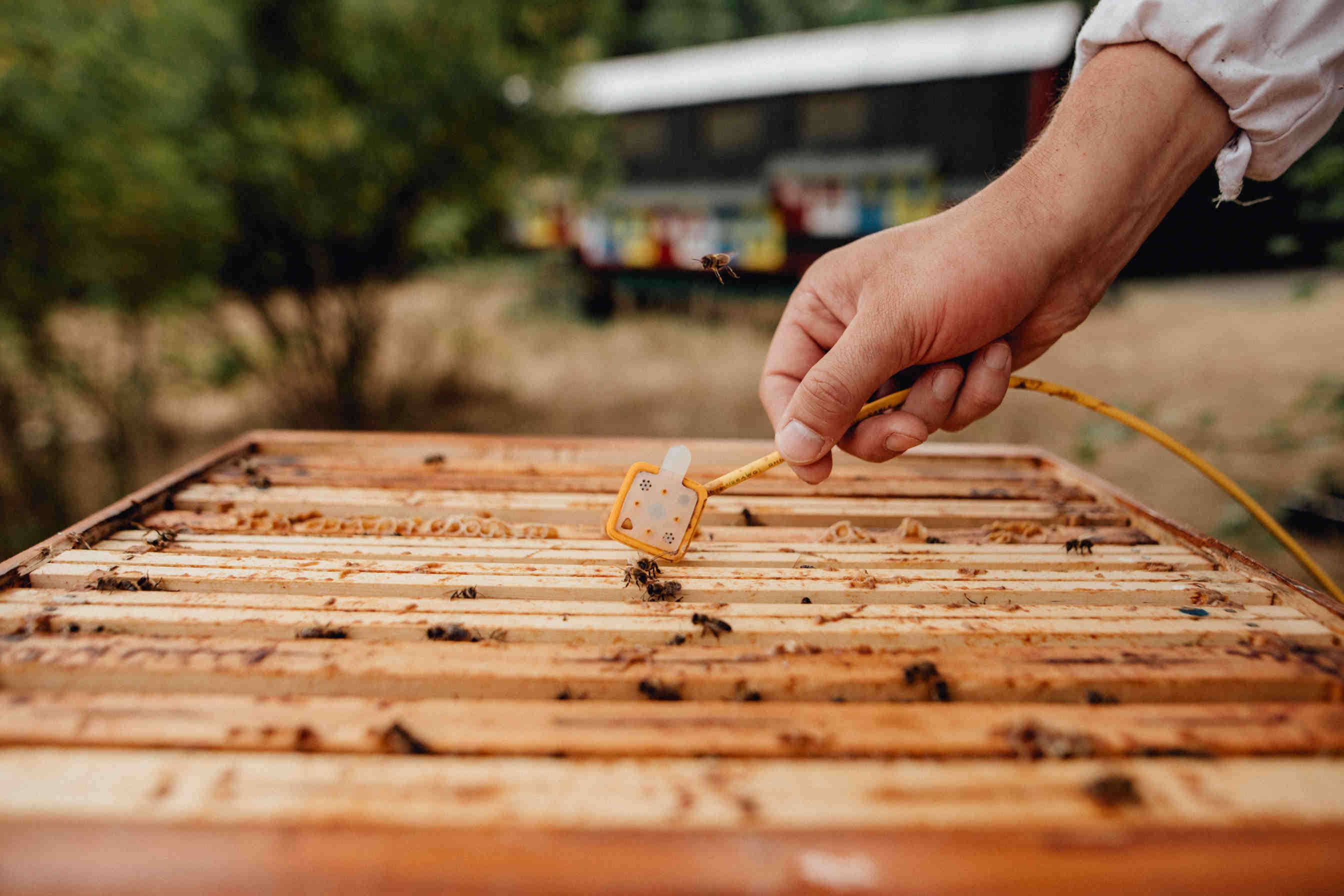
The arrival of autumn and the first colds also bring with them the classic seasonal influences:
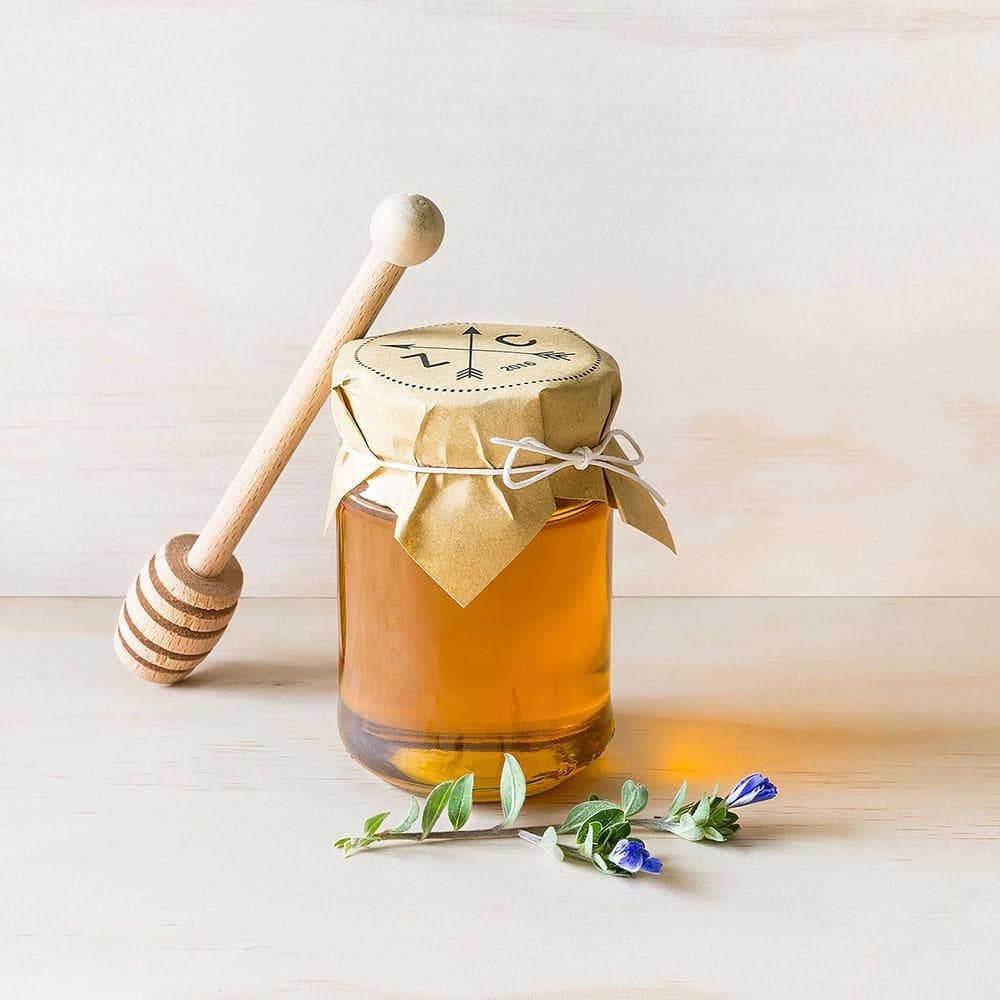
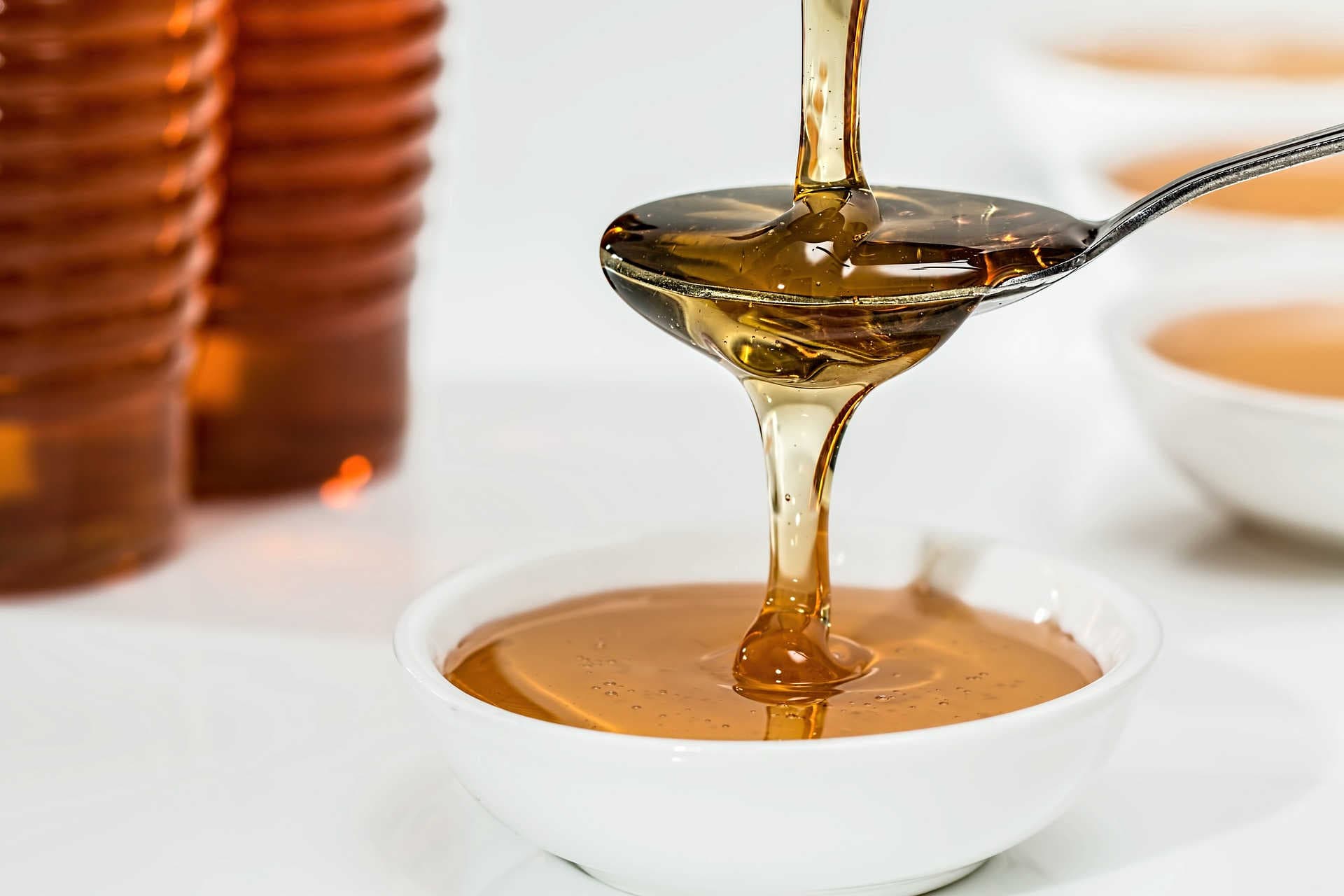
Honey is a foodstuff loved above all for its sweetness. Known since antiquity, it is now used in various fields: cooking, medicine, aesthetics. To appreciate it to the fullest, it is necessary to understand what its properties are and what they are derived from. Honey is mainly composed of
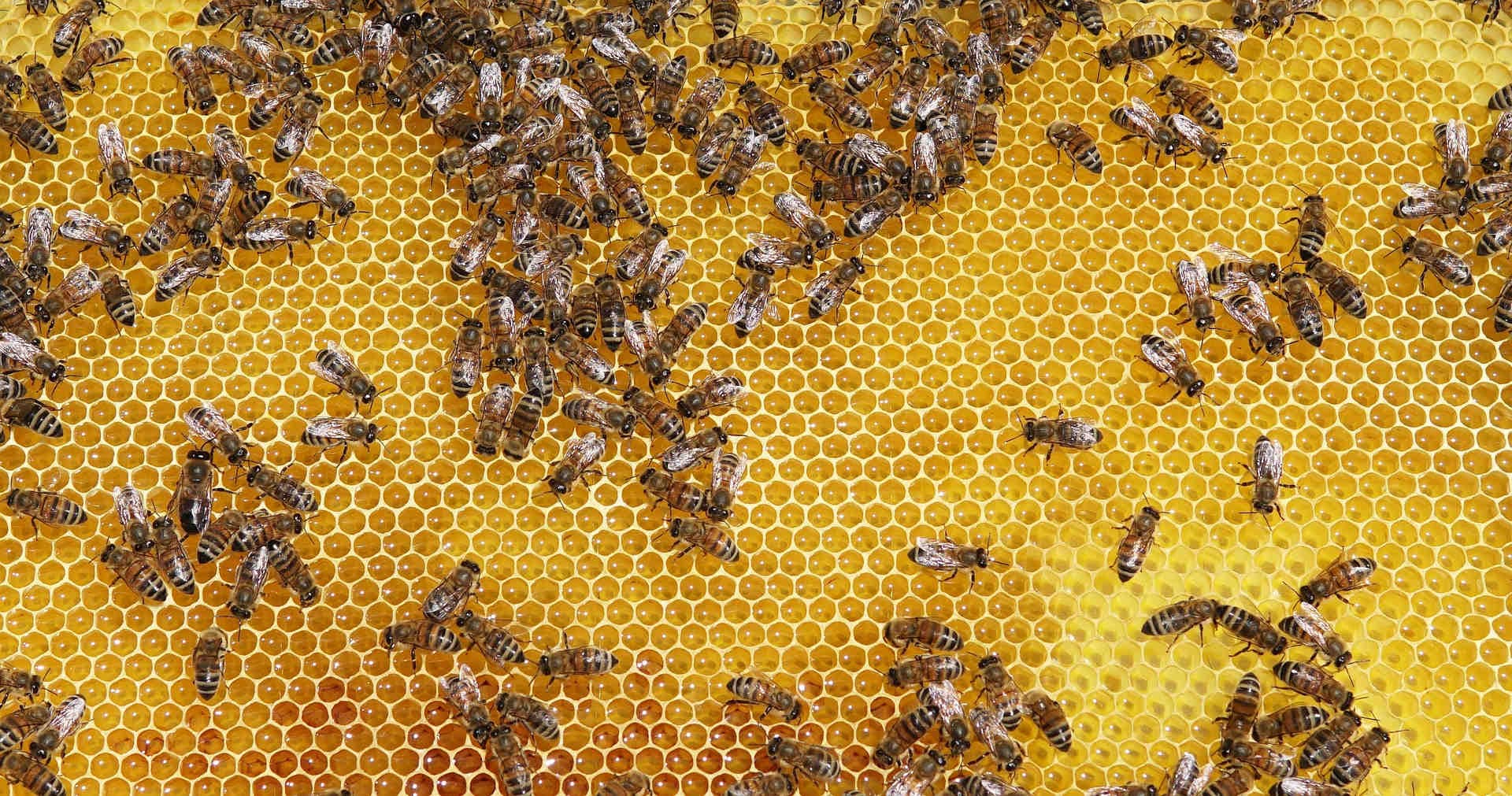

The components just listed attribute various properties to honey:
Another bee product with anti-inflammatory and antibacterial properties is the propolis. Bees not only collect nectar and pollen, but also a
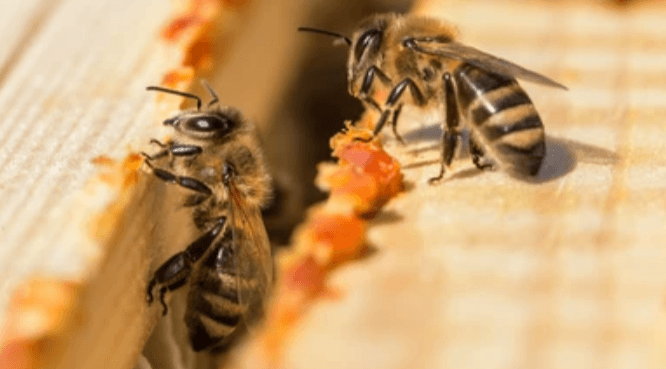

In addition to producing honey, our bee friends play a very important role in the balance of ecosystems. Through pollination, they enable the spread of biodiversity and ensure the reproduction of various plants. In particular, 75% of food species and 90% of wild plants reproduce thanks to bees. In nature, therefore, everything is connected; bees could not assimilate enough nourishment without the nectar of flowers, and vice versa plants, belonging to the angiosperm family, would not be able to reproduce without the work done by pollinating insects. The honey produced reflects the biodiversity of a given territory; Italy is the country with the most honey varieties in the world, more than 50 types.
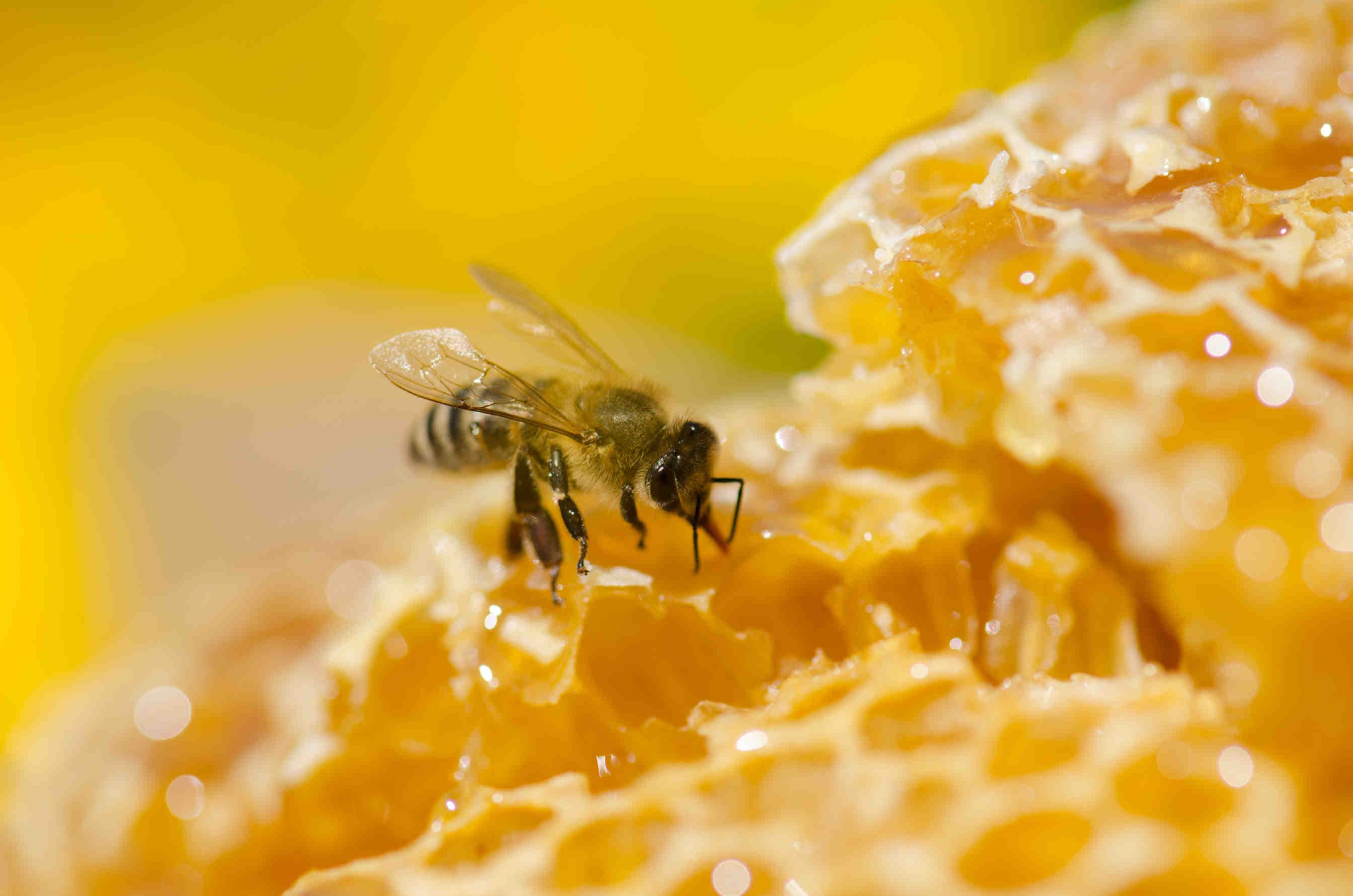

The last twenty years have been characterised by a strong bee die-off, a phenomenon caused by the consequences of