Global monitoring of European forests: EU legislation
    MonitoringObjectivesInitiativesAdvantages

    Global monitoring of European forests: EU legislation

    The European Commission has proposed global monitoring legislation to increase the resilience of Europe's forests. What is the objective of the proposed law and how will it impact the fight against climate change and biodiversity loss?

    Read the article
    21/12/2023Of 3Bee, Elena Fraccaro
    241 Views
    21/12/2023Of 3Bee, Elena Fraccaro
    241 Views

    Forest monitoring legislation

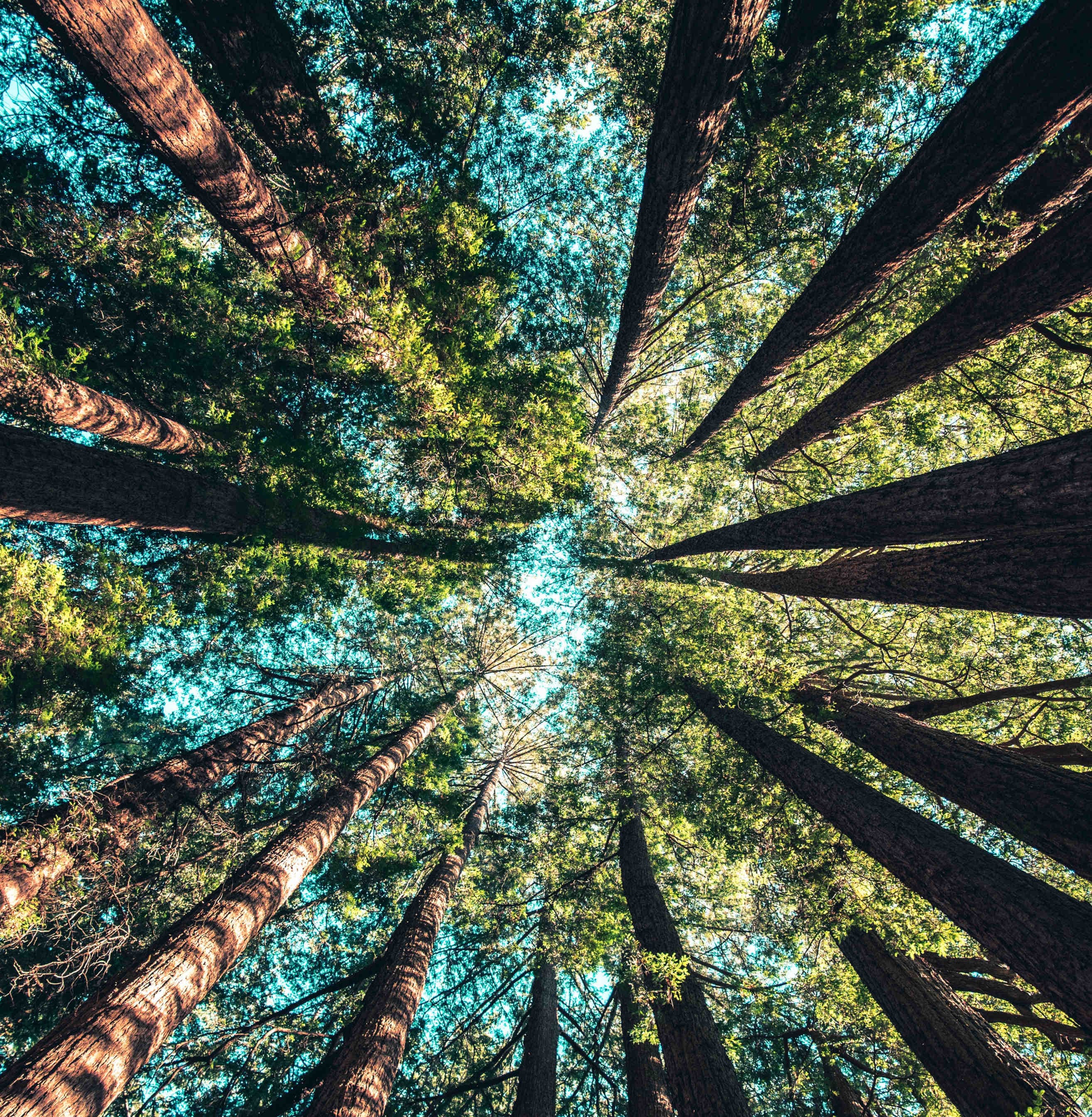
    On 22 November 2023, the European Commission proposed a Lawon forest monitoring to fill certain information gaps on Europe's forests. The aim is to create a common and comprehensive knowledge base to enable EU member states, forest managers and owners to provide more convincing answers in relation to increasing forest resilience. In 2022 alone, a record number of fires caused the destruction of 900,000 hectares of land and predictions for the near future speak of a 27% reduction in the value of forest land by the end of the 21st century. The trend must be reversed and to do so, forests and the environment in general must be monitored more carefully and biodiversity must be protected.

    Foreste europee

    The objectives of the new monitoring system

    The monitoring system envisaged in the legislation proposed by the European Commission will be used to collect comparable forest data by combining earth observation technology and field measurements. The intention is to make forests more resilient to damage caused by climate change, pests and pollution. It also seeks to increase the production of clean air and to support decisive regulatory acts such as the regulation of deforestation or certification for carbon removals. A Common European Law will ensure cooperation between states and encourage them to develop long-term plans to increase forest resilience. This is part of the EU Forestry Strategy 2030 and the European Green Pact.
    Sostenibilità ambientale
    XNatura

    Forestry policies and initiatives in the EU

    In 2021, the European Commission adopted a Forest Strategy 2030 as part of the European Green Deal, which is based on the EU Biodiversity Strategy 2030. It means that in order to achieve the objectives on biodiversity, reducing greenhouse gas emissions by at least 55% by 2030 and achieving climate neutrality by 2050, the need to recognise the central and multifunctional role of forests must be taken into account. At the same time, the action of the actors of the supply chain and the entire value chain of the forestry sector will be needed in order to realise a sustainable and climate-neutral economy by 2050 - a pillar of the European Green Deal. The consequence of this objective was the creation of a proposal for a law on the global monitoring of European forests in order to have better data, more complete information and a general framework capable of creating new economic opportunities.
    Tutela forestale

    The benefits of forest monitoring

    The European Commission recognised forests as a valuable ally in the fight against climate change and the loss of biodiversity as well as in the development of various rural areas and the bio-economy. To safeguard this important role, he unveiled a new monitoring system to collect and share forest data in a timely manner to provide more knowledge and information from which to draw guidance on how to proceed with policy implementation, which currently appears full of gaps due to outdated and incomplete data. Better monitoring will provide insight into how to make forests more resilient to the threats of drought, pests, fires and help create new business models and integrated forest governance. Each EU member state following the common legislation will be able to strengthen the capacity of forests to fulfil the environmental and socio-economic functions that are indispensable for achieving the 2030 and 2050 targets.
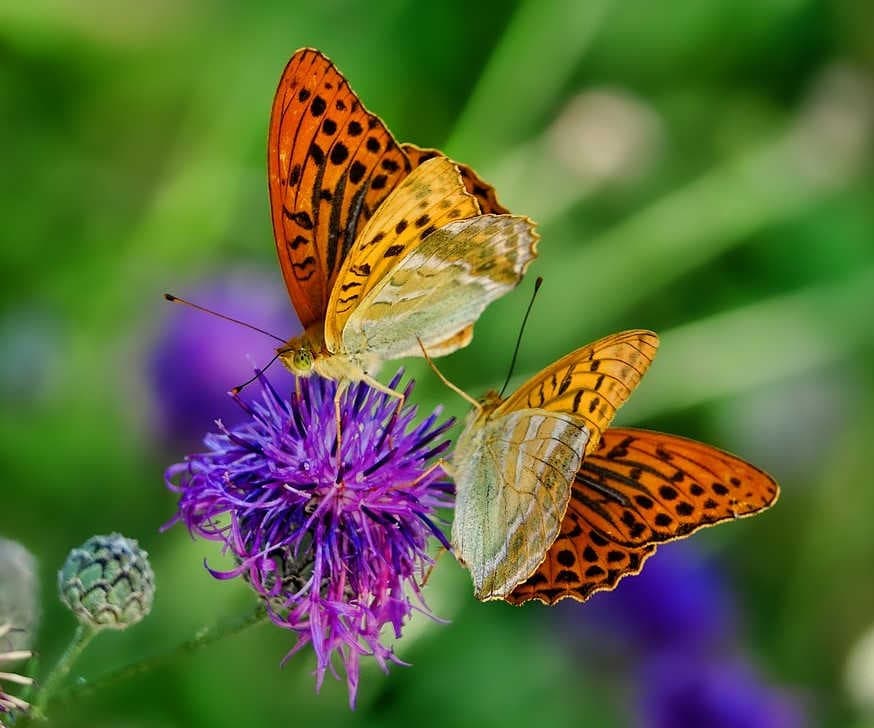
    Farfalla
    XNatura

    The Tasks of EU Member States

    Member States will have to work together and establish long-term forest plans that include every strategic dimension and the multifunctionality of forests. The new EU regulation will support the work of each actor by providing a mapping and tracking system, standardised forest data collection via the EU satellite programme Copernicus and harmonised data from national inventories as well as a data sharing framework published in the Forest Information System for Europe. This will make it easier to develop new business models that take into account the Deforestation Regulation, the EU Nature Restoration Act, the Habitats and Birds Directives, and any other legislation aimed at protecting forests and the environment as well as biodiversity.

    Margherite
    3Bee

    Forests and biodiversity

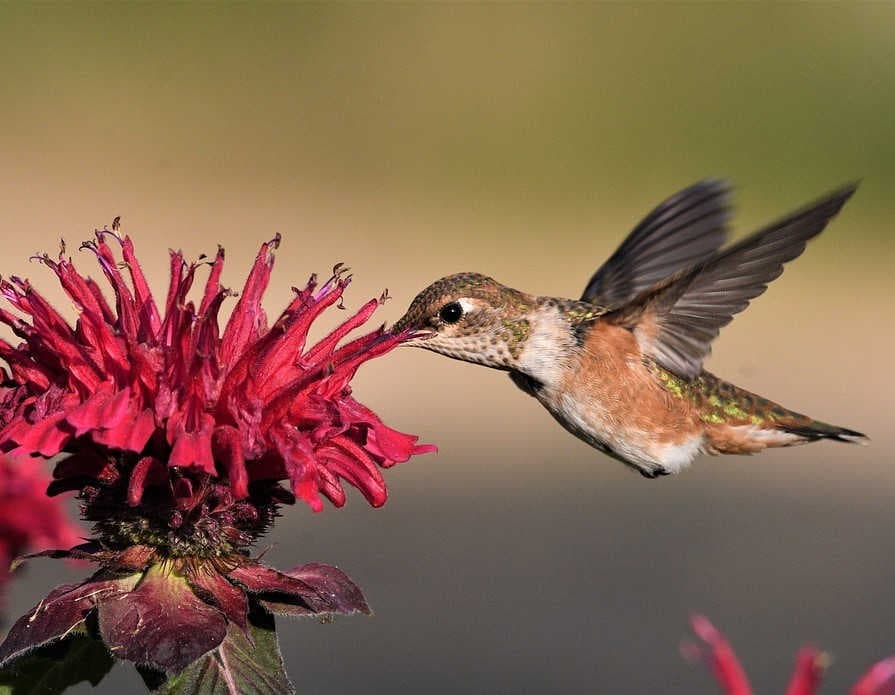
    Forests play a key role in the conservation of biodiversity. Today, too many threats interact, increasing the vulnerability of forests and individual species. In Europe, air pollution has negatively affected biodiversity more than on any other continent. Local ecosystems are devastated by invasive plant species, pests, diseases. An urgent change is needed to mitigate climate change, and as differing forest management practices and a lack of coordination about what to monitor and how to do it hinder the achievement of the goal, the European Commission has intervened by creating a comprehensive monitoring system for European forests. In line with the Biodiversity Strategy's 2030 target of planting 3 billion trees within the next seven years, 3Bee is creating Oases of Biodiversity and nectar forests to ensure regeneration of pasture for pollinating insects.

    impollinatore

    The current state of European forests

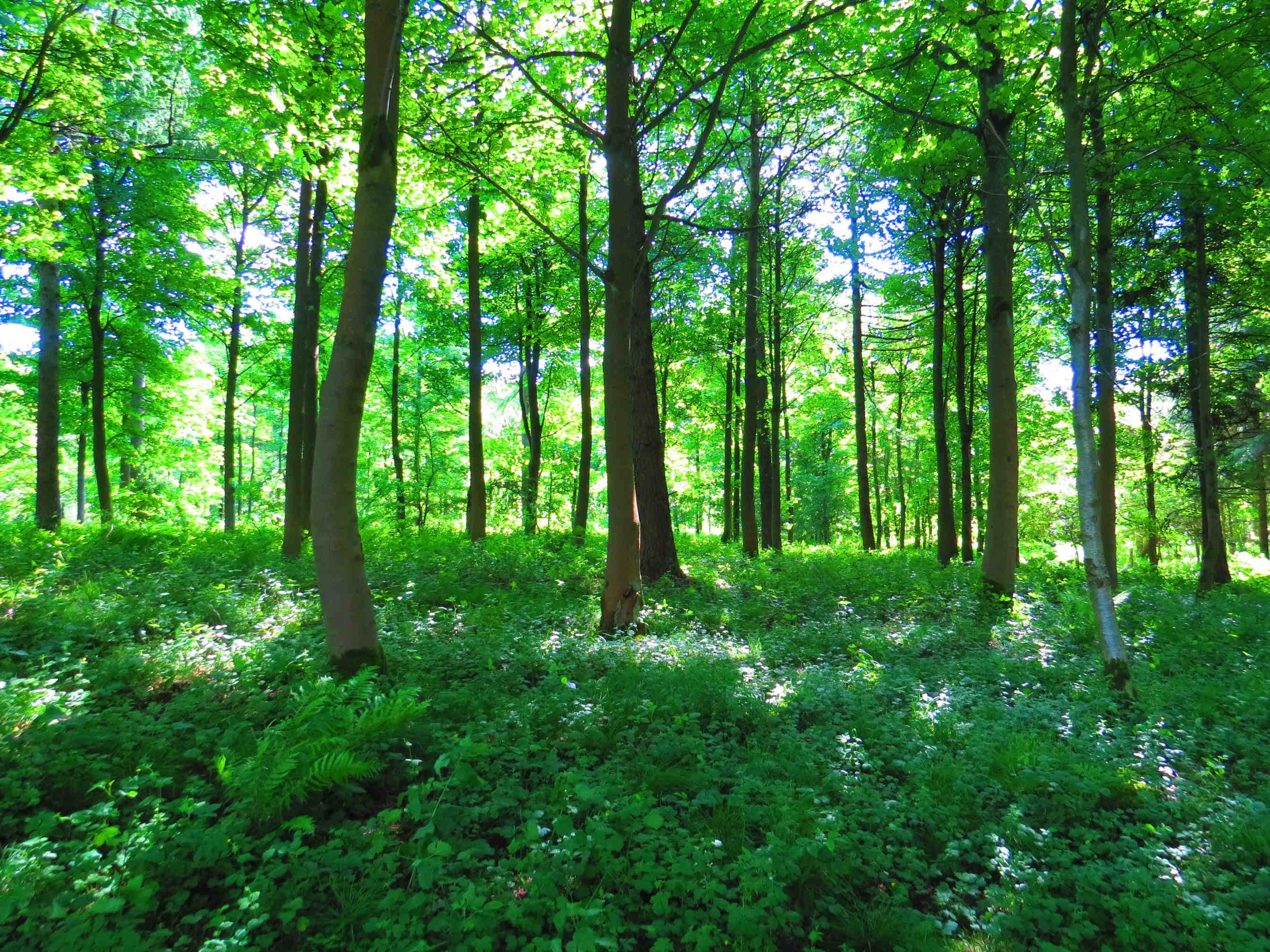
    The forests of the European Union are not in a good state because they are suffering from the loss of biodiversity, climate change, pollution, pests. As a result, the stability and productivity of forests is compromised while the demand for forest products and services is growing. Some forests have become sources of CO2 emissions and less and less are used as natural carbon sinks. All this when, on the contrary, forests should offer far-reaching environmental, climatic and socio-economic benefits. They are not only the habitat for so many species and poles of biodiversity, but are responsible for regulating water flows, releasing oxygen, and preventing erosion. They play a key role in Europe's climate-neutral green transition and provide raw materials such as wood, medical plants, cork, resin. They must, therefore, regain their resilience to play a key role in the EU strategy.

    Emissioni gas

    More resilient forests for a sustainable bio-economy

    Sustainability is a key term for Europe as evidenced by the various directives that aim to promote sustainable development of the continent. Member states have to be concerned about the social, environmental and economic benefits of activities within their national borders by directing actors towards sustainable measures to tackle current and future global challenges. Among these challenges is increasing the resilience of forests by protecting and rebuilding them stronger. The strategy must be to extend forests, plant trees, reduce deforestation and increase diversification to foster a sustainable and circular bio-economy. Achieving forest products in a sustainable and long life-cycle manner by storing CO2 and replacing non-renewable materials will be a step towards achieving climate neutrality.

    Ambiente sostenibile

    Costs and bureaucracy for Member States

    Once the need for a legislation on global forest monitoring has been established, it needs to be understood whether the new system will entail additional costs, restrictions and bureaucracy for the member states. Each state will be able to collect harmonised data based on the collection systems already in place provided they meet the accuracy requirements set by the European Commission. The Commission itself will help States that need assistance by providing Earth observation services and will make available complete and detailed data thanks to advanced technologies that will allow to reduce monitoring costs. Furthermore, the Bill will not interfere with the States' operational choices in terms of forest management, including planning.

    Transizione green

    XNatura Score: the biodiversity monitoring protocol

    3Bee has been recognised by the EU - in the framework of the EIC Accelerator - as the entity capable of developing biodiversity credits thanks to XNatura, the innovative terrestrial biodiversity monitoring protocol based on innovative proprietary technologies, specifically - Flora, developed in collaboration with the European Space Agency (ESA), i.e. software that uses AI and satellite imagery to map the study area and estimate the potential biodiversity of the habitat and suitability for pollinators.
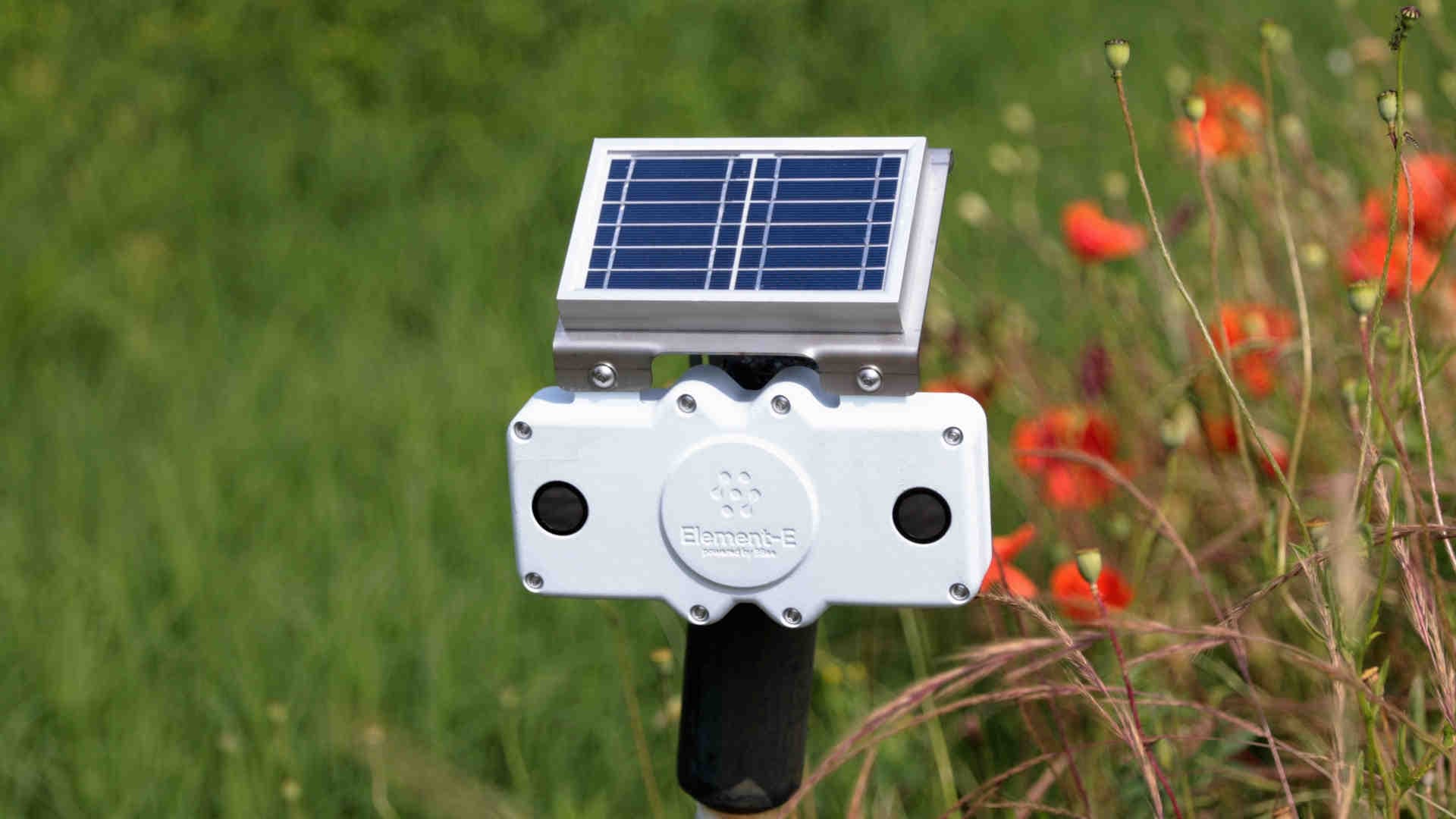
    - Spectrum, an IoT sensor that acts as an 'electronic ear', placed in the study area to detect quantities and types of pollinators present. Thanks to the beating of its wings, each pollinator emits a distinctive sound wave that is picked up by this technology, allowing its abundance to be assessed.
    A revolutionary approach that guarantees transparency, reliability and scalability.

    Article by Valentina Trogu

    Tutela della biodiversità
    21/12/2023Of 3Bee, Elena Fraccaro
    241 Views
    Newsletter
    newsletter
    Subscribe to the Blog about bees and biodiversity

    Frequently Asked Questions

    Do you have any doubts or other curiosities about this article? Here you will find some insights