<clr>Import Honey</clr> and <clr>Italian Honey</clr>
    3Bee approachMarketChinese honeyControlli

    Import Honey and Italian Honey

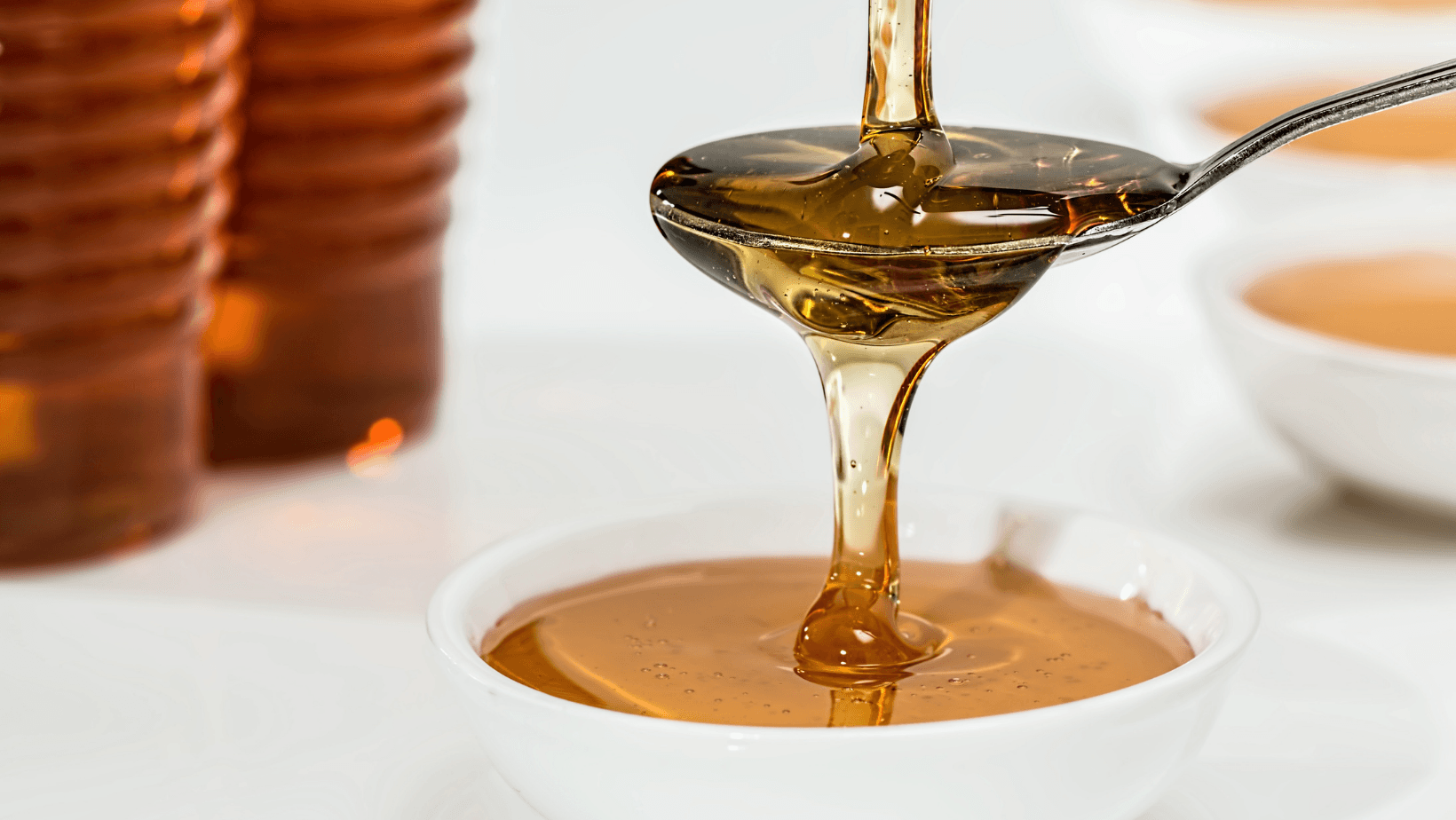
    The importation of honey, especially of dubious quality, is a burning issue. The sale of foreign honey, at rock-bottom prices, puts local producers in difficulty, as they struggle to compete against the prices of large retailers. But what is the current market situation?

    Read the article
    08/10/2021Of 3Bee, Elena Fraccaro
    819 Views
    08/10/2021Of 3Bee, Elena Fraccaro
    819 Views

    3Bee's approach to biodiversity protection
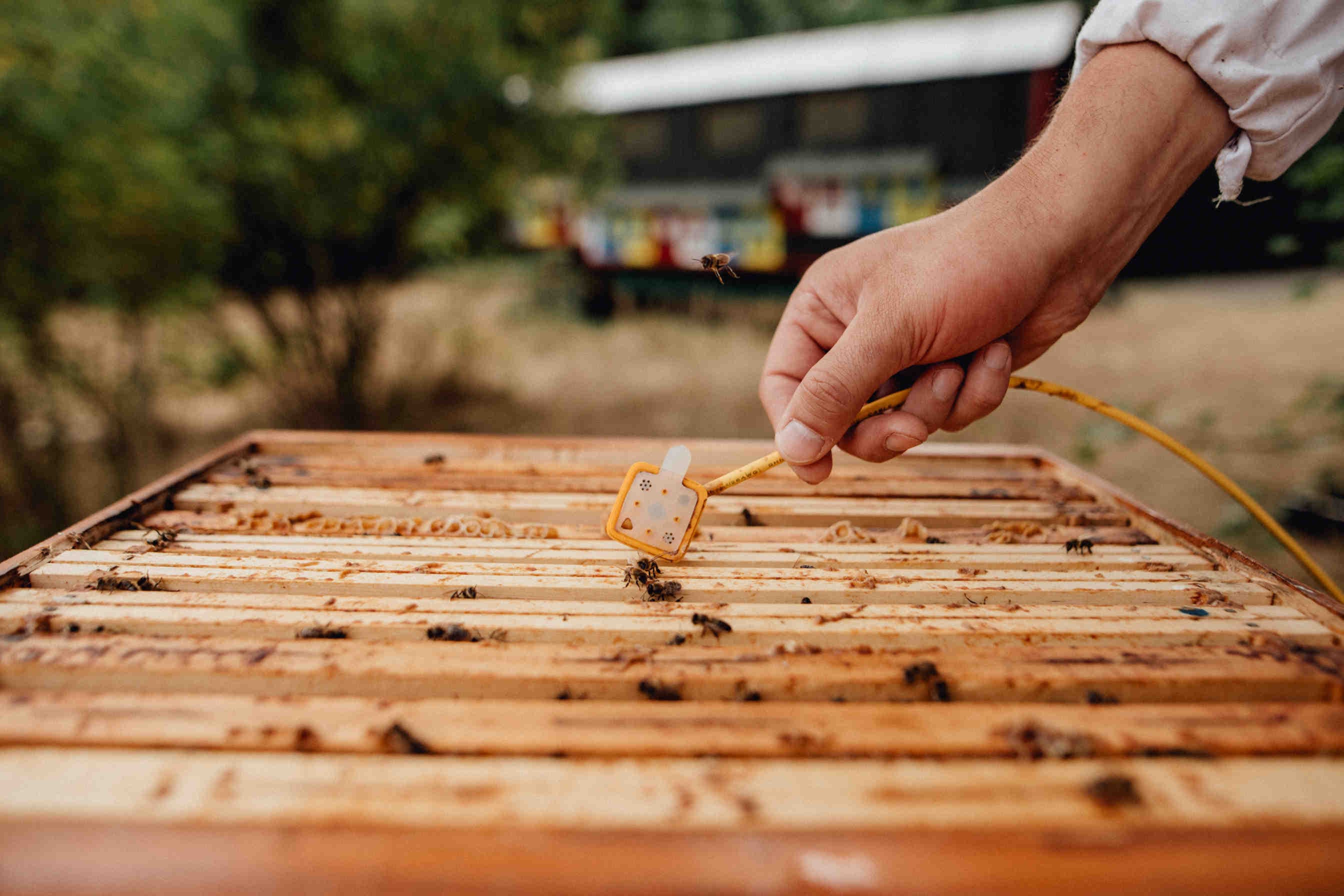
    3Bee is the Nature Tech company that develops technologies for the protection of biodiversity. 3Bee Hive-Tech is 3Bee's first system for analysing the health and 'starvation' status of honeybees, environmental bees par excellence. Over time, we have developed other technologies to study and monitor all the pollinating insects and created more than 200 Oases of Biodiversity with thousands of nectariferous plants to provide them with nourishment. In this way, we want to create a virtuous circle: our beekeepers are transformed by necessity into Oasis growers and promoters of environmental biodiversity. We do not encourage massive production and intensive breeding, which have a negative impact on biodiversity and pollinators. We do, however, recognise the value of honey as a valuable symbol of the biodiversity of an environment and a tool for disseminating the commitment and protection of an area, to be consumed sparingly and with respect for the life cycle of these insects.

    3Bee Hive-Tech

    The honey market in Italy and the world

    The Italian beekeeping registers a steady decline in bee production. However, in Italy from 2015 to 2019, domestic honey purchases grew by 8.8% against a 4% increase in volumes (ISMEA data,2020). At European level, Italy is the fourth country in terms of number of hives (1.6 million). It is followed by Spain (3 million hives), Romania and Poland (2 and 1.7 million hives respectively). Worldwide, China dominates the market with 543 thousand tonnes produced, around 29% of world production. It is followed by Turkey with 114 thousand tonnes (11% its world share).

    The honey market in Italy and the world
    XNatura

    Chinese honey: true or false?

    In contrast to Europe, there is a steady increase in production in China. This has enabled it to become the largest importer in Europe with 80,000 tonnes. In the USA, thousands of beekeepers have taken legal action against the major importers, accusing them of selling counterfeit honey. The Honey Authenticity Project, an organisation fighting against counterfeit honey, also denounces China's increase in imports following a slight increase in hives as a wake-up call. It is estimated that about one third of the world's honey imports may be counterfeit. What about quality? Surveys conducted by Test-Achats, a Belgian consumer association, show that many of the nectars analysed have been overheated. This system is used to give homogeneity to mixtures of different qualities of honey. Another problem is the presence of antibiotic residues in two thirds of the samples, drugs banned in Europe.
    Chinese honey: true or false?

    Coordinated controls at European level

    Since 2015, the European Commission has initiated a coordinated control plan in order to avoid the spread of adulterated honey on the single market. Since then, numerous checks have been carried out to avoid cases of possible fraud in the honey sector. More than 30% concerned China alone. Finally, a duty of 17.30% was introduced for all honey imports into Europe from China. Paolo De Castro, pro-tempore President of the Agriculture Committee of the European Parliament announces that "...the European Commission does not intend to lower its guard on the conformity of honey imported into Europe, in particular from China, in compliance with the high quality standards that our beekeepers have to meet every day with effort and cost, for the benefit of all of us consumers..."

    Coordinated controls at European level
    XNatura

    Honey imports in Italy

    In 2020, Italy imported 20,000 tonnes of honey, exceeding domestic production by about three thousand tonnes, an increase of 13% compared to the (very bad) figures for 2019. It is therefore important to encourage local production, which is very diversified and of high quality. Alternatively, one can turn to countries with higher quality standards and greater food safety. Italy is in any case among the leading countries in the sector, with more than 1.6 million hives (an increase of 7.5% in the last year), a figure that places our country in fourth place at European level (behind Spain, Romania and Poland).
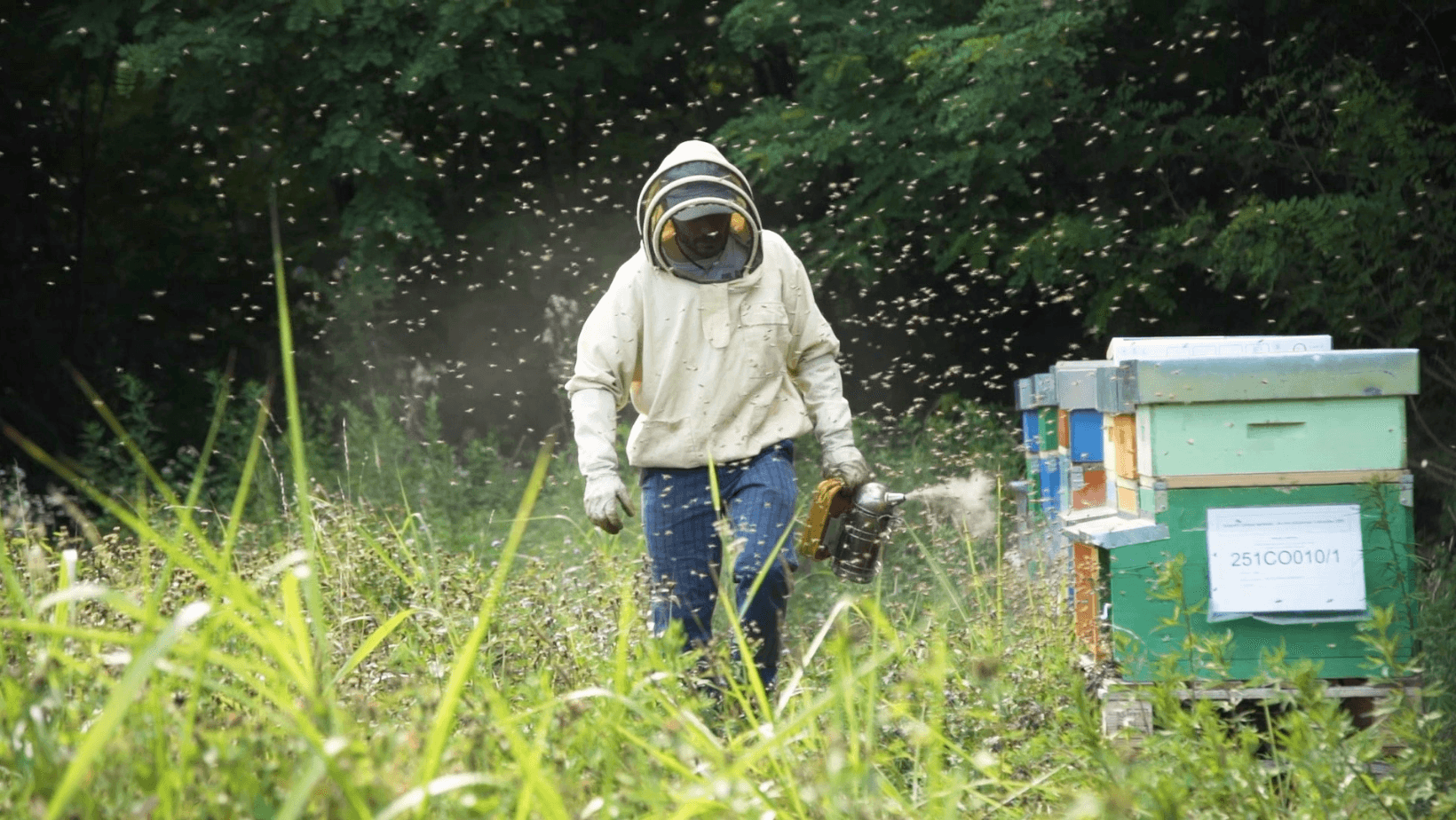
    Honey imports in Italy
    3Bee

    Programmes to protect national production

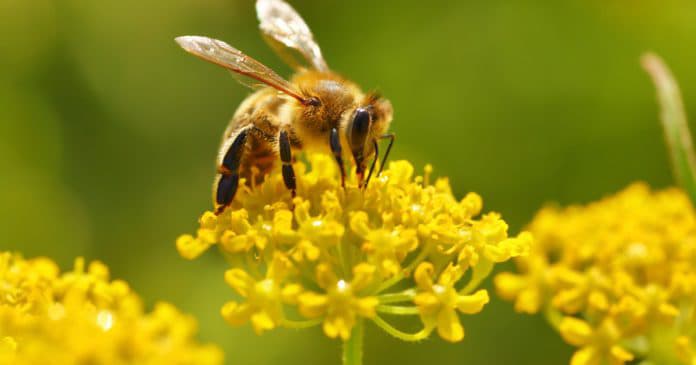
    To counter the increasing import of foreign and poor quality honey, institutional intervention is indeed necessary, but local initiatives have also sprung up to promote the honey product. One of these is "Adopt a 3Bee hive". This project aims to make known the Italian beekeeping realities, even small ones, to a national and even European customer base. Beekeepers equipped with 3Bee remote monitoring systems can put their profile online on the sales platform and make their local, quality honey known to all. This provides a deeper insight into Italian beekeeping realities and the great variety of honey production on the peninsula. By maximising the value of the national product one can increase consumer awareness, guiding them in their purchasing choices and preserving them from a product that is so priced in
    Programmes to protect national production

    Types of Honey

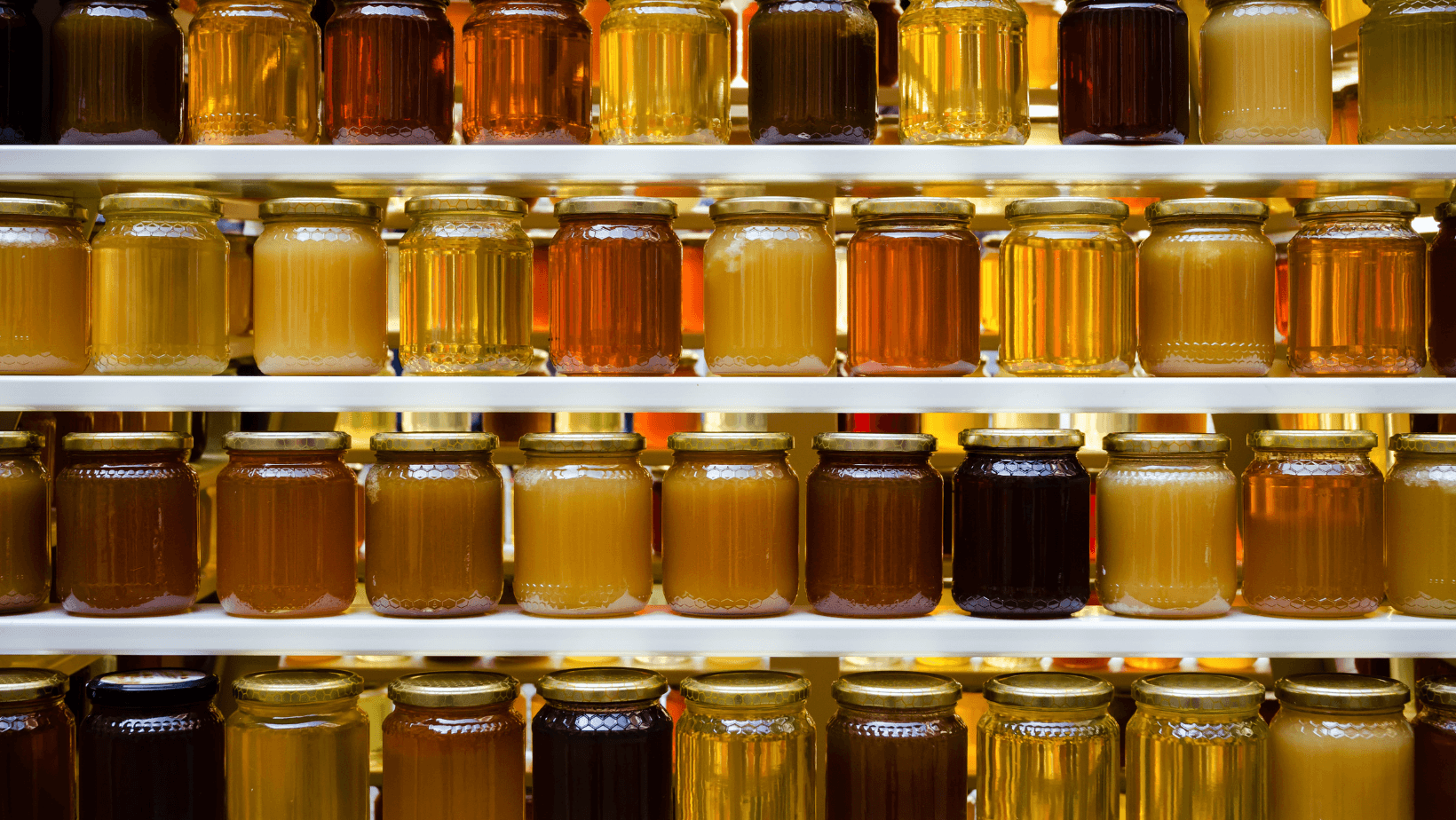
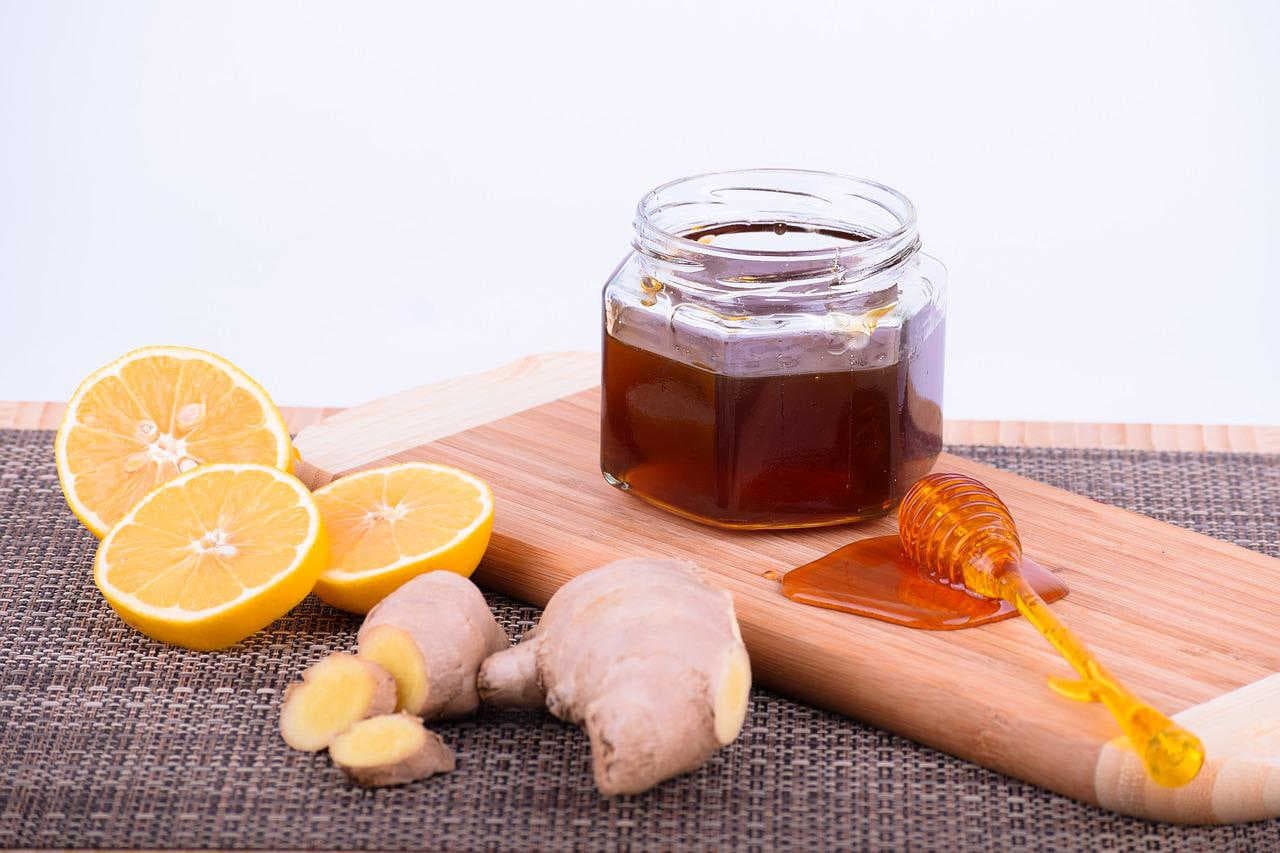
    There are more than 50 types of honey that the Italian territory offers. From North to South, one can find many types of plants and flowers, from which bees collect pollen and nectar. Honey is a true symbol of biodiversity. The types are diverse, from the best-known honeys such as the honey of acacia, the chestnut honey, the lime honey, and then on to rarer honeys, such as lavender honey, santoreggia honey, clover honey and many others.
    Types of Honey
    08/10/2021Of 3Bee, Elena Fraccaro
    819 Views
    Newsletter
    newsletter
    Subscribe to the Blog about bees and biodiversity