Even common cuttlefish can create false memories
    MemoryCommon cuttlefishEpisodicaStudio

    Even common cuttlefish can create false memories

    Humans can remember the what, where and when of a past event thanks to episodic memory, which reconstructs separately encoded and stored memories in the brain. If these memories are misconnected, false memories can be created, a phenomenon that also occurs in cuttlefish.

    Read the article
    22/08/2024Of 3Bee, Alessia Mircoli
    300 Views
    22/08/2024Of 3Bee, Alessia Mircoli
    300 Views

    Episodic memory

    Episodic memory, which concerns the recollection of personally experienced events, is a constructive process. During an event, its characteristics are encoded and stored separately in the brain and subsequently reconstructed when the memory resurfaces. However, this reconstruction process is not infallible. Even with monitoring mechanisms, mnemonic errors may occur, especially when different events share different characteristics. These overlaps that are difficult to discriminate can lead to the creation of false memories.
    seppie

    The common cuttlefish

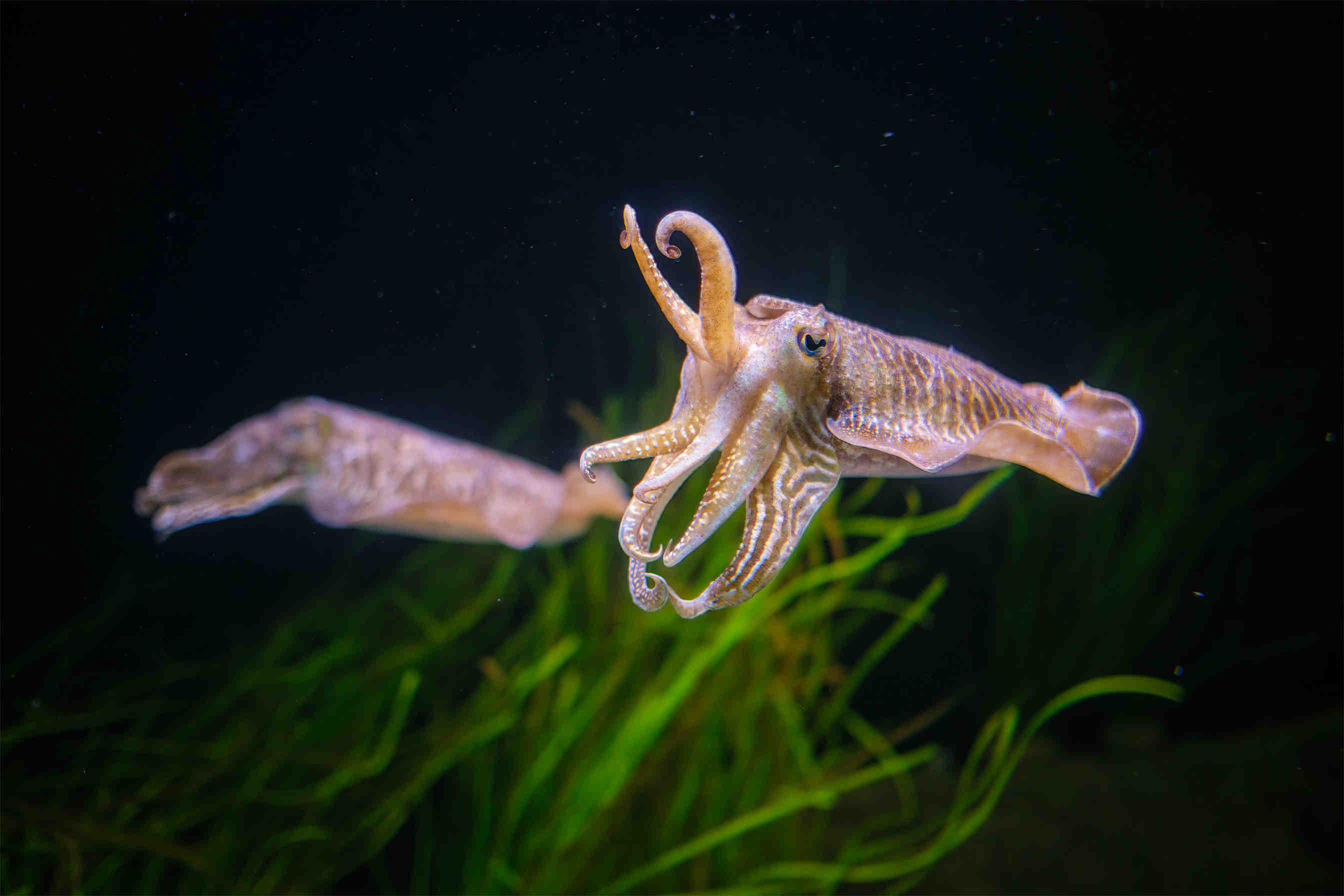
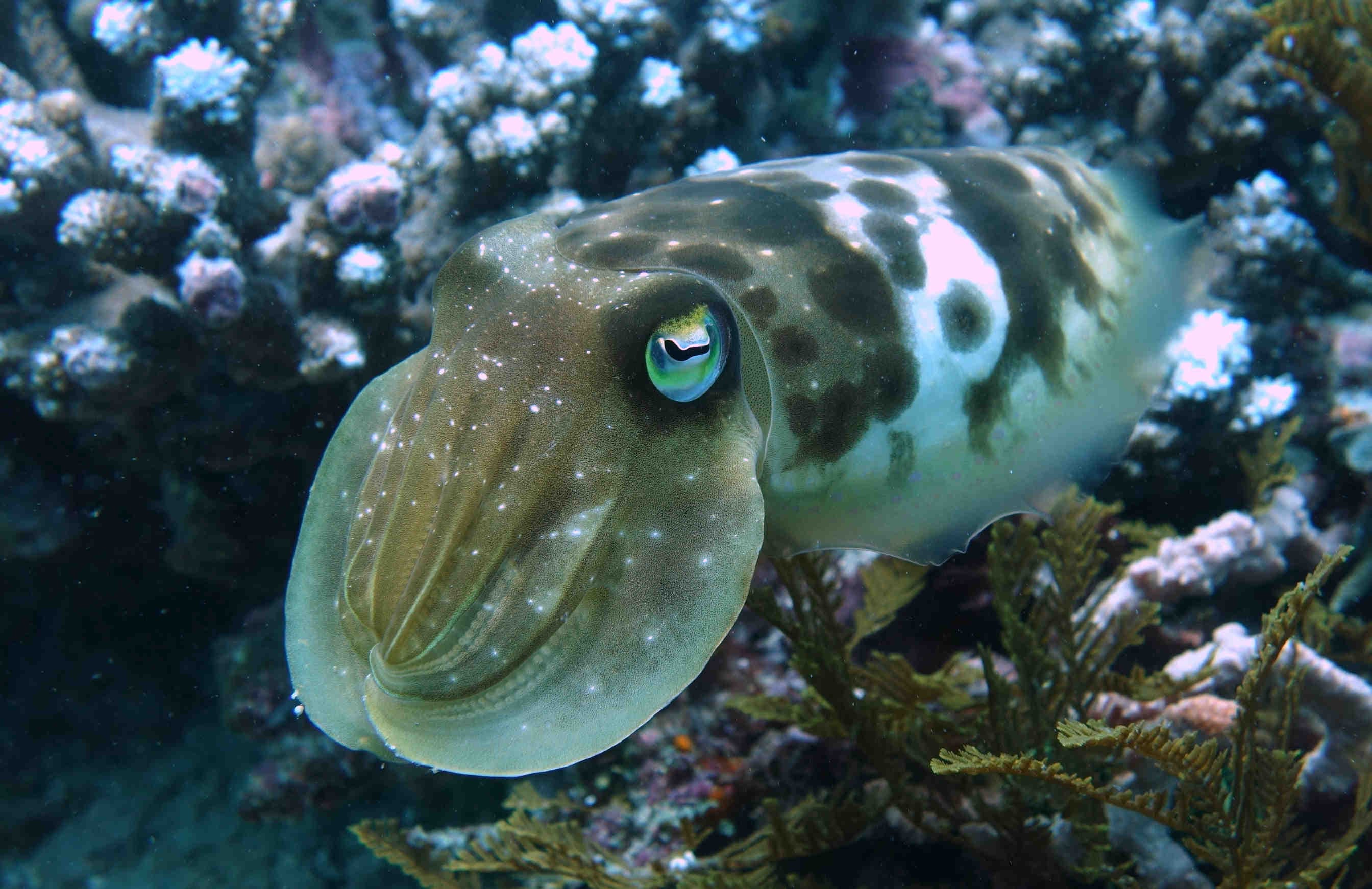
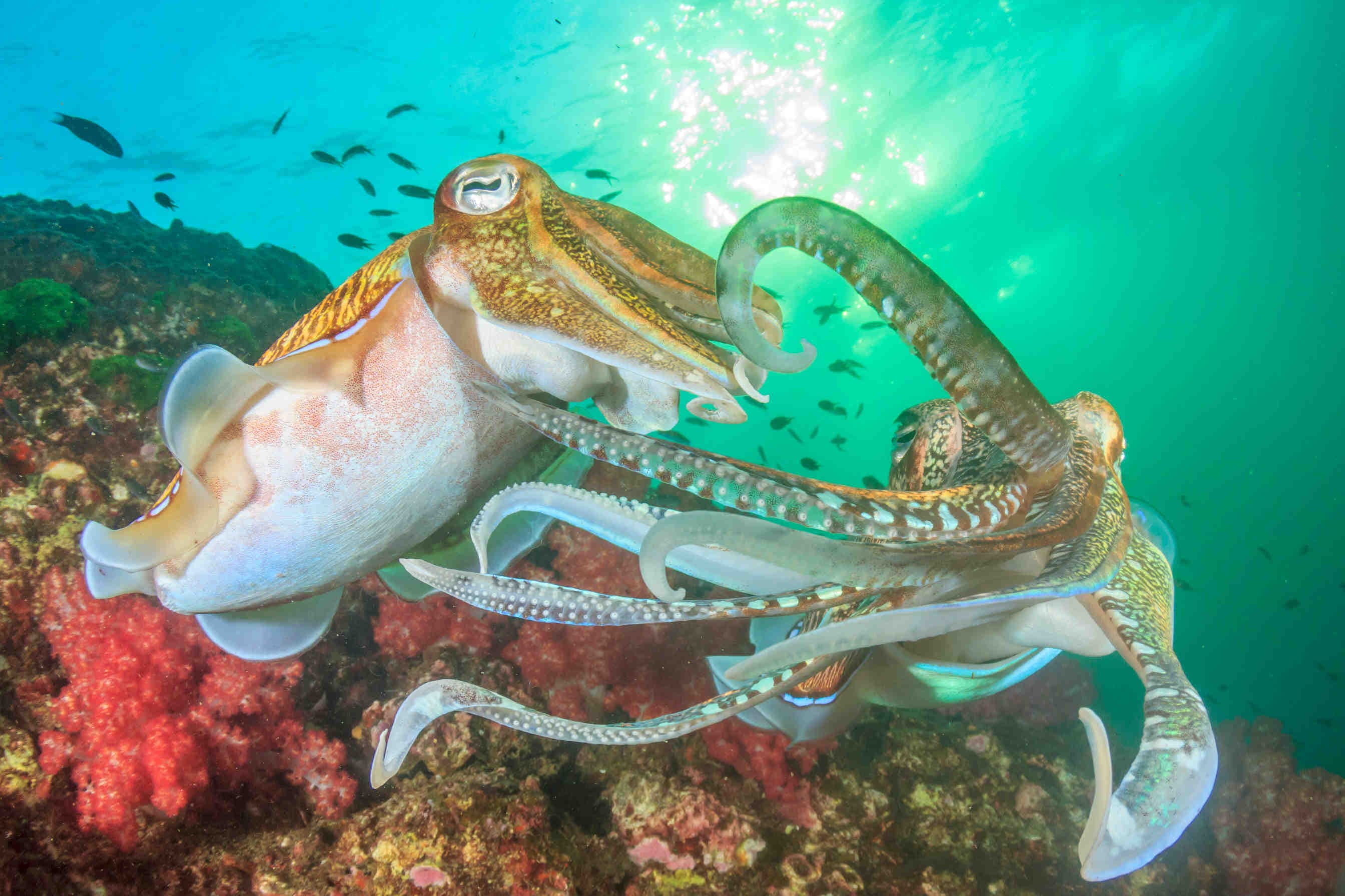
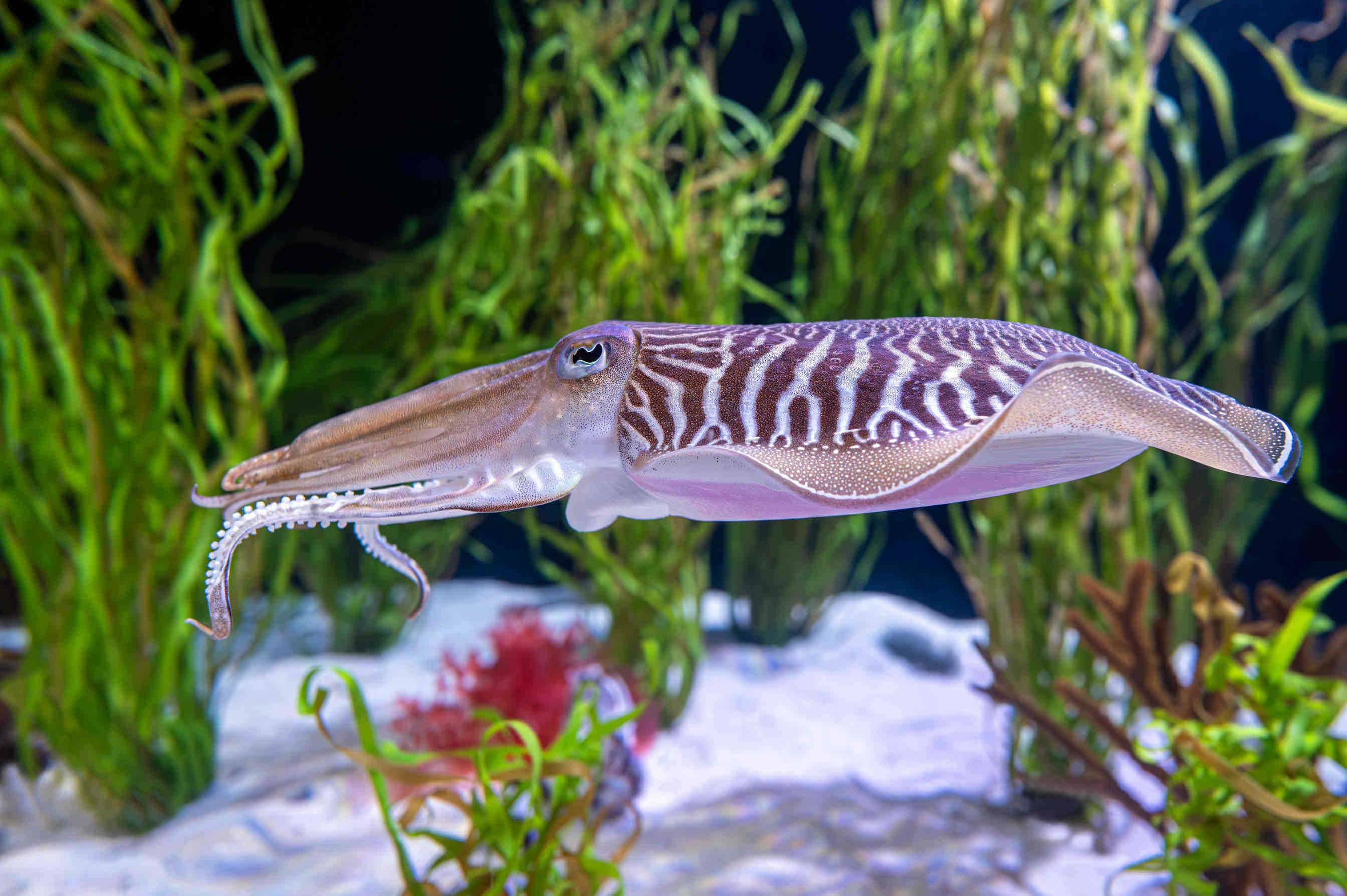
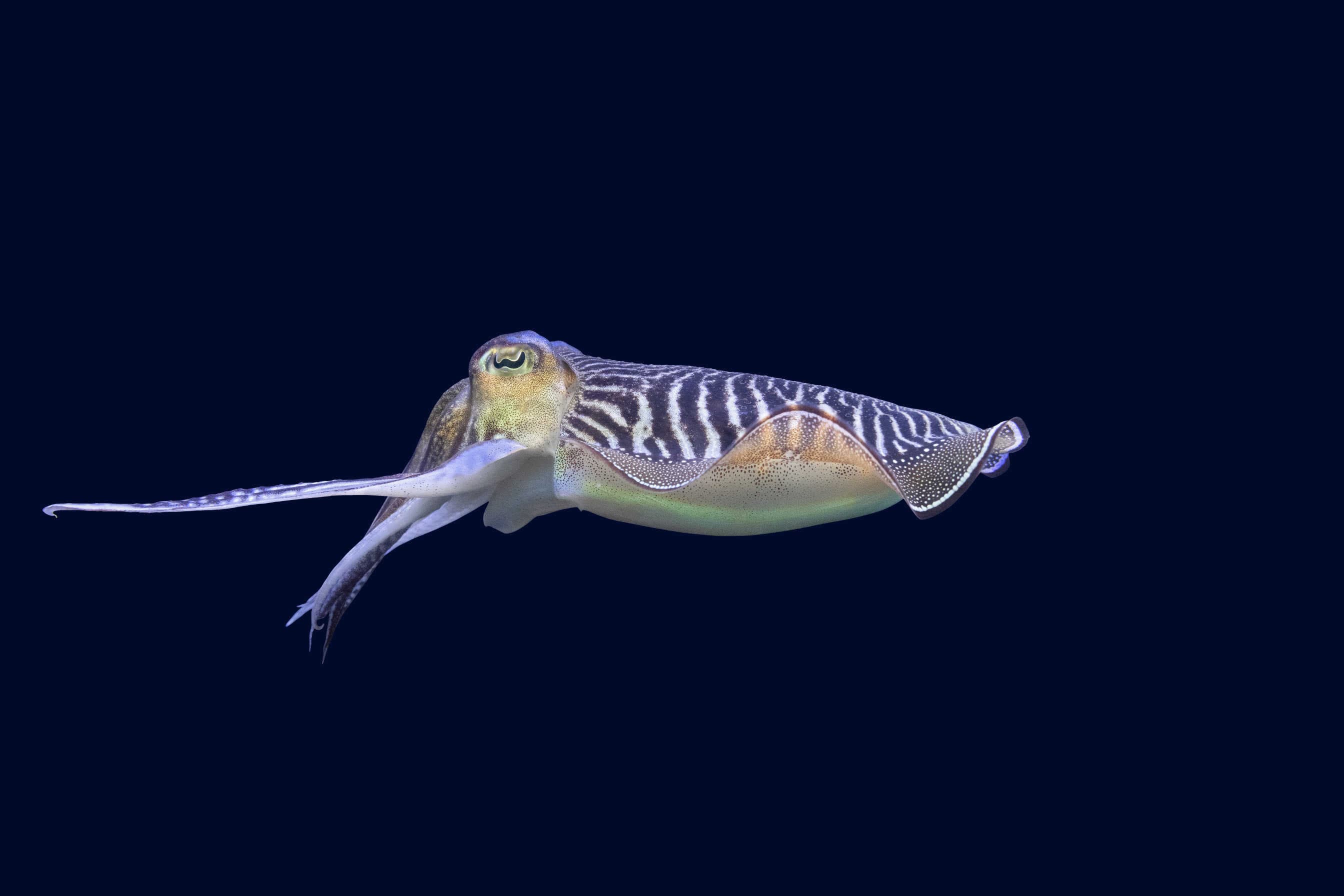
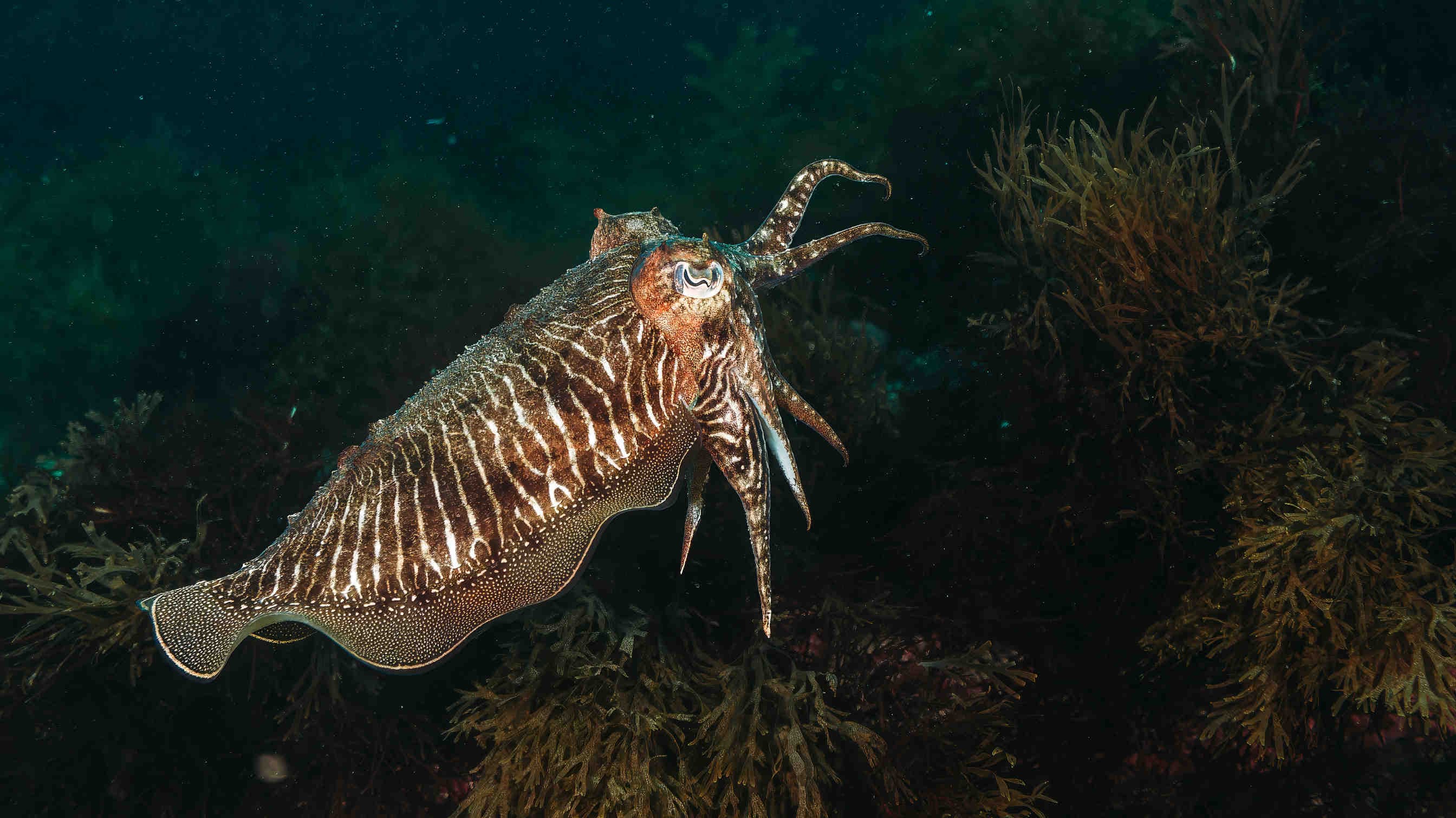
    Reconstructive mnemonic processes are rarely explored in non-human animals; in fact, very few studies have been conducted on false memories in animals. Thus, to explore reconstructive memory capabilities, a team of researchers studied the common cuttlefish (Sepia officinalis), a cephalopod mollusc belonging to the family Sepiidae, found only in the Mediterranean Sea and the eastern Atlantic Ocean, from the North Sea to the central eastern African Ocean. The common cuttlefish is known for its ability to change colouration, a common feature in cephalopods. Normally yellowish-grey in colour, it can alter its colour in response to danger. Like other cephalopods, it also defends itself by releasing a black ink from the 'black pouch' through the anterior siphon. This ink serves to confuse the predators, allowing the cuttlefish to escape.

    seppia comune
    XNatura

    The episodic memory of the Common Cuttlefish

    These animals have been recognised as the only invertebrates with episodic memory. In other words, they can recall and recall what happened to them in the past. However, the mechanisms by which they can retrieve memories of events they have experienced are unknown. Because understanding how cuttlefish manage and retrieve these memories could provide important insights into episodic memory in animals, a team of researchers wanted to get to the bottom of it.
    seppia comune

    The study

    To investigate this, the researchers decided to try to induce false memories in cuttlefish. If these animals use a reconstructive process for their episodic memories, they hypothesised that they should be susceptible to the formation of false memories. To encourage the formation of these, they exposed the cuttlefish to successive events with many common characteristics. The aim was to test whether it was possible to make the cuttlefish remember seeing their favourite food, shrimp, in a tube that was in reality empty. But how?
    seppia
    XNatura

    False memory induction experiment in cuttlefish

    First, the researchers showed the cuttlefishthree tubes: one containing shrimp, their favourite food; one with a crab, which they do not like very much; and one empty. Next, they presented the cuttlefish with two of the three tubes they had already seen: the one with the shrimp and the empty one, but this time the contents of the tubes were not visible. The researchers' ultimate aim was to try to trick the cuttlefish by using specific visual and odour patterns to create overlaps in their memories. The aim was to test whether the cuttlefish would erroneously remember the presence of shrimp in the empty tube, as they had previously seen it together with the tube with the shrimp.

    direzione
    3Bee

    The moment of truth

    To test the hypothesis, the researchers allowed the cuttlefish to choose between an empty tube and one with a crab, with the contents of the tubes not visible. The cuttlefish's choices suggested that the misleading information of past events had altered their memories. Indeed, instead of opting for the tube containing the crab, which they disliked, the cuttlefish chose the empty tube more frequently than expected. This suggests that they had mistakenly remembered that the empty tube contained shrimp.
    seppia comune

    The advantages of cuttlefish reconstructive memory

    Although further studies are needed, the results indicate that cuttlefish can form false memories based on visual information, but not on odours. The researchers suggest that this memory mode could help reduce memory usage, i.e. the time and resources required to store and retrieve information. Storing smaller blocks, in fact, is less time-consuming than storing complex and detailed information all at once. Moreover, if the cuttlefish can memorize small blocks of information and then reconstruct them, they can combine and adapt this information in new ways and deal with different future situations using combinations of features they have stored separately. However, the researchers also observed surprising variation between individual cuttlefish.

    puzzle

    Not everyone is the same

    The susceptibility to forming false memories seemed not to be the same in all individuals. Indeed, some specimens appeared to be unaffected when exposed to a misleading event, while others were much more prone to the formation of false memories. This, however, is not a phenomenon to be surprised about as it occurs commonly in our species as well. However, the researchers say that in future studies it will be important to deepen this question to understand whether sensitivity to the formation of false memories might change within an individual depending on age, attention level or even emotional state.
    pedine

    Implications for memory research in animals

    The results of the cuttlefish study offer valuable insights into the mnemonic abilities of animals and their potential limitations. The finding that cuttlefish can form false visual memories suggests that invertebrates also possess reconstructive memory mechanisms similar to those of humans. This not only broadens our understanding of animal memory, but also raises questions about how episodic memory may vary between species. Future studies could explore whether other cephalopod or invertebrate species exhibit similar capacities, and how these capacities influence behaviour and adaptation in the natural environment. Research on reconstructive memory in animals could, therefore, reveal new insights into cognitive processes and survival strategies.

    laboratorio

    The complexity of nature never ceases to amaze

    Discoveries such as these demonstrate how extraordinary and complex nature is. The ability of cuttlefish to recall specific events and even form false memories reveals a level of cognitive sophistication that defies our expectations. Nature, through evolution, has developed such refined characteristics that not only allow animals to survive, but also endow them with amazing intelligence. This study not only enriches our understanding of animal cognition, but also invites us to reflect on how incredible and varied mental processes can emerge in such diverse life forms. The fact that even cuttlefish can create false memories is another fascinating example of how nature, with its infinite complexity, continues to amaze us and reveal ever new secrets about its inhabitants.

    natura
    22/08/2024Of 3Bee, Alessia Mircoli
    300 Views
    Newsletter
    newsletter
    Subscribe to the Blog about bees and biodiversity

    Frequently Asked Questions

    Do you have any doubts or other curiosities about this article? Here you will find some insights