EU Taxonomy: requirements for environmental and natural projects
    EU TaxonomyEnvironmentSFDROmnibus

    EU Taxonomy: requirements for environmental and natural projects

    The EU Taxonomy is the key tool to define what is sustainable in Europe. It establishes rigorous criteria for environmental and natural projects, directing investments and policies towards a green economy. The latest regulatory changes 'Omnibus Package' promote business competitiveness.

    Read the article
    21/06/2025Of 3Bee, Angelina Tortora
    83 Views
    21/06/2025Of 3Bee, Angelina Tortora
    83 Views

    What is the EU Taxonomy and why is it important

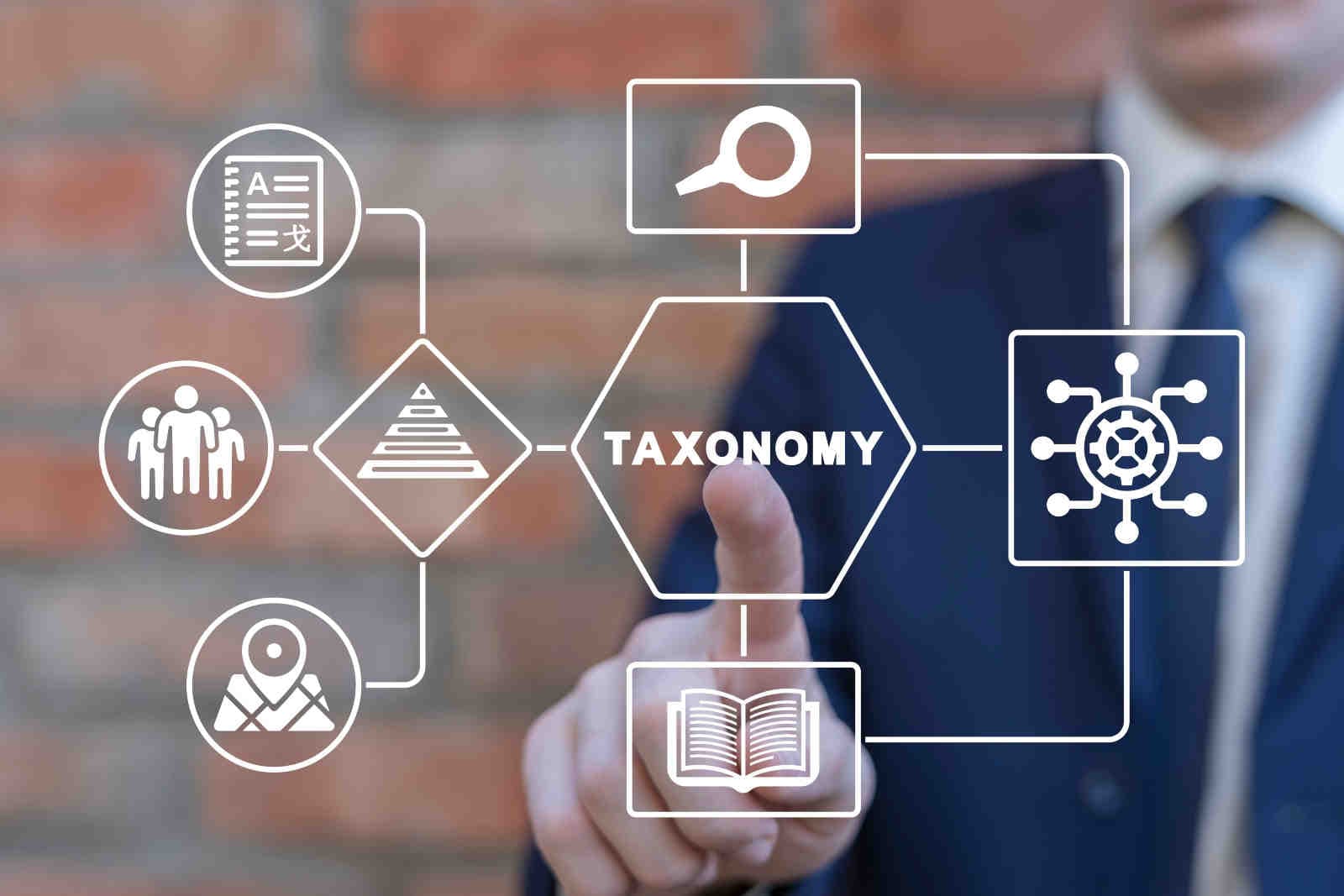
    The European Union Taxonomy is a classification system that identifies economic activities considered environmentally sustainable. Introduced in the context of the 2018 Sustainable Finance Action Plan, it aims to provide a clear and scientifically based definition of what can be labeled as "green." This tool is essential for directing investments towards activities that contribute to the EU's environmental objectives, countering greenwashing practices and promoting transparency in the financial market. The Taxonomy is based on technical criteria developed by experts and determines whether an economic activity significantly contributes to one or more of the six environmental objectives outlined by the EU. With this system, investors can accurately assess the environmental impact of their financial decisions, fostering a transition towards a more sustainable economy.
    Cos'è la Tassonomia UE e perché è importante

    The six environmental objectives of the EU Taxonomy

    The EU Taxonomy considers an economic activity sustainable if it contributes significantly to one of the following six environmental objectives:
    • Climate change mitigation: reduction of greenhouse gas emissions and increase in energy efficiency.
    • Adaptation to climate change: improvement of resilience to extreme climate phenomena.
    • Sustainable use and protection of water and marine resources: responsible management of natural resources.
    • Transition to acircular economy: promotion of recycling and waste reduction.
    • Pollution prevention and control: reduction of air, water, and soil pollution.
    • Protection and restoration of biodiversity and ecosystems: preservation of natural fauna and flora.
    Furthermore, every economic activity must comply with the "Do No Significant Harm" principle (DNHS).
    I sei obiettivi ambientali della Tassonomia UE
    XNatura

    EU Taxonomy and SFDR

    The EU Taxonomy serves as a fundamental pillar also in the new SFDR scenario, and recently there has been a significant development with Regulation (EU) 2024/3005, published in the Official Journal of the European Union on December 12, 2024, and entering into force on January 1, 2025, with application starting from July 2, 2026. This Regulation amends the SFDR (Regulation 2019/2088) and ESAP Regulation (2023/2859), introducing a harmonized regulatory approach to ensure transparency, integrity, comparability, and independence in ESG ratings. Additionally, regulation on providers is tightened: those operating in the EU must be authorized and supervised by ESMA and must publish methodologies, data sources, and methods of separating business activities, preventing conflicts of interest and phenomena such as greenwashing and social washing. Non-EU providers, on the other hand, can operate only if endorsed or recognized by an authorized provider or registered with the ESMA registry.

    Tassonomia UE e SFDR

    The innovations of the Omnibus Package: simplifications and impacts

    The EU Taxonomy is closely linked to other European regulations, the SFDR, and the Corporate Sustainability Reporting Directive (CSRD). With the adoption of the CSRD Omnibus, significant simplifications were introduced: higher thresholds excluding about 80% of companies from the obligation, more streamlined ESRS standards, and deferred timelines to facilitate adjustment. The sustainable reporting calendar changes radically with the approval of the Omnibus Package: large companies already subject to the NFRD will publish reports in 2025 (financial year 2024), while other companies, including listed SMEs and non-EU companies, will start between 2028 and 2029. Thanks to the two-year extension introduced by the package, companies will have more time to adapt and strengthen their internal processes.

    Le novità del Pacchetto Omnibus: semplificazioni e impatti
    XNatura

    Future perspectives: opportunities and challenges for businesses

    The adoption of the EU Taxonomy offers companies a unique opportunity to position themselves as leaders in sustainability. Adopting the criteria of the Taxonomy allows access to green financing, improves corporate reputation, and meets the increasing demands of investors and consumers. However, companies must deal with the complexity of the requirements and the ongoing regulatory changes, especially SMEs. Investing in monitoring systems, training, and continuous improvement is essential for effective communication of ESG performance and adapting to constantly updated regulations. Active participation in regulatory discussions and the adoption of best practices will help companies shape a regulatory framework that promotes sustainability without compromising competitiveness.
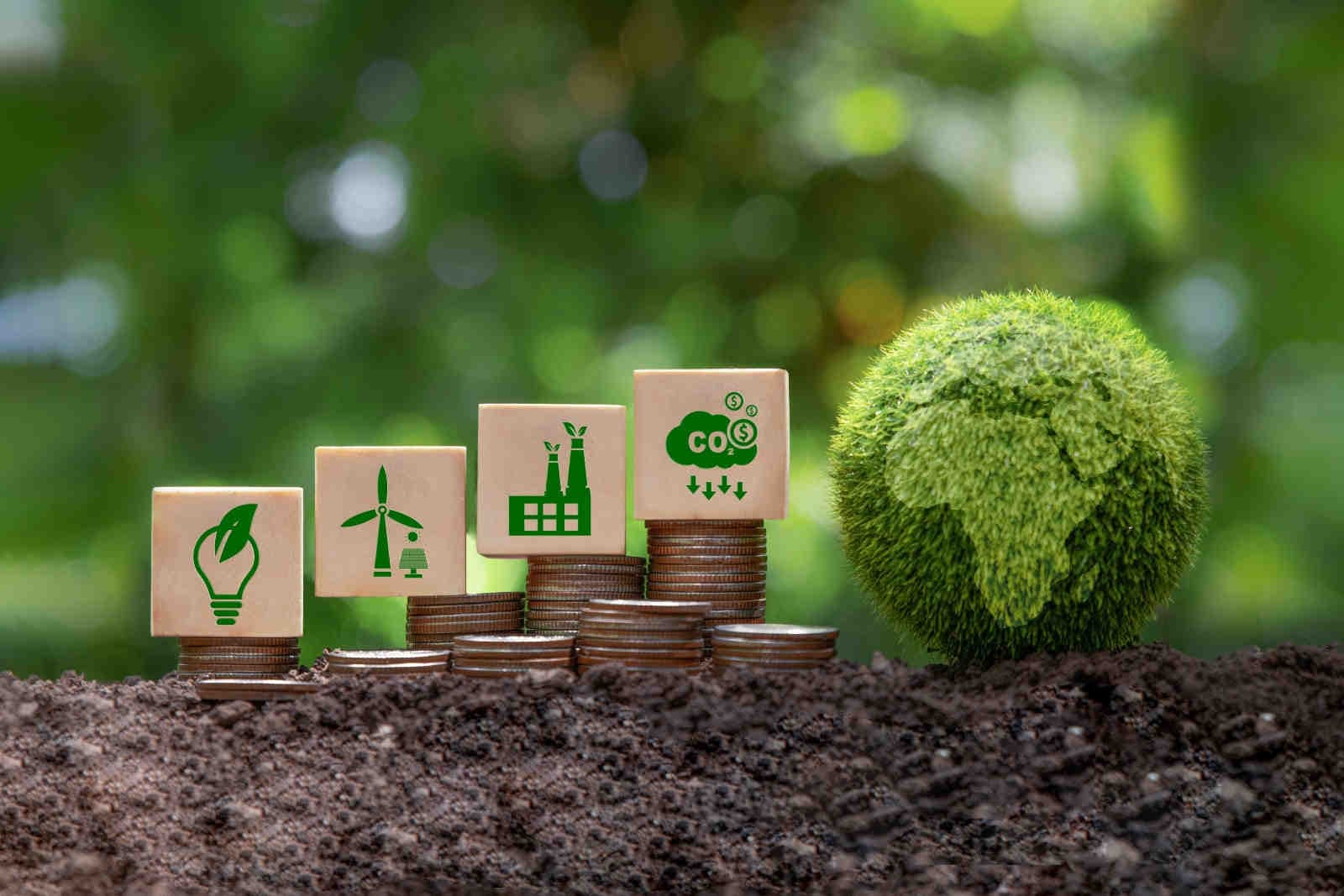
    Le novità del Pacchetto Omnibus: semplificazioni e impatti
    3Bee

    3Bee's expansion into international markets

    This article was created as part of the project "Biodiversity services EU expansion" (CUP: E43D22000480009) funded by the Lombardy Region call "PR FESR 2021-2027 – LINEA INTERNAZIONALIZZAZIONE 21-27", aimed at supporting the internationalization of Italian companies. 3Bee is the naturetech company that develops innovative technologies for monitoring, protecting, and regenerating biodiversity, supporting companies in defining personalized climate strategies based on the analysis of their impacts and dependencies on nature. With an established portfolio in Italy, Germany, and France and significant partnerships, 3Bee continues its expansion into international markets to create a concrete impact through technology.

    21/06/2025Of 3Bee, Angelina Tortora
    83 Views
    Newsletter
    newsletter
    Subscribe to the Blog about bees and biodiversity

    Frequently Asked Questions

    Do you have any doubts or other curiosities about this article? Here you will find some insights