Effects of microplastics on pollination
    MicroplasticsXenobioticiPollinationPlants

    Effects of microplastics on pollination

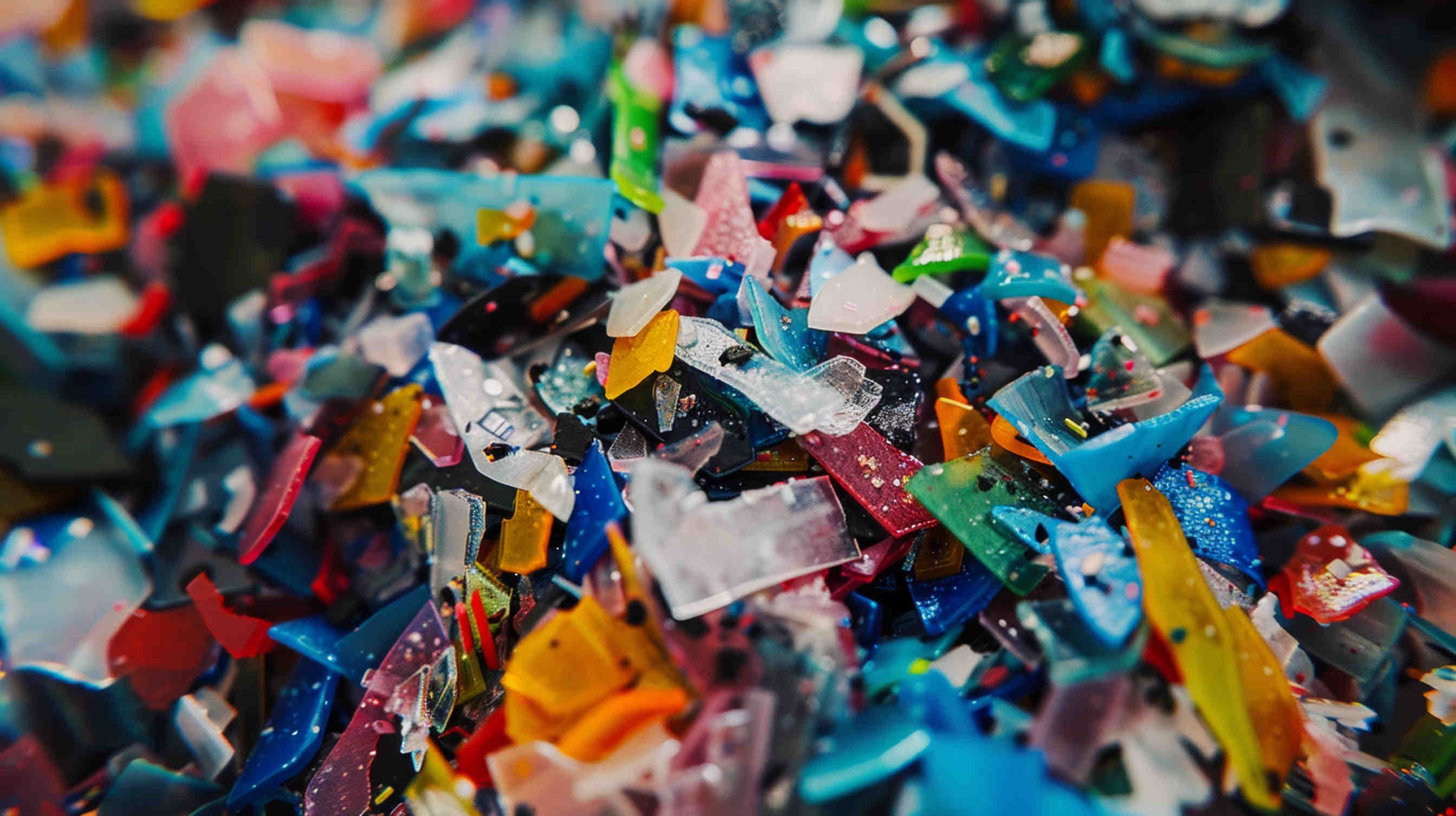
    The degradation of plastics forms small fragments called 'microplastics' that are able to spread everywhere and penetrate organisms, so much so that interference has been observed, at various levels, in the biology of pollination.

    Read the article
    10/04/2024Of 3Bee, Lara Vivarelli
    749 Views
    10/04/2024Of 3Bee, Lara Vivarelli
    749 Views

    What are Microplastics and Nanoplastics

    Recent years have seen a accumulation of plastic pollution, both in soil and water, which is a problem for health, primarily human, but also for biodiversity. Plastic, now a commonly used and overproduced material, is derived from fossil sources, which, being non-biodegradable, accumulate in the environment. The dispersed plastic undergoes deterioration, creating fragments of different shapes called "microplastics". The microplastics can undergo further degradation and turn into 'nanoplastics', i.e. fragments smaller than 1μm, which are, however, difficult to detect and quantify. Their very small size makes them easily ingestible and penetrable into cells, where they can carry out their potentially harmful action. They are known to be very stable, making thempersistent pollutants in the environment for decades.
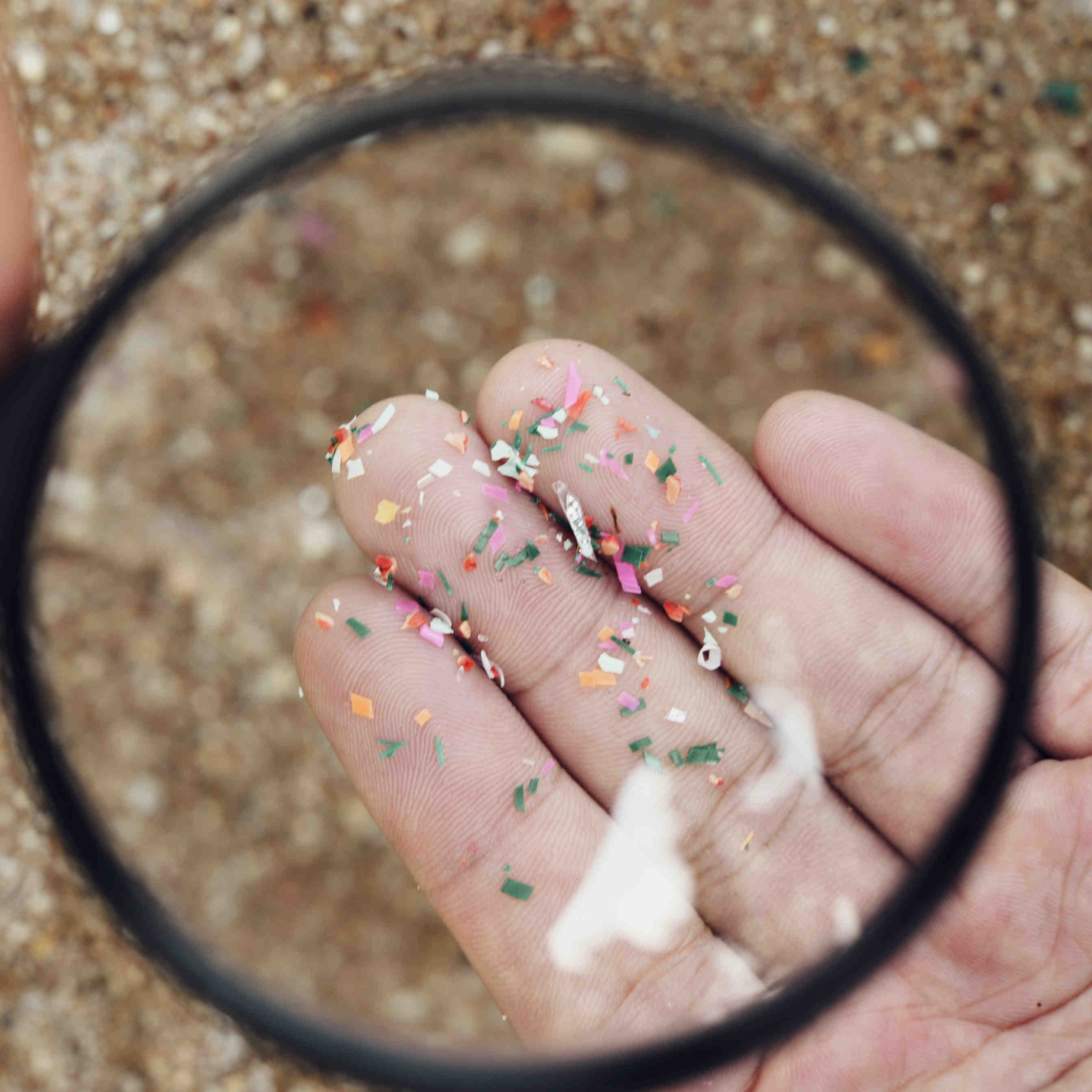
    Microplastiche

    Microplastics as vectors of xenobiotics

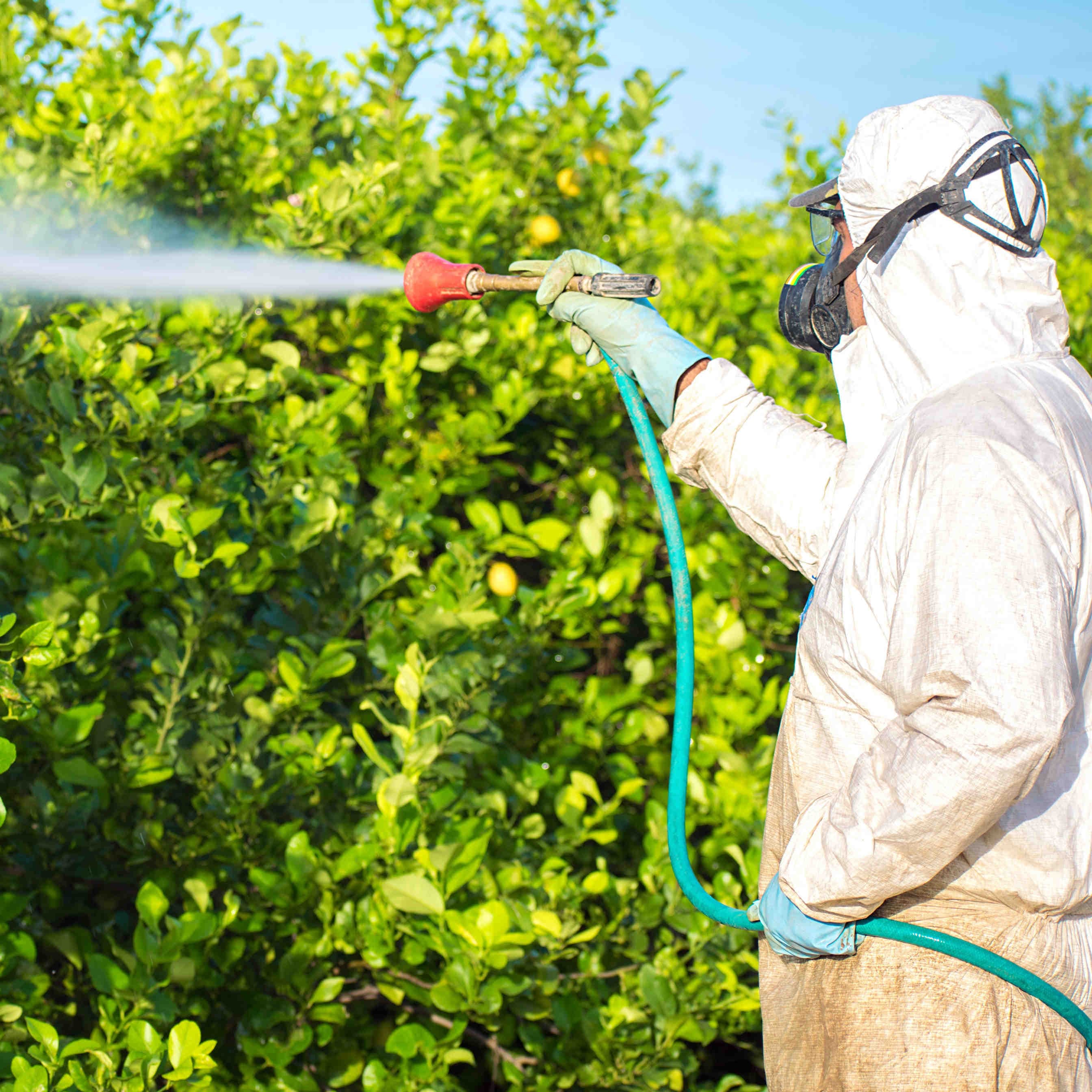
    The term xenobiotic refers to a substance of any kind, of natural or synthetic origin, that is foreign to an organism. Xenobiotics are often toxic or capable of altering functions in the organism into which they have been introduced or to which the organism has been exposed. Microplastics, in addition to being composed of non-biodegradable fossil material, such as ethylene and propylene, have the ability to absorb environmental contaminants: they are able to carry chemicals, such as pesticides, heavy metals and other environmental pollutants, thus xenobiotics, negatively affecting the process of pollination as they alter structures, properties and functions of both plants and pollinators. It has also been documented that exposure to microplastics, together with antibiotics, makes insects more vulnerable.

    xenobiotici, pesticidi
    XNatura

    Pollination

    The sexual reproduction of plants occurs by means of thetransfer of pollen: to a small extent by means of the wind (anemophily), but mainly by means of certain animals, called pollinators, the majority of which are theinsects. 87.5 % of wild plants can reproduce precisely thanks to the latter, and, therefore, pollination is essential for those plant organisms that do not practice auto-pollination, as they are not hermaphrodites, and have not evolved structures for anemophilous pollen dispersal.

    impollinatore

    Effect of microplastics on plants

    The exposure of plants to microplastics causes alterations at different levels of the biology of these plant organisms. Their secondary metabolite profile and their hormonal profile are disturbed by the presence of such fossil-derived fragments. Microplastics affect plant growth, retarding it, and cause morphological abnormalities in various plant tissues. In addition, theirnegative influence on certain properties of flowers used to attract pollinators, such as pigmentation, signals in the form of volatile organic compounds released into the air, and patterning, has been highlighted.
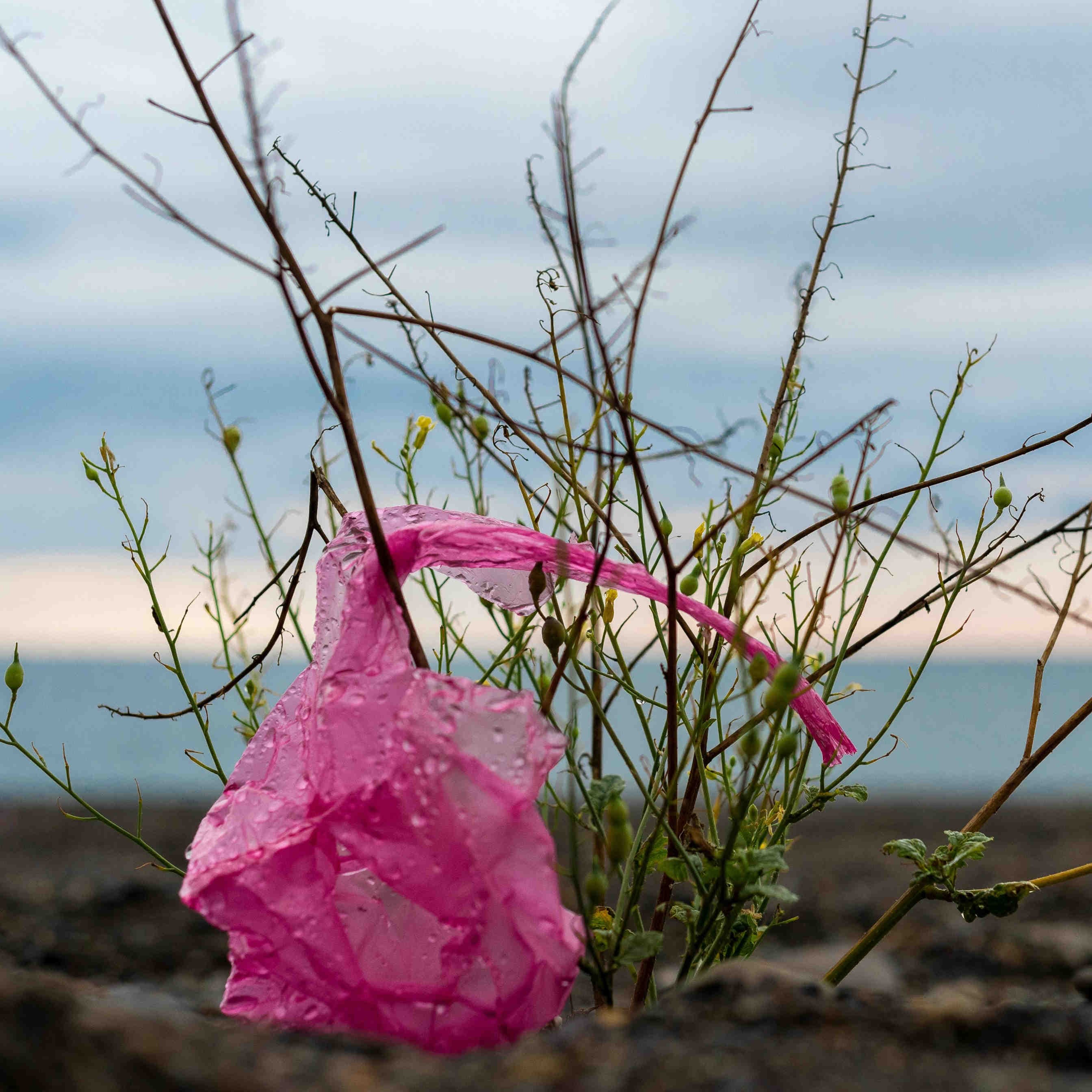
    inquinamento da plastica
    XNatura

    Altered pigmentation and scent of flowers

    The flowers of plants requiring zoophilic pollination are characterised by specific colours that are determined by a particular content of pigments such as carotenoids, which also produce the specific pattern that attracts pollinators. The colouration and pattern of the flower mediates the interaction between pollinators and plants. Plants exposed for a long time to microplastics have shownserious alterations in several pigments, such as carotenoids, and this can have serious implications not only on pollination biology, but also on the photosynthetic process. To attract pollinators, plants also synthesise perfumes, which are a mixture of volatile organic compounds. These odorous substances can be altered in their synthesis by the plant if the plant organism is exposed to microplastics.
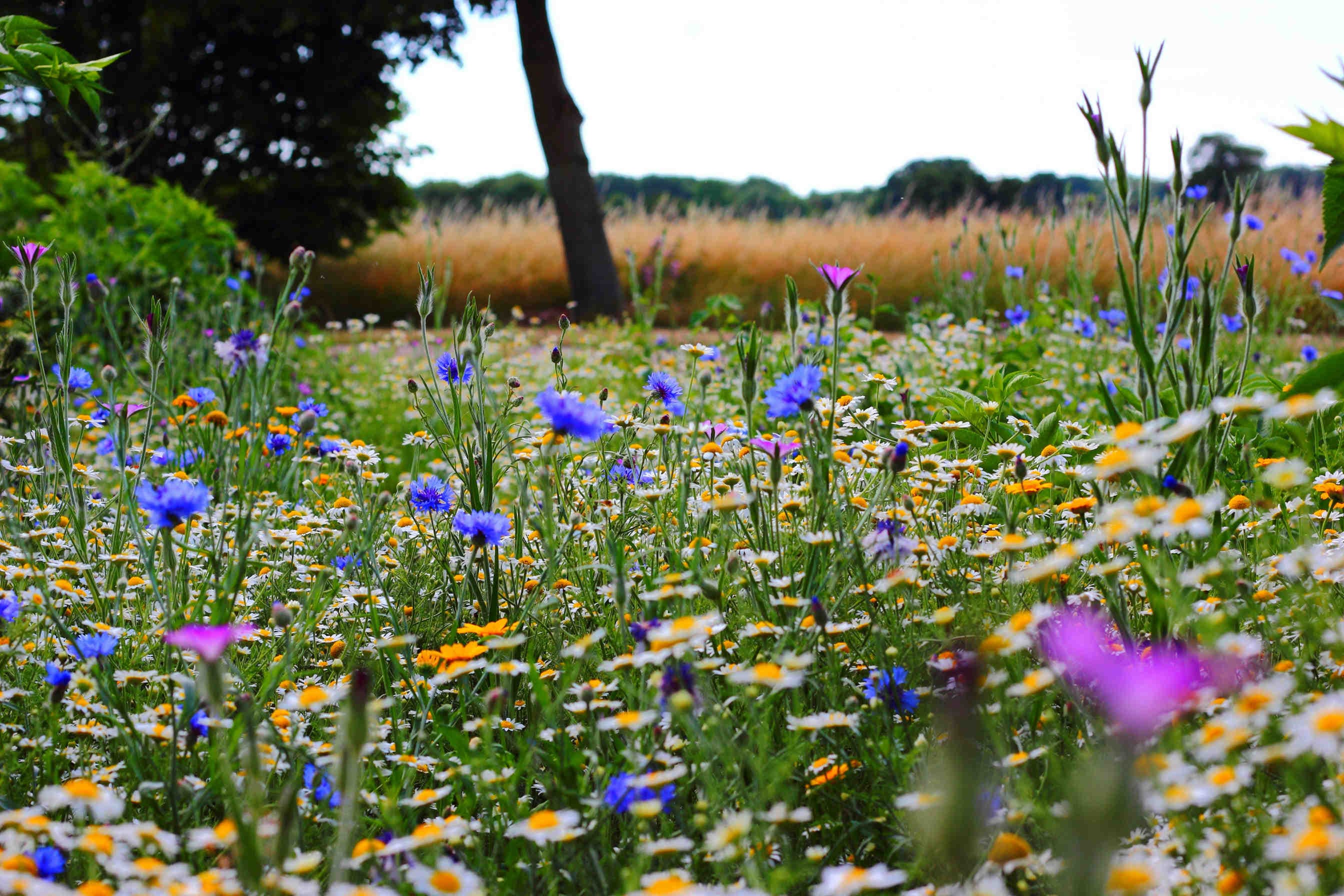
    Fiori
    3Bee

    Effect of microplastics on pollinators

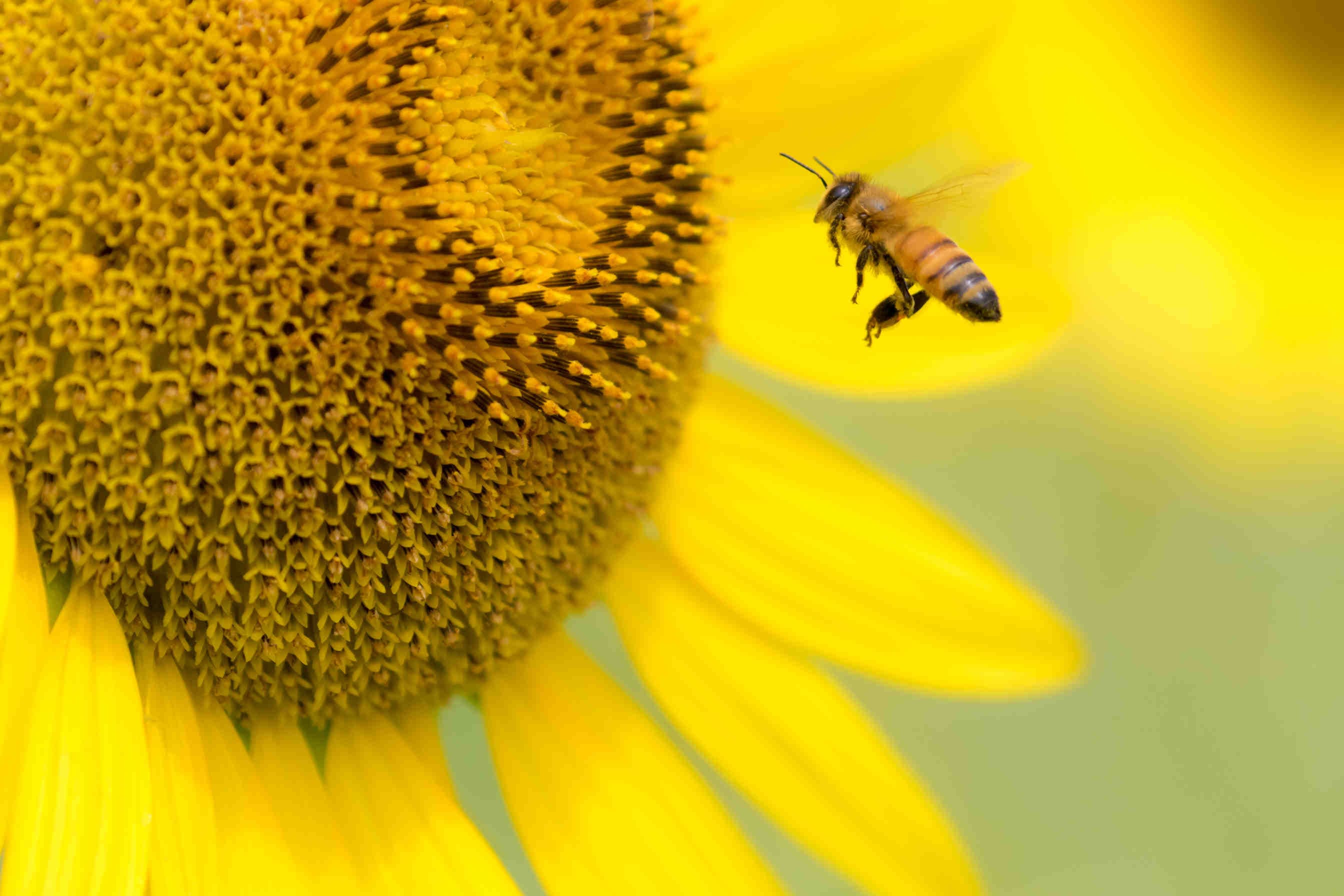
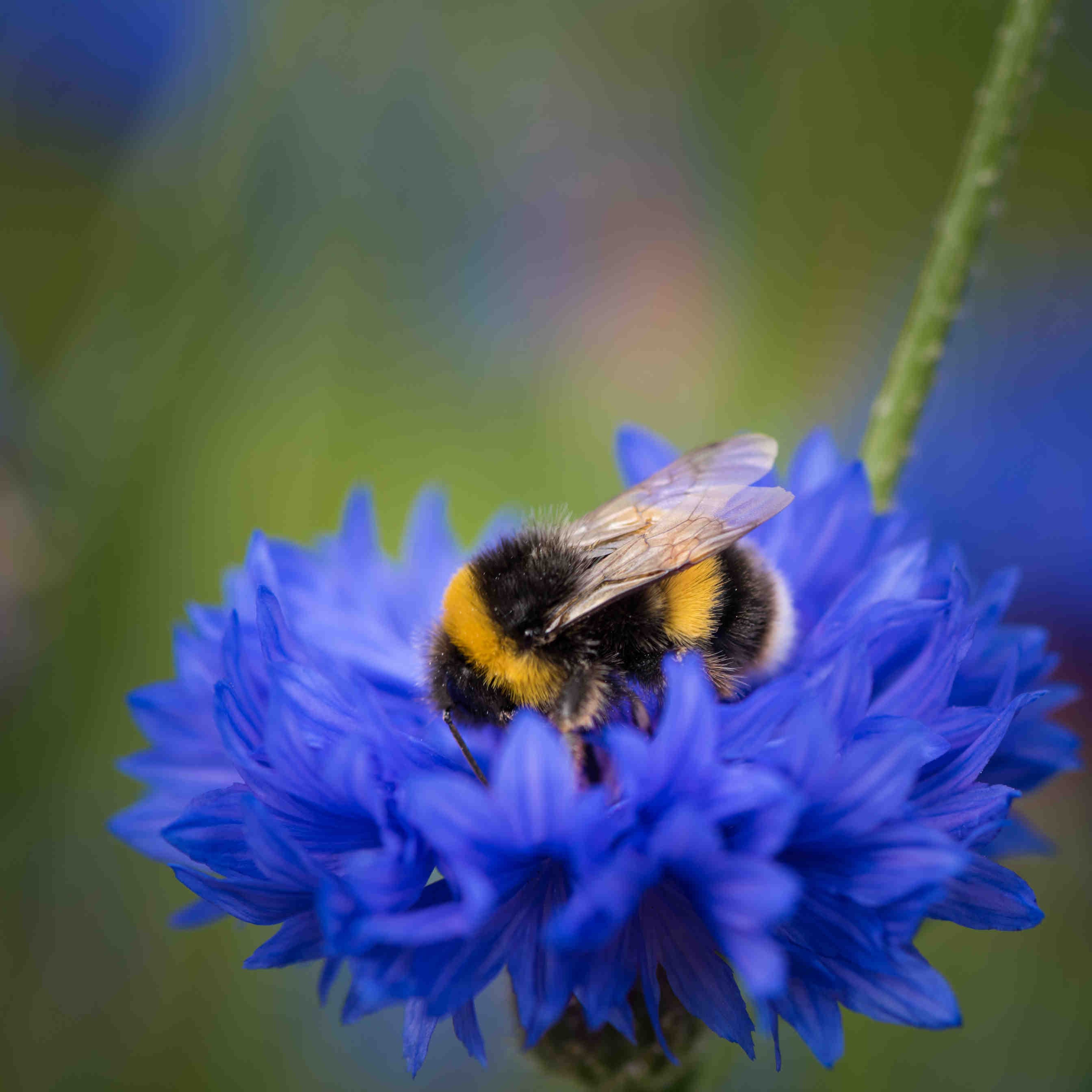
    Exposure to or ingestion of microplastics by pollinating insects has a negative effect on the body size and growth of these organisms. Examples of this are the observations of some microplastic fragments found in honeybees in urban areas. In particular, a91.67% decrease in growth and body weight of these insects was noted compared to a normal control. However, other insects respond differently depending on the size and concentrations of microplastics to which they are exposed. These data suggest that ingestion of these plastic fragments leads to a blockage of the digestive system, resulting in an inhibition or alteration of feeding behaviour.
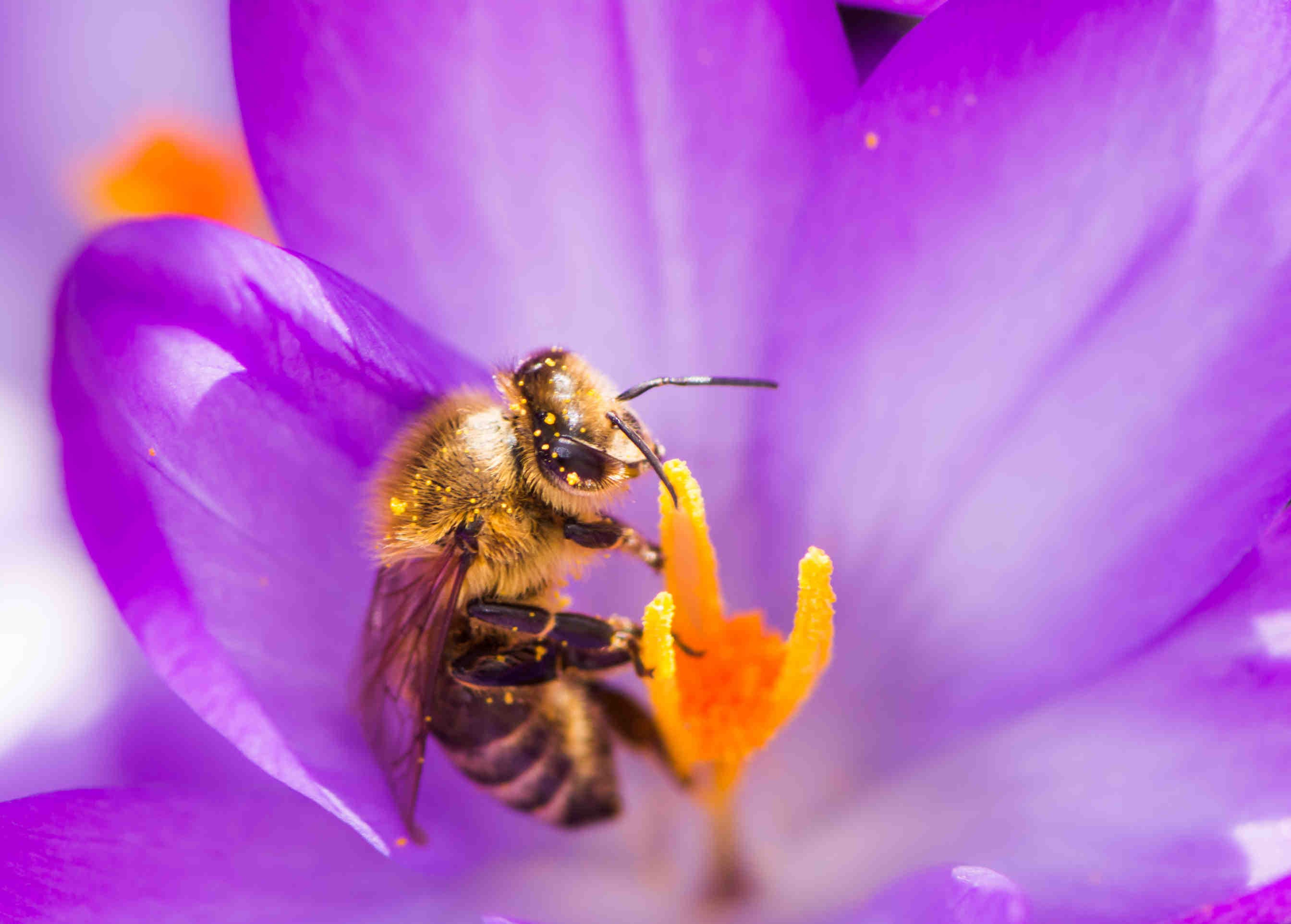
    impollinatori

    Alteration of the pollinator microbiota

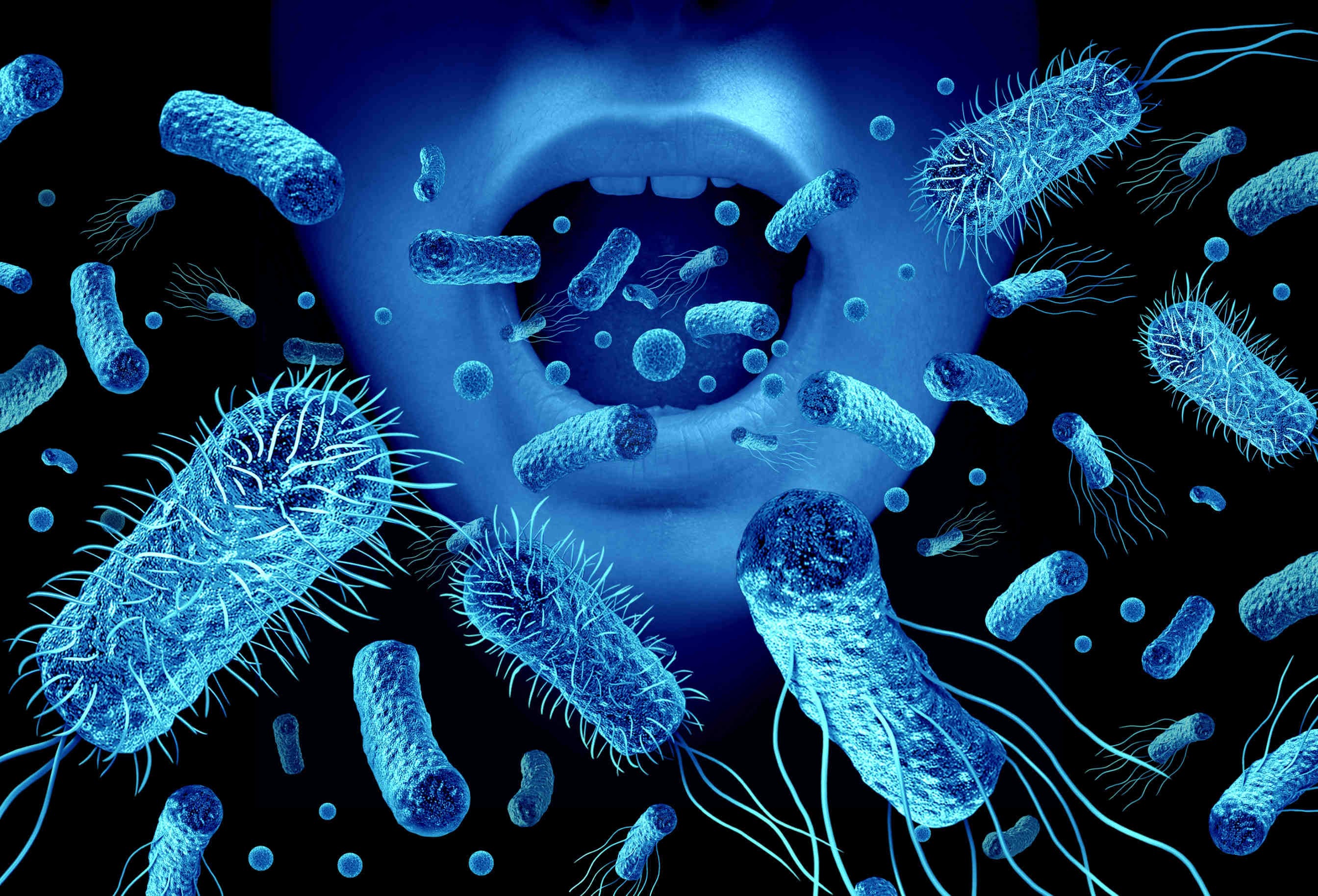
    Microplastics also affect the gut microbiota of pollinating insects. Thegut microbial flora affects the behaviour and physiology of the animal, determining, in this case, the foraging behaviour of pollinators. Small plastic fragments can cause intestinal injury, induce inflammation and deplete the intestinal microbiota. They accumulate in the digestive tract and interact with the bacteria present, altering the composition and diversity of the microbial population. They can also alter the expression of genes that act to detoxify foreign substances or are related to the immune system, as observed in a study with honey bees. In addition, disturbance to the gut flora increases the susceptibility of pollinators to viruses.

    Alteration of the pollinator microbiota

    Increased susceptibility to pathogens

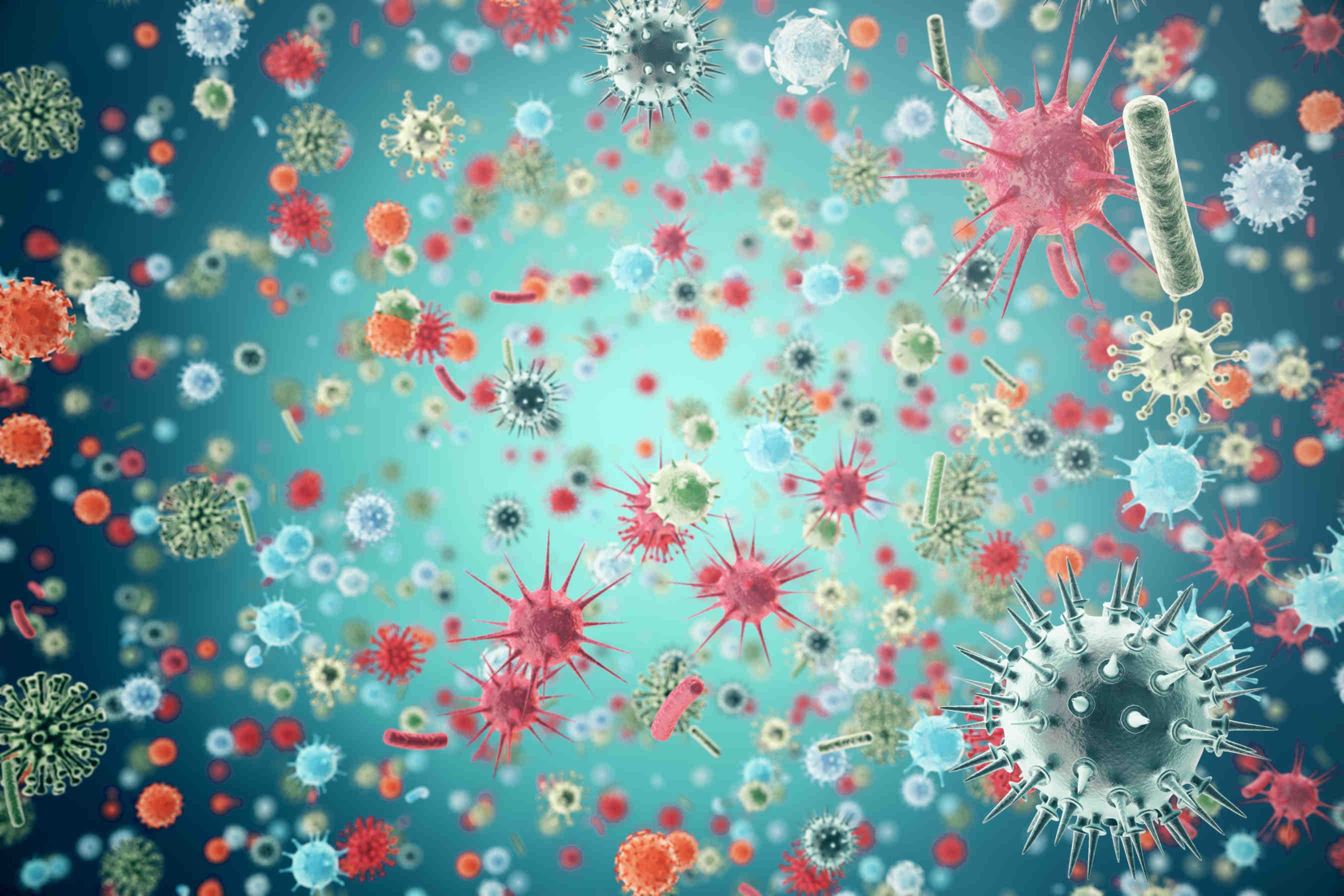
    Through laboratory tests, it was verified that the exposure of pollinators to viruses or other pathogens, together with plastic particles, increased their sensitivity and reduced their ability to cope with these microorganisms. It has been observed that microplastics disrupt the synthesis of several genes related to detoxification and immunity, causing oxidative stress in the cells of pollinating animals and inflammation of biological membranes. Pollinators, therefore, cannot cope with the accumulation of these plastic particles together with the co-presence of other pathogens.
    patogeni

    Disruption of interaction between plants and pollinators

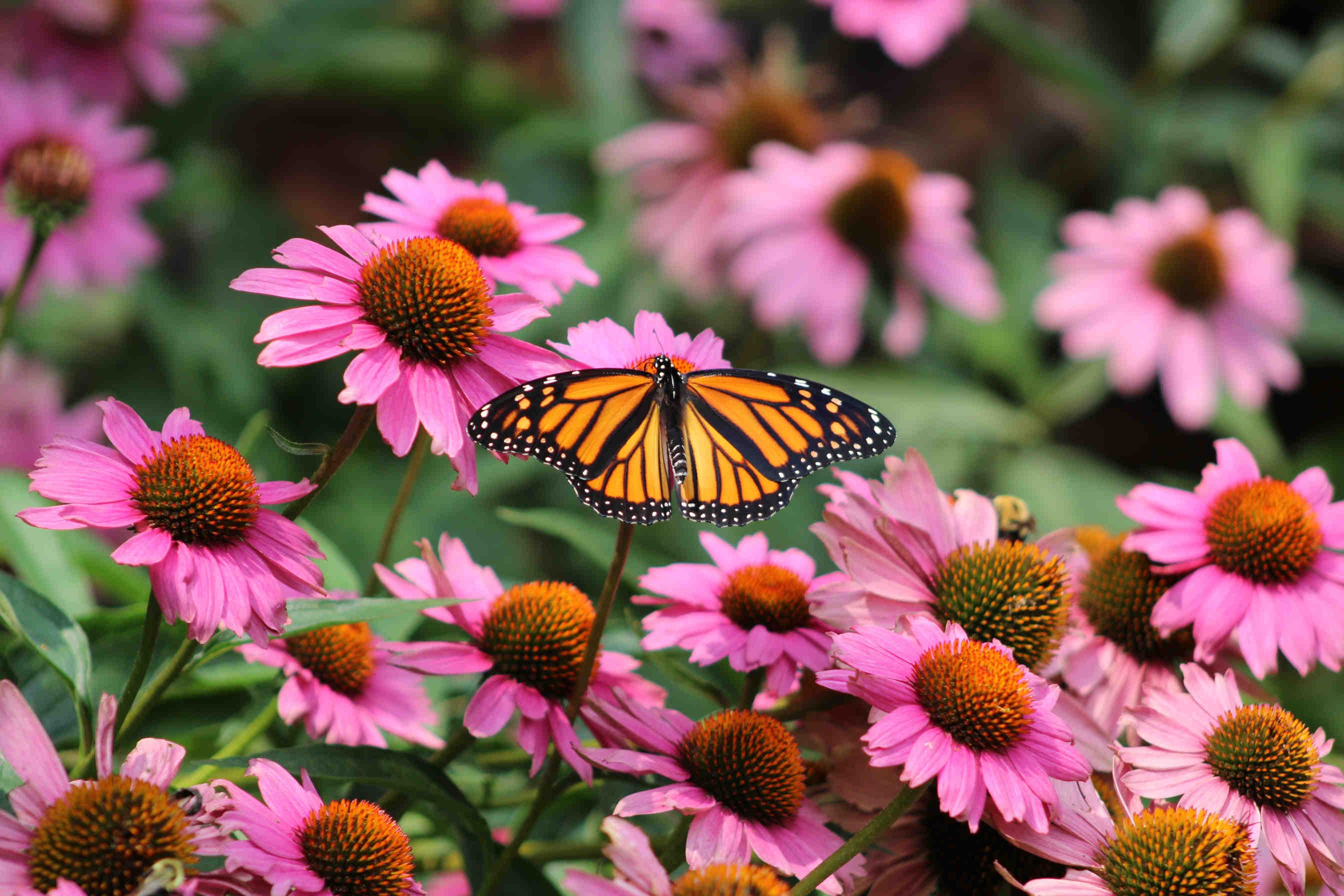
    By means of pollination, it is not only the plant that benefits from increased reproductive success, but also the pollinators themselves, who, through the collection of the nectar, satisfy their nutritional needs. The nectar is in factrich in sugars and amino acids, building blocks for cellular macromolecules. Exposure of plants to microplastics can alter the chemistry of nectar: alteration of its amino acid profile has been observed. In addition, a change in the hormonal and biochemical profiles of plants has been observed to directly influence nectar production, thereby affecting pollination. As already mentioned, pollination occurs through a series of sensory signals that pollinators perceive and learn, creating a kind of memory. This memory and the food behaviour that should result are altered, blocking the relationship and communication between plant and pollinator.
    Disruption of interaction between plants and pollinators

    3Bee: technology for the protection of biodiversity

    3Bee is the naturetech company developing technologies for the monitoring, protection and regeneration of biodiversity. Starting with the bee, a fundamental bio-indicator, 3Bee collects and interprets environmental data through innovative proprietary systems to monitor the health of pollinators and their connection with ecosystems.
    - Want to find out how monitor the biodiversity of your production site through technology? Go to the innovative XNatura biodiversity monitoring protocol.
    - Do you want to learn about the main solutions and innovative ESG training programmes for your business? Discover the 3Bee Edu programme.
    - Want to learn more about the creation of Europe's largest ecological corridor for pollinators? Go to the Oases of Biodiversity.
    bombo
    10/04/2024Of 3Bee, Lara Vivarelli
    749 Views
    Newsletter
    newsletter
    Subscribe to the Blog about bees and biodiversity

    Frequently Asked Questions

    Do you have any doubts or other curiosities about this article? Here you will find some insights