The bee dance: an incredible communication and survival strategy
    DanceCommunicationPollinatorsSearch

    The bee dance: an incredible communication and survival strategy

    Bees respond to food scarcity by modifying their communication to optimise their search for food resources. This behavioural flexibility, however, is not enough to counteract the impacts of human and climate activities. Find out more in this article.

    Read the article
    07/11/2024Of 3Bee, Chiara Pertile
    540 Views
    07/11/2024Of 3Bee, Chiara Pertile
    540 Views

    A dance for survival

    Disclaimer: this is an automated translation from Italian. Go to the original article.

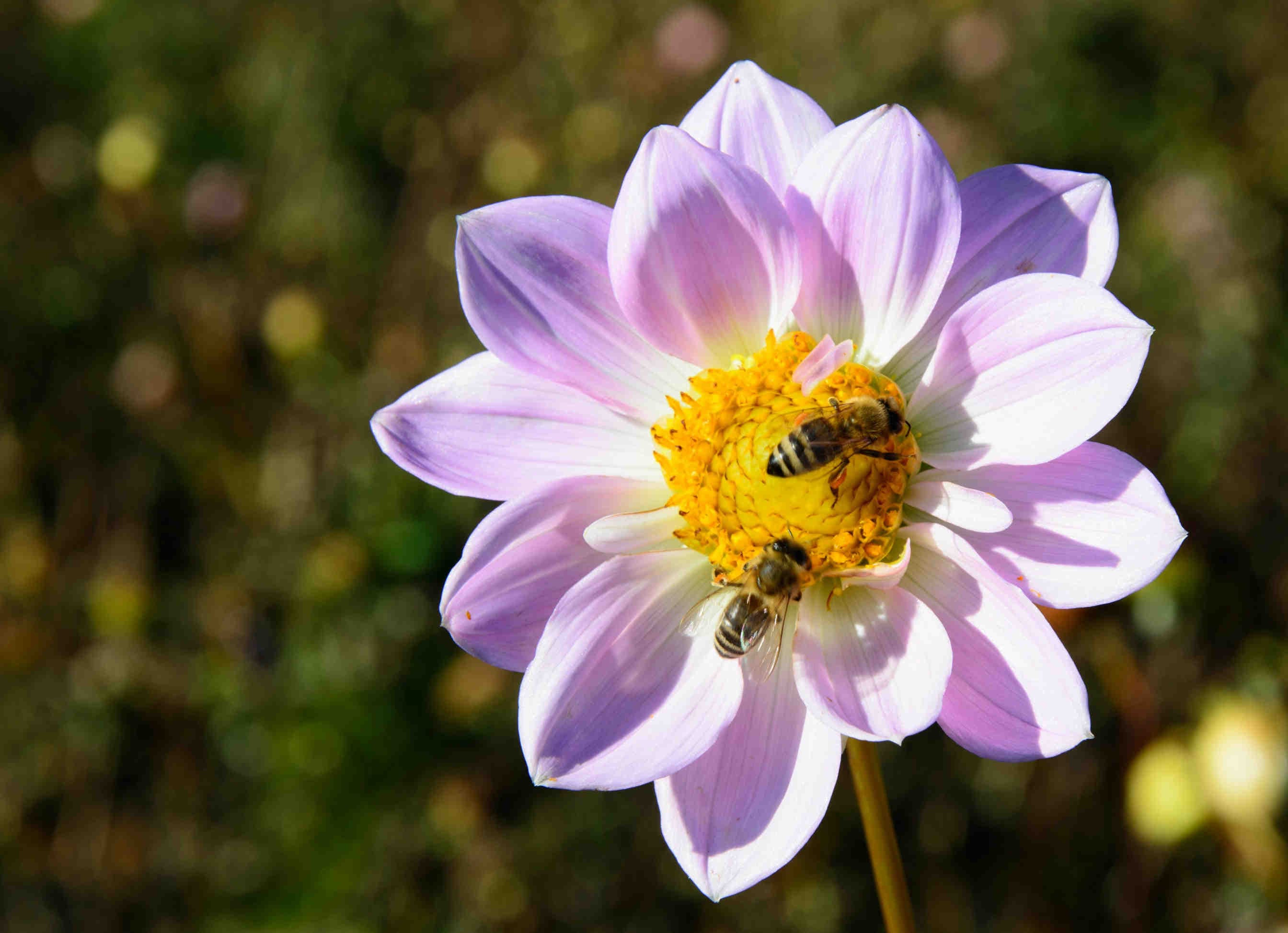
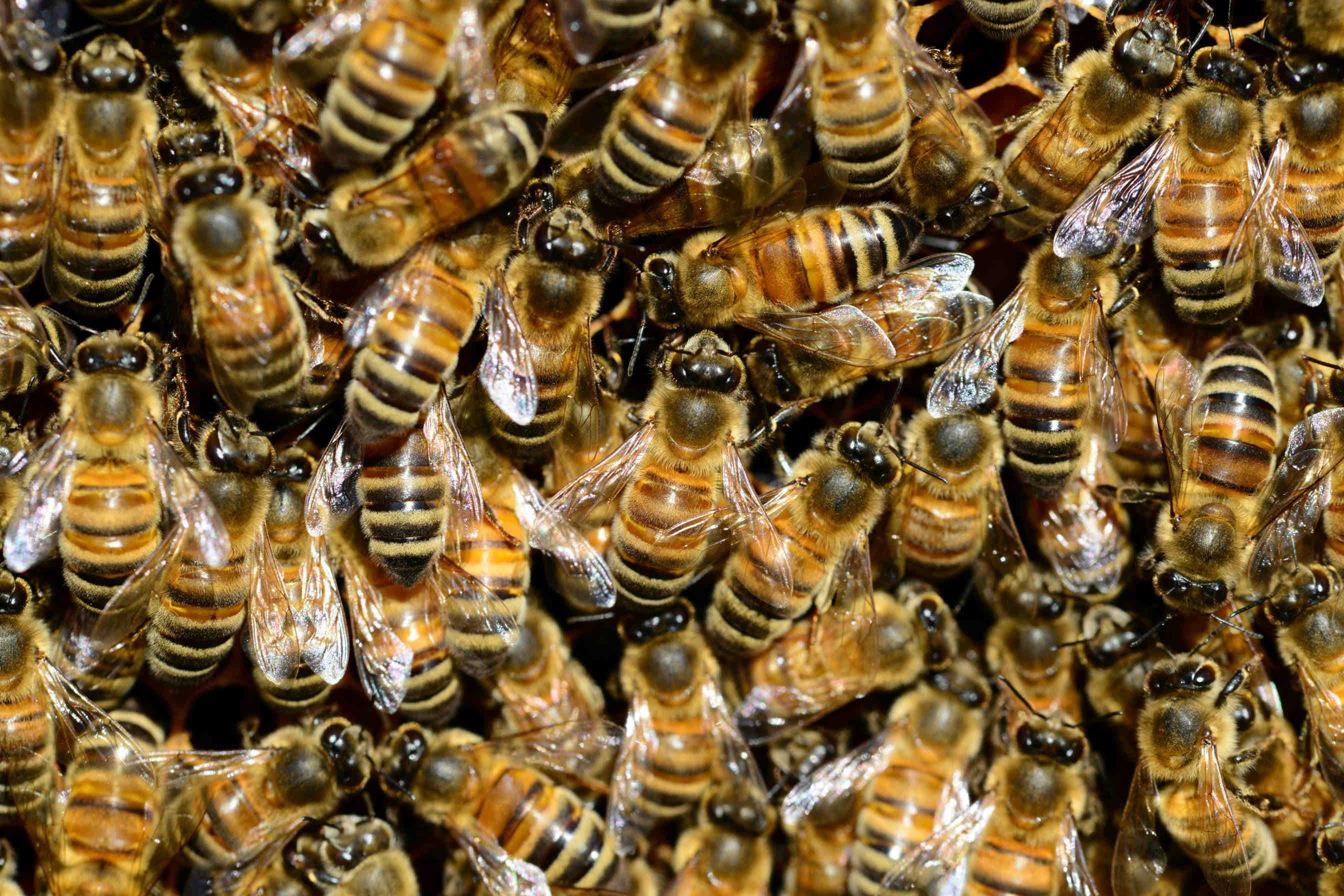
    The bee dance, also known as the waggle dance and discovered by Nobel Prize-winning ethologist Karl von Frisch, is a unique communication system in the animal kingdom and crucial to the survival of the hive. It allows bees to transmit detailed information about resources such as nectar and pollen. Through this dance, worker bees precisely signal the location, quality and quantity of food, allowing the colony to orientate and obtain supplies while optimising energy and resource retrieval. According to more recent findings, this particular bee communication system is able to adapt to different ecological conditions, such as the availability and distribution of food sources. For example, some authors found that the number of dances performed increased over time in an environment poor in food sources, or if there were many empty cells in the hive.
    api colonia

    How communication works in bees

    When a bee finds a nectar source, it can use two different dance techniques: the 'circular' or the 'eight dance'. The circular dance is used to signal resources close to the hive (within about 25 metres), by means of alternating clockwise and anticlockwise circles, calling out to companions without giving specific directional information. For more distant resources, on the other hand, the 'dance of the figure eight' is used: the bee traces a kind of figure eight and vibrates its abdomen in the central part, indicatingdirection with respect to the sun and distance through the duration and speed of the oscillations. The intense movement and frequency signal the quality and interest of the resource, and the odour the bee carries allows the observers to recognise the exact source and head directly for the hunt for nourishment throughout the hive.

    girasole ape
    XNatura

    Anthropogenic impact on bees and pollinators

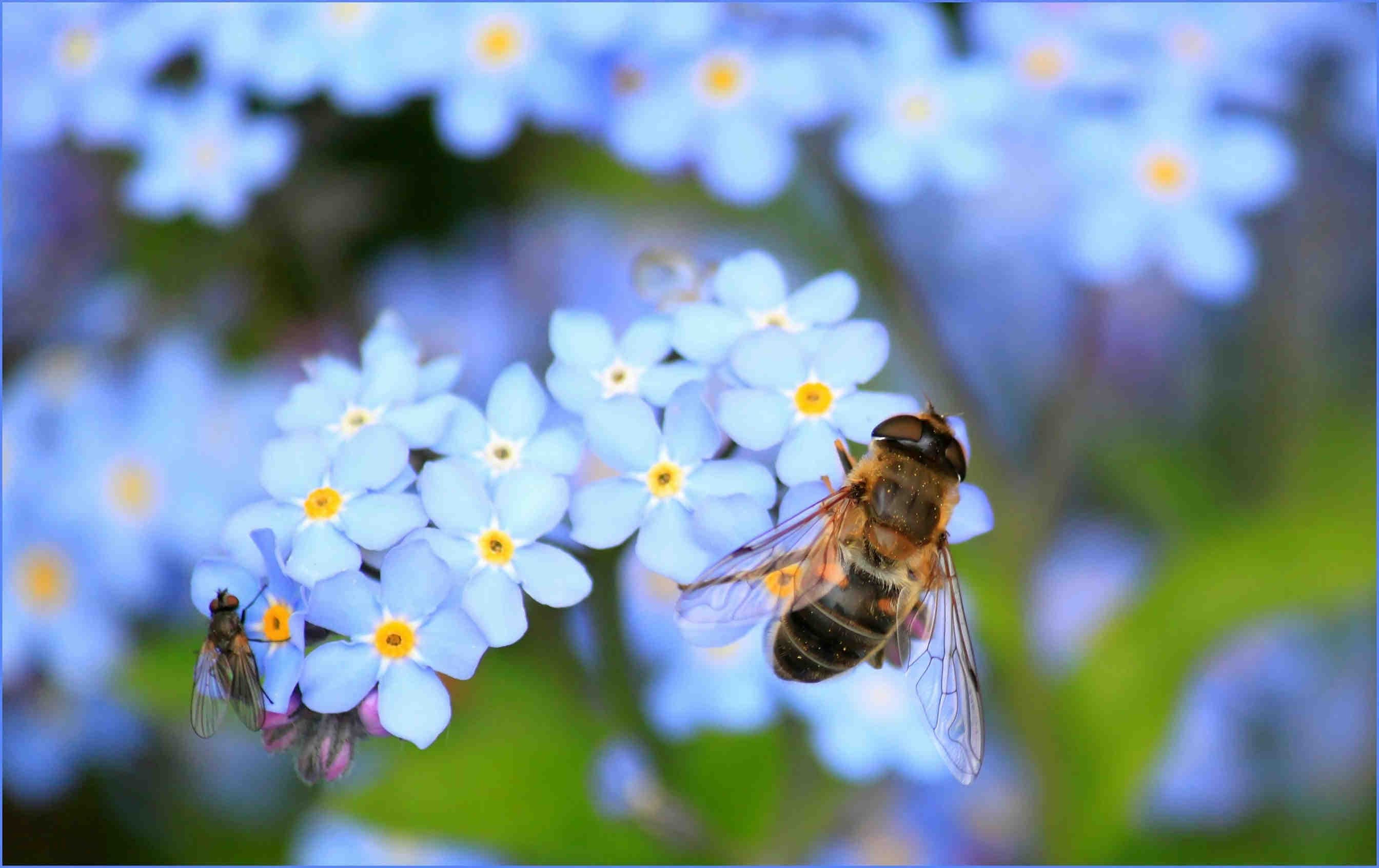
    Bees and other pollinating insects are essential for the maintenance of biodiversity and the reproduction of wild plants and agricultural crops. It is estimated that 78% of wildflower species and 84% of cultivated species in the EU depend on insects for seed production. However, their health is threatened by human activities such as pesticide use, climate change and habitat loss. In particular, the conversion of natural habitats to urban areas or intensively managed agricultural land compromises the health of honey bee (Apis mellifera) colonies and contributes to the decline of wild bees and other pollinating insects. These changes in land use can lead to a shortage of pollen, causing inadequate nutrition
    Anthropogenic impact on bees and pollinators

    Bees communicate differently according to need

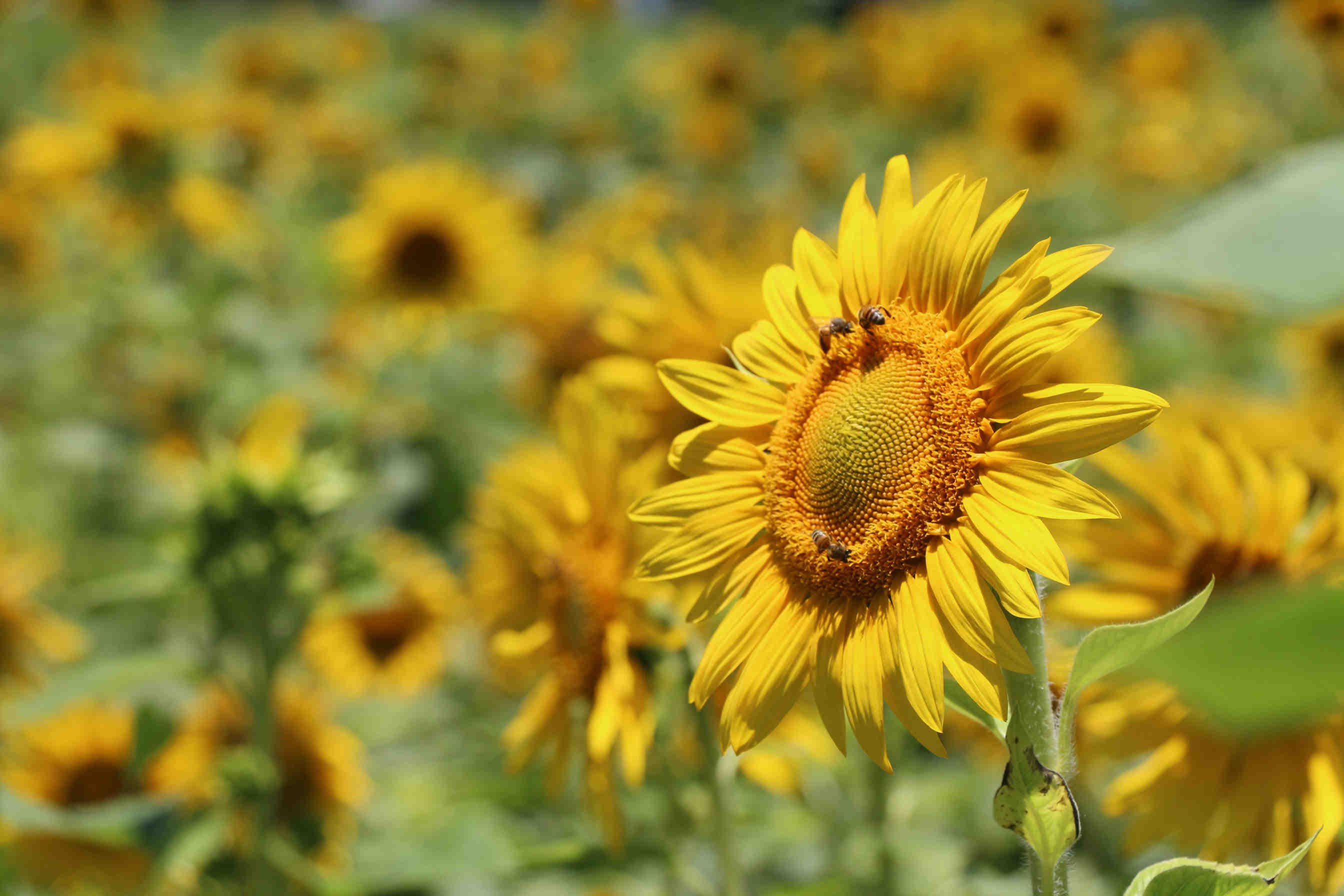
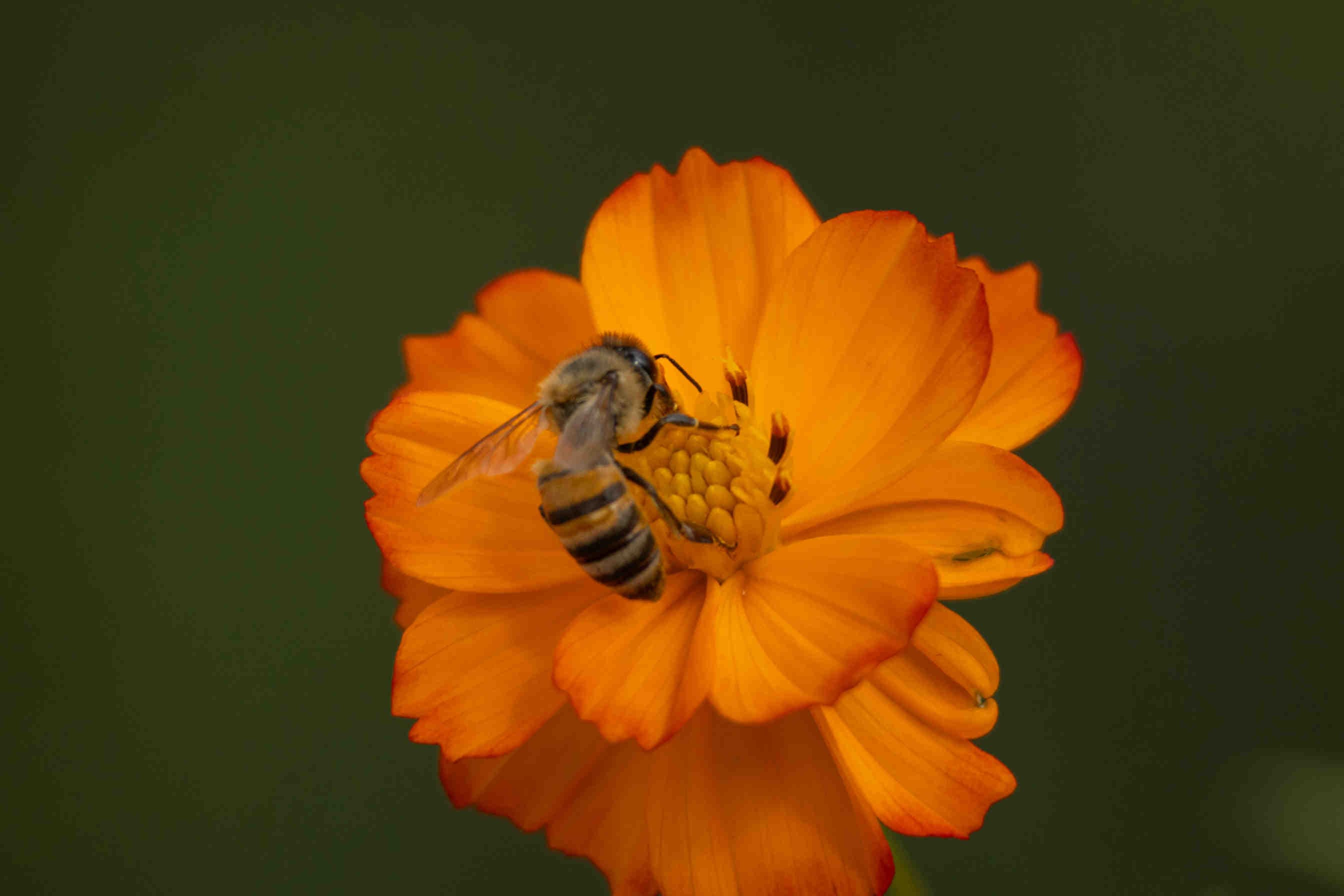
    We are used to considering organisms as passive spectators of environmental changes, yet bees prove the opposite: their dance changes in response to environmental needs. In fact, a recent study published in Animal Behaviour investigated the influence of food resources, particularly honey stocks within hives, on the dance behaviour of bees (Apis mellifera). The scientists observed that when honey stocks are low, the frequency of the waggle dance increases by 60%. This behavioural flexibility appears to be an attempt by the bees to compensate for the lack of resources by incentivising more of their mates to seek food outside. However, it has been noted that, under these conditions, the number of bees following the dance decreases, probably because many choose to adopt independent foraging strategies to ensure their own survival and that of the hive.
    ape impollinazione
    XNatura

    An immune response to environmental challenges

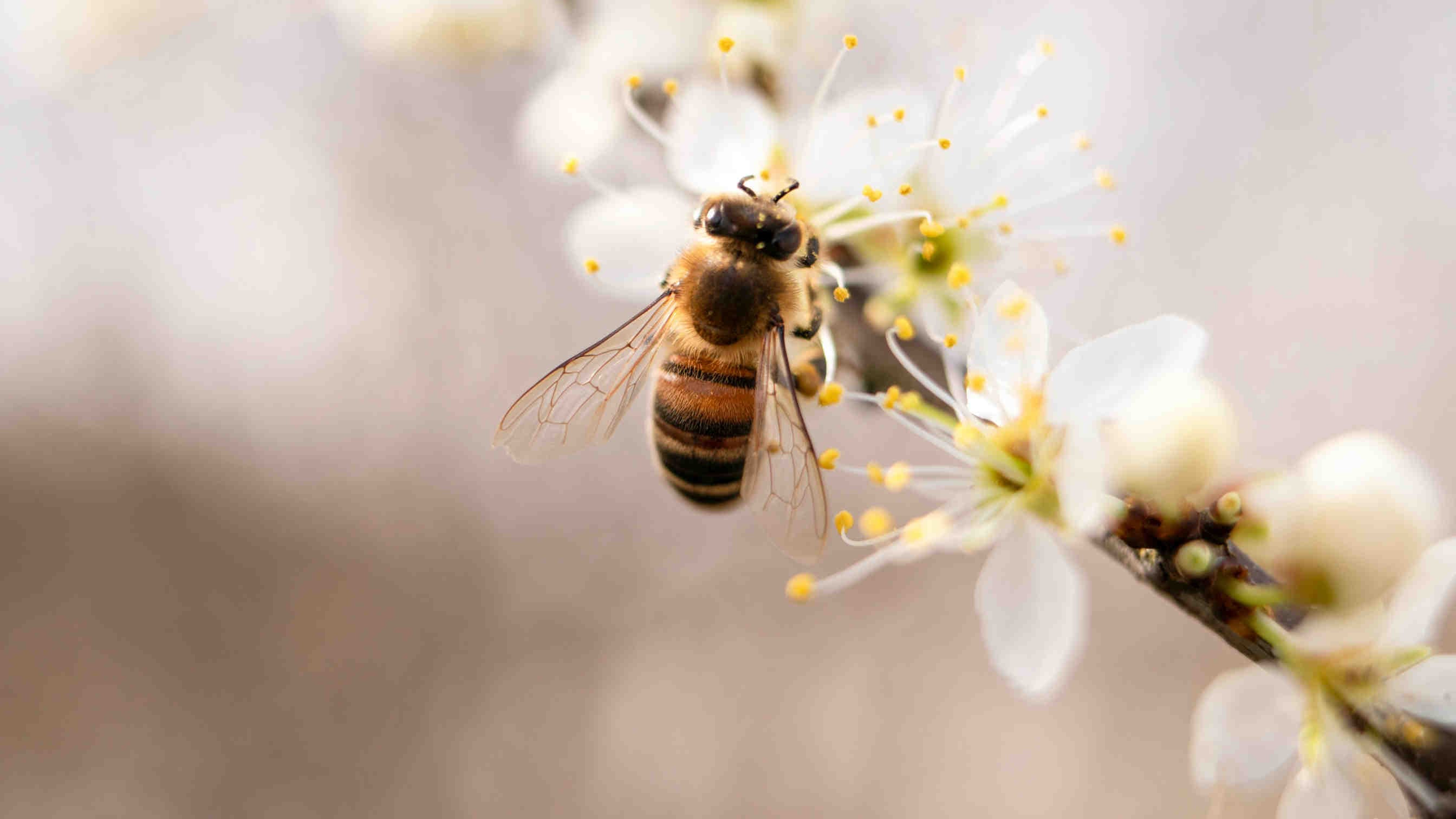
    The study found that the amount of honey stored in the hives not only affects the bees' behaviour, but also their physiology. In particular, an increase in the expression of the defensin 1 gene, a biomarker of the immune system known for its antimicrobial and protective activity against pathogens, was observed. Indeed, the scarcity of resources would appear to stimulate a enhancement of immune defences in bees, helping them to also protect the entire colony from infection. These results show the incredible and complex adaptation strategies of these animals to severe food and environmental stresses. Strategies that, unfortunately, may not be enough to halt their decline: human activities and climate change are causing a dramatic decline in populations.
    ape fiore
    3Bee

    Protecting pollinators with 3Bee

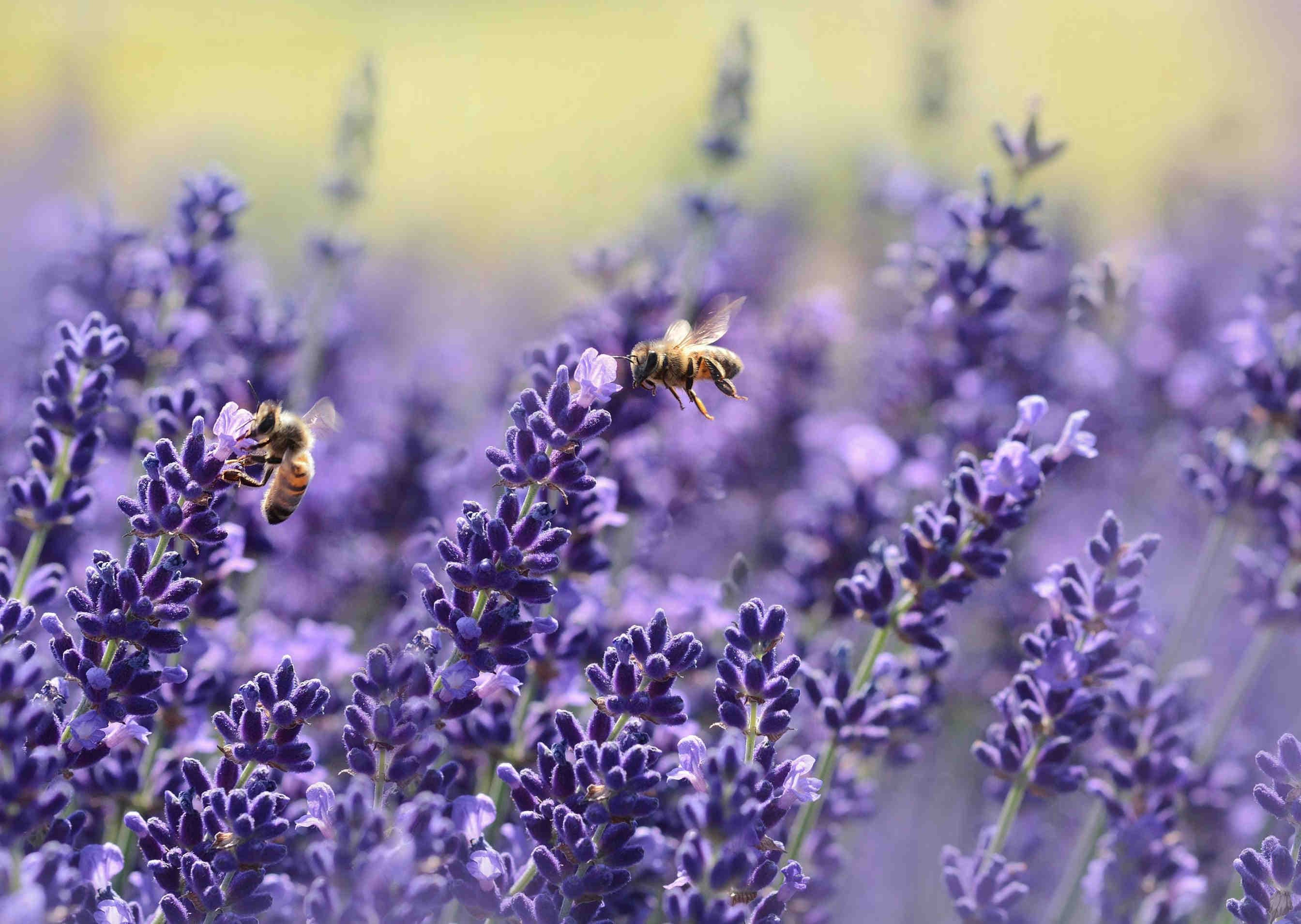
    These behavioural and physiological adaptations are essential for survival, but they are also vulnerable to biodiversity loss phenomena such as climate change and habitat destruction, which amplify the environmental stresses on bees and other insects. The decline of pollinators raises an urgent alarm about the need to protect these animals. Indeed, saving them means preserving biodiversity, protecting our health and ensuring food security for future generations. For this reason, 3Bee has for years been developing advanced strategies to monitor and protect bees through concrete conservation projects, such as its Oases of Biodiversity. These habitats, found in urban and agro-forestry contexts, are created in areas of low biodiversity distributed throughout Italy and other European countries. The goal of 3Bee is ambitious: to create Europe's largest ecological corridor for pollinators.
    impollinazione
    07/11/2024Of 3Bee, Chiara Pertile
    540 Views
    Newsletter
    newsletter
    Subscribe to the Blog about bees and biodiversity

    Frequently Asked Questions

    Do you have any doubts or other curiosities about this article? Here you will find some insights