Construction and environmental sustainability: the latest trends
    EU DirectiveImpactDatiBioarchitecture

    Construction and environmental sustainability: the latest trends

    According to the United Nations, energy consumption in the building sector is at an all-time high. How can architecture and town planning be sustainable? Find out in this article about the new European directives and the role of monitoring in the building and real estate sector.

    Read the article
    08/02/2024Of 3Bee, Elena Fraccaro
    387 Views
    08/02/2024Of 3Bee, Elena Fraccaro
    387 Views

    The new EU Green Homes Directive

    The European Union has set ambitious goals for sustainable building, reaching an agreement on 7 December 2023 on the reform of the Directive on the Energy Performance of Buildings. Let us go into detail. The new directive outlines a path to reduce the environmental impact of buildings from a climate perspective by 2050. Therefore, new intermediate energy saving targets of member states are introduced. The targets include a 16% reduction in the average energy consumption of the residential building stock by 2030 and 20-22% by 2035. The directive also requires the installation of solar panels on large public and commercial buildings, while residential buildings are exempt. These measures aim to phase out the use of fossil fuels for heating by 2040, promoting a shift towards renewable and sustainable energy sources.
    case green

    The environmental impact of sustainable architecture

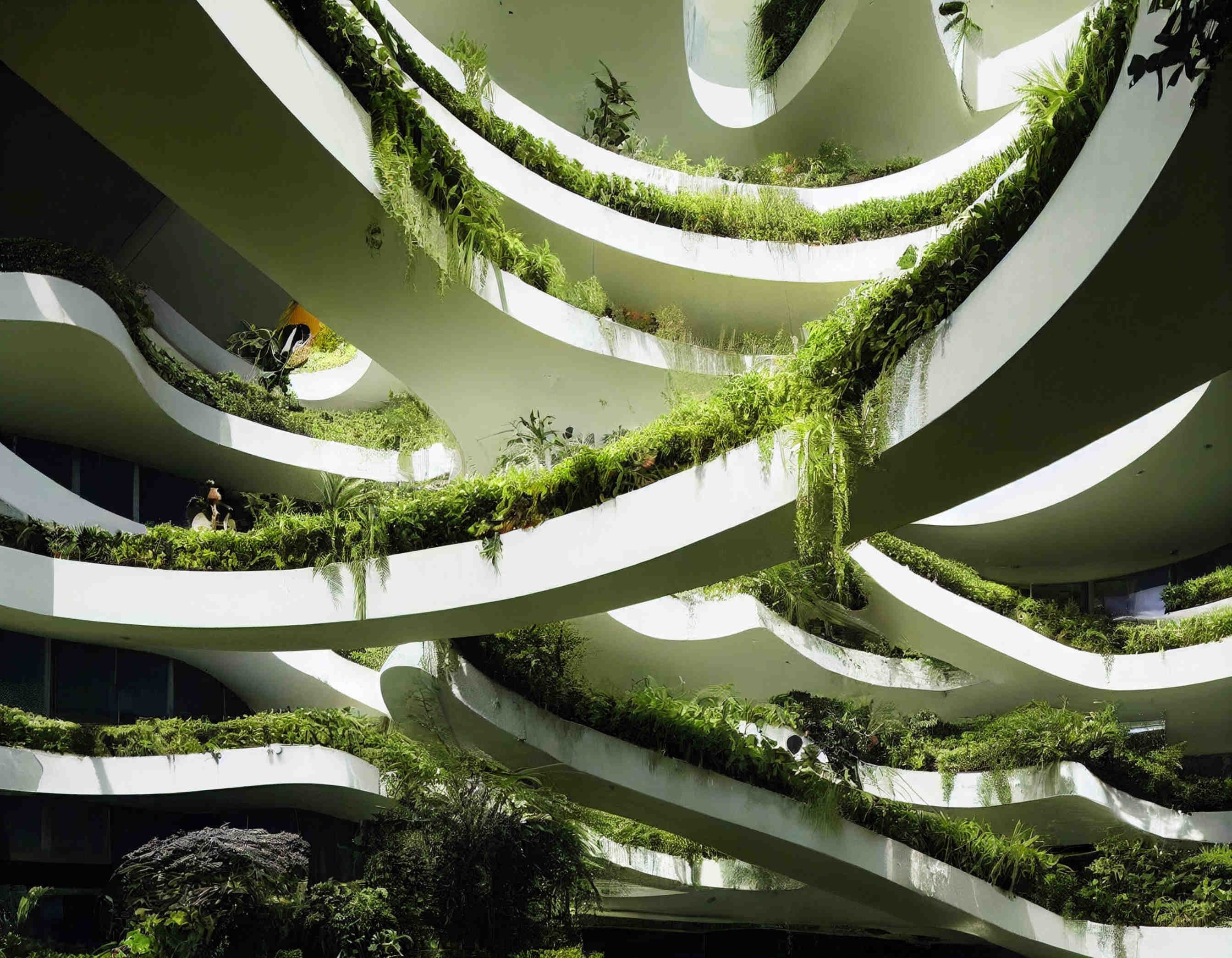
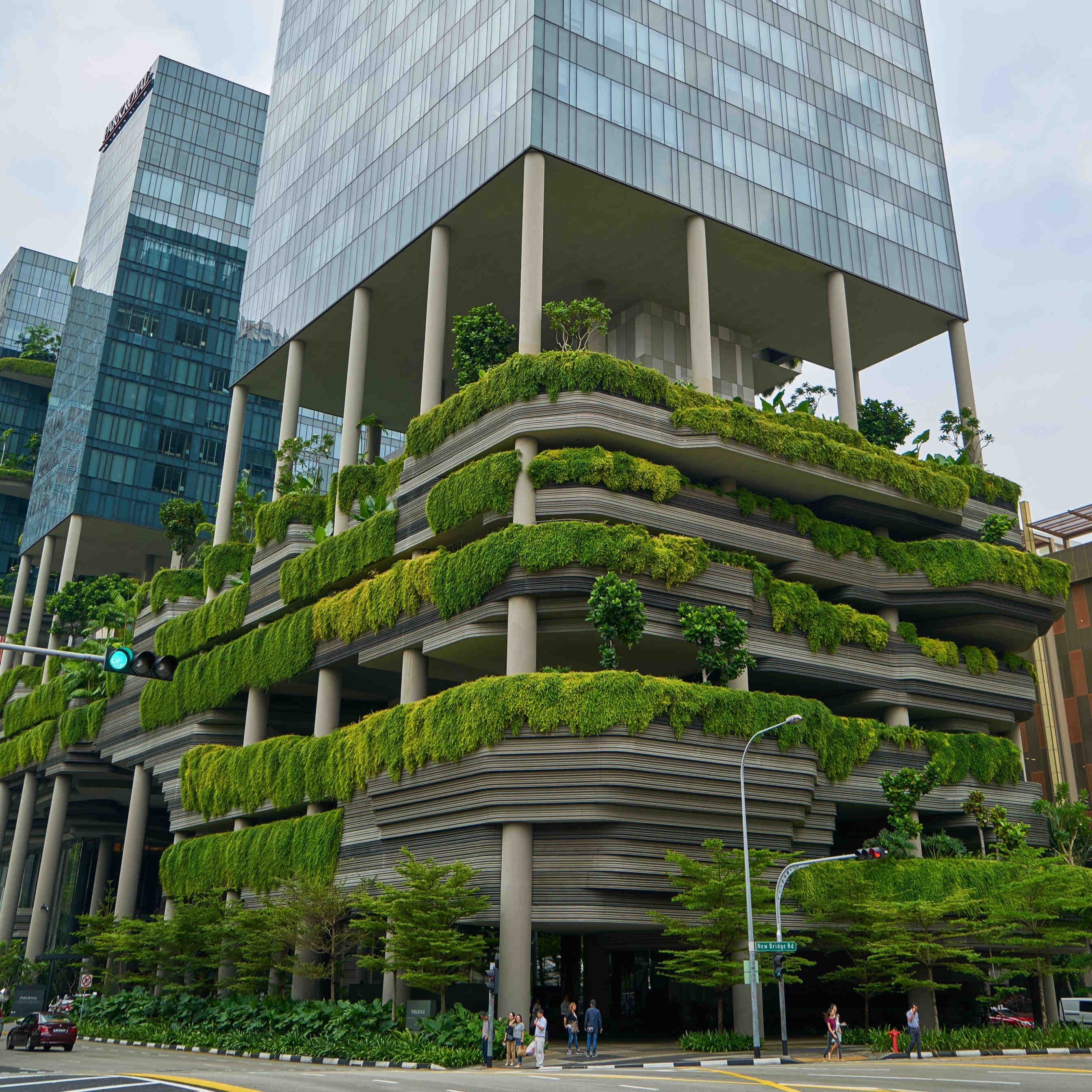
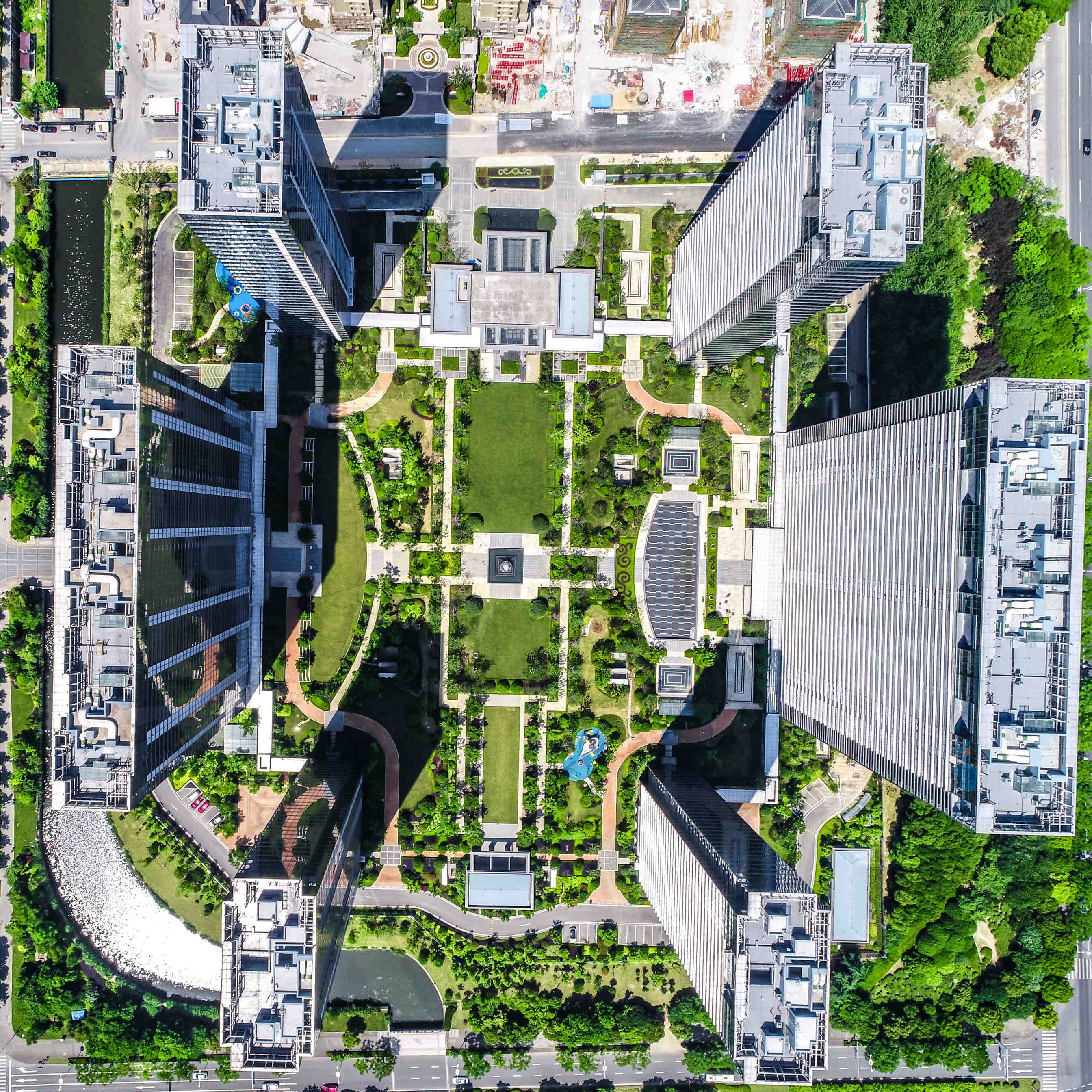
    The environmental impact of sustainable architecture is mainly due to buildings with solar panels, rich in plants, not to mention some buildings where very large windows have been provided to allow the sun's rays to penetrate more widely. It is a full-blown revolution in architectural design, which must now be adopted as a matter of urgency as it is essential to limit pollution. These approaches reduce the environmental impact of buildings and improve the quality of life of inhabitants. Green architecture not only contributes to protecting the environment by limiting greenhouse gas emissions and optimising the use of energy resources, but also offers economic benefits through energy cost savings. Furthermore, design oriented towards sustainability increases the commercial value of real estate and improves the well-being of its occupants, highlighting the close connection between human health and respect for the environment.
    impatto architettura sostenibile
    XNatura

    Industry data and analysis

    To learn about the advantages of low environmental impact, let us take the United States as an example, cited in research by the EPA, Environmental Protection Agency. "Traditional architectural buildings - according to an EPA estimate - account for 38% of total carbon dioxide emissions. Green architecture would reduce these gas emissions, which are responsible for global warming, and contribute to improving the health of the Earth. The traditional building sector accounts for 39% of the total energy consumed in the US. Buildings absorb energy for the activities of daily living: cooking, heating, washing, and lighting. However, buildings with energy certification have been shown to use 25% less energy than non-certified buildings. Water consumption in these buildings is also lower'.

    dati

    What is bio-architecture

    bioarchitecture limits the environmental impact of buildings and enhances the inhabitants' experience in terms of health, quality of use of space, thanks to emerging technologies and digital. It revolutionises the design of buildings conceived by architects to meet the needs for which they are built, ensuring that they fit into their context without negative impacts. Sustainable architecture cannot be identified with a technology or a specific subject area: it is simply a cultural approach to the subject. Sustainable architecture originated with green building in Germany, with the so-called Baubiologie, but it has returned to prominence in recent years as one of the areas by which a company's rating ESG is measured, and as one of the areas of investment in Environmental, social and governance.

    bioarchitettura
    XNatura

    The benefits of bio-architecture

    Buildings designed according to the criteria of bioarchitecture guarantee as an added value the fundamental contribution to addressing the issues of climate change. This type of building also promotes a substantial increase in the quality of life of the inhabitants and respect for the environment. Basically, fewer resources are used in the construction of the buildings and, as a result, considerable economic savings can be made. Let us not forget that when we use this construction method, we can cut down on a lot of waste. There are three main advantages of sustainable architecture: respect for the environment and sustainability, an increase in the commercial value of buildings constructed according to these rules, and economic savings for the inhabitants, since the sustainable house is less energy-intensive than the traditional one, and allows for a fairly quick amortisation of the initial investment.
    bioarchitettura vantaggi
    3Bee

    Bio-architecture promotes well-being

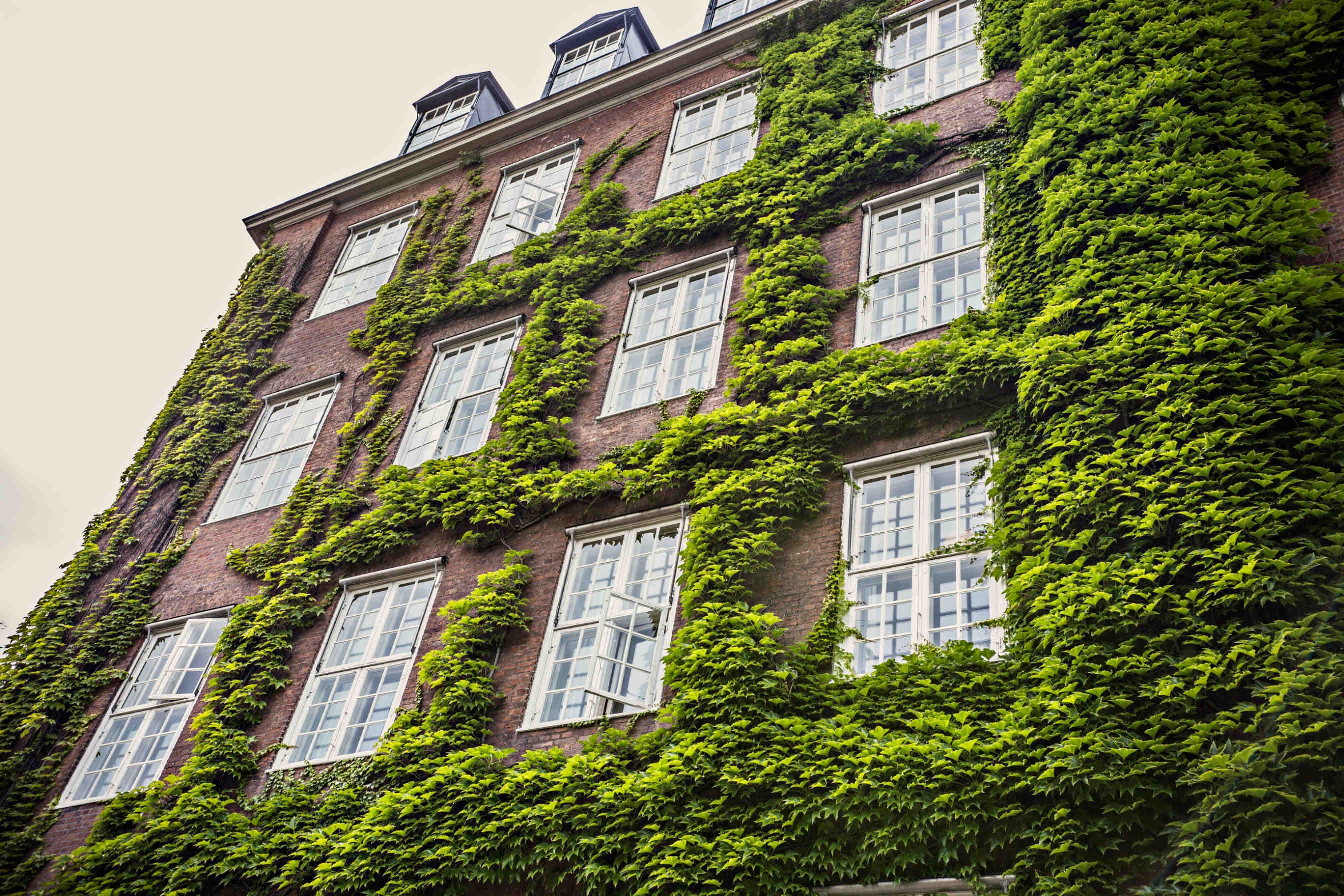
    bioarchitecture positively affects people's quality of life. There are several studies showing that the positive impact offered by nature is crucial for ensuring wellbeing and a harmonious lifestyle. The new study conducted by a group of German researchers focused precisely on the qualitative aspect. The researchers found that living in a place with a high level of biodiversity improves our mental health and well-being. The survey was published in the magazine Landscape and Urban Planning and is based on socio-economic data from the German Socio-Economic Panel, which surveyed 15,000 households in Germany, totalling 30,000 people.

    benessere

    LEED certification

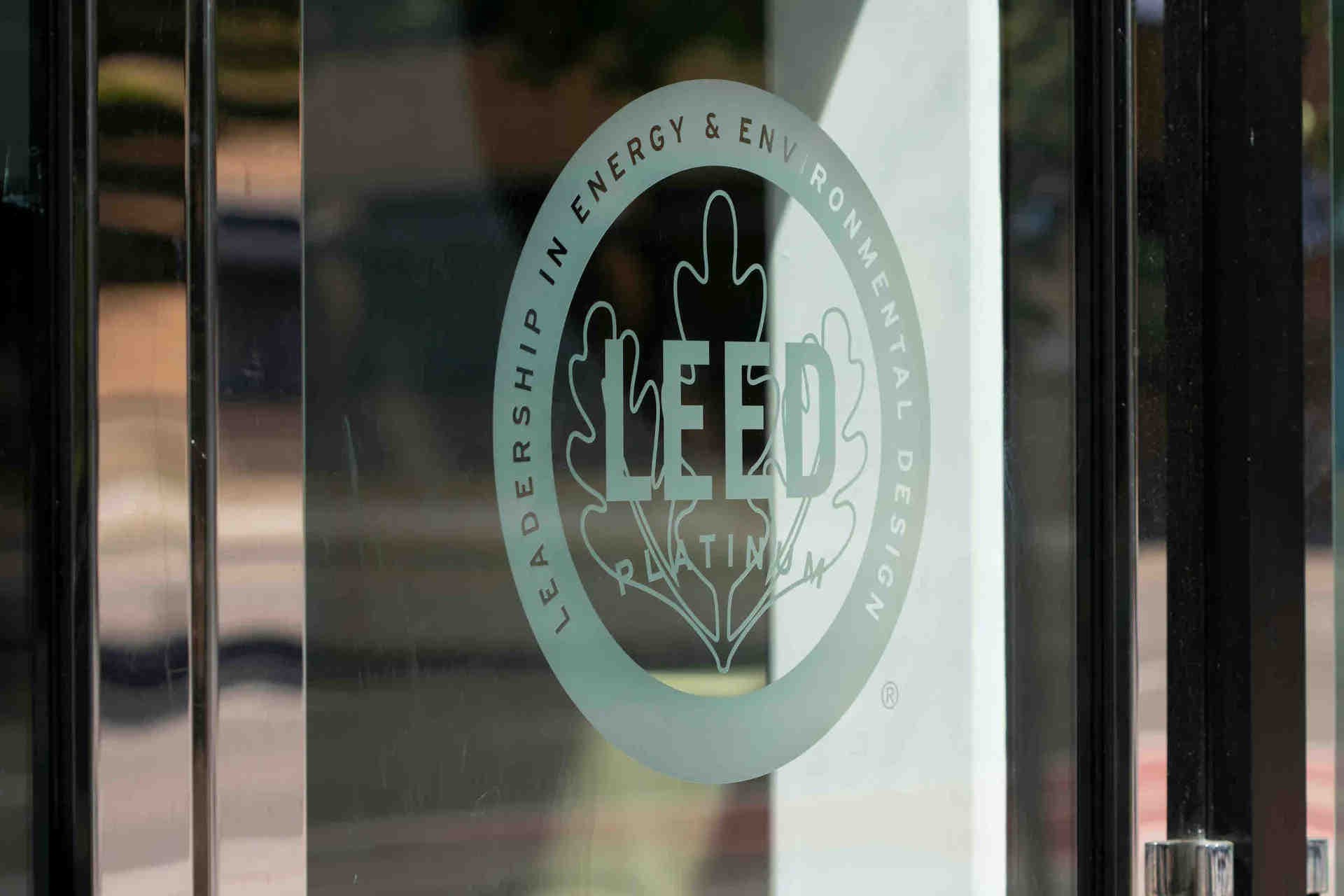
    In the context of building, it is important to mention certifications, in particular the LEED certification. This is a voluntary certification programme that can be applied to any type of building (commercial and residential) and covers the building life cycle: from design to construction. LEED promotes an approach geared towards sustainability, recognising the performance of buildings: energy and water savings, reduction of CO2 emissions, improvement of the ecological quality of interiors, materials and resources used, design and site selection. Developed by the U.S. Green Building Council (USGBC), the system is based on awarding 'credits' for each requirement. The sum of the credits constitutes the 4 levels of certification: basic, gold, silver, platinum. GBC ITALIA is the body promoted by the consortium company Distretto Tecnologico Trentino that introduced the LEED standard in Italy, starting from April 2010.

    certificazione LEED

    Monitoring biodiversity in construction and real estate

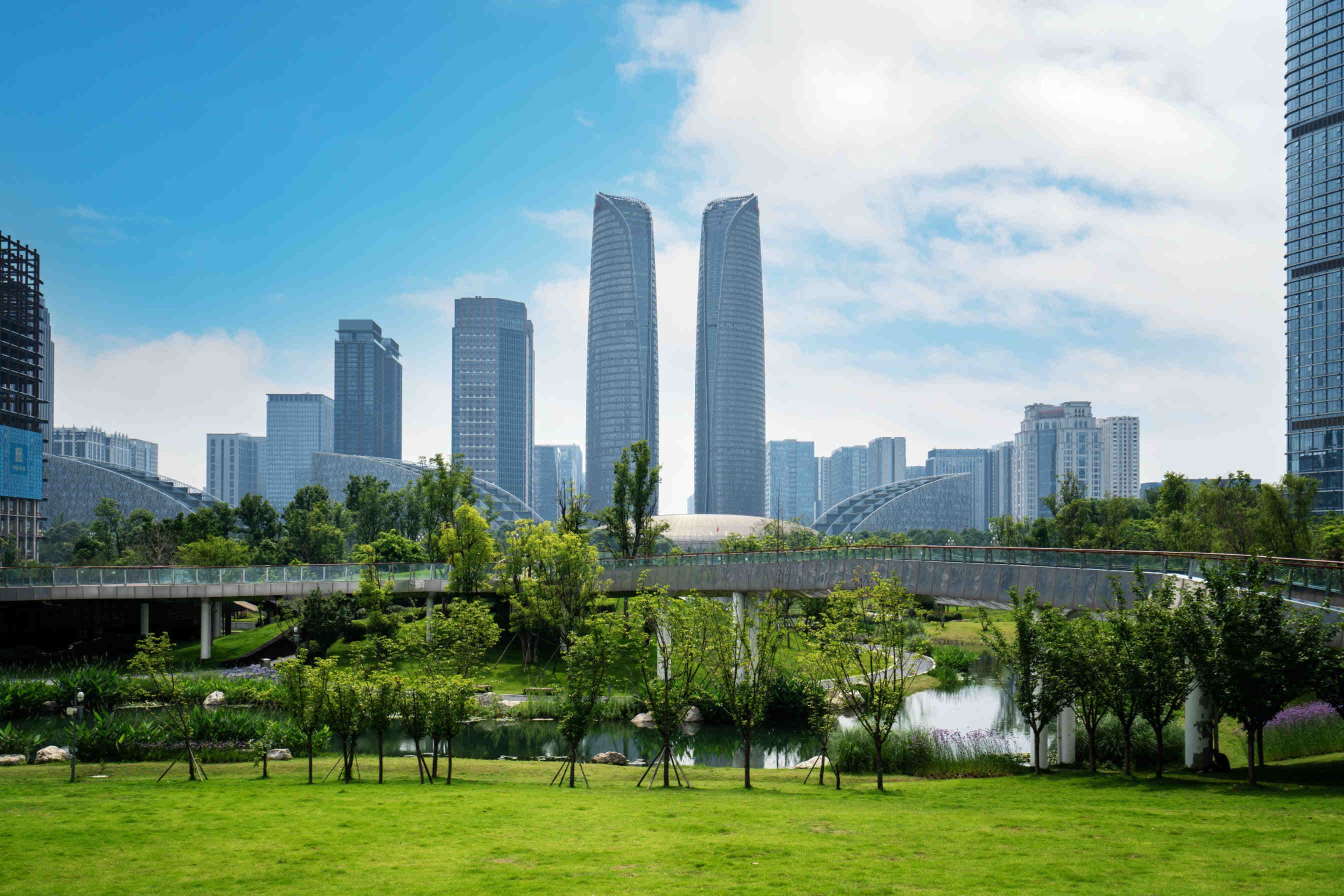
    The building sector has a significant impact on biodiversity, as construction in urban areas affects the land and leads to fragmentation of habitats. It is therefore essential to integrate analysis and monitoring of biodiversity from the initial planning and design stages: the sector can reduce negative impacts and create opportunities for conservation and restoration. A further aspect to consider is nature-based solutions, which can contribute to the mitigation of urban issues: a 2017 UNESCO report showed that nature-based solutions can reduce summer temperatures by up to 50 per cent, playing a key role in mitigating climate change. In the building and real estate sector, it stands out XNatura, the biodiversity monitoring protocol developed by 3Bee: an innovative approach based on new technologies and partnerships with organisations and research institutes.

    biodiversità edificio green

    XNatura Score's role in construction and real estate

    The XNatura Protocol, the application of which is verified by Bureau Veritas Italia, a leader in certification services, is part of a site-specific approach identified by 3Bee, consisting of the following steps:
    - Assessment - detailed analysis of the habitat and the biodiversity of the site.
    - Regeneration - identification of targeted actions for regeneration.
    - Communication - sharing of results through the dedicated web page and via the Label XNatura certifying the use of the protocol.
    - Monitoring and reporting - starting from the data returned by the technology, drafting of the ESG biodiversity report in accordance with international standards.
    Thanks to XNatura, it is possible to obtain higher scores within the LeED certification, which awaits the sustainability of the building and increases the value of the property. Want to learn more? Request your demo now.

    Article by Francesco Fravolini

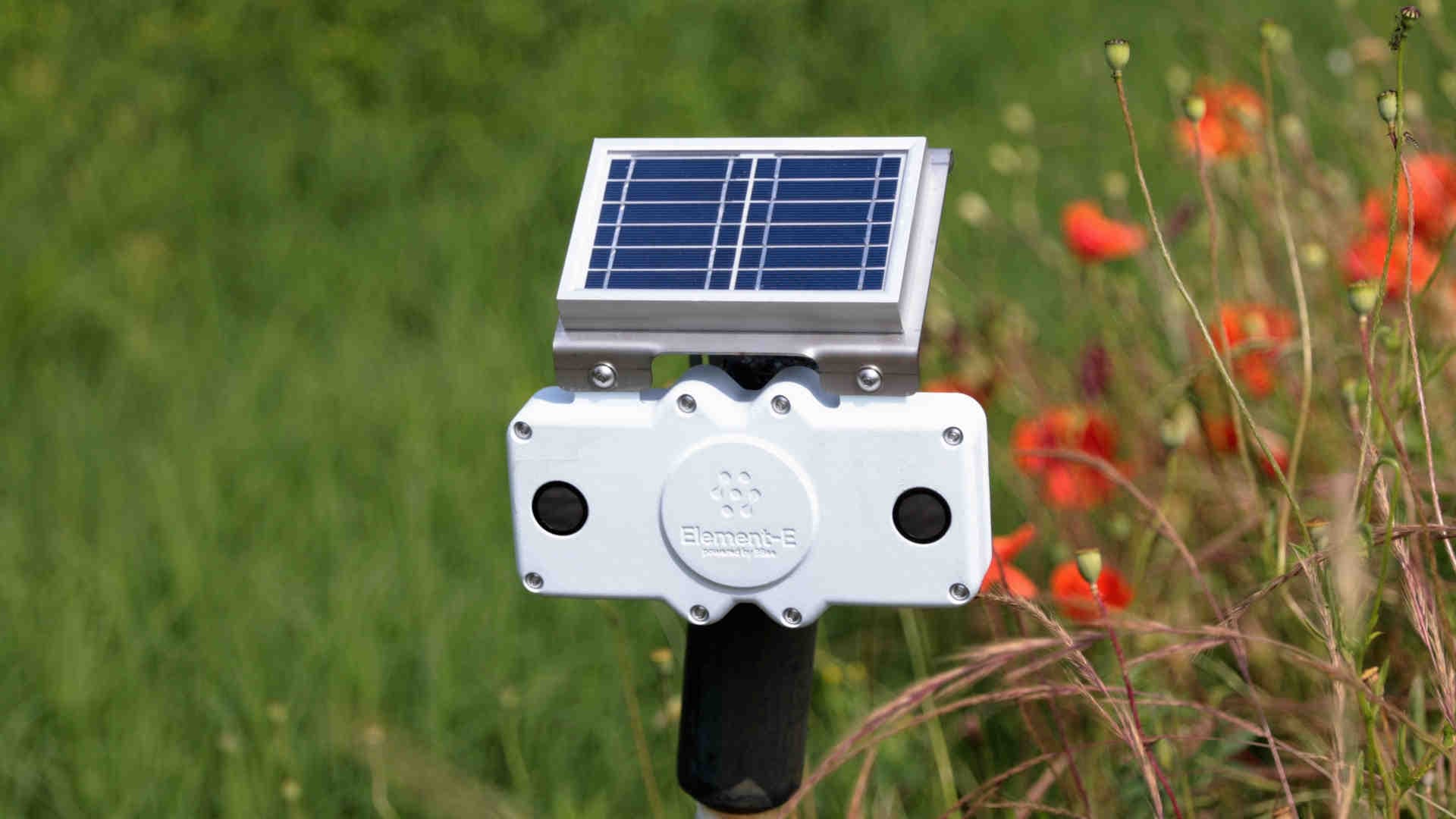
    Element-E
    08/02/2024Of 3Bee, Elena Fraccaro
    387 Views
    Newsletter
    newsletter
    Subscribe to the Blog about bees and biodiversity

    Frequently Asked Questions

    Do you have any doubts or other curiosities about this article? Here you will find some insights