Common ivy: all curiosities
    EderaAn enemy?Greek mythsCharm

    Common ivy: all curiosities

    Both climbing and creeping, ivy is a plant inherent in Greek mythology, linked to Dionysus, with multiple important ecological roles and highly valued to the extent that it is used as an ornamental plant.

    Read the article
    22/06/2024Of 3Bee, Lara Vivarelli
    1072 Views
    22/06/2024Of 3Bee, Lara Vivarelli
    1072 Views

    Ivy: climbing or creeping?

    Hedera helix is the scientific name for the common ivy, a climbing or creeping evergreen liana. This plant is able to climb various supports, such as walls, rocks and tree trunks, but also to attach itself firmly to the ground thanks to thin root-like appendages. These rootlets are called adventitious roots, modified with the purpose of adhering to the surface and anchoring the plant; they are bundled together in small bundles to make the grip more solid. Occasionally, some ivy specimens may have a more shrubby habit. When climbing, ivy can reach heights of up to 30 metres, while when stretched out and creeping it forms large carpets, which usually cover the undergrowth.

    pianta rampicante

    Is ivy really the worst enemy of trees?

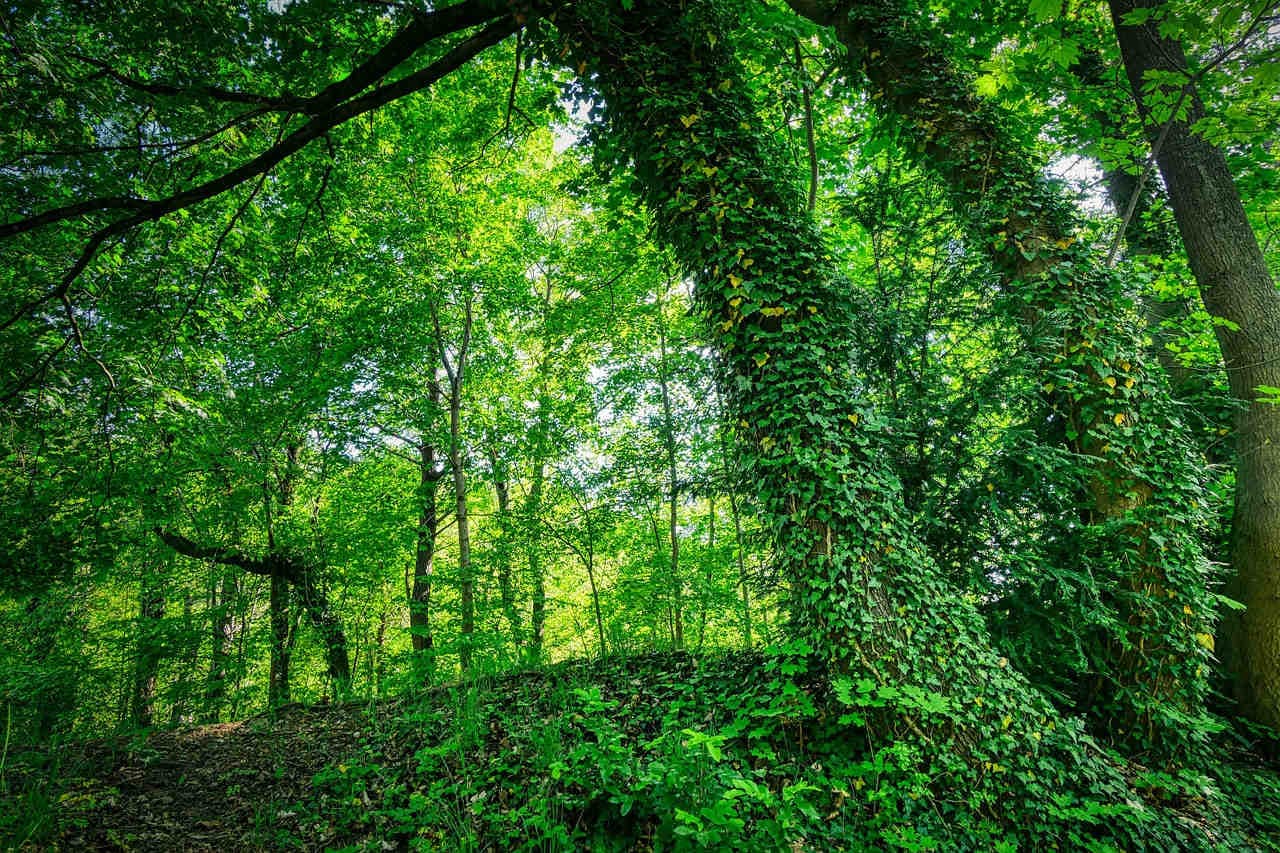
    It is often mistakenly thought that ivy parasites the tree it grows on. In reality, ivy does not feed on the sap of trees, and its vigorous growth on tree trunks and crowns only occurs on dead trees. By climbing up on them, ivy develops dense foliage that reduces available light and above all excessively weighs down the crowns of trees, which can be uprooted in the event of extreme weather events. However, in order to spread, flower and bear fruit, ivy needs light; healthy trees have sufficiently thick and wide foliage to suppress the growth of ivy shoots and thus limit its expansion.
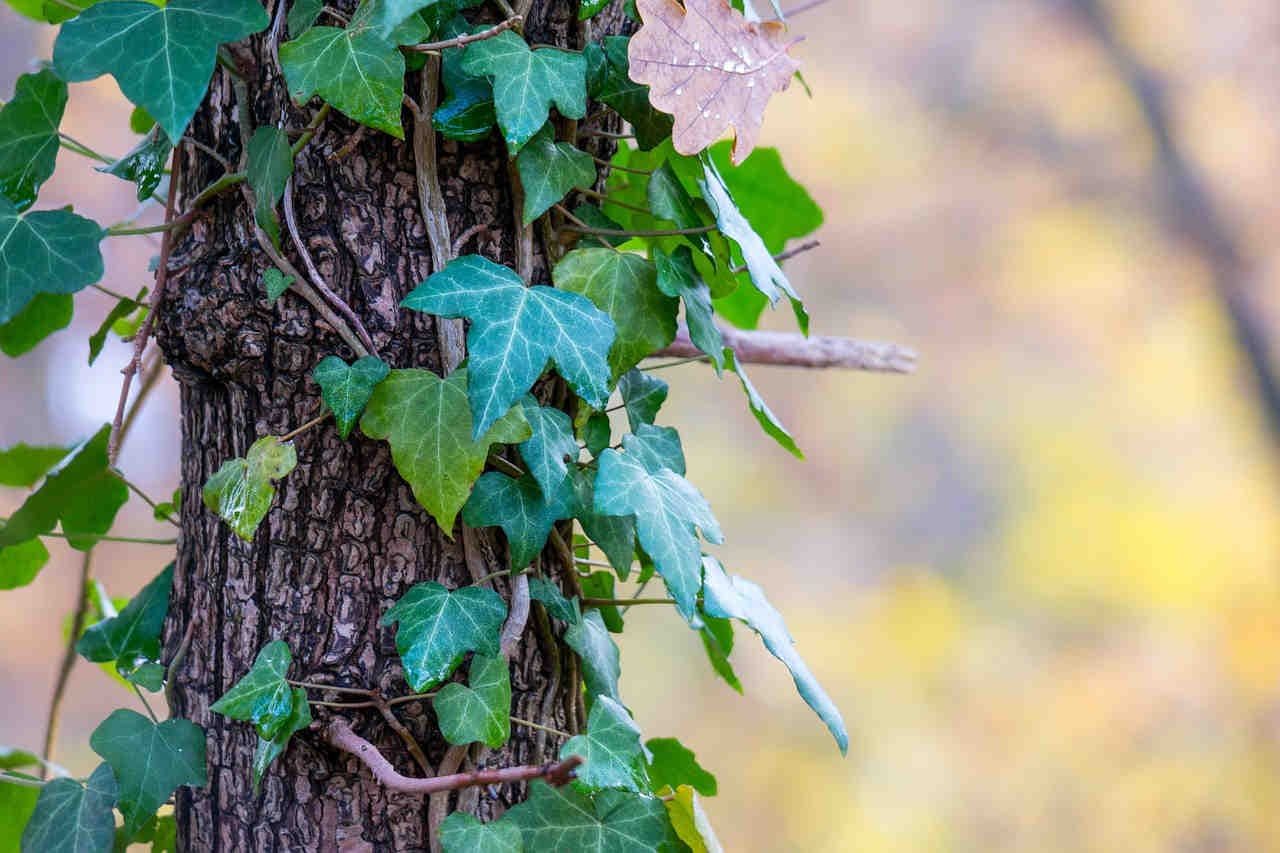
    edera su albero
    XNatura

    A plant linked to Greek myths

    Ivy, like the vine, is one of the epithets of Bacchus, called by the Greeks the god Dionysus. In fact, the epithet 'Kissòs', ivy, is one of the two emblems of the wine god, so much so that he is portrayed with an ivy crown on his head. The two plants, together, embody the duplicity of the Dionysian axis: they climb and wrap themselves around it, which is half celestial and half infernal. In autumn, the vine 'dies', the ivy blossoms in September, and remains green, hence vital. Dionysus is a symbol of vitality, exhilaration and sensuality; both plants bring out the irrepressible passions and desires of which Dionysus is a symbol.

    Dioniso

    Ivy, a plant with a certain charm

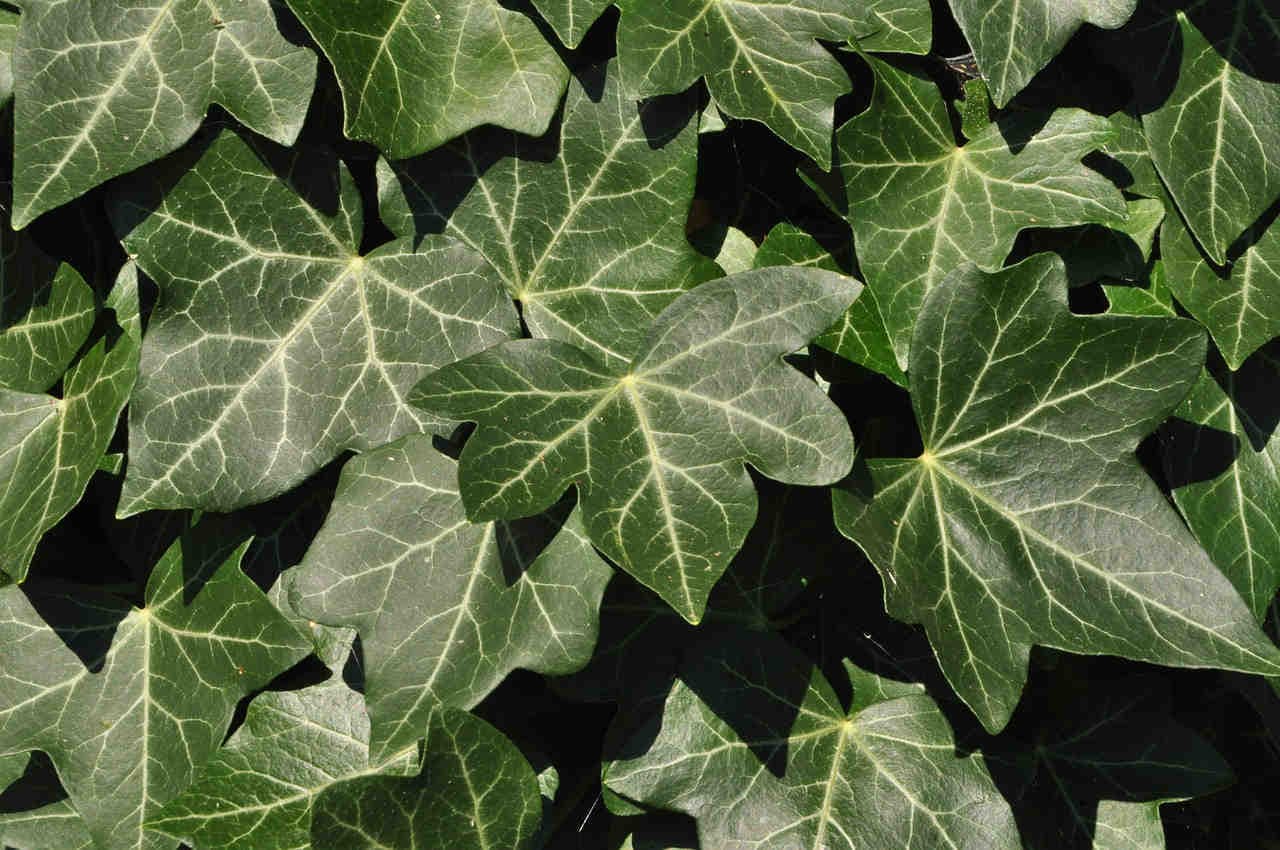
    The myth of Dionysus linked to ivy makes this plant more fascinating. Dionysus, besides being the god of wine, was also considered the god of strong amorous desire and lust, of that passion that strongly binds two lovers, like the strong embrace between the ivy and the tree on which it climbs and to which it adheres. The ivy was symbol of a very close bond and a warm loyalty in love. Its climbing ability and ability to completely cover surfaces is highly valued, and for this reason it is often used as an ornamental plant. It has green, glossy, leathery leaves, which can turn yellow in late summer and purple in winter due to increased anthocyanin levels. It is also very hardy and does not require much care: a shady area is ideal.

    Edera rampicante ornamentale
    XNatura

    Its uses at the time

    In ancient times, ivy was used in the cure of colds and coughs. In particular, the berries were taken orally as a expectorant and to fluidify inflamed bronchi, as they were rich in glucosides and flavonoids with cough-sedating and fluidifying properties. The leaves, on the other hand, were used as an analgesic and anti-inflammatory. Using it, on the other hand, topically, i.e. by skin contact, ivy was useful as a soothing and anti-itching, in cases of chapped skin, excoriations and insect bites. Moreover, ivy sees its application in cosmetics against cellulite and water retention, thanks to its draining properties. However, it should be remembered that ivy is a toxic plant, and its use is not recommended.
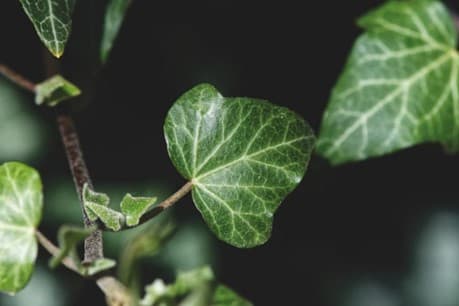
    edera
    3Bee

    The ecological roles of ivy

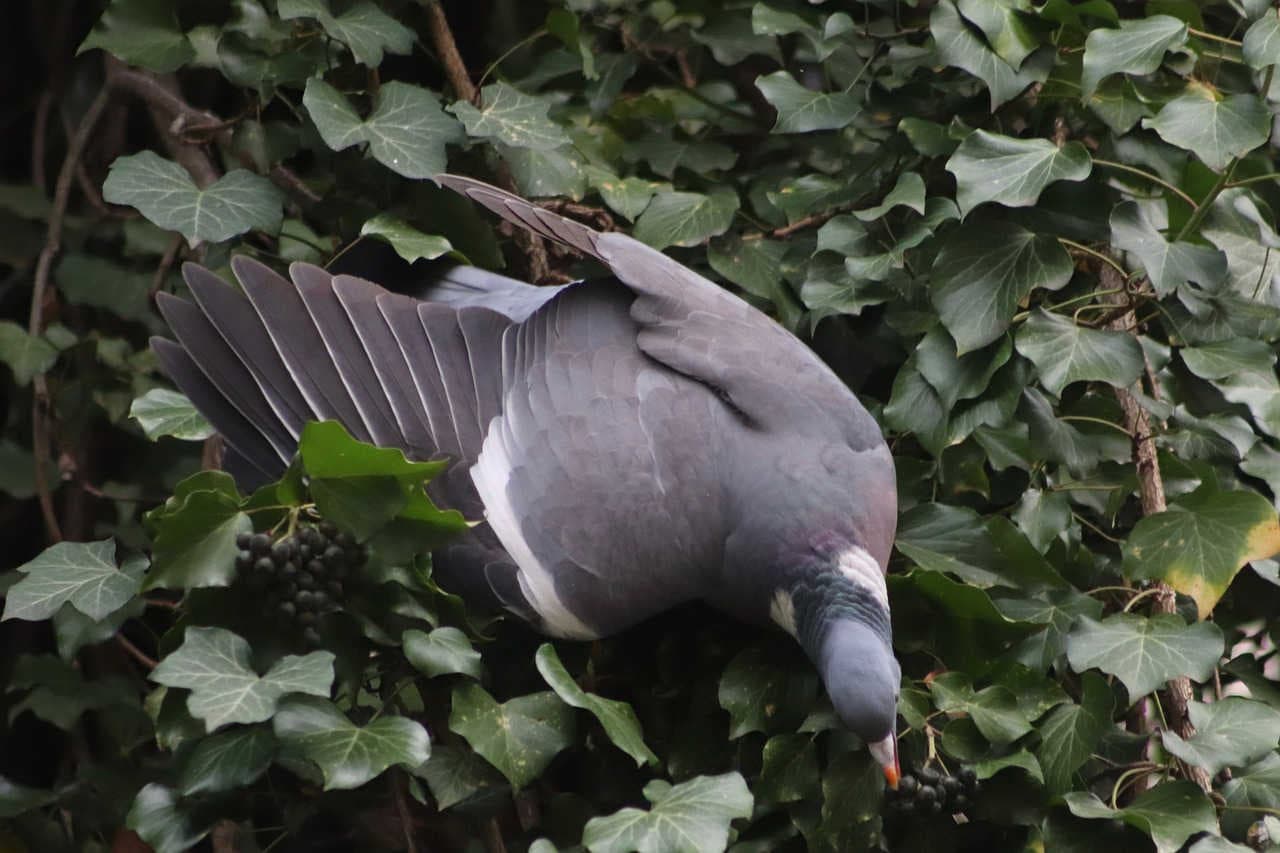
    Ivy constitutes an optimal shelter for the resting and reproduction of certain animals, in particular birds, but also for the supply of food both in terms of nectar from the flowers, and in terms of fruit. As far as the supply of nourishment is concerned, ivy is important because it provides its resources at times of the year when other flowering and fruiting is generally scarce. Moreover, being an evergreen plant, it can come to the aid of certain herbivores during the winter period, including deer and roe deer. Ivy, moreover, contributes to the renewal and natural selection of the forest, since, as mentioned earlier, it encroaches on weaker and diseased trees, weighing them down and exposing them to a greater risk of falling. In this way, it pushes the biological cycles of the forest ecosystem to completion.

    frutti edera risorsa per uccelli

    Ivy: a winter resource for pollinators

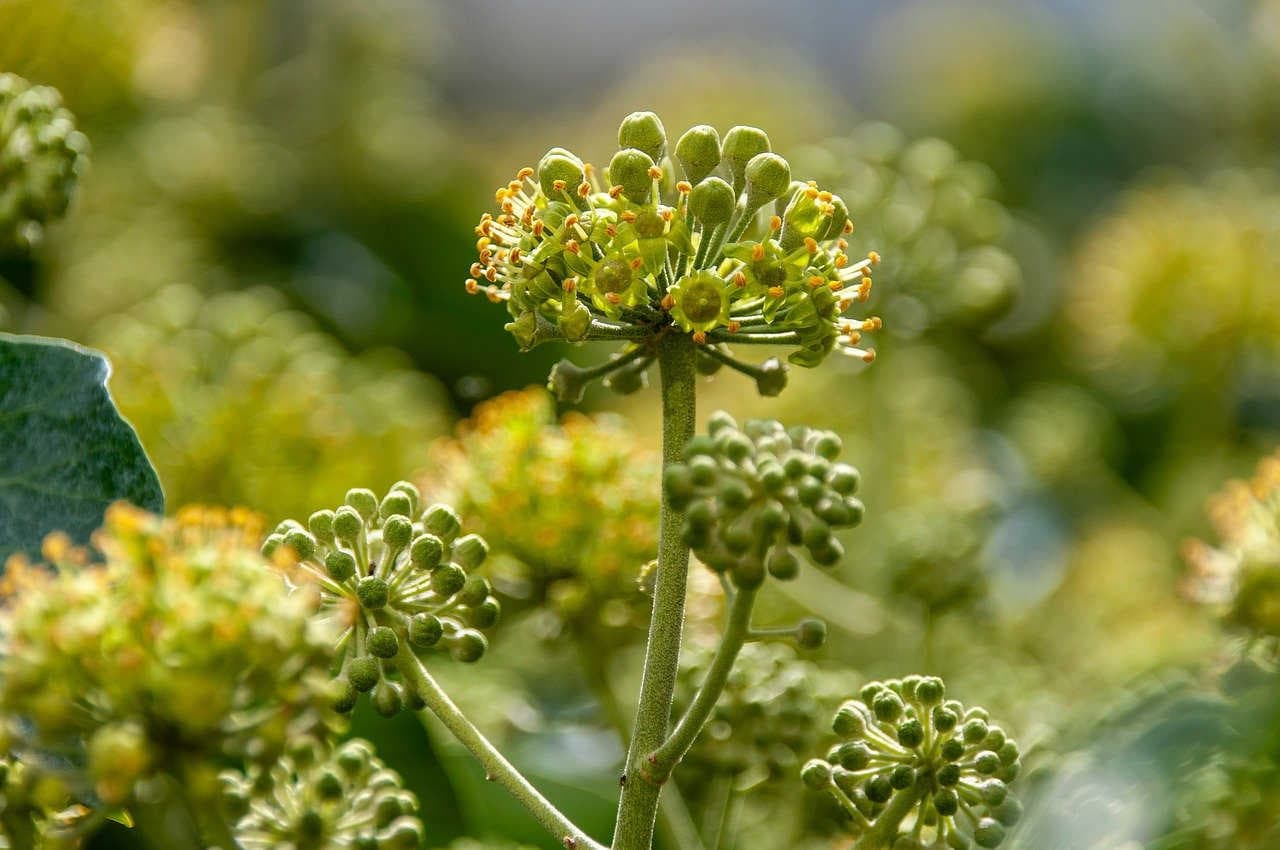
    Ivy, flowering late in September-October, is a very important source of nectar and pollen before winter. Its flowers are yellow-green, grouped in inflorescences, and are hermaphrodite, i.e. they have both reproductive organs. Nevertheless, they require cross-fertilisation; indeed, the flowers of this plant are visited by a wide range of pollinating insects, such as flies and hymenoptera. In particular, ivy is considered a melliferous plant, as it is intensively foraged by bees and from which honey can be obtained. Ivy honey is very sweet, but it is difficult to extract as it undergoes very rapid crystallisation. Even bees, in order to use it as nourishment, must first engage in intense melting.

    fiori edera

    Ivy: distribution and habitat

    Ivy usually prefers wooded habitats, where many individuals form a dense and broad ground cover. Ideal are the most shady and moist areas. In fact, ivy is also used as an indicator of medium humidity, as it thrives where there is a good supply of water. In less favourable habitats, ivy plants are more solitary. The spread of this plant is limited to high latitudes, as it is cold. In fact, ivy is classified as Southern European Temperate. It is common in southern and western Europe and has also become common in Australia, Brazil, Canada, Hawaii, New Zealand and the United States. It has also been introduced to India and South Africa.

    foresta edera

    Biodiversa: the 3Bee game app to monitor biodiversity

    Biodiversa is the free game app for biodiversity monitoring and ecosystem protection that allows users to easily 'collect' and identify plants and flowers encountered during an outdoor walk. An ambitious citizen science project that aims to create a cooperative archive dedicated to flora (and in a second phase fauna) in Europe, involving player users with challenges to catalogue species, some of which are rare or endangered. Available for iOS and Android, Biodiversa has a dynamic similar to that of some well-known free-to-play video games that encourage moving and travelling in the real world to 'collect' characters. In fact, the app made by 3Bee offers a gaming experience in which plants are all to be 'collected' and identified in order to collect experience points, level up and climb the leaderboard.

    biodiversa app 3bee
    22/06/2024Of 3Bee, Lara Vivarelli
    1072 Views
    Newsletter
    newsletter
    Subscribe to the Blog about bees and biodiversity

    Frequently Asked Questions

    Do you have any doubts or other curiosities about this article? Here you will find some insights