Climate change also affects animal migration
    MigrationsAnimaliBirdsClimate Change

    Climate change also affects animal migration

    Animal migrations are a vital phenomenon for many species. However, with ongoing climate change, these movements risk becoming increasingly unstable, with serious repercussions for long-range migratory birds in particular.

    Read the article
    05/11/2024Of 3Bee, Chiara Pertile
    1021 Views
    05/11/2024Of 3Bee, Chiara Pertile
    1021 Views

    What are migrations

    Disclaimer: this is an automated translation from Italian. Go to the original article.

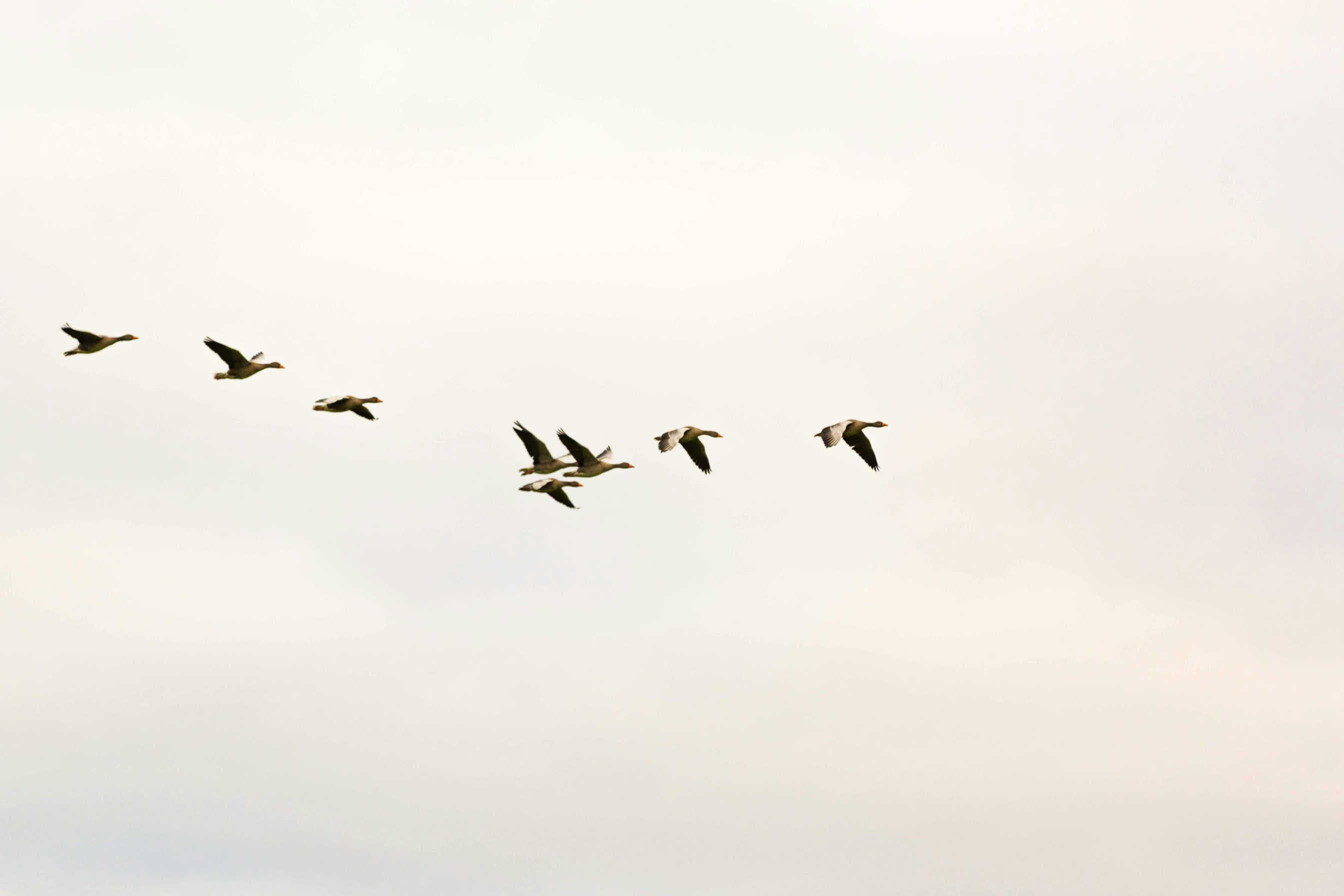
    Every year, as autumn arrives, you look up and see flocks of birds ready to embark on a long journey. These are the migrations: a natural phenomenon involving the movement - for many species seasonally - of populations from one habitat to another in order to survive and reproduce. Not only birds migrate: mammals, fish, reptiles and insects also participate in this process. Even our own species, Homo sapiens, has always migrated in response to environmental changes, and today global warming threatens to trigger new human migrations, bringing with it global challenges related to climate justice. Other species are no less affected: climate change is, in fact, making the seasonal migrations of many animals extremely unstable. Movements that have followed regular patterns for centuries are now disrupted, with potentially tragic consequences for the entire planet's biodiversity.
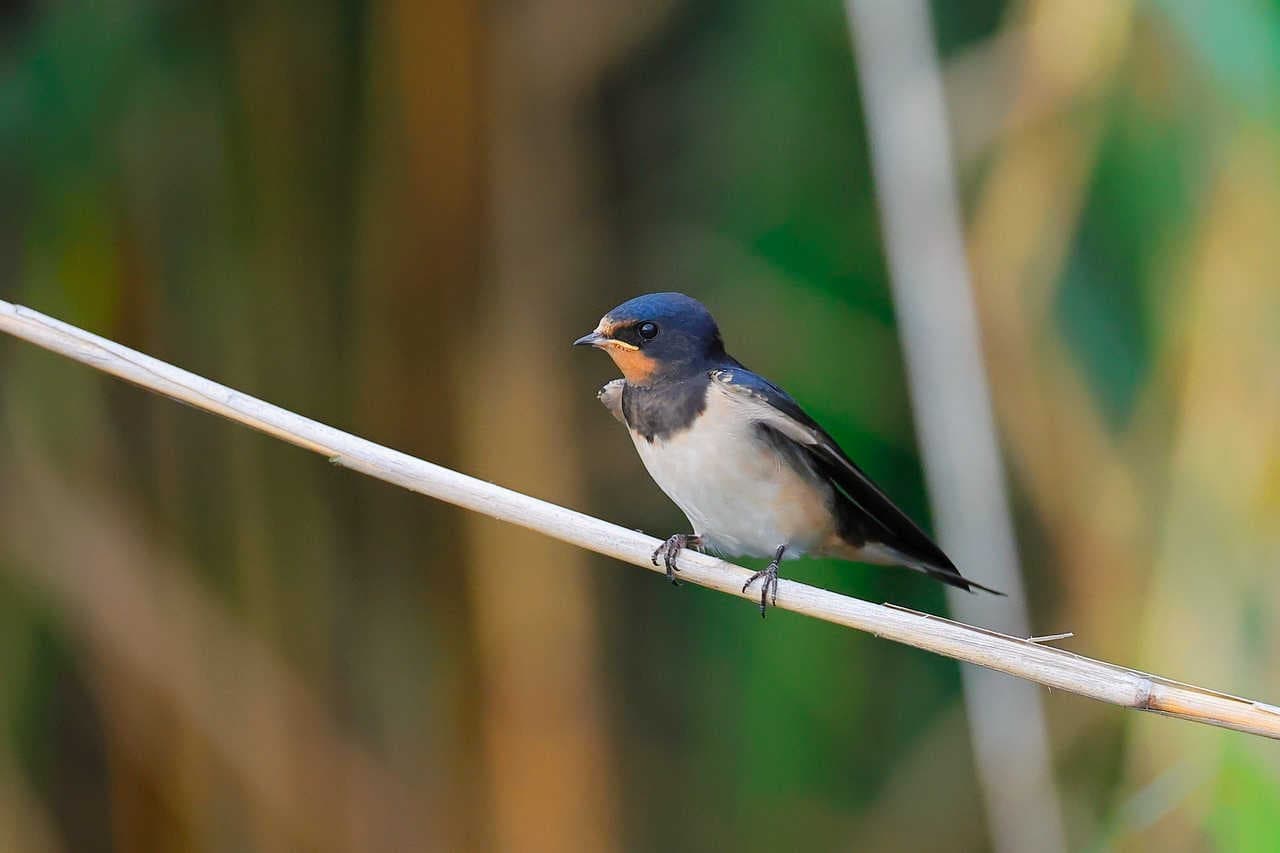
    rondine

    Why species migrate

    Faced with environmental change, species can react in three ways: adapt, become extinct or migrate. Migrations are a fundamental survival strategy, allowing animals to move to more favourable areas in search of resources or to escape adverse climatic conditions. In some species, such as swallows, reindeer, sea turtles and many others, this process occurs cyclically, every year. For many migratory birds, such as swifts, cranes, storks, wild geese and starlings, the autumn marks the beginning of the journey south, where they find milder climates, while in spring they return north to take advantage of the breeding season and the abundance of food. Not only birds are seasonal migrators: one of the most incredible and fascinating examples in nature is the monarch butterfly, which travels over 4,000 km from North America to Mexico every year.
    migrazione rondini
    XNatura

    What are the different types of migratory birds

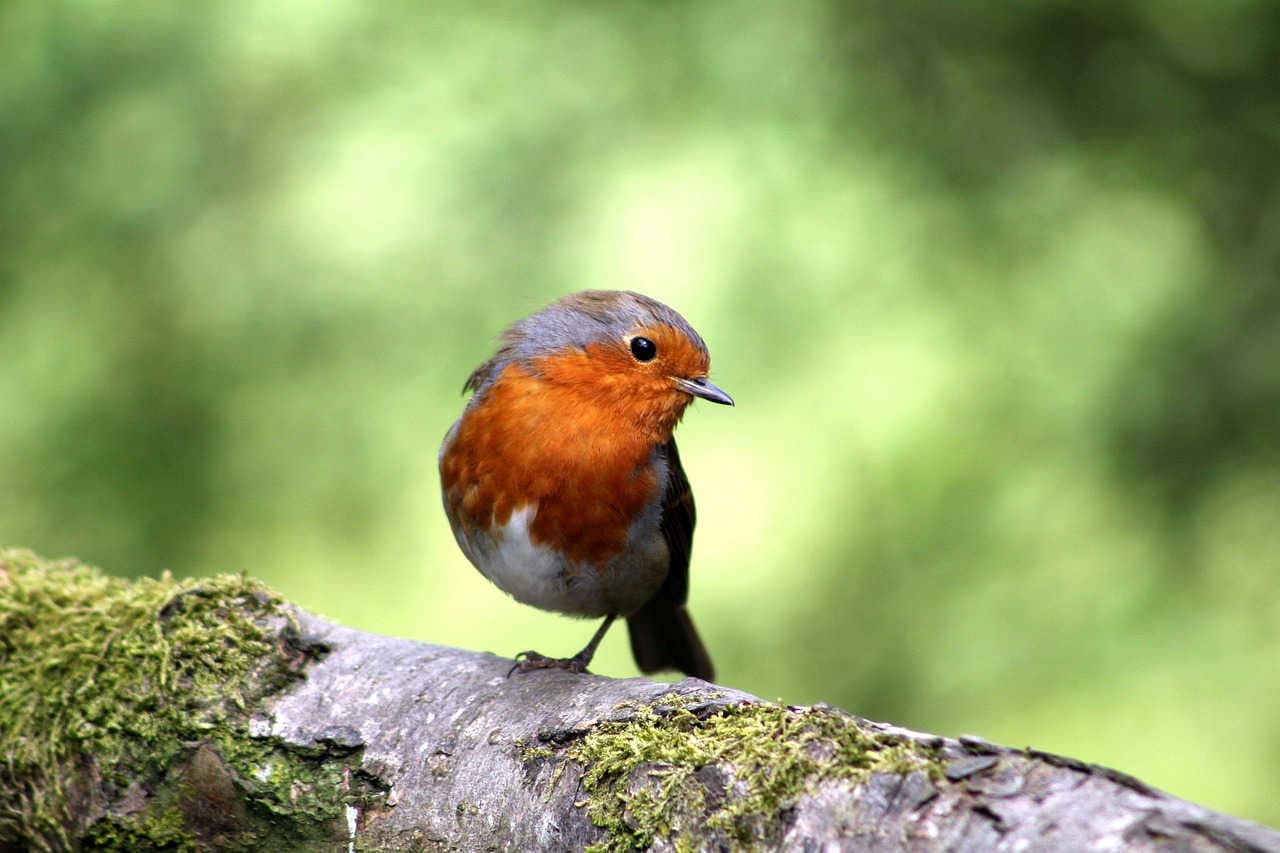
    Among the over ten thousand species of birds, about 40% migrate regularly, but migration varies greatly both between species and within populations. There are two main categories: complete migrators, where all individuals of a species migrate, such as swallows (Hirundo rustica) and bee-eaters (Merops apiaster), and partial migrators, where only some populations move while others remain sedentary, such as blackbirds (Turdus merula) and robins (Erithacus rubecula). Migratory birds can also be distinguished according to the distance travelled: there are short-range migrators, which stay in the Mediterranean basin or reach North Africa, and long-range migrators, which cross the Sahara and reach as far as southern Africa. Among the most famous long-range migratory bird species, apart from the swallow, are the common swift (Apus apus), the stork (Ciconia ciconia) and the nightingale (Luscinia megarhynchos).

    pettirosso

    How climate change affects migration

    Bird migrations are undergoing major alterations due to global warming, drastically changing the timing and pattern of seasonal movements. An extensive 2022 study published in phenology across the circannual cycle in a rapidly changing climate.pdf" target="_blank">Ecological Monographs and coordinated by Andrea Romano, a researcher at the University of Milan, found that, on average, spring migration to nesting sites and bird reproduction are anticipated by about 2-3 days per decade, with significant variation among species. The study collected more than 5,500 time series of phenological data, spanning 1811 to 2018, relating to 684 bird species globally and observed that long-range migratory birds show less marked advances than species moving within the continent. This makes these species more vulnerable, as they cannot predict changes in climate and environment.
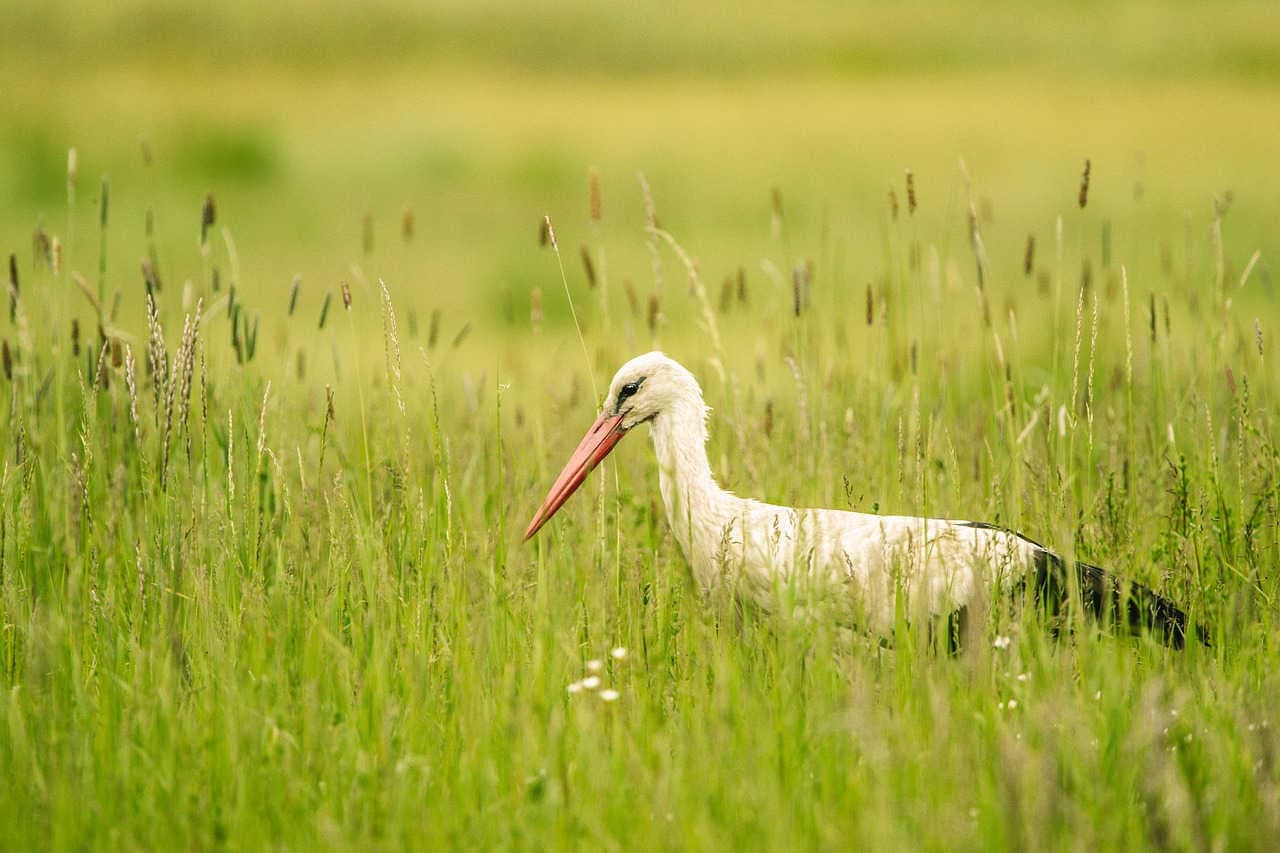
    cicogna
    XNatura

    Migration times and food resources

    Long-range migratory bird species, after facing ecological challenges such as seas and deserts, find themselves arriving at their nesting sites with a complete mismatch between the timing of migration and the availability of food resources. The reduction in synchrony between the peak of food abundance and the presence of birds at their breeding sites causes serious damage to their survival. Migratory birds find themselves with fewer resources available, affecting their reproductive success: this is already causing population declines in many species. Resident birds and those making short-range migrations, on the other hand, are able to adapt more easily to local changes, modifying their behaviour and breeding habits in response to unstable environmental variations.
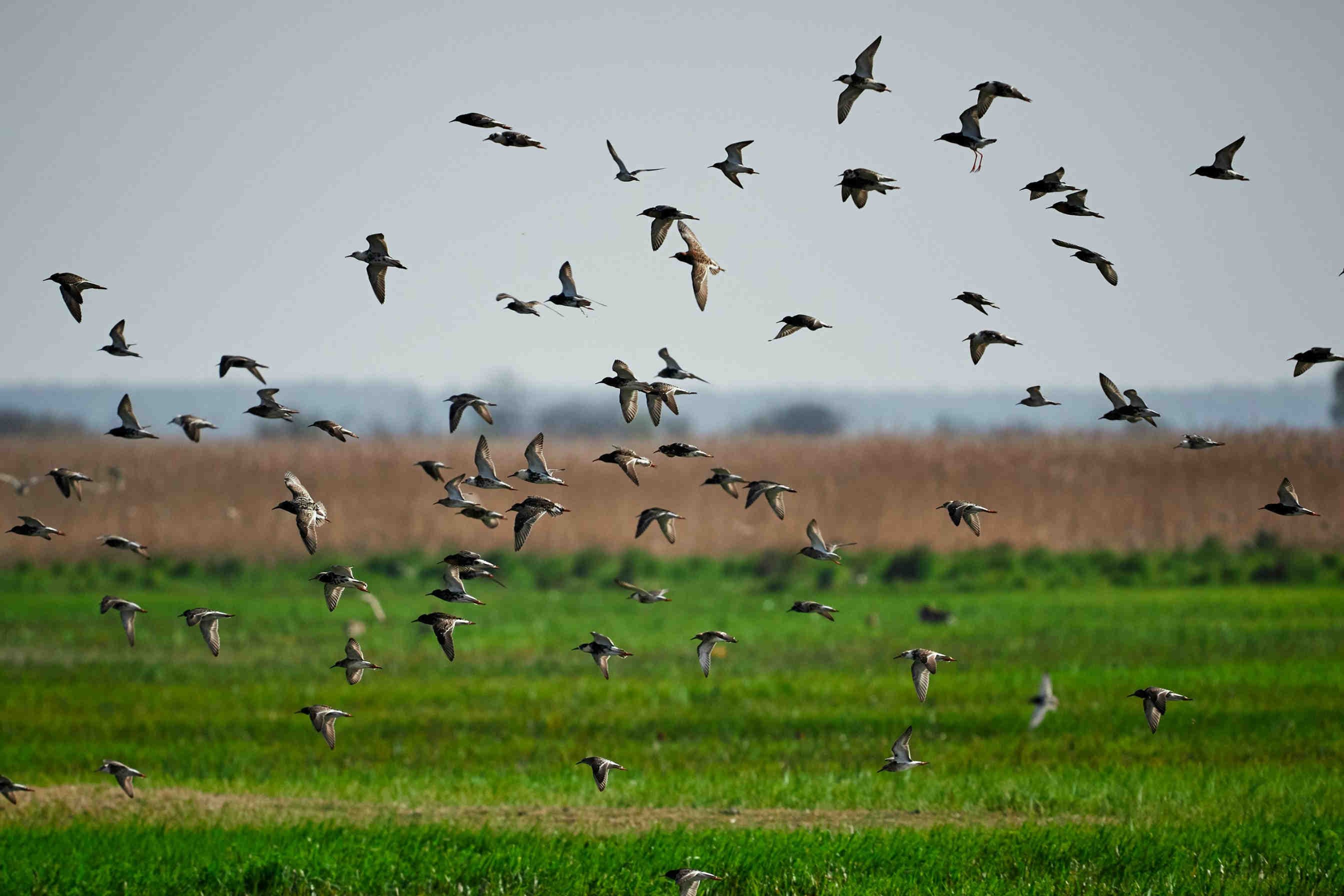
    migrazioni
    3Bee

    Different strategies for species protection

    As the report "Climate change and migratory species: a review of impacts, conservation actions, indicators and ecosystem services" states, migratory species, including birds, have a deep impact in maintaining different habitats and provide important ecosystem services. New scientific evidence underlines the need for targeted conservation measures that take into account the specific needs of different migratory species. Climate change mitigation, habitat protection strategies and citizen science projects, such as citizen monitoring of migration routes, could play a crucial role in collecting valuable data for research and conservation. These approaches could contribute to preserving biodiversity, especially at a time when altered migration timing is destabilising many ecosystems and endangering the survival of numerous species.


    migrazioni
    05/11/2024Of 3Bee, Chiara Pertile
    1021 Views
    Newsletter
    newsletter
    Subscribe to the Blog about bees and biodiversity

    Frequently Asked Questions

    Do you have any doubts or other curiosities about this article? Here you will find some insights