Butterflies and climate change adaptation strategies
    StudioFarfalleObjectiveResult

    Butterflies and climate change adaptation strategies

    Butterflies and climate change: a recent study has revealed some interesting adaptation strategies by these valuable pollinators in Spain and the UK. Read more in this article about the results of the research and the implications for biodiversity.

    Read the article
    22/01/2024Of 3Bee, Elena Fraccaro
    960 Views
    22/01/2024Of 3Bee, Elena Fraccaro
    960 Views

    Butterflies and climate change: the study

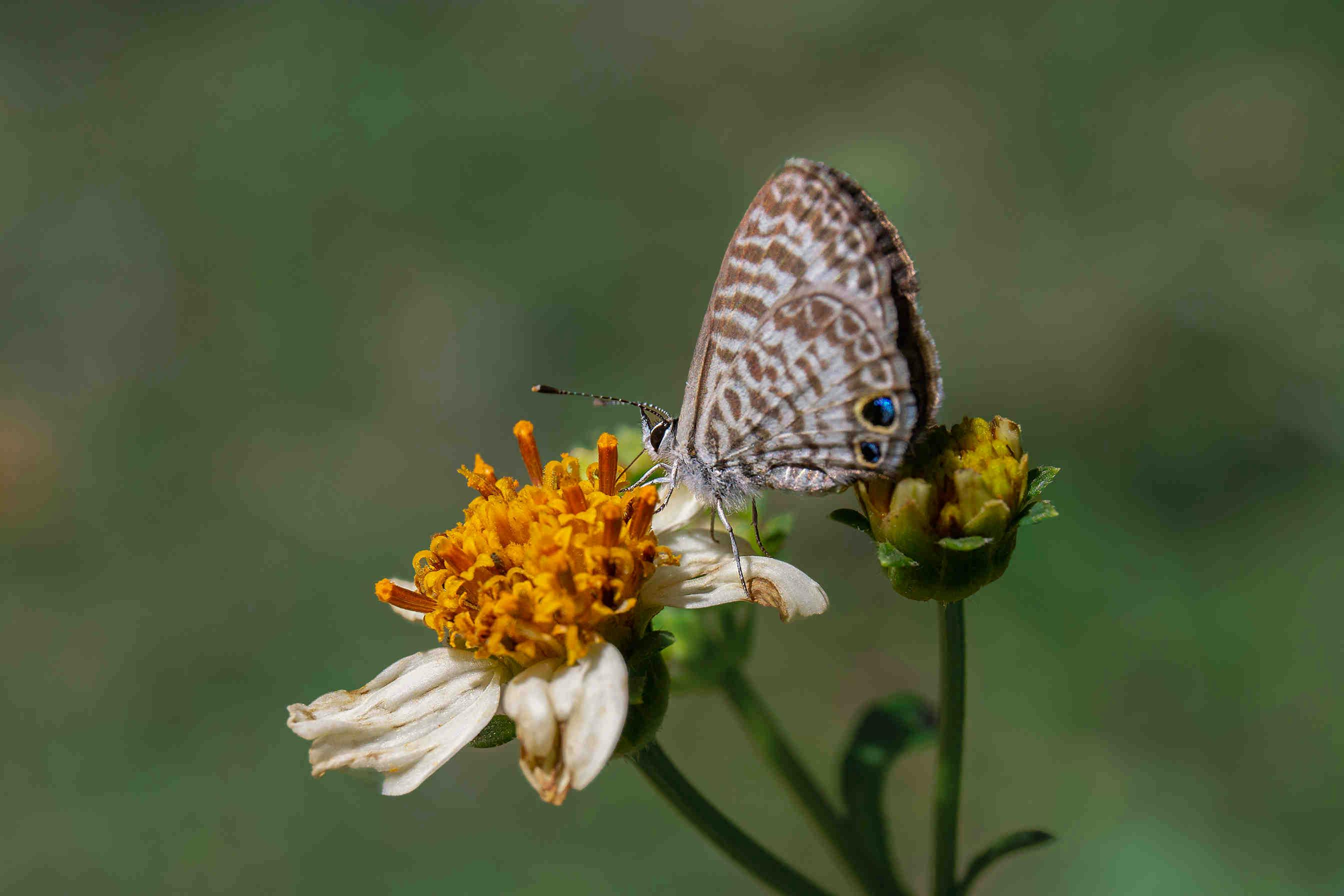
    A recent study, published on 8 January 2024 in the Journal of Animal Ecology, has highlighted some interesting strategies for adaptation to climate change by certain species of flies. The study was carried out by researchers from the University of Cambridge and the Institut de Biologia Evolutiva (IBE) in Barcelona, who focused on butterfly populations in Catalonia, northern Spain, and compared them with their counterparts in the United Kingdom. The research revealed that Catalan butterflies are more adept at managing their body temperature than their British counterparts, highlighting significant differences in their thermoregulation strategies, a critical factor for survival considering an increasingly changing climate.

    farfalle

    Butterflies: distinct thermoregulation strategies

    The butterflies that live in areas characterised by warmer climates, such as Catalonia, have developed an efficient method of regulating their body temperature: by positioning their wings in such a way as to optimally capture sunlight, they are able to warm themselves even at lower temperatures. British butterflies, on the other hand, adapt to lower temperatures by predominantly seeking warm microclimates. These distinct approaches reflect not only the different environmental conditions in which the two populations of butterflies live, but also their adaptive responses to them. However, with the rise in temperatures globally, both populations are beginning to show avoidant behaviour from heat sources. Indeed, while British butterflies may initially benefit from warmer climates, Spanish butterflies run a greater risk of extinction if they cannot adapt quickly enough to rising temperatures.

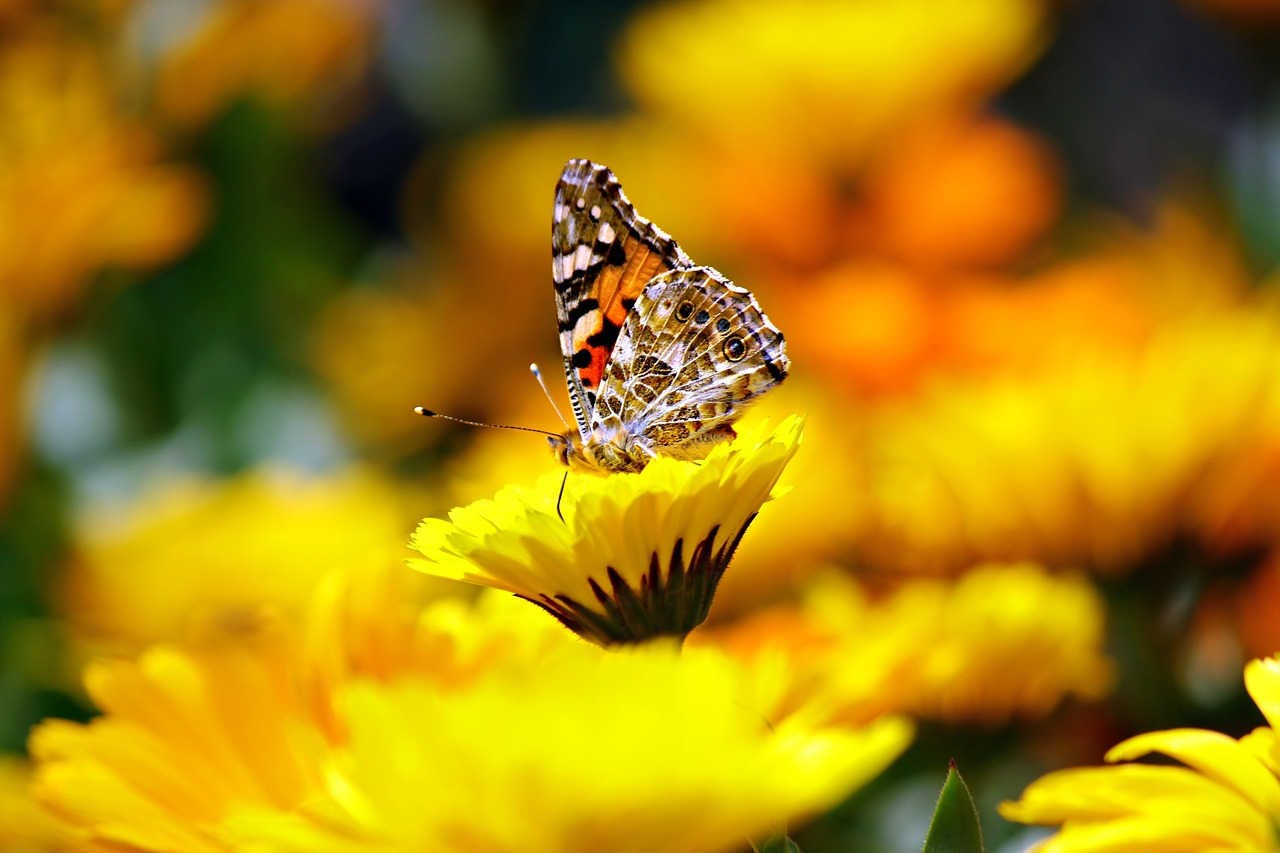
    farfalla fiore
    XNatura

    The aim of the butterfly study

    The lead author of the study, Eric Toro-Delgado of the IBE explained the rationale behind this research. After an initial research project conducted in the United Kingdom in 2020, the same group of researchers wanted to continue in order to understand whether populations of butterflies found in areas with a warmer climate, such as Spain, behaved differently. Indeed, in Spain, butterflies spend much more time at their optimal temperature, because it is warmer, but there is also a greater risk of overheating. The study therefore involved measuring the body temperature, the microclimate around it and the surrounding air of some 800 adult butterflies of 23 species in Catalonia. The researchers' aim was to understand whether the adaptations observed in Spanish butterflies might indicate how British butterflies might need to adapt in response to climate changes.

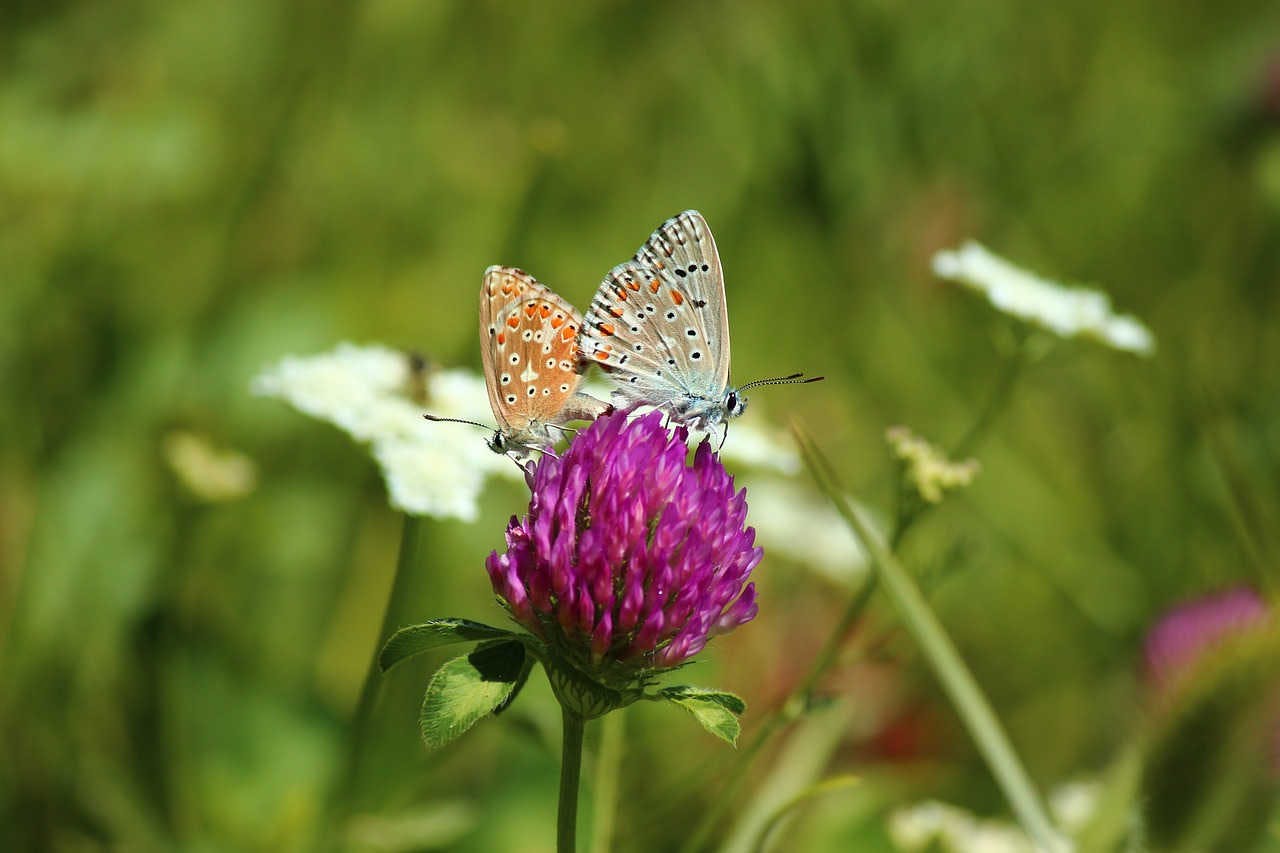
    farfalle studio

    The results of the study

    The results of the research revealed that Catalan butterflies are better at regulating their body temperature than British ones. Both populations switch from heat-seeking behaviour to avoidance behaviour when temperatures reach around 22°C. However, British butterflies rely more on microclimates for thermoregulation, whereas Catalan butterflies have a wider range of thermal environments to choose from. The researchers also noted that the loss of habitat and biodiversity, particularly in the UK, poses a significant threat to butterflies. Diverse habitats provide a variety of microclimates that can help butterflies maintain a temperature optimal for them.

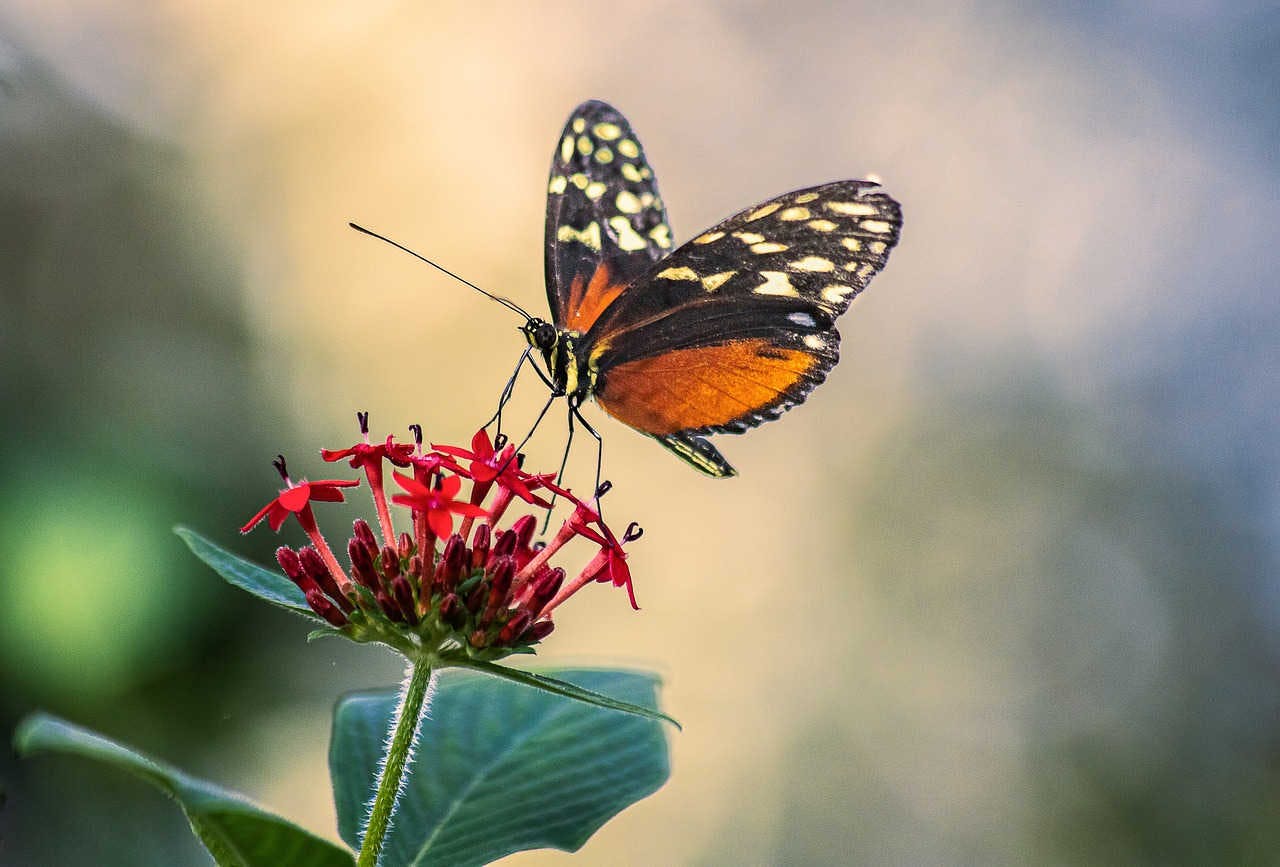
    farfalla monarca
    XNatura

    Correlation between temperature and colouring

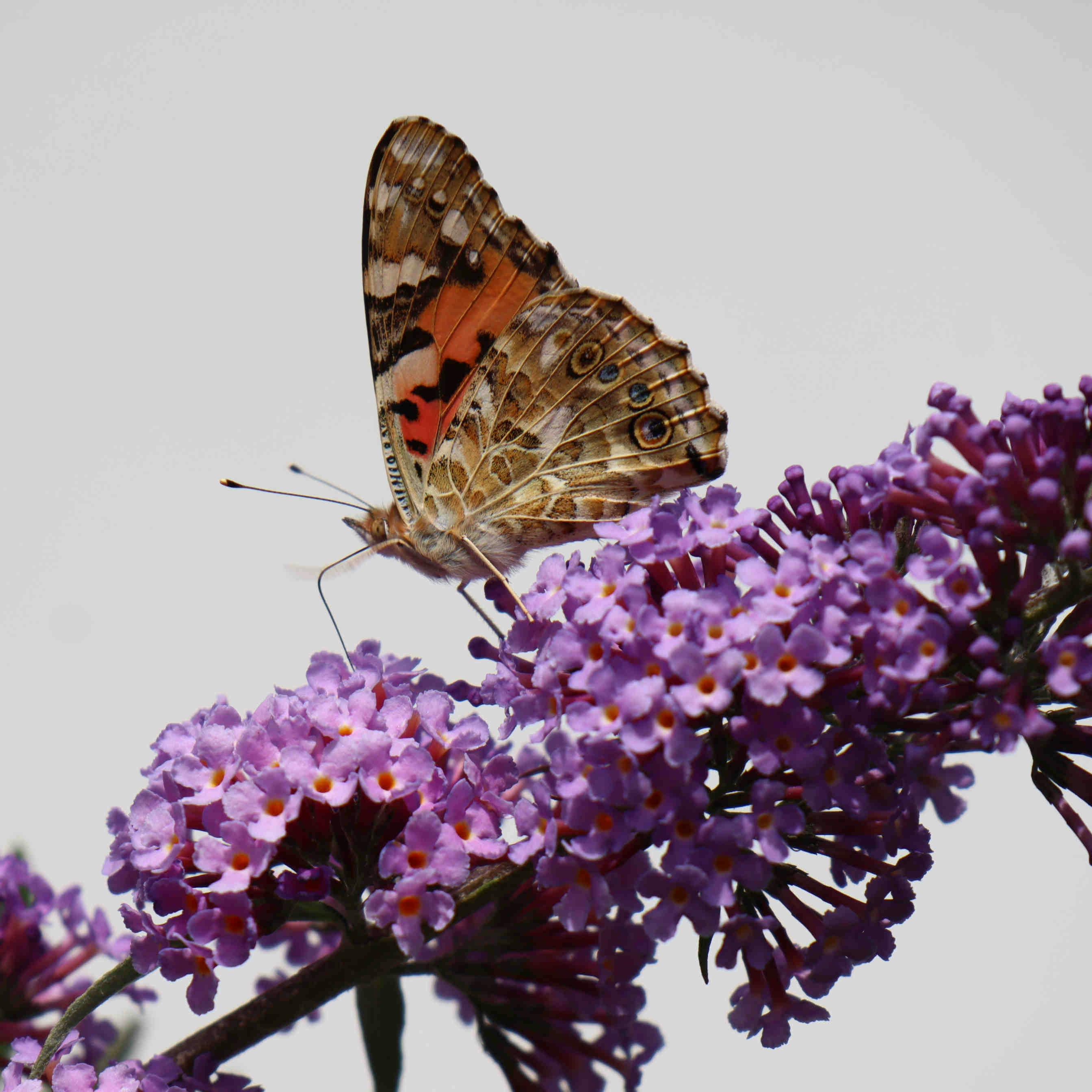
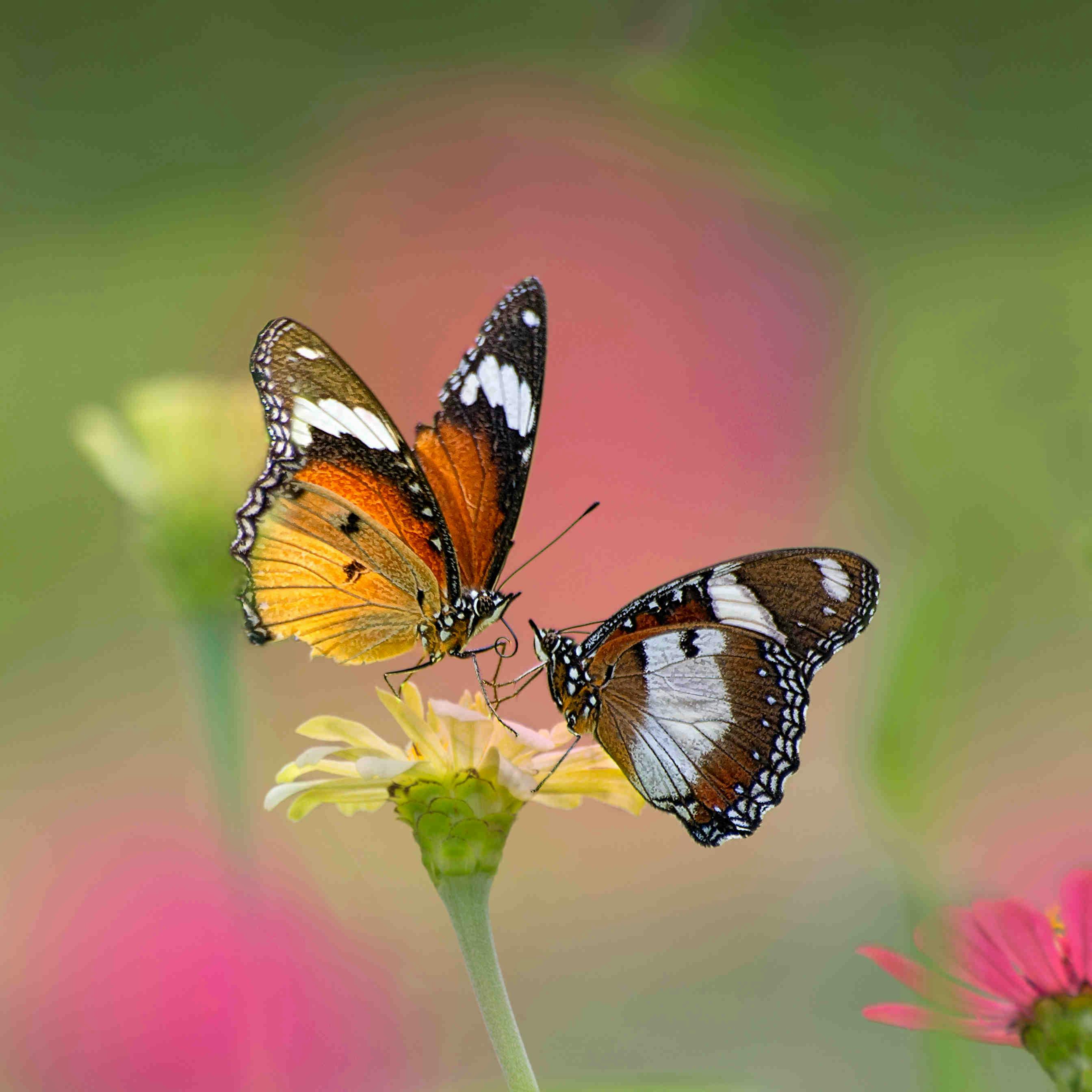
    Back in 2014, a study published in Nature Communications had already focused on thermoregulation, showing how the colouration of insects was crucial to this function. In fact, insects with dark colours absorb more sunlight and heat up faster than those with a light livery, which, by reflecting it, avoid overheating. The study had focused on butterflies and bellulas in Europe, in order to demonstrate the correlation between colouration and temperature. The results showed a dominance of light-coloured insects in southern Europe, where the climate is warmer, and a majority of dark-coloured insects in the north, where the climate is cooler. The researchers also checked for variations due to climate change in the distribution of the species from 1988 to 2006. The results of the study showed that the insects were becoming lighter and that the darker insects were moving towards the Alps and the Balkans, to cooler areas.

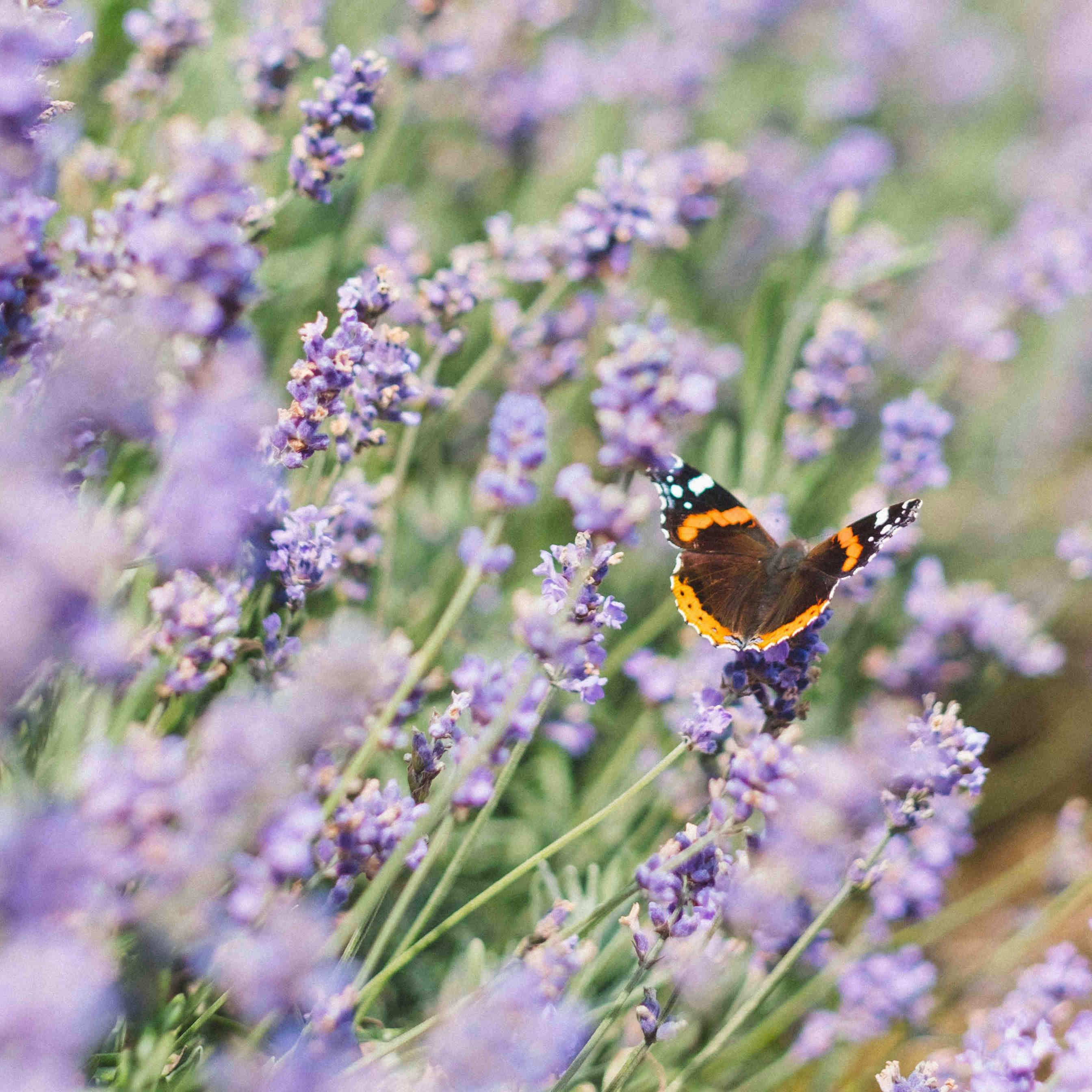
    farfalla colore
    3Bee

    Conclusions: climate change and biodiversity loss

    Returning to the study conducted by the University of Cambridge and Barcelona's IBE, we can state that, despite the Catalan butterflies' great ability to thermoregulate, rising global temperatures represent a serious threat as Spain's climate has already become warmer than in the past. The study found that wing size, an important factor of body thermoregulation in UK butterflies, is not as relevant in Spain, where avoiding heat sources is more essential. According to the research, in addition to rising temperatures, extreme weather events such as droughts and heat waves, exacerbated by climate change, pose a risk to both adult butterflies and their larval caterpillar stage. As stated by Toro-Delgado, climate change and biodiversity loss go hand in hand and both need to be addressed urgently to protect important species such as butterflies.
    primo piano farfalla

    Oasis 3Bee for the protection of biodiversity

    The study published in the Journal of Animal Ecology emphasises the relationship between climate change, biodiversity and the survival of crucial pollinators such as butterflies. The latter are indeed crucial and, without them, many plants would lose the valuable pollination service that is essential for their reproduction. Disruption of this union would result in a serious loss of biodiversity at multiple levels that would affect plants, pollinators and all organisms connected to the entire trophic chain. For this reason, it is crucial to promote projects such as the Biodiversity Oases of 3Bee, which help maintain populations of pollinators by providing them with nutritional resources. Places where technology and nature come together, to monitor the health of the area. Another positive effect is the mitigation of climate change: in cities, having more greenery helps to reduce heat islands, reducing peak temperatures and making the air cleaner.

    Oasi 3Bee
    22/01/2024Of 3Bee, Elena Fraccaro
    960 Views
    Newsletter
    newsletter
    Subscribe to the Blog about bees and biodiversity

    Frequently Asked Questions

    Do you have any doubts or other curiosities about this article? Here you will find some insights