Wild orchids in Italy
    OrchideaLayingOrchidaceaePollination

    Wild orchids in Italy

    Orchids are among the most loved and appreciated flowers. Not everyone knows, however, that orchids are not just those exotic plants we love so much, but are also present in our territory in a slightly different form.

    Read the article
    26/09/2024Of 3Bee, Lara Vivarelli
    826 Views
    26/09/2024Of 3Bee, Lara Vivarelli
    826 Views

    A feather in the cap: the orchid

    Disclaimer: this is an automated translation from Italian. Go to the original article.

    Two testicle-shaped tubers have given these incredibly beautiful plants their name: the Greek name 'orchis', in fact, means testicle. Orchids belong to the family Orchidaceae, which appeared on earth around 65 million years ago. These fascinating plants have conquered the horticultural market, being found in every home and shop as a decorative object. The Orchidaceae family, however, includes not only the most famous ornamental species; in fact, it is one of the richest and most numerous families of species.

    orchidea

    Legends tell of powerful aphrodisiacs

    The ancient Greeks believed that thefirst orchid was born from the metamorphosis of Orchis, a young, charming son of a Nymph and a Satyr, punished for having insulted a priestess of Dionysus. The remains of Orchis, in fact, at the behest of the gods, were transformed into a fragile plant, as an antithesis to his bursting body. The roots of this plant resembled the male anatomical parts, hence the name orchid. From this myth there arose popular beliefs attributing to orchids aphrodisiac and curative powers for female sterility. In the Middle Ages, when the 'sign theory' indicated that the shape of plants was an indication of the therapeutic property they possessed, orchids were used to prepare aphrodisiac drinks and foods. Even today, salep, an energy flour made from the dried tubers of various orchids, is still marketed in the East.

    orchidee potenti afrodisiaci secondo leggende
    XNatura

    The family Orchidaceae

    The Orchidaceae is a family of herbaceous perennials, which includes both the more famous orchids that we find in florists and supermarkets, and the terricolous orchids that also grow wild in Italy. It is considered a cosmopolitan family as it is widespread in all continents, except deserts and colder regions. Most species originate from tropical or subtropical areas, but 15% are also found in temperate areas. Some orchids have developed aerial roots to absorb water and nutrients from the environment, and some are even saprophytes, i.e. capable of feeding on substances from decaying organisms.

    famiglia Orchidaceae

    Pollination is sometimes a deceptive game

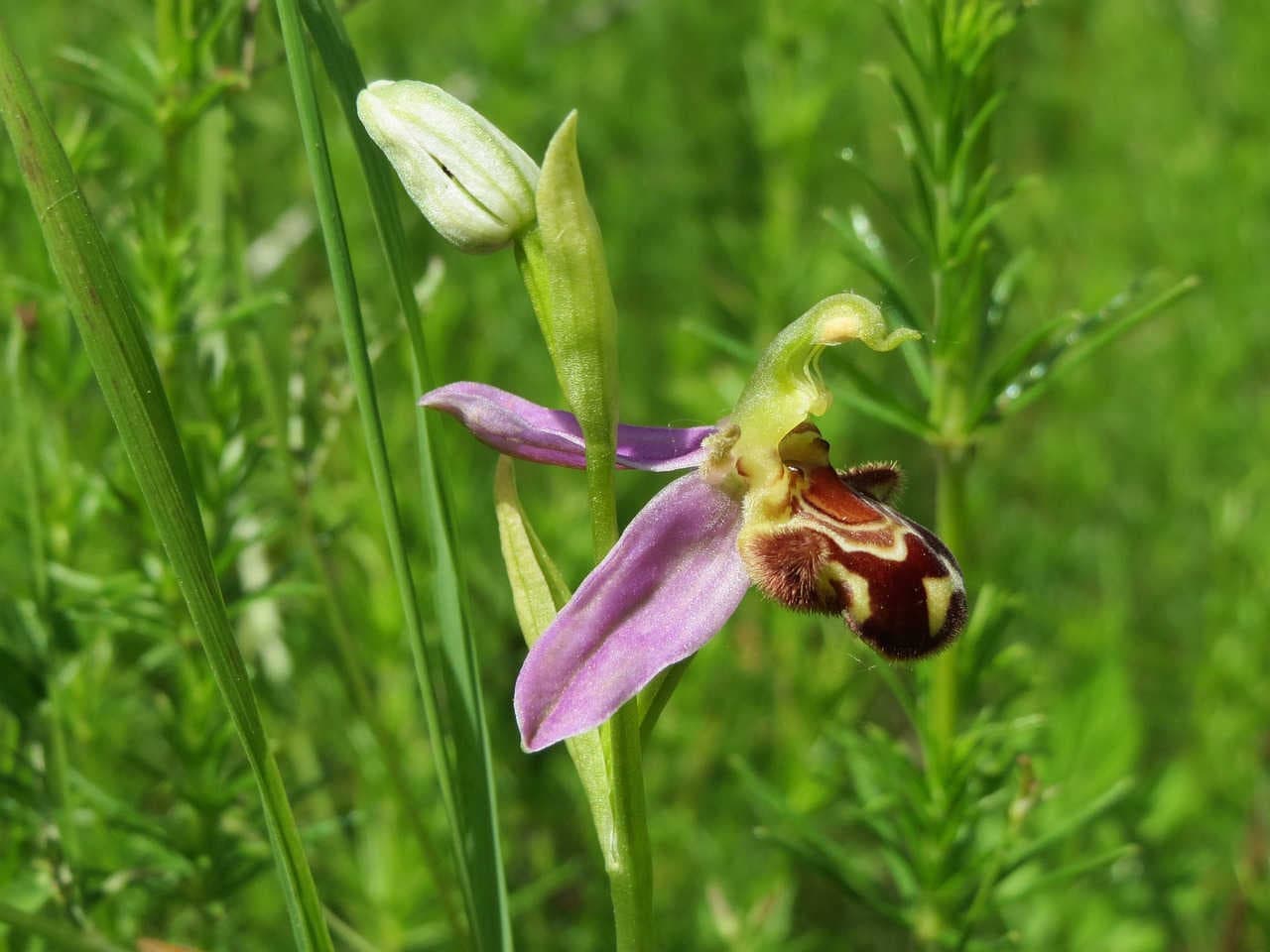
    Plants in the family Orchidaceae often reproduce by means of entomophilic pollination, thus entrusted to insects, particularly hymenoptera. Many orchids have developed a species-specific relationship with their pollinator, co-evolving with it: the shape, colour and smell of the flower are adapted to attract a particular insect capable of pollinating that species. Some orchids have developeddeceptive strategies for attracting pollinators: sexual mimicry. These species are not nectariferous and to be pollinatedthey imitate the appearance of nectariferous flowers or their shape, colour and hairiness of the females of the pollinating insect, also producing similar pheromones, thereby inducing males to attempt to mate and come into contact with the pollen.
    impollinazione orchidee
    XNatura

    Wild orchids in Italy: they are terricolous!

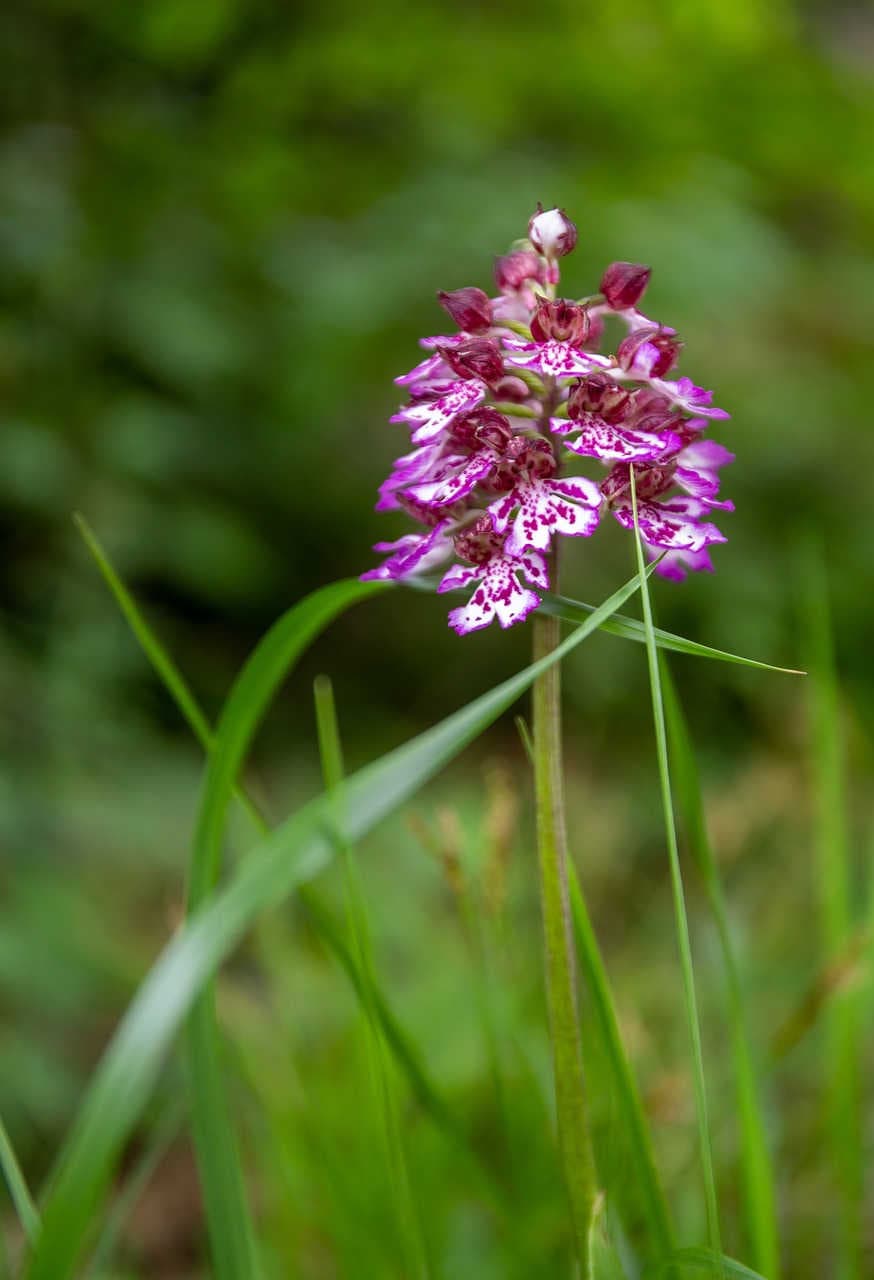
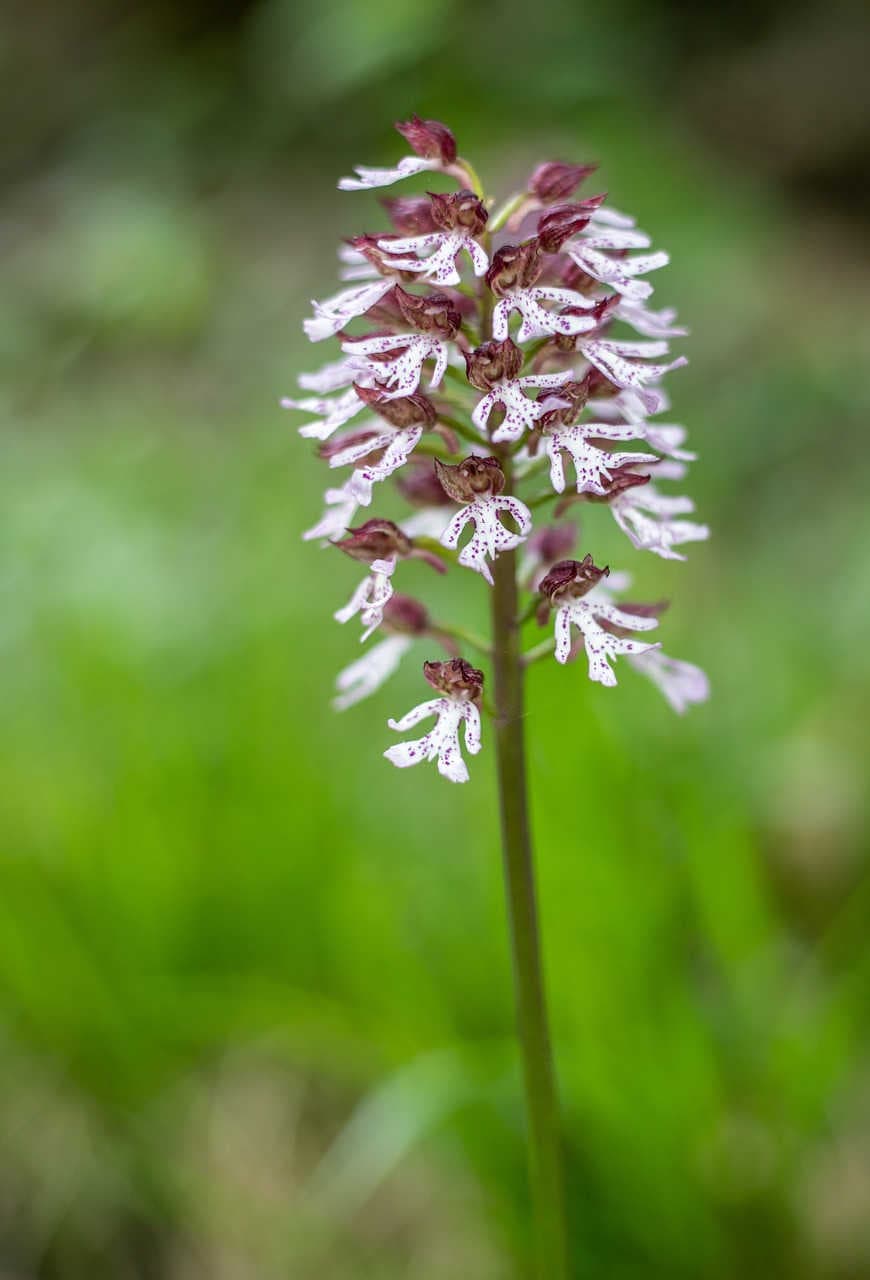
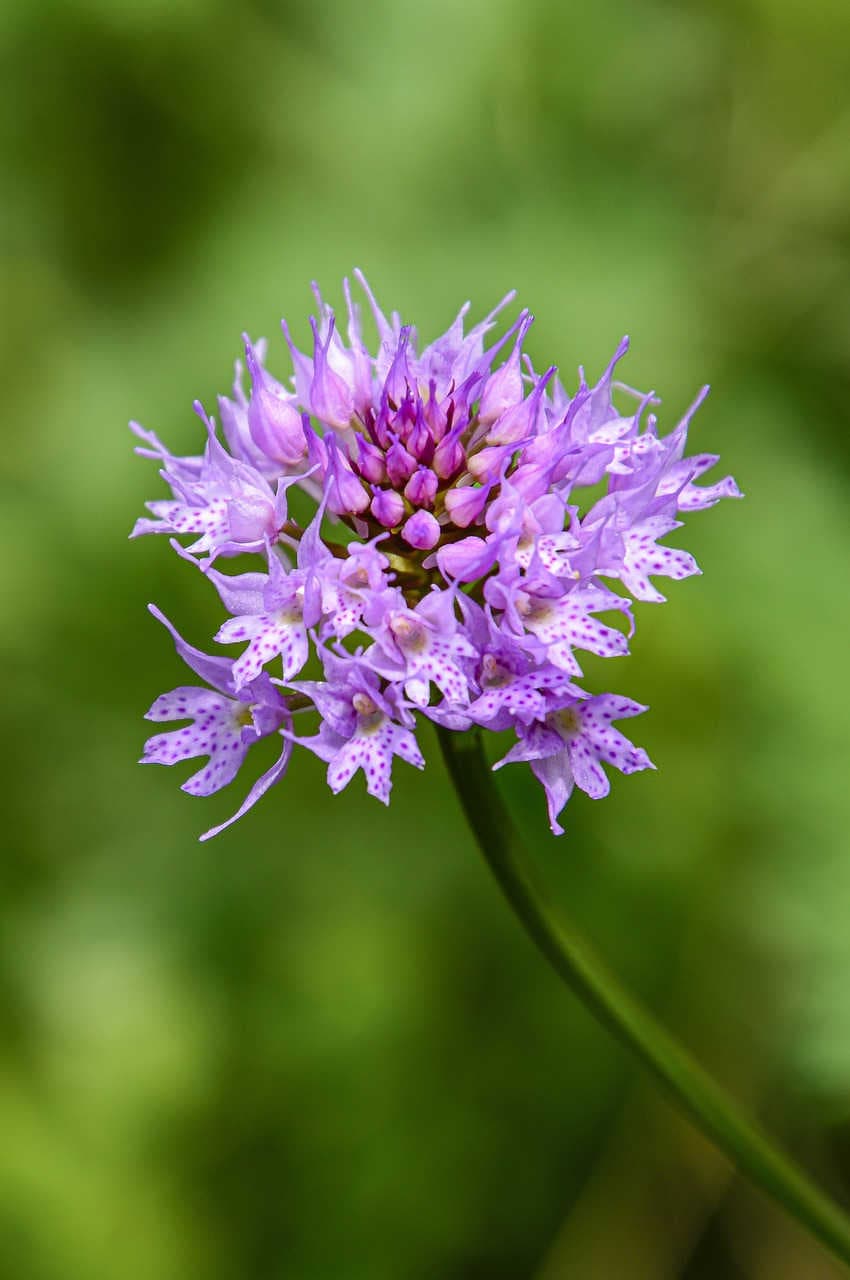
    Many people are familiar with the beautiful tropical orchids sold by florists, but few know that Italy, like other European and Mediterranean countries, is also home to a wide variety of wild orchids. Unlike tropical orchids, which have an aerial root system, European and Mediterranean Orchidaceae are mostly terrestrial species, with an underground root system composed of rhizotubers or bulbs, from which the rootlets develop. During the winter these plants have no aerial organs and the buds are located on the bulbs. The diversity of climates and environments that characterises Italy allows the simultaneous presence of orchids typical of Alpine pastures, forests, temperate meadows and arid Mediterranean environments. Although they do not reach the size of their tropical cousins, our orchids also offer an extraordinary variety of shapes and colours aesthetically fascinating.

    orchidee terricole europee
    3Bee

    But are they really that rare?

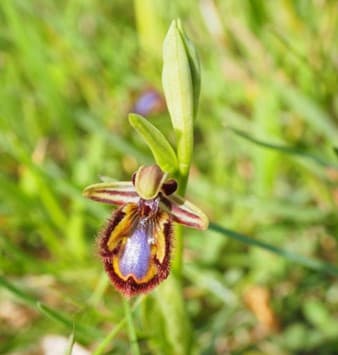
    Orchidaceae canadapt to any type of habitat, with the exception of deserts and glaciers. In Europe there are about 400 entities, all of them terricolous. Some 29 genera grow wild in Italy, with between 190 and 230 species and subspecies. Some of these species are particularly rare, such as the beautiful mirror ophrys (Ophrys speculum), the musk orchid (Herminium monorchis) and the Adriatic bumblebee (Himantoglossum adriaticum). Other species, being related to fragile environments such as wetlands, are less common.

    rarità orchidee

    Laws for the protection of wild orchids in Italy

    Being rare and particularly beautiful flowers, it has become necessary to protect these plant species in order to discourage intensive and harmful collecting. All wild orchids are in fact protected by CITES, the Washington Convention on International Trade in Endangered Species of Wild Fauna and Flora, which aims to ensure that international trade in wild animal and plant species does not jeopardise their existence. CITES considers such orchids to be at real or potential risk, thus subjecting them to controls and restrictions for international trade. In Italy, regional laws on the protection of flora and biodiversity now provide protection, at least for the rarest or showy orchids.

    tutela orchidee

    Is the protection of orchids actually effective?

    Despite the existence oflegislation aimed at safeguarding orchids, recent research, such as that conducted by Scramoncin in 2024 and entitled "How effective is environmental protection in ensuring the vitality of wild orchid species?", questions the effectiveness of the measures currently in place. It emerged that many wild orchid varieties arethreatened by human and natural activities, such as spring mowing, increasing wild boar populations and the introduction of invasive species. Another alarming aspect is the illegal trafficking of orchids, which CITES estimates generates an annual turnover of about two million dollars. Rare orchids, particularly those recently discovered, are highly sought after and can reach a sale price on the black market of more than USD 5,000 per plant, thus increasing the risk of extinction for these precious varieties.

    protezione orchidee

    We apply common sense as well as the law

    With a careful look, we can discover these fascinating and often rare orchids during our walks. Armed with a camera, we can capture their beauty, without damaging them, thus contributing to their conservation. Protecting these small masterpieces of nature is a responsible act that we can all take, becoming more aware and active citizens in safeguarding our territory. After all, the health of the environment is also our most precious treasure.

    bellezza orchidea

    Biodiversa: the 3Bee game app to monitor biodiversity

    Biodiversa is the free game app for monitoring biodiversity and protecting ecosystems that allows you to 'collect' and easily identify the plants you come across during an outdoor walk. An ambitious citizen science project aims to create a cooperative archive dedicated to flora in Europe, involving player users with challenges to catalogue species, some of which are rare or endangered. Available for iOS and Android, Biodiversa has a dynamic similar to that of some well-known free-to-play video games that encourage moving and travelling in the real world to 'collect' characters. Since 9 September 2024, the "Biodiversa Heroes" competition has also been running: each new and different plant photographed and captured earns a point and climbs the leaderboard, to try to win fantastic prizes. The aim is to reward the most 'biodiverse' nature explorers.

    26/09/2024Of 3Bee, Lara Vivarelli
    826 Views
    Newsletter
    newsletter
    Subscribe to the Blog about bees and biodiversity

    Frequently Asked Questions

    Do you have any doubts or other curiosities about this article? Here you will find some insights