Why is biodiversity important for finance?
    BiodiversityImpreseEconomic costsRischi

    Why is biodiversity important for finance?

    Biodiversity is crucial for the global economy. The Forum for Sustainable Finance paper, 'Sustainable Finance and Biodiversity. A guide for practitioners', explores how ecosystem health affects key sectors and financial stability. Find out more in this article.

    Read the article
    03/07/2024Of 3Bee, Lisa Santillo
    314 Views
    03/07/2024Of 3Bee, Lisa Santillo
    314 Views

    The importance of biodiversity for the global economy

    The biodiversity is essential for global economic stability. According to the World Economic Forum, more than half of global GDP, amounting to approximately 44 trillion dollars, depends directly on natural resources. Key sectors such as agriculture, the food industry, textiles, tourism and building depend directly on ecosystem services. Loss of biodiversity can have devastating effects on these industries, jeopardising food and water security and increasing the frequency of extreme weather events. Global economic stability is therefore closely related to the health of ecosystems, making protection of biodiversity essential to ensure sustainable growth and prevent future economic crises.
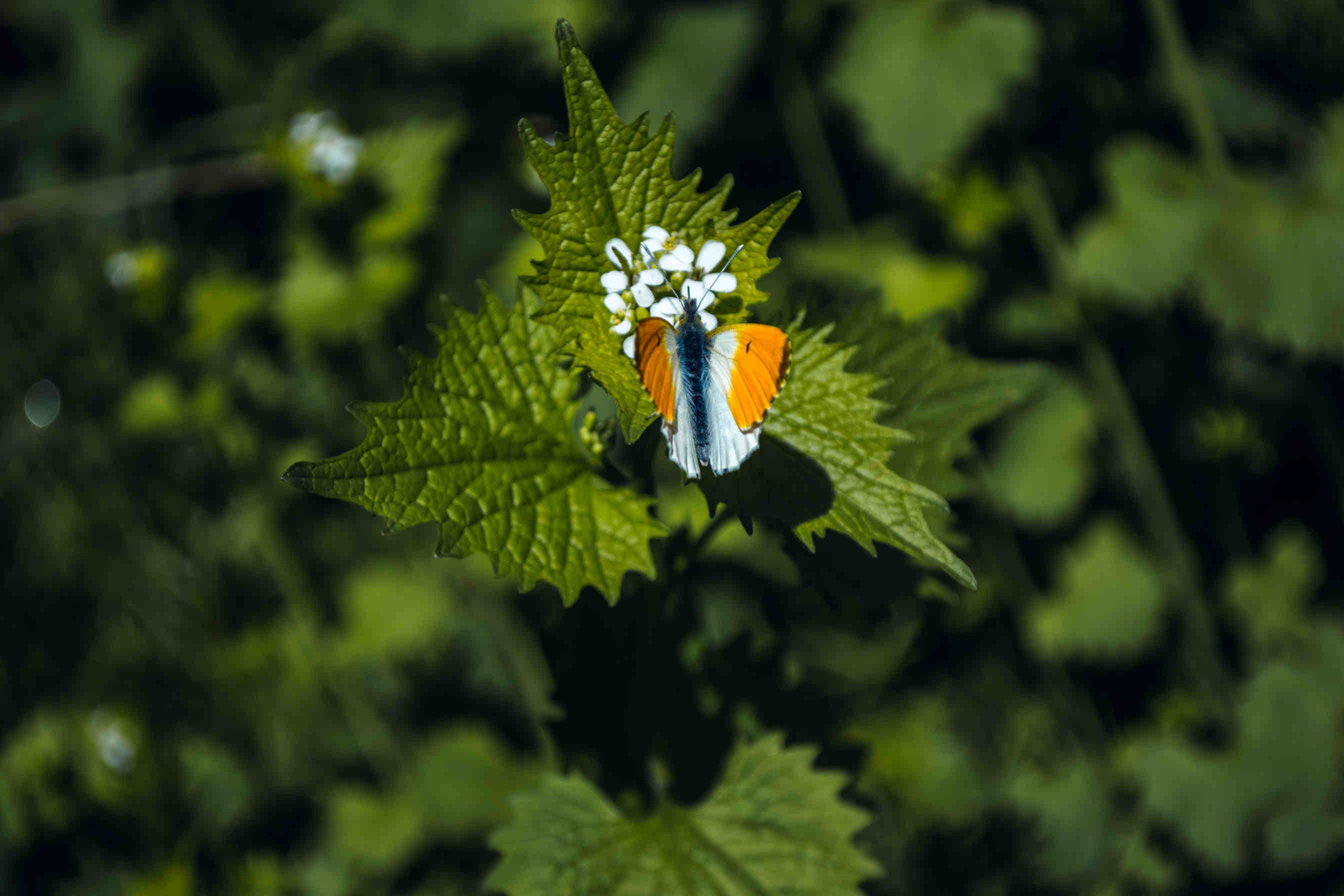
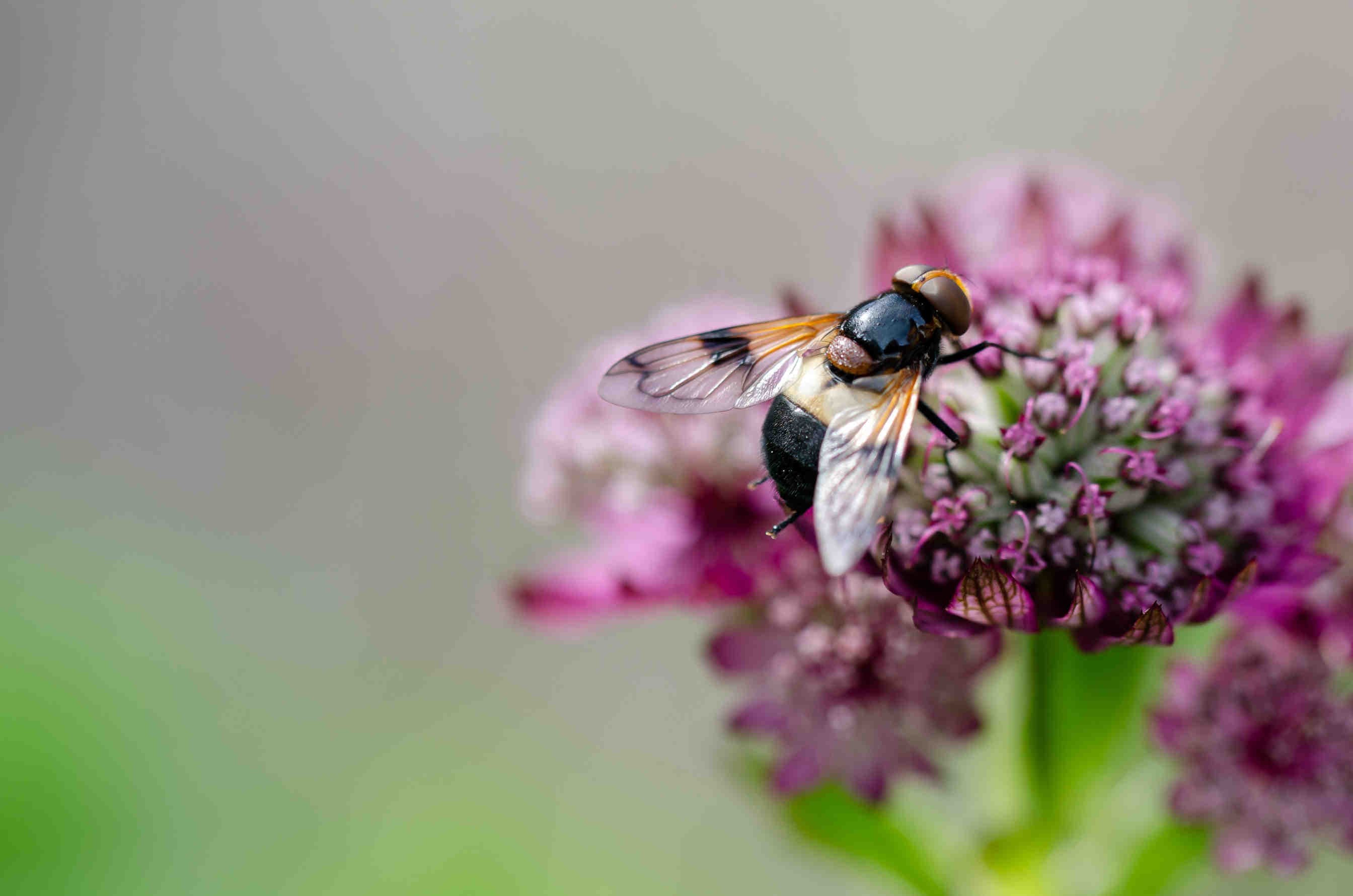
    farfalla fiore

    Business dependence on ecosystem services

    In the European Union, 72% of companies are highly dependent on at least one ecosystem service, and 75% of bank loans are to companies that are highly dependent on biodiversity (ECB 2023). However, the economic impact of biodiversity loss is not adequately represented in conventional economic indicators. The economic value of ecosystem services is difficult to measure, which makes it complicated to include nature in economic decision-making processes. As stated in the Forum for Sustainable Finance paper, "Sustainable Finance and Biodiversity. A guide for practitioners', it is crucial to integrate biodiversity into financial products and processes to ensure sustainable resource management. This integration can help mitigate financial risks and promote greater economic resilience.

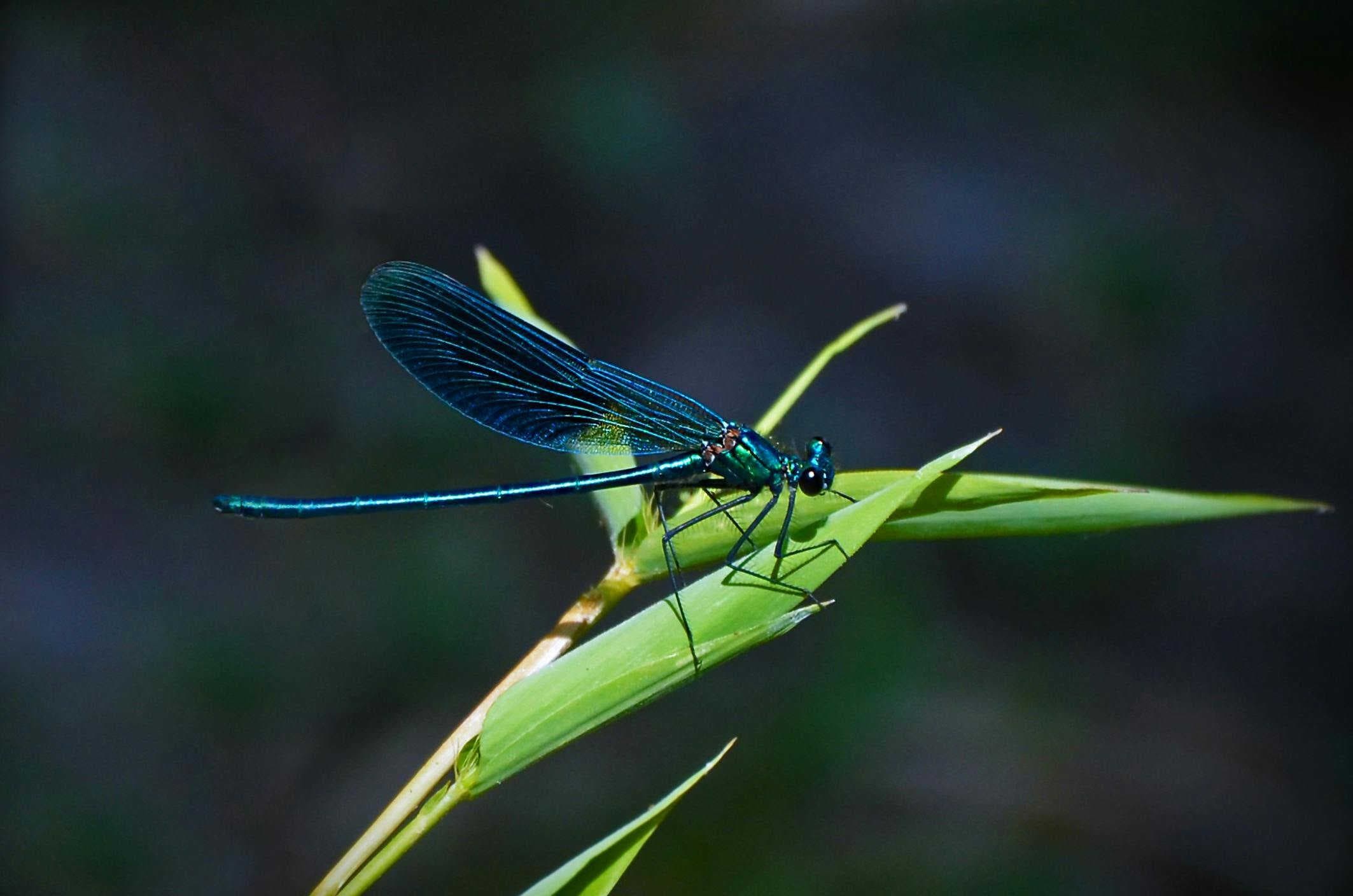
    libellula
    XNatura

    Economic costs of biodiversity loss

    The economic consequences of biodiversity loss and environmental degradation are significant. For example, the costs associated with invasions of alien species have quadrupled every decade since 1970, reaching USD 423 billion in 2019 (IPBES 2023). The decrease of natural habitats and the reduction of species undermine agricultural and fish productivity, causing direct economic damage. Furthermore, reduction of ecosystem services can increase the risks associated with extreme weather events, endangering food and water security. The close connection between the stability of natural and economic ecosystems underlines the importance of protecting biodiversity to prevent serious economic consequences. Therefore, it is crucial to adopt policies and strategies that promote the conservation of ecosystems globally.
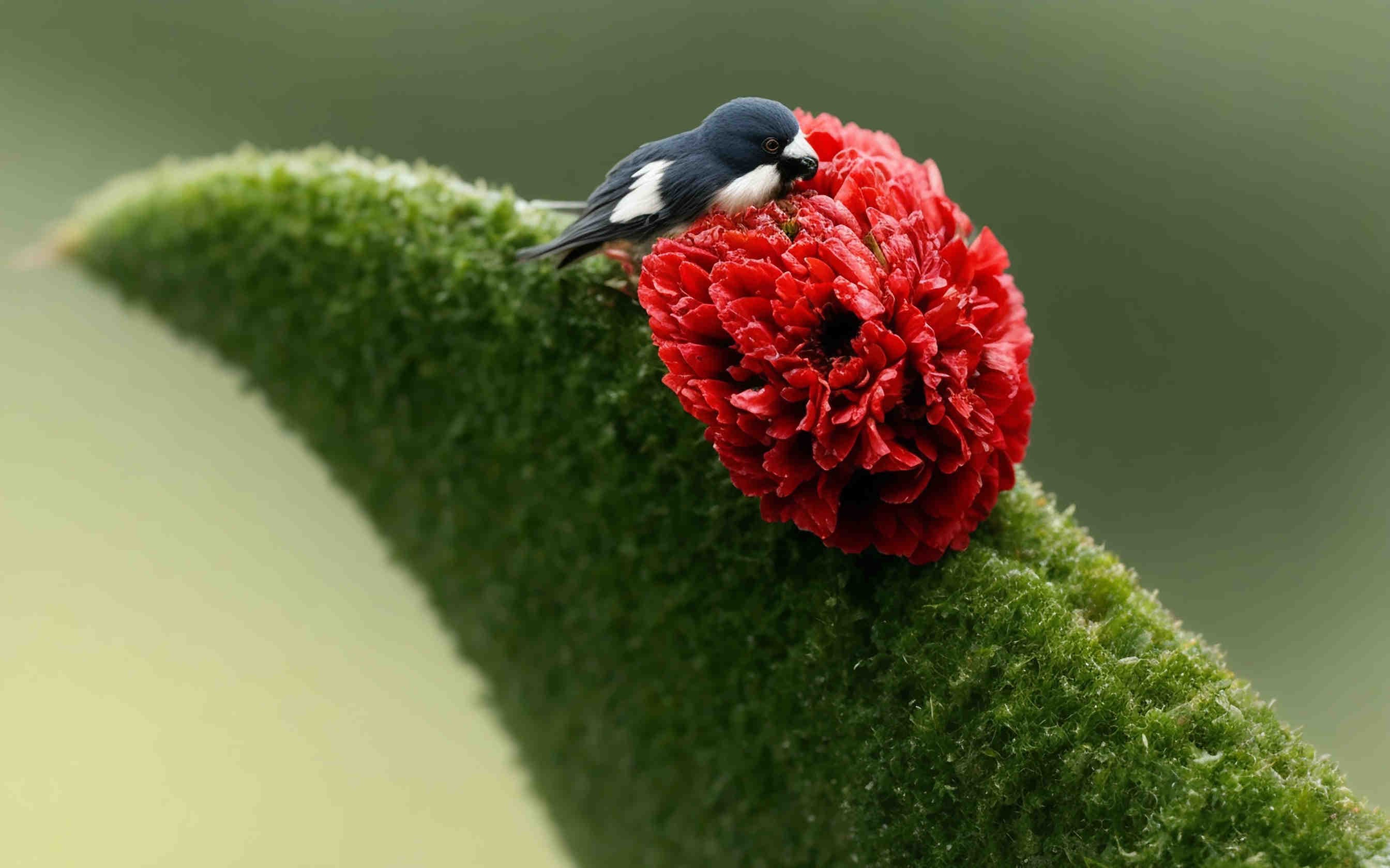
    volatile fiore

    Biodiversity loss: physical and transitional risks

    To understand the economic and financial risks associated with biodiversity loss, it is useful to apply the same risk categories used for climate change: physical and transitional risks. The physical risks result from the alteration of ecosystem balances and the loss of the essential services they provide, negatively affecting dependent economic sectors. Transition risks, on the other hand, emerge from difficulties in anticipating regulatory and market changes, affecting the competitiveness and reputation of companies. These risks can have a major impact on financial risks, including credit, operational, market and liquidity risks. Therefore, financial institutions must carefully assess and manage these risks to protect their investments and ensure long-term economic resilience.

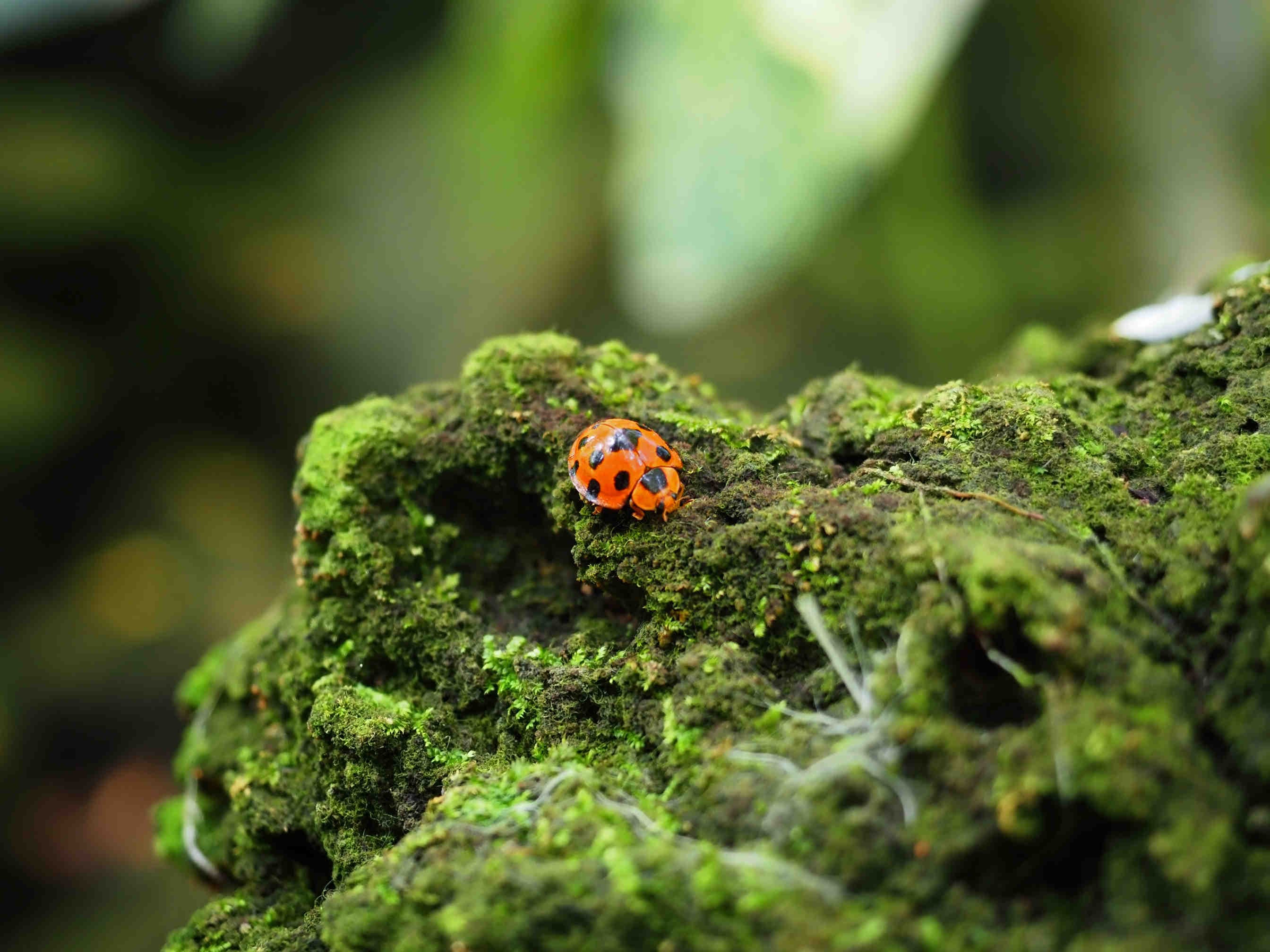
    coccinella
    XNatura

    The European Commission framework

    In March 2024, the European Commission introduced a framework to help financial institutions assess biodiversity-related risks. This framework provides for several steps of risk assessment, including analysis of the sources of potential risks, exposure to risks, and measures to mitigate them. An approach in line with the guidelines of the Taskforce on Nature-related Financial Disclosures (TNFD) and the Network for Greening the Financial System (NFGS). The European Commission emphasises the need for appropriate models to quantify the financial risks associated with nature, effectively integrating mitigation measures into the decision-making processes of financial institutions. This framework represents an important step towards a greater integration of biodiversity in sustainable finance.
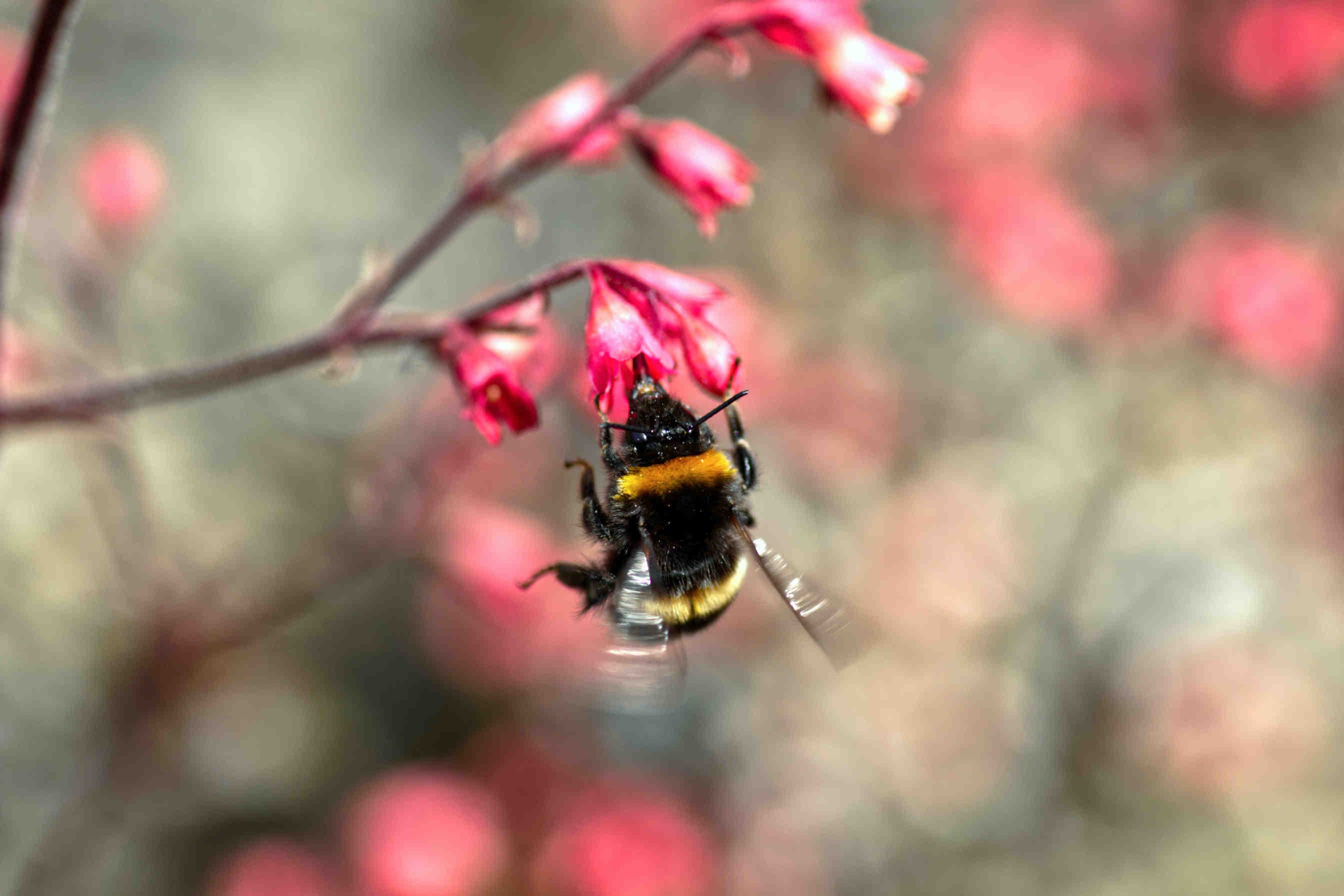
    bombus
    3Bee

    Integrating biodiversity into financial decisions

    Integrating biodiversity into financial decision-making processes requires a greater awareness of its economic value. As stated in the Forum for Sustainable Finance paper, "Sustainable Finance and Biodiversity. A guide for practitioners', it is crucial to consider the long-term benefits of biodiversity conservation to ensure the sustainability of ecosystems and human societies. Methodologies to economically value ecosystems and incentivise the sustainable management of natural resources are essential to include nature in resource allocation decisions. This integration allows the intrinsic value of ecosystems to be recognised, promoting responsible and sustainable investments.
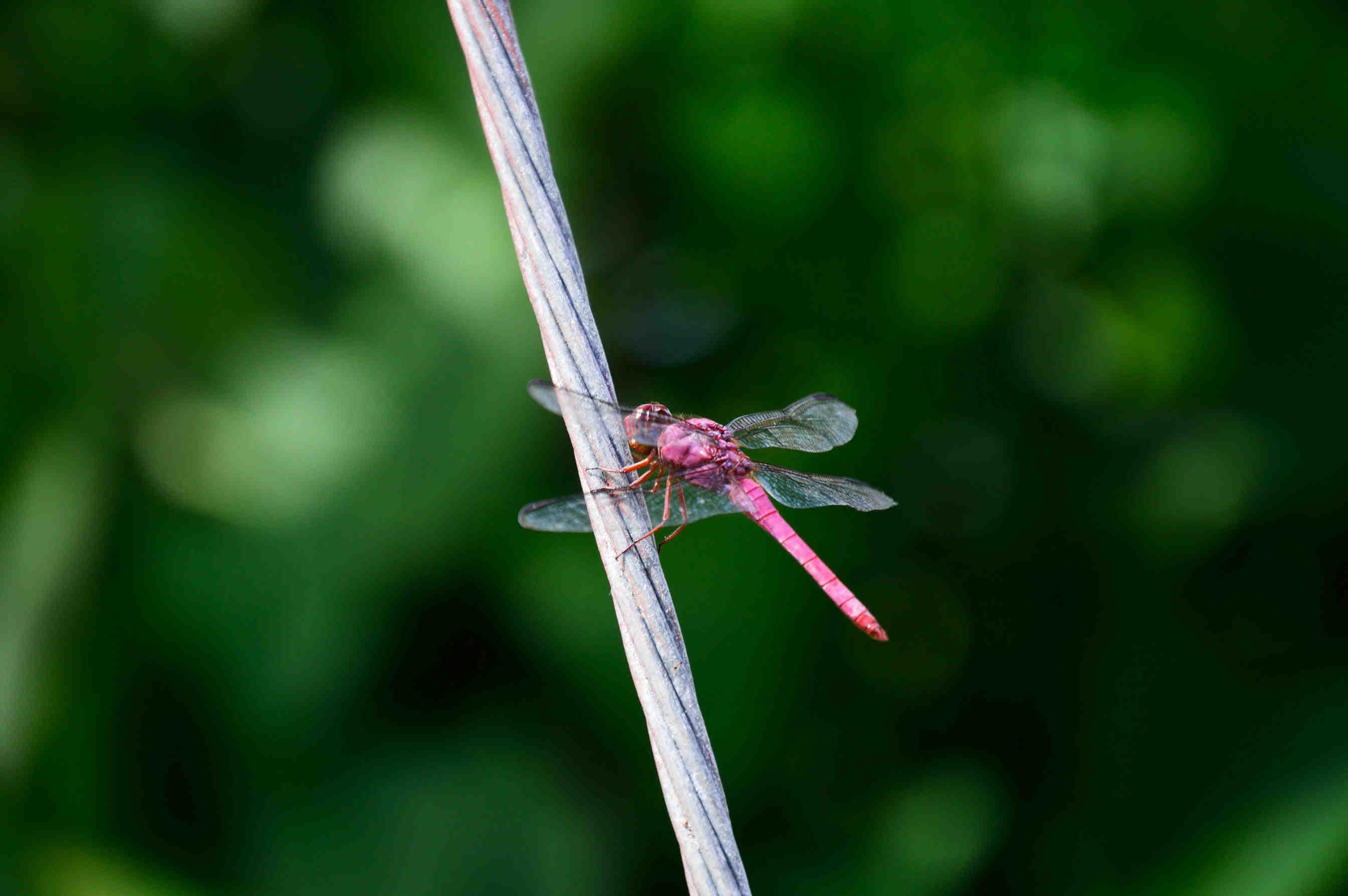
    libellula rosa

    Financial instruments for the protection of biodiversity

    The sustainable finance can play a decisive role in the protection of biodiversity by creating market mechanisms that value ecosystem services. Instruments such as nature-linked certificates and biodiversity credits - which 3Bee is working on with the Biodiversity Monitoring Protocol XNatura, which allows institutions and companies to quantify their impact on biodiversity - offer concrete opportunities to incentivise conservation. Financial institutions must carefully assess the risks associated with biodiversity loss to protect their investments and promote global sustainability. Only by adopting an integrated approach that considers biodiversity as a central element of economic and financial strategies will it be possible to ensure a sustainable future for all. This implies a transformation of traditional economic paradigms, putting nature at the centre of financial decisions.
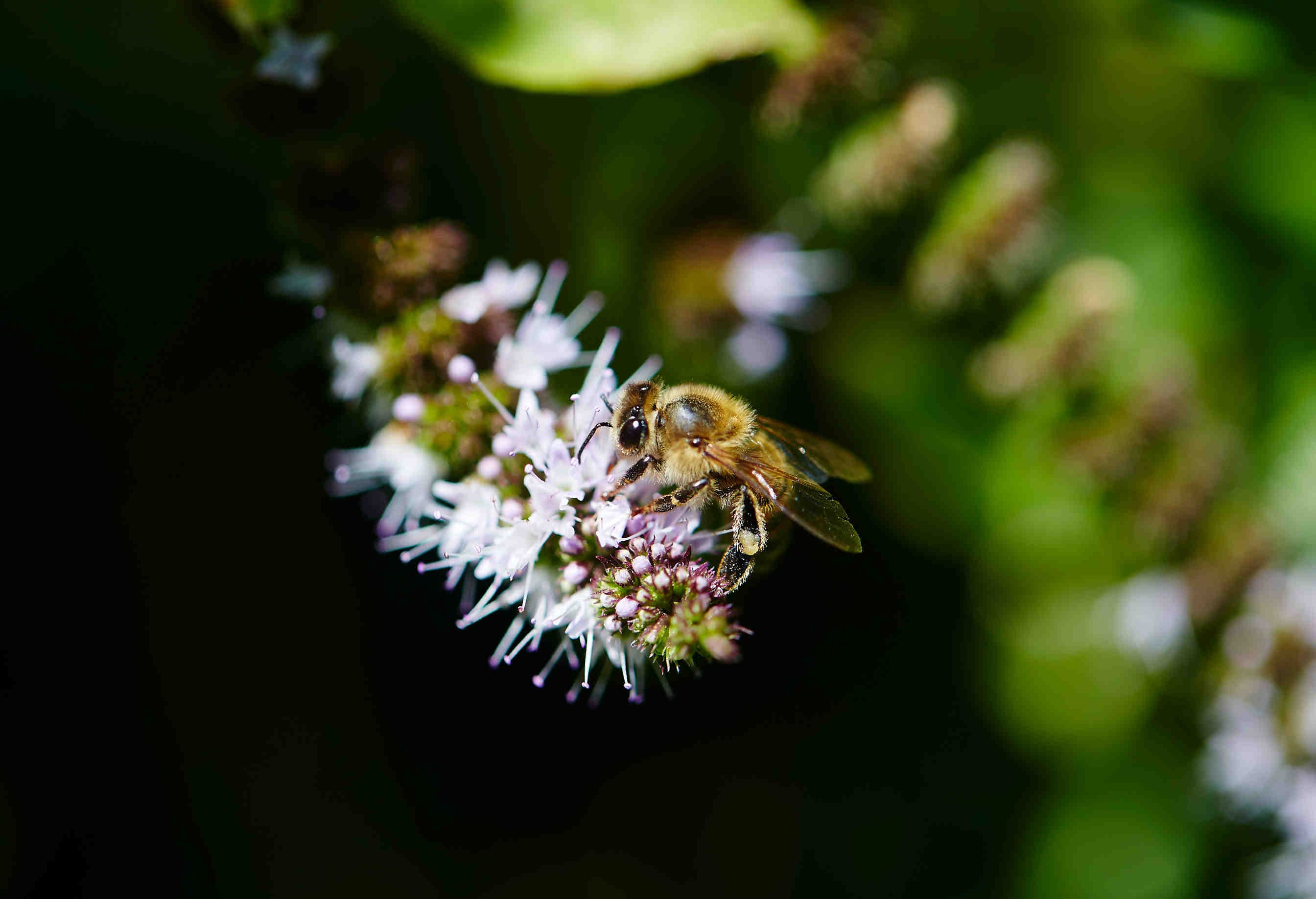
    ape su fiore
    03/07/2024Of 3Bee, Lisa Santillo
    314 Views
    Newsletter
    newsletter
    Subscribe to the Blog about bees and biodiversity

    Frequently Asked Questions

    Do you have any doubts or other curiosities about this article? Here you will find some insights