What are the IUCN Red Lists
In 1964, the International Union for Conservation of Nature (IUCN) established the Red Lists. IUCN is a body with the participation of dozens of state organisations and more than 10,000 researchers, whose purpose is "
What are the IUCN Red Lists? What are they for and how do they work? Find out in this article why Red Lists are important and how they can help us discover and protect endangered species.
Read the articleIn 1964, the International Union for Conservation of Nature (IUCN) established the Red Lists. IUCN is a body with the participation of dozens of state organisations and more than 10,000 researchers, whose purpose is "
Since 2001, species have been classified according to the system we still use today, in which the various categories are drawn up according to criteria that allow species to be placed in

These categories give us indications of the
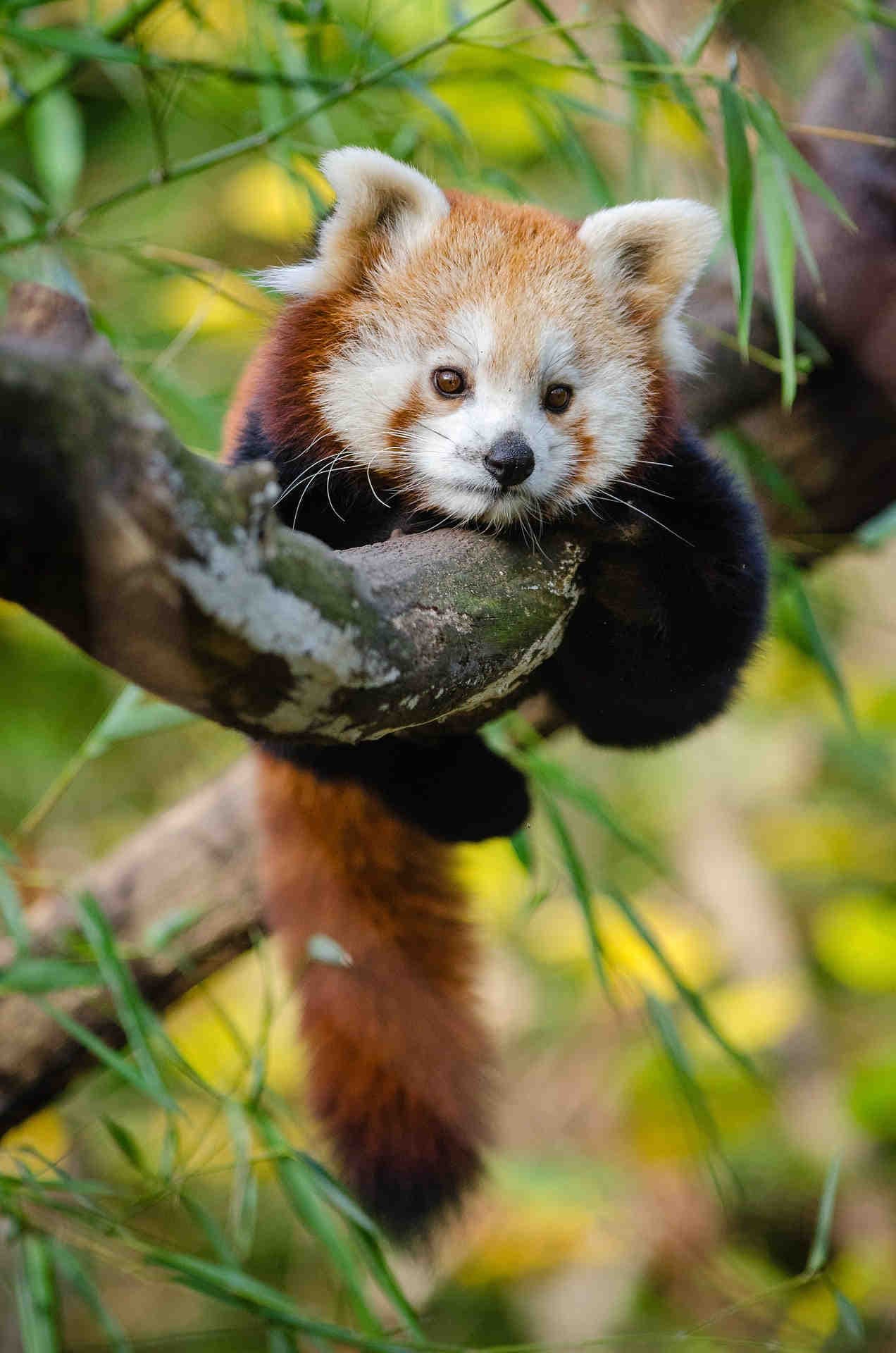
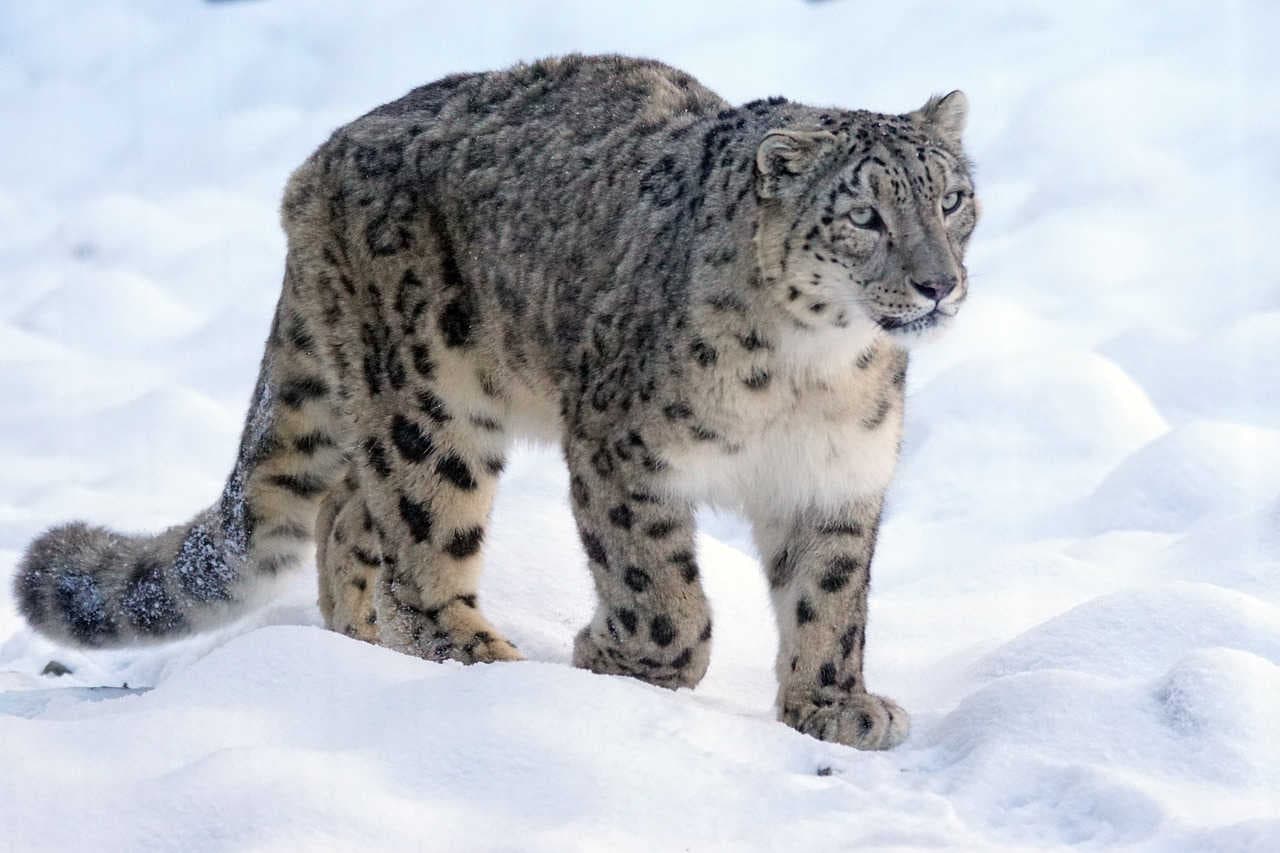
In the Red Lists, some might expect to find those iconic and charismatic

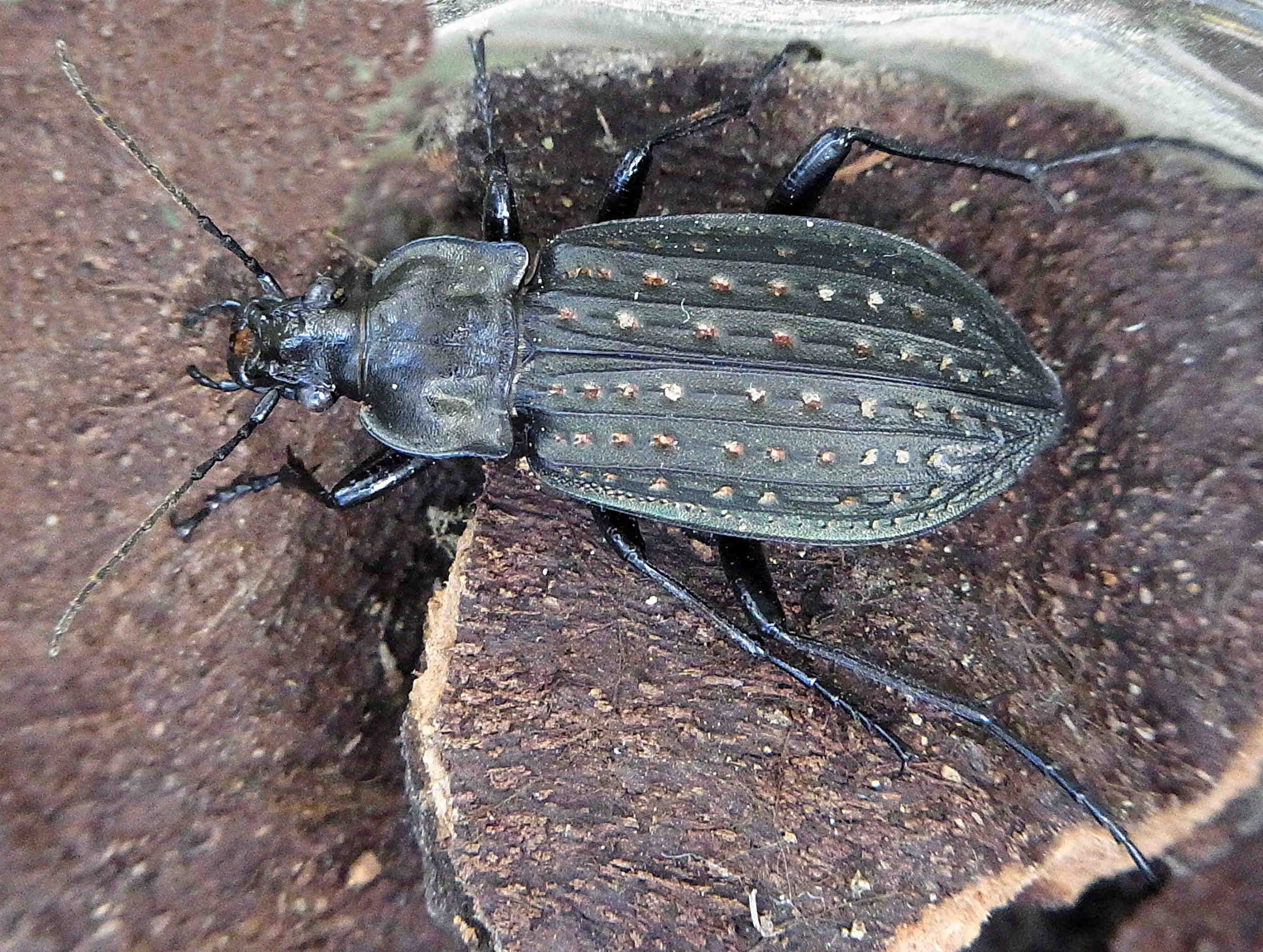
If on a global level a species is present in large numbers, it is not necessarily the case that on a regional level it is doing just as well. This is a problem because, in the long run, the risk is that the

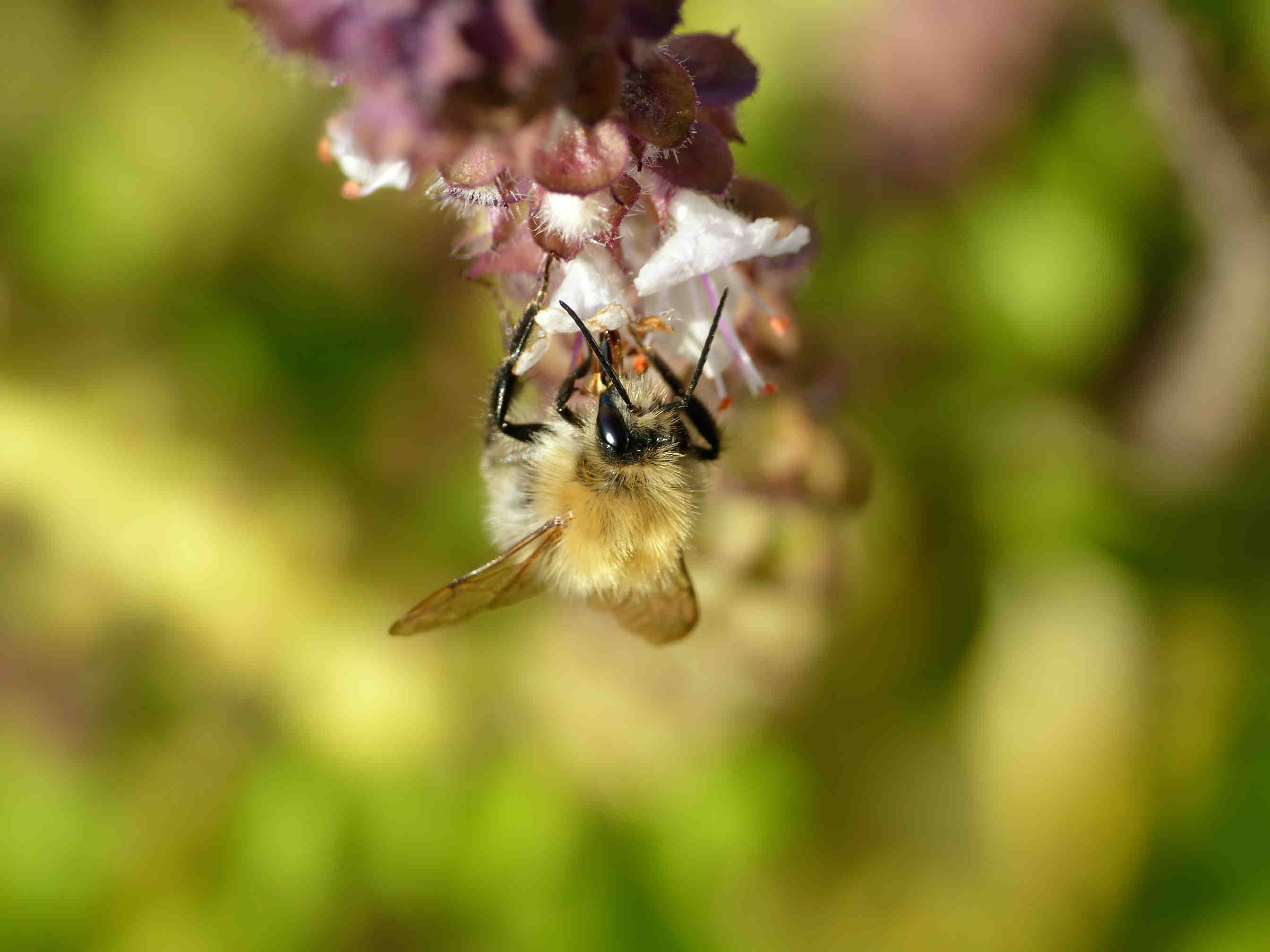
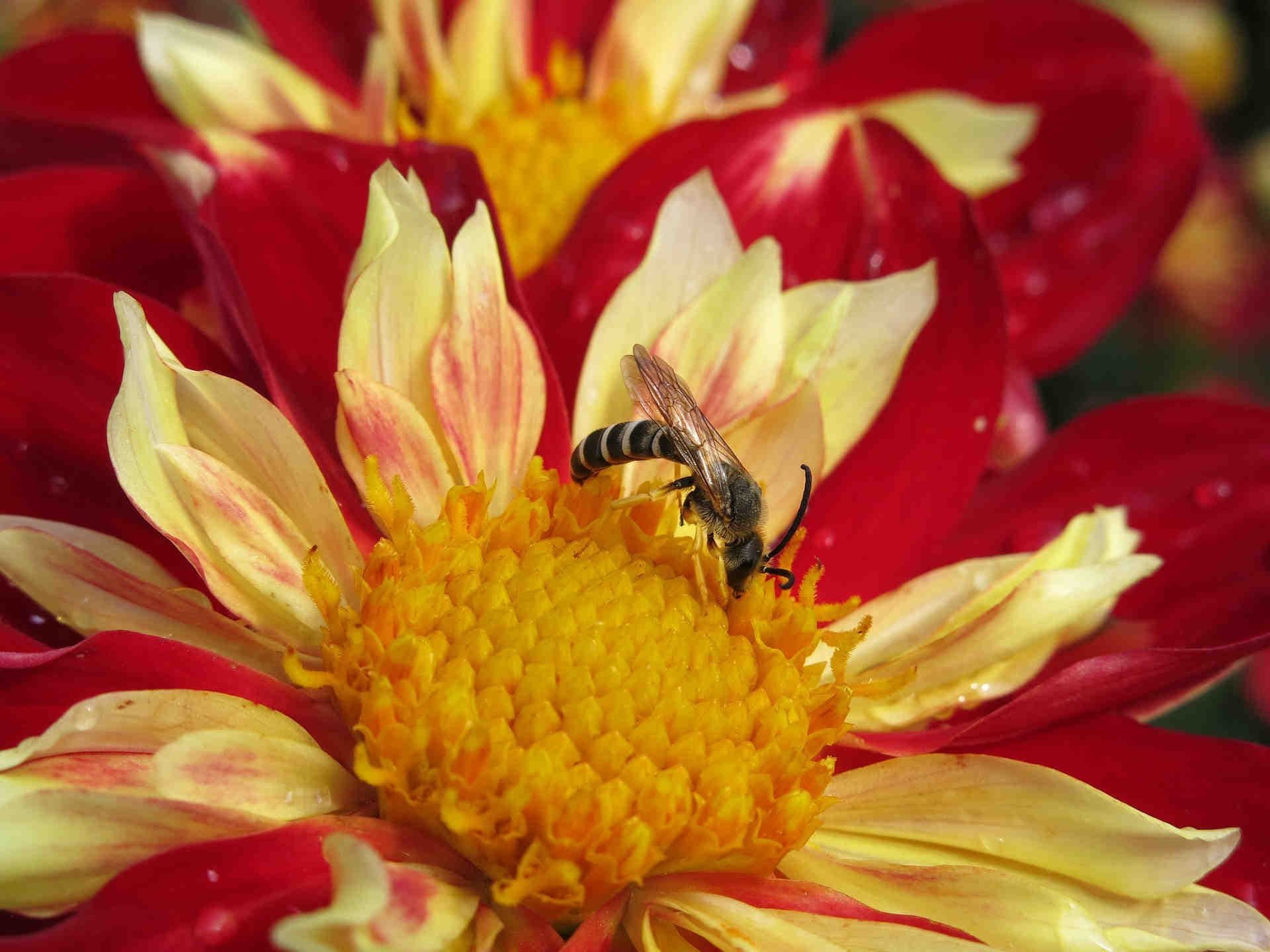
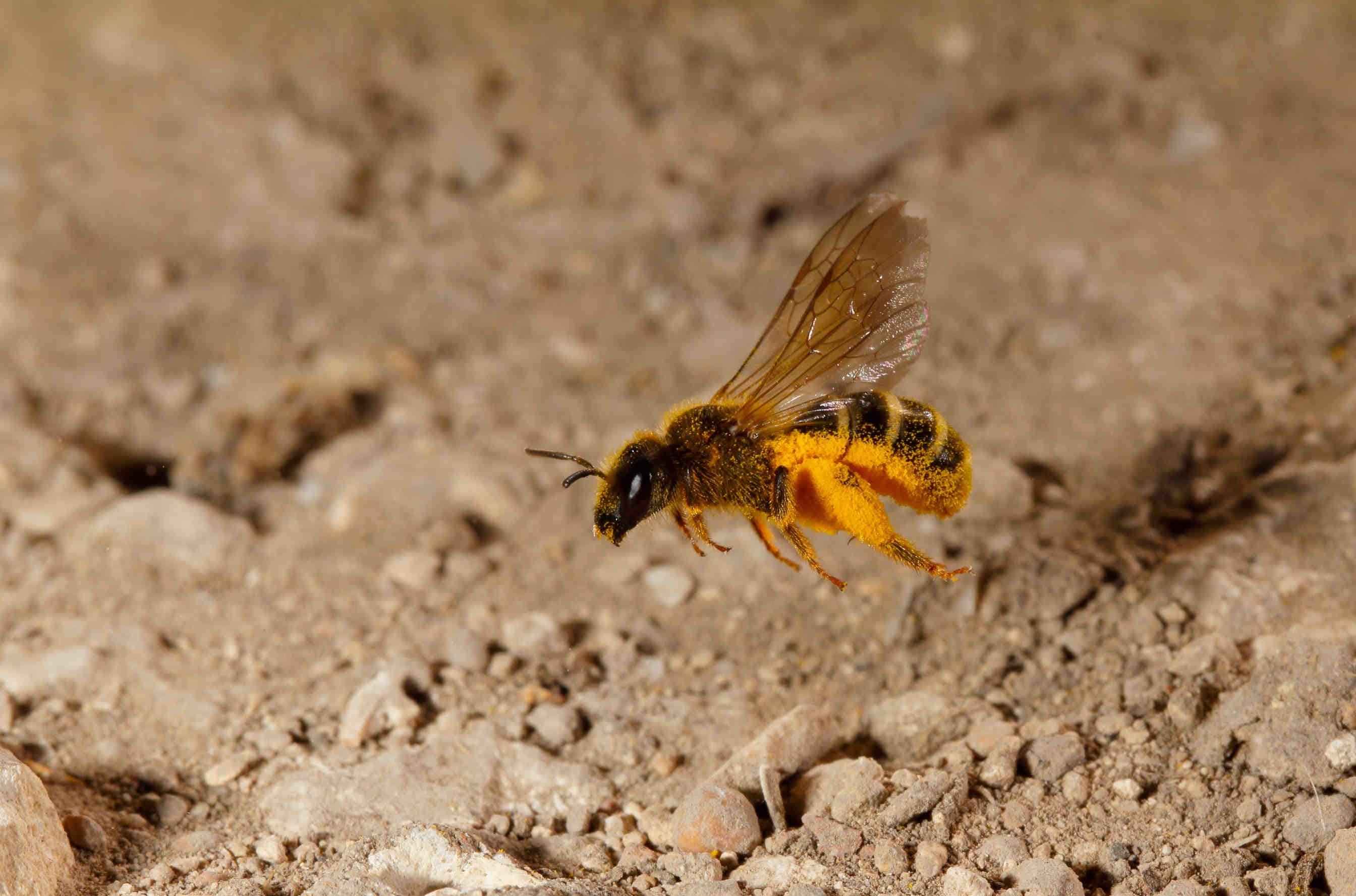
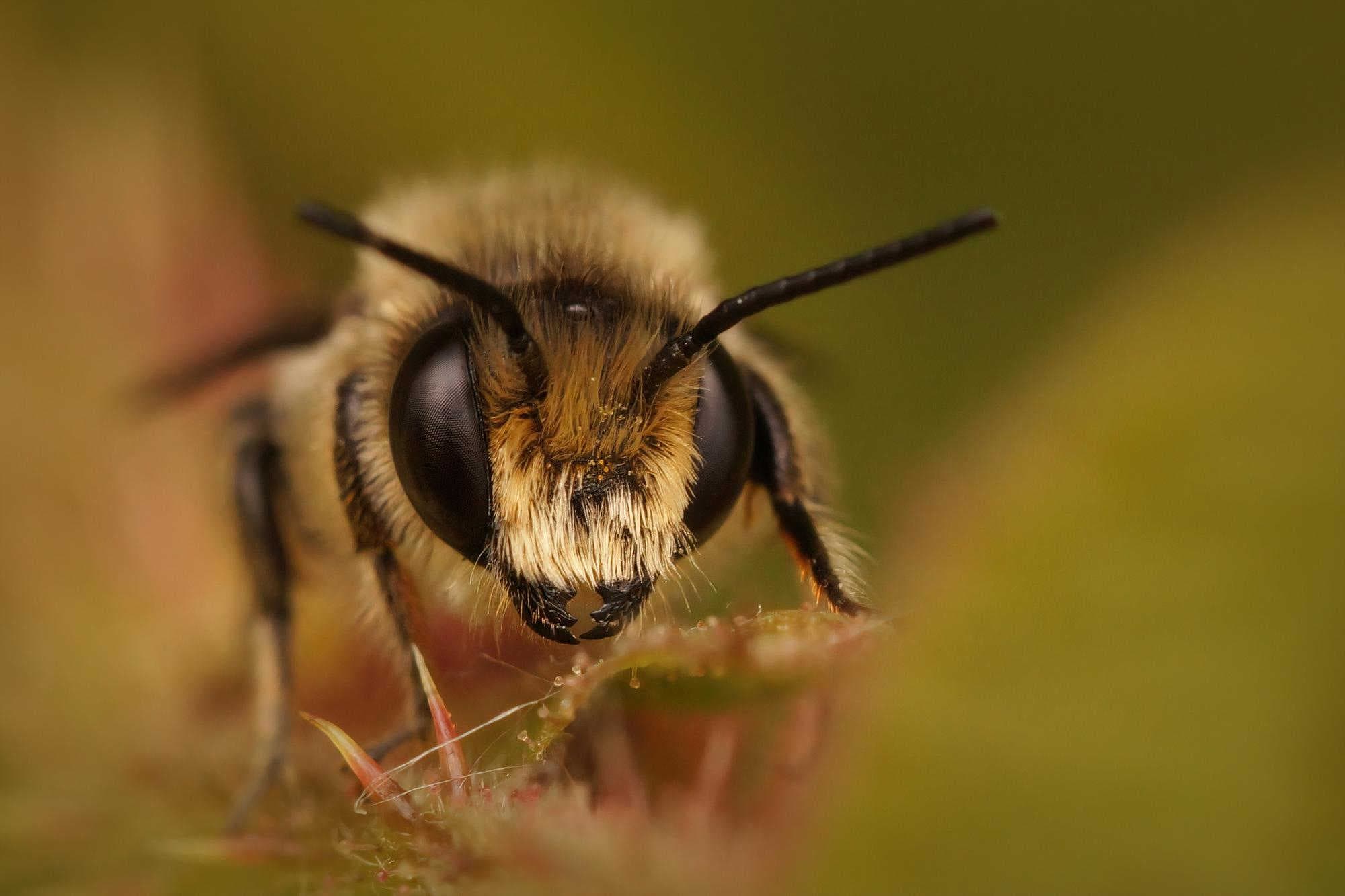
One thing many people know is that wild bees are threatened and their numbers have been declining for years now, despite the fact that they are enormously important as pollinators. The IUCN's Italian Red List helps us to understand which species are the most threatened and, at the same time, thanks to the indications provided by experts,
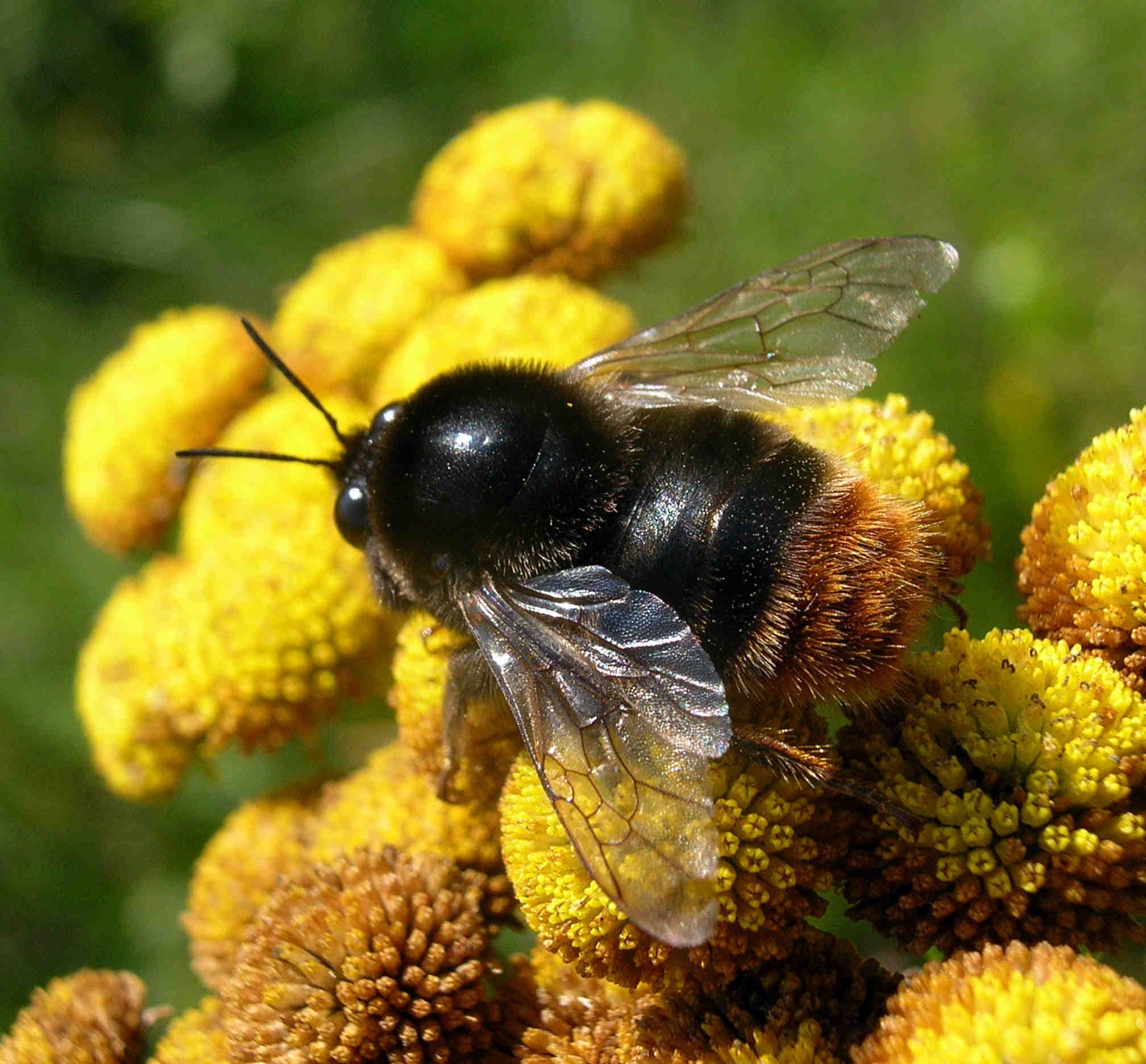
Bombus confusus is one of those cases classified in the Red List of Threatened Italian Bees as critically endangered and even presumed extinct:
Halictus carinthiacus is classified

Do you have any doubts or other curiosities about this article? Here you will find some insights