UK coal: history and path to sustainability
    OverviewHistoryDeclineImpact

    UK coal: history and path to sustainability

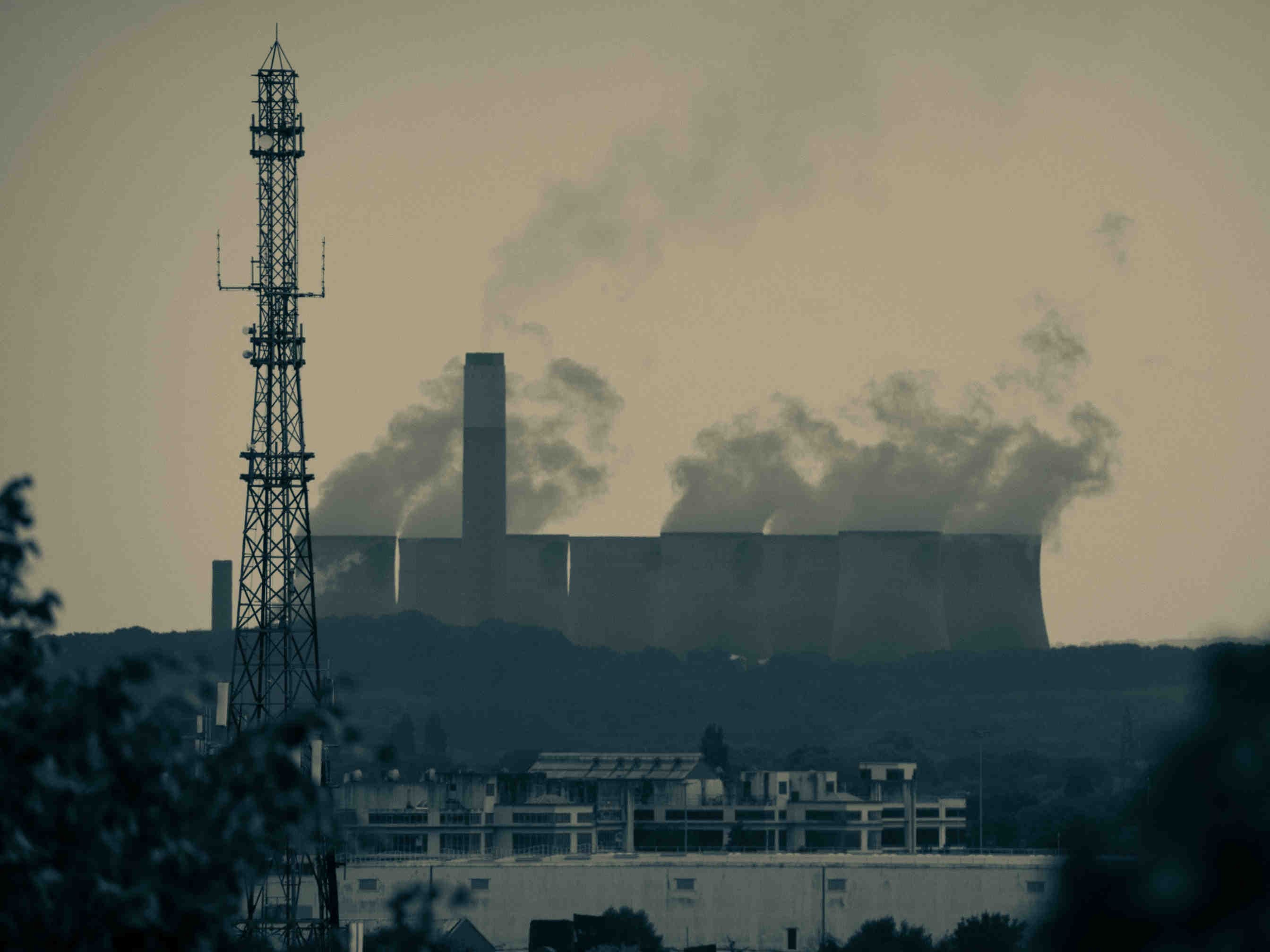
    UK’s last active coal-fired Ratcliffe-on-Soar power station will close on 30 September, as part of government plans to end coal production in Britain. The UK has pledged to reduce its GHG emissions to net zero by 2050 and to achieve fully "clean" electricity by 2035, with renewable energies.

    Read the article
    25/07/2024Of 3Bee, Navodi Kuruppu
    473 Views
    25/07/2024Of 3Bee, Navodi Kuruppu
    473 Views

    Overview

    Coal is the most carbon-intensive fossil fuel. It currently supplies over one third of global electricity generation and will continue to play an essential role in the production of steel and iron. The UK and other countries are gradually replacing coal for power generations with less polluting and more efficient technologies. To ensure a just transition, coal plants must be repurposed, retrofitted, or retired. The UK has been actively pursuing this transition, which is exemplified by the government's decision in November 2015 to close all fourteen remaining coal-fired power stations by 2025. Since then, nine stations have been closed (with the latest at Ratcliffe-on-Soar), and the remaining five have been converted into gas-fired, waste, or biomass plants.

    Tray of coal

    History of Britain and coal

    In 2021, the UK was 43rd in the global ranking for coal production, a position that does not reflect its historical significance in this industry. In fact, coal mining had been a major sector in Britain since the 16th century. Britain was abundant in coal, with four main coalfields in South Wales, southern Scotland, Lancashire, and Northumberland. By 1700, Britain was already responsible for 80% of the coal production in Europe. The richness of these resources led Britain to develop advanced techniques to fully exploit coal, particularly with the arrival of industrial machinery, like the steam engine. The demand for coal grew with the construction of the first steam engine in 1712, designed to enable deeper mining and the drainage of floodwaters from mine shafts. By 1900, Britain was extracting 224 million tons of coal every year.

    Hot coal in flames
    XNatura

    Decline of coal mines and power stations

    The demand for coal in the UK started decreasing well before the implementation of decarbonisation policies. From the 1960s, the UK discovered cheaper sources of energy, like the North Sea gas and oil, and nuclear power industry, making coal an obsolete commodity in the industry. Later, the signing of the Paris Agreement in December 2015 led countries worldwide to start taking action against climate change, leading Britain's to close down their last deep coal mine, Kellingley in North Yorkshire. This closure would have initiated a domino effect, disrupting the supply chain, and making it economically unfeasible for power stations to continue their operations. Following this, the Government also announced their plans to close all coal-fired power stations by 2025. Consequently, all stations either closed down or underwent retrofitting for other purposes.
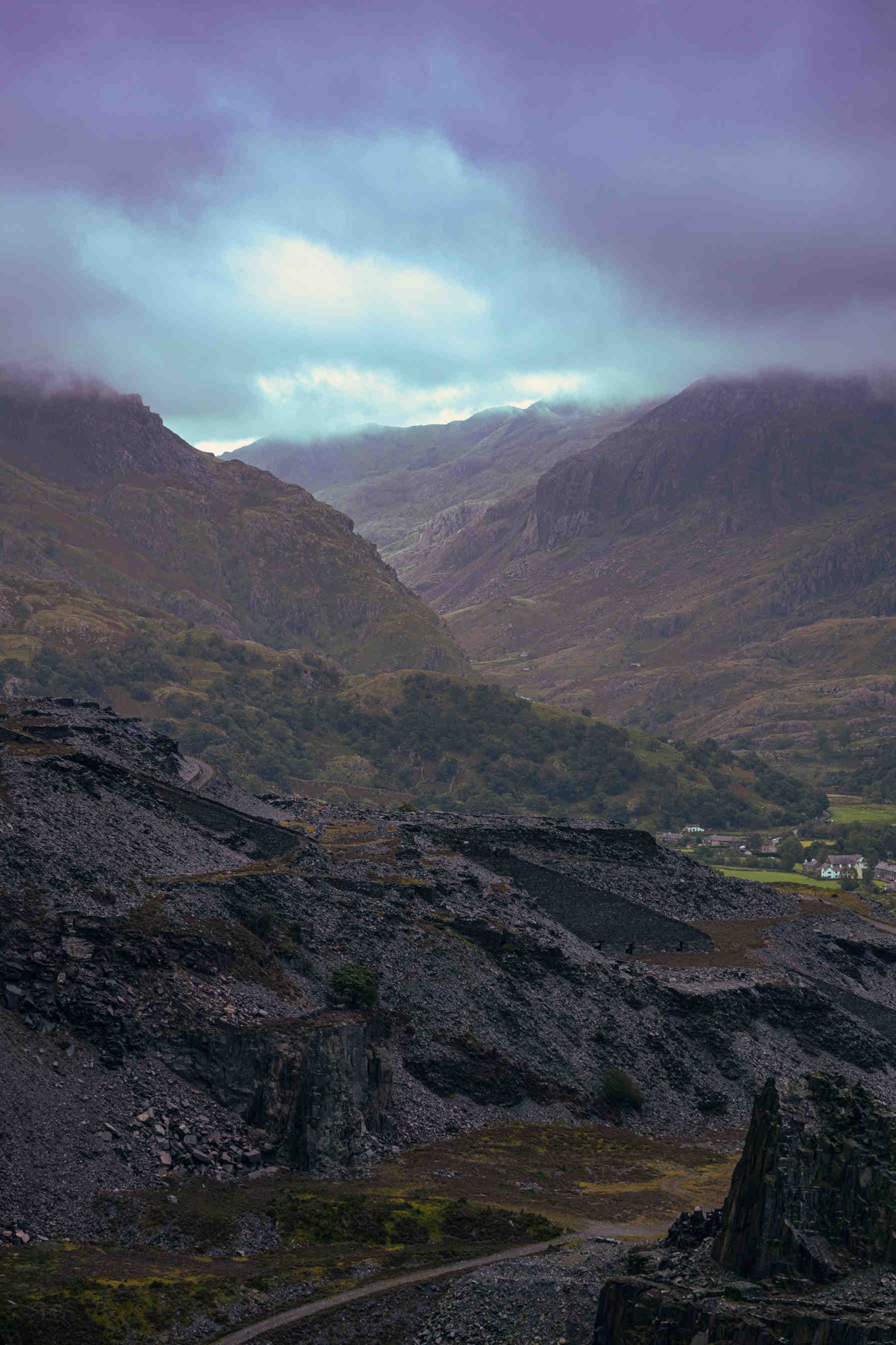
    Slate landscape of Northwest Wales

    Environmental impact of coal industry

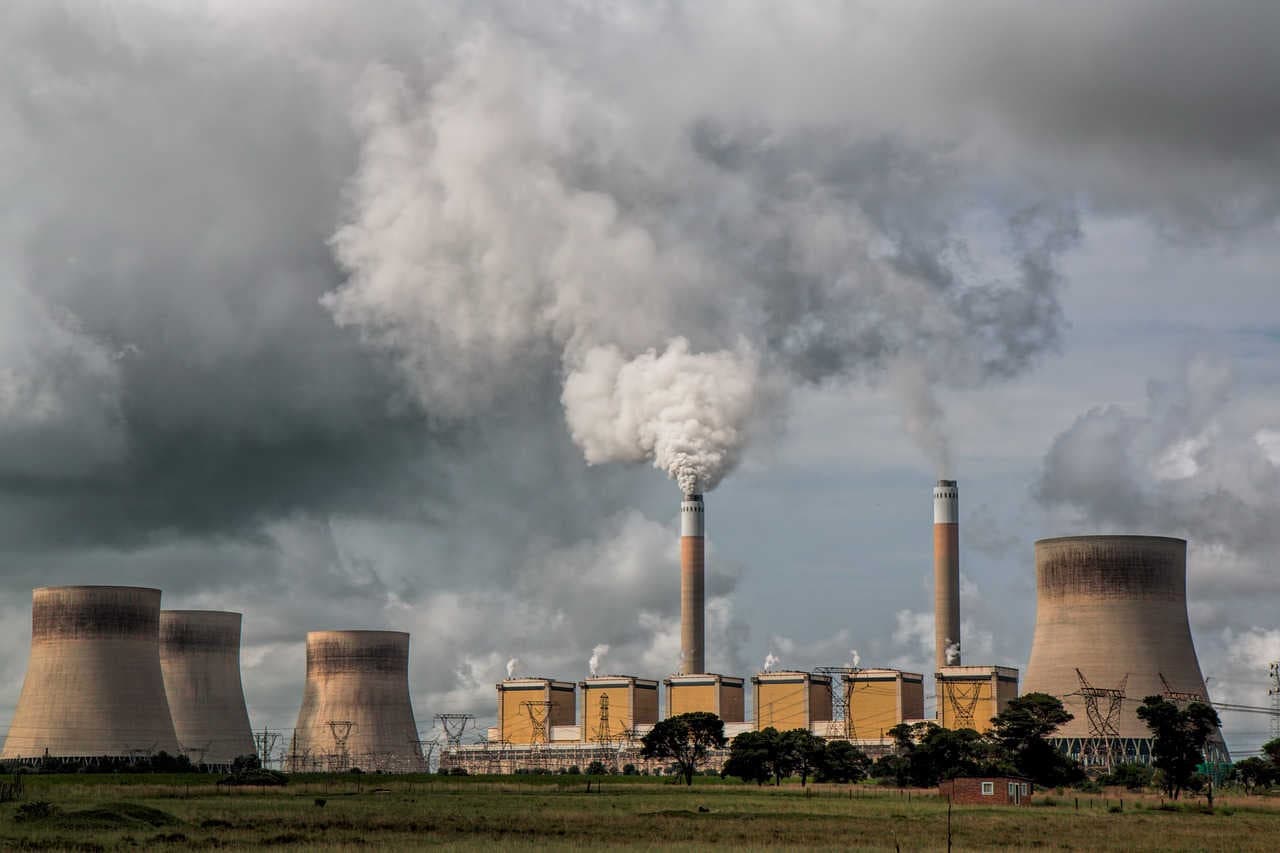
    The decisions taken by the UK government addressing the coal industry reflect the steep environmental price at which it operates. From the mining stage to the waste disposal one, coal mining is an activity that dramatically alters the landscape, causing extensive and often irreparable degradation to natural ecosystems. Mining also leads to land erosion, water pollution and the degradation of wildlife habitat. Coal-fired power plants emit more than 60 different hazardous air pollutants, including CO2, nitrogen dioxide, sulphur dioxide, and methane. These substances are associated with ground-level ozone (or smog), air pollution, and acid rain, contributing to the worsening of climate change. Some of these also endanger human health, where they can cause cancer and others damage the nervous and immune systems or affect reproduction and development. Finally, mine wastes, generated in huge quantities, contain heavy metals capable of leaching out into local rivers and groundwater.

    Coal power station
    XNatura

    Opportunities with renewables

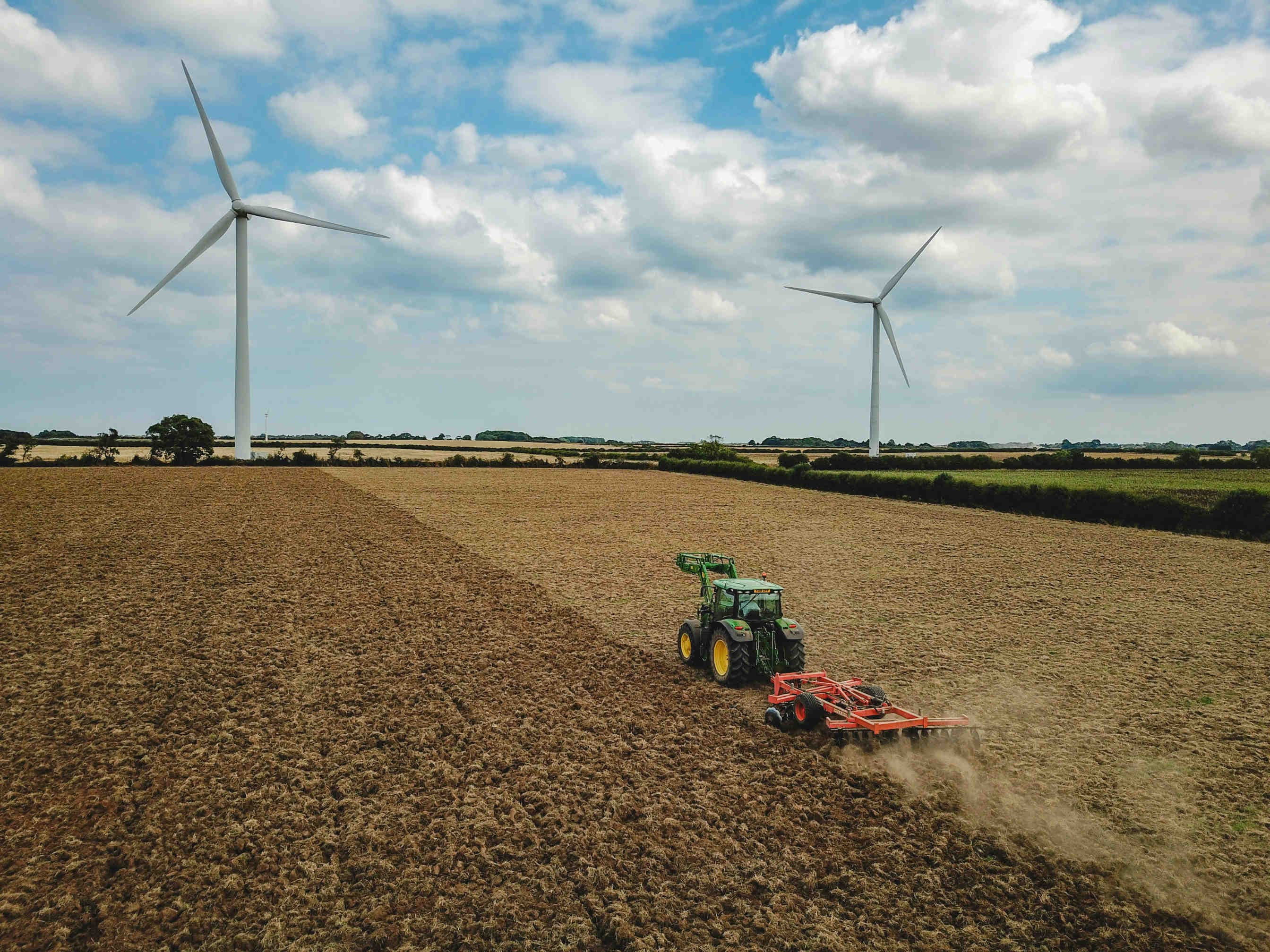
    In 2010, fossil fuels heavily dominated the UK’s power supply, with coal alone generating around a third of UK electricity. Since then, the Government steadily phased coal out of the national power generation system. As of 2022, the amount of electricity generated by the UK’s gas and coal power plants fell by 20% last year, with coal now generating just over 2%. Consumption rates are also at their lowest since 1957. Russia’s invasion of Ukraine and associated gas supply shortages have not caused a re-emergence of coal. The main reason behind the fall in coal power in the UK is the surge in renewable energy generation, combined with higher electricity imports from France and Norway and a long-term trend of falling demand. Data indicate a huge increase in wind (3–25% share of electricity) and solar (0–4% share of electricity) generation and a noticeable drop in electricity demand (-16%). Renewable energy provided the single largest source of power to the grid at a record 42%.

    Wind farm
    3Bee

    Challenges with infrastructure

    While the fall in coal production marks a positive development, new projects are lagging behind. The Committee on Climate Change (CCC) has considered risks linked with the energy mix. In its 2018 progress report to Parliament, the CCC claimed that it does not consider the Government’s pathway to be credible as there are significant risks associated with it,” including the cancellation of nuclear projects. Also, numerous factors complicate the transition to a future based on renewable energy such as regulatory obstacles and technical limitations. Renewable energy initiatives’ aim is to tackle climate change, yet some inadvertently harm the environment. For example, wind farms can threaten avian populations and hydroelectric projects can disrupt aquatic ecosystems. Although renewable energy holds enormous potential for reducing CO2, it is fundamental to advance in a way that safeguards biodiversity and wildlife, as disrupting them would be counterproductive.

    Solar panels

    Challenges with disused coal tips

    Another challenging issue is the presence of thousands of abandoned coal mines. The Coal Tip Safety Taskforce has now identified 2,566 disused coal tips in Wales, mostly in the southern valleys. Abandoned mines are susceptible to fire, and adverse weather conditions could make them unstable and jeopardise surrounding natural areas. In fact, UK Government stated that 9% of rivers in England and Wales, and 2% in Scotland are at risk of failing to meet their Water Framework Directive targets of good chemical and ecological status because of abandoned mines. Also, surveys have since revealed that these locations have evolved into habitats for a diverse array of plants, insects, birds, reptiles, and amphibians. Work to remove old coal tips or make them safe could have long-term detrimental effects for these species of wildlife.

    Tipper

    ​​​​​3Bee and XNatura Score biodiversity monitoring protocol

    While coal production is being phased out in Britain, the industry still requires attention in Europe. In 2022, production of hard coal in the EU reached almost 55 million tonnes. At present, there are only two producers of hard coal remaining in the EU, Poland and Czechia, but the material is traded and consumed by almost all EU countries. Within this context, it is essential for energy companies to find ways to mitigate any negative environmental effects. 3Bee’s XNatura Protocol is an effective solution which involves the assessment of the site's habitat and biodiversity, the subsequent identification of targeted actions for regeneration, the communication of the results obtained with an ESG biodiversity report in accordance with international standards. In this way, 3Bee can help energy companies to obtain essential insight from technology and contribute to long-term environmental sustainability.

    Grey leaves
    25/07/2024Of 3Bee, Navodi Kuruppu
    473 Views
    Newsletter
    newsletter
    Subscribe to the Blog about bees and biodiversity

    Frequently Asked Questions

    Do you have any doubts or other curiosities about this article? Here you will find some insights