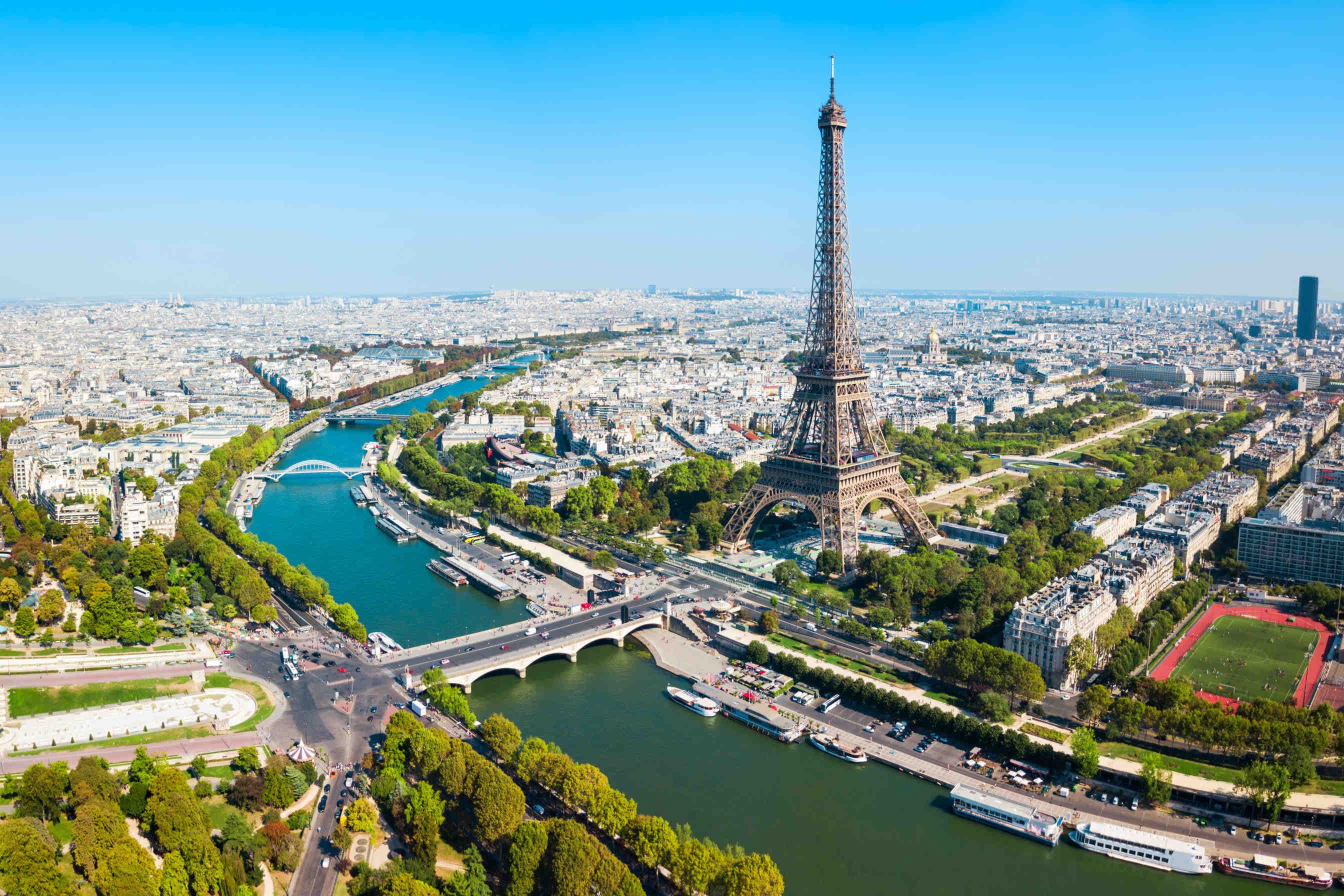
The Seine is polluted: repercussions for the 2024 Olympics
    MachiningSeine2024 Olympic GamesMarna

    The Seine is polluted: repercussions for the 2024 Olympics

    Pollution of the Seine is a critical issue for the Paris 2024 Olympics. Due to high bacterial contamination, some competitions have been postponed. But what are the causes? What is the situation of the other rivers in the city? Find out more in this article.

    Read the article
    31/07/2024Of 3Bee, Lisa Santillo
    582 Views
    31/07/2024Of 3Bee, Lisa Santillo
    582 Views

    The Seine and the problem of pollution

    The Seine has long been contaminated by a variety of pollutants from urban, industrial and agricultural sources. According to the 30-year PIREN-Seine research programme, conducted by some 30 scientists, the river contains heavy metals, polycyclic aromatic hydrocarbons (PAH), antibiotics and plastics. In addition, the presence of E. coli and intestinal enterococci has been recorded. Escherichia coli is a bacterium of the genus Escherichia, which is part of the intestinal microbiota of humans and other warm-blooded animals. The presence of E. coli<7i> (or faecal coliforms in general) indicates recent faecal contamination, probably caused by inadequate disinfection or a compromised water system.
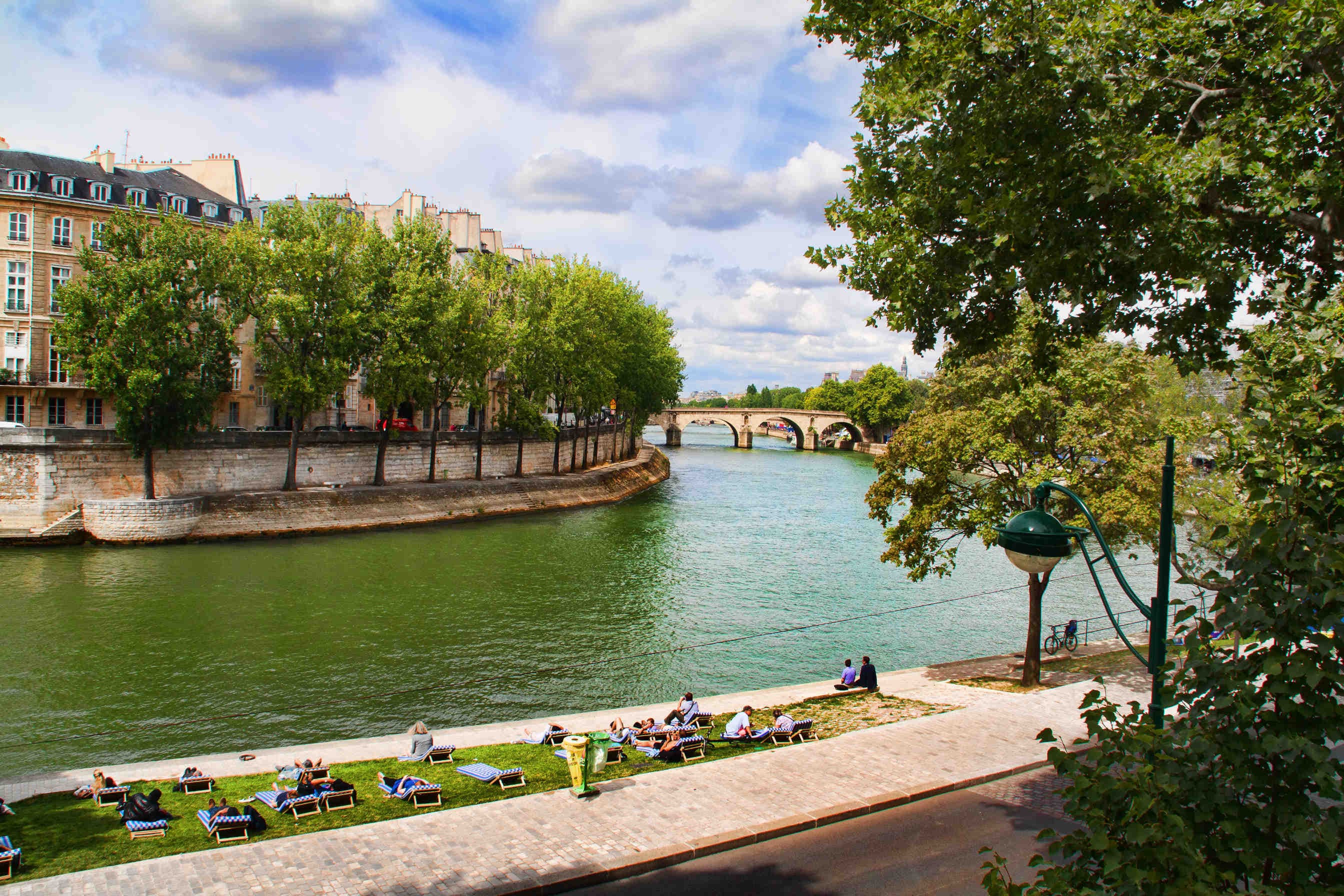
    senna inquinata

    Polluted Seine: the impact on the 2024 Olympics

    Already last year, several test events were cancelled due to high levels of E. coli in the Seine, often caused by heavy rain.Even now, during the Olympics, the triathlon competitions have been postponed due to the pollution of the Seine: tests showed that the water quality was not good enough throughout the entire course. As reported by AGI, the detection range of Escherichia Coli was between 980 and 1553, thus below the ideal limit of 1,000 and two above. In addition, the rain over Paris on 26 and 27 July altered the water quality, which resulted in the rescheduling of the competitions.
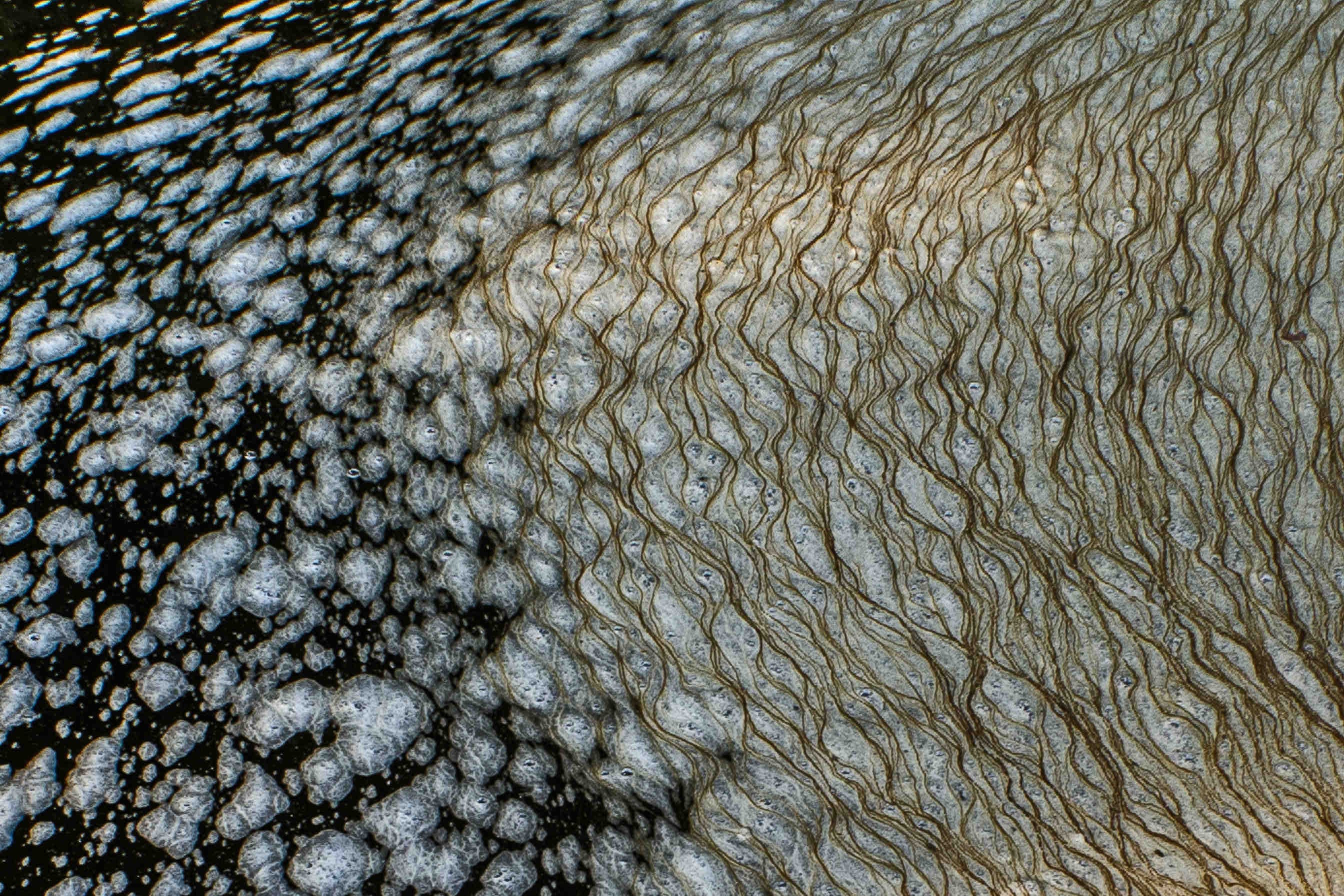
    acqua inquinata
    XNatura

    The clean-up of the Seine for the 2024 Olympics

    The Seine has not been swimmable for over a century, but the organisers of the Olympics had decided to invest a sum of some 1.5 million euro with the aim of reclaiming it and ensuring that the river's waters were clean and safe for all Olympic athletes. Among the interventions, the most substantial was the construction of the Asterlitz reservoir, which was inaugurated last spring after more than three years of work. This structure retains excess water in the sewage systems and regulates flows to the treatment plants, preventing unmanageable peaks caused by extreme weather events. In this way, the bacterial concentration in the Seine has fallen below the legal limit, but in recent days, due to heavy rainfall, these have been exceeded again, affecting the holding of the Olympic competitions.

    Senna

    Not only the Seine: the Marne is also polluted

    Although the Seine is the main waterway in Paris, other rivers such as the Marne also face pollution problems. The Marine, the main tributary of the Seine, contributes to the pollution load of the Seine itself. A study published in 2021, revealed that the waters of the Marne are significantly contaminated by viral agents including adenovirus, norovirus and rotavirus. These were detected in high concentrations, similar to those found in the Seine, indicating significant fecal contamination in this river as well.

    Senna Parigi
    XNatura

    Paris Olympics: water monitoring

    The water quality of the Seine and other Parisian rivers is a relevant issue not only with regard to environmental sustainability, but also to public health. Despite considerable efforts, including investment in dedicated infrastructure in preparation for the 2024 Olympics and constant monitoring, weather events such as heavy rainfall continue to undermine the situation and achievements. With the Olympic Games underway, it will be crucial to monitor the situation closely to ensure that the measures taken are effective in ensuring safe conditions for all competitions.

    3Bee
    31/07/2024Of 3Bee, Lisa Santillo
    582 Views
    Newsletter
    newsletter
    Subscribe to the Blog about bees and biodiversity

    Frequently Asked Questions

    Do you have any doubts or other curiosities about this article? Here you will find some insights