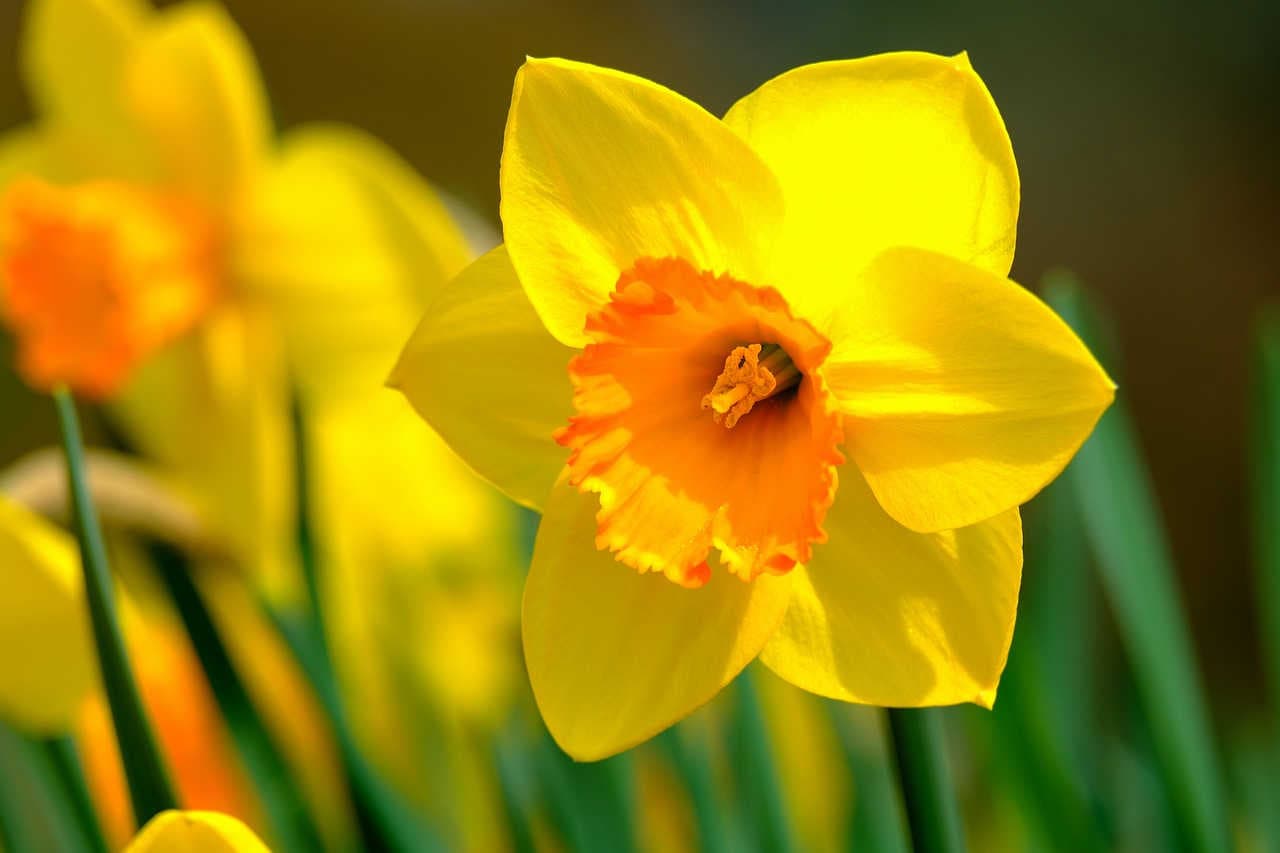
The Narcissus: A Flower Amidst Nature, History, and Symbolism
    DaffodilEtymologySpeciesWild

    The Narcissus: A Flower Amidst Nature, History, and Symbolism

    The narcissus (Narcissus) is a genus of plants belonging to the Amaryllidaceae family, known for its characteristic flowers with a central crown and star-shaped petals. Discover in this article the different types of narcissus, where they are widespread, and some curiosities.

    Read the article
    01/02/2025Of 3Bee, Lara Vivarelli
    1640 Views
    01/02/2025Of 3Bee, Lara Vivarelli
    1640 Views

    What is the daffodil?

    Disclaimer: this is an automated translation from Italian. Go to the original article.

    .The genus Narcissus includes herbaceous bulbous plants belonging to the Amaryllidaceae family, which also includes the snowdrop and the sea daffodil. These plants, equipped with bulbs used both for vegetative propagation and for resisting unfavorable climatic conditions, fall into the category of geophytes. The flowers of the daffodil, much appreciated for their beauty, range from white to yellow and can be solitary or grouped in inflorescences. The genus includes about 50 species, mostly native to Europe, with some also present in North Africa and the eastern Mediterranean region. Many of these species have been cultivated for centuries and have given rise to numerous hybrids, now widespread in gardens and sometimes growing wild.
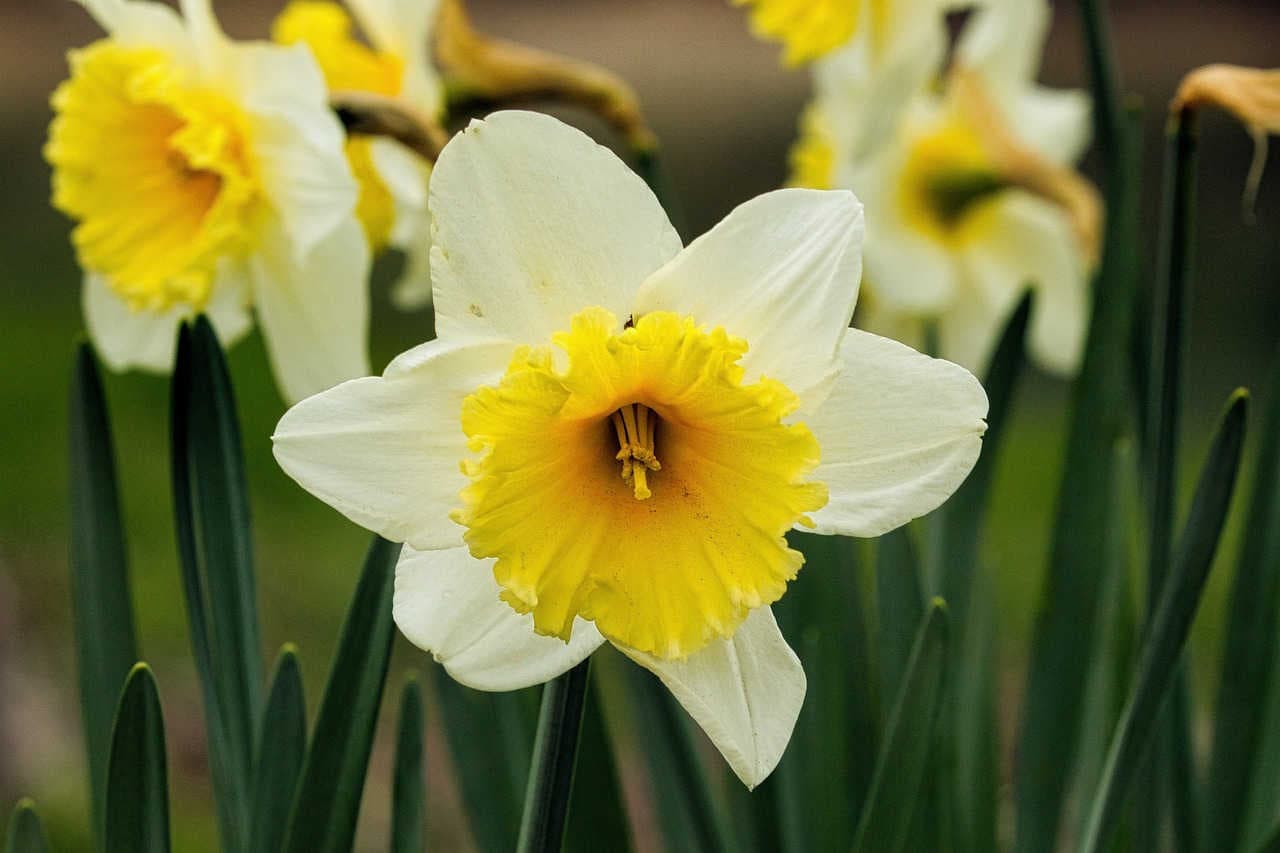
    narciso

    What is the etymology of the name Narcissus?

    The name of the genus Narcissus derives from the Greek ναρκάω (narkào) and νάρκισσος (narkissos), which are connected to the word νάρκη (narké), meaning "smell", "amazement", "numbness" or "stun". This reference is linked to the penetrating and intoxicating scent of some narcissus species, whose intense fragrance also inspired the term "narcotic". The name may also refer to the mythological character Narcissus (Νάρκισσος), known for his extraordinary beauty and self-love. Curiously, it is believed that the ancients attributed to the flower the power to cause a state of numbness or hypnosis, as its scent was considered hypnotic. The wild narcissus, scientifically known as Narcissus poeticus, takes its name from the Latin word poëta, meaning "poet", evoking noble feelings and a poetic air.
    etimologia nome narciso genere narcissus
    XNatura

    What are the different species of daffodil?

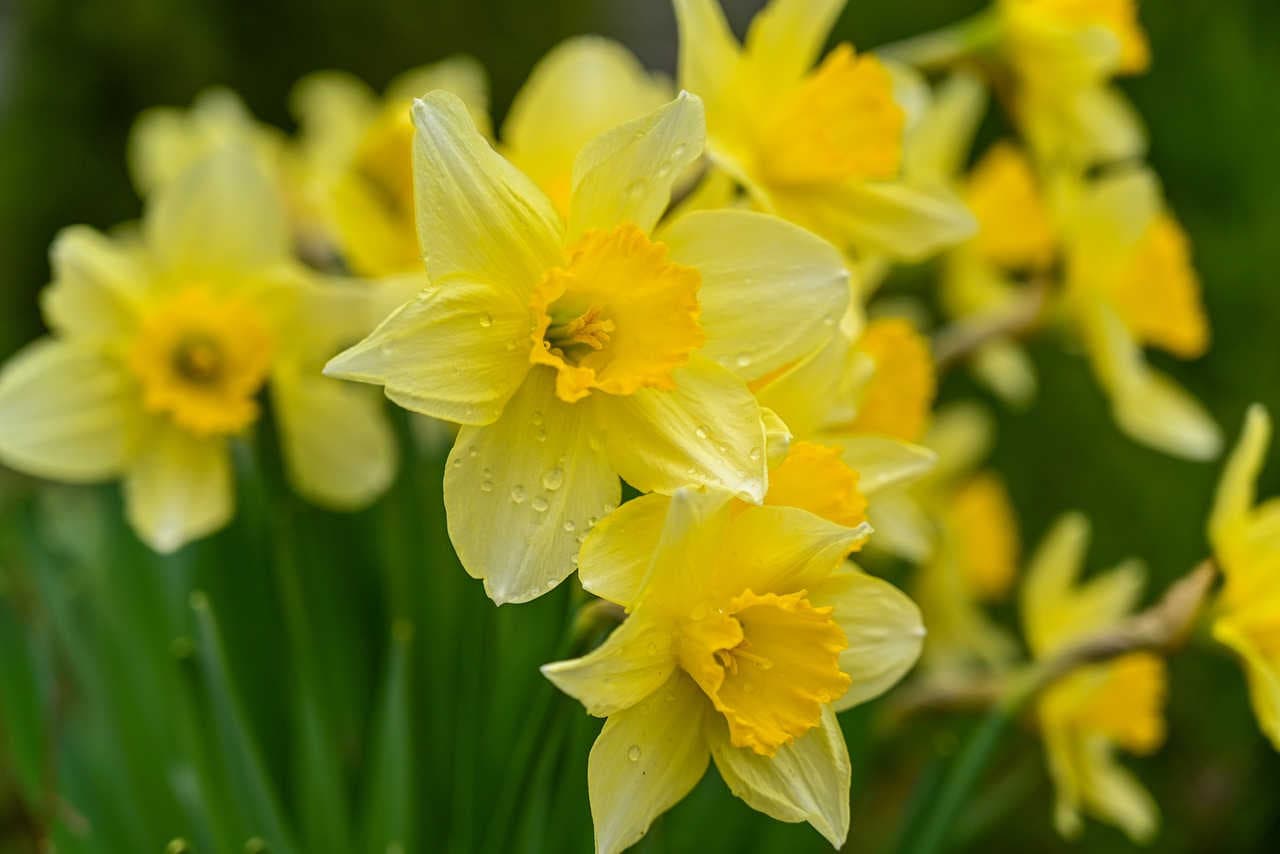
    The genus Narcissus includes about 50 species,of which only a few are wild, including the wild daffodil (Narcissus poeticus), the paperwhite narcissus and its subspecies. Other species are cultivated and, at times, spontaneously spread. The different varieties of narcissus bloom between winter and springand are easily observable in parks, gardens, pastures, at the edges of cultivated fields, in wastelands and along roadsides. Among the narcissi, the wild narcissus, the trombone narcissus, and the incomparable narcissus have solitary flowers, while all other species have flowers gathered in umbel inflorescences.
    specie di narciso

    What are the characteristics of the wild daffodil?

    A species of daffodil native to Italy is Narcissus poeticus, known as wild daffodil, common daffodil, or May flower. This herbaceous plant grows in mountain pastures, up to 1800 m in altitude, from the Alps to the Sila, often forming very abundant populations. It is present in all Italian regions, except Sicily and Sardinia. The wild daffodil blooms between April and May, with solitary flowers that have white petals and a yellowish central corona with reddish edges. The name "poetic daffodil" reflects its fragrance and appearance, so captivating that it inspires poets. This plant lives between 600 and 1600 meters of altitude, in thickets, meadows, and mountain pastures. The bulb, very poisonous, grows deep in the ground and is not damaged when the flower, always appreciated for its beauty, is picked.
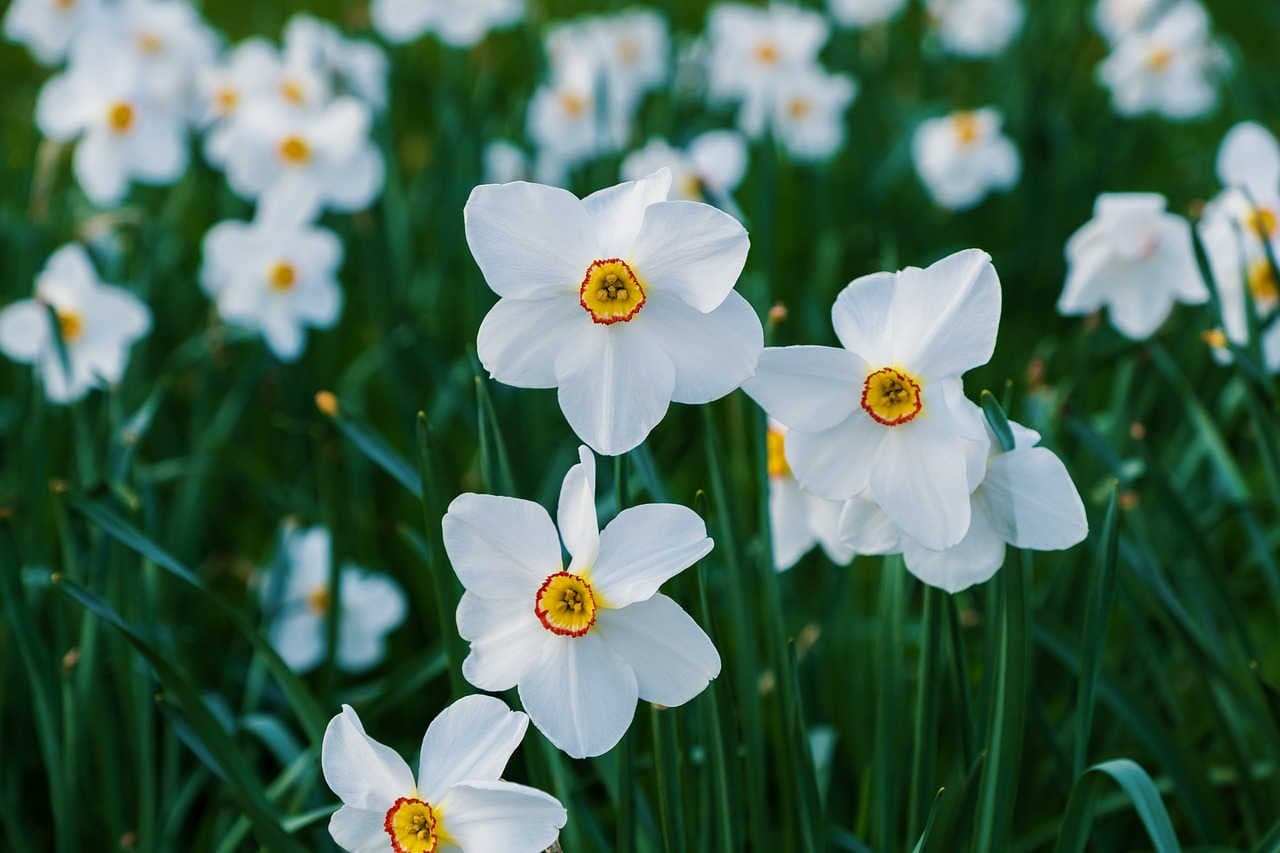
    narciso selvatico o comune
    XNatura

    What distinguishes the trumpet daffodil?

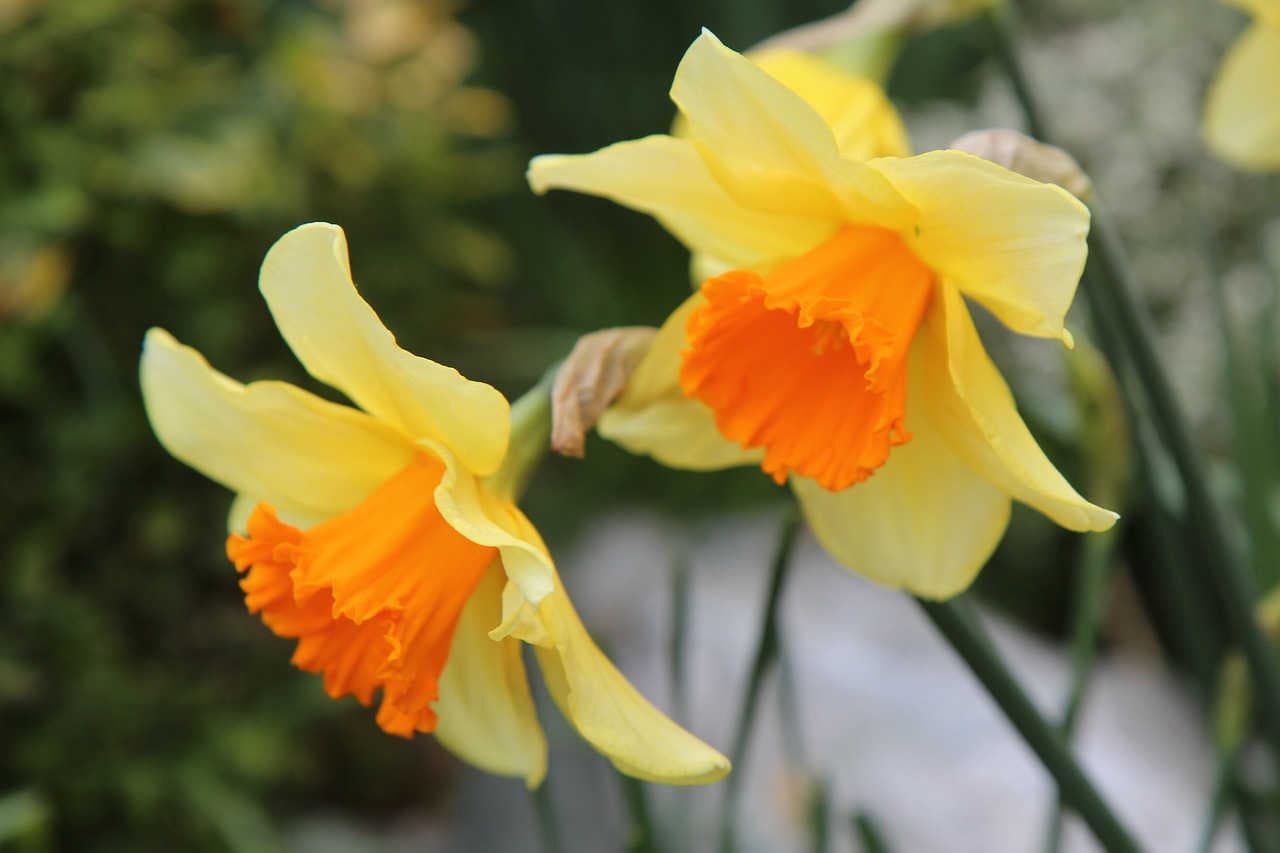
    Commonly known as trumpet daffodil, wild trumpet or jonquil, the Narcissus pseudonarcissus is a species of daffodil that is frequently cultivated in gardens, but also grows spontaneously in mountain meadows. This variety, which includes eight subspecies, originates in Western Europe, particularly in Spain and Portugal, but is also found further north, such as in Great Britain. The flower, which develops at the end of a flattened stem, consists of a "trumpet," called the corona, of dark yellow color, surrounded by a ring of 3 sepals and 3 petals of a lighter yellow shade. Blooming generally occurs between March and April. The trumpet daffodil has been used for the creation of numerous hybrids and cultivars, thus becoming very popular as an ornamental plant.
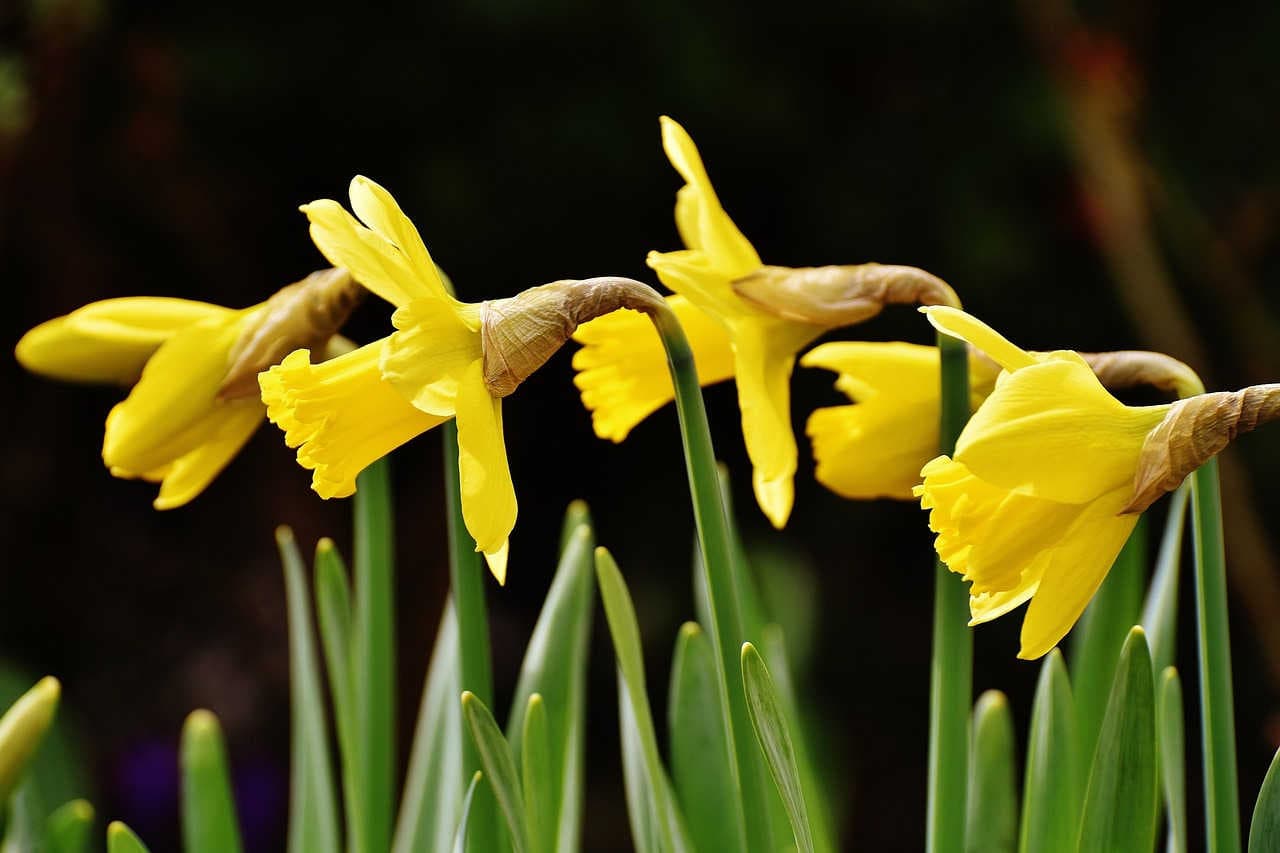
    narciso trombone
    3Bee

    What are the characteristics of the tazetta daffodil?

    The Narcissus tazetta, commonly known as tazetta daffodil due to the characteristic cup shape of its yellow corona, is one of the most widespread varieties of daffodil. This species blooms between March and May, preferring humid and cool environments, such as woods, and produces white umbrella-shaped inflorescences with an intensely enveloping fragrance. Its essential oil is still widely used in the perfume industry today. Native to Europe, it generally grows at altitudes between 250 and 600 meters above sea level. It is spontaneous in cultivated and uncultivated fields, and is often also cultivated in gardens.
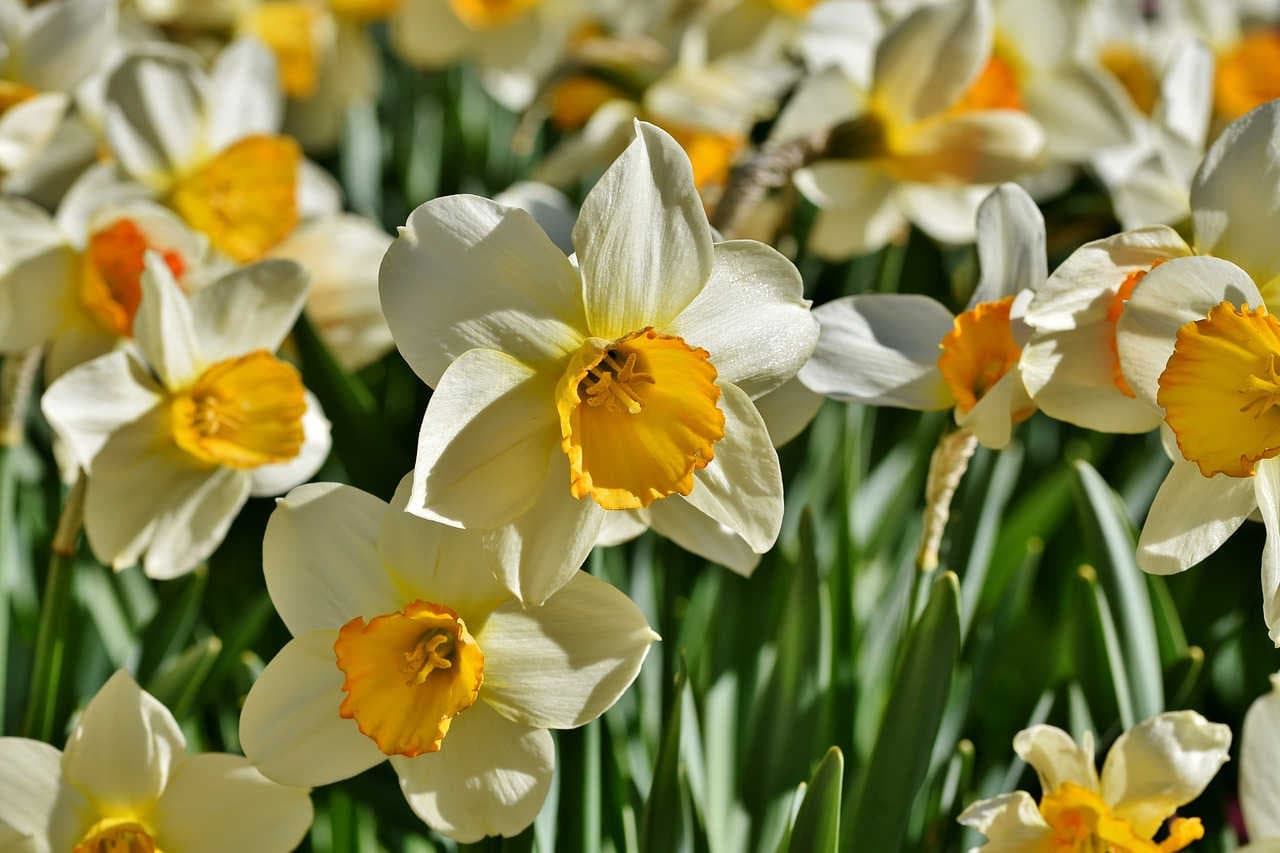
    narciso tazzetta

    What myths are associated with narcissus?

    Among the legends about the narcissus, the most known is the one that tells of Narcissus, whose Greek name, "stupor," recalls his intoxicating fragrance. The myth narrates that, fascinated by his own beauty, Narcissus wasted away observing his reflection in the water of a spring. In his place, the nymphs found a flower that bent towards the water, and since then that flower was called narcissus. The son of the nymph Liriope and the river god Cephissus, Narcissus rejected all love, and his mother, worried about his beauty, tried to prevent him from looking at himself, fearing the worst. Despite this, many nymphs fell in love with him, but Narcissus remained indifferent. Punished by the gods for his pride, he fell in love with his own reflection and, in attempting to grasp it, died by drowning. His body transformed into a flower with a sweet and intoxicating fragrance, while the voice of the nymph who loved him lingered to echo among the mountains, responding to travelers who shout in the valleys.
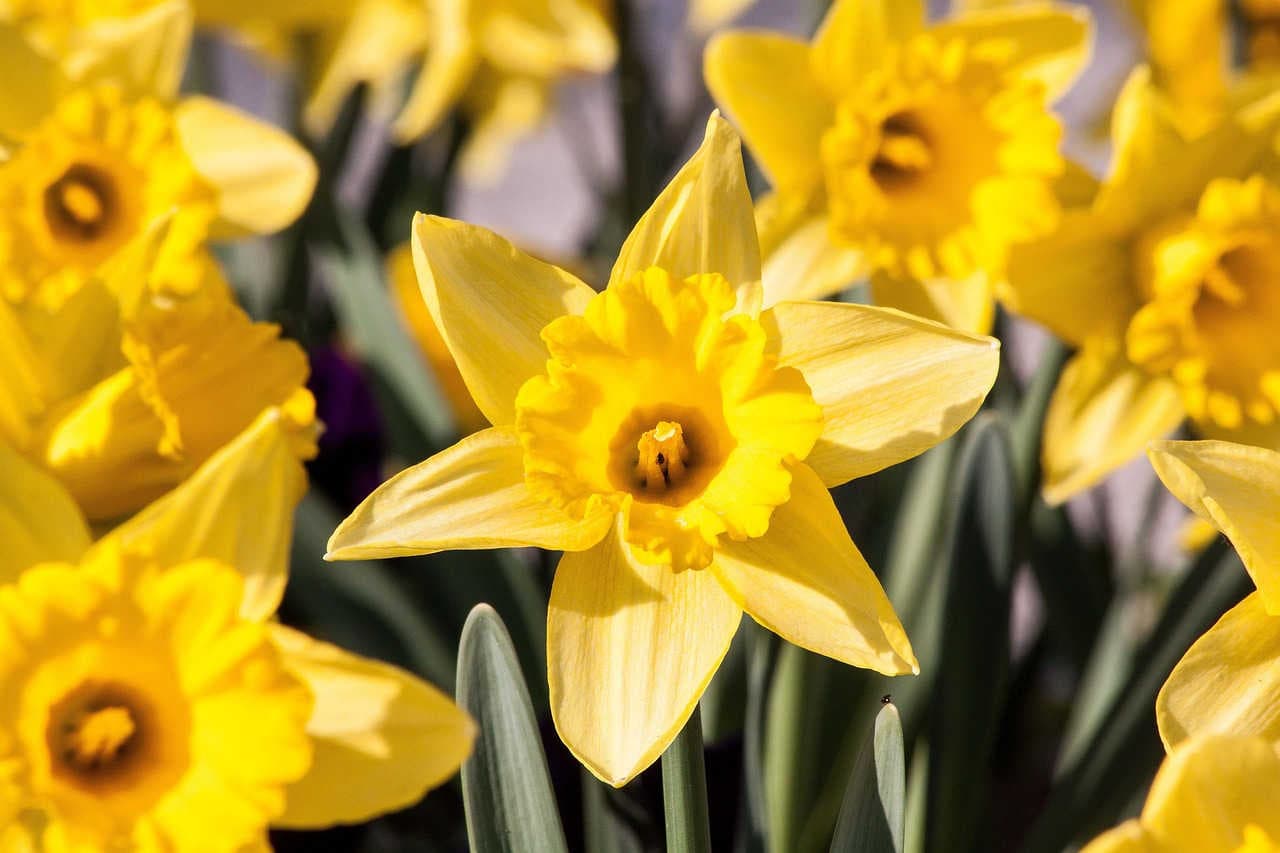
    miti narciso

    What other symbolisms are associated with the narcissus?

    The narcissus is a flower that has acquired a variety of meanings and symbolisms, often deeply rooted in different cultural traditions. For the Druids, the priests of the ancient Celts, the narcissus represented purity. However, over time, the belief spread that these flowers had the ability to absorb negative and evil energies from humans, and for this reason, they were considered poisonous. In Roman culture, it was thought that the narcissus grew in the Elysian Fields, a place associated with the afterlife, and for this reason, it was planted on the graves of the deceased. In Christian iconography, the narcissus became a symbol of rebirth, a connection that associated it with Easter and life reborn after death.
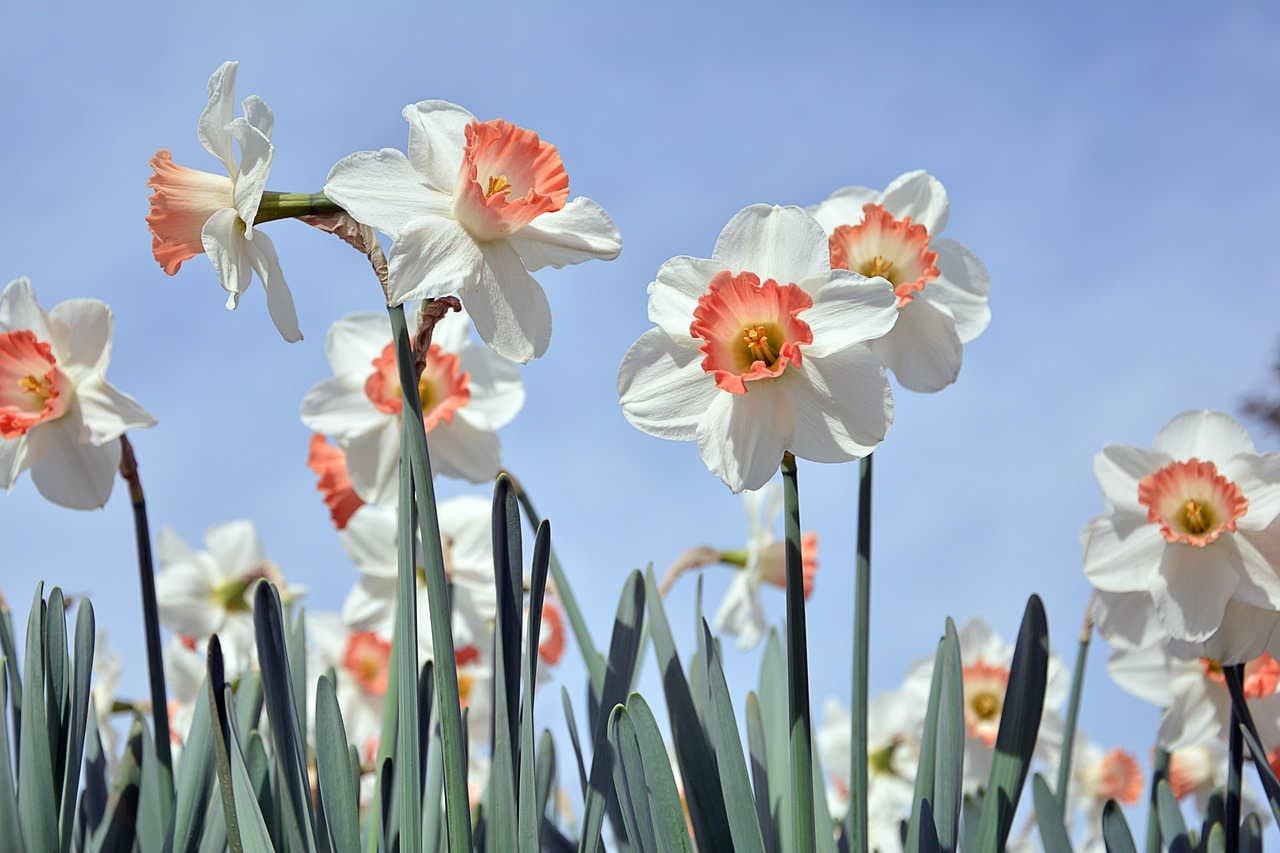
    simbologie narciso

    Why is the daffodil considered toxic?

    It is important to remember that both the bulb and the leaves of the daffodil contain narcissine, a highly poisonous alkaloid, which can be dangerous for animals and potentially lethal for humans. In particular, the wild daffodil is more dangerous than other varieties, as it acts as a powerful emetic and irritant. There are known cases of poisoning, as the bulbs may be mistaken for onions. However, the dried flowers also possess therapeutic properties and are used as sedatives, anti-diarrheals, and antispasmodics.
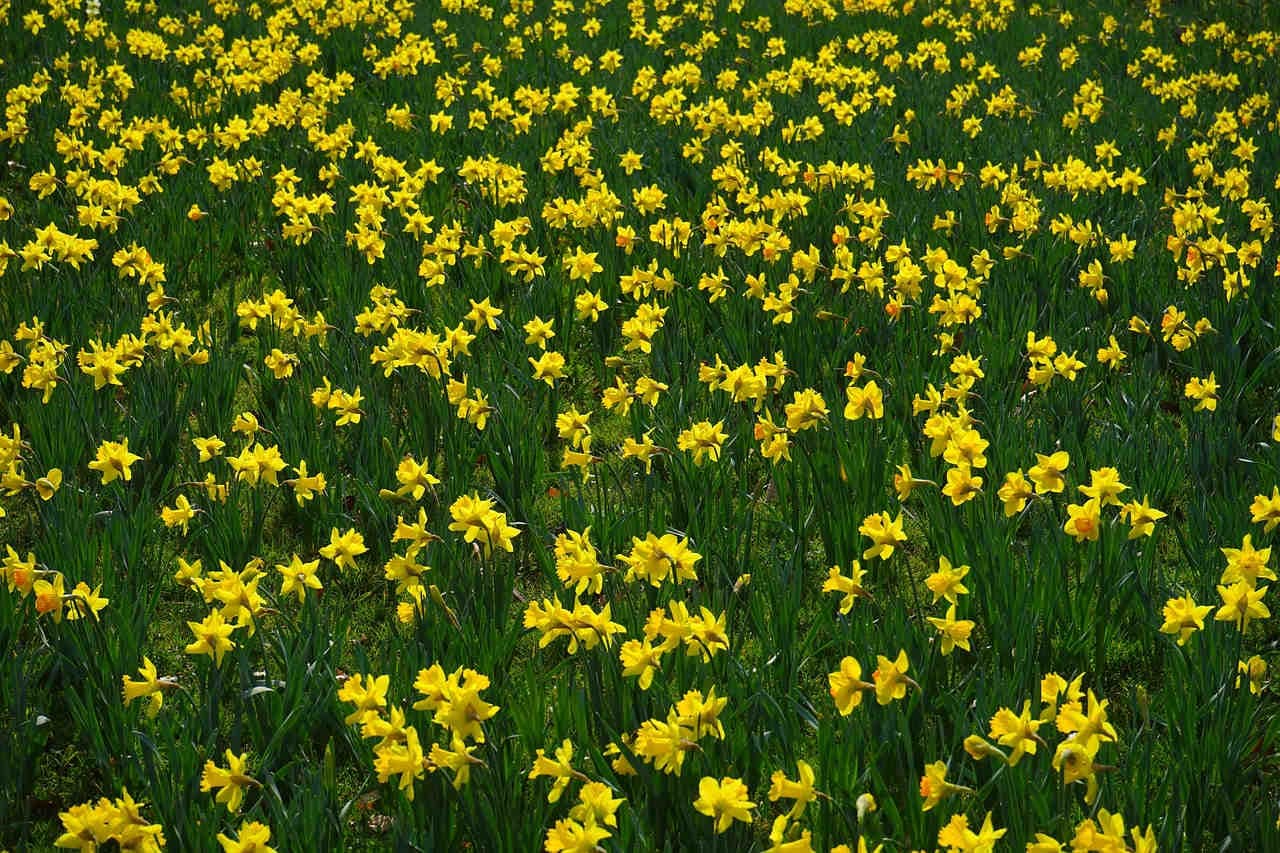
    narcissina alcaloide narciso
    01/02/2025Of 3Bee, Lara Vivarelli
    1640 Views
    Newsletter
    newsletter
    Subscribe to the Blog about bees and biodiversity

    Frequently Asked Questions

    Do you have any doubts or other curiosities about this article? Here you will find some insights