The Nagoya Protocol: biodiversity and environmental justice
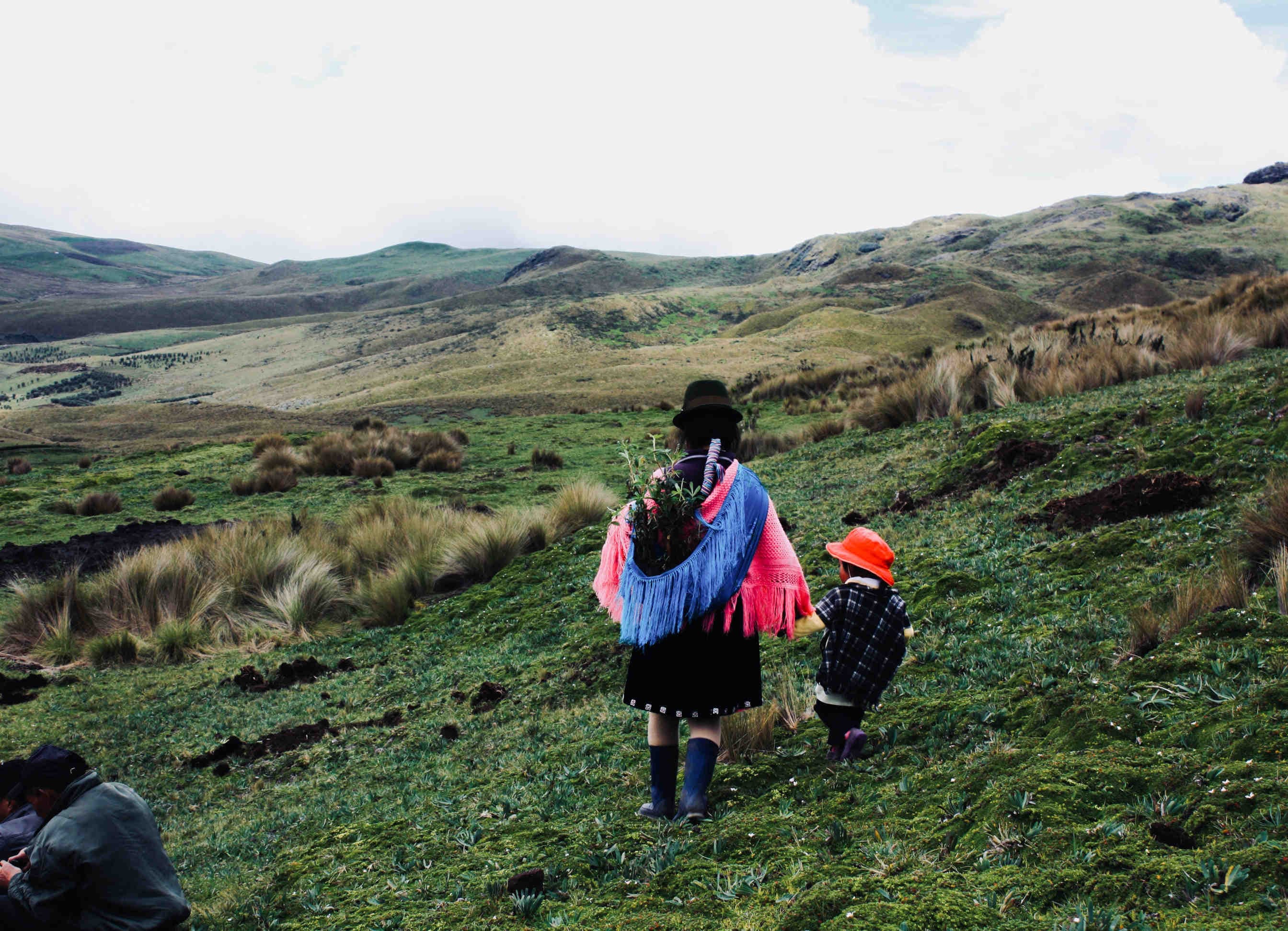
    NagoyaIndigeniKnowledgeEcuador

    The Nagoya Protocol: biodiversity and environmental justice

    The Nagoya Protocol is an international normative instrument of environmental and social justice and equity, which is increasingly important in the face of global challenges such as food security, biodiversity loss and pandemics.

    Read the article
    28/07/2024Of 3Bee, Sara Moraca
    214 Views
    28/07/2024Of 3Bee, Sara Moraca
    214 Views

    What is the Nagoya Protocol?

    The Nagoya Protocol on Access to Genetic Resources and the Fair and Equitable Sharing of Benefits Arising out of their Utilisation (ABS) is a supplementary agreement to the Convention on Biodiversity. It provides a transparent legal framework for the implementation of one of the three objectives of the Convention: the fair and equitable sharing of the benefits arising from the utilisation of genetic resources. The Nagoya Protocol establishes basic obligations for the contracting parties to take measures regarding access to these resources, benefit-sharing and compliance. These include creating legal certainty, clarity and transparency, providing fair and non-arbitrary rules and procedures, providing for the issuance of a permit when access to resources is granted, and considering the importance of genetic resources for food and agriculture for food security.
    Biodiversità

    The importance of Nagoya for indigenous communities

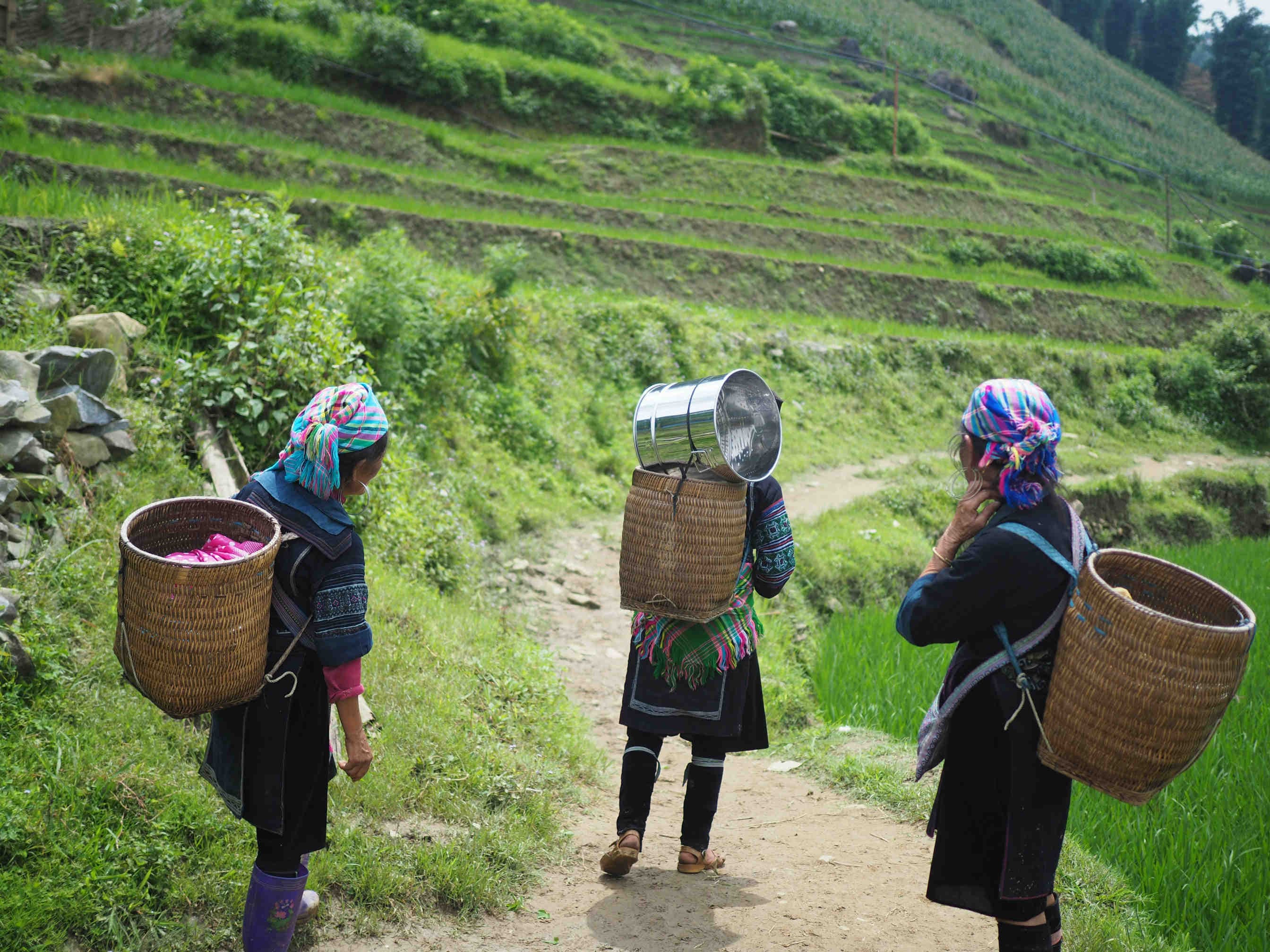
    The Nagoya Protocol also addresses the issue of traditional and indigenous knowledge, clarifying that contracting parties must take measures to ensure the prior informed consent of these communities and a fair and equitable sharing of benefits, taking into account community laws and procedures, as well as customary usages and exchanges. Nagoya is the first international instrument of particular relevance to indigenous and local communities negotiated since the adoption of the United Nations Declaration on the Rights of Indigenous Peoples in September 2007. It thus represents a significant step in integrating indigenous rights as a cross-cutting issue in international negotiations.
    Comunità indigene
    XNatura

    The role of traditional knowledge

    The Protocol also contains significant provisions regarding traditional knowledge associated with genetic resources held by indigenous and local communities, as well as genetic resources held by indigenous and local communities where the rights of these communities over such resources have been recognised. The Protocol establishes clear obligations to obtain the previous informed consent of indigenous and local communities in these situations. It also provides for the sharing of benefits arising from the use of traditional knowledge associated with genetic resources, as well as benefits arising from the use of genetic resources in accordance with national legislation. Benefit sharing must be based on mutually agreed terms.

    Conoscenza tradizionale

    The example of the Ecuadorian report

    With a report released in 2018, Ecuador accused some major industrialised countries of being biopirates and misusing Ecuadorian genetic heritage. The South American nation pointed the finger mainly at the United States, Germany, the Netherlands, Australia and South Korea. These five countries are said to have applied for the most patents for products derived from Ecuador's endemic resources. The countries accused of biopiracy would be responsible for 113 of the 128 patent applications identified in the report. Renè Ramirez, head of the science, technology and innovation department of the National Institute for Intellectual Property, had explained that none of these countries had asked Ecuador for permission to access its genetic resources.

    Ecuador
    XNatura

    The importance of Ecuador's biodiversity

    Ecuador possesses one of the highest rates of biodiversity in the world: it ranks third for the number of amphibian species (537 species), fifth for birds (1,515 species), eighth for reptiles (439 species), ninth for vascular plants and seventeenth for mammals (341 species, according to World Conservation data). An example of Ecuador's ecosystemic richness is the fungus discovered by Scott Strobel, professor of molecular biochemistry at Yale University, that can naturally degrade polyurethane. The polyurethane-eating fungus has been shown to be able to survive in both aerobic and anaerobic environments by feeding on plastic alone, thus in oxygen-deprived environments such as those of compactors.

    Ecuador
    3Bee

    The Indonesian case and the right to public health

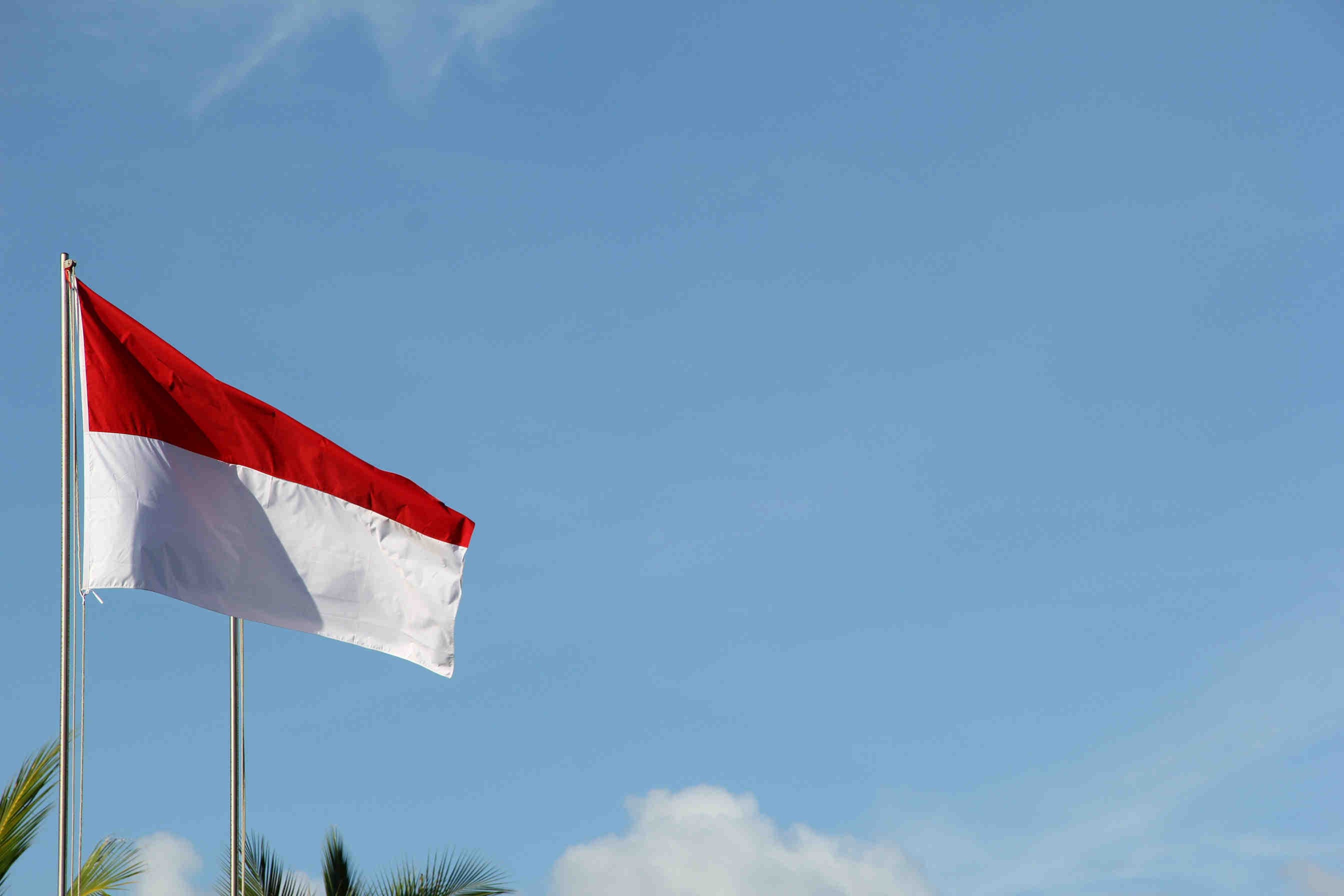
    Different is the case of Indonesia, which in 2007 refused to share the genomic code of a virus, even in the face of public health objectives, because this would have been used to produce a vaccine that the Indonesians could not afford. Appealing to the Nagoya Protocol to avoid sharing genomic sequences of the virus can be seen as specious, but understandable. On the one hand, this information would have enabled public health objectives to be pursued, but on the other hand it could have been used by the pharmaceutical industries of more developed countries to produce therapies to which developing countries, including Indonesia, would then not have had access.
    Indonesia

    The WHO response to the Indonesian case

    The Indonesia episode prompted the WHO to create, in 2011, the Pandemic Influenza Preparedness Framework, which aims to promote international collaboration and access to vaccines. But scientists and legal experts argue that these rules have instead enshrined countries' sovereignty over their pathogens by failing to impose direct penalties for refusing to share information with the WHO and perhaps more importantly given the recent COVID-19 pandemic, and by only applying to influenza viruses. Some experts have suggested expanding the protocol to formally include genomic resources and nothing be left to the interpretation of states.
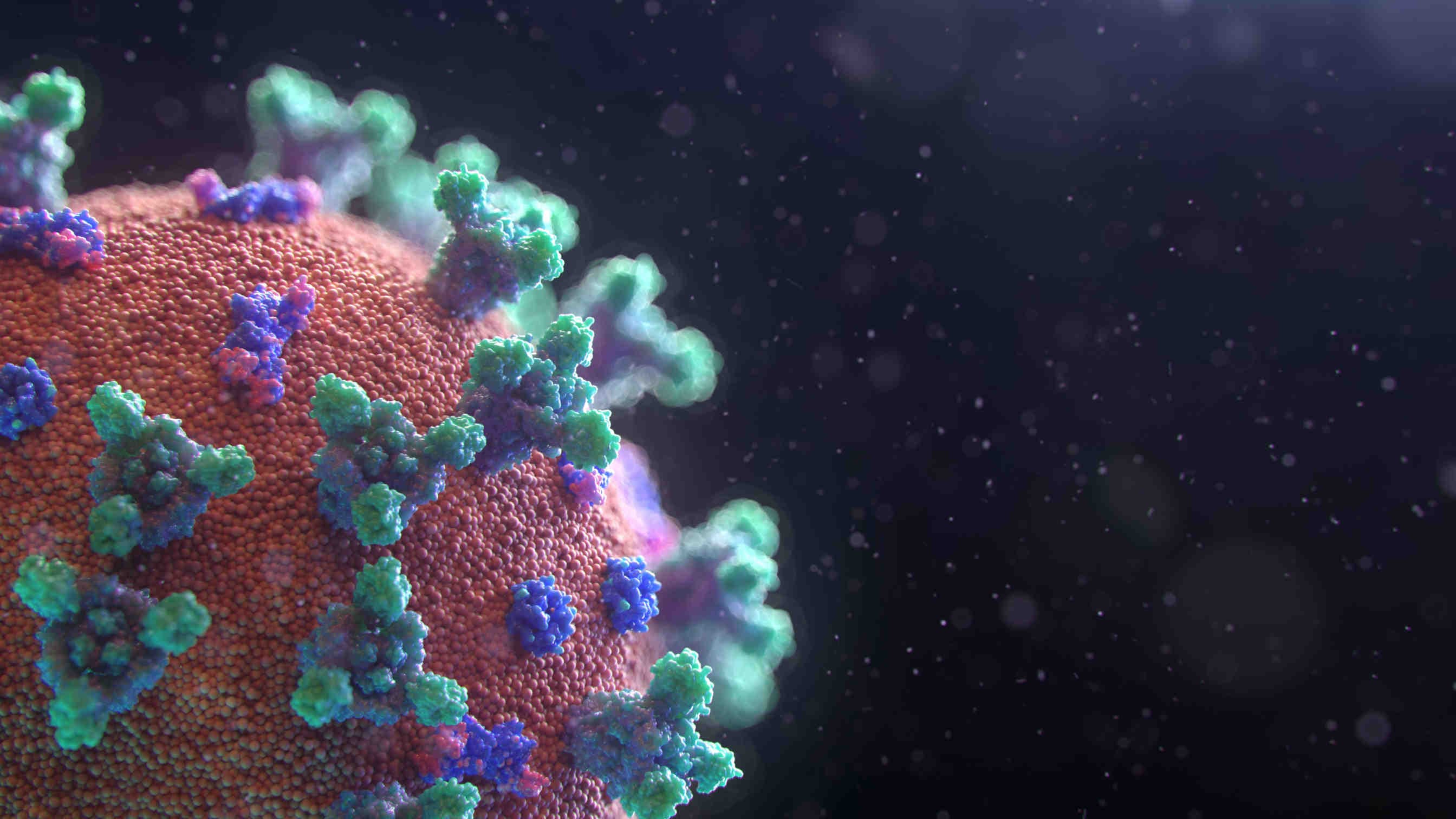
    Pandemia

    The importance and fragility of the ocean

    The marine biodiversity is a crucial and complex area that requires careful and rigorous management. Currently, a wide range of genetic sequences associated with marine species have been patented by a limited number of entities, raising concerns about control and equitable access to marine genetic resources. This scenario highlights the need for more robust and unified international regulation to ensure the sustainable management of marine resources. The Nagoya Protocol is an important tool for regulating access to and benefit-sharing from the use of genetic resources. However, legal loopholes, especially in marine areas beyond national jurisdiction, require concerted action at the global level.

    oceano

    The importance of ocean genetic resources

    Marine genetic sequences are crucial for scientific research and the development of innovative solutions in areas such as pharmaceuticals, biotechnology and the environment. It is crucial to ensure ethical and fair access to these resources, while respecting the sovereign rights of countries and local communities. International collaboration and transparent policies are essential for the conservation and sustainable use of marine genetic resources. The involvement of diverse stakeholders, including scientists, governments and non-governmental organisations, will be crucial to protect this precious marine biodiversity for future generations.

    Genetica
    28/07/2024Of 3Bee, Sara Moraca
    214 Views
    Newsletter
    newsletter
    Subscribe to the Blog about bees and biodiversity

    Frequently Asked Questions

    Do you have any doubts or other curiosities about this article? Here you will find some insights