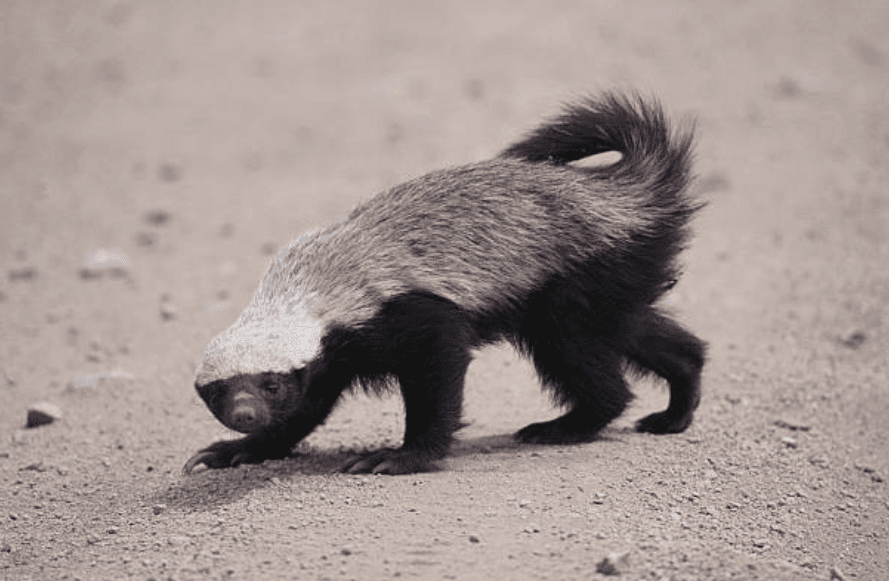
The most fearsome animal: all the secrets of the honey badger!
    3Bee approachIntroductionAppearanceCharacter

    The most fearsome animal: all the secrets of the honey badger!

    Everyone loves animals, but some can be more fearsome than others. The honey badger, also known as a ratel, is one of the most fearsome animals on the planet. They are fearless and relentless and are known to be able to bring down animals much larger than themselves.

    Read the article
    02/01/2023Of 3Bee, Elena Fraccaro
    28336 Views
    02/01/2023Of 3Bee, Elena Fraccaro
    28336 Views

    3Bee's approach to biodiversity protection

    3Bee is the Nature Tech company that develops technologies for the protection of biodiversity. 3Bee Hive-Tech is 3Bee's first system for analysing the health and 'starvation' status of honeybees, environmental pests par excellence. Over time, we have developed other technologies to study and monitor all the pollinating insects and created more than 200 Oases of Biodiversity with thousands of nectariferous plants to provide them with nourishment. In this way, we want to create a virtuous circle: our beekeepers are transformed by necessity into Oasis growers and promoters of environmental biodiversity. We do not encourage massive production and intensive breeding, which have a negative impact on biodiversity and pollinators. We do, however, recognise the value of honey as a valuable symbol of the biodiversity of an environment and a tool for disseminating the commitment and protection of an area, to be consumed sparingly and with respect for the life cycle of these insects.
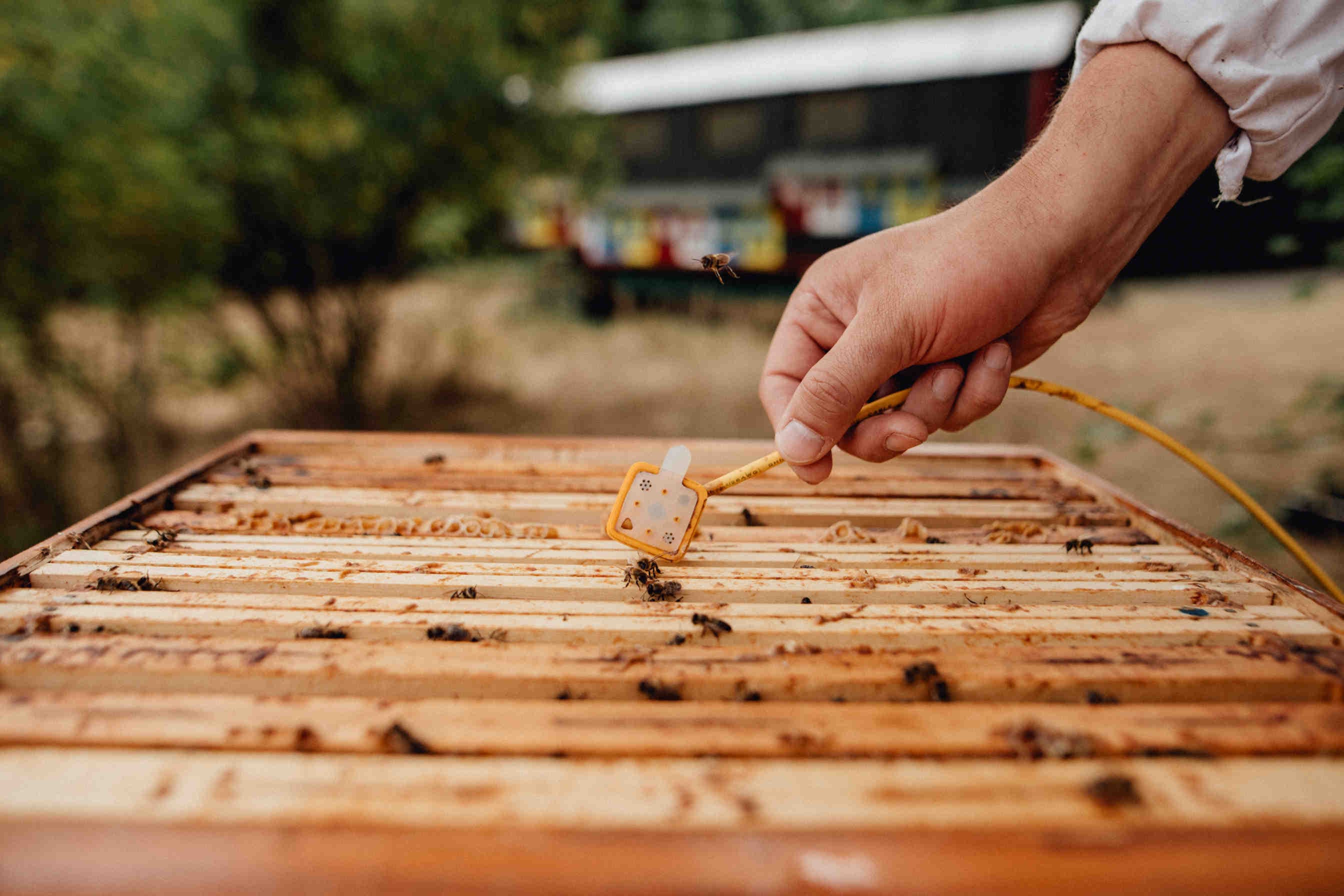
    3Bee Hive-Tech

    Introduction to the honey badger

    For the common imagination, the animal that loves honey par excellence is the bear, but in reality there is one so voracious of this delicacy that it has taken its name: the honey badger. Its scientific name is Mellivora Capensis, but it is also called the honey badger because of its enormous passion. It is native to Africa and Asia (mainly in the Middle East), so European beekeepers need not worry. In addition to honey, the badger feeds mainly on the flesh of small animals such as mammals, birds, reptiles and insects. Its being an opportunistic carnivore has led it to develop dog-like teeth. It is a species of mustelid native to Africa, the Indian subcontinent and south-western Asia. It is the only mustelid species in the genus Mellivora and they are the toughest, most aggressive and fearless animals in the world. Honey badgers are stocky and powerful and have a thick, tough skin.
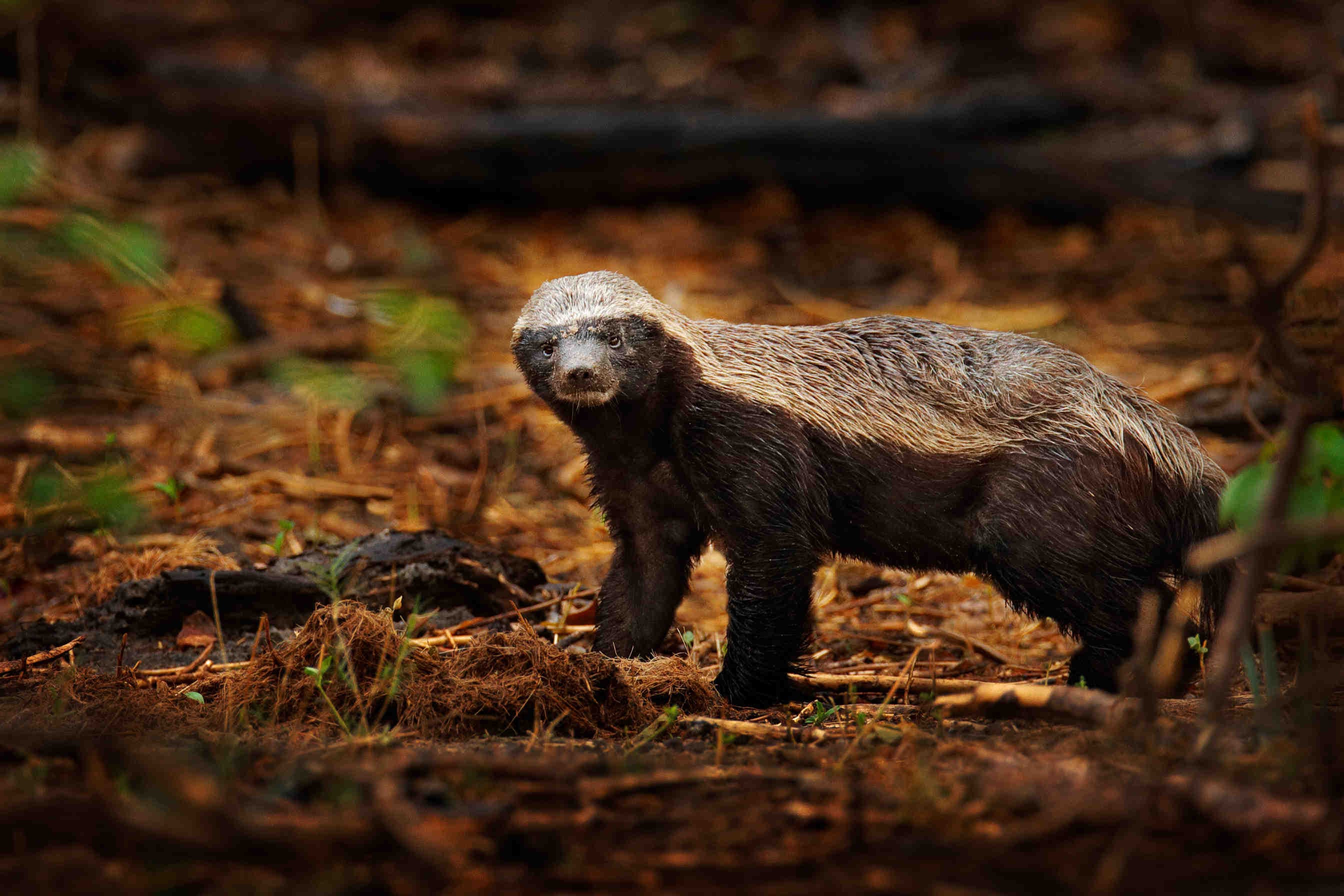
    Tasso del miele in africa che guarda in camera pronto a mordere
    XNatura

    Physical characteristics of the honey badger

    The honey badger is a medium-sized animal, about 1 metre long of which about a quarter is its tail. It has a height of about 30 centimetres at withers and can weigh up to 13-14 kg. It has a robust and muscular build, with a large head and a snout similar to that of a sloth, with small round ears. Its legs, on the other hand, are rather short. It has shaggy black fur on its lower body, while its back is silvery from crown to tail. Its body is slightly inclined forward, with the kidneys slightly higher than the shoulders. One of its main characteristics is its skin so thick that it can withstand several blows from a machete. It has a short muzzle with powerful jaws and sharp teeth. Honey badgers are surprisingly agile and fast and can reach speeds of up to 30 kilometres per hour. They are also incredibly strong and can easily take on animals much larger than themselves.

    tasso del miele

    His character

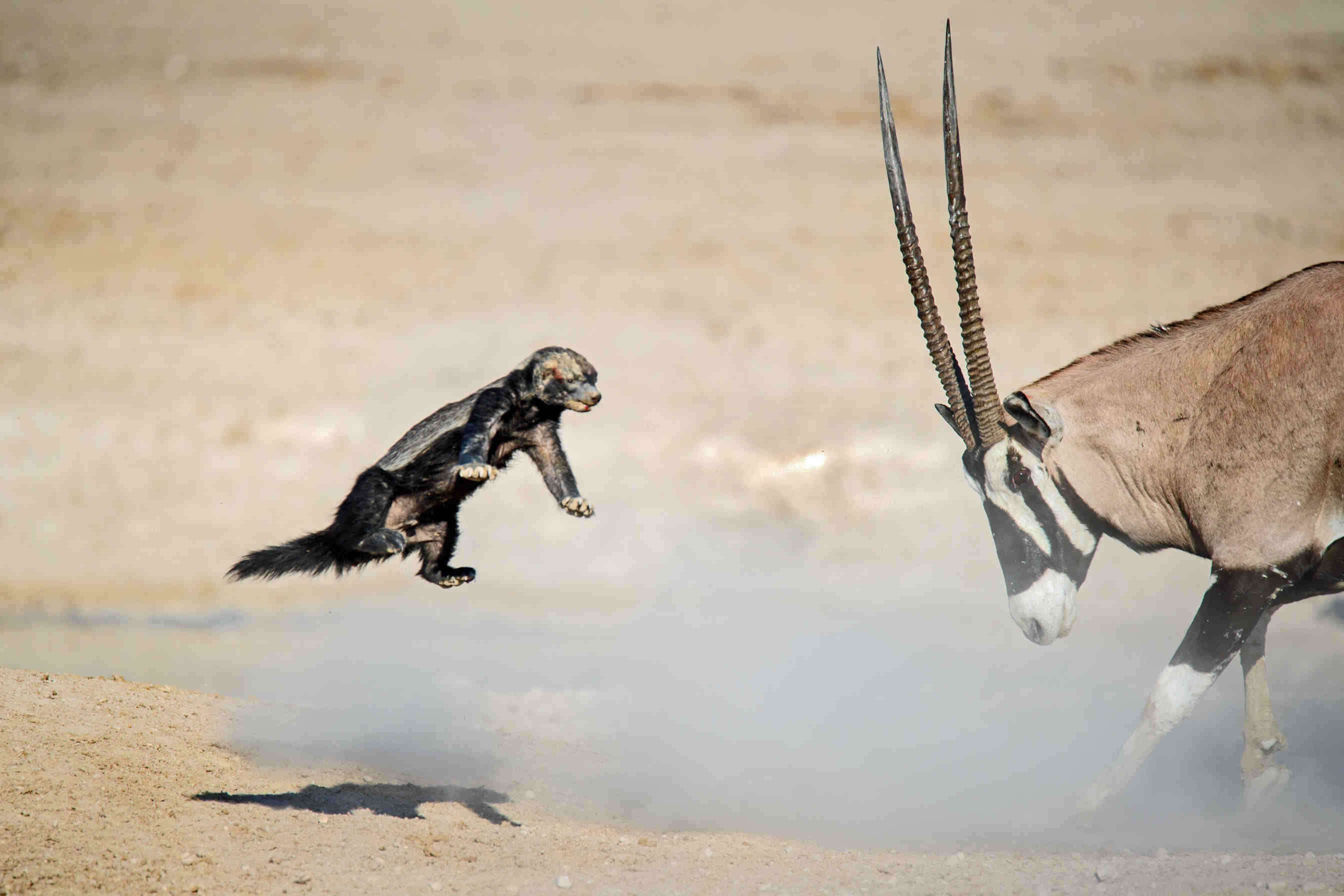
    Not to be fooled by its tender name, the honey badger is known for its aggressive temper. Precisely for this reason, it is not particularly liked either among its peers or among other animal species. Even its main predators prefer to avoid it (hyenas, cheetahs, crocodiles, pythons and lions). This aspect also helps it in its being a solitary animal that prefers to move at night and rest during the day. It cannot be said, however, that it spoils food, it is in fact particularly voracious and leaves no scraps of its meals. Once it has found a hive, for example, it does not just gobble up the honey contentedly, but devoursthe entire structure composed of cells. Even their burrow is not really their own, but they occupy other abandoned ones. A good reason to get into a fight is to encounter an animal wandering around their tiny territory.

    tasso del miele attacca
    XNatura

    Reproduction of the honey badger

    Honey badgers are generally solitary animals, but can form monogamous pairs during the breeding season. The female honey badger gives birth to a litter of two to four young after a gestation period of about six months. The pups stay with their mother for about two years before going off on their own. Honey badgers are also very vocal animals and have a wide range of vocalisations, including growls, grunts and snarls. They also have a distinctive smell, which they often use to mark their territory.
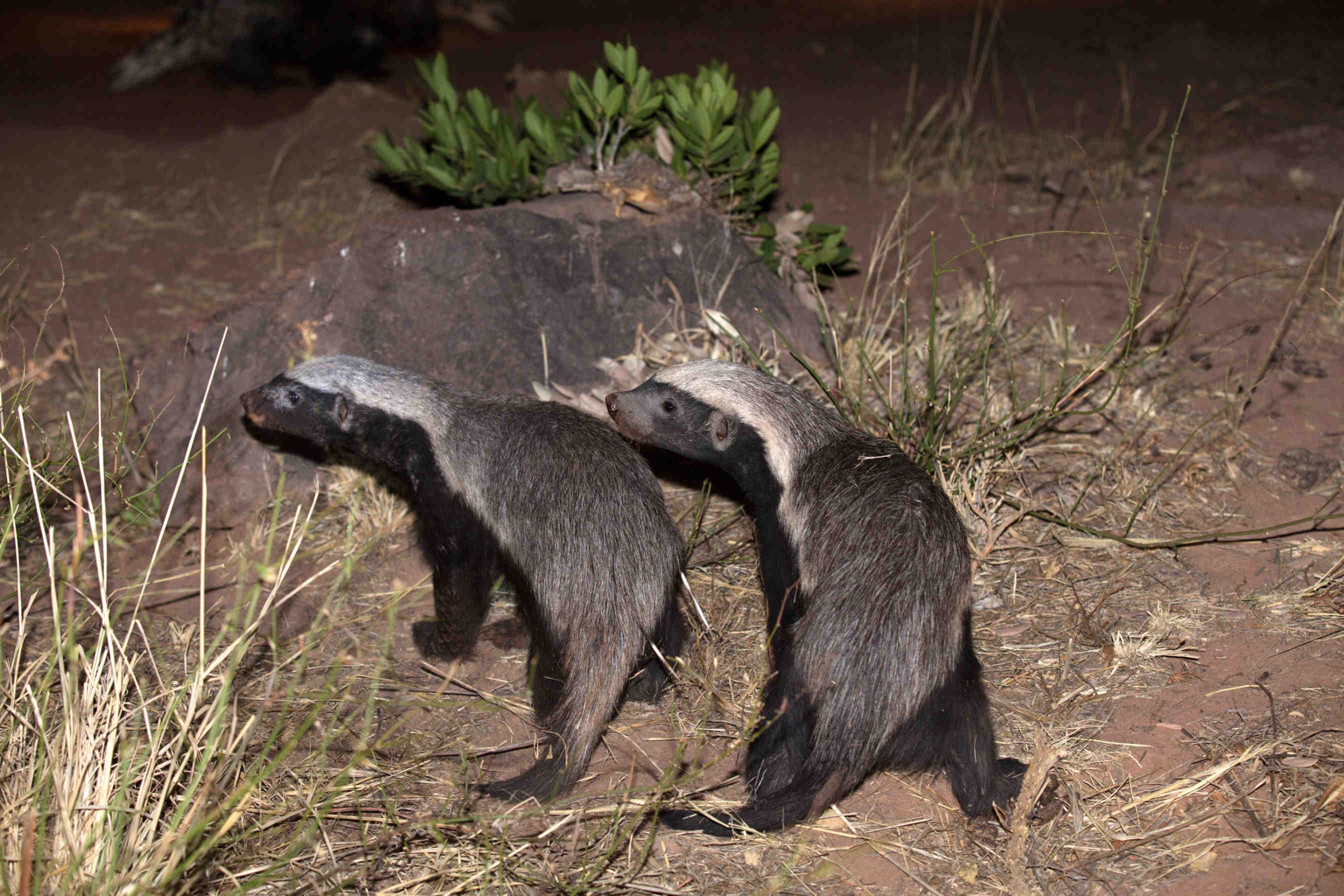
    Tassi del miele intenti ad amoreggiare vicino a una roccia
    3Bee

    The natural habitat of the Honey Badger

    Honey badgers are found in many different habitats, such as deserts, open forests, grasslands and even urban areas. They prefer to live in areas rich in vegetation, which provides them with cover and abundant food supplies. They can also live in areas with little vegetation, as long as there are enough small animals and insects to feed on. Honey badgers are generally solitary animals, but can sometimes be found in groups of ten individuals. They have a large range and can travel up to 10 kilometres in a single day in search of food.

    The natural habitat of the Honey Badger

    Interesting facts about the honey badger

    The honey badger is one of the most fascinating animals on the planet. Some interesting facts about the honey badger: Honey badgers are immune to poisonous snakes and can even kill cobras! Honey badgers are known to have faced animals much larger than themselves, including lions and leopards. The honey badger is the only mustelid species in the genus Mellivora. Honey badgers are very intelligent animals and are known to use tools to search for food. Honey badgers can dig large underground tunnels to hide from predators. Honey badgers have an incredibly powerful bite and sharp claws, which they use to tear apart their prey.
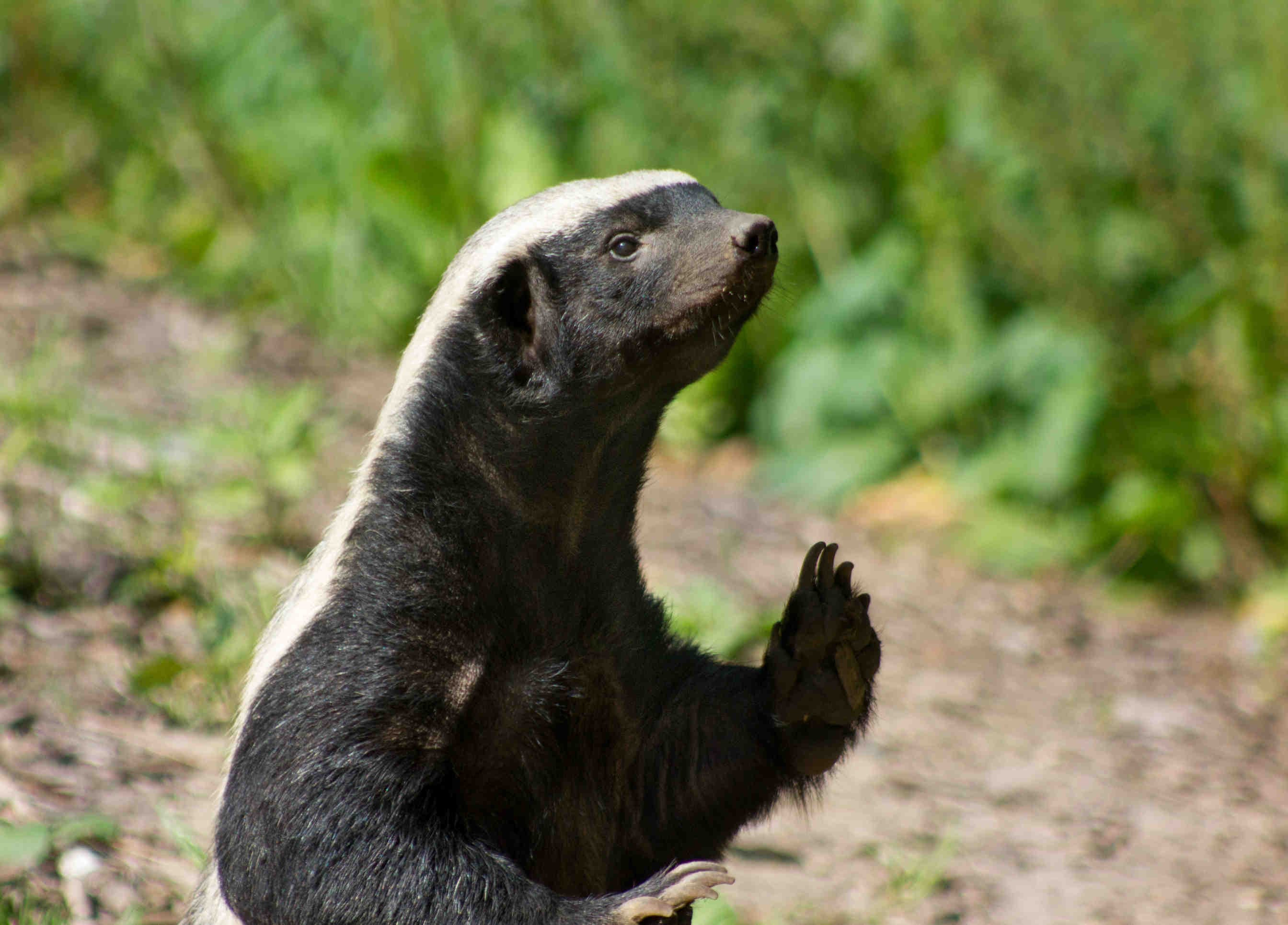
    Tasso del miele, coccoloso e pulcioso

    Conclusion and reflections

    The honey badger is one of the most fearsome animals on the planet. They are fearless and relentless and have an incredible array of physical and behavioural adaptations that make them almost impenetrable to their enemies. They are also very intelligent and resourceful animals and use tools to obtain food and build underground tunnels to hide from predators. Should you encounter a honey badger, it is best to get away from it! However, in 3Bee we protect all biodiversity and even the meanest animal has its role to play and must enjoy the best possible planet. Find out more about 3Bee.

    Conclusion and reflections
    02/01/2023Of 3Bee, Elena Fraccaro
    28336 Views
    Newsletter
    newsletter
    Subscribe to the Blog about bees and biodiversity