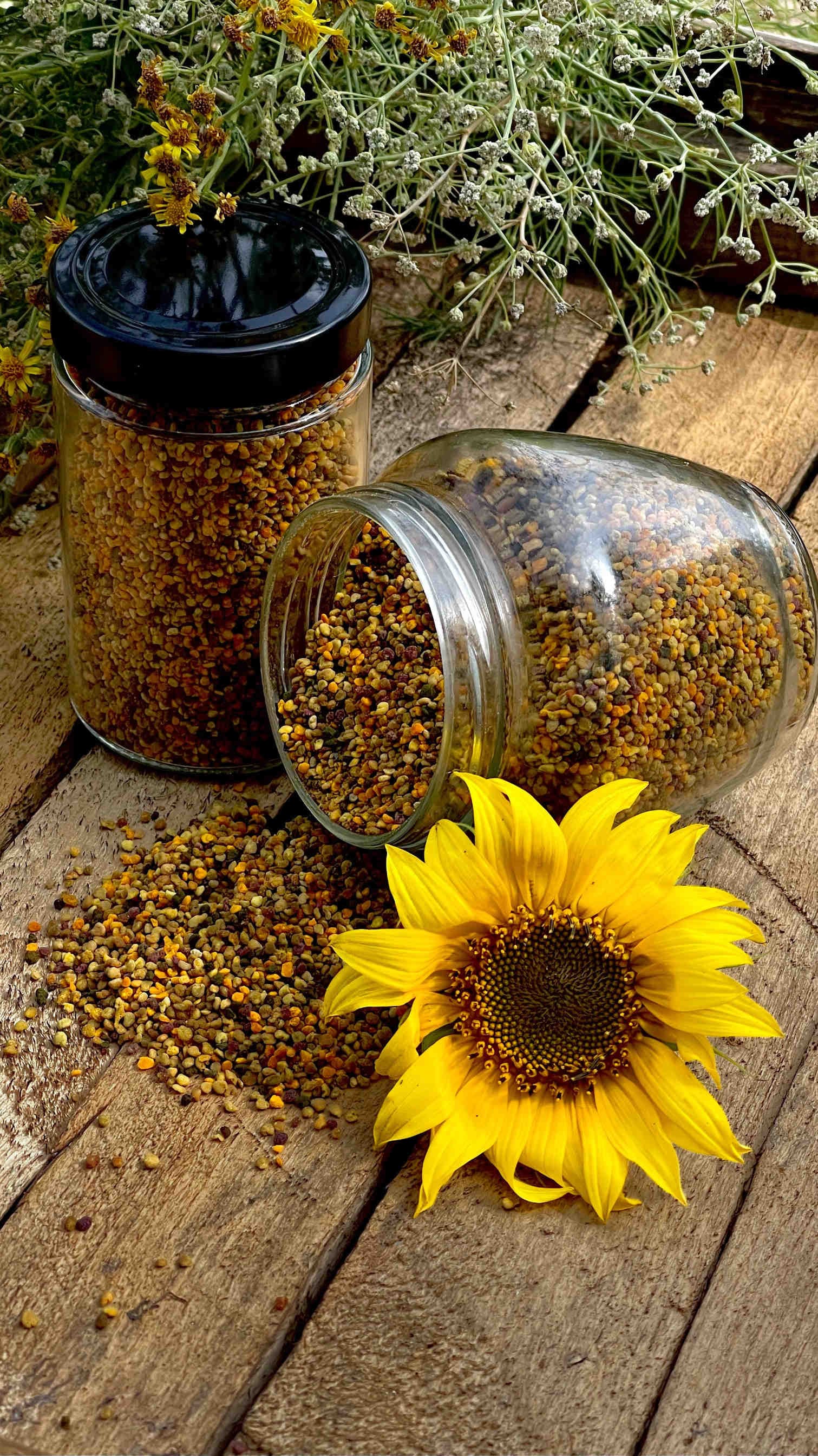
Sunflower Honey: Characteristics and Properties
    3Bee approachThe plantMieleBenefici

    Sunflower Honey: Characteristics and Properties

    At 3Bee, honey is a symbol of the hard work of pollination done by bees and the realisation of their contribution to the ecosystem. Our projects support biodiversity and through our growers ensure a healthy environment for pollinators.

    Read the article
    04/07/2022Of 3Bee, Elena Fraccaro
    4397 Views
    04/07/2022Of 3Bee, Elena Fraccaro
    4397 Views

    3Bee's approach to biodiversity protection
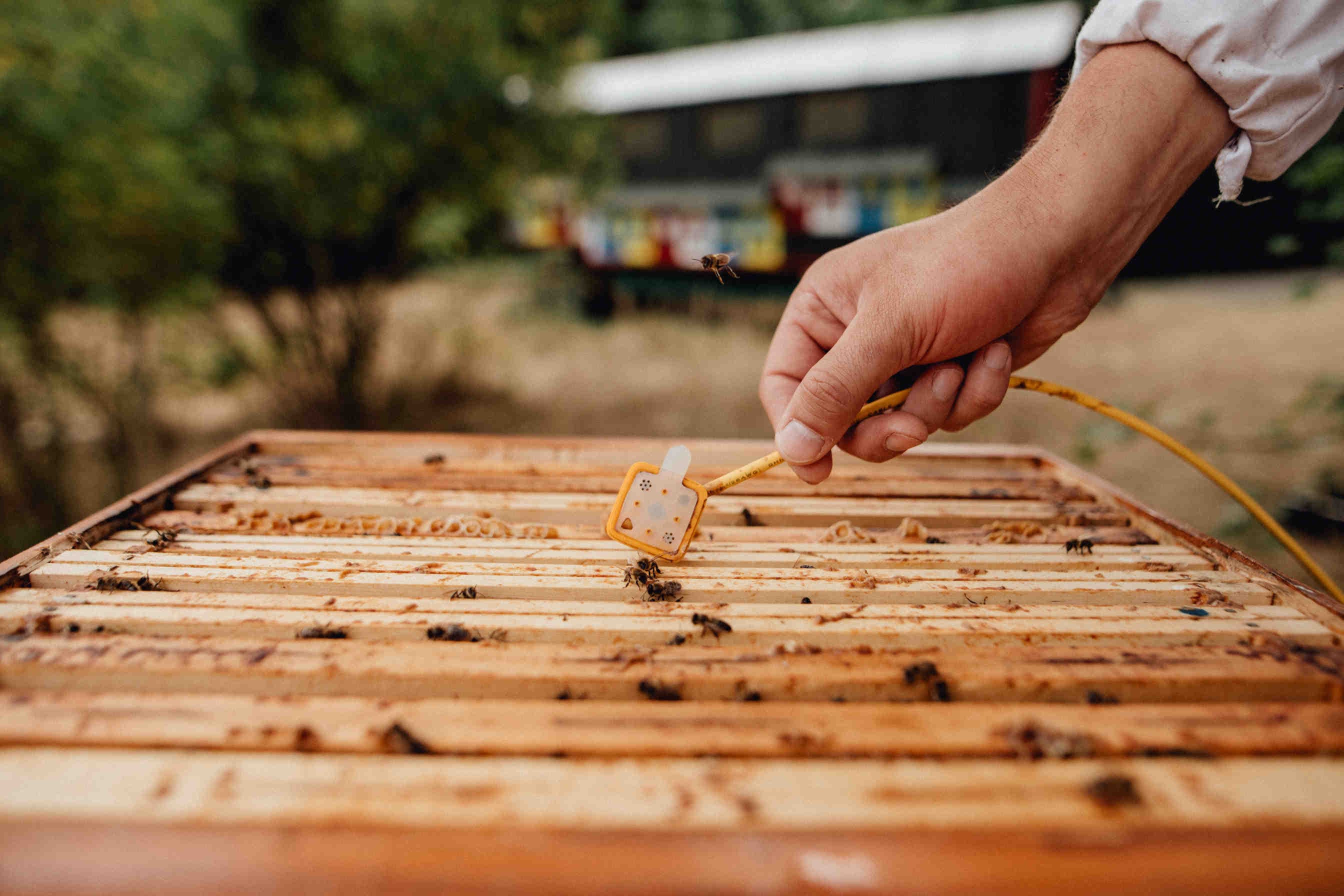
    3Bee is the Nature Tech company that develops technologies for the protection of biodiversity. 3Bee Hive-Tech is 3Bee's first system for analysing the health and 'starvation' status of honeybees, environmental pests par excellence. Over time, we have developed other technologies to study and monitor all the pollinating insects and created more than 200 Oases of Biodiversity with thousands of nectariferous plants to provide them with nourishment. Thus, we want to create a virtuous circle: our beekeepers are transformed by necessity into Oasis growers and promoters of environmental biodiversity. We do not encourage massive production and intensive breeding, which have a negative impact on biodiversity and pollinators. We do, however, recognise the value of honey as a valuable symbol of the biodiversity of an environment and a tool for disseminating the commitment and protection of an area, to be consumed sparingly and with respect for the life cycle of these insects.

    3Bee Hive-Tech

    Sunflower honey: what is it and where does it come from?

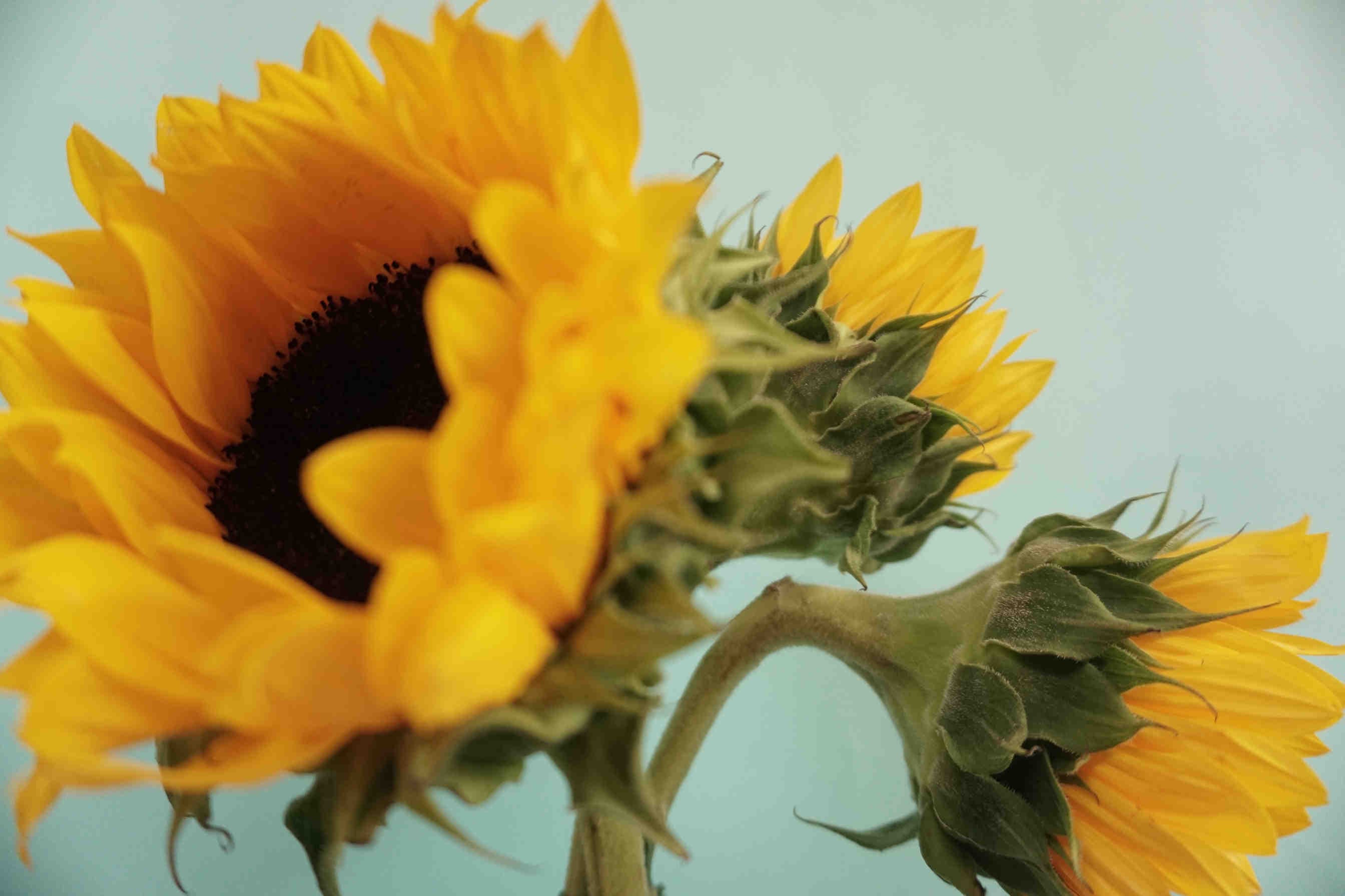
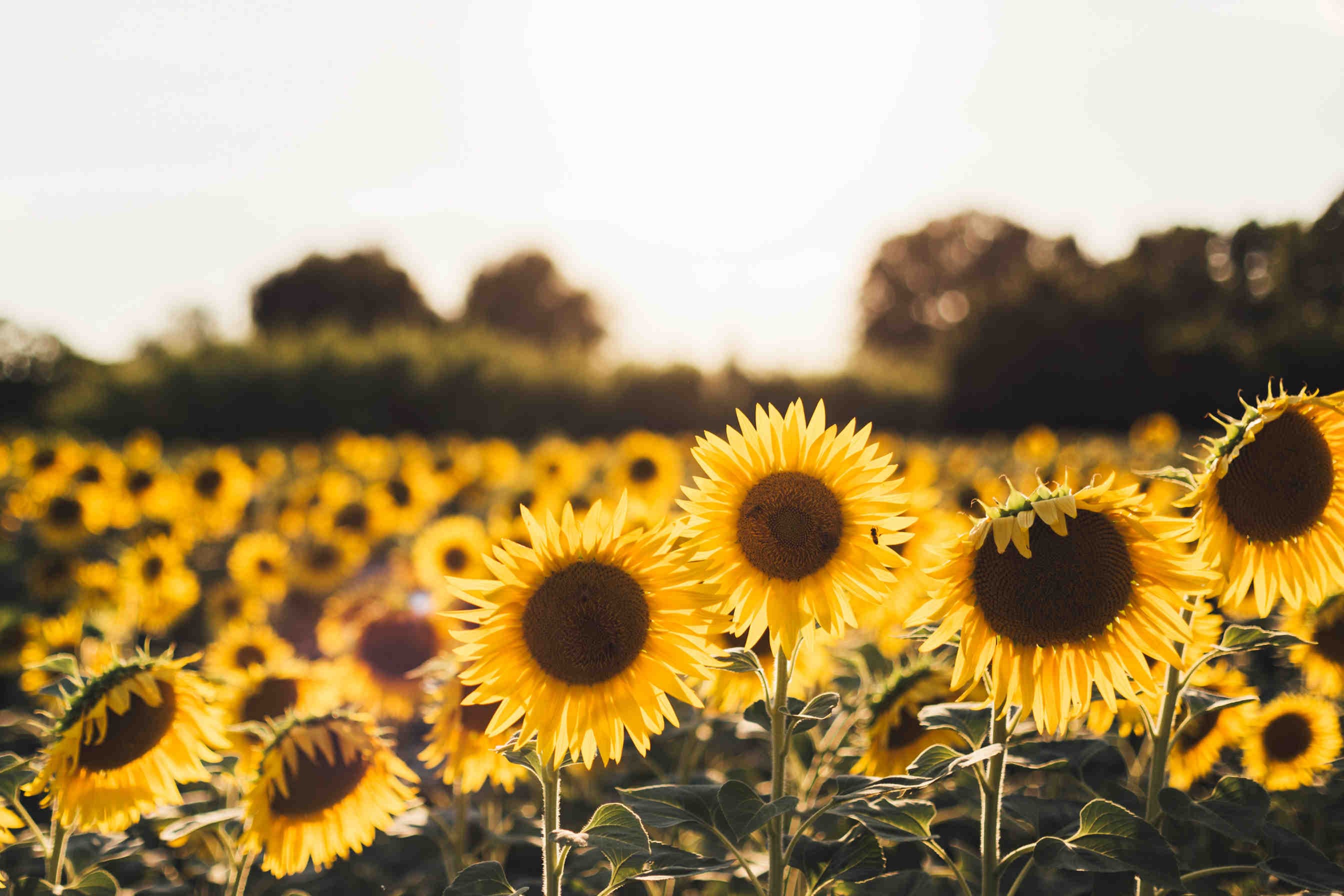
    How many times have we stood in awe in front of a field of sunflowers? A plant that belongs to the Asteraceae family, a group with the largest number of species. The sunflower is so called because of its particular aptitude for movement: it moves by following the direction and movement of the sun throughout the day. It can be found throughout much of the country, being a crop that is adapted to warm, Mediterranean climates. July is the flowering month for sunflowers, a plant rich in nectar and pollen.
    Sunflower honey: what is it and where does it come from?
    XNatura

    Sunflower honey: characteristics

    Sunflower honey is bright yellow in colour, crystallises quickly and generally evenly and creamy. In the mouth, it is aromatic with a fresh sensation. The smell is reminiscent of straw and wax. It is not very sweet and has medium acidity, bitterness is not perceived. It is very often recommended as a sweetener in numerous desserts, such as nougats or in spice cakes. Recommended pairings are with cheeses, such as pecorino or asiago. Among the characteristics and properties of sunflower honey, it has been found to have an excellent antinevralgic and febrificial effect.

    Sunflower honey: benefits and properties

    Like all types of honey, sunflower honey has excellent human health benefits. It is said to be perfect for lowering cholesterol thanks to phytosterols. Not only that, this honey has the ability to remineralise, i.e. a natural mineral salt supplement, rich in calcium and magnesium and therefore recommended for all people with weak bones or who have risk factors for osteoporosis. This honey is just one of the many honeys that are found thanks to the bio-diversity of the Italian territory.

    Sunflower honey: benefits and properties
    XNatura

    Sunflower honey: contraindications and where to find it?

    All honeys, as well as sunflower honey, are not recommended for those suffering from allergies to various hive products or other diseases such as diabetes. It is a good idea to consult your doctor in such situations before consumption to reduce the risks. For those who like this type of honey, we recommend choosing genuine, quality honeys. Our beekeepers who protect bees with technology and produce sunflower honey include: Apicoltura Costenaro, Av Miele or Azienda Agricola Abbabrid. Choose your hive, protect bees and enjoy honey, the symbol of Biodiversity.
    Sunflower honey: contraindications and where to find it?
    3Bee

    Sunflower honey: how to recognise it by its colour?

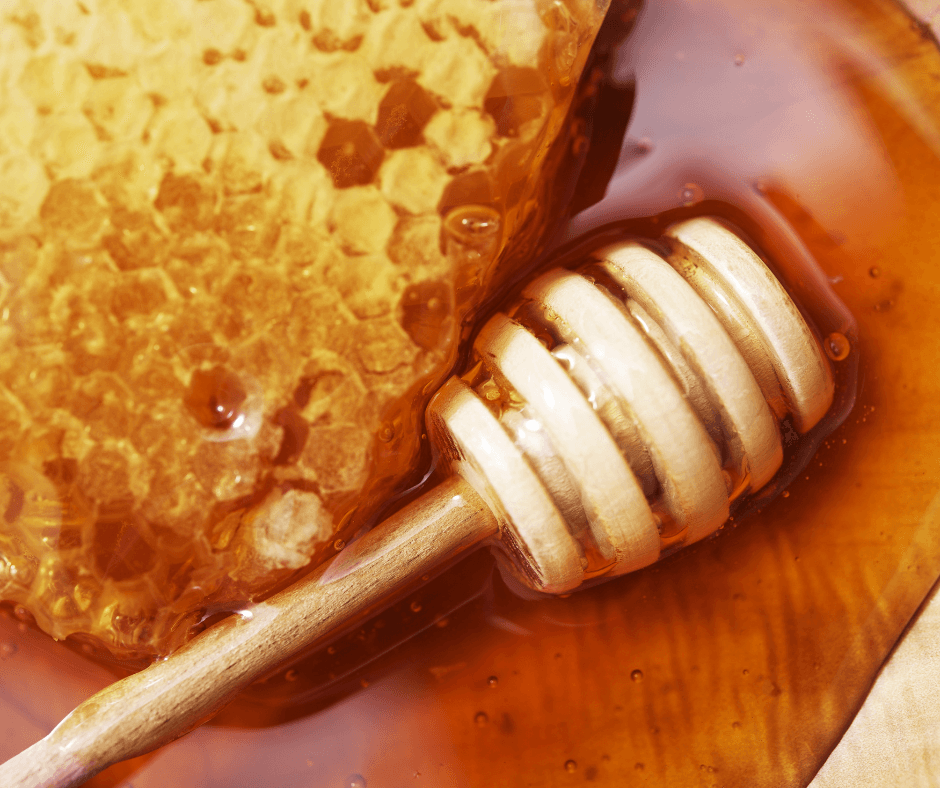
    Sunflower honey has a rapid crystallisation and a very compact consistency, which makes extraction from the jar more difficult. Its deep yellow colour, with golden highlights, makes it easily recognisable. The flavour of Sunflower honey is characterised by a unique and surprising olfactory experience, with hints of apricot jam and home-made preserves. The taste on the palate is fresh and pleasant, but not overly persistent in the mouth. Impossible not to recognise it!

    The importance of honey

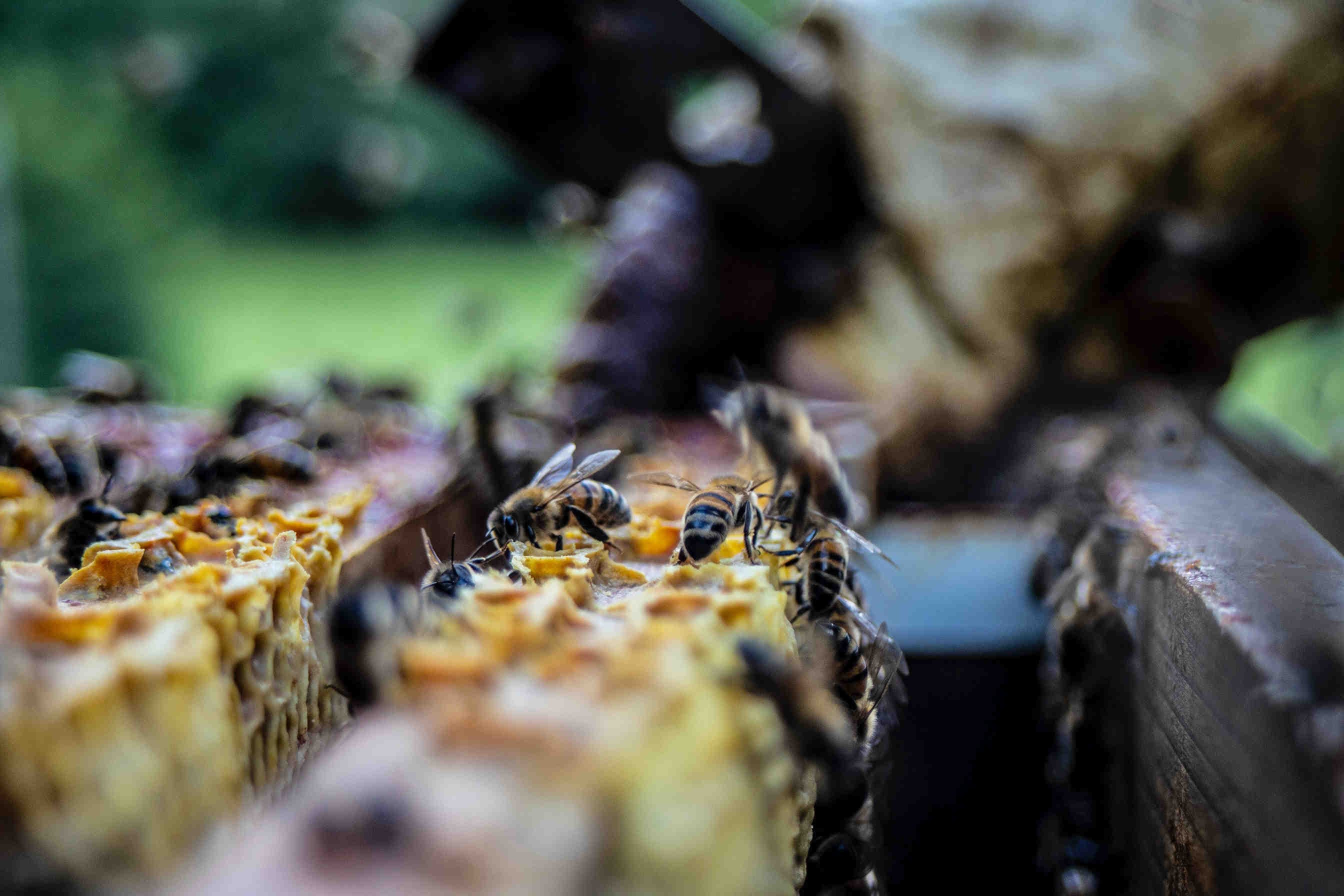
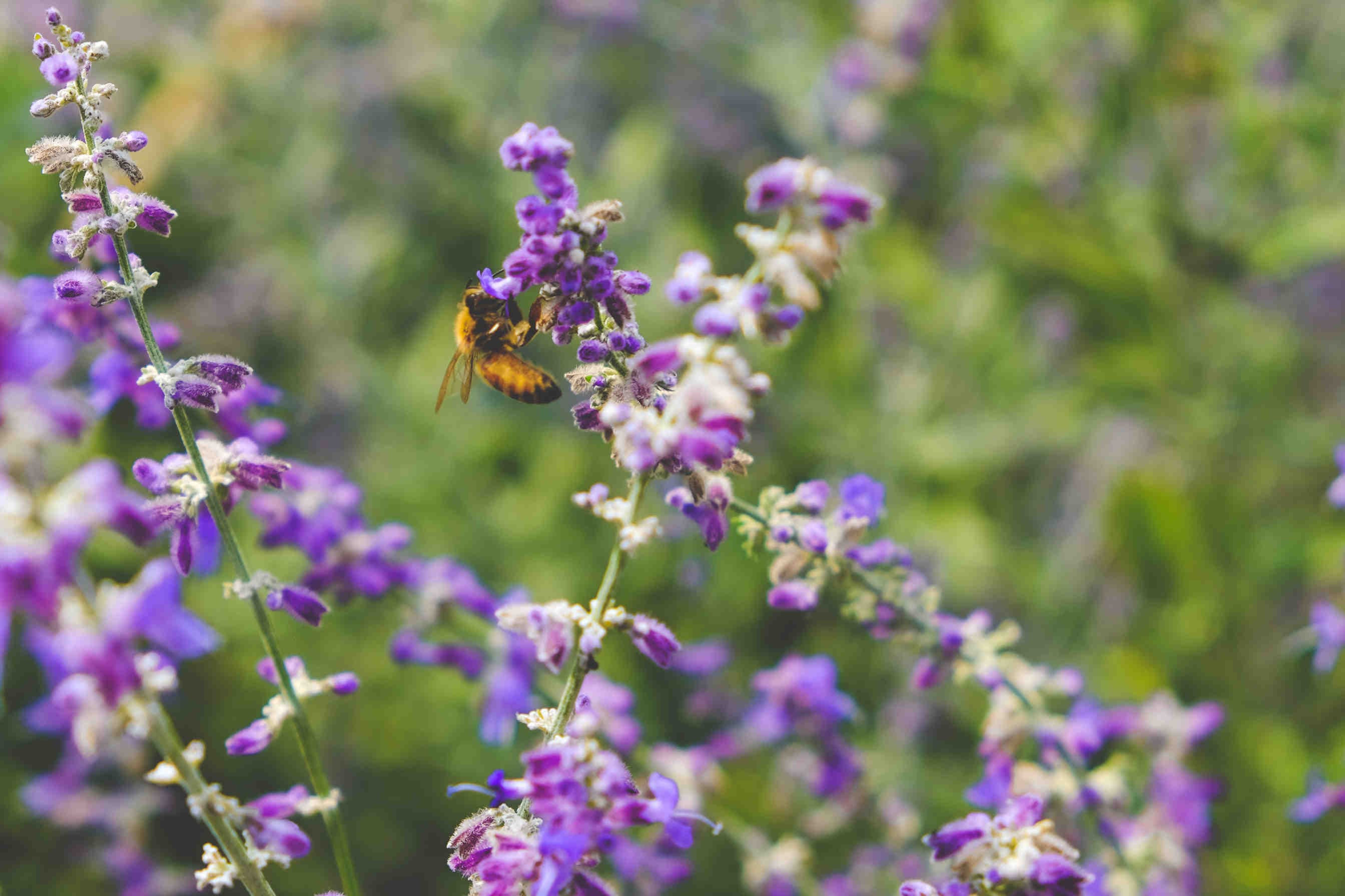
    The information contained in this blog concerns the importance of honey as the fruit of the indefatigable work of bees that transforms the collected nectar (including extra-floral nectar and honeydew) into a precious food product that encompasses the biodiversity with all the countless facets present in the hive's surroundings. On an environmental level, honey is the symbol of the bee's pollination activity, flying from flower to flower to collect nectar and, in so doing, transporting the pollen, becoming the vector for the pollination and reproduction of tens of thousands of plant species. Honey is still a little-known product, often devalued in its quality or sold as a panacea for all ills. Like all foods, however, it must be consumed with moderation and care as it contains a high content of simple sugars. But it is not in its basic values that its most important quality lies.
    The importance of honey

    Importance for the environment

    The aim of this blog is to promote and disseminate a deeper understanding of the crucial role of bees for the safeguarding of our ecosystem and for the continuation of scientific research directed towards the identification of more sustainable agricultural practices aiming at the regeneration of entire areas. The choice of honey goes far beyond what is written on the label. The true value of honey is linked to its method of production, whether it respects bees and the ecosystems they inhabit. Favouring non-intensive beekeeping practices and promoting the best actions to support the health of the hive are the cornerstones of our activity. The beekeeper for us is not a breeder, but a true "Grower": he cultivates, cares for and feeds true oases of biodiversity, paying attention not only to bees, but also to ecosystems and their balance.
    miele e la sua importanza nella ricerca e nell'impollinazione
    04/07/2022Of 3Bee, Elena Fraccaro
    4397 Views
    Newsletter
    newsletter
    Subscribe to the Blog about bees and biodiversity