Sewage crisis in London’s river Thames
    OverviewA lifelineBiodiversityPollution

    Sewage crisis in London’s river Thames

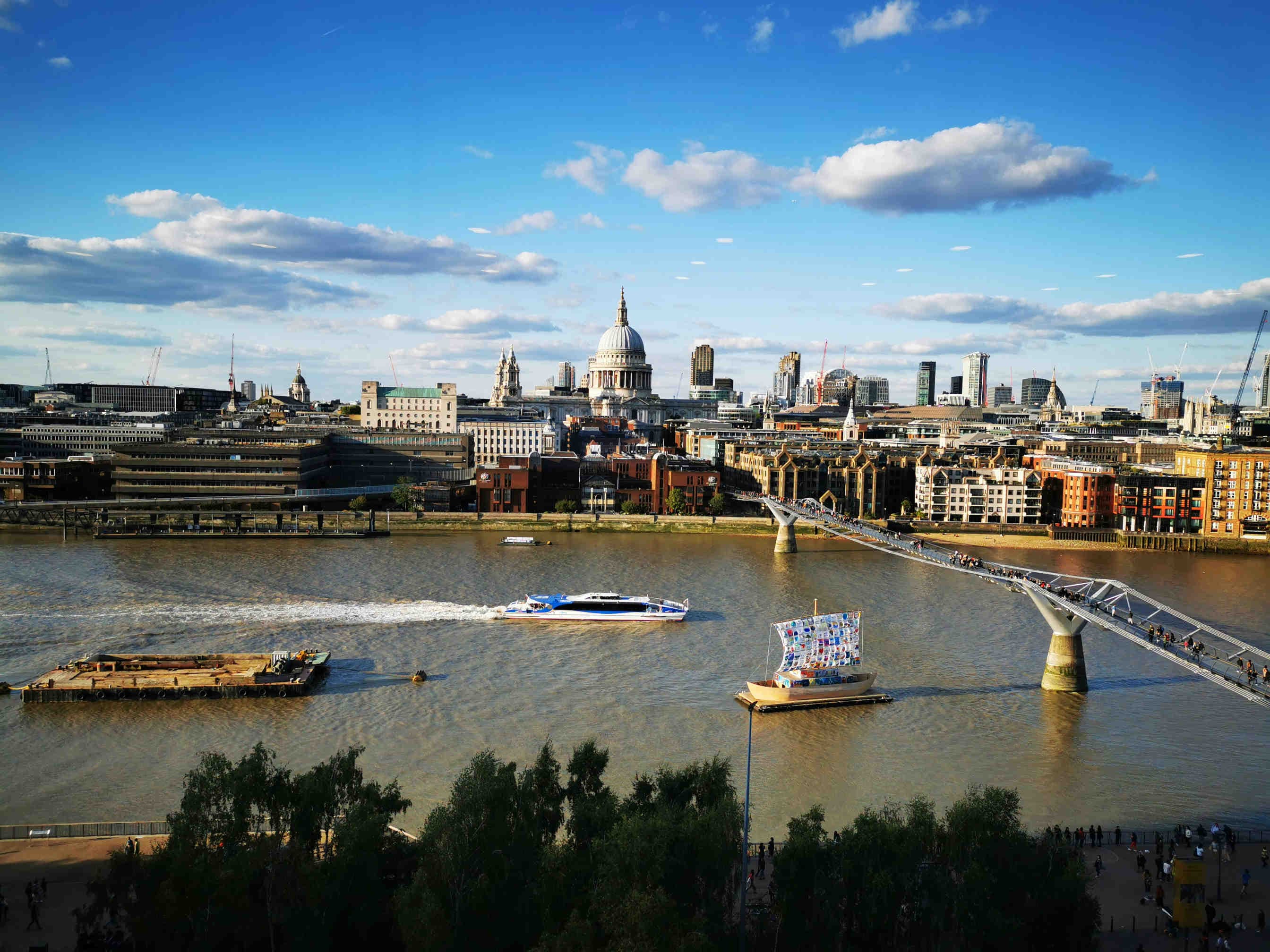
    With the London Eye and House of Parliament standing tall on its banks, the River Thames is one of London’s most iconic landscapes. However, the Thames faces significant threats from climate change and pollution, raising serious concern about the biodiversity in and alongside the river.

    Read the article
    21/06/2024Of 3Bee, Navodi Kuruppu
    1495 Views
    21/06/2024Of 3Bee, Navodi Kuruppu
    1495 Views

    Overview

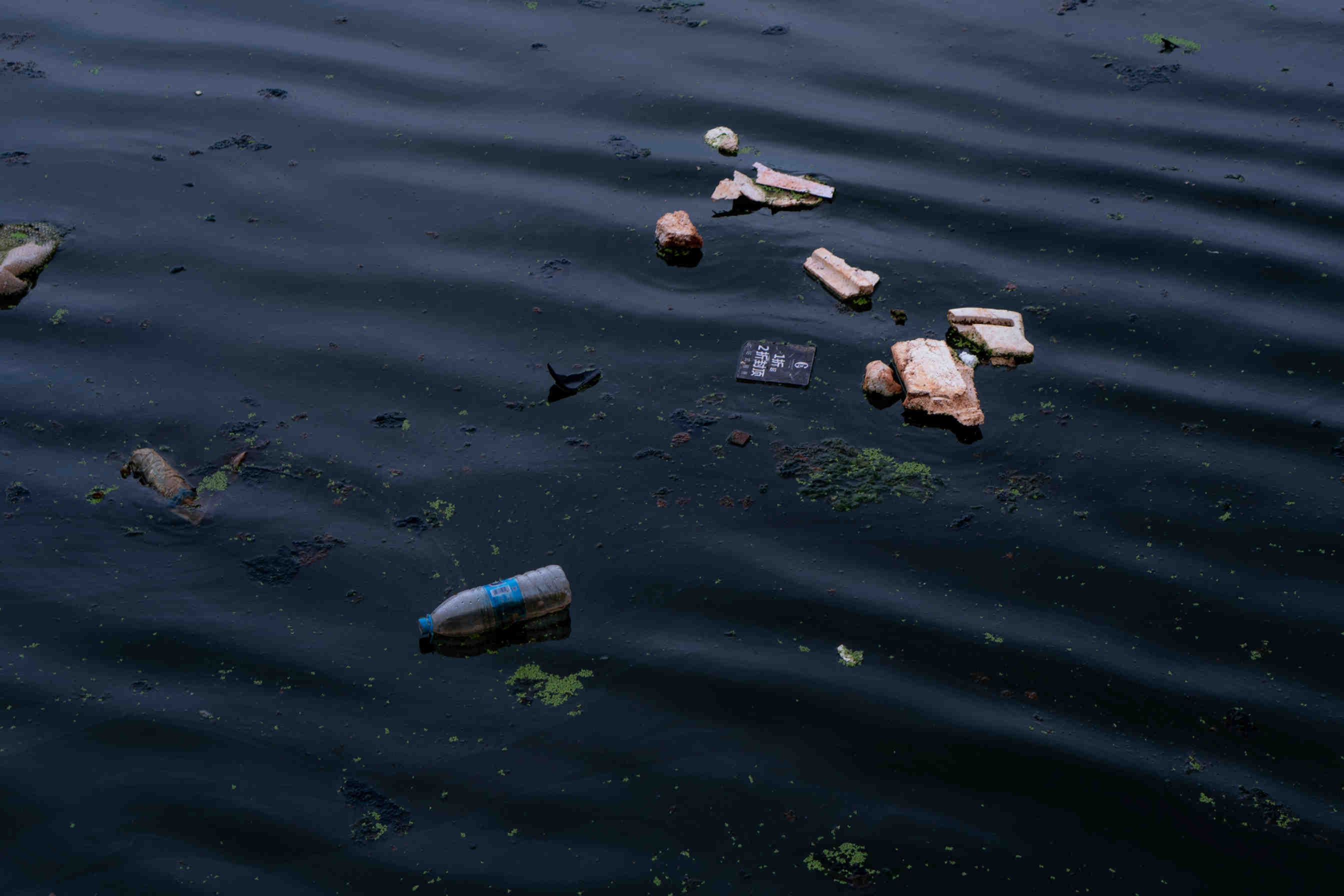
    Recent trends have highlighted the deteriorating state of the River Thames. Various sources have reported on alarmingly high level of E. coli in the river, a bacterium found in faeces that can cause a range of conditions, including bloody diarrhoea, stomach cramps, intestinal infections and vomiting. This contamination comes from sewage directly discharged into the river. The bacteria was discovered through tests carried out around Hammersmith Bridge in March 2024 with a WHO - verified E. coli analyser. The tests revealed an average of 2,869 E. coli colony-forming units (CFU) per 100ml of water. The Environment Agency's water quality standards require the level to be below 1,000 CFU per 100ml. Also, the Thames is overwhelmed with plastic waste and microplastics. Thames21 and the Port of London Authority (PLA) remove at least 200 tonnes of waste from the Thames each year, much of it plastic, posing a significant challenge to both aquatic life and the overall ecosystem of the Thames.
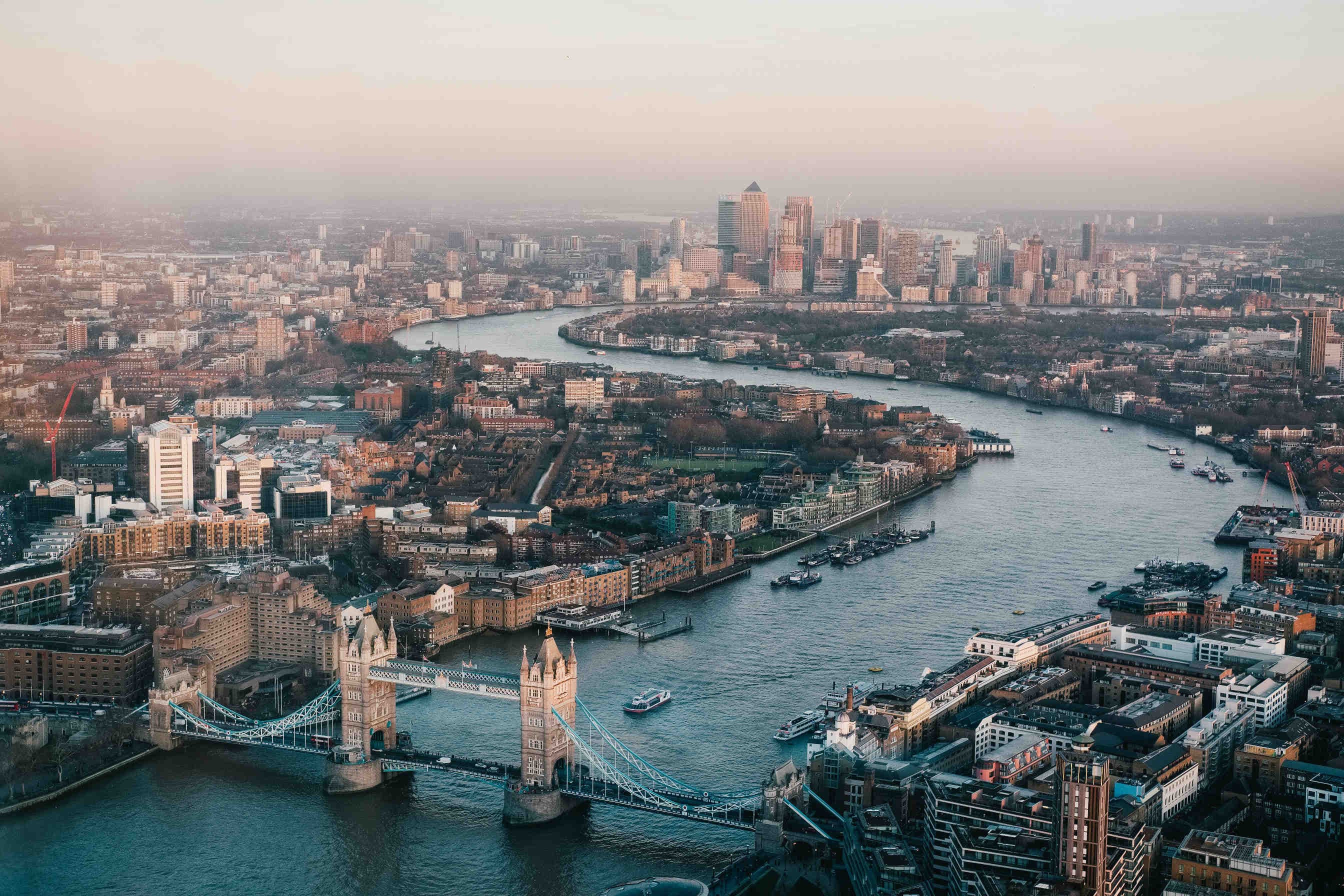
    River Thames

    River Thames, a historical lifeline

    Besides its status as a cultural landmark attracting tourists worldwide, the River Thames has been an important cornerstone in Britain’s history. Before the 1800s, the Thames was a rich habitat for both fresh and saltwater aquatic species, making it a natural home for a significant fishing industry. However, the problems of pollution in the Thames peaked in the mid-1800s with the industrial bloom. From this moment, the river played a significant role in commerce, with increasing trade driving the development of the shipbuilding industry led to the construction of numerous wharves, piers and docks. This was accompanied by a growth in London population of above 2.5 million. The construction of more factories and the wide adoption of flushing resulted in an overwhelming volume of domestic and industrial waste being discharged directly into the river. Nowadays, pollution in the Thames affects both wildlife and humans.

    London Bridge vintage
    XNatura

    Biodiversity of the Thames

    The Thames represents the largest continuous natural habitat in London. Despite centuries of the negative anthropogenic actions, which led the Thames to be declared biologically dead in 1957, wildlife has managed to find niches where to thrive. There are a variety of habitats along the Thames and its tributaries – riverbank, tree lines, wet woodland, ponds, grazed water meadows, hedgerows, scrub, wetlands and open parkland. These environments are crucial for a variety of both terrestrial and aquatic animals. According to the ZSL, there are around 125 species of fish in the Thames including seabass, dover sole, flounder, and cucumber smelling smelt. The river also serves as a key nursery ground for many of these species, with its nutrient-rich brown waters providing essential sustenance for their growth and development.

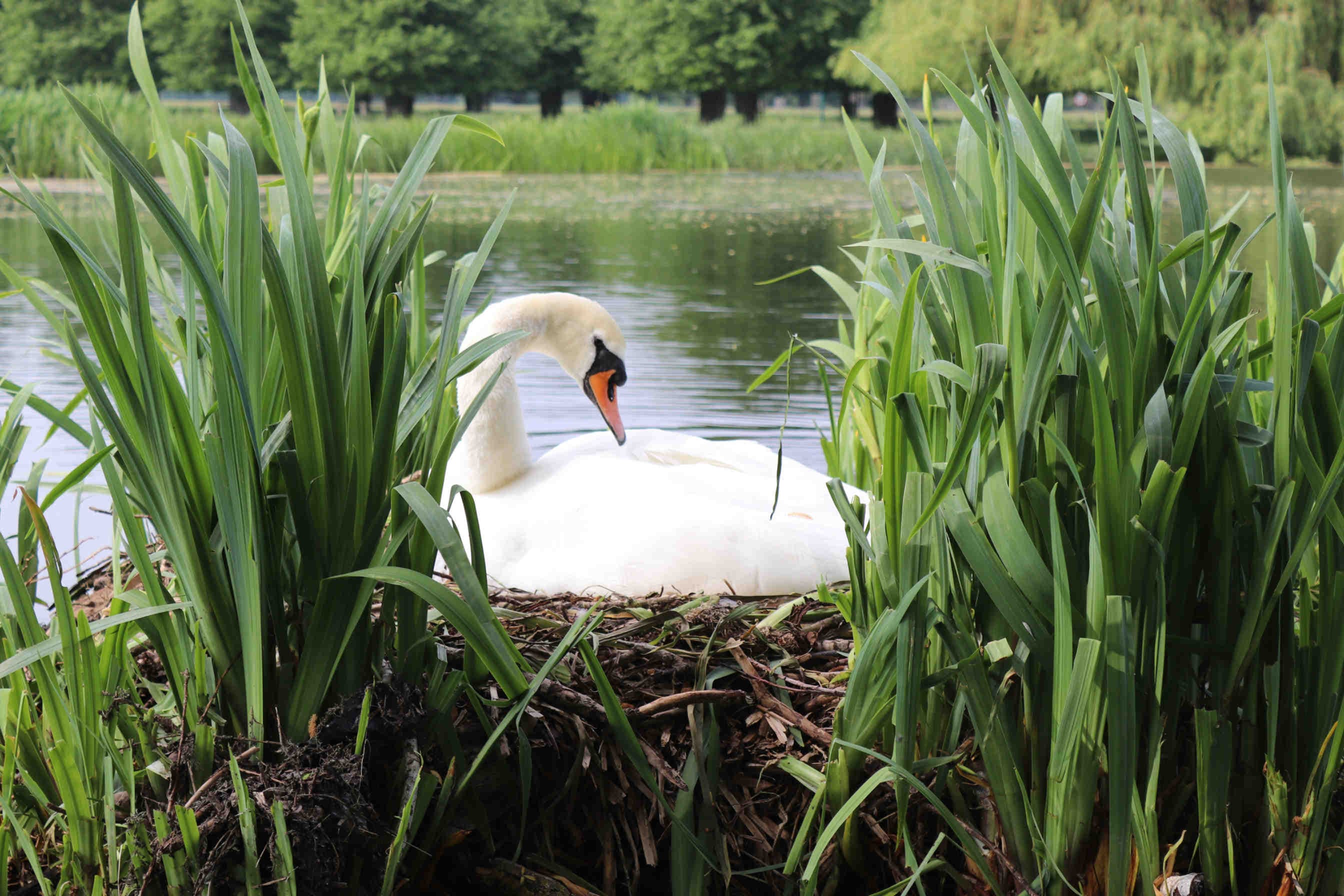
    A swan in Kingston Upon thames

    Pollution and habitat loss

    The two most significant threats to the biodiversity of the Thames in London are sewage pollution and the loss of intertidal habitat due the encroachment of built development. Since the beginning of 2024, the British private utility company Thames Water has been unloading human waste into the Greater London area of the River Thames for approximately 1914 hours, equivalent to 79 days. This has exacerbated pollution levels of the waters, particularly in central London reaches, where the river has already been severely constricted. At low tide, only a narrow fringe of foreshore is exposed, limiting available habitats. Further encroachment is likely to prevent or hinder fish movements and restrict opportunities for diversifying riverside habitats, posing a continued threat to the river’s ecological balance.

    Water pollution
    XNatura

    Rising risks with climate change

    According to State of the Thames report, climate change is a major challenge that has caused the river’s temperature to increase by 0.2C annually. Rising water levels in the Thames increase the risk of water flooding around the capital like in Silvertown, where there's been an average increase of 4.26mm per year since 1990. Also, in summer 2021, London experienced significant flash flooding caused by the rain around the city. This led to damage and disruption to houses and businesses and many residents had to find alternative accommodation, as their houses were flooded with stormwater and sewage.
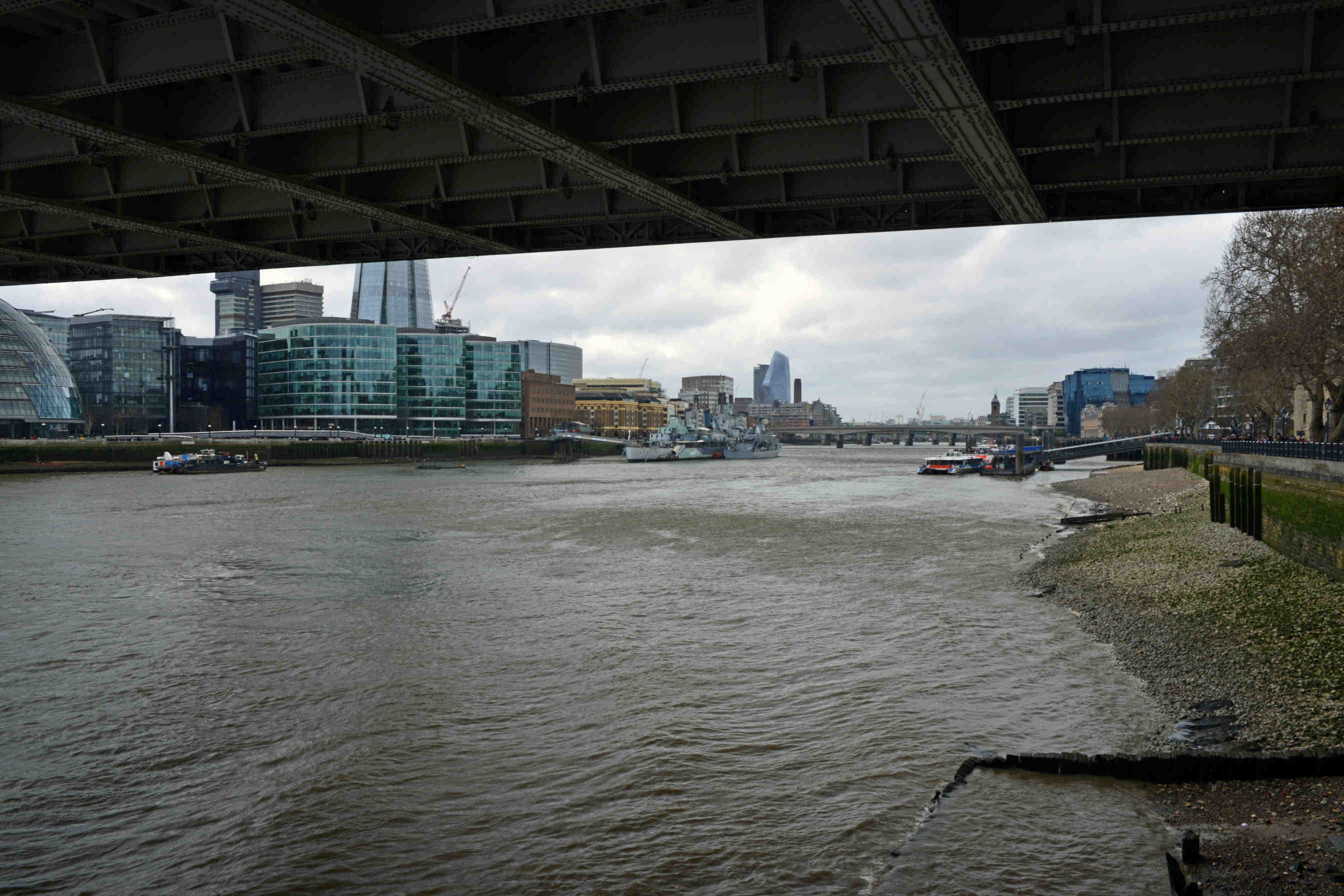
    A view of the thames from under a bridge
    3Bee

    Management of Thames water

    Due to the urgency of the environmental challenges of the Thames, the UK government and the Greater London Authority (GLA) must take action to protect the biodiversity of the river and secure a sustainable water supply system for the capital. The Water Industry Act (1991) defined the roles and duties of three organisations that currently operate in London. Firstly, the Environment Agency (EA) is responsible for the environmental water quality; secondly, Thames Water is responsible for the drinking water quality and lastly, Ofwat is responsible for financial and regulatory supervision. In view of the fragmented management system, it is essential for these three organisations to work together and address the urgent issues of polluting and climate change affecting the Thames.

    Union jack flag

    Efforts to mitigate pollution

    Sewage discharge has been shown to significantly affect water quality and the riverine ecosystem in UK rivers. In addition to the ecological impacts, this issue presents significant risks to human health if the contaminated water is used for drinking, recreation, or agriculture. Over the years, a series of projects have been initiated to address the sewage discharge and pollution of the Thames. The Thames Tideway Tunnel, also called the “super sewer” is one the most significant projects in place to reduce sewage overflow into the river. The 25-kilometer tunnel, set to be completed by 2025, will capture and store excess stormwater and sewage, as a form of prevention from polluting the river.
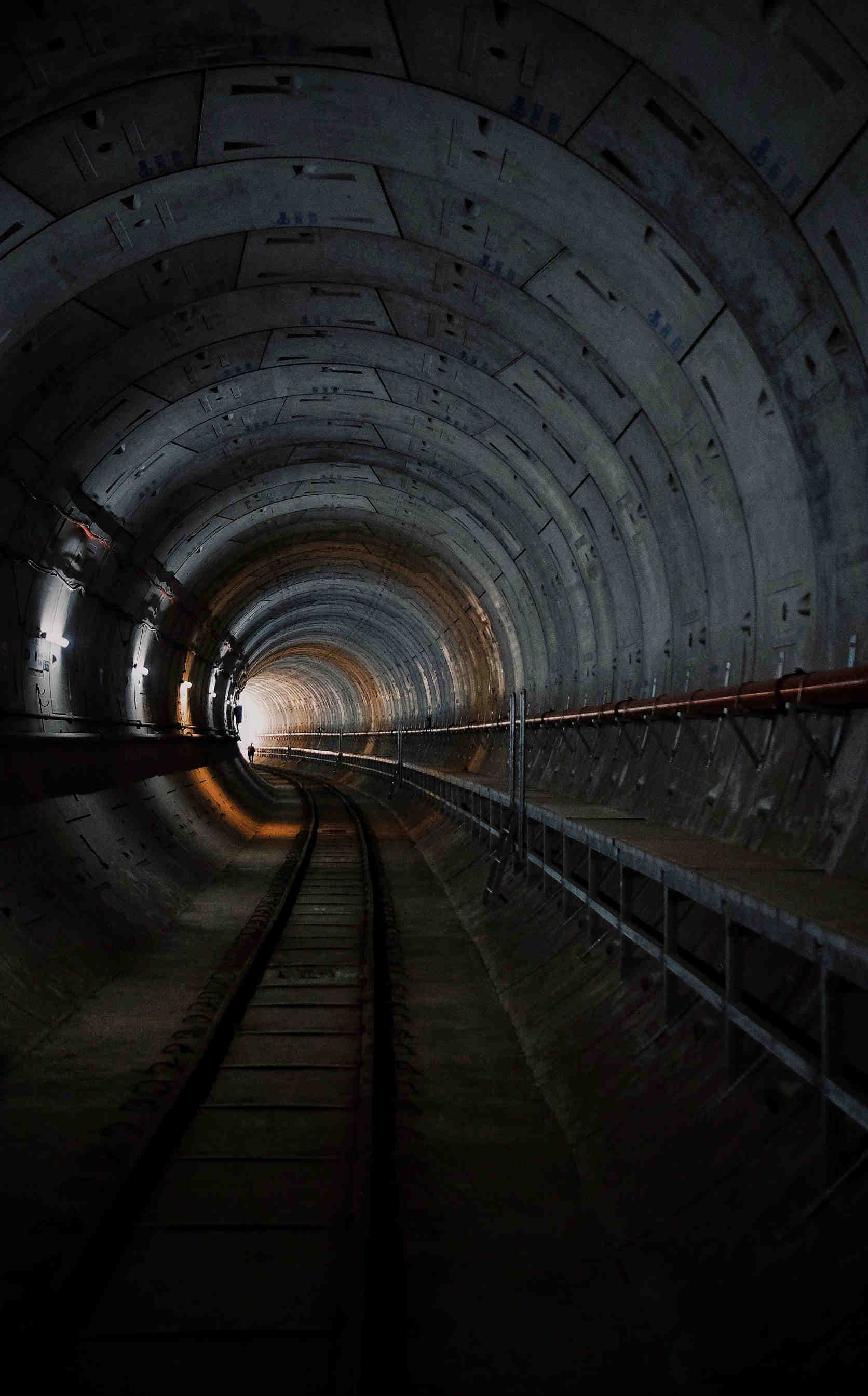
    Thames Tideaway Tunnel

    The future ahead

    With London aiming to be zero-carbon city by 2050, the city must also address other areas of sustainability, beyond just reducing CO2 emissions. The city must develop a comprehensive strategy that encompasses measures to address the challenges facing its aquatic "lifeline," which not only defines its character but also supports hundreds of animals and plant species, playing a key role in London’s ecosystem. Raising awareness through campaigns can encourage behaviour changes to tackle pollution. However, it's essential for the tripartite water management system, UK government, and the GLA to collaborate closely to address the sewage problem in the river more effectively.
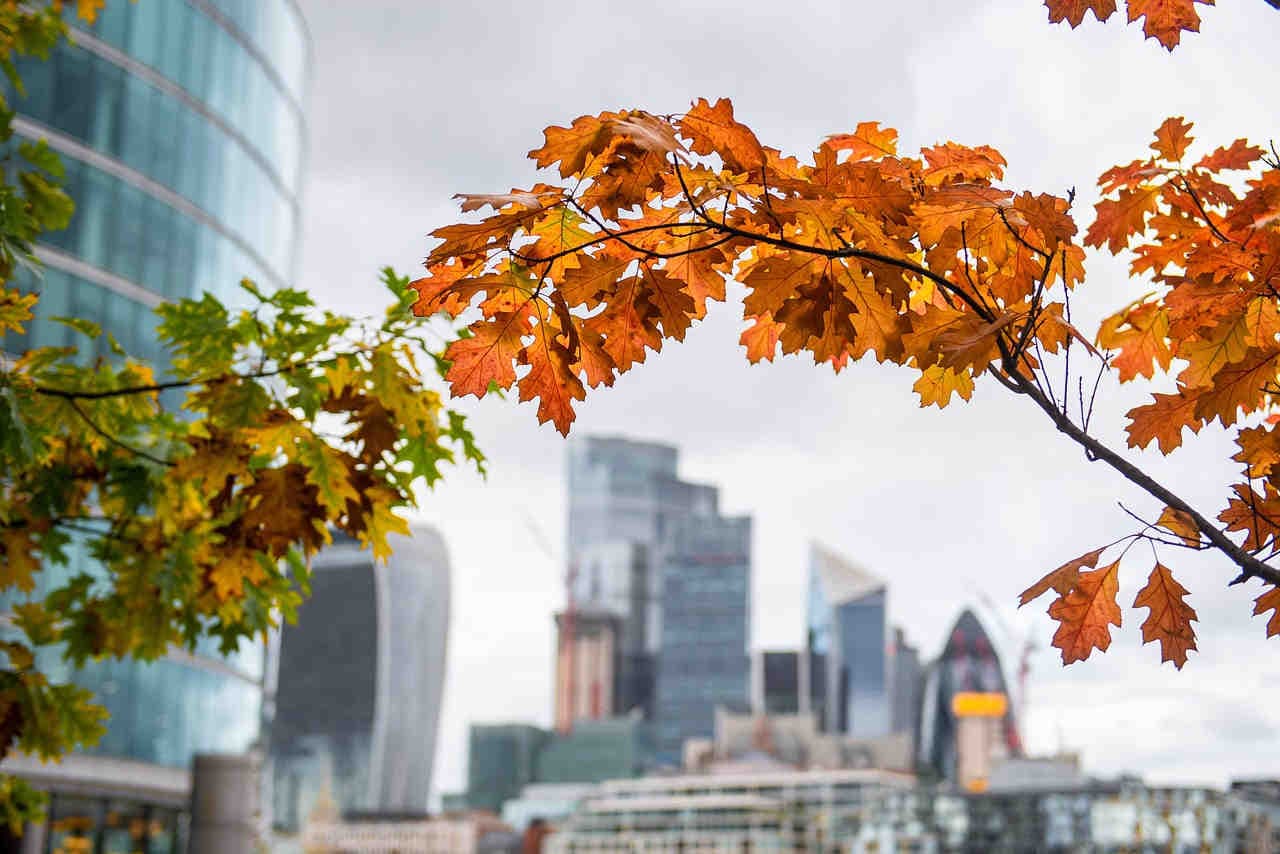
    London in autumn
    21/06/2024Of 3Bee, Navodi Kuruppu
    1495 Views
    Newsletter
    newsletter
    Subscribe to the Blog about bees and biodiversity

    Frequently Asked Questions

    Do you have any doubts or other curiosities about this article? Here you will find some insights