Rare and Precious Honeys
    3Bee approachSavoryStregoniaIndigo

    Rare and Precious Honeys

    At 3Bee, honey is a symbol of the hard work of pollination performed by bees and the realisation of their contribution to the ecosystem. Our projects support biodiversity and through our growers ensure a healthy environment for pollinators.

    Read the article
    03/07/2020Of 3Bee, Elena Fraccaro
    1142 Views
    03/07/2020Of 3Bee, Elena Fraccaro
    1142 Views

    3Bee's approach to biodiversity protection
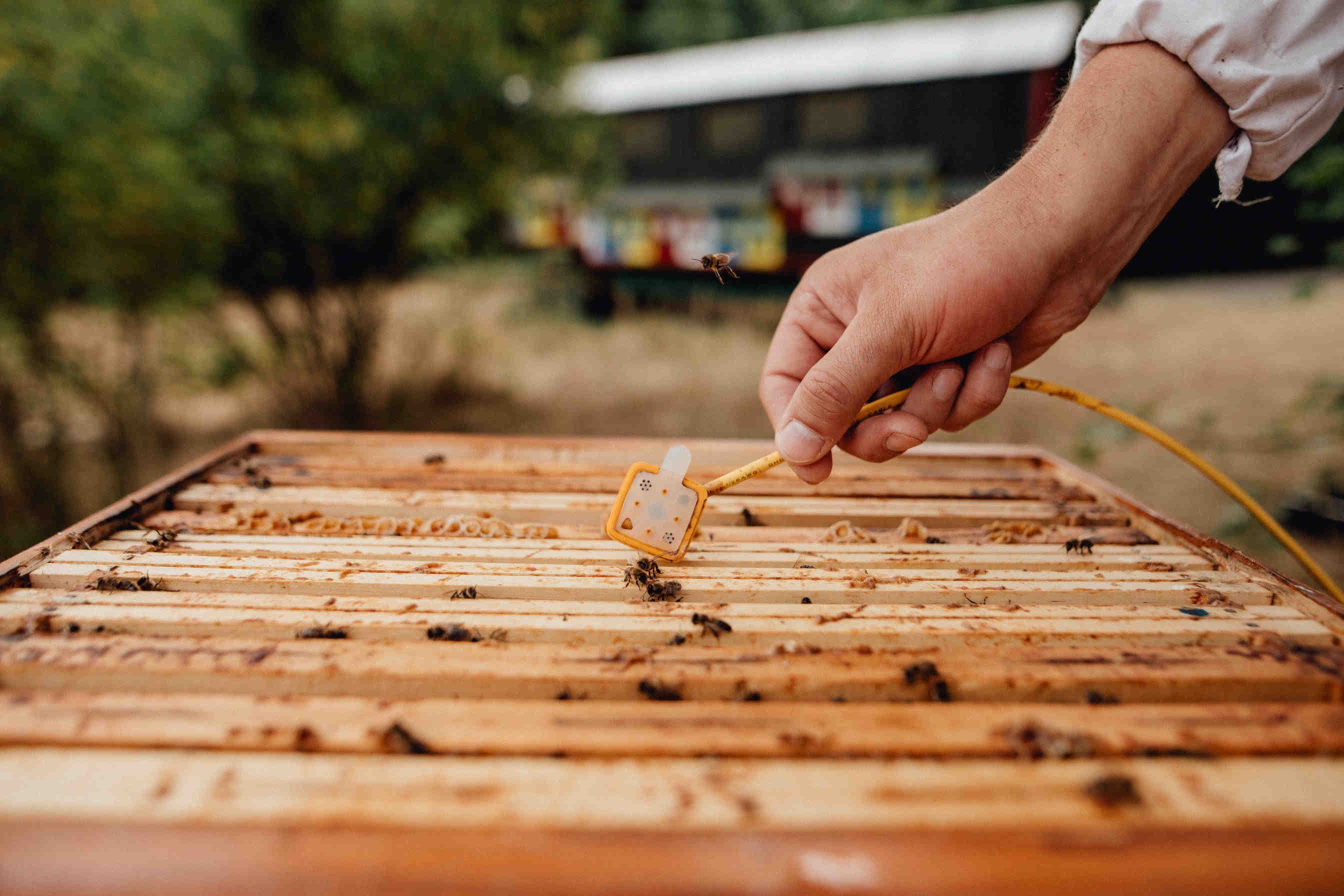
    3Bee is the Nature Tech company that develops technologies for the protection of biodiversity. 3Bee Hive-Tech is 3Bee's first system for analysing the health and 'starvation' status of honeybees, environmental bees par excellence. Over time, we have developed other technologies to study and monitor all the pollinating insects and created more than 200 Oases of Biodiversity with thousands of nectariferous plants to provide them with nourishment. Thus, we want to create a virtuous circle: our beekeepers are transformed by necessity into Oasis growers and promoters of environmental biodiversity. We do not encourage massive production and intensive breeding, which have a negative impact on biodiversity and pollinators. We do, however, recognise the value of honey as a valuable symbol of the biodiversity of an environment and a tool for disseminating the commitment and protection of an area, to be consumed sparingly and with respect for the life cycle of these insects.

    3Bee Hive-Tech

    Summer savory honey

    Savory honey is produced from Santureja montana, which belongs to the same family as thyme. Not surprisingly, in Abruzzo it is known as 'thyme honey'. The savory is a small shrub reaching 15-20 cm in height. Its flowers, red or white, bloom between May and June. Known since Roman times, this plant is widely used in the kitchen to enhance the taste of dishes, especially pulses, and for the preparation of various sauces and dressings. In antiquity, it was recognised as having aphrodisiac powers and was an indispensable ingredient in love potions. This honey with its clear amber colour and green hues has a persistent but pleasant odour and flavour. It has a soft consistency and fine crystallisation.

    Summer savory honey
    XNatura

    Witchcraft honey

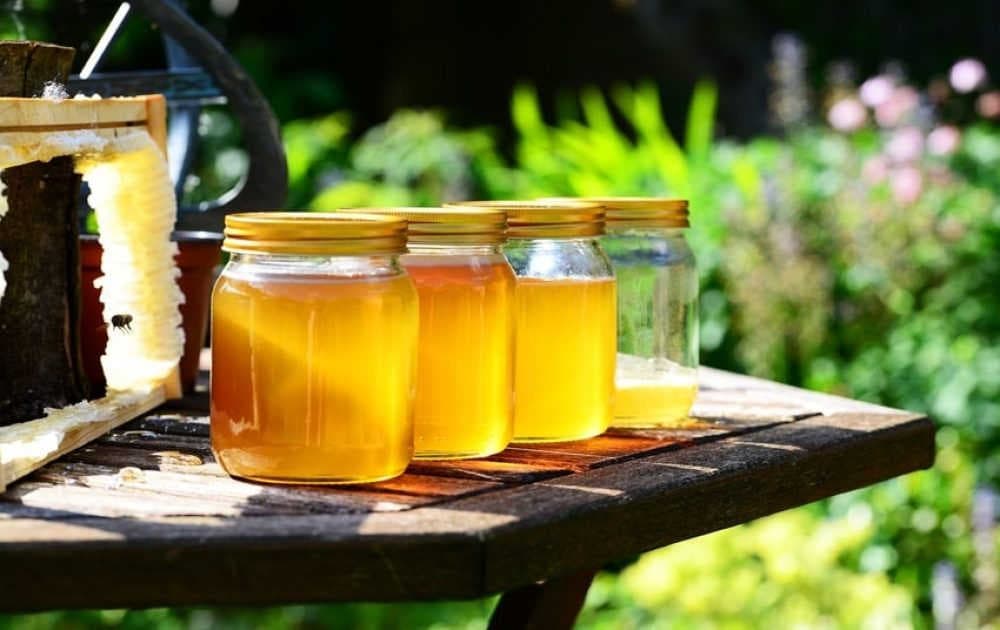
    Stregonia is a plant native to the eastern Mediterranean. In our country, it is mainly found in the central and southern regions. This plant, which can grow up to 40 cm high, flowers between the months of May and July. However, it is not easy to come across stregonia because it grows above 1300m altitude, mainly in garrigue or Mediterranean grassland environments. Bees also collect nectar from these flowers and manage to produce an incredible, extremely rare honey. In Italy, in fact, the only monofloral production that can be had is in Abruzzo. The conditions in which this plant grows do not make it easy for bees or beekeepers to produce this honey. Often, in fact, hives have to be positioned on steep and inaccessible terrain and this greatly discourages production. Stregonia honey is a very clear honey, which tends to remain liquid for a long time. It is very delicate on the palate.
    Witchcraft honey

    Indigo honey

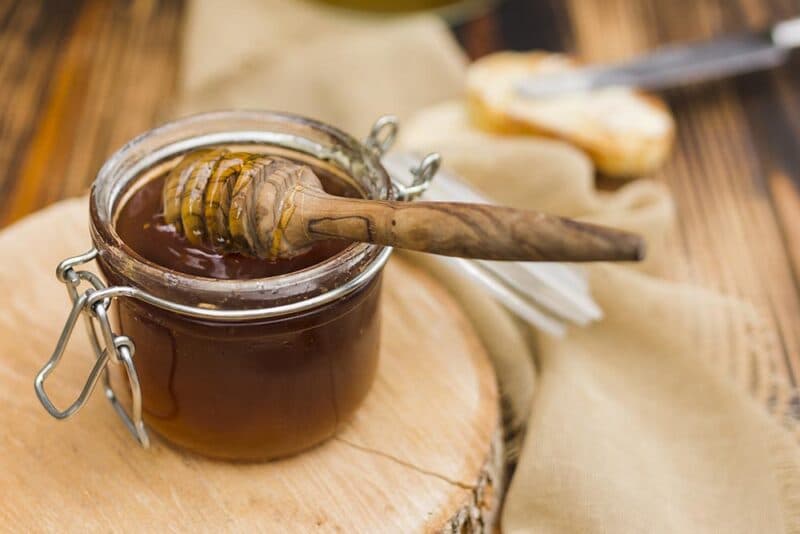
    Indigo, better known as false indigo or Amorpha fructicosa, is a shrub native to North America. Imported into our country for the reclamation of marshy areas, it grows without any special care, mainly near the course of rivers, and flowers between late spring and early summer. The beautiful red-purple spike-shaped flowers are particularly popular with bees, from which they collect both pollen and nectar. It is precisely with the nectar that bees produce a particularly valuable honey, which is not easy to produce. To the eye it is orange in colour when liquid, taking on pinker tones once crystallised. The taste is medium intense and fruity, the flavour is delicate and pleasant and reminiscent of fruit jellies. Precisely because of this not-too-intrusive flavour, it has many uses in the kitchen. It is excellent with game and in combination with various types of cheese.
    Indigo honey
    XNatura

    Coriander honey

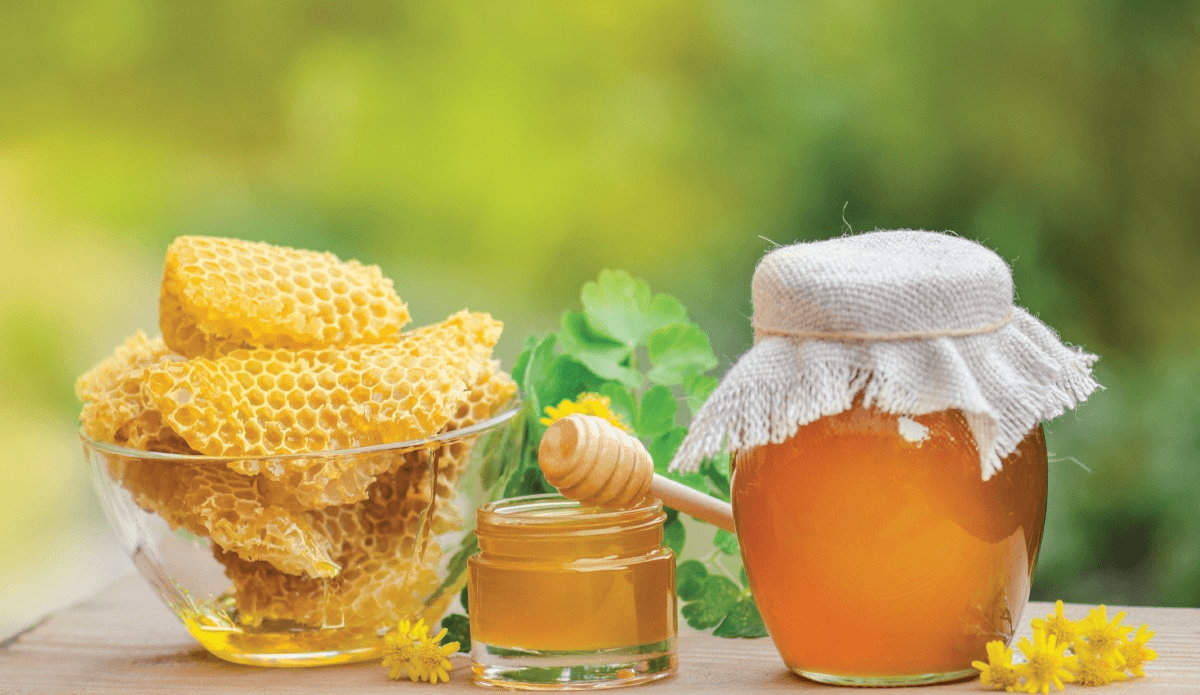
    Coriander honey is a rare and prized honey that has only recently been able to be produced as a monofloral honey because the cultivation of this aromatic and medicinal plant has increased considerably. Although the flower has an odour that is not so pleasant to our sense of smell, its nectar is much appreciated by bees. This honey is mainly produced in the Marches, Emilia Romagna and Abruzzo, between the months of May and July, when the coriander flowers. In its liquid state it is amber/amber, but when it crystallises it takes on an almost pearl/golden colour and a dense, compact consistency. It has a very characteristic, aromatic and vegetal odour. The flavour, on the other hand, is medium sweet, with a refreshing, balsamic note, but also reminiscent of coffee and chocolate. It goes very well with meats and mature cheeses. It is also used as a sweetener.
    Coriander honey
    3Bee

    Marruca honey

    The marruca is a spontaneous shrub typical of the Mediterranean maquis. It is very common in the Maremma hills and flowers between the months of May and June. Its branches are particularly thorny, which made them particularly popular for building fences around pastures. During the flowering period, bees collect the nectar from its yellow flowers and produce an extremely special honey that is rare to obtain. This honey is mainly produced in Tuscany, Lazio, Abruzzo and Basilicata. To the eye it is light red, soft, with amber reflections, with a medium tendency to crystallise. The flavour is reminiscent of caramel, although a slightly sour aftertaste may be noted. In popular tradition, it is attributed anti-inflammatory stomach and diuretic effects. In cooking, it is much appreciated in combination with pecorino and blue cheeses.

    Marruca honey

    Sainfoin honey

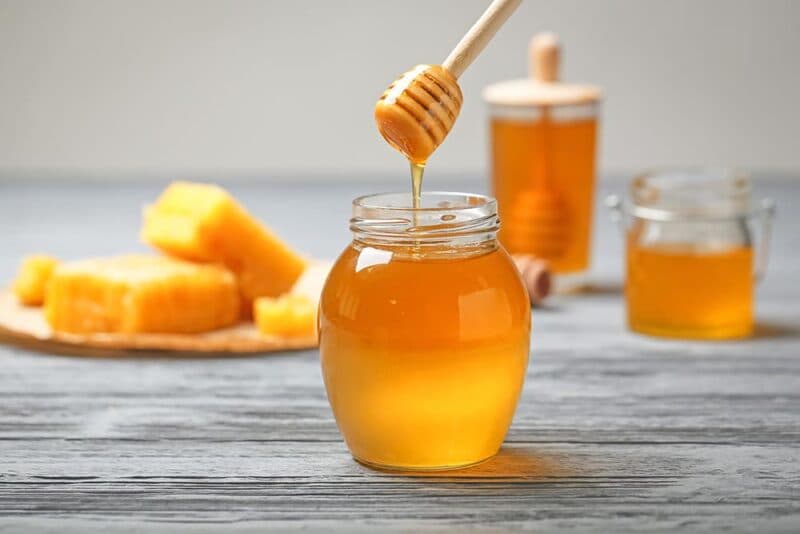
    Sainfoin is a perennial herbaceous plant that grows in meadows and pastures up to 2200m. It is particularly widespread in the northern and central Appennines and the Alps. Its beautiful pink-purple flowers bloom between May and August and provide bees with plenty of nectar, from which they obtain a monofloral honey only in the mountainous areas of central Italy. Sainfoin honey is therefore rather difficult to produce. It has a very light, almost golden colour, with a smell and aroma of low intensity and a slightly fruity note. It is widely used in combination with drinks, sauces and dishes when there is a need to sweeten them, but is also appreciated in the preparation of homemade desserts.
    Sainfoin honey

    Adapt a 3Bee hive and enjoy rare honeys

    These rare and valuable honeys are therefore not easy to find, but our 3Bee beekeepers manage to produce them in limited quantities. You can receive these very special honeys, which can only be produced in certain areas and only in favourable years, directly to your home by choosing to adopt the hive of one of the 3Bee beekeepers. Choose your hive and receive its honey QUI. You can monitor your hive for a whole year and choose the honey to receive directly at home!
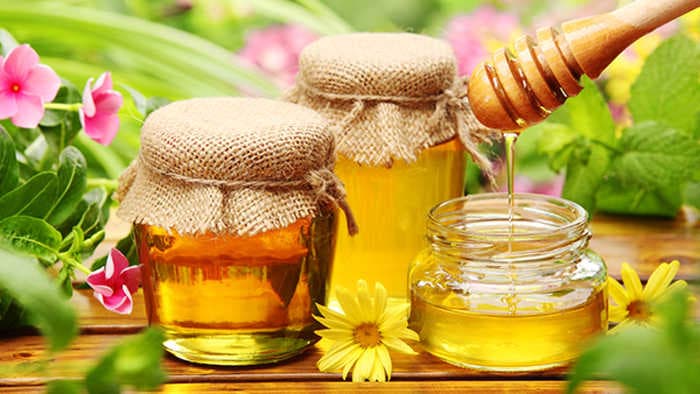
    Adapt a 3Bee hive and enjoy rare honeys
    03/07/2020Of 3Bee, Elena Fraccaro
    1142 Views
    Newsletter
    newsletter
    Subscribe to the Blog about bees and biodiversity