Quercus: a multifaceted genus
    QuercusEcologyFlowersPollination

    Quercus: a multifaceted genus

    The oak is a plant with a fascinating history and symbolism dating back thousands of years. This tree is often associated with elements such as strength, longevity and endurance, characteristics that suit it perfectly. However, there is much more to discover about it.

    Read the article
    16/08/2024Of 3Bee, Alessia Mircoli
    611 Views
    16/08/2024Of 3Bee, Alessia Mircoli
    611 Views

    Quercus: a collection of about 500 species

    To speak of oak is inaccurate: it is not a species, but a genus. Quercus, in fact, is a genus of plants belonging to the Fagaceae family. This comprises some 500 species, both deciduous and evergreen, a dozen of which are found in Italy. In general, with a few exceptions, the best-known oaks share the typically imposing habit, with broad foliage of different shapes and more or less dense depending on the species. However, what differentiates them is the presence of their unmistakable fruits: the ghiande.
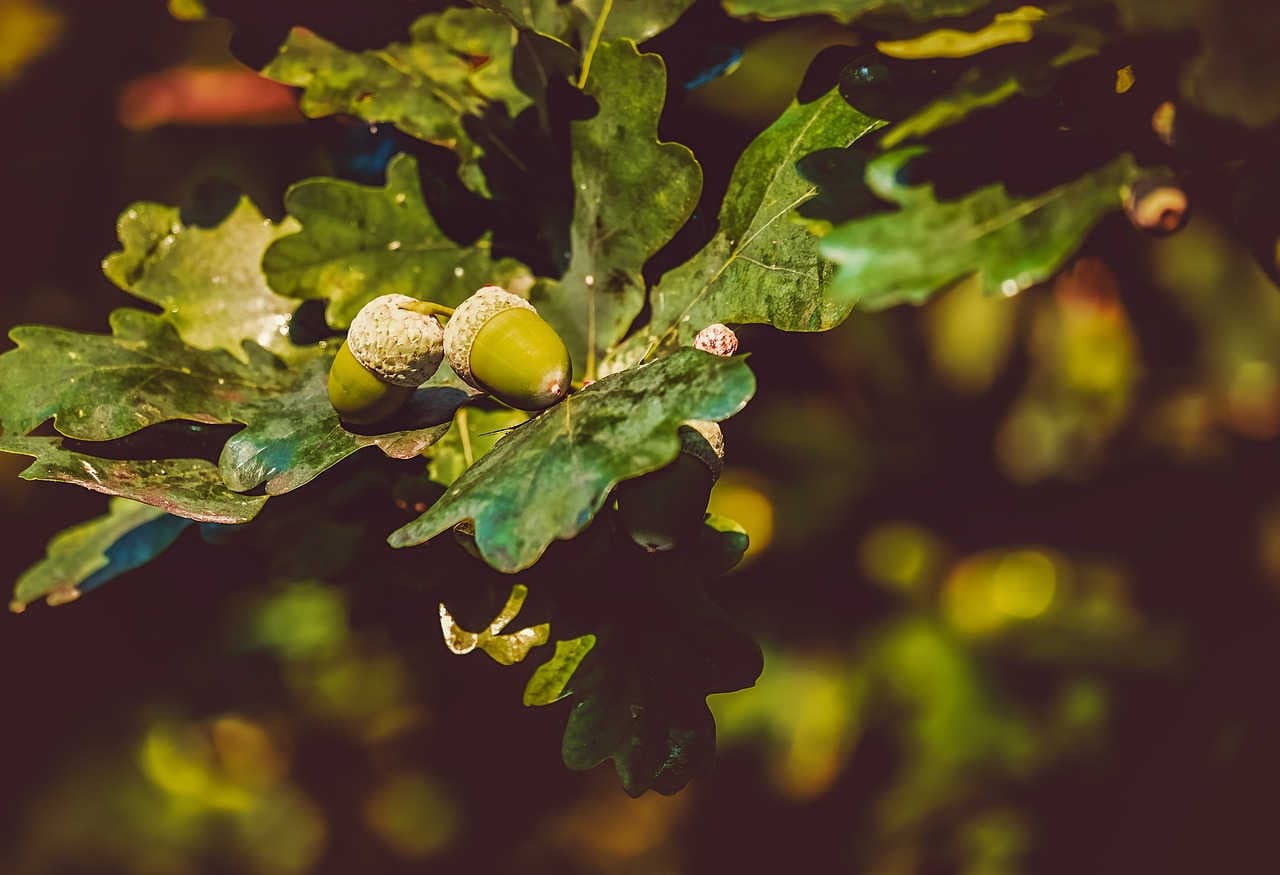
    Quercus: a collection of about 500 species

    The Oaks: resilient giants of great ecological value

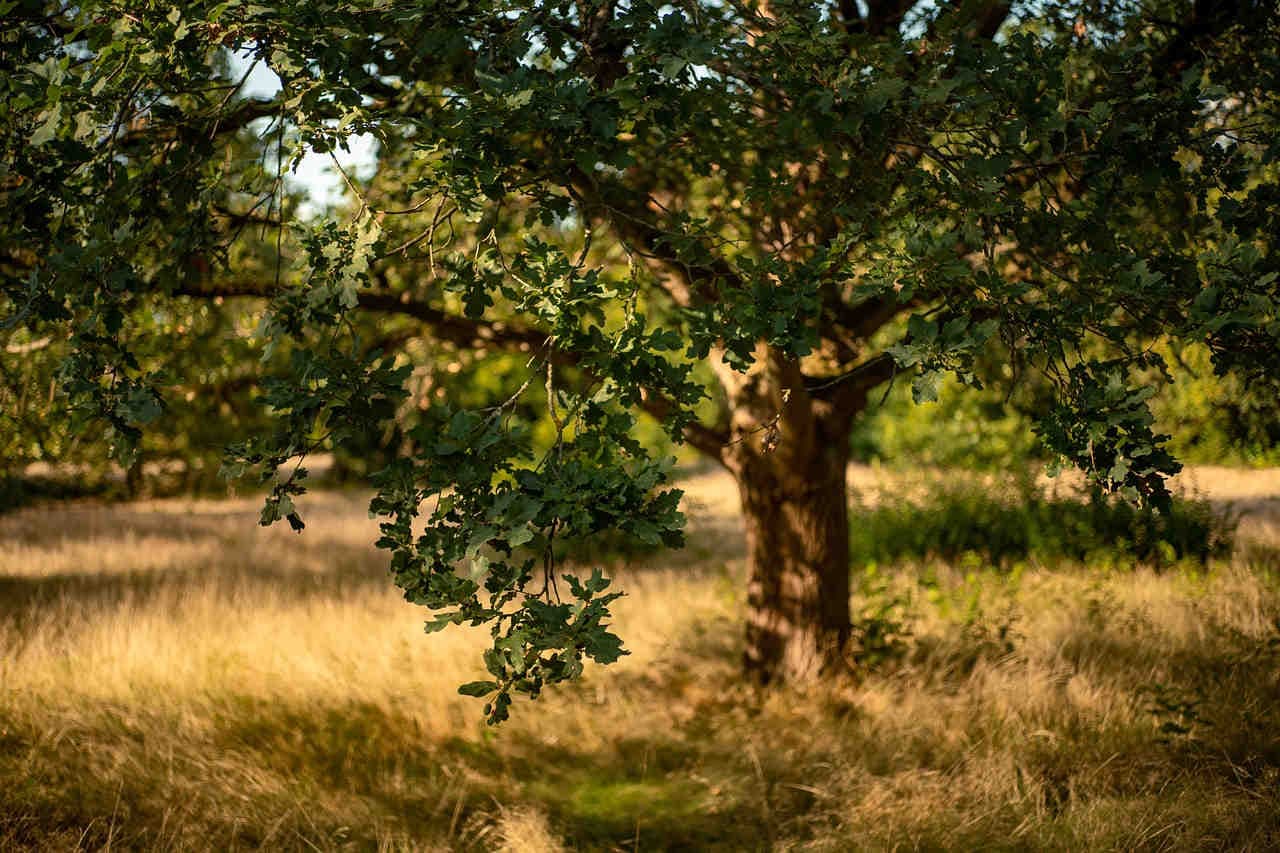
    We are talking about extremely hardy trees capable of tolerating different types of climatic conditions. Although they prefer well-drained soils and sunny locations, they can also adapt to less fertile soils and partial shade. They grow slowly, but their longevity is remarkable as they can live up to hundreds of years. They are plants of undoubted beauty, but above all with a very important role and ecological value. They provide an essential habitat for numerous animal species, not to mention that the fallen leaves create a layer of humus, enriching the soil.
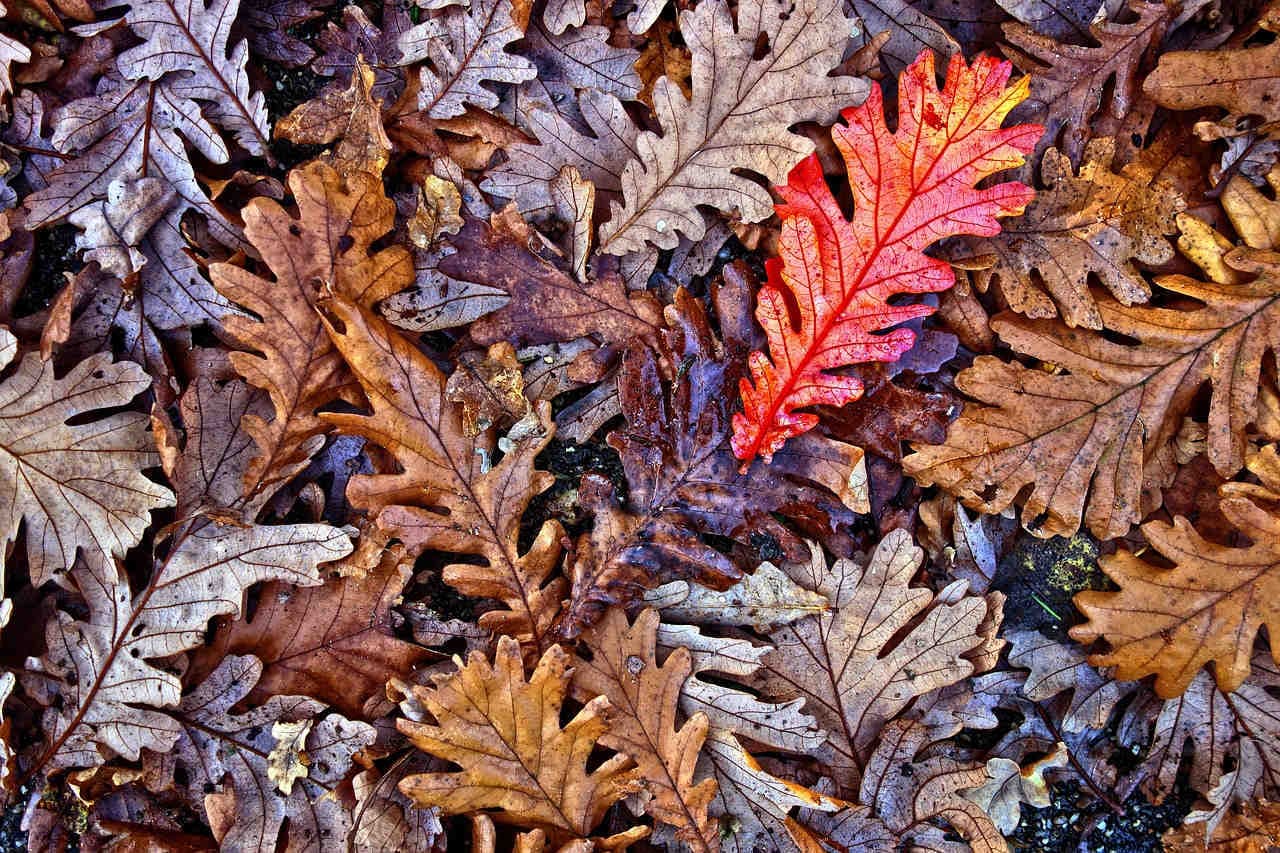
    foglie
    XNatura

    Flower characteristics

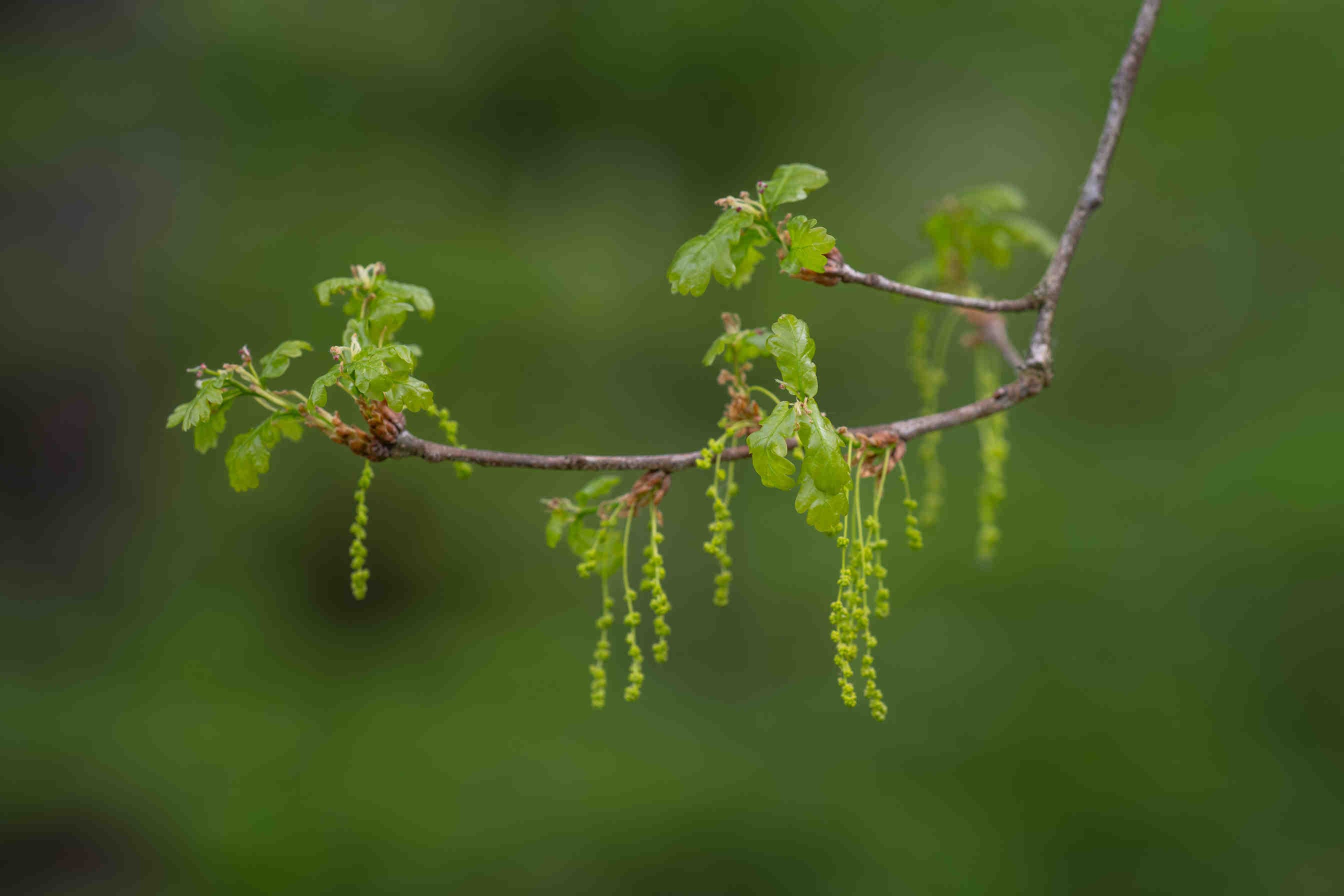
    Oaks are monoecious plants, which means that both male and female flowers are present on the same plant in inflorescences. The male ones are gathered in dangling filaments, while the female ones, slightly pedunculate, are single or gathered in small terminal groups at the axil of the leaves. Not all species of the genus Quercus flower at the same time. Data compiled from phenological observations indicate a precise order of flowering, with deciduous oak species flowering first and then the evergreens. The order is as follows: Q. robur, Q. cerris, Q. pubescens, Q. frainetto, Q. petraea, Q. suber, Q. ilex.

    fiori

    Pollination and attraction strategies

    The pollination of species belonging to the genus Quercus occurs mainly via the wind. However, these plants are of significant beekeeping importance especially for the collection of pollen. At certain times, bees collect pollen from oaks, making up to 80% of their harvests. Despite this, the presence of this pollen in honey is less than 10%. Of the various oak species, the oak is the one most frequently visited by bees. Furthermore, honeydew production by oaks, although of minor interest, is relevant in central Italian regions, such as Umbria, Marche and Abruzzo.
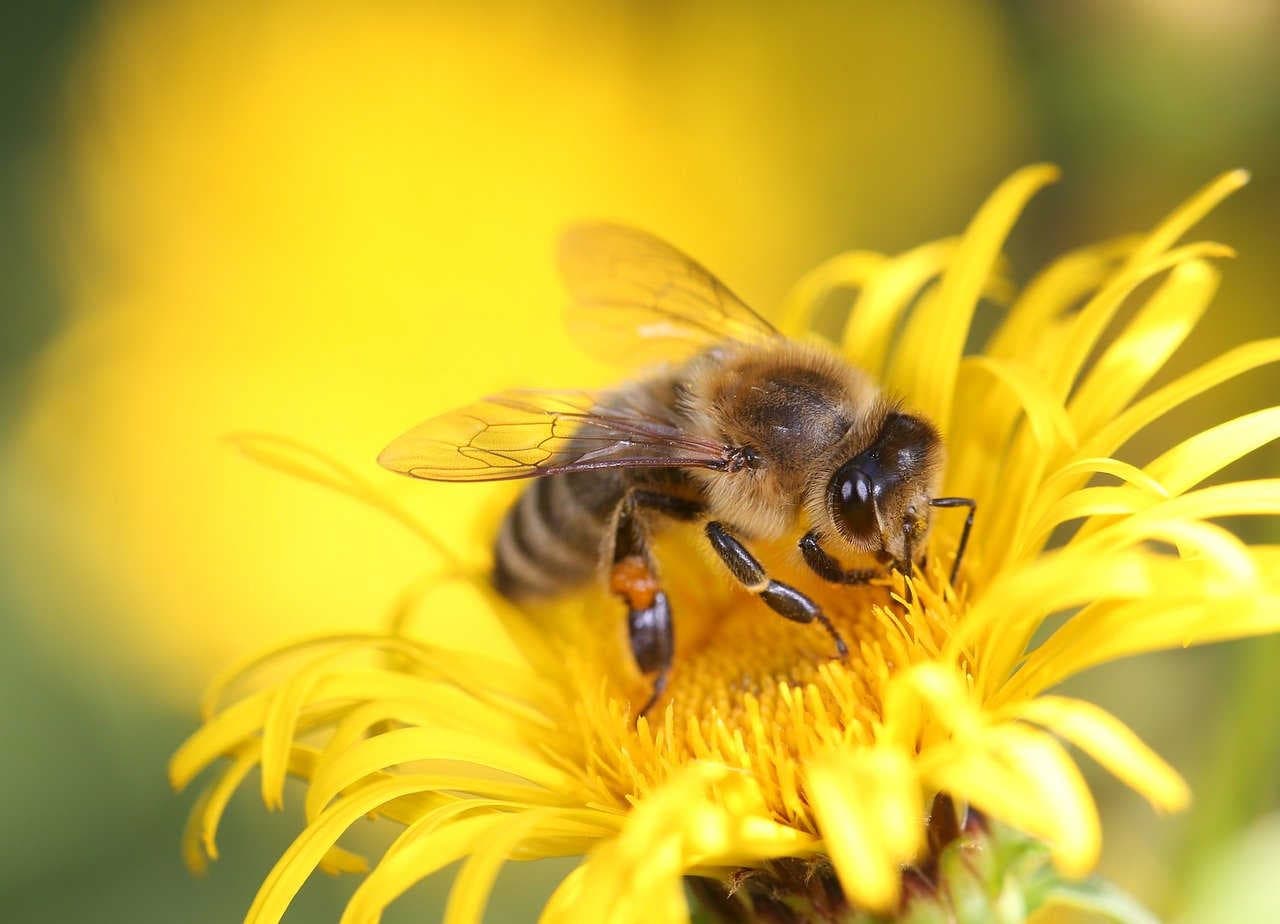
    ape
    XNatura

    The lesson

    The leccium (Quercus ilex) is one of the evergreen species belonging to the genus Quercus. It is a plant typical of hot and arid areas, in fact it has developed characteristics that enable it to withstand strong heat. One of these is the shape of its leaves. These, apart from being evergreen, are leathery and have a lanceolate shape, different from the lobed shape typical of other species. This is a true adaptation: having this shape, the leaves reduce their surface area and, consequently, also transpiration and water loss, which allows the plant to survive in dry and arid environments.

    The lesson
    3Bee

    The cork tree

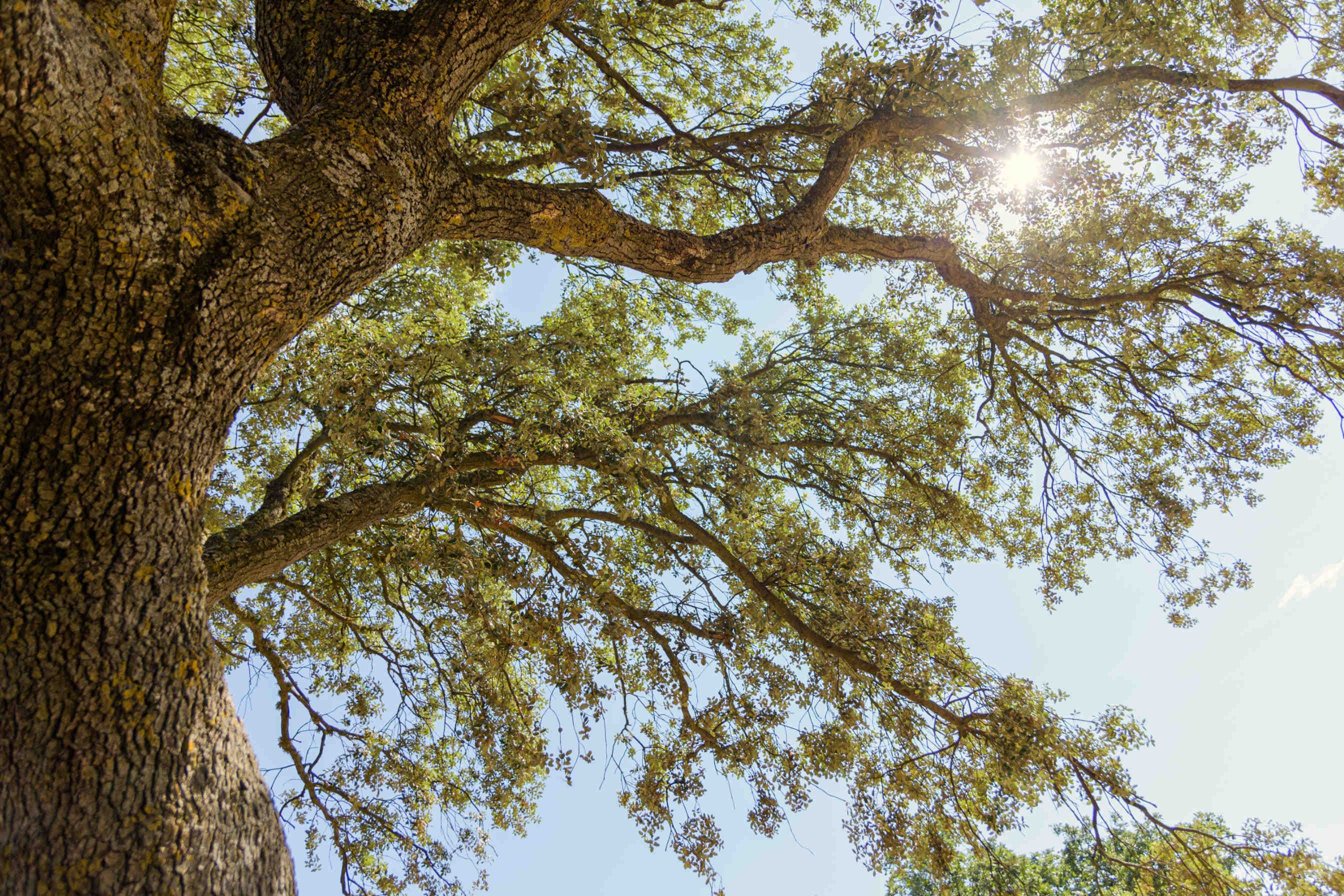
    The cork oak (Quercus suber), just like the holm oak, is an evergreen plant and is also used to living in hot, sultry environments. Precisely because of this, it has the same shaped leaves as the holm oak, which is why the two species are often confused. To distinguish them, one can rely on the ghianda: the dome of the two fruits is different. In the holm oak it is 'flat' and uniform, whereas in the cork tree it is quite 'squamous'. In addition to this, one must consider the cortex, which in the cork oak is much thicker, fissured and suberose. It is precisely from this that cork, the material we commonly use as a cork for bottles, is made.
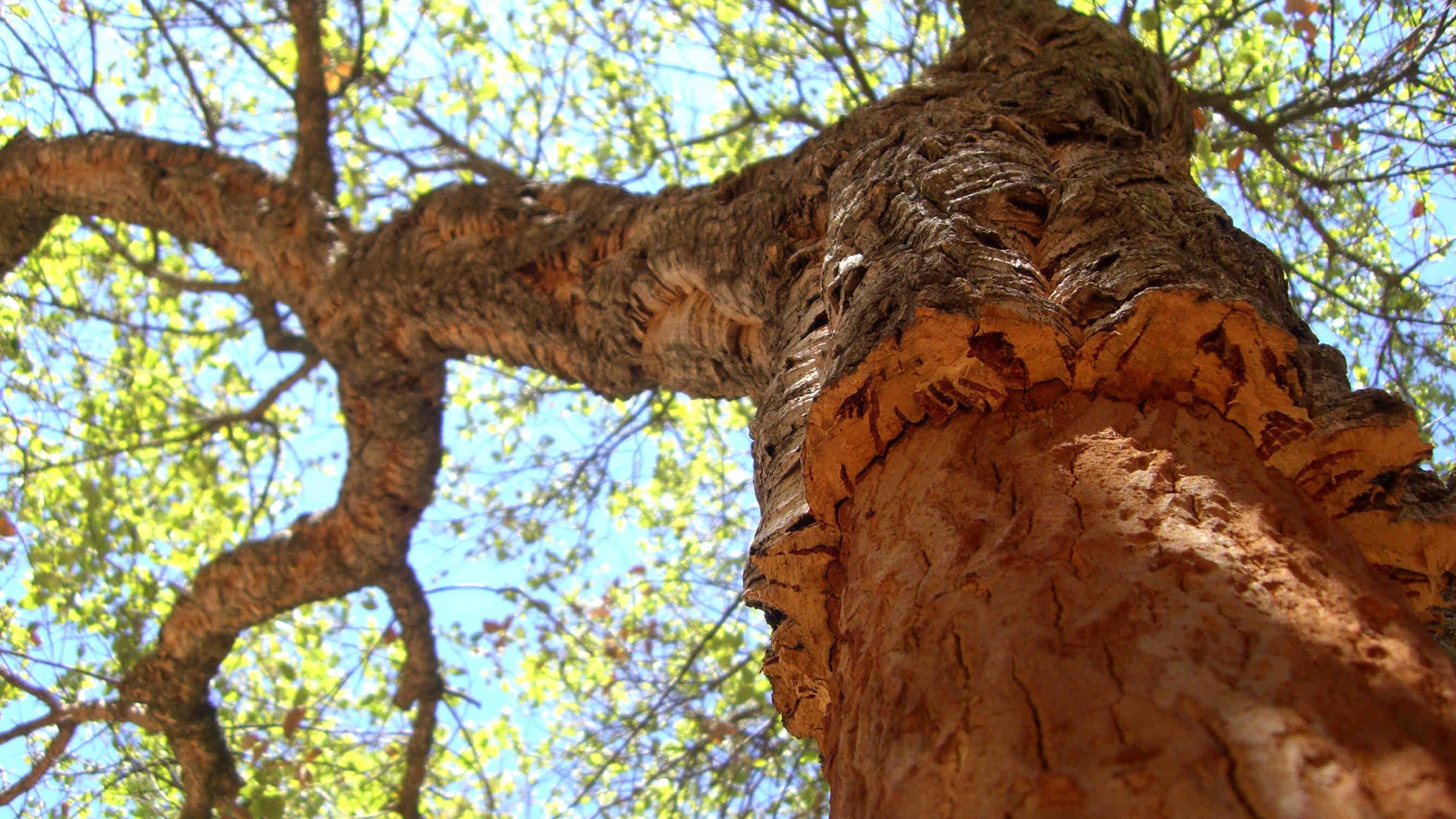
    sughera

    The oak

    Among the various species of Quercus, one cannot fail to mention the rovere (Quercus petraea). This species, unlike the two named above, has leaves with a fairly large surface area and lobed margins. It grows in mature deciduous broadleaf forests, where it is often dominant, on rather deep clayey soils, moderately dry to cool, often decalcified, shunning waterlogging, with optimum in the sub-Mediterranean belt. One of its characteristics concerns the acorns. These, in fact, are directly attached to the branches, thus lacking a stalk.
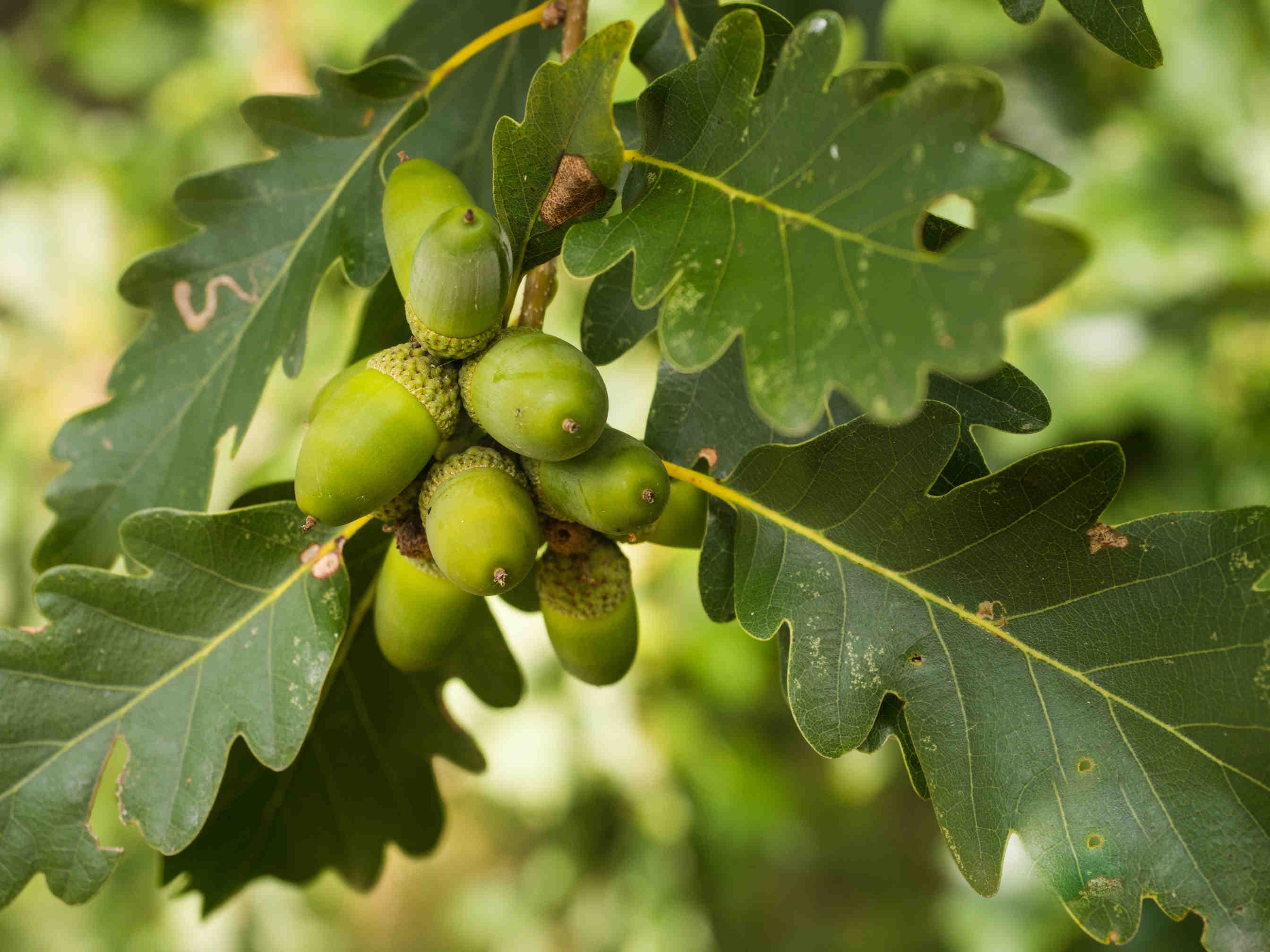
    rovere

    Oaks and mythology

    Around these plants there is an aura of sacredness, in fact they were revered and considered a symbol of long life, majesty and strength, as well as being regarded as the king or queen of trees. In ancient Greece, for example, the oak was the tree consecrated to Zeus. The Romans, on the other hand, used to give a crown made of oak branches to those who had shown great valour in war, defending a citizen. In the Catholic religion, the oak tree is linked to the figure of the Madonna, so much so that in some places in Italy the cult of the 'Madonna delle Querce' had spread. In Tuscany in particular, it is possible to follow a real itinerary through the places where these sacred oaks stand, at which the Madonna is said to have appeared or performed miracles. One of these places is in Lucignano, where the Sanctuary of Santa Maria della Querce is located.

    sentiro

    Biodiversa: the 3Bee game app to monitor biodiversity

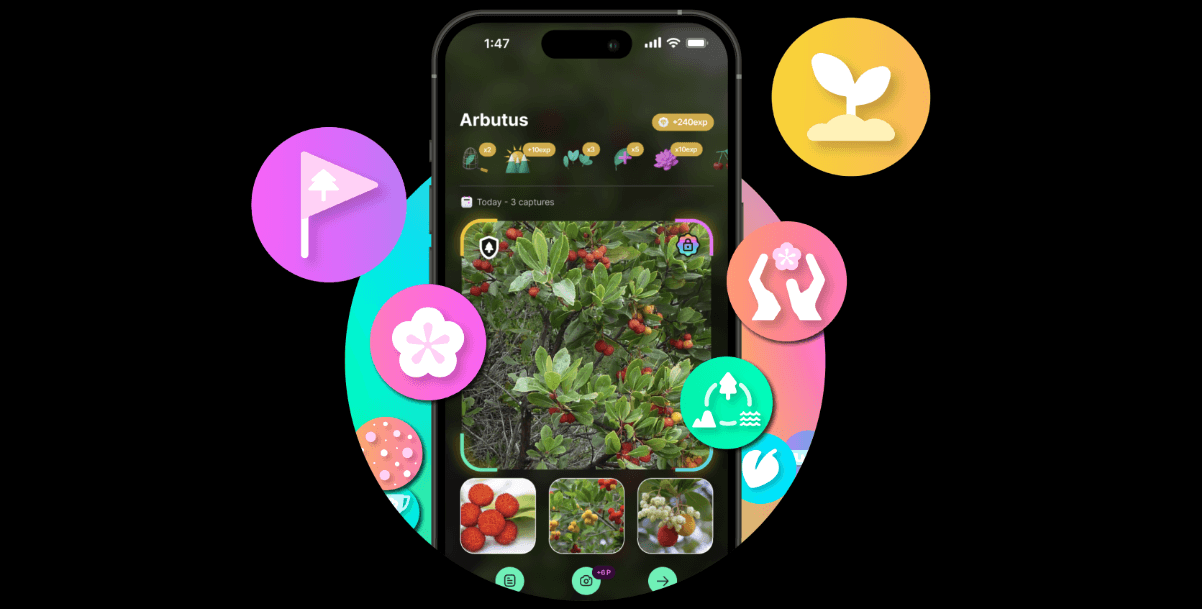
    Biodiversa is the free game app for biodiversity monitoring and ecosystem protection that allows users to easily 'collect' and identify plants and flowers encountered during an outdoor walk. An ambitious citizen science project that aims to create a cooperative archive dedicated to flora (and in a second phase fauna) in Europe, involving player users with challenges to catalogue species, some of which are rare or endangered. Available for iOS and Android, Biodiversa has a dynamic similar to that of some well-known free-to-play video games that encourage moving and travelling in the real world to 'collect' characters. In fact, the app made by 3Bee offers a gaming experience in which plants are all to be 'collected' and identified in order to collect experience points, level up and climb the leaderboard.

    app biodiversa
    16/08/2024Of 3Bee, Alessia Mircoli
    611 Views
    Newsletter
    newsletter
    Subscribe to the Blog about bees and biodiversity

    Frequently Asked Questions

    Do you have any doubts or other curiosities about this article? Here you will find some insights