3Bee's approach to biodiversity protection
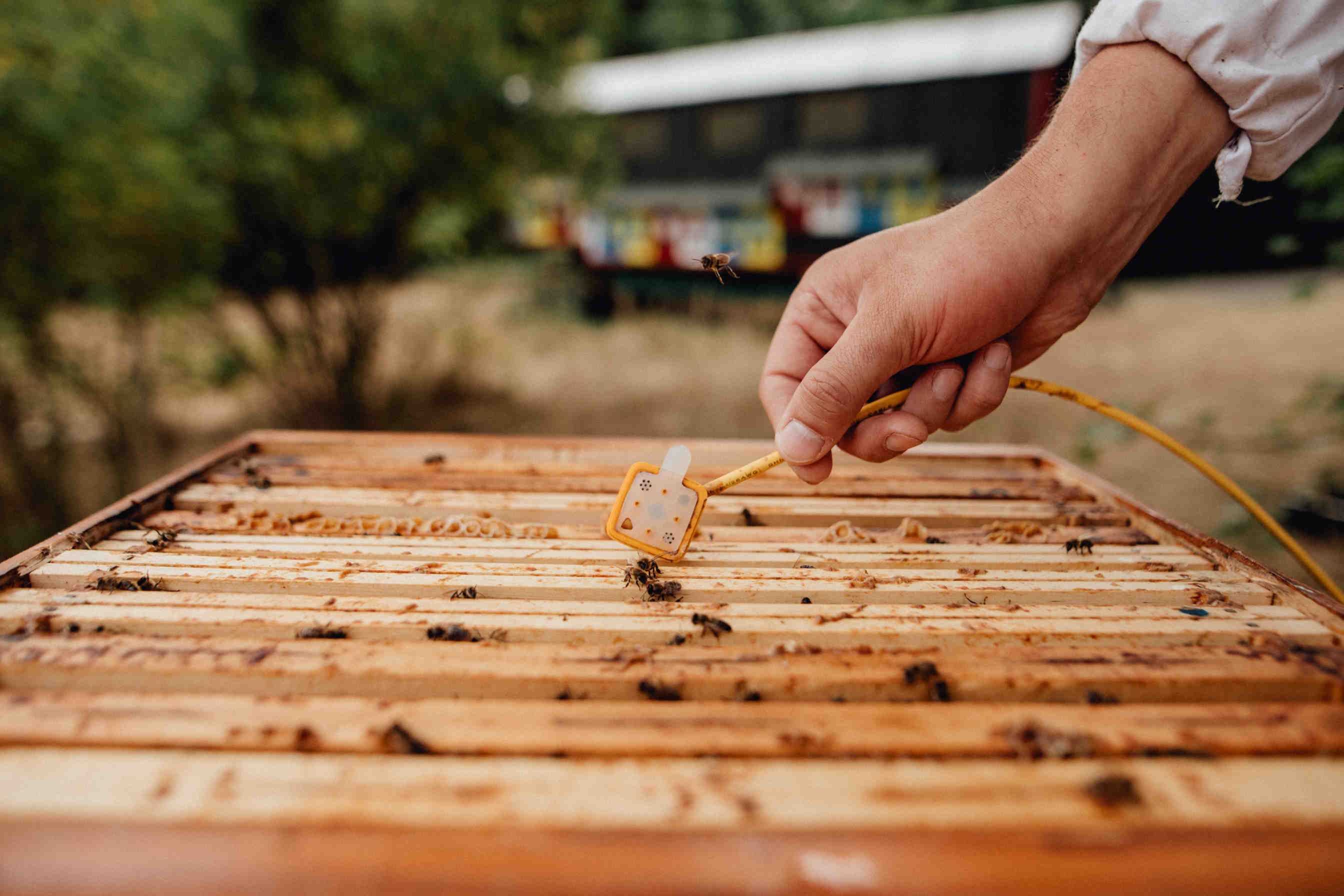
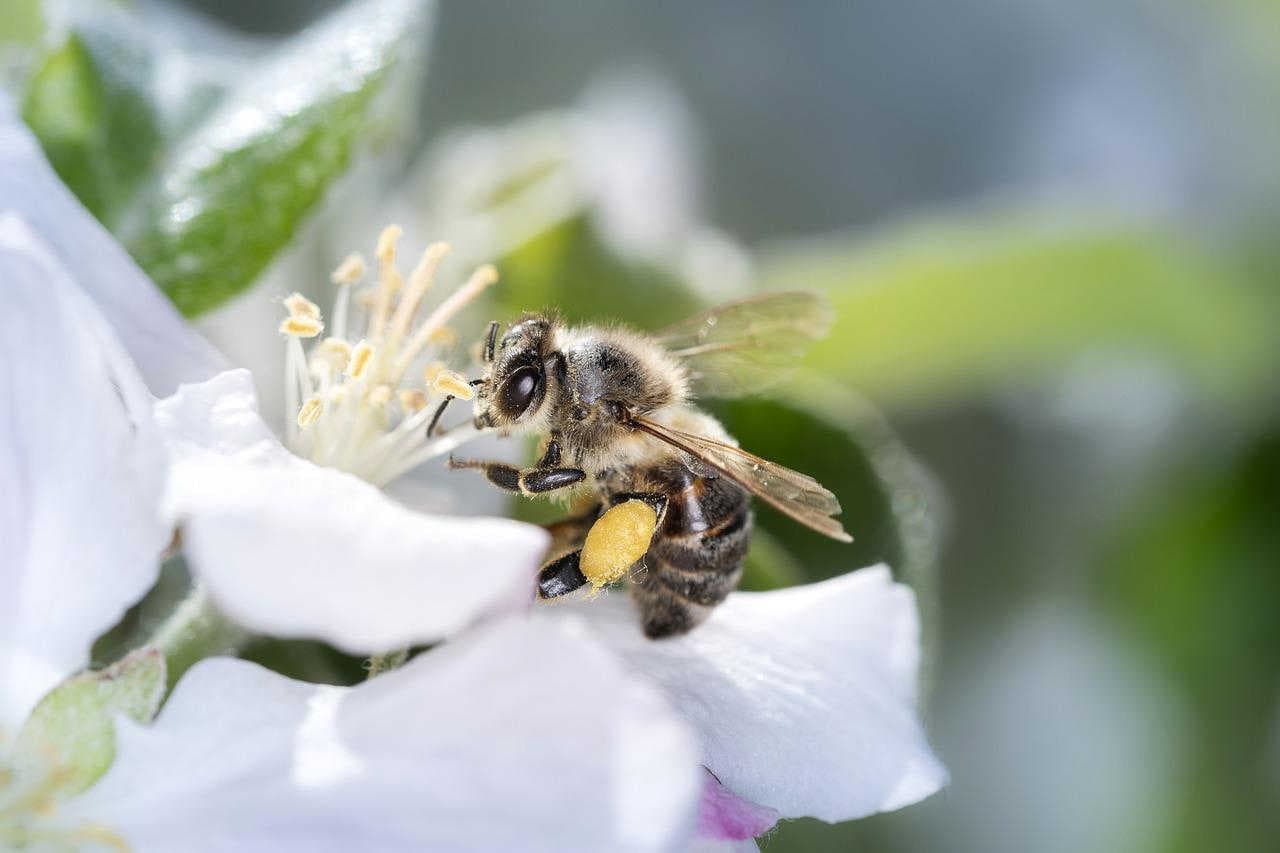
Bees, it is known, provide a great service for humans and the environment. They contribute to the maintenance of ecological balance and biodiversity. Read more in our article about honey.
Read the articleFortunately, in Europe too, there is full awareness of the importance of beekeeping within a common agricultural policy.Bees entering the hive Indeed, the problems beekeepers face every day are innumerable. Between the increasing bee mortality and the dangers posed by pests and diseases, surely one aspect directly affects us as consumers. What affects us personally is that the quality of the honey that reaches our tables is not always guaranteed. This, too, was discussed during the work of the Commission on Agriculture and Rural Development in recent months. The result was a motion for a resolution passed on 23 January 2018 with 38 votes in favour and 1 against. The next step is the presentation to the entire European Parliament. This will probably take place during the plenary session scheduled from 28 February to 1 March.

There is a lot of talk in the proposal about beekeeping, but we consumers of its products are also involved. Curious to find out why?
According to the Commission,
Following a request in 2015, the Commission commissioned a joint research team to analyse imported honey. It turned out that 20 per cent of the samples turned out to be 'fake' honey. Such a product cannot even be called honey because it has no biological value in common with it. This 'syrup' not only does not comply with current laws, but is often blended with high-quality European honey and sold under the label 'EU and non-EU honey blend'. Hungarian MEP Norbert Erdős, who exposed the problems of the beekeeping world to the Commission, commented that it might as well be labelled 'honey is not from Mars'! It does not give any kind of information on the origin of the product that is useful for the consumer.

In addition to calling for more specific rules to guarantee the quality of honey and counteract the import of counterfeit honey, the Commission also looked at the distribution chain. It recommended, in fact, supporting as much as possible the creation and promotion of short distribution chains to support local and regional sales of honey, especially organic honey. It has been proven by numerous examples that the sale of bee products at local producers' markets has proved successful.
Furthermore, he emphasised that honey consumption itself must be strongly encouraged. It is a product with a strong physiological impact, especially on our health, but the

We at 3Bee also aim to protect bees and our planet. Mitigating bee mortality and eliminating the use of treatments harmful to them are our priorities, but also supporting local beekeepers and promoting 100% Italian, quality honey. If you too would like to support bees and the environment, ADOPT A 3Bee HIVE: in this way you will help a beekeeper and get the honey produced by your hive directly to your home! Want to find out how? Visit our
