Pollution is erasing the scent of flowers
    MachiningResultsFlowersApi

    Pollution is erasing the scent of flowers

    Everyone knows that air pollution endangers human health, but it can also undermine the natural harmony between pollinators and plants by wiping out the scent of flowers. Read more in this article about the study conducted and how this phenomenon affects biodiversity.

    Read the article
    19/02/2024Of 3Bee,
    647 Views
    19/02/2024Of 3Bee,
    647 Views

    The impact of pollution on flowers and pollinators

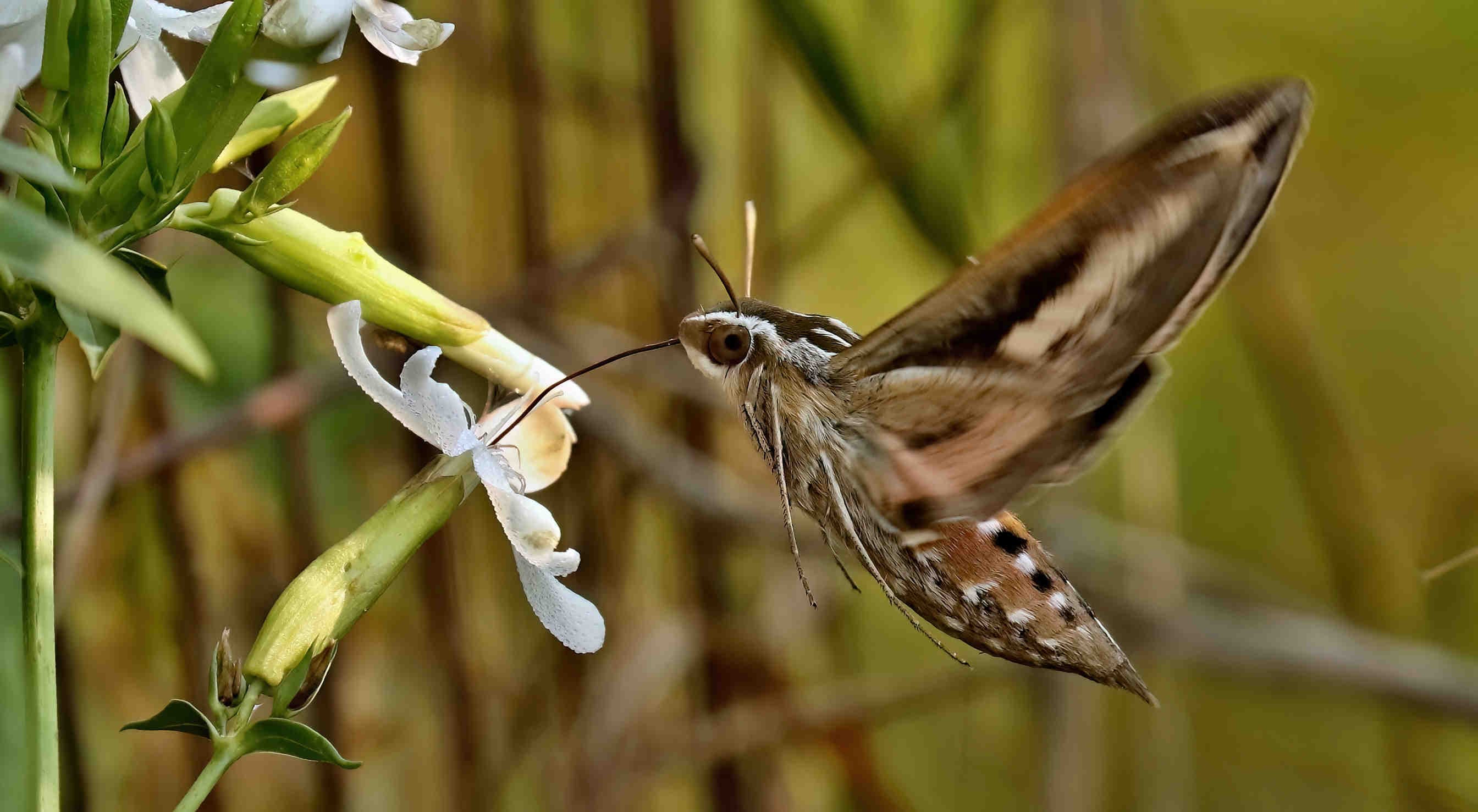
    A recent study published in Science has shown that chemical pollutants not only affect animals' ability to reproduce and survive, but also their feelings, altering both their behaviour and interactions with other species. Pollution gradually reduces the scent of flowers, making them difficult for pollinating insects to detect and consequently compromising pollination. Researchers at the University of Washington studied the impact of pollution on evening primroses, flowers pollinated by the phalenes that open at dusk. Evening primroses were exposed to ozone and nitrate radicals, two common types of air pollutants, and it was observed that many urban areas have a level of pollution sufficient to significantly reduce the distance at which pollinators can perceive the scent of flowers.
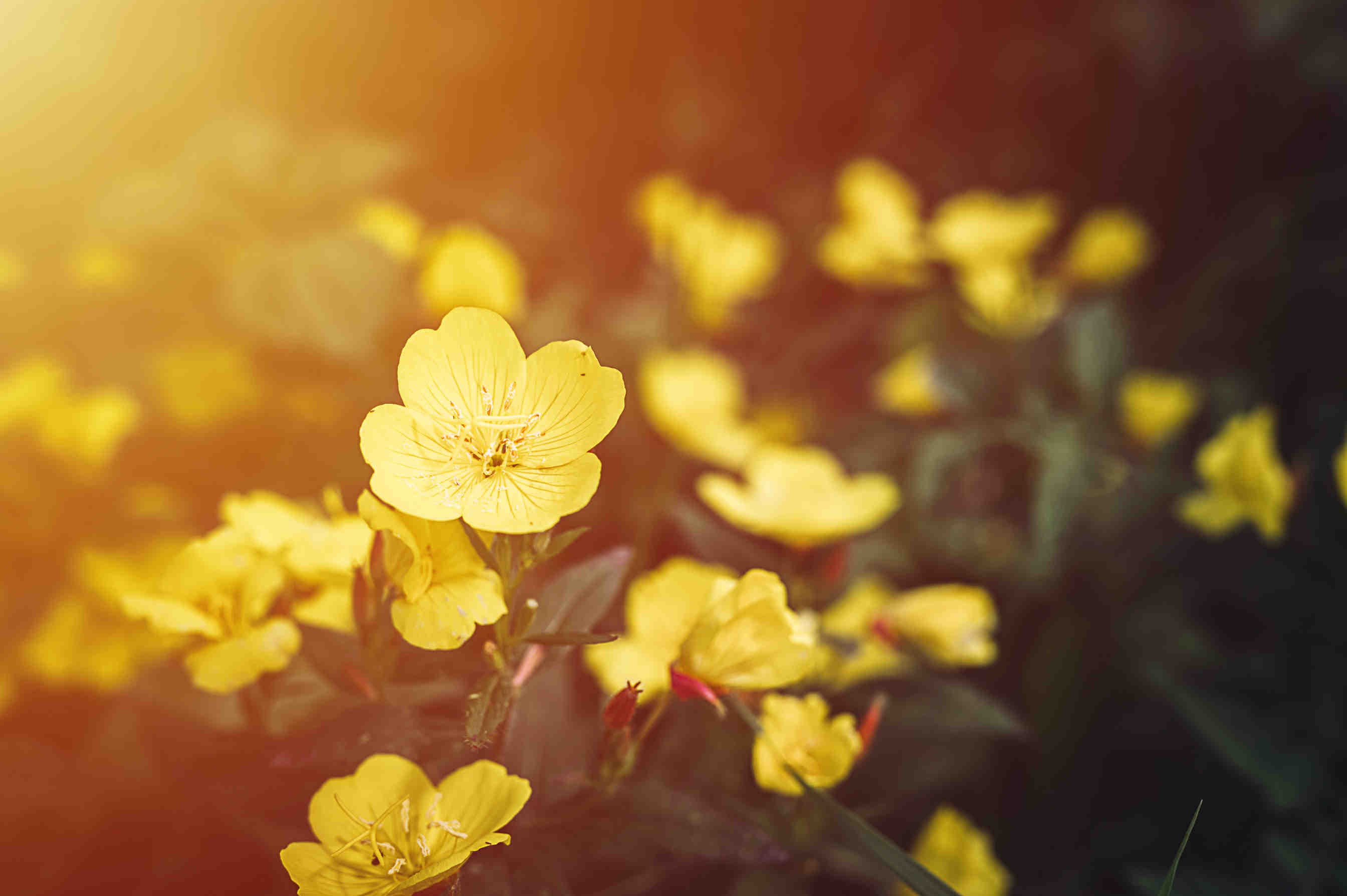
    The impact of pollution on flowers and pollinators

    The results of the study

    The analysis conducted revealed that the aforementioned pollutants impair the chemical compounds that make up the profume of the flowers, thus making the primulas undetectable by moths. As a result, a drastic decrease in the visits of these insects to the flowers was observed, registering on average a 70% drop for those exposed to pollution. The reduction in moth-flower interactions resulted in a negative effect on the reproductive capacity of primroses, with an estimated up to 30% reduction in fruit production due to exposure to air pollutants.
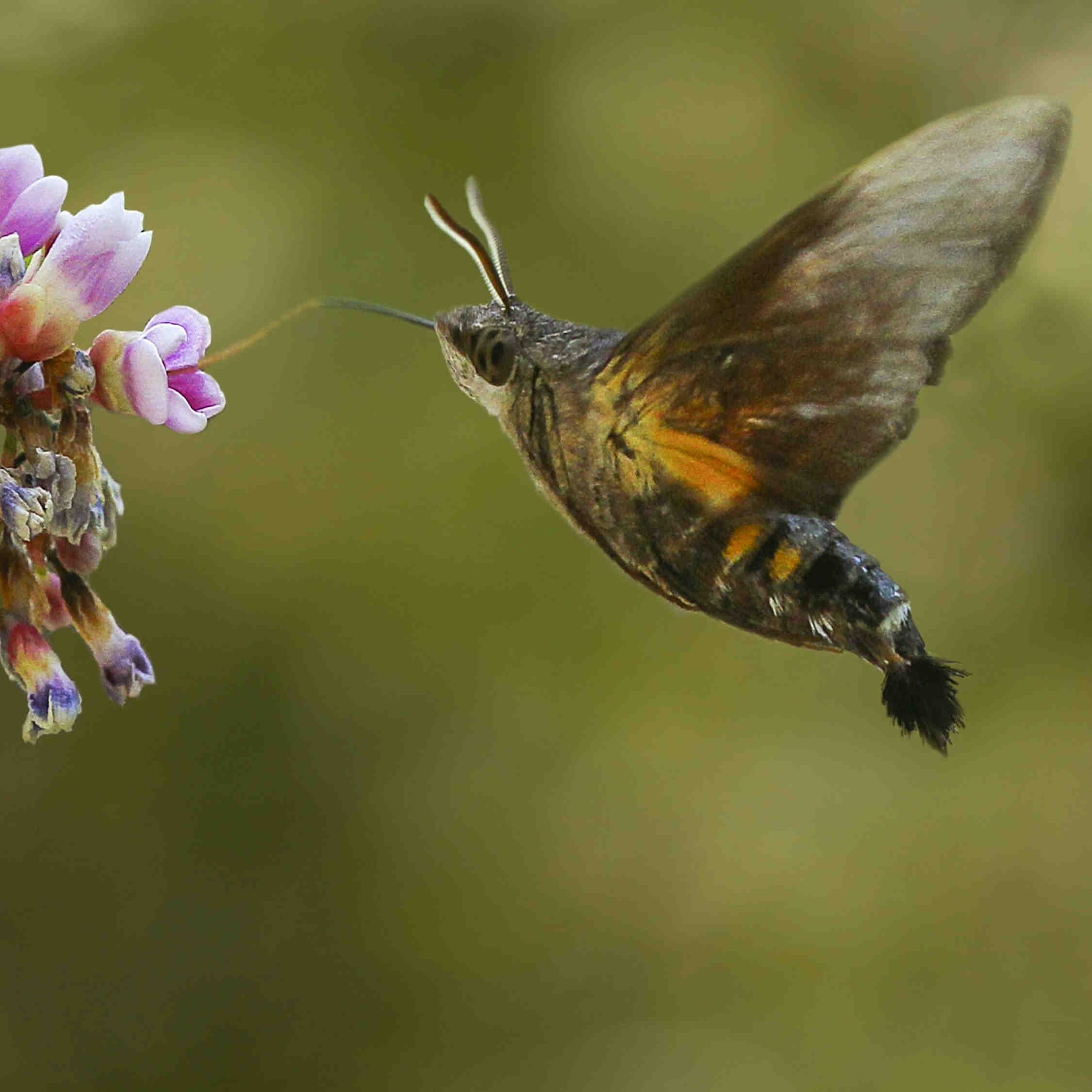
    falena
    XNatura

    Flower fragrance and pollination

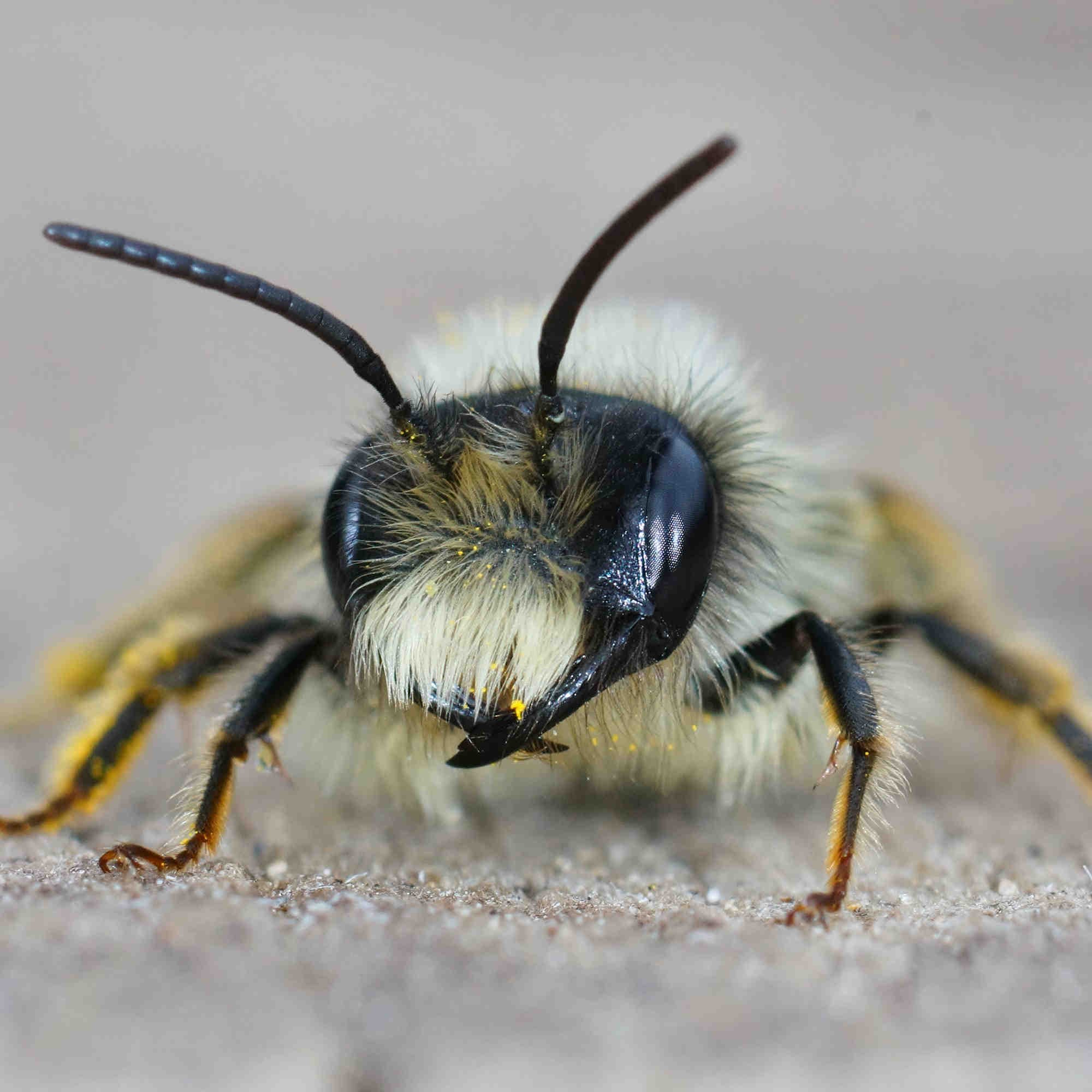
    The scent of flowers attracts the prominent insects, i.e. all those insects that favour the fertilisation of flowers, including the phalenes, the flies, but also the bees. These insects can recognise the colour of the flowers from great distances, but it is then the scent that allows them to recognise the flowers themselves. Apis mellifera, in particular, has olfactory organs (porous plates) on its antennas: on those of the drones (male honey bee) there are some 30000 of these organs, a far greater number than the 6000 located on the antennae of the workers (non-fertile females) . The reason? Probably because the male needs to locate the queen during the nuptial flight and must therefore be much more sensitive to certain odour stimuli characteristic of the latter.

    ape antenne

    Olfactory peculiarities: bees VS humans

    Another interesting aspect concerns the comparison with the human being, whose olfactory receptors are located inside the nasal cavity, which allows odours to be perceived through the air conveyed by inhalation. In the api, on the other hand, these sense receptors are located outside, on the antennas: these are anatomical structures that also have tactile, gustatory, thermal and moisture receptors. As one of the greatest scientists of Apis mellifera observed, bees often correlate their odour impression with the shape of objects: 'in man there can be no correlation between the shape of an object and the odour emanating from it, to a bee the odour emitted by a circular object may give a completely different sensation to that emitted by an object with edges' (Von Frisch, 1976).
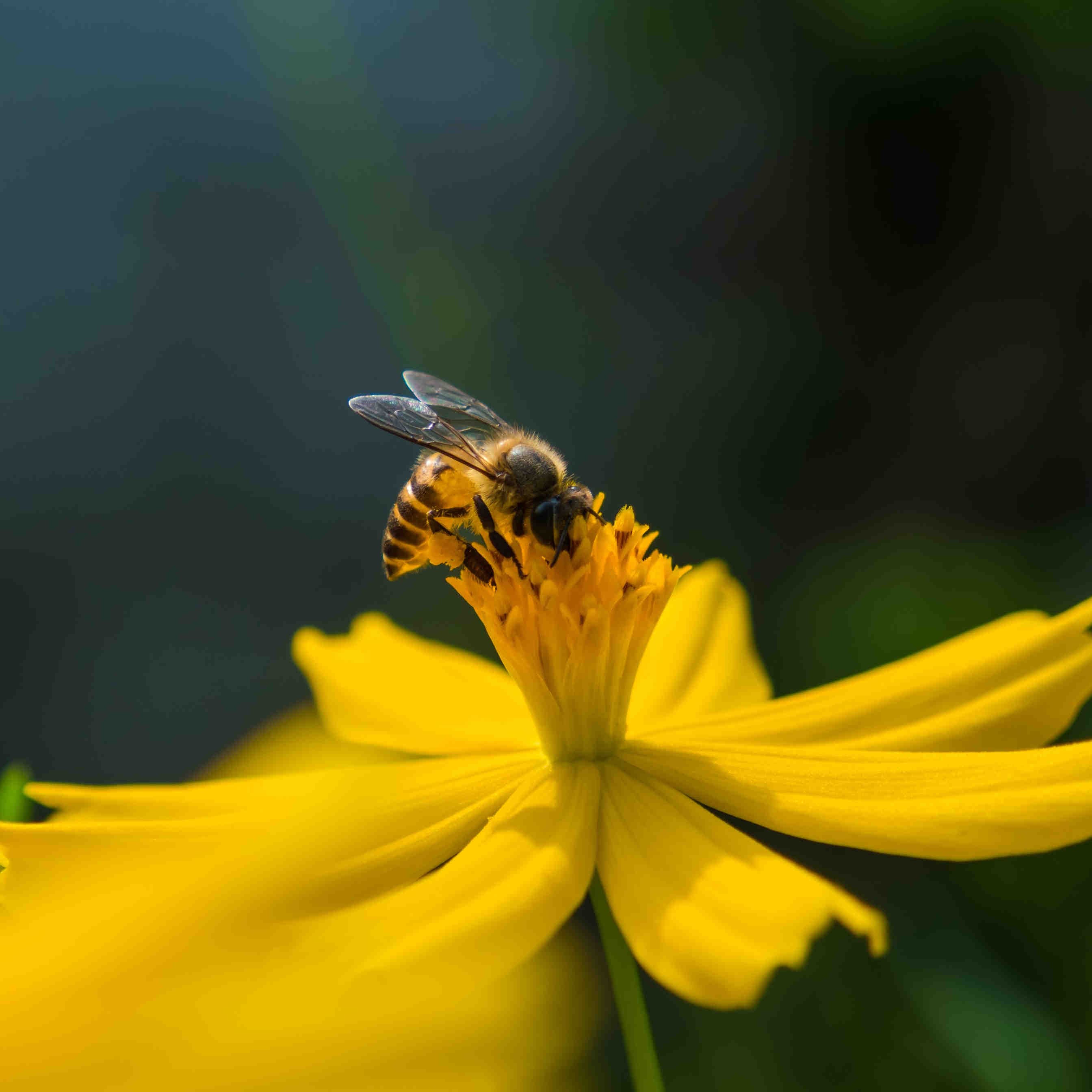
    ape fiore giallo
    XNatura

    3Bee: technology for the protection of biodiversity

    pollution represents a major challenge for biodiversity. As we have seen, pollutants can alter and damage ecosystems, threatening the survival of many species. 3Bee, a leading nature tech company in the protection of biodiversity through technology has a fundamental mission: to protect the pollinators, the true heroes and custodians of ecosystems and biological diversity, and to restore their habitats. Thanks to the use of unique and innovative technologies, 3Bee is able to listen to pollinators: the sensors and algorithms developed enable the collection and analysis of quantifiable data on the health of pollinators and their habitats, making them accessible to all. This makes it possible to identify targeted and effective conservation actions to which citizens and businesses can contribute. Want to learn more? Contact us to start your journey towards biodiversity.

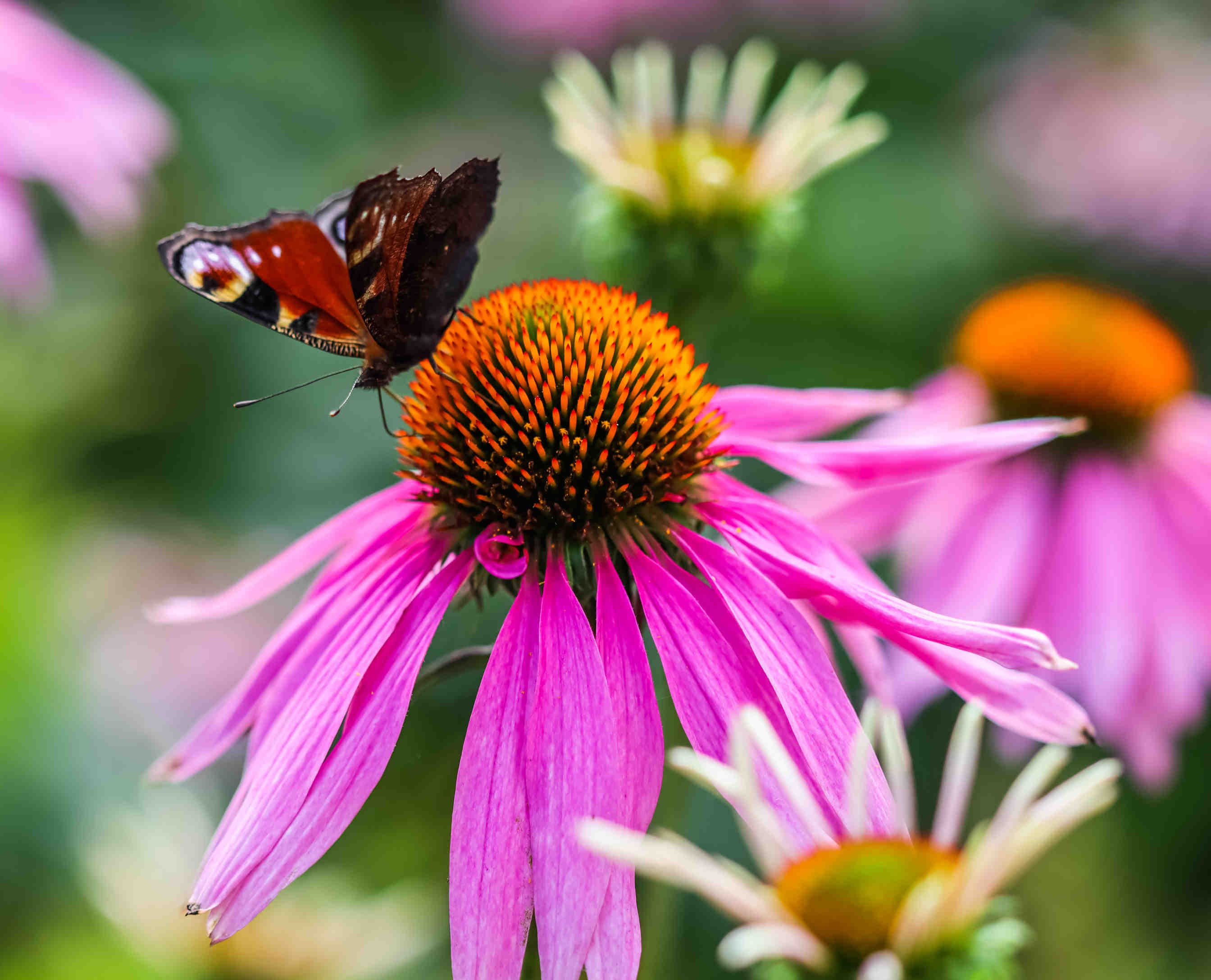
    farfalla
    3Bee
    19/02/2024Of 3Bee,
    647 Views
    Newsletter
    newsletter
    Subscribe to the Blog about bees and biodiversity

    Frequently Asked Questions

    Do you have any doubts or other curiosities about this article? Here you will find some insights