The pollinators you don't expect
    PollinationImportancePlantsBats

    The pollinators you don't expect

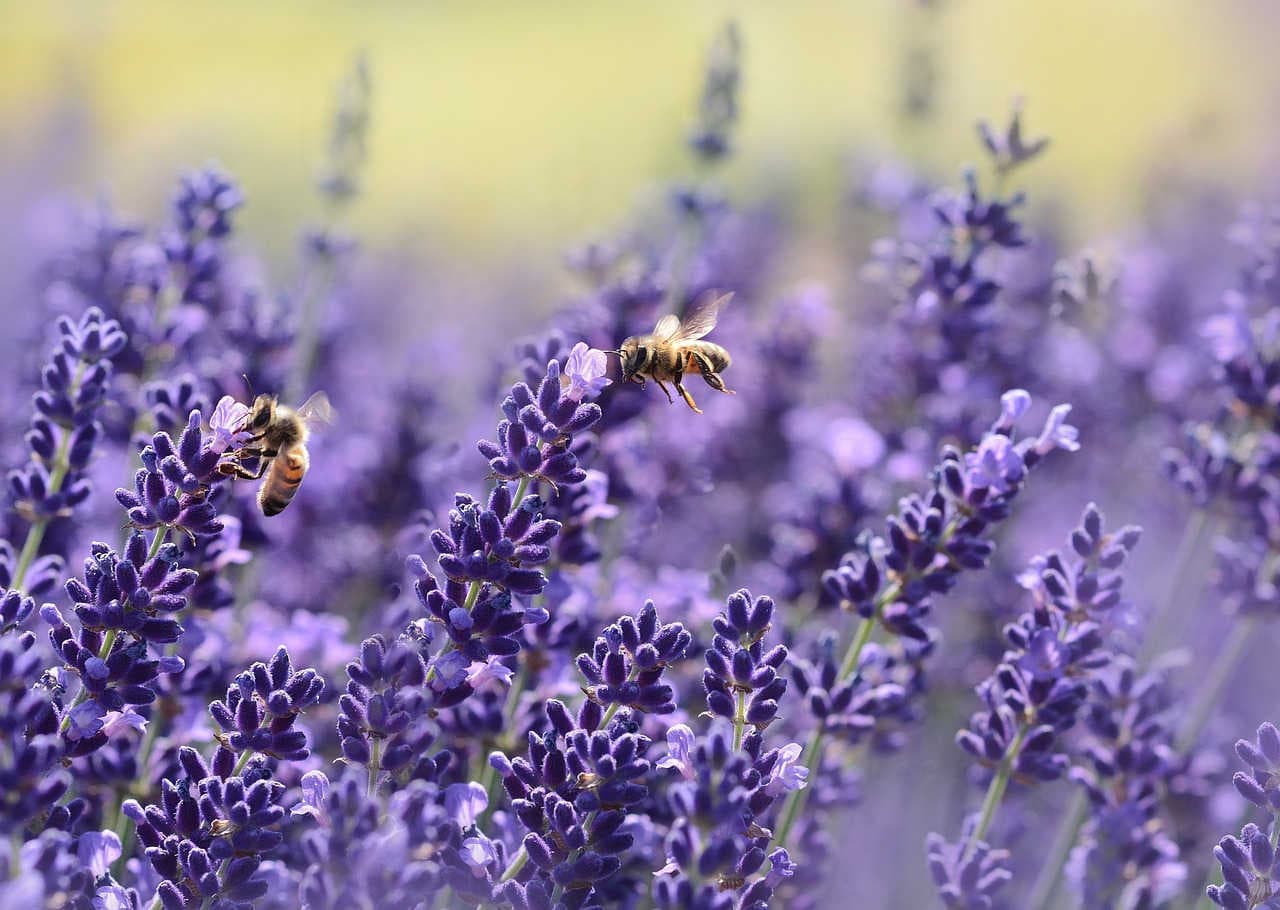
    When we talk about pollination, we immediately think of insects such as bees and bumblebees. Yet, although excellent pollinators, these insects are not the only ones who contribute to this important ecosystem service.

    Read the article
    22/12/2023Of 3Bee, Elena Fraccaro
    1739 Views
    22/12/2023Of 3Bee, Elena Fraccaro
    1739 Views

    What is pollination?

    We could define pollination as that process used by plants to reproduce. In practical terms, it consists of the transfer of pollen from the male to the female structure of a plant. Different plant species may use different mechanisms to enable pollination. The one probably most widely used, especially in flowering plants (Angiosperms), is that carried by animals, called zoophilic pollination. Ninety per cent of wild flowering plants depend on pollination by animals, including many insects. Animal pollination, but not only, allows many plants to reproduce, thus enabling ecosystems to function properly and contributing to habitat conservation.
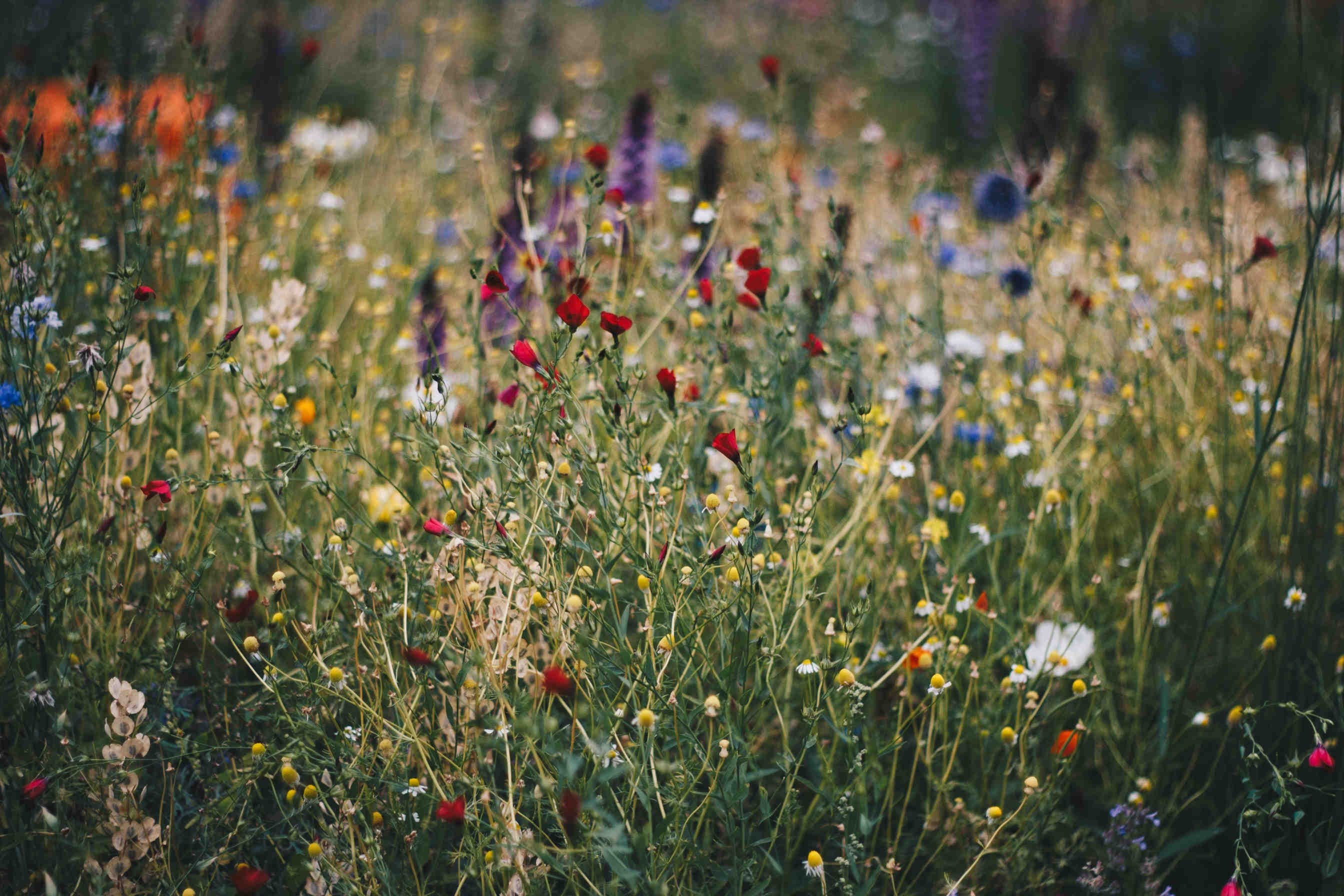
    campo fiori

    The importance of pollination

    Certainly the process of pollination is vital, first and foremost, for plants, without which they would not be able to carry on their species. But this ecosystem service is also vital for our survival. Suffice it to say that over 75% of the major cultures used in agriculture use pollinating animals to transfer pollen from one flower to another. This process is therefore also the basis for the provision of a wide range of vital human services and benefits, such as the production of food, fibre and timber. The economic value of the animal pollination service is estimated at about $153 billion worldwide and about $26 billion in Europe alone, of which about $3 billion in Italy alone. World agricultural production directly associated with pollination represents an estimated economic value of between $235 and $577 billion.

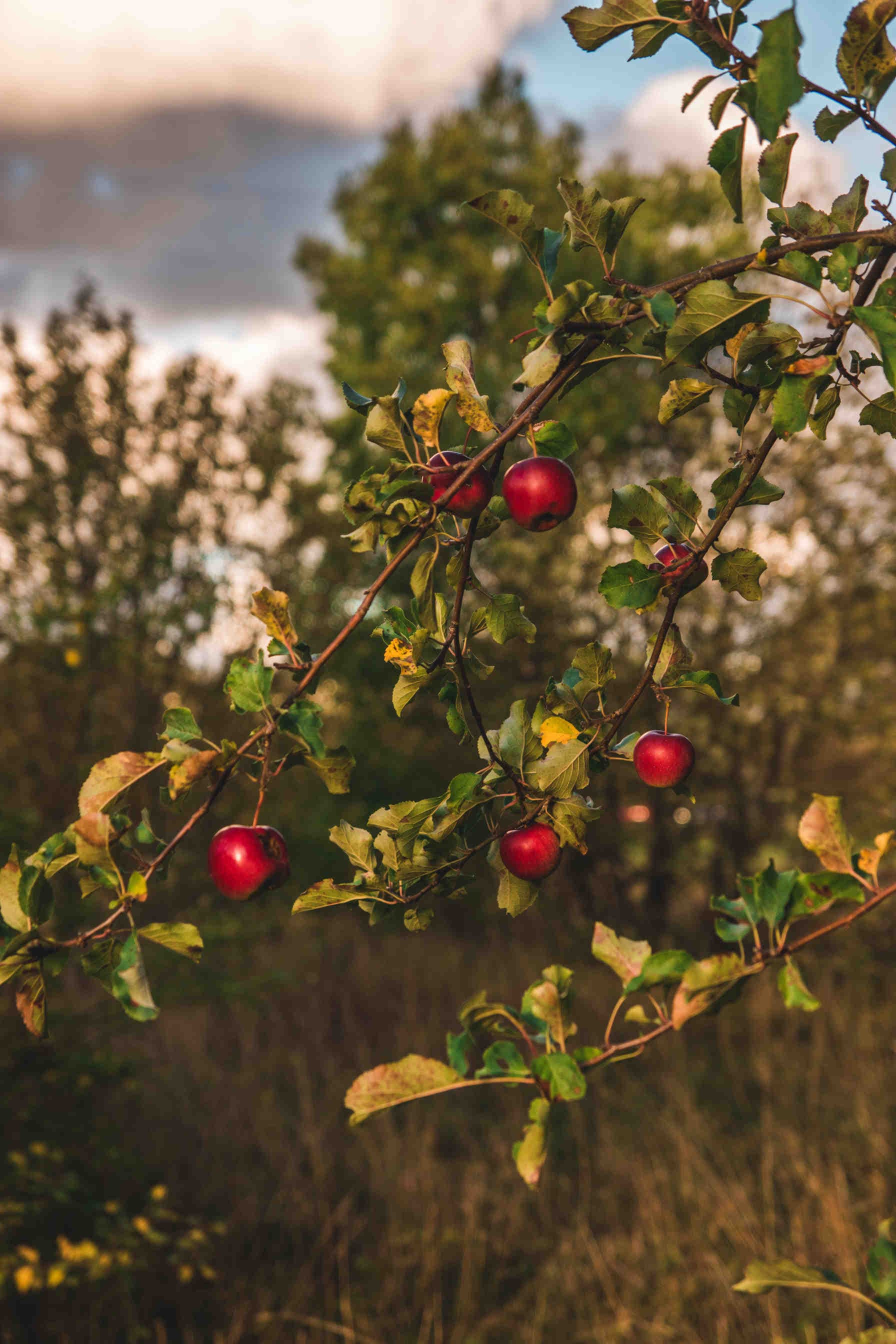
    melo
    XNatura

    Not only animals...

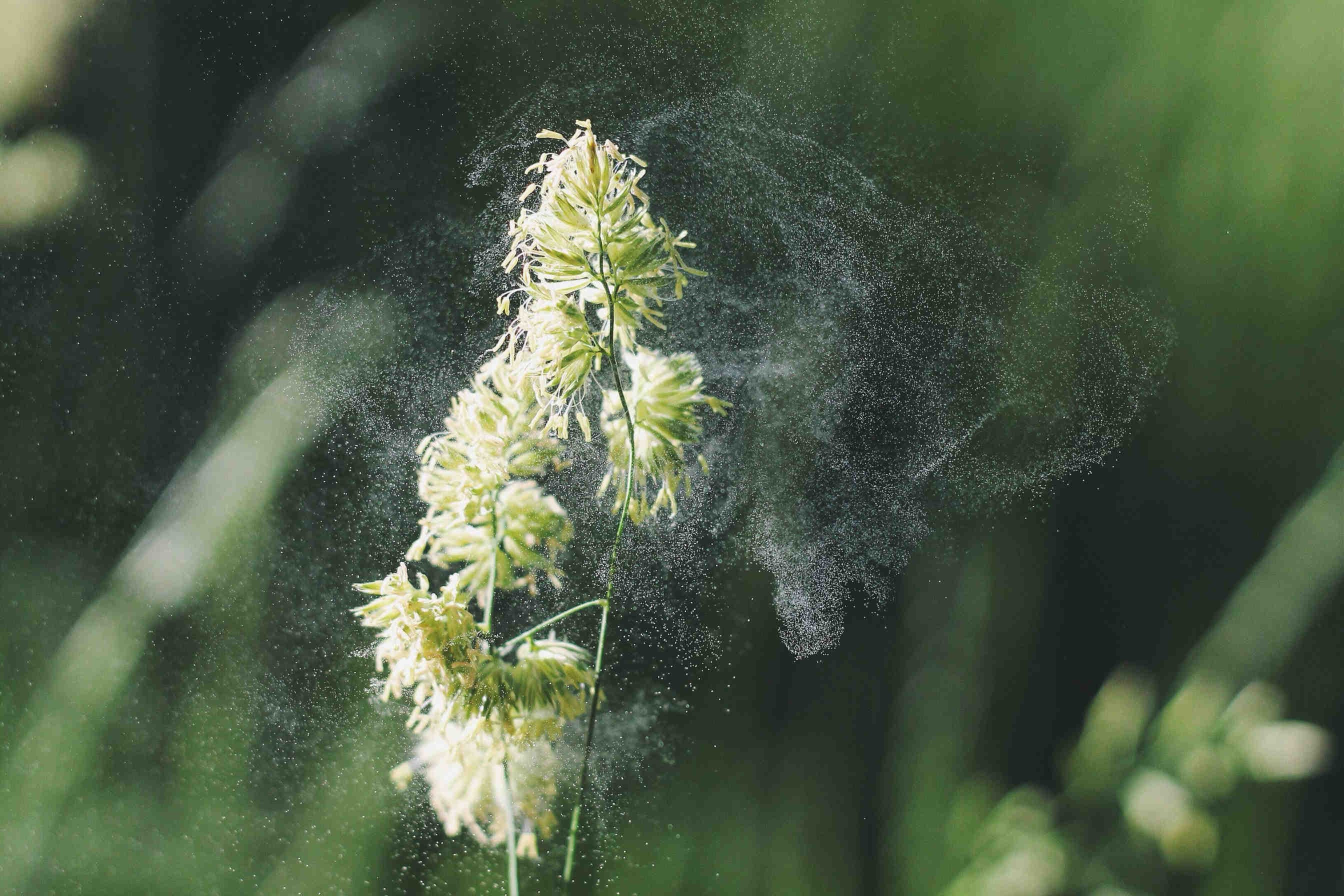
    We have said that animal-driven pollination is one of the most widespread mechanisms in the realm of plants, especially those with flowers. It is not, however, the only one. Many other plants, in fact, make use of the help of other factors such as wind (anemophilic pollination) and water (hydrophilic pollination). Plants that perform these types of pollination do not have flowers and instead have male structures that produce pollen and female structures that receive it. These pollination methods were among the first to evolve and are still used by plants such as gymnosperms (e.g. pines). Above all, the anemophilous pollination involves a large pollen production to ensure that at least part of the pollen produced manages to reach the female structures and carry the species forward.

    fiore

    Bats are also pollinators

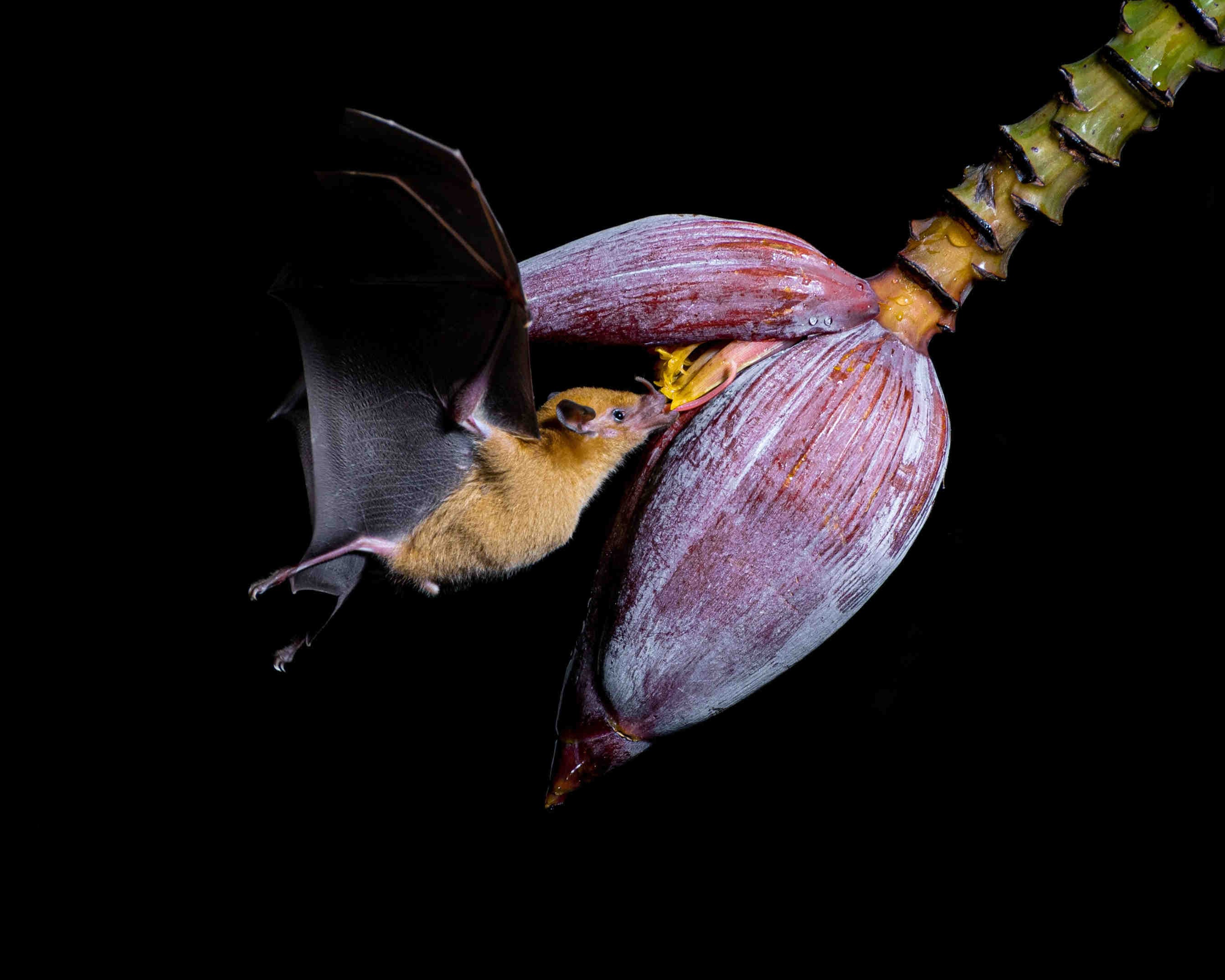
    When we speak of pollination by animals, the first image that comes to mind is probably a bee. However, insects are not the only animals that contribute to pollination. In fact, especially in some tropical regions, bats also play this crucial ecosystemic role for more than 500 plants. Some species of bats, in fact, feed on nectar and therefore visit the flowers of certain plants that open at night. During their search for food, they enter the flower with their heads, soiling themselves with pollen, which they transport to other plants, thus enabling pollination. The peculiarity of plants pollinated by bats is that they have rather large flowers and that they produce greater amounts of pollen than other plants pollinated by other animals.

    pipistrello
    XNatura

    Tequila Bat-friendly

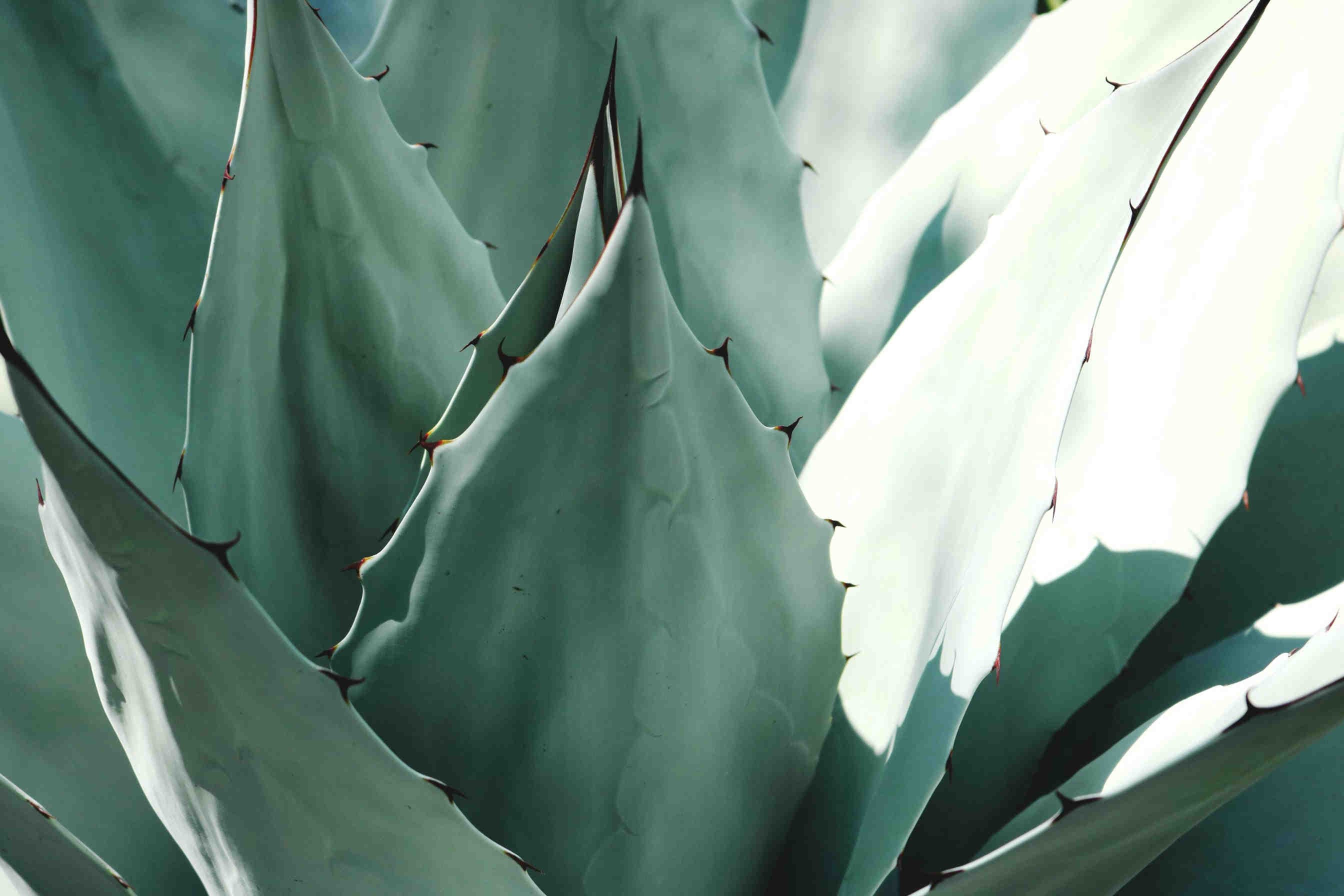
    Sometimes bats are the only pollinators of certain plant species. An example of this is the blue agave, whose scientific name is Agave tequilana and hints at its main use: the production of tequila. The production of this distillate, however, risks endangering bats. This is because due to the increasing demand for tequila, producers have started to opt for intensive agave cultivation and to increase production, the flowers of the plant are cut early. This causes the agave's sugar level to rise, allowing more tequila to be produced, but leaving the bats hungry. This process also leads to a depletion of the soil and the plant's genetic heritage. To counter this phenomenon, many producers have joined forces and produce a 'bat-friendly' tequila that does not involve these types of treatments.

    agave
    3Bee

    Hummingbirds

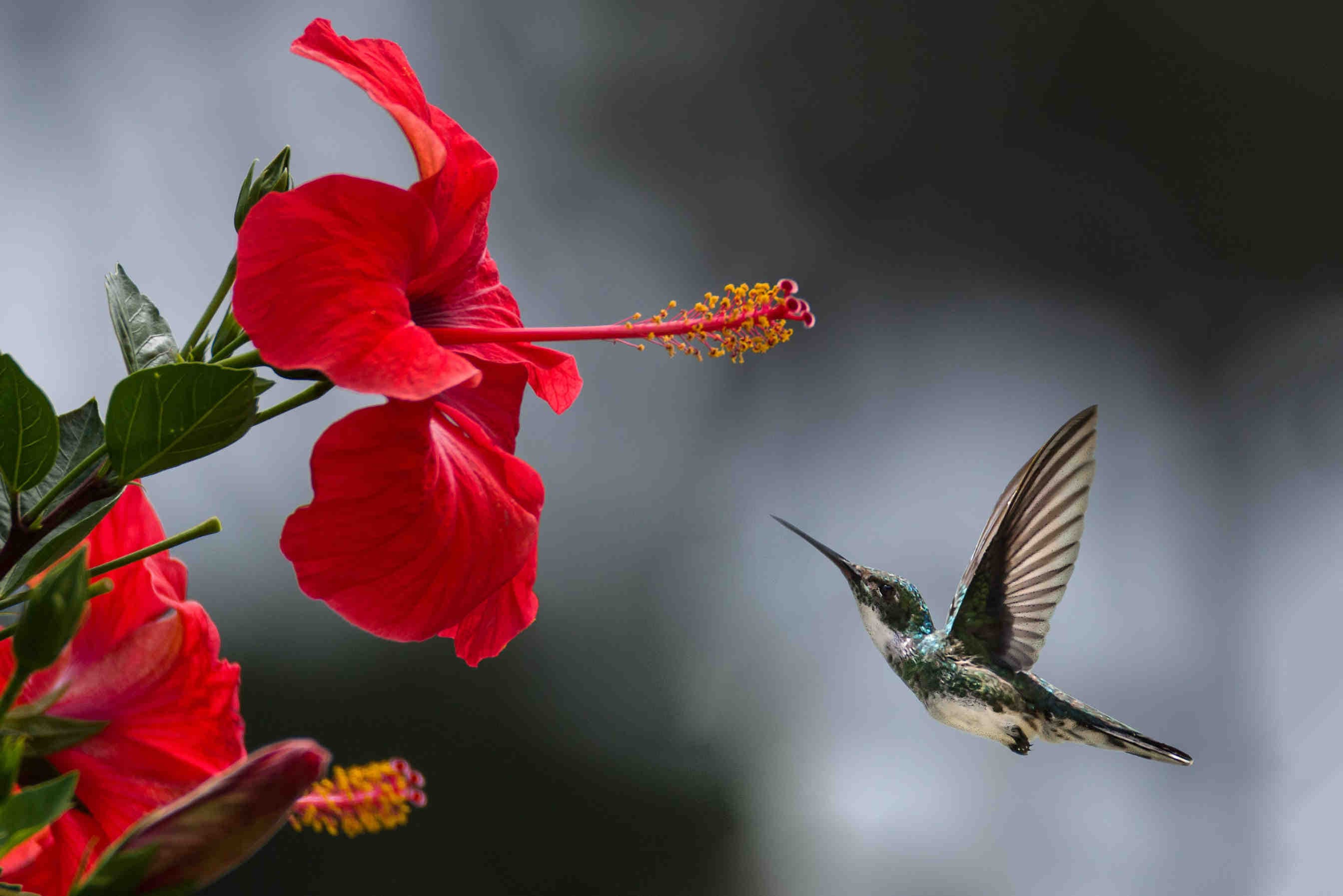
    Pollinating animals also include the Colibri. They are small birds of the family Trochilidae, distributed exclusively in North and South America. These birds have the ability to remain stationary flight by hovering almost motionless in the air, thanks to their extremely fast wingbeat. This ability allows them to feed on their favourite food, the nectar, while in the air. Like hummingbirds, there are many other families of birds that contribute to pollination such as the family Nectarinidae, found in Africa and Asia, and Meliphagidae found only in Australia, both families of passerine birds.
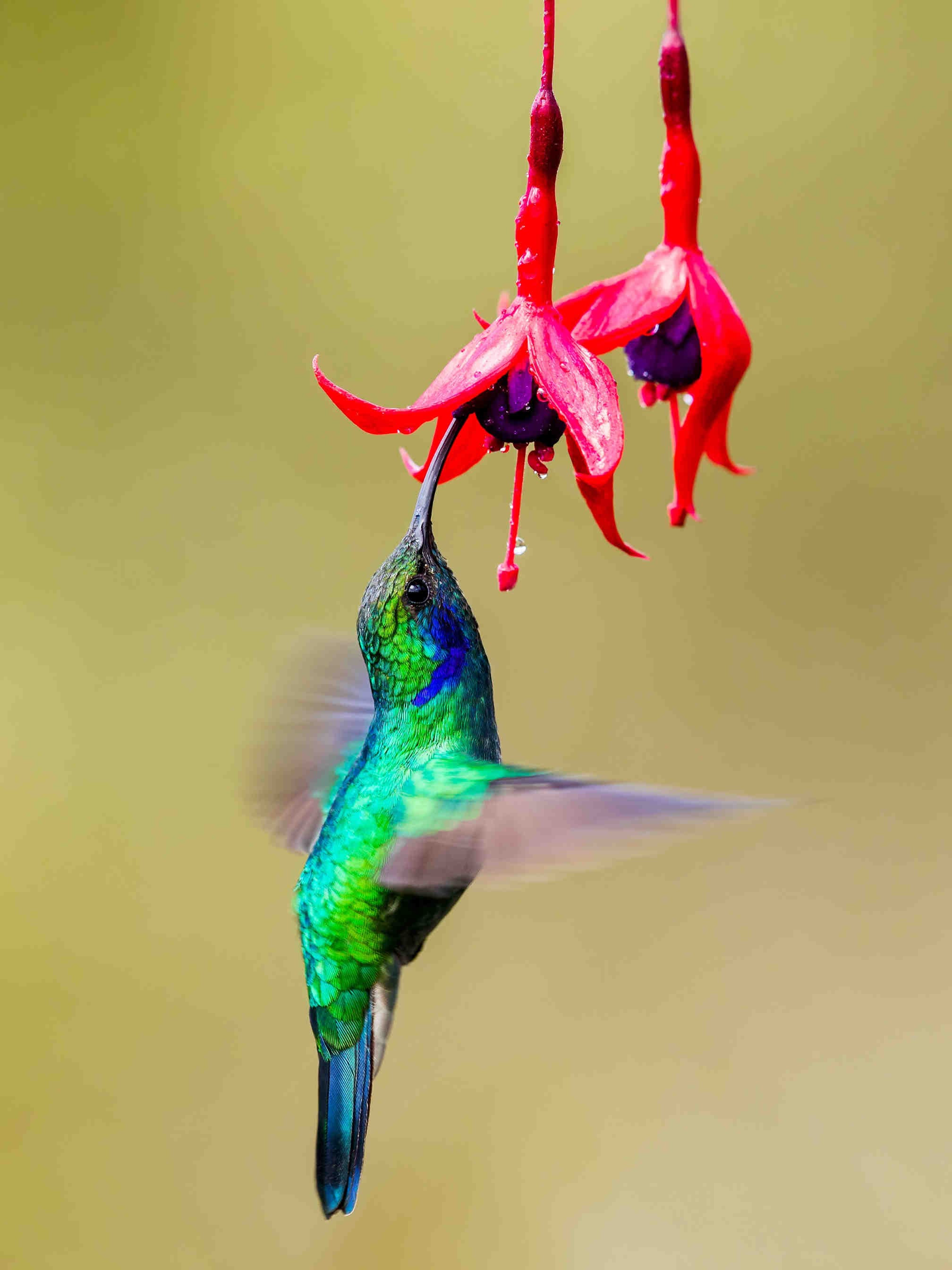
    colibrì

    All thanks to the possums

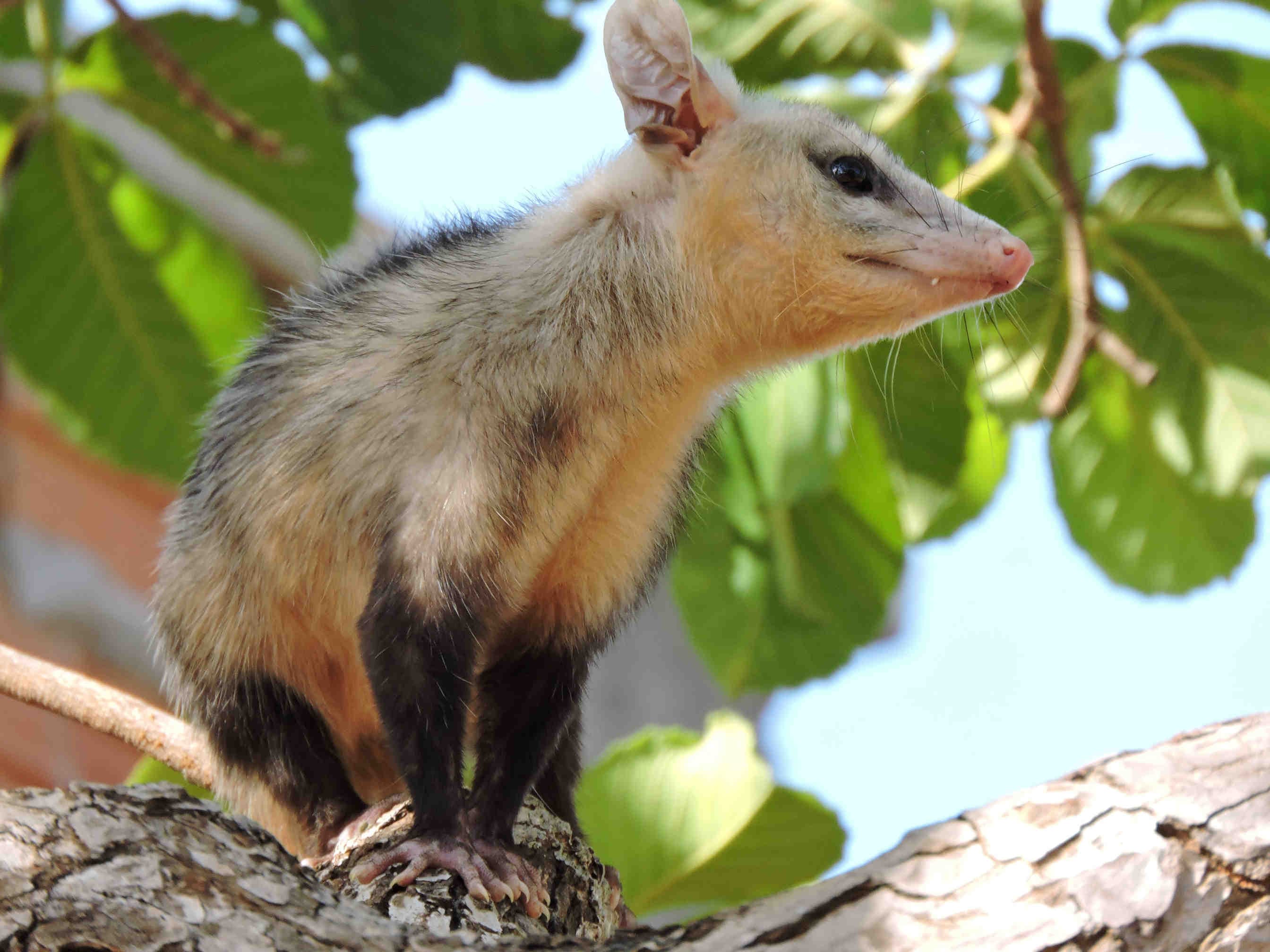
    For some plants, the process of pollination is more complicated than others. This is the case for the Scybalium fungiforme plant, a little-known plant found in Brazil that, as its name suggests, is shaped like a mushroom. Its flowers are covered by bracts, modified leaves that usually accompany the inflorescences of many plants. Due to its conformation, pollination is not so easy for this plant. After many studies, researchers were able to show that pollination of S. fungiforme was possible thanks to the intervention of some special pollinators: the opossum. These little marsupials, in fact, manage to open the bracts of the plant, uncovering the flower so that they can feed on nectar. In doing so, they soil themselves with pollen, contributing to the pollination of this plant. Once sated, the flower of S. fungiformis remains uncovered and thus available to all other pollinators.

    opossum

    Spiders

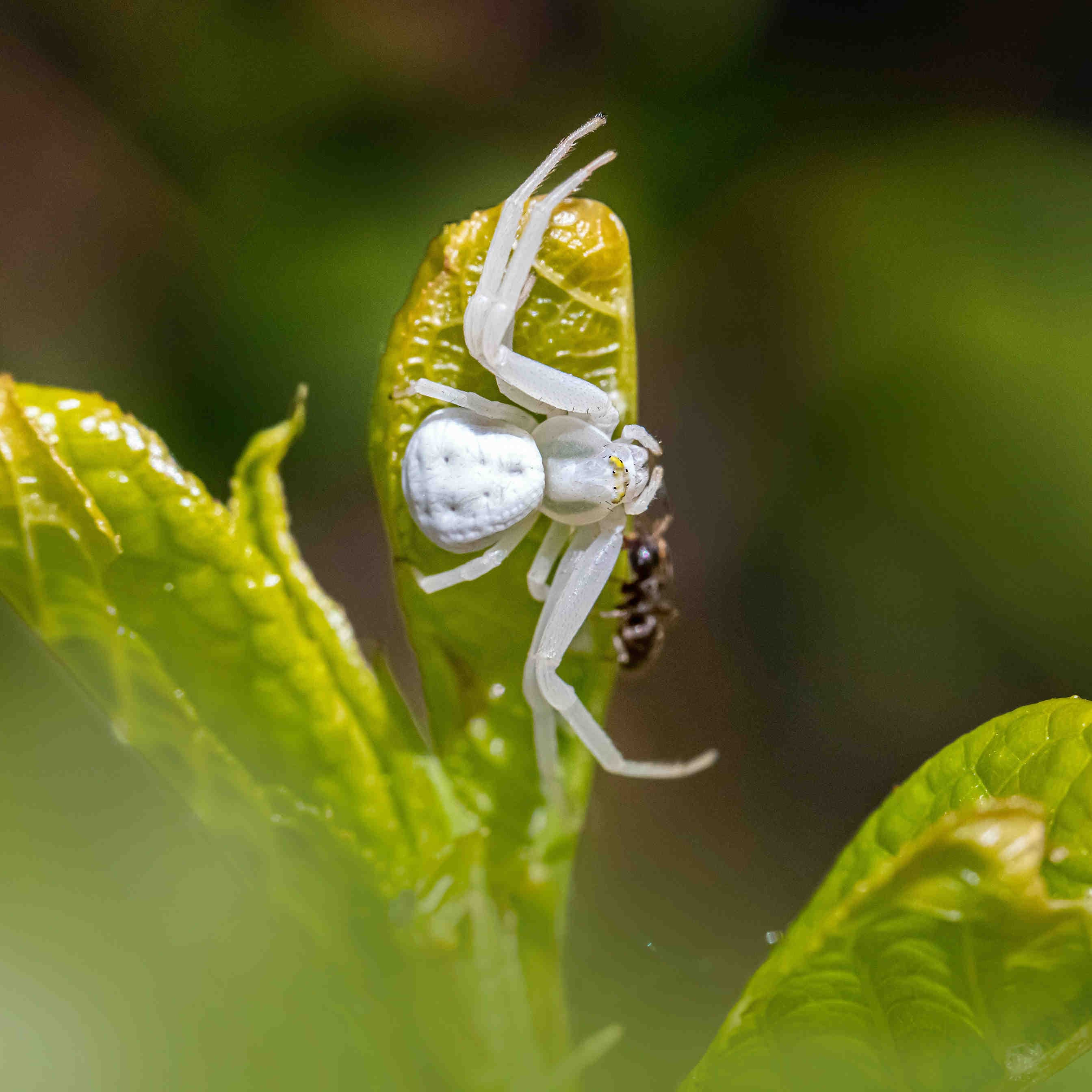
    For pollinators, flowers are succulent destinations to fly to for a tasty meal. Sometimes, however, they can prove fatal because some spiders from the family Thomisidae can be present on the flowers. These animals, also called crab spiders because of their body shape, are often found on flowers, not because they feed on pollen or nectar, but because they wait there for their prey. In fact, they are predators of many pollinating insects that fly towards the plant in search of nectar but run into their predator. Moving from flower to flower to hunt their prey, these spiders also make their contribution to pollination.

    ragno granchio

    How cocoa 'comes into being

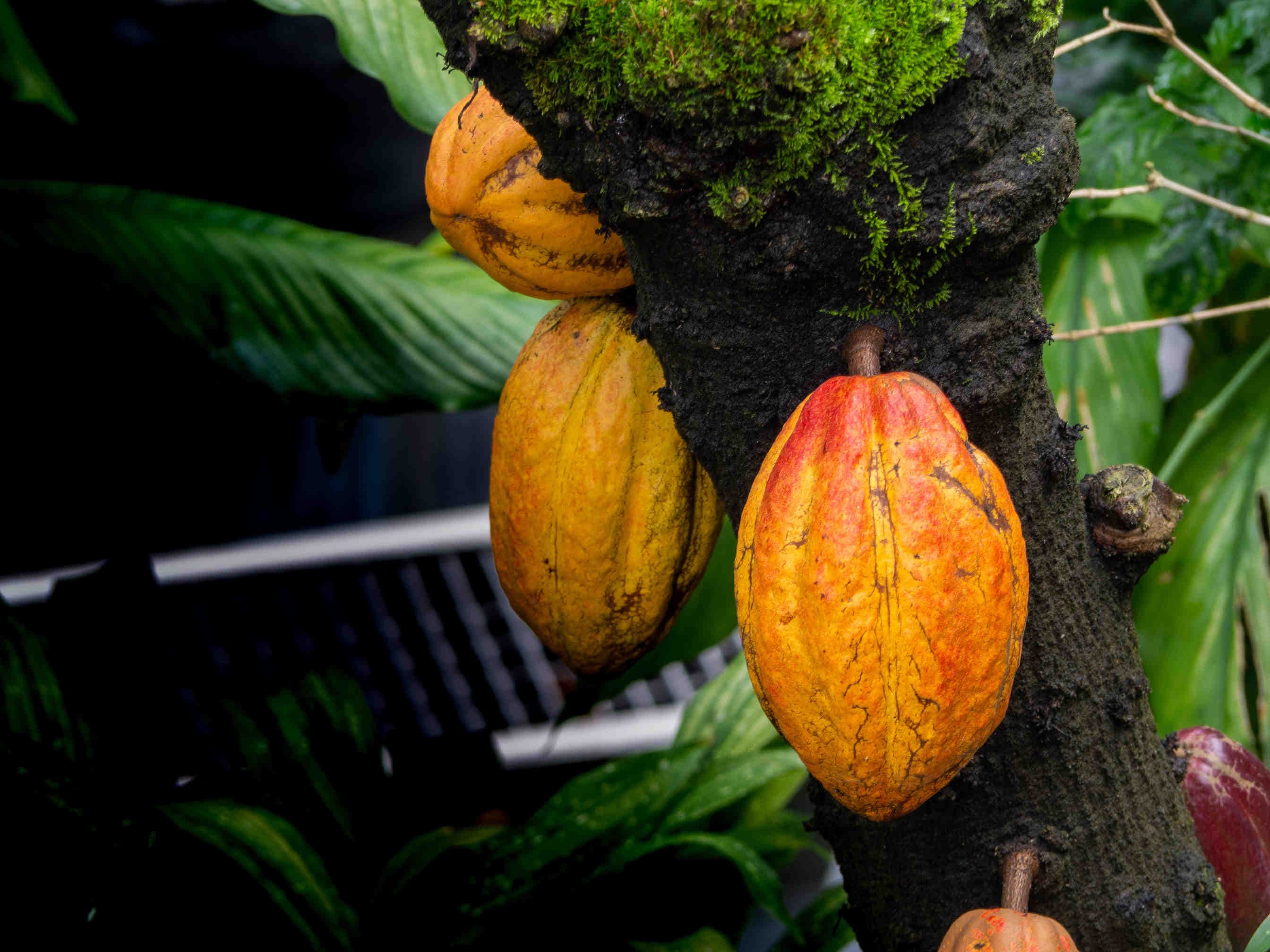
    Certainly, insects are the group of animals that contribute most to pollination. One would never believe, however, that some of them could be pollinators. This is the case with a vast number of species of tiny flies that are responsible for pollinating cocoa plants. These midges are very fond of the climate of tropical forests, an ideal habitat for cocoa plants. However, due to the high demand for this product, these plants are now also cultivated in many other parts of the world, sometimes under less than ideal conditions. This is the case of some cocoa plants in Ghana, which have caused deforestation by not allowing cocoa plants to grow with the necessary shade. Since 2019, however, the Ghanaian government has helped farmers to plant trees to create shade on their land. The result has been a 50% increase in crop yields, thanks to the return of a habitat suitable for pollinators.

    cacao

    Defending pollination

    Given the great ecosystem value of the pollination service, it is easy to understand how crucial it is to preserve it. Unfortunately, however, the process of pollination is now being put to the test because many of the players who carry out this mechanism are under threat. For example, the pollinating insects, which make up 99.6% of pollinating animals, are in continuous decline due to multiple threats caused by humans through activities such as intensive agriculture, pesticide use and habitat loss. 3Bee also took the field to protect pollinators with the Oases of Biodiversity: urban and agroforestry habitats created in areas of low biodiversity with the aim of regenerating it. Places where technology joins nature to ensure the protection and regeneration of ecosystems, to the benefit of pollinators.

    Article edited by Marta Depetris

    api biodiversità
    22/12/2023Of 3Bee, Elena Fraccaro
    1739 Views
    Newsletter
    newsletter
    Subscribe to the Blog about bees and biodiversity

    Frequently Asked Questions

    Do you have any doubts or other curiosities about this article? Here you will find some insights