Oleander: a fascinating and hardy Mediterranean plant
    OleanderDiffusionLife cycleLeaves

    Oleander: a fascinating and hardy Mediterranean plant

    Oleander (Nerium oleander) is a Mediterranean plant symbol of beauty and endurance, known for its vibrant blooms but also for its toxicity. Learn about the characteristics, life cycle, distribution and origin of the name of this plant species.

    Read the article
    20/11/2024Of 3Bee, Lisa Santillo
    4183 Views
    20/11/2024Of 3Bee, Lisa Santillo
    4183 Views

    Oleander: characteristics, flowers and fruits

    Disclaimer: this is an automated translation from Italian. Go to the original article.

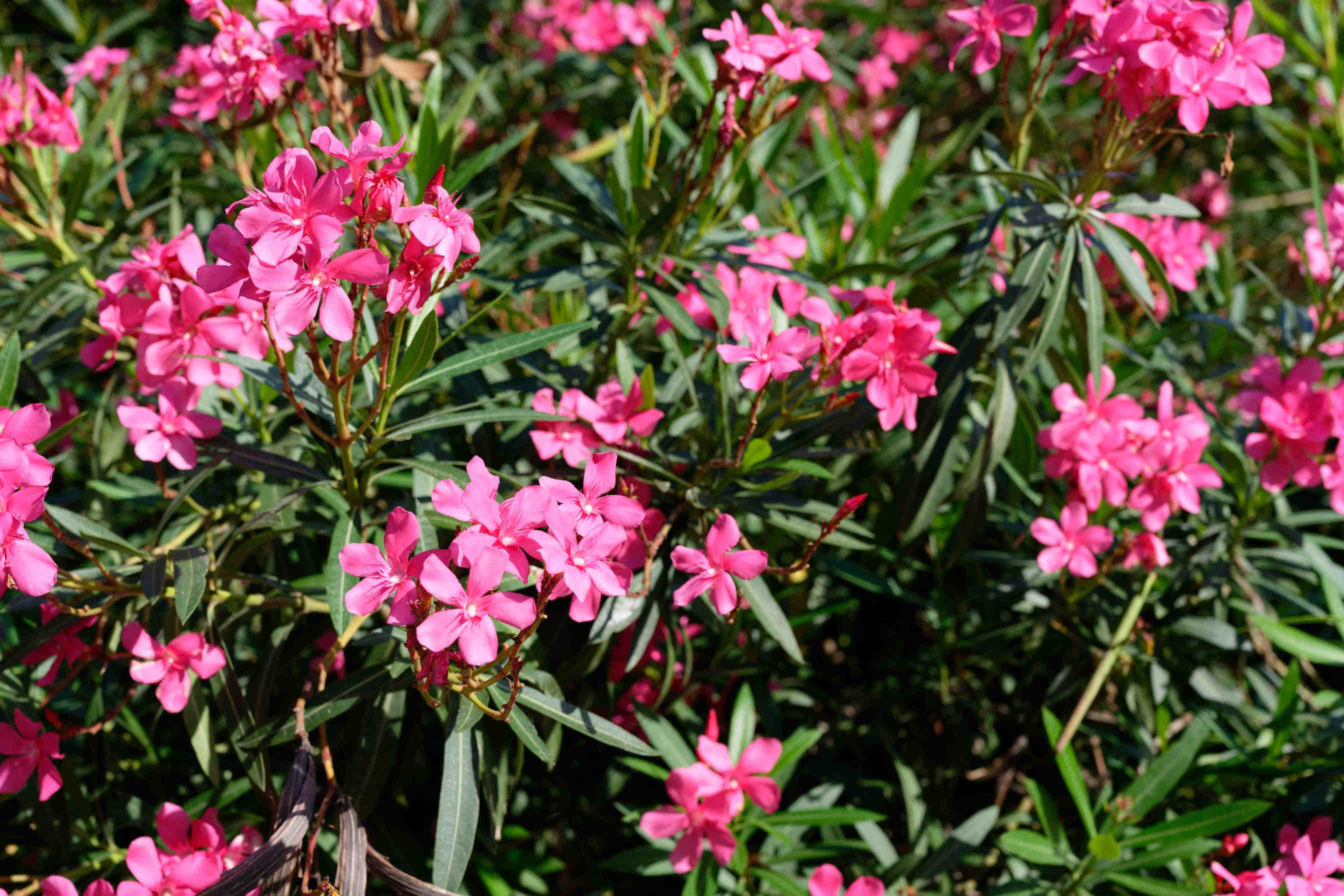
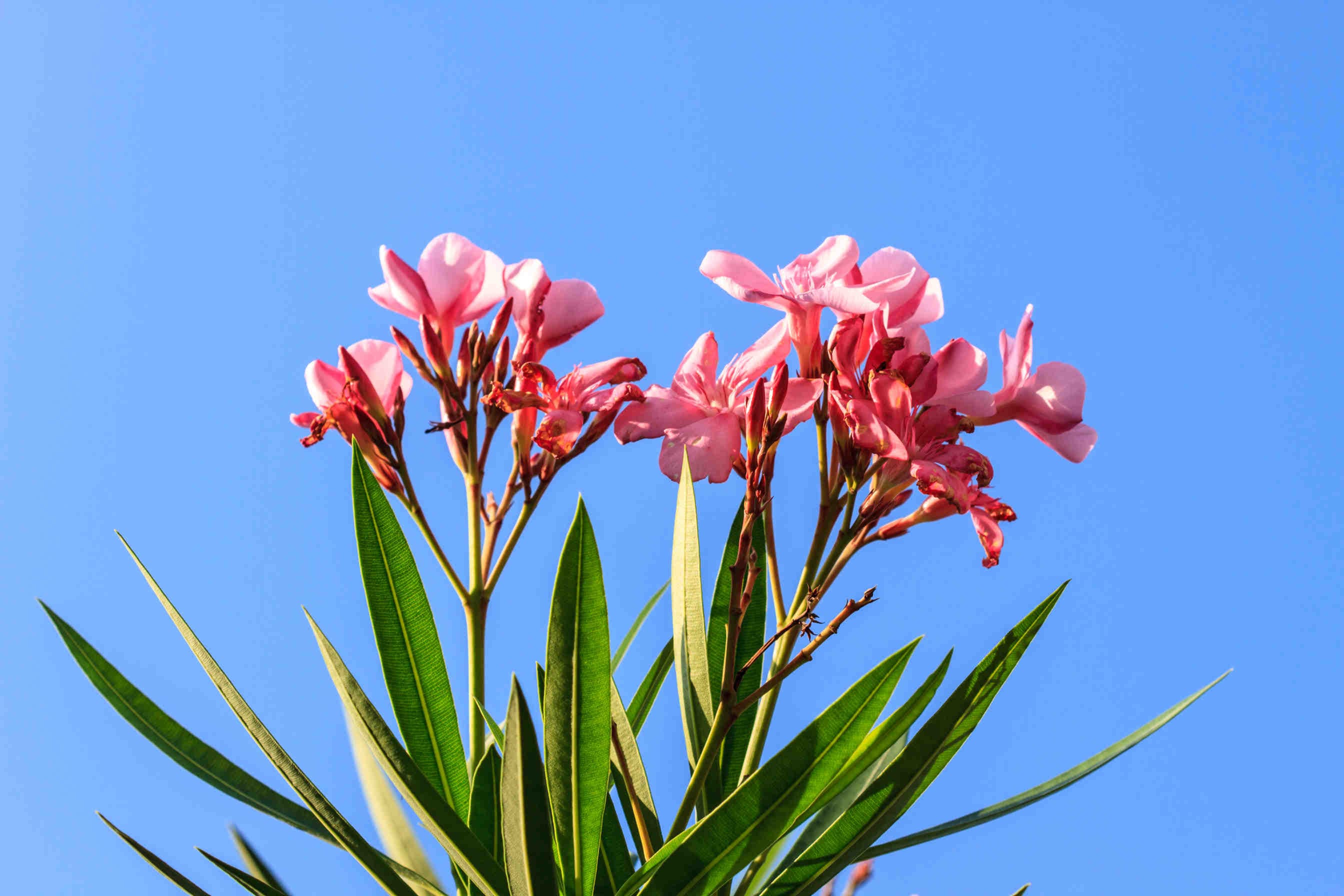
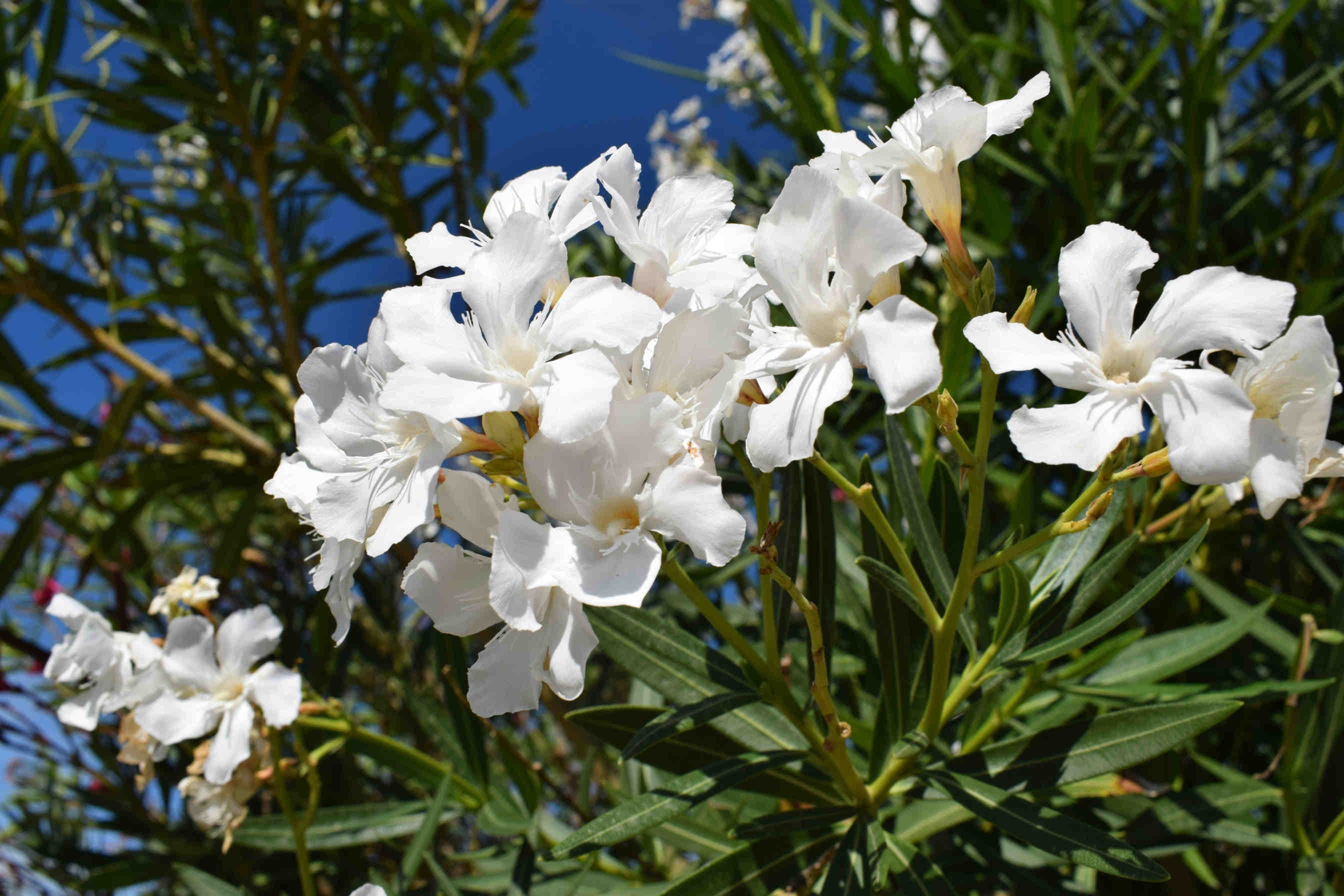
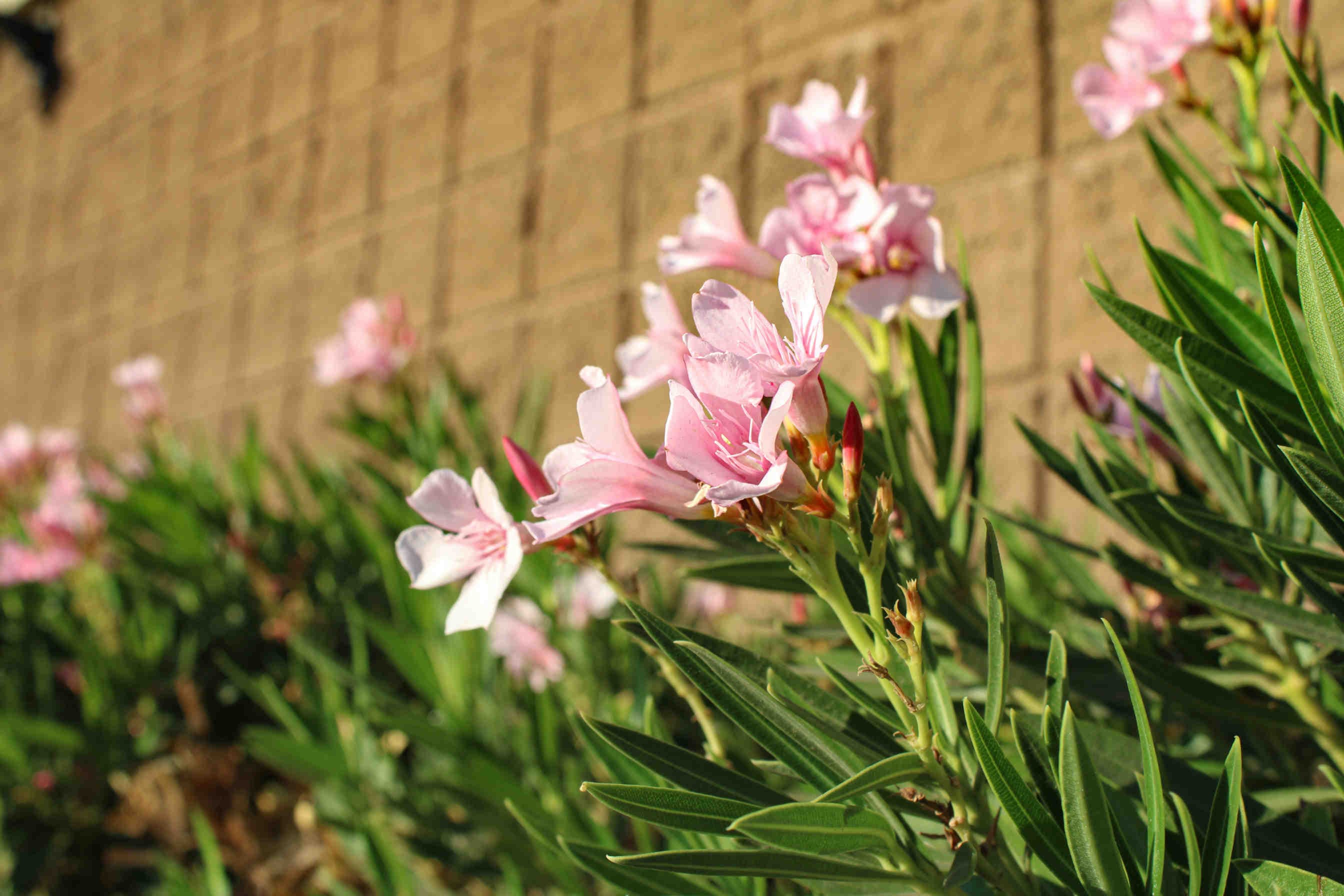
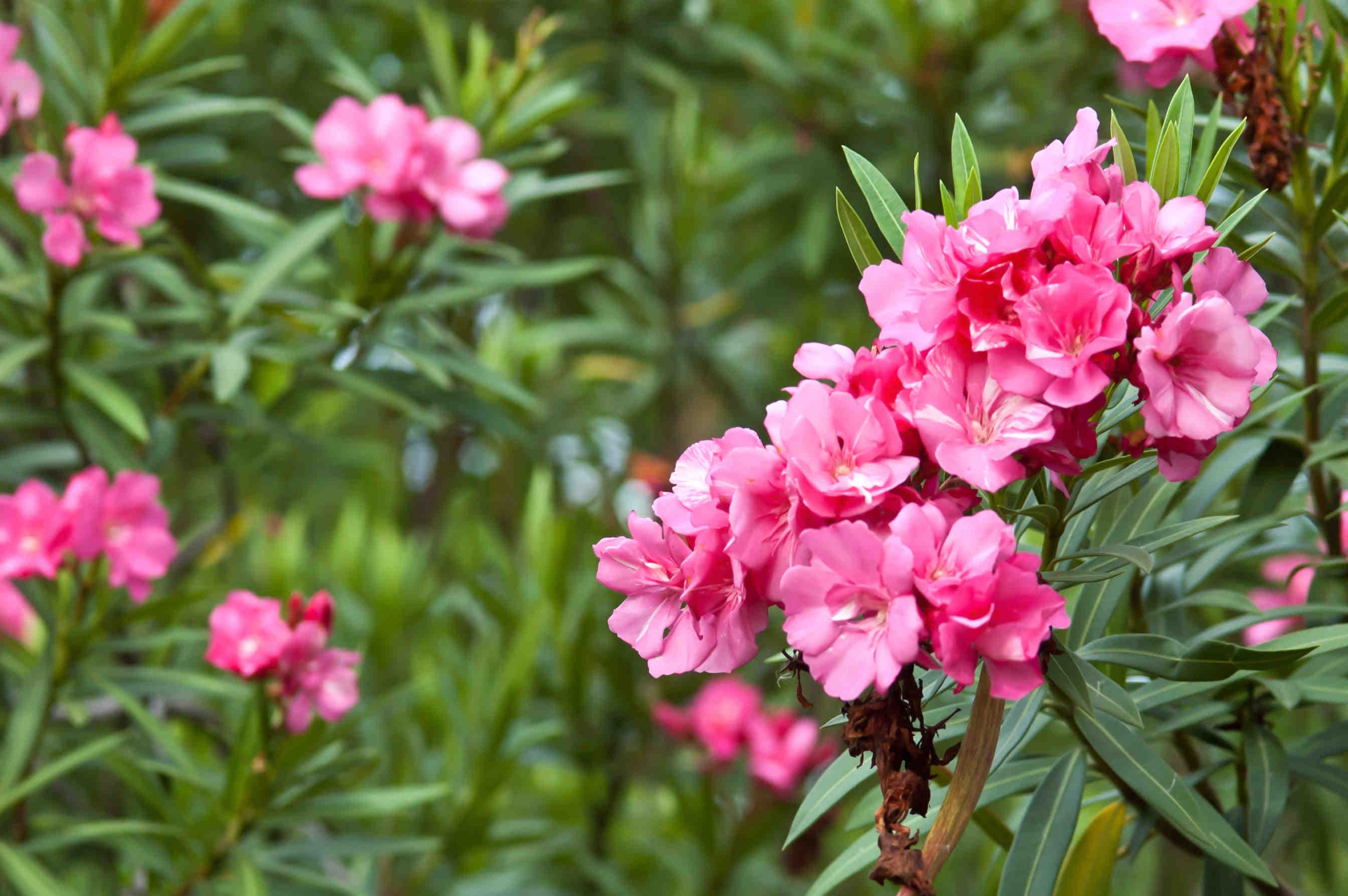
    The oleander (Nerium oleander) is an evergreen plant from the Mediterranean, known for its ability to adapt to the driest climates and for the beauty of its flowers. It can grow up to 6 metres in height, forming a dense and lush foliage. Its leathery, long, narrow leaves have a fundamental function: they retain moisture, enabling the plant to survive even in extremely dry conditions. Its flowers, which bloom from May to September, vary from white to pink to bright red, and attract the eye with their fragrance and vivacity. The lesser-known fruits are long, thin capsules containing feathery seeds, ready to be carried by the wind.
    oleandro

    Spreading oleander

    The oleander is native to the Mediterranean basin and the Middle East, but thanks to its hardiness it has spread to many warm and temperate regions of the world. This plant tolerates poor soils and dry climates, growing wild along rivers and in arid areas. In Italy, it is particularly present in southern cities, where it is used to decorate boulevards, gardens and traffic islands, providing a touch of colour in the summer months. Its ability to survive high temperatures and drought makes it a frequent choice in urban environments, where it also helps stabilise the soil and prevent erosion.

    oleandro pianta
    XNatura

    Oleander life cycle

    The life cycle of oleander is characterised by rapid growth and remarkable longevity. This plant can live for decades, always maintaining a lush foliage and flowering continuously each year. During the spring and summer, it enters an active growth phase, producing new shoots and flowers that create an extraordinary visual impact. In autumn and winter, it slows down its metabolic activity, but continues to remain green. Oleander's ability to withstand prolonged periods of drought and harsh weather conditions makes it a perfect example of plant resilience.

    foglie oleandro

    Oleander: how to recognise the leaves

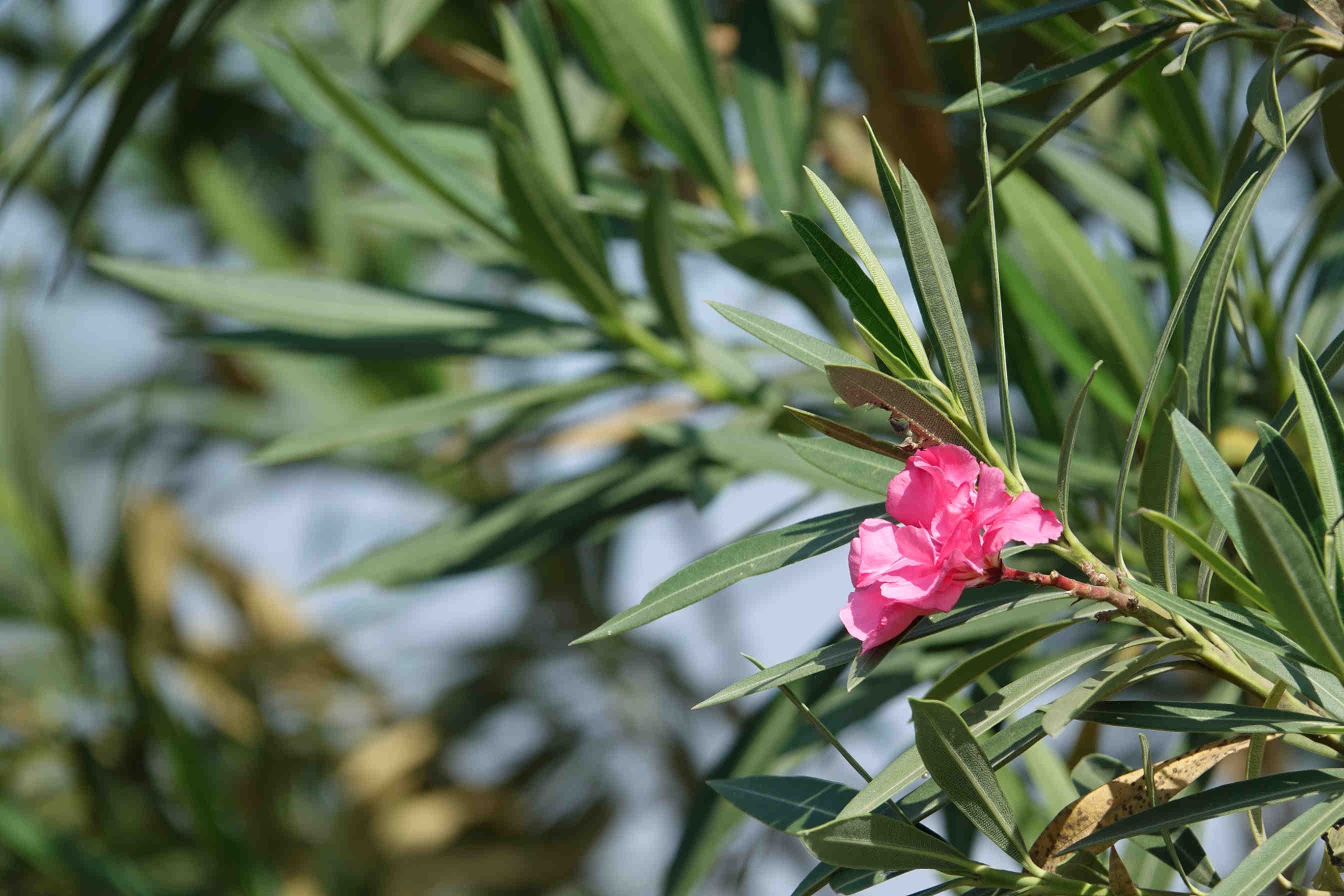
    The leaves of oleander are long, narrow and leathery, with a dark green, shiny surface on the upper side and more opaque on the underside. Arranged in opposite pairs or whorls of three, they have a well-marked midrib. Their hard texture allows the plant to reduce water loss through evaporation, ensuring survival in arid environments. This characteristic, combined with their distinctive shape, makes it easy to identify the oleander even from a distance. The leaves play a crucial role in protecting the plant, keeping it healthy and lush even in the most hostile climates.

    fiori bianchi oleandro
    XNatura

    Is oleander toxic?

    oleander is a toxic plant because it contains chemical compounds called cardiac glycosides, such as oleandrin and nerianthin. These compounds interfere with the functioning of the heart, altering the heart rhythm. If ingested, they can cause severe symptoms, including nausea, vomiting, abdominal pain, arrhythmias and, in the most extreme cases, heart failure and death. Even simple contact with the sap of the plant or inhaling the smoke produced by burning oleander branches can be dangerous. Oleander also has an impact on biodiversity: although it provides shelter and shade for small animals and birds, its flowers are not visited by pollinating insects, such as bees and butterflies, as they lack nectar.

    fiori oleandro
    3Bee

    Oleander: origin and meaning of the name

    The name oleander derives from the Greek word 'nerion', recalling the plant's predilection for damp places, and from the Latin word 'olea,' referring to the resemblance of its leaves to those of the olive tree. Over time, oleander has become a symbol of strength and endurance, but also of danger, due to its toxicity. In many Mediterranean cultures, it is seen as an emblem of the ability to thrive in difficult conditions, symbolising the beauty of nature that can be both bewitching and deadly. Also, according to one legend, Oleander branches were used by Napoleon's soldiers in Spain to roast meat over a fire, causing lethal effects for most of them.

    biodiversa app

    Biodiversa: the 3Bee game app to monitor biodiversity

    Biodiversa is the free game app for monitoring biodiversity and protecting ecosystems that allows you to 'collect' and easily identify the plants you come across during an outdoor walk. An ambitious citizen science project aims to create a cooperative archive dedicated to flora in Europe, involving player users with challenges to catalogue species, some of which are rare or endangered. Available for iOS and Android, Biodiversa has a dynamic similar to that of some well-known free-to-play video games that encourage moving and travelling in the real world to 'collect' characters. As of 9 September 2024, the "Biodiversa Heroes" sweepstakes will start: each new and different plant photographed and captured earns a point and climbs the leaderboard, to try to win fantastic prizes. The aim is to reward the most 'biodiverse' nature explorers.

    20/11/2024Of 3Bee, Lisa Santillo
    4183 Views
    Newsletter
    newsletter
    Subscribe to the Blog about bees and biodiversity

    Frequently Asked Questions

    Do you have any doubts or other curiosities about this article? Here you will find some insights