Over 1,300 Hectares of Newly Discovered Ancient Woodland in the UK
    Ancient forestsRediscoveryIdentificationInventory

    Over 1,300 Hectares of Newly Discovered Ancient Woodland in the UK

    A project in the UK has identified over 1,300 hectares of newly recognized ancient woodlands. These biodiverse ecosystems are essential for carbon sequestration and the preservation of rare species, a treasure of biodiversity.

    Read the article
    27/10/2024Of 3Bee, Lara Vivarelli
    888 Views
    27/10/2024Of 3Bee, Lara Vivarelli
    888 Views

    Ancient Forests: A Heritage of Biodiversity

    Disclaimer: this is an automated translation from Italian. Go to the original article.

    Ancient forests represent an irreplaceable habitat due to their extraordinary richness in terms of number and diversity of species. These forests take centuries to develop, making them valuable natural assets. They are crucial for wildlife, for soil health, carbon capture and storage, and contribute to the seed bank and genetic diversity. They also provide opportunities for recreation, promote health and well-being, and have a cultural, historical and landscape value. Ancient or secular woodland is defined as any area that has maintained an unbroken forest cover since 1600 AD, characterised mainly by native trees and shrubs.
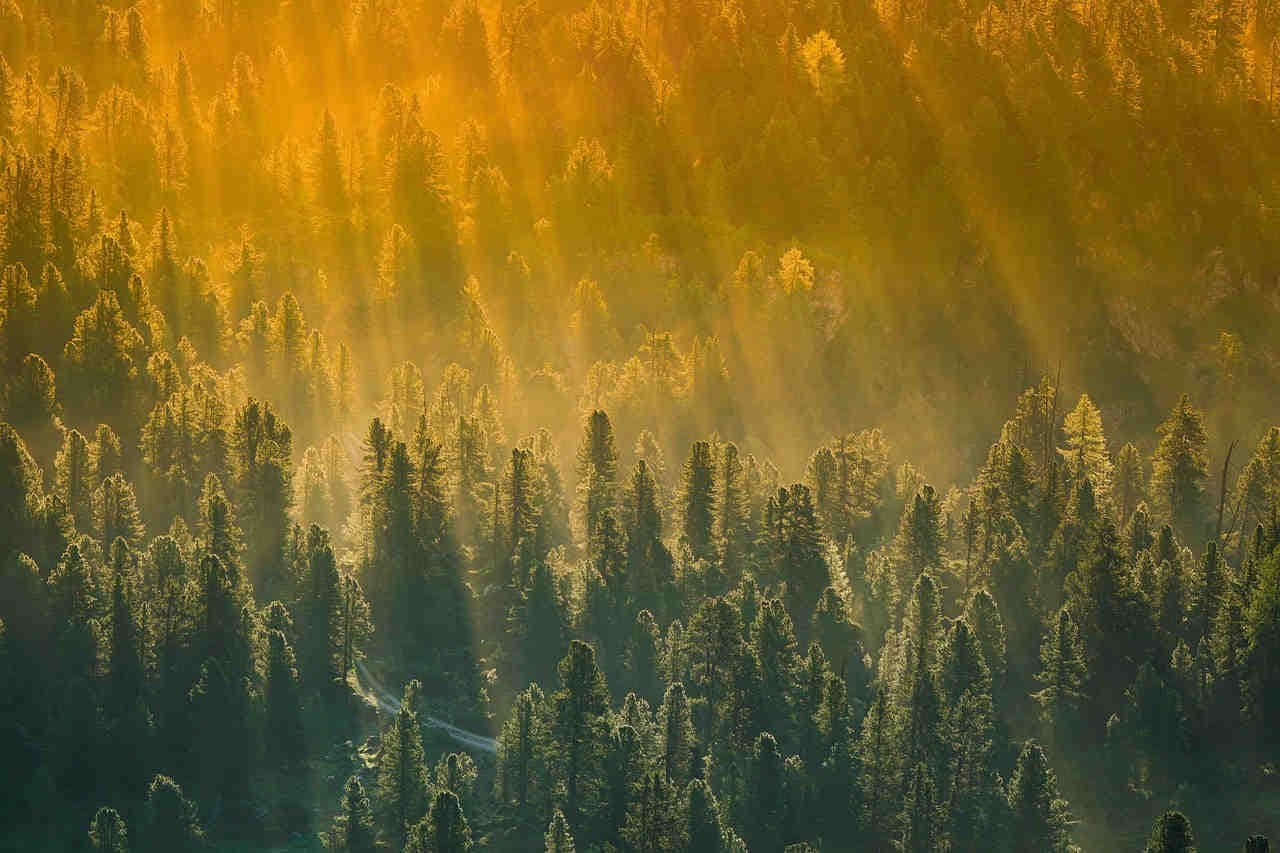
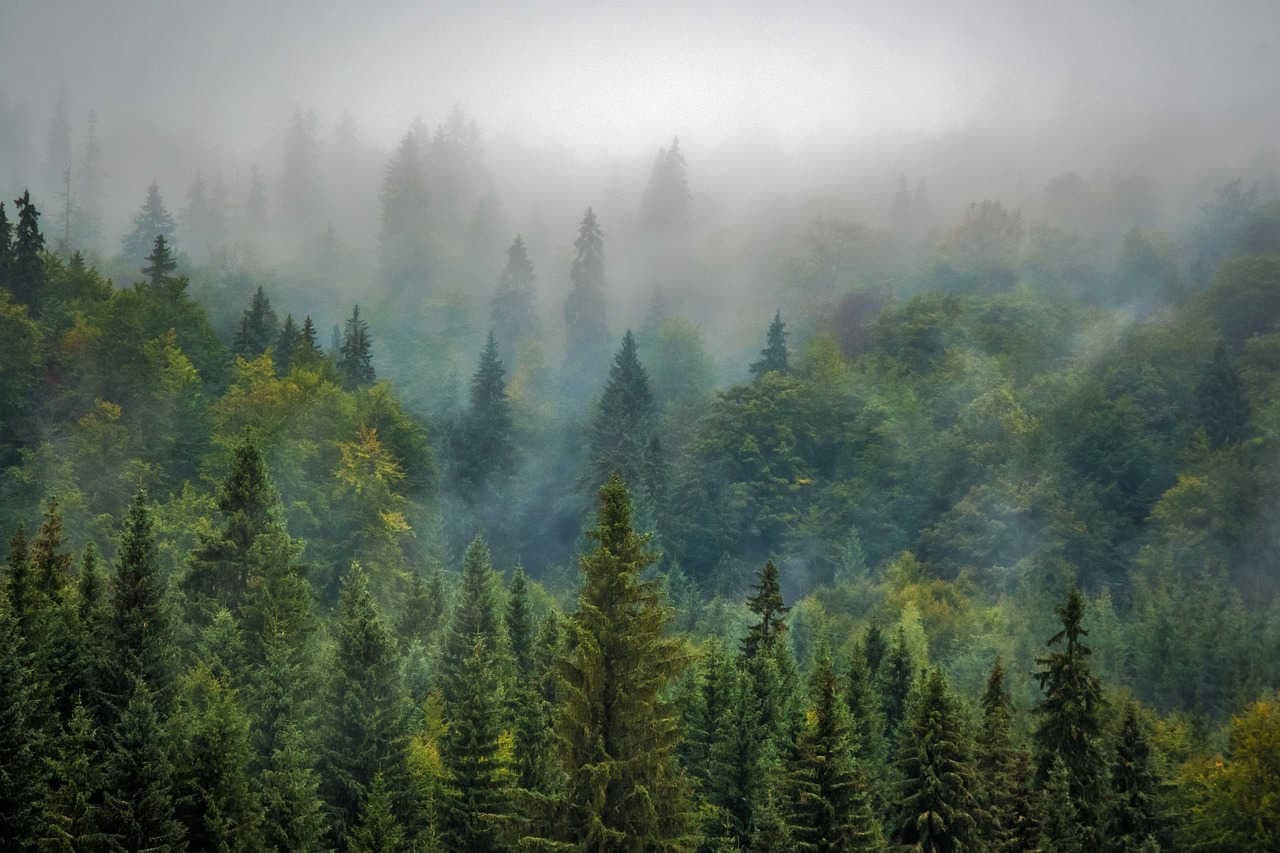
    bosco secolare ricco di biodiversità

    Rediscovering Over 1,300 Hectares of Ancient Forests

    A two-year project, carried out in three counties in the UK, has uncovered over 1,300 hectares (3,271 acres) of previously unknown ancient woodland, dating back to the 1600s. The initiative, led by the Wildlife Trust of Bedfordshire, Cambridgeshire and Northamptonshire, has updated the total area of known ancient woodland to 12,552 hectares (31,016 acres). Katharine Flach, project leader, consulted the deciduous woodland inventory updated in the 1980s and 1990s, examined historic maps from Cambridge University and mapped existing areas, as well as carrying out field assessments to identify new sites. Currently, ancient woodlands in the UK cover about 2.5% of the country, and are home to a great variety of plant species, fungi, insects and microorganisms.
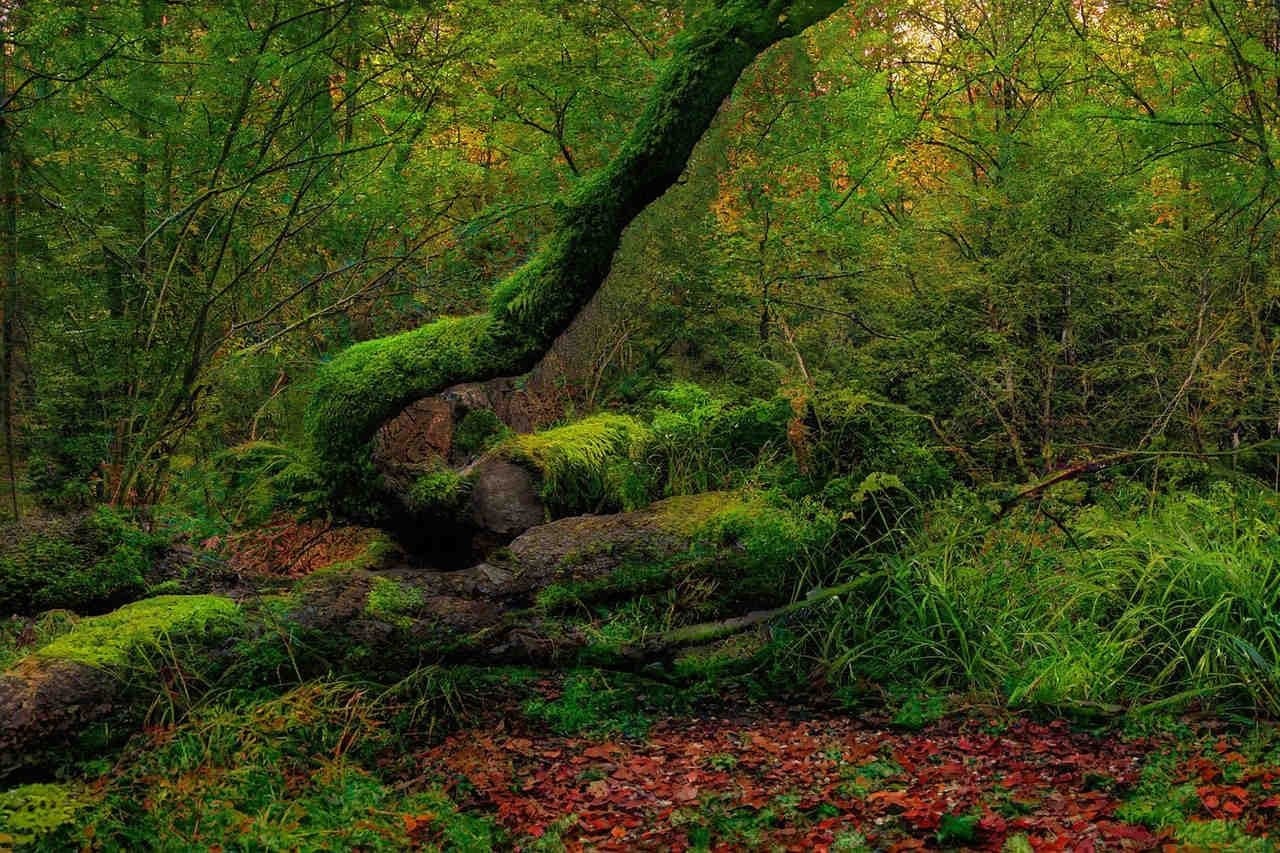
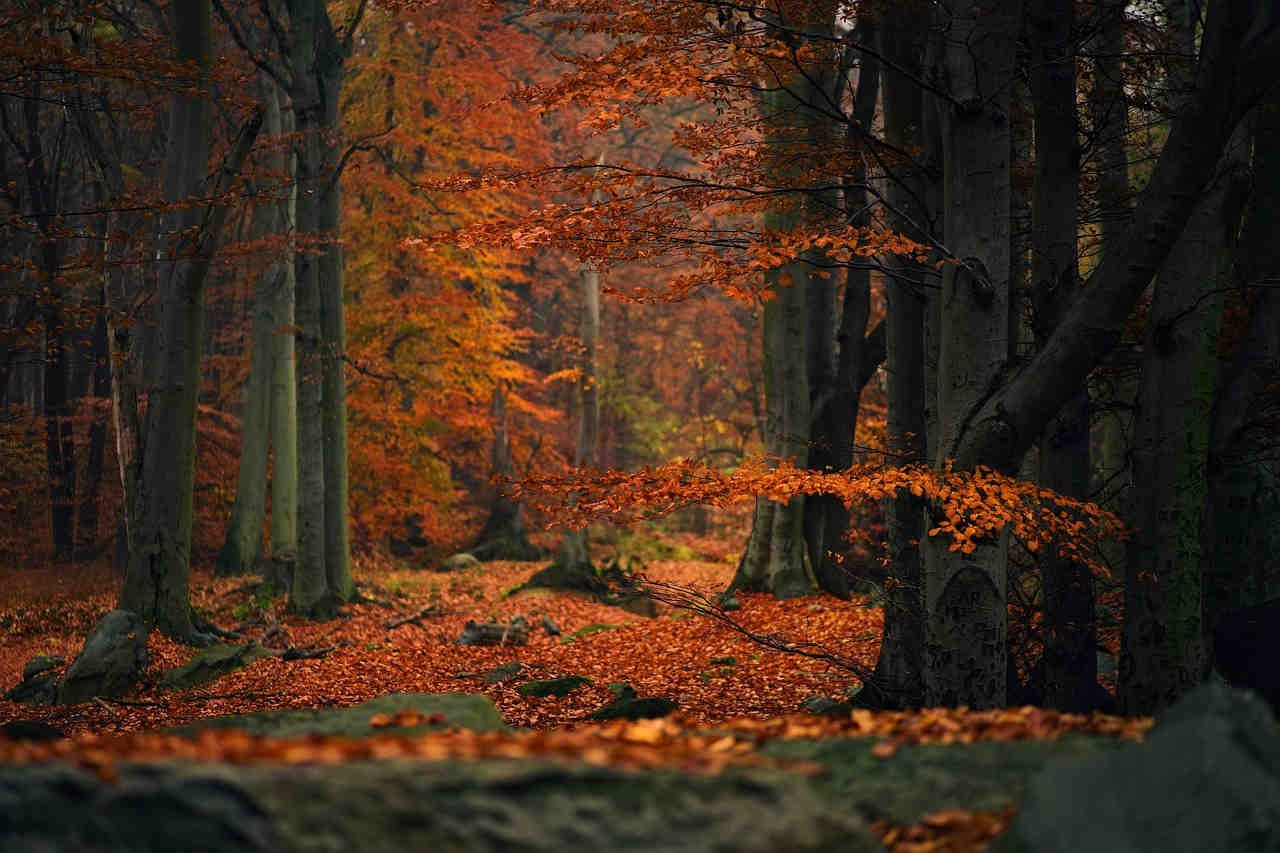
    1300 ettari di boschi vetusti riscoperti nel regno unito
    XNatura

    How Ancient Forests Are Identified

    To be classified as ancient forest, an area must possess certain characteristics. Certain plant species may indicate a prolonged clearing activity. Among the plants commonly used as indicators of ancient woodland are the campanula, woodland anemone, woodland asperula and bear garlic, which are a simple method of assessing the age of a woodland. However, indicator species may vary in different regions of the UK. In general, a greater variety of species in a woodland increases the likelihood that it is old, thus highlighting its richness in biodiversity. Groups of organisms such as lichens, insects and molluscs are also excellent indicators of ancient woodlands.The boundaries of these woodlands often have features such as banks or ditches, sometimes enhanced by hedges and large trees. Once identified as ancient, a forest receives protection from potential urban development.
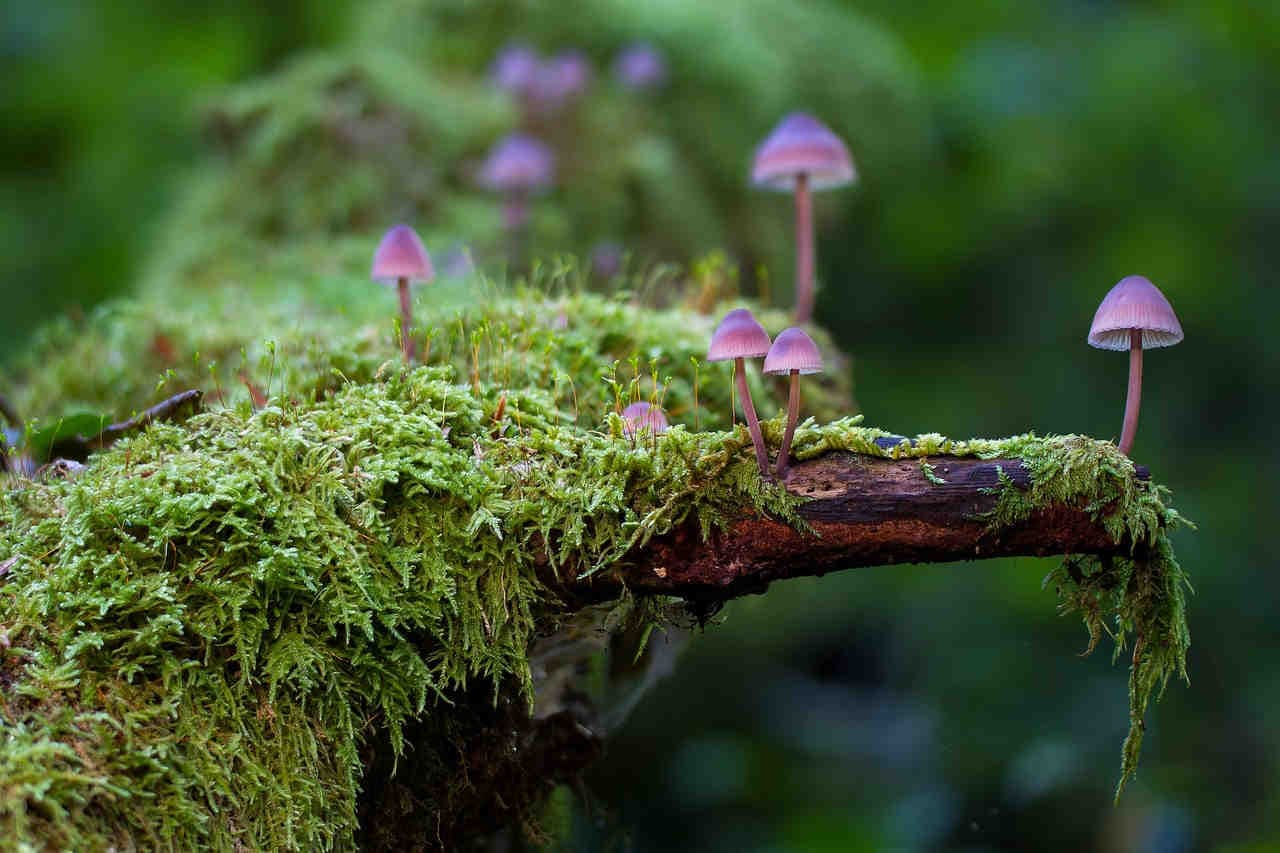
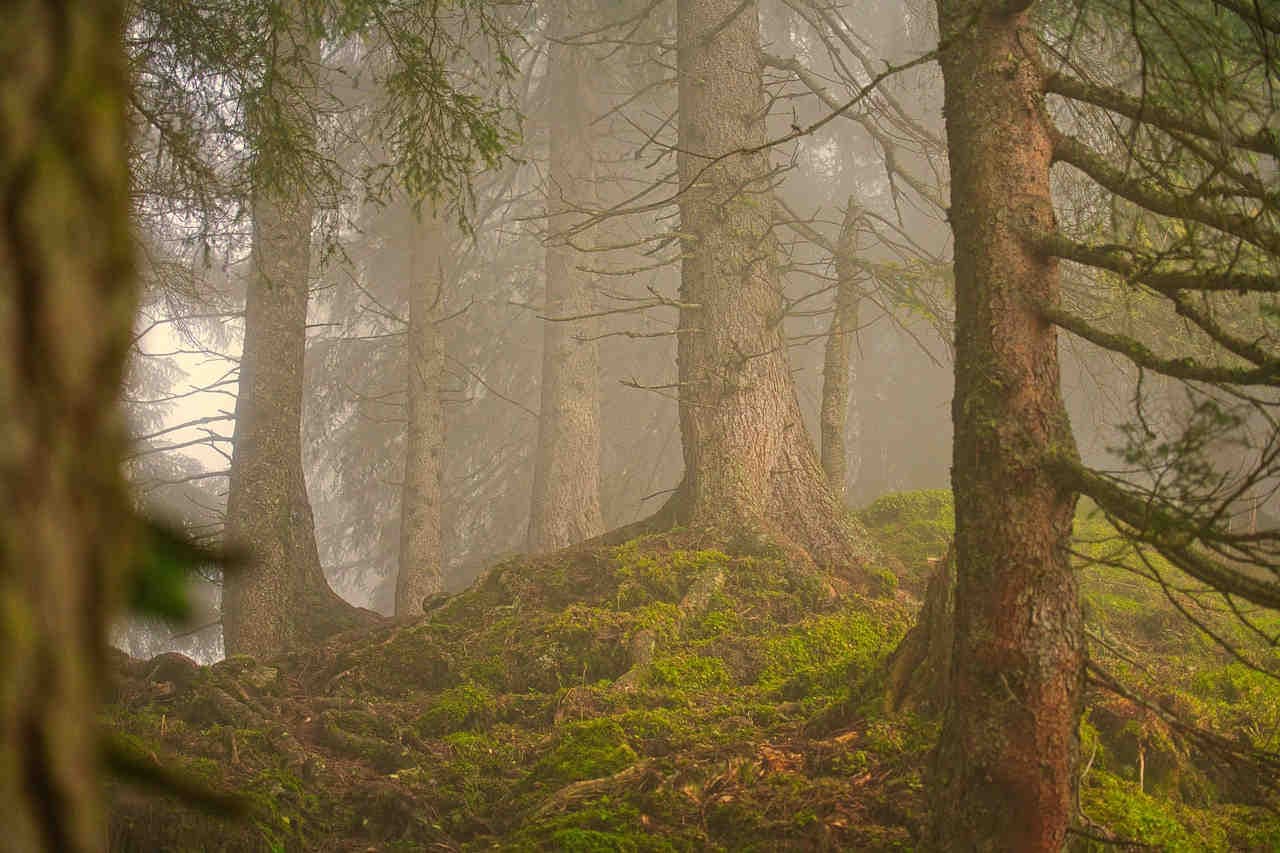
    identificazione bosco antico tramite bioindicatori

    The Ancient Forest Inventory in England

    The inventory of ancient woodlands in England identifies over 52,000 sites. Their classification is based on various factors, including presence on old maps, the name of the woodland, shape, internal boundaries and position in relation to other geographical features, as well as ground surveys and aerial photographs. A variety of evidence is required to identify them, from key species, known as indicators of ancient forests, todocumentary and historical evidence. Each woodland is recorded in the inventory database with information such as the area in hectares and the percentage of semi-natural or replanted woodland. Although many ancient woodlands have been mapped, each country in the UK has its own inventory. These provide details on the classification of woodlands, including those considered ancient.
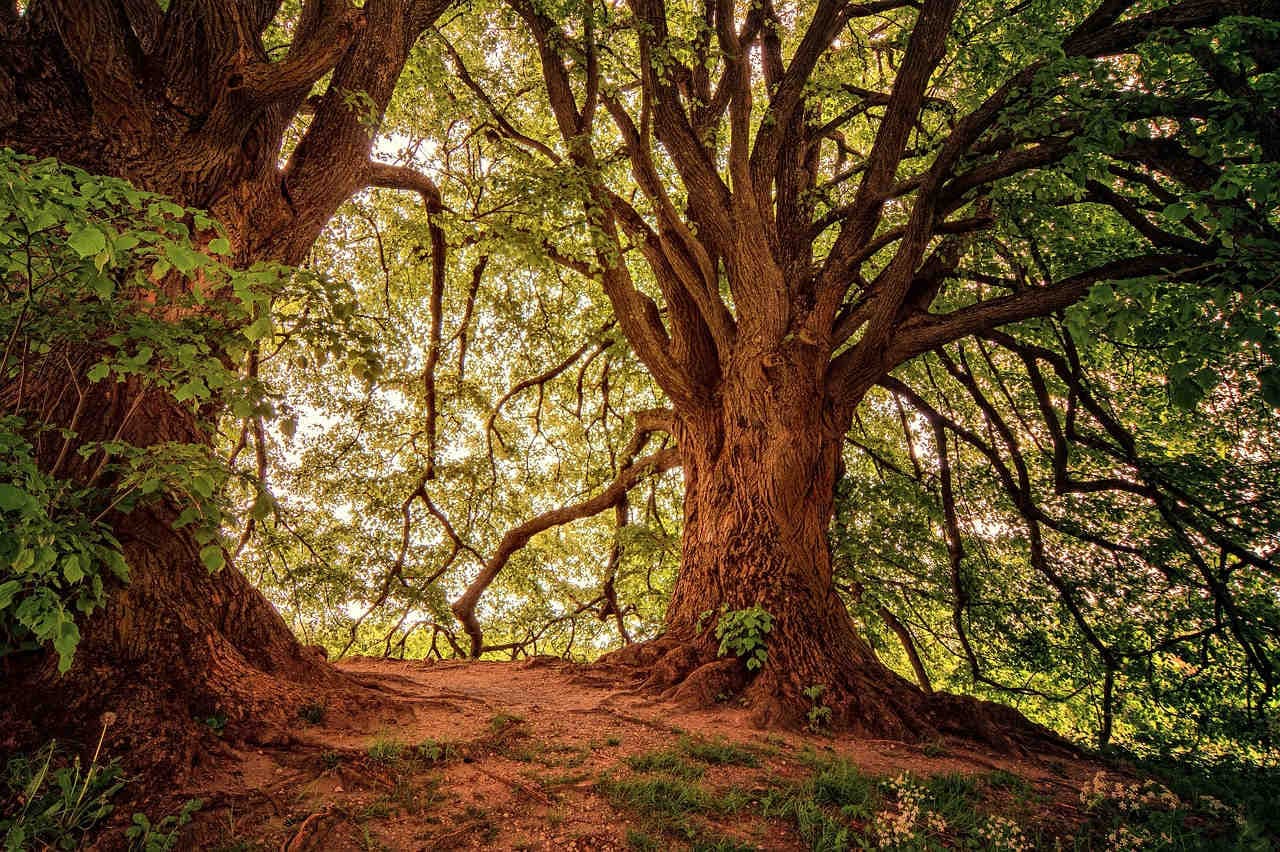
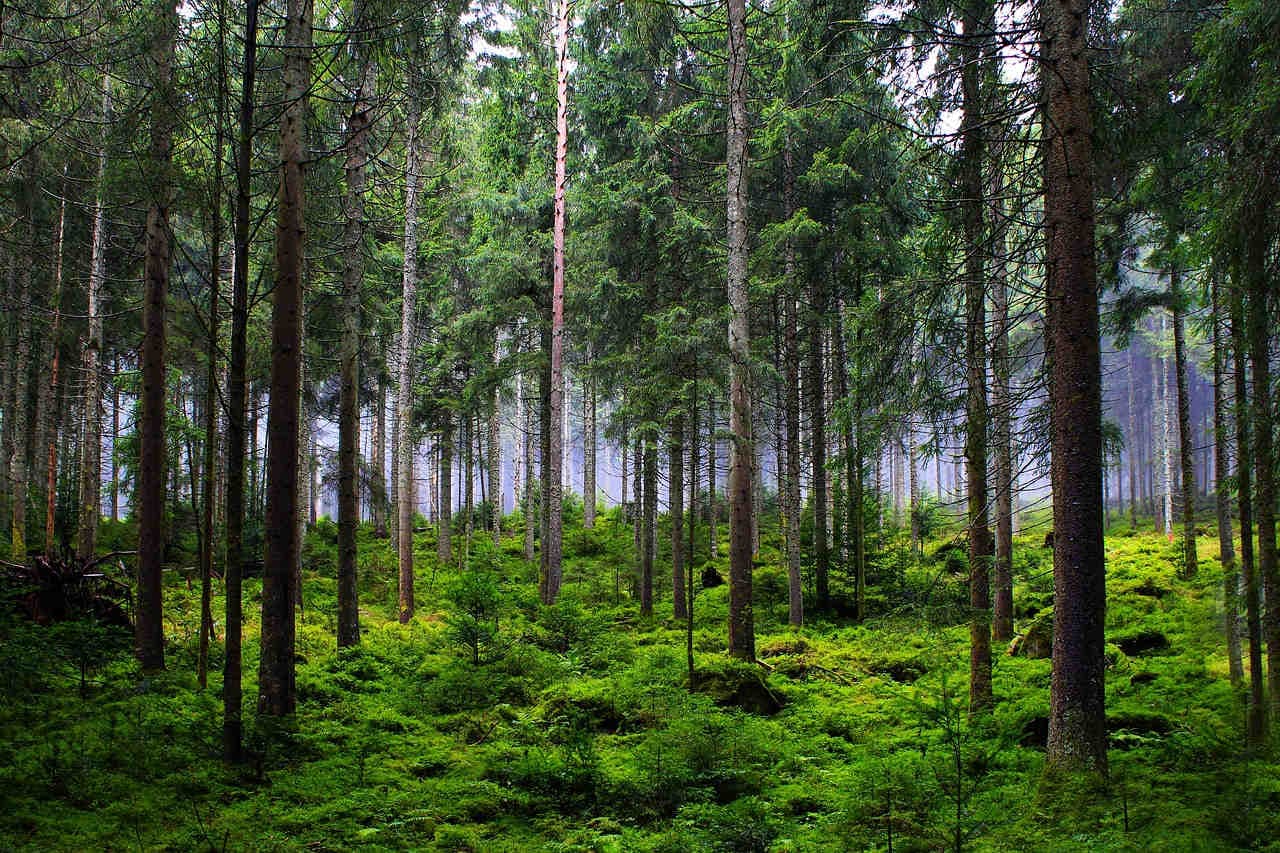
    inventario dei boschi antichi dell'inghilterra
    XNatura

    The Importance of Ancient Forests for Humanity

    Over the centuries, man has found in the forests a precious source of fuel, food and shelter. Even today, it is still possible to see the signs of industrial activity and forest management that attest to their ancient value. The centuries-old forests harboursignificant archaeological elements, witnesses to the industry of the past. Remains of coal production, mines, ovens and furnaces, although not always easily recognisable, tell a story. These industries developed in woodlands because of the constant availability of timber. Although many of these places have been exploited for timber production and other activities over time, they have retained significant forest cover that has lasted for centuries. The remains of the woodlands have been preserved for centuries.
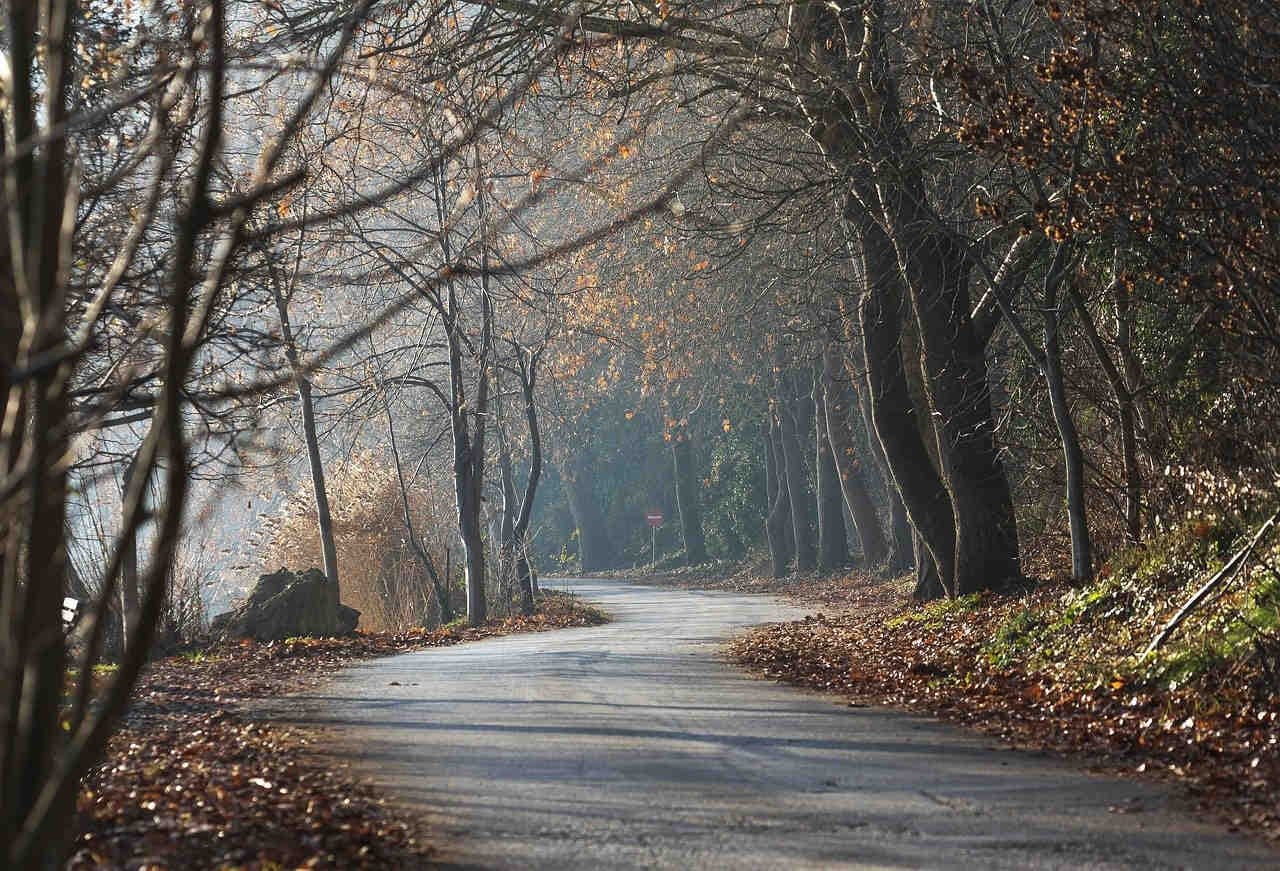
    importanza dei boschi antichi per l'uomo
    3Bee

    Ancient Forests' Richness Found in Microflora

    Ancient forests do not only consist of centuries-old tree giants, but their true wealth is found in the soil microflora. These woodlands represent a patrimony of biodiversity, both on a macroscopic and microscopic level, the fruit of centuries of growth and decay. Existing for so long, they have developed special communities of plants and animals not found elsewhere. The UK's ancient woodlands are areas relatively untouched by human development that have persisted since the 1600s. A habitat as valuable as a ancient woodland needs to be conserved and protected, being rich in unique communities of plants, fungi, lichens, insects and other microorganisms.
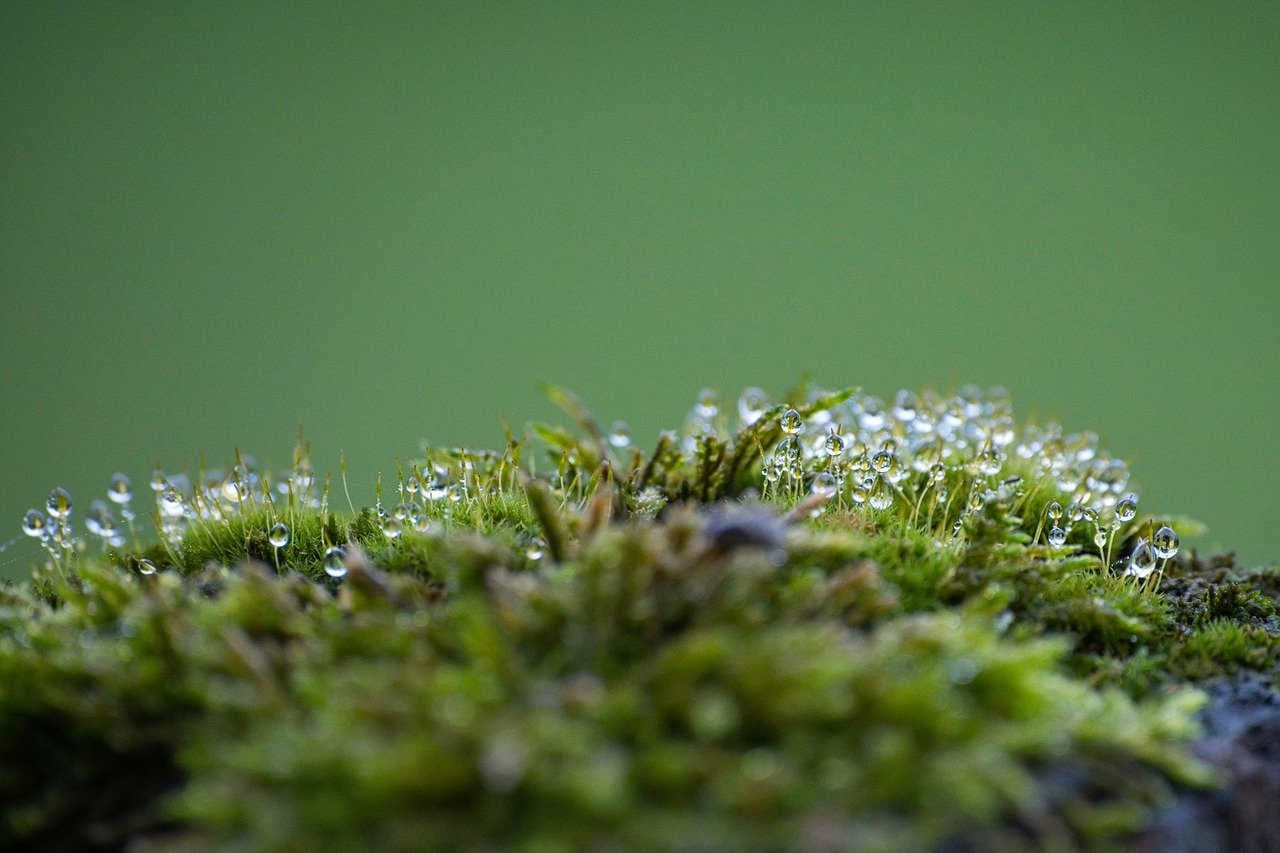
    la vera ricchezza dei boschi secolari risiede nella microflora del suolo

    New Forests Lack the Same Richness

    The planting of new trees can attract many different species of flora and fauna, but the spread of them is very slow. In contrast, ancient woodlands represent the UK's richest and most complex terrestrial habitat, hosting more threatened species than any other ecosystem. Centuries of intact soil and decaying wood have generated ideal conditions for communities of fungi and invertebrates. In addition, many specialised species of insects, birds and mammals depend on these forests. Ancient forests are irreplaceable: their biodiversity, accumulated over hundreds of years, cannot be replicated. Many of the species that thrive there are particularly slow to colonise new areas, making the preservation of these precious environments even more crucial.

    i boschi secolari sono un habitat insostituibile

    Ancient Forests And Climate Change

    Ancient woodlands are crucial in combating climate change. According to the reportState of the UK's Woods and Trees of 2021, these woods make up 25% of the UK's forests, storing 37% of the total carbon found in woods and trees. This amount corresponds to the carbon emissions generated annually by every household in the UK. Carbon stocks in ancient woodlands are projected to double over the next 100 years, from about 77 million tonnes to about 155 million tonnes. This projection is based on a approach that does not include felling and takes into account ancient woodlands with younger trees,which still have a noteworthy potential for growth and carbon sequestration.These estimates are only for carbon contained in living trees; including undisturbed land, the values would be even higher.

    stoccaggio del carbonio alberi secolari

    The Loss Of Ancient Forests and Their Protection

    There are at least 1225 threatened ancient woods currently in the UK. 70% of the UK's ancient woodlands have been lost or damaged due to plantations of non-native conifers, overgrazing, invasive species and air pollution. The fragmentation does not only affect ancient woodlands, but all types of forest habitats, making it urgent to expand small woodlands and link them through natural habitat networks to encourage the spread of wildlife and opportunities for species to adapt. The UK and national governments have pledged to increase woodland cover, following the recommendations of the Climate Change Committee (CCC). The CCC has suggested increasing forest area from 13% to 19% by 2050 to tackle the climate crisis and the loss of biodiversity in the UK.

    perdita e protezione boschi antichi
    27/10/2024Of 3Bee, Lara Vivarelli
    888 Views
    Newsletter
    newsletter
    Subscribe to the Blog about bees and biodiversity

    Frequently Asked Questions

    Do you have any doubts or other curiosities about this article? Here you will find some insights