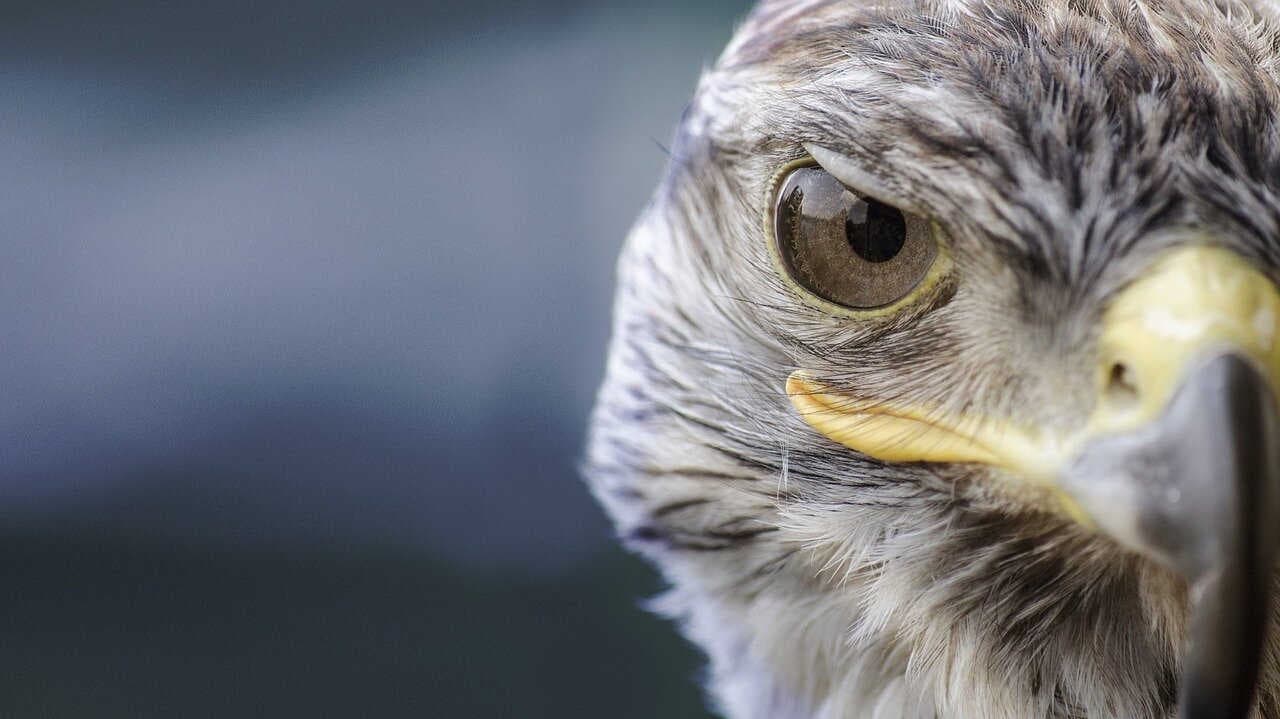
New Year’s Fireworks: The "Silent" Impact on Wildlife
    FireworksWildlife ImpactPollutionGoose Stress

    New Year’s Fireworks: The "Silent" Impact on Wildlife

    Firecrackers, firecrackers, and fireworks welcome the new year worldwide, as per tradition. But what is their impact on wildlife? How can we preserve it from the noise and atmospheric pollution caused by these "bangs"? Let's find out in this article.

    Read the article
    28/12/2024Of 3Bee, Lisa Santillo
    1120 Views
    28/12/2024Of 3Bee, Lisa Santillo
    1120 Views

    New Year's fireworks threaten (also) wildlife

    Disclaimer: this is an automated translation from Italian. Go to the original article.

    Every year, during New Year’s Eve, millions of people around the world gather to celebrate the start of the new year, and among the main traditions is that of fireworks and firecrackers. A symbol of joy and celebration, however, its impact on the natural environment should not be underestimated. In particular, New Year's fireworks pose a danger not only to domestic animals but also to wildlife, generating acoustic disturbances that also affect behavioral levels, thereby negatively impacting the well-being of various species. The psychophysical stress caused by the noise and atmospheric pollution following fireworks and firecrackers extends to birds, mammals, amphibians, and insects. A single explosion can reach 150 decibels, a volume higher than that of a gunshot.
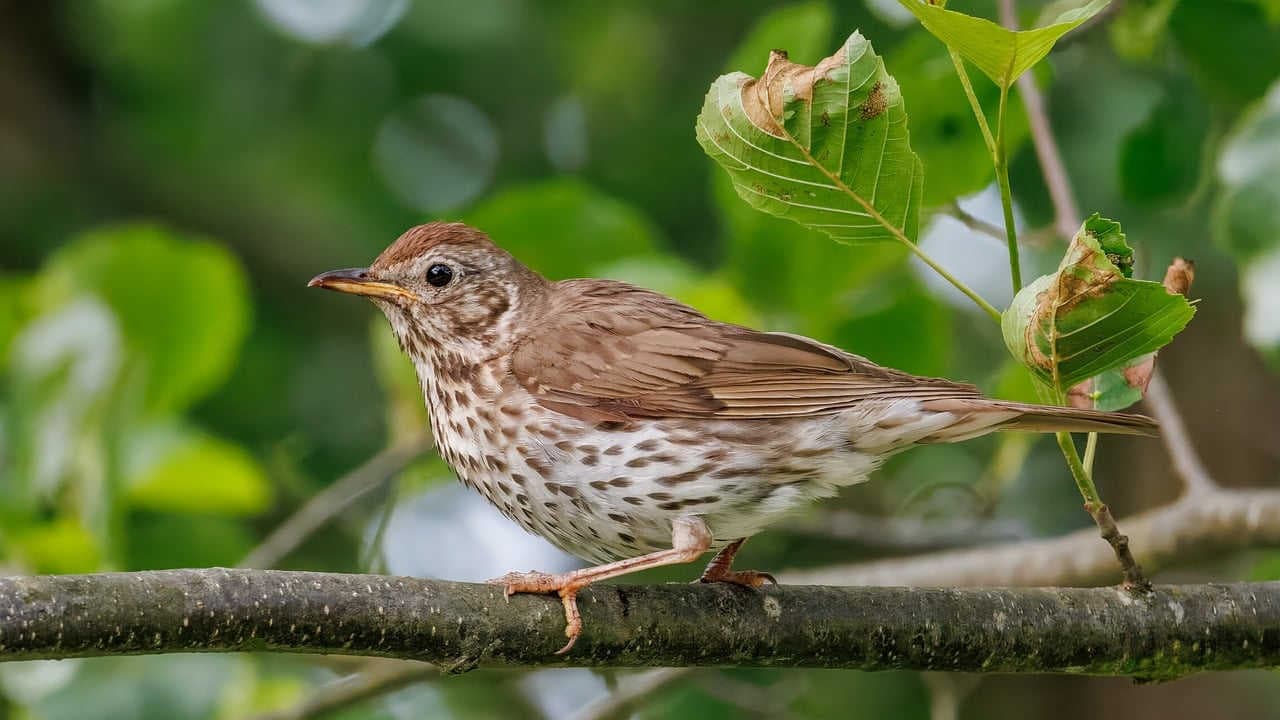
    uccello

    Fireworks: Long-term impact on wildlife

    A recent study conducted by Curtin University revealed that fireworks and firecracker launches often coincide with periods of migration or breeding of many species, with consequent negative effects on their populations in the long term. Additionally, fireworks and firecrackers produce emissions and pollutants, contributing to chemical contamination of the soil, water, and air, with serious implications for both animal and human health. To investigate the potential damage caused by pyrotechnics, researchers examined the ecological effects of various events and holidays in the United States, India, New Zealand, and Europe. Among the findings, it emerged that sea lions along the Chilean coastline changed their breeding season due to New Year’s fireworks. In California, July fireworks were linked to a decline in cormorant colonies.
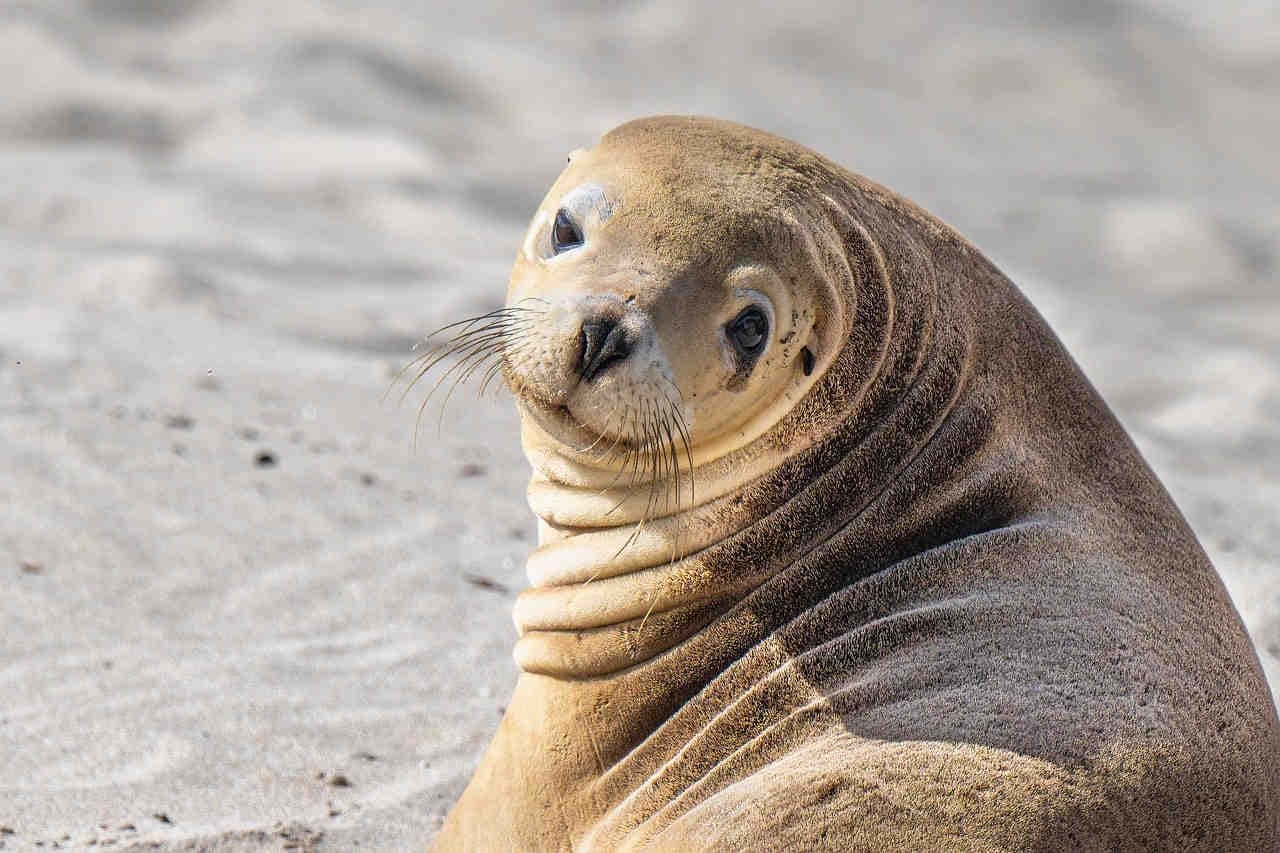
    leone marino
    XNatura

    Fireworks and Atmospheric Pollution

    As previously mentioned, fireworks also cause air pollution. A study conducted in 2014 in central London highlighted an increase in the concentration of pollutants during fireworks nights. This phenomenon is attributed to the toxic compounds released by the combustion of fireworks. Besides the increase of fine particles in the air, pyrotechnic activities also contribute to the increase in harmful gases such as carbon monoxide that impedes oxygen transport in the body and nitrogen oxide, which can be harmful when inhaled and through skin absorption. Another study conducted in the United States during July 4th celebrations in Minneapolis showed a 32% increase in carbon monoxide emissions. These atmospheric pollutants negatively affect not only human health but also the climate and wildlife.
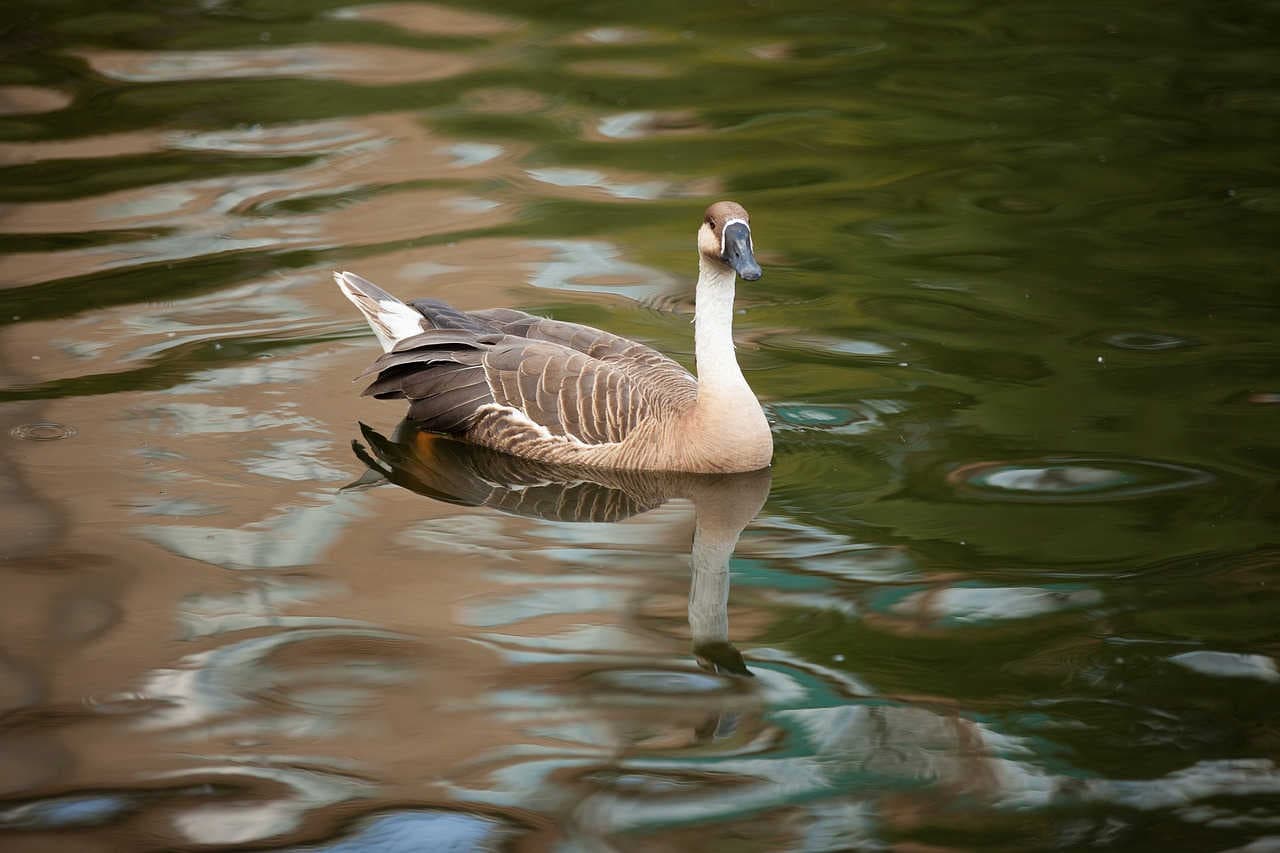
    anser anser

    Fireworks and Physiological Stress in Geese

    Regarding wildlife, further research conducted by Professor Claudia Wascher investigated the effects of New Year's fireworks on 20 gray geese (Anser anser). The study focused on monitoring the heart rate and body temperature of the geese during the early hours of January 1st. The results showed a significant increase in heart rate and body temperature in the first two hours of the new year compared to December 31 and the December average, attributable to the stress caused by fireworks. Although the heart rate was no longer affected after 02:00, body temperature remained elevated until 04:00. This study shows that fireworks cause physiological stress in geese, leading to significant energy expenditure, potentially impacting their health and behavior.
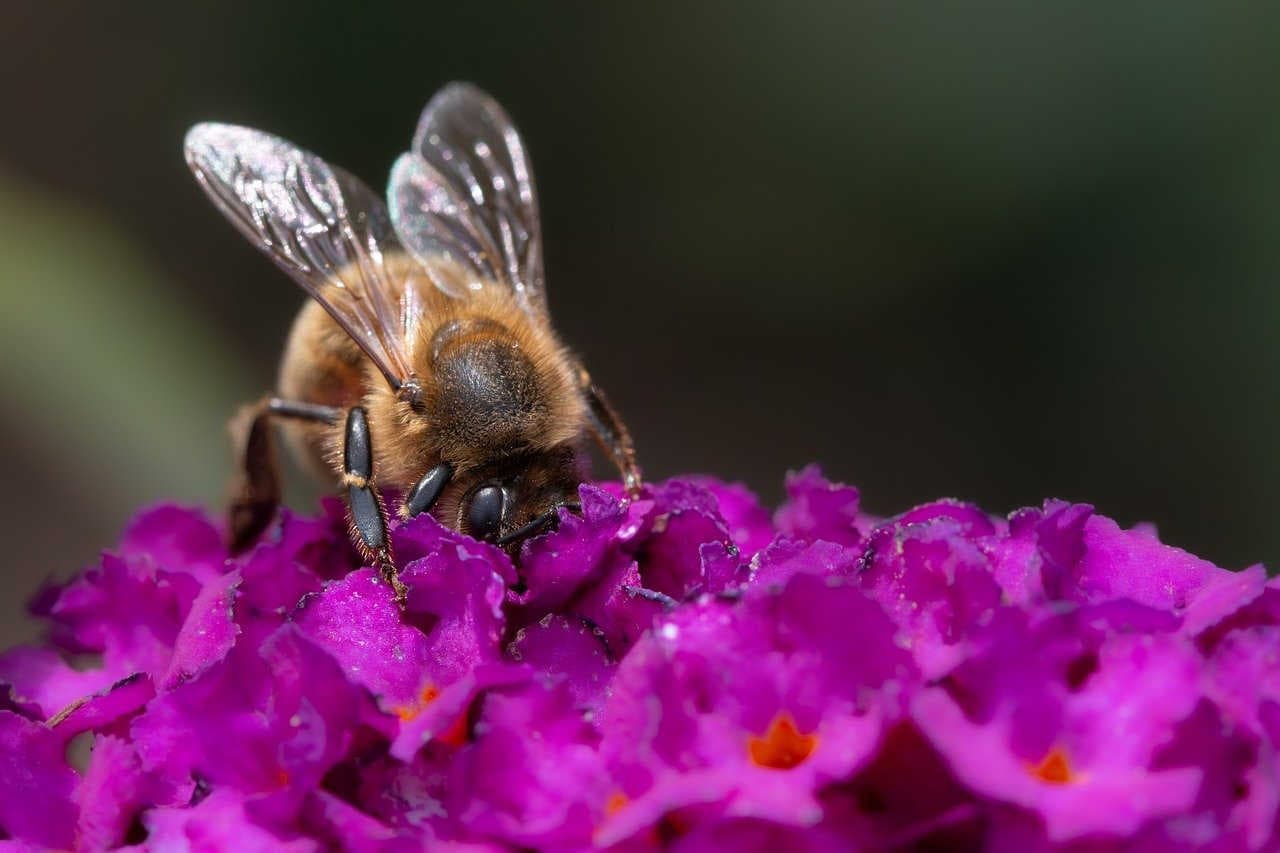
    impollinatore
    XNatura

    New Year Without Fireworks? Nature-friendly Alternatives

    Considering the negative effects of firecrackers and fireworks on ecosystems, it's essential to rethink the traditions associated with New Year's celebrations. Scientific evidence suggests that more ecological alternatives, such as drone and laser light shows, could significantly reduce noise and atmospheric impact. According to Professor Bill Bateman, lead author of Curtin University's study, these innovative technologies offer a viable solution to maintain traditions without compromising the health of wildlife. Choosing more sustainable alternatives would allow us to reduce animal stress, thus contributing to the protection of biodiversity and ensuring a balance between celebrations, traditions, and respect for the natural environment.

    3Bee
    28/12/2024Of 3Bee, Lisa Santillo
    1120 Views
    Newsletter
    newsletter
    Subscribe to the Blog about bees and biodiversity

    Frequently Asked Questions

    Do you have any doubts or other curiosities about this article? Here you will find some insights