Neglected species: the key to biodiversity
    SpecieBiodiversityNeglectedIndigenous people

    Neglected species: the key to biodiversity

    In the landscape of plant biodiversity, some species are often neglected despite their crucial potential for ecosystem health. These 'neglected species' represent an undervalued resource that could, however, be the key to safeguarding biodiversity.

    Read the article
    01/06/2024Of 3Bee, Sara Moraca
    395 Views
    01/06/2024Of 3Bee, Sara Moraca
    395 Views

    A limited number of plant species

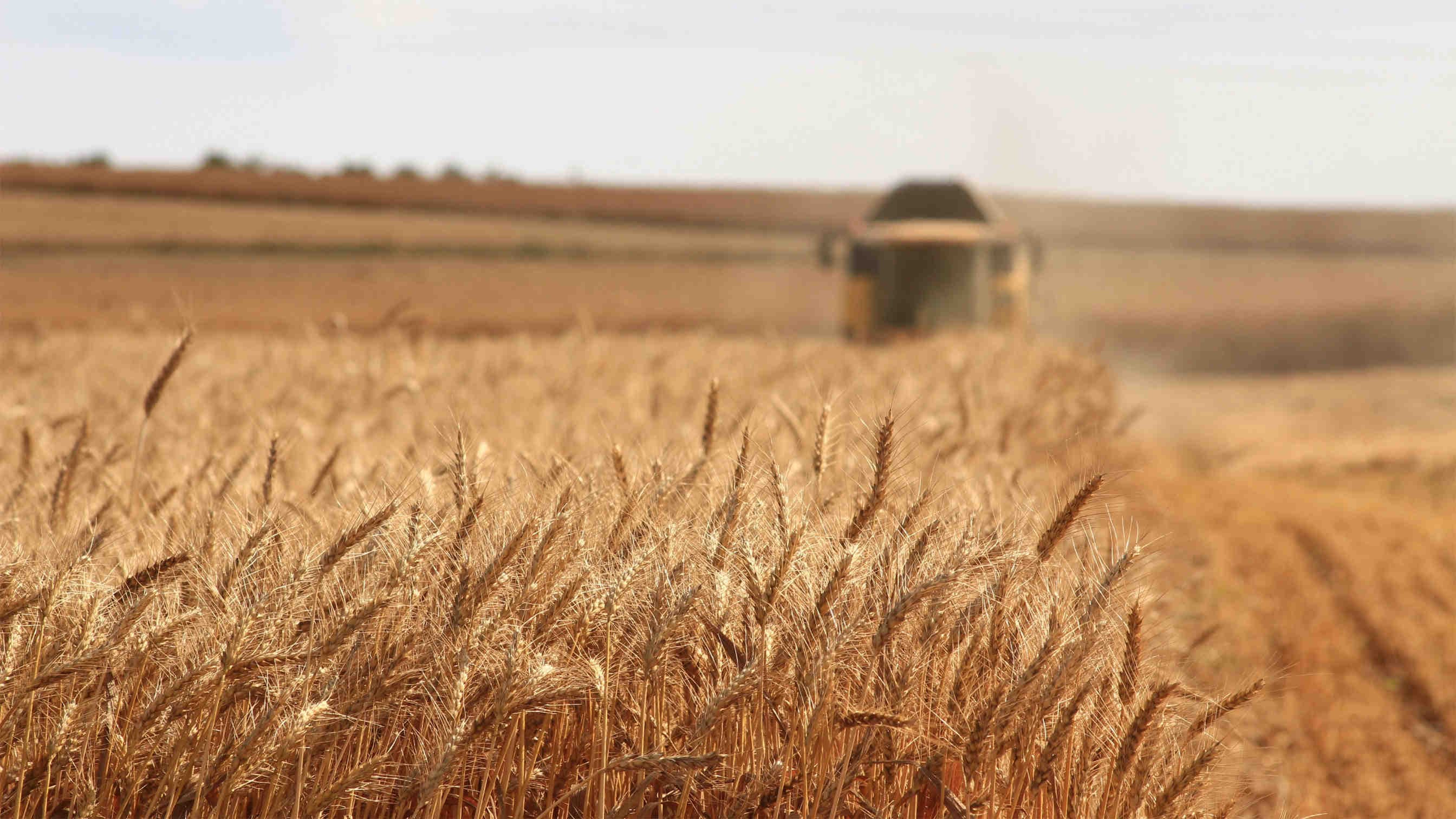
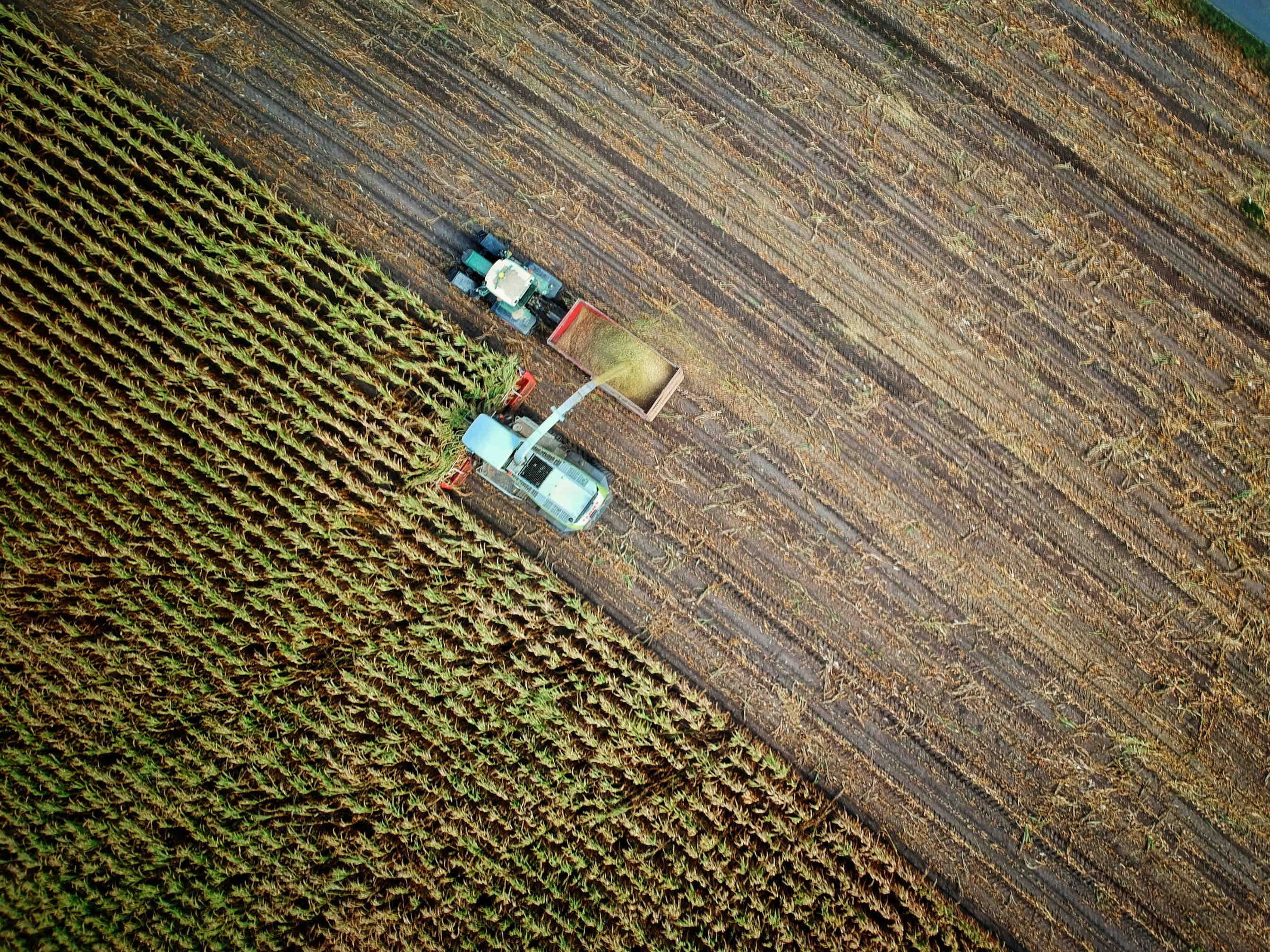
    The natural world offers a wide range of plants capable of sustaining human life, yet global food systems are dominated by only three: wheat, maize and rice. These species provide 50 per cent of the plant-based calories we eat and occupy 40 per cent of the world's arable land. Our global dependence on such a limited set of food crops has wide implications. Although these cultures have played an invaluable role in reducing world hunger, they alone cannot provide the full range of nutrients needed for the wellbeing of people. Therefore, a much more diverse diet is required, which many of the world's poorest cannot access. This lack of agricultural diversity also has serious consequences for global biodiversity and the natural environment. Indeed, the most common food species and varieties require substantial external inputs to thrive in a wide range of environments.
    agricoltura

    The impact of low agricultural biodiversity

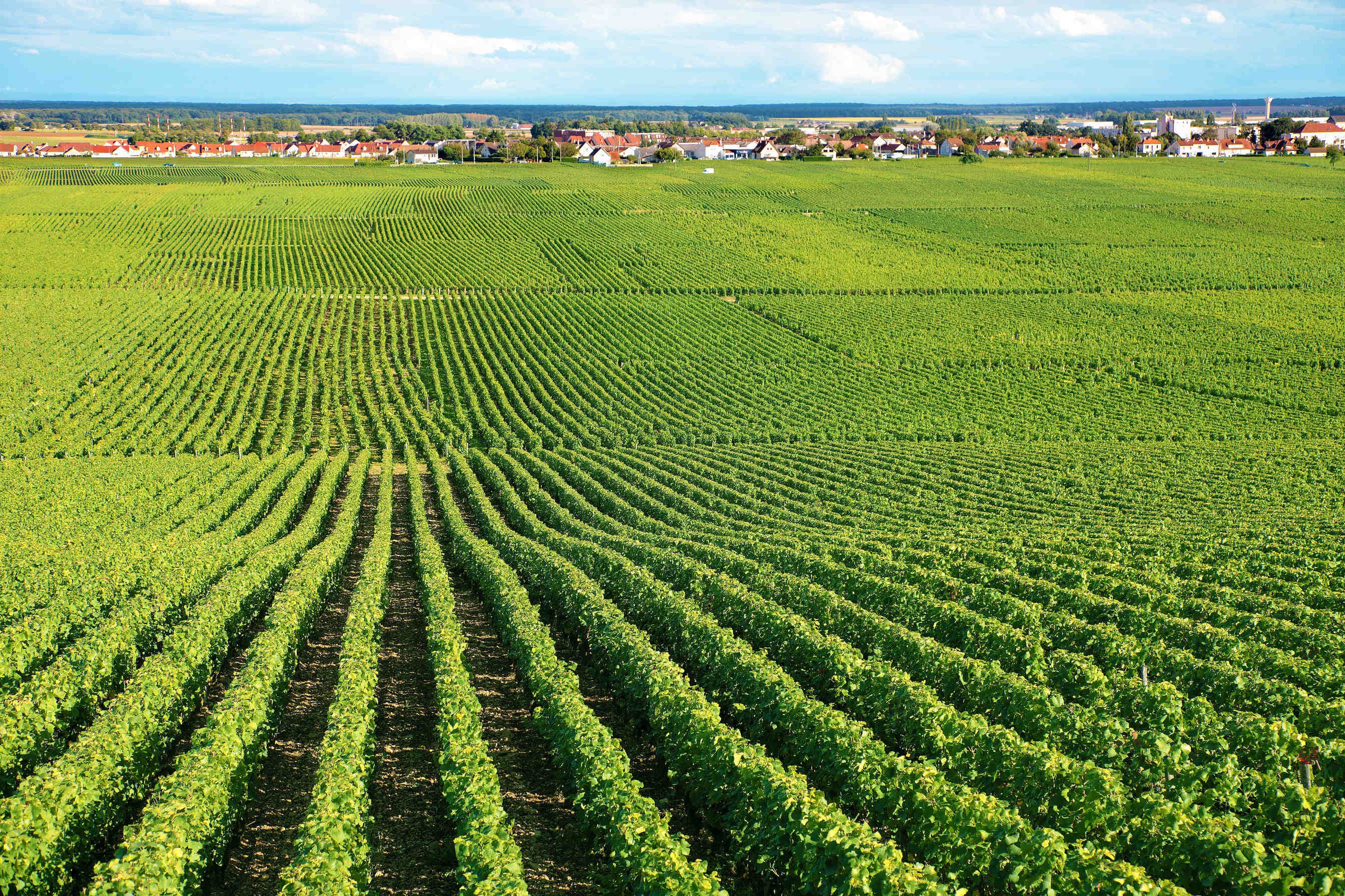
    The low agricultural biodiversity, with its predominance of a few food species, exerts significant pressure on local resources. This situation not only reduces the ability to adapt to external events, but also contributes to the deterioration of the environment, the loss of ecosystem services and the increase in global emissions, thus creating a vicious circle that threatens the sustainability of the entire food and environmental system. This is why it is important to find solutions to enrich biodiversity, with a major positive impact on human health and the health of the planet.

    coltivazioni
    XNatura

    The importance of neglected species

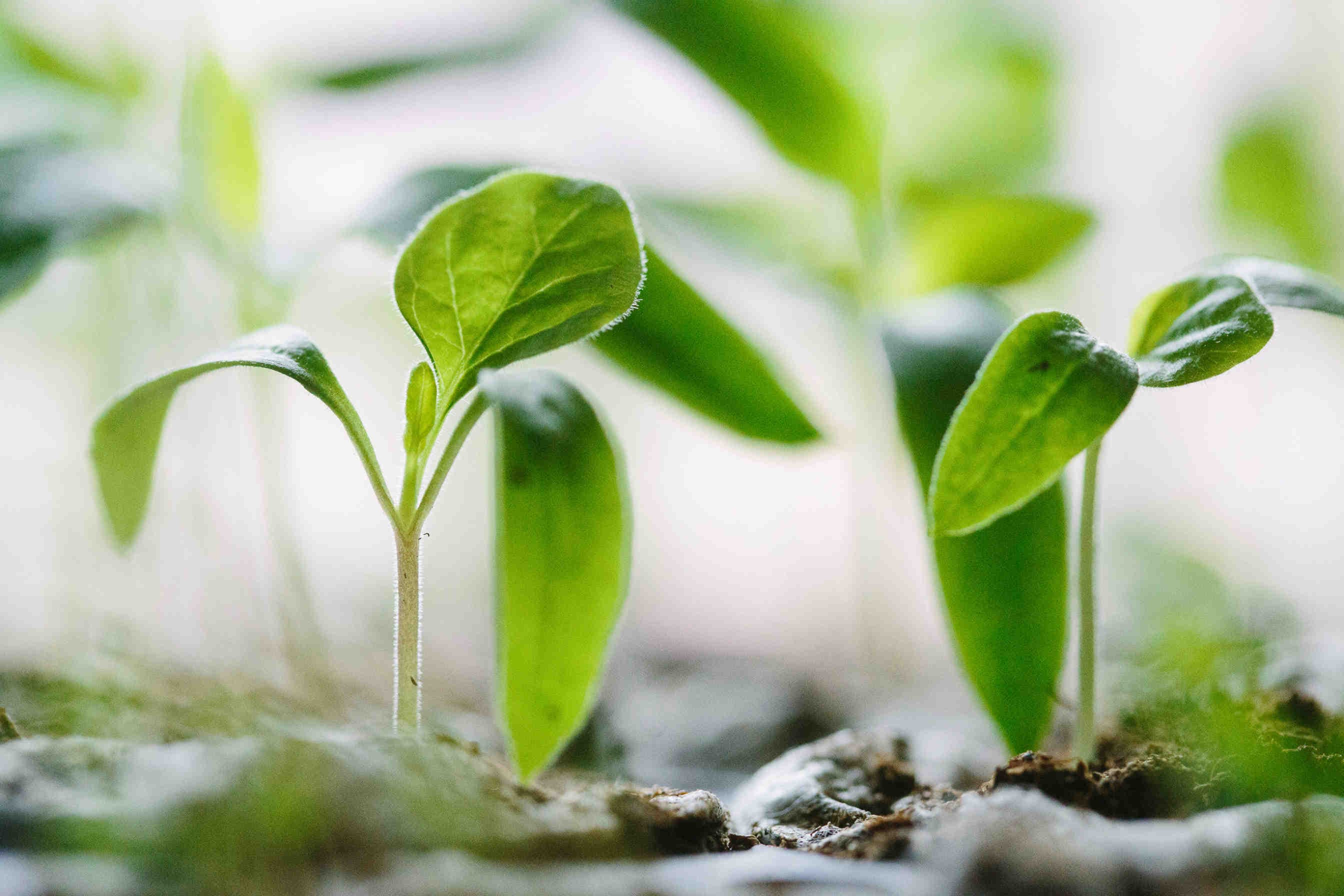
    For these reasons, it is time to turn our attention to some of the other approximately 5,000 potential food crops estimated to exist in the world. These are known collectively as 'neglected and underutilised species' (NUS) - plants, animals and fungi whose contribution to sustainable food systems is severely undervalued due to a general lack of awareness and information. NUS are typically native to the environments in which they are cultivated. Consequently, they have adapted to local conditions and require fewer external and economic inputs than conventional crops. Many NUS can also thrive in marginal areas, on arid land or land considered unsuitable for other purposes. This makes them an important part of adaptation strategies to climate change and economically viable for small-scale producers. Furthermore, many NUS are highly nutritious and rich in micronutrients and bioactive compounds.

    alimetazione

    Negelcted species and indigenous peoples

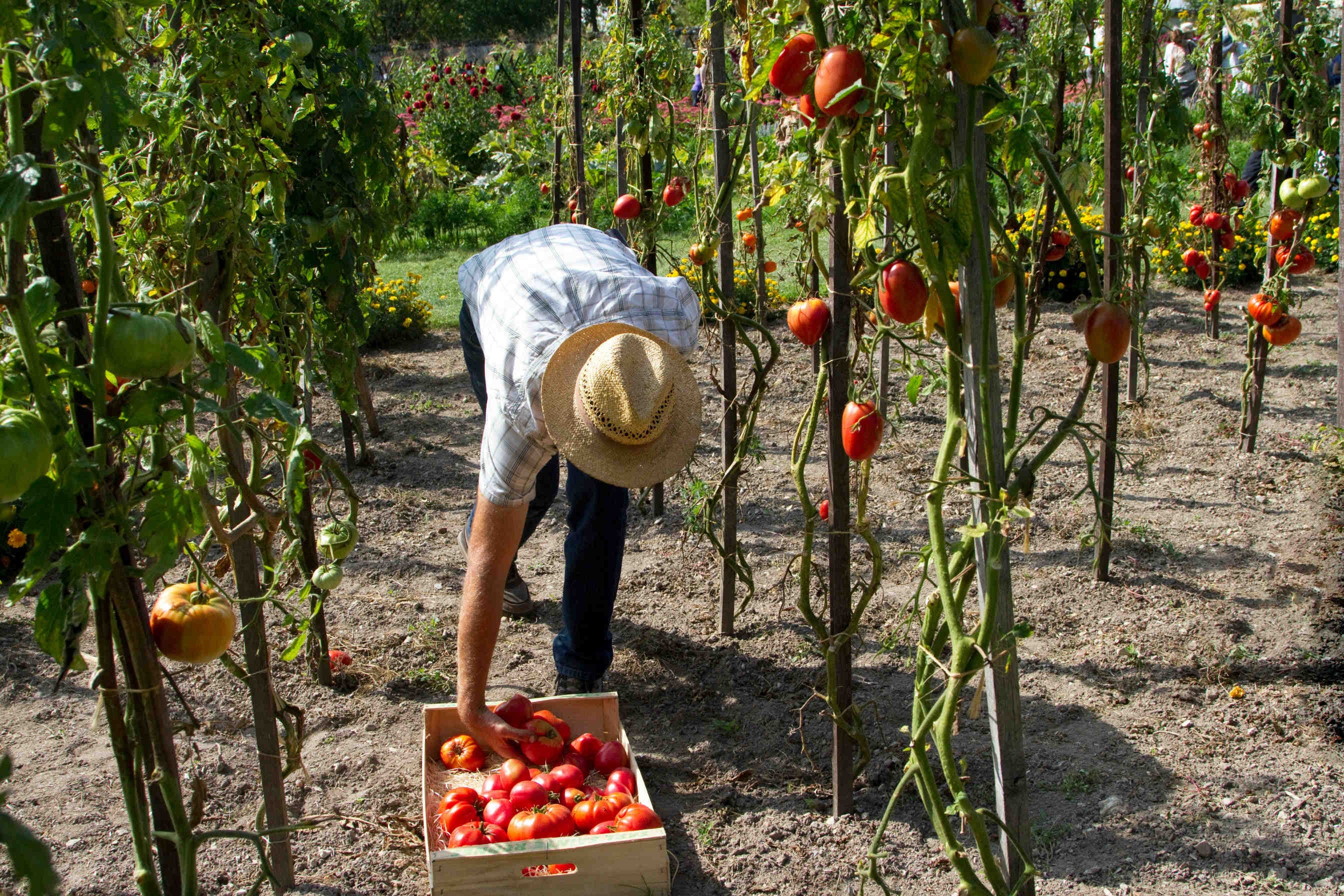
    While the world as a whole has neglected these species in research and policy formulation, ignoring their vast potential contribution to sustainable agriculture, rural livelihoods and accessible and nutritious diets, the same cannot be said of the communities that know and use them. Since most plant-based NUS is grown at home, often in gardens, or harvested in forests, it is usually tended by women in rutal localities and indigenous peoples, either for family consumption or for sale in local markets. When NUS enters markets, be they local, national or international, they have the potential to create revenue for communities who hold the keys to understanding how to grow, use and process them while also fostering local economic development.

    agricoltura
    XNatura

    Knowledge in danger of disappearing

    However, this knowledge risks disappearing precisely because it is in the hands of a few, so it is essential to ensure that it is preserved and passed on. Traditional foods are an intrinsic part of human knowledge and are embedded in our rituals and the way we understand our communities. This is especially true for indigenous peoples, whose food practices rely heavily on NUS. Protecting NUS allows peoples to become ambassadors of their cultures and identities: just look at how quinoa, a traditional Andean cereal, is celebrated by chefs around the world. By cultivating these foods, indigenous and rural producers can share their traditional food practices and build their livelihoods. However, it is also necessary to avoid the food gentrification: when foods become 'cool' to consumers and their rising cost or reduced availability makes them inaccessible to people.

    raccolta
    3Bee

    What international institutions are doing

    Institutions such as FAO and IFAD are working closely with small-scale producers and indigenous communities to explore the nutritional, economic, cultural and environmental benefits of NUS and understand how producers, especially women, can be supported through technological innovation and supportive policies to harvest, grow and market them. In India, IFAD- and FAO-supported research has contributed to the inclusion of minor cereals, whose cultivation was in decline but which can be grown in arid and heat-stressed conditions, in national livelihood programmes. Similarly, in Guatemala, chaya leafy vegetables, rich in micronutrients and produced mainly by indigenous women, have been introduced into school meals.

    pratiche agricole

    Le neglected species per il futuro

    As evidenced by the intense discussions at the COP, the global climate change summit, and the evidence of the Evaluation Report of the Intergovernmental Panel on Climate Change, it is clear that we must act immediately to mitigate the impacts of human activity on climate, conserve biodiversity and assist the most vulnerable rural dwellers in adapting to changing conditions. Similarly, IFAD's Rural Development Report 2023 emphasises the need to revolutionise global food systems. To successfully address these challenges and establish sustainable food systems that feed the world, create livelihoods and protect ecosystems, it is essential to engage universities and communities dedicated to preserving and conserving natural resources.

    agricoltura
    01/06/2024Of 3Bee, Sara Moraca
    395 Views
    Newsletter
    newsletter
    Subscribe to the Blog about bees and biodiversity

    Frequently Asked Questions

    Do you have any doubts or other curiosities about this article? Here you will find some insights